Aircon Loadshedding Backup Solar Battery South Africa – 2026 Complete Guide
Loadshedding has fundamentally changed how South Africans live, work, and sleep. During intense heatwaves in Johannesburg, Pretoria, Durban, and Cape Town, losing power means losing comfort, productivity, and even safety. When temperatures hit 35°C+ and the grid goes down, your home becomes unbearable – especially for children, elderly, or those working from home.
The good news: you can run your aircon during loadshedding using solar and battery backup systems – if designed correctly.
This guide explains everything you need to know, including:
- How to run aircon during loadshedding (proven methods)
- Best solar system size for air conditioners
- Battery capacity requirements for different aircon sizes
- Hybrid inverter compatibility and sizing
- Complete costs in South Africa (2026 prices)
- Critical mistakes to avoid (they’re expensive)
- Electrical safety and regulatory compliance
📅 2026 Update: All system specifications, battery recommendations, and costs reflect current South African market conditions. This guide references Eskom loadshedding schedules, SAREC installation standards, and NERSA embedded generation regulations.
❄️ Beat Loadshedding – Get Solar & Backup Quotes Near You
Find certified solar and aircon specialists who can design a system that keeps you cool during power outages.
✓ Free inspections ✓ Hybrid solar specialists ✓ Battery backup experts
Table of Contents
⚠️ Why Running Aircon During Loadshedding Is Difficult
Air conditioners are among the most demanding appliances in your home. Unlike lights, TVs, or laptops, aircons cannot run on small backup systems. Here’s why:
High startup power
Aircons need 2-3x their running power to start the compressor. This surge current trips undersized inverters.
Continuous running power
Once running, aircons draw 700W to 3000W continuously – draining small batteries quickly.
Stable voltage required
Aircon compressors need clean, stable power. Poor quality inverters cause failures.
This is why cheap backup systems fail when connected to air conditioners. Professional system design is absolutely critical.
📊 Aircon Power Usage & Surge Current Table
Understanding your aircon’s power requirements is the first step in designing a backup system.
| Aircon Size | Running Power | Startup Surge | Typical Room |
|---|---|---|---|
| 9,000 BTU | 700–900W | 1,500–2,000W | Small bedroom |
| 12,000 BTU | 900–1,200W | 2,000–3,000W | Master bedroom |
| 18,000 BTU | 1,500–2,000W | 3,000–4,500W | Lounge |
| 24,000 BTU | 2,000–3,000W | 4,000–6,000W | Large lounge / open plan |
These figures are for inverter aircons. Non-inverter units have even higher surge currents (up to 5x running power).
⚡ Best Systems to Run Aircon During Loadshedding
There are 4 main options, ranging from basic to premium:
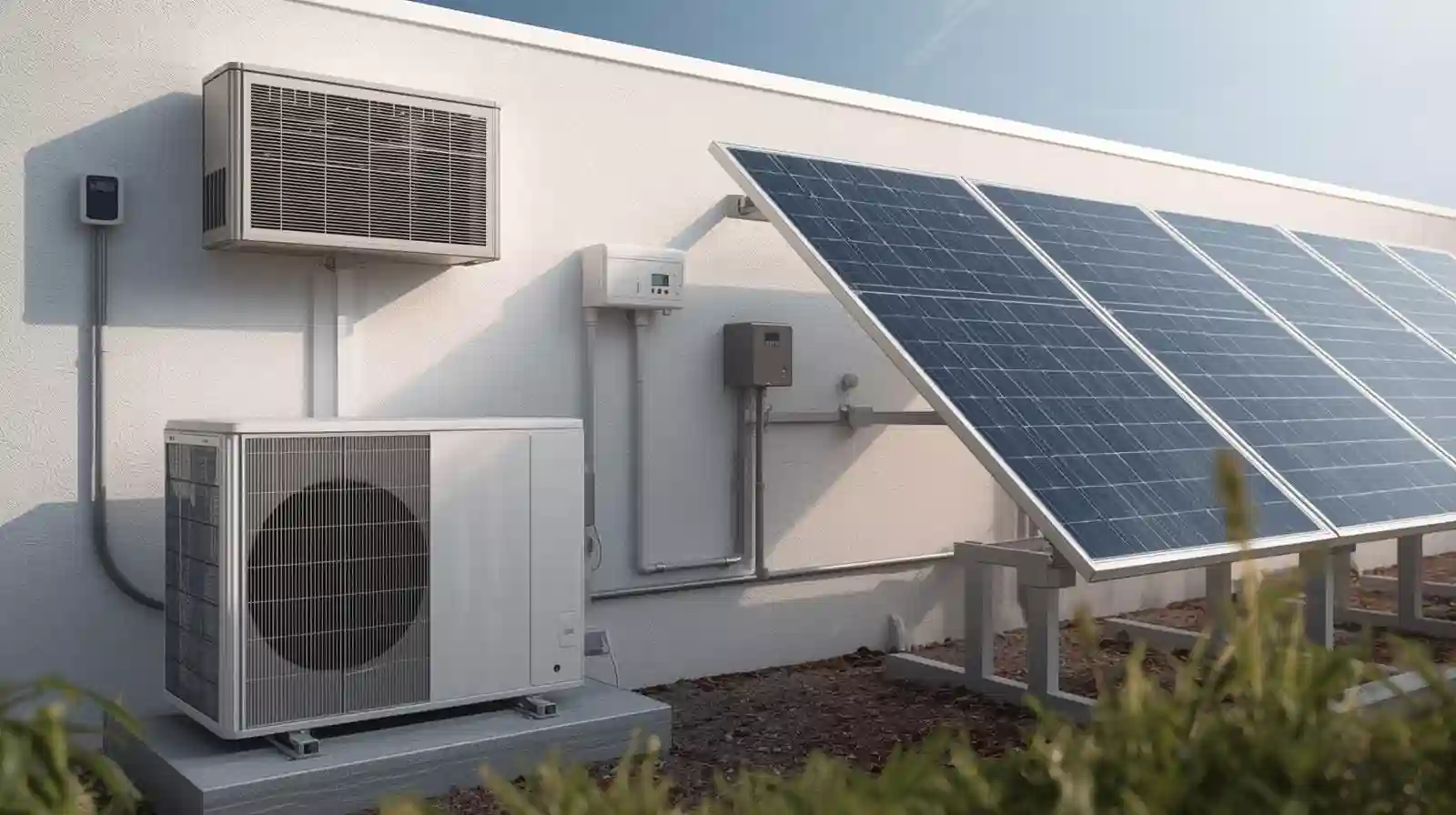
Option 1: Solar Panels + Battery + Hybrid Inverter Best Solution
This is the most reliable and recommended system.
Components:
- Solar panels (PV array)
- Lithium battery bank
- Hybrid inverter with grid-tie capability
- Professional electrical integration
How it works:
- Daytime: Solar powers aircon directly + charges batteries
- Night: Battery powers aircon during loadshedding
- Grid: Backup support when batteries low
Benefits:
- ✓ Works during loadshedding (any time of day)
- ✓ Reduces electricity bill by 40-70%
- ✓ Long-term investment (10-15 year lifespan)
- ✓ Increases property value
Perfect for homes in Sandton, Fourways, Midrand, and other high-density suburbs.
Option 2: Battery Backup Only
No solar panels. Battery charges from grid.
- Runs aircon during outages – but only as long as battery lasts
- Battery recharges from grid when power returns
- No electricity savings – still paying Eskom
Limitations:
- ✗ Limited runtime (depends on battery size)
- ✗ Needs frequent charging from grid
- ✗ Higher long-term cost (no solar savings)
Option 3: PV Direct Solar Air Conditioner
Special aircon designed to run directly from DC solar power.
- Runs directly from panels during sunshine
- No inverter needed for DC units
Limitations:
- ✗ Expensive – typically 2-3x standard aircon cost
- ✗ Limited availability in South Africa
- ✗ Requires specialist installation
- ✗ No night operation without batteries
Option 4: Generator
Petrol or diesel generator.
- Can run any aircon
Disadvantages:
- ✗ High fuel costs (R50-100 per hour)
- ✗ Noise – disturbs neighbours
- ✗ Maintenance – oil changes, servicing
- ✗ Emissions – bad for environment
- ✗ Not ideal for long-term
For most homeowners, Option 1 (Solar + Battery + Hybrid Inverter) is the best long-term investment. See our solar integration guide for technical details.
🔋 Why Inverter Aircons Work Best With Solar
Inverter aircons consume far less power and have soft-start technology – making them ideal for backup systems.
Inverter Aircon Advantages
- Lower surge current – 2x running power vs 5x for non-inverter
- Lower running power – 30-60% less electricity
- Longer battery runtime – same battery lasts twice as long
- Better voltage tolerance – handles fluctuations
- Soft start – gentle ramp-up protects inverter
Non-Inverter Problems
- High surge current – up to 5x running power
- High running power – wastes battery capacity
- Short battery runtime – drains quickly
- Hard start – trips inverters
If you’re planning a backup system, install an inverter aircon first. Read our detailed inverter vs non-inverter comparison for more.
🔋 Battery Size Needed to Run Aircon
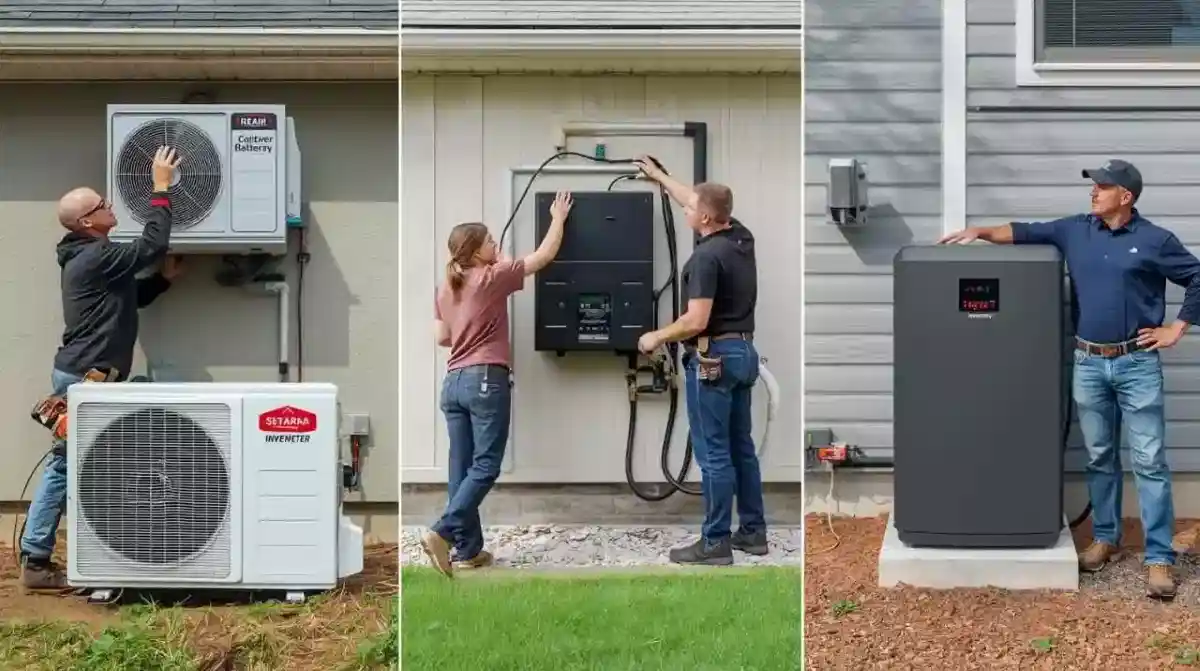
This is the most important factor in system design. The battery must store enough energy to run your aircon for the duration of loadshedding (typically 2-4 hours, sometimes longer).
📊 Calculation example – 12,000 BTU aircon:
Running power: 1000W
Loadshedding duration: 4 hours
Energy needed: 1000W × 4 hours = 4000Wh (4kWh)
Recommended battery: 5kWh lithium minimum (allows for inverter losses)
| Aircon Size | Running Power | Battery for 4 Hours | Recommended Battery |
|---|---|---|---|
| 9,000 BTU | 800W | 3.2kWh | 5kWh lithium |
| 12,000 BTU | 1000W | 4kWh | 5kWh lithium |
| 18,000 BTU | 1800W | 7.2kWh | 10kWh lithium |
| 24,000 BTU | 2500W | 10kWh | 10-15kWh lithium |
Battery type matters:
- Lithium batteries – Recommended. Longer lifespan (10+ years), deeper discharge, lighter, more efficient.
- Lead-acid / Gel batteries – Cheaper but heavier, shorter lifespan (3-5 years), only 50% usable capacity.
☀️ Solar Panel Size Required
Solar panels must power two things simultaneously:
- Running the aircon during sunshine hours
- Recharging the battery for night-time loadshedding
Example calculation:
- Aircon: 1000W running power
- Battery charging: 1000W (to recharge 4kWh battery in 4 hours)
- Total solar needed: 2000W minimum
- With 400W panels: 5-6 panels minimum
| Aircon Size | Total Solar Power Needed | Number of Panels (400W) |
|---|---|---|
| 9,000 BTU | 1.6-2.0kW | 4-5 panels |
| 12,000 BTU | 2.0-2.5kW | 5-6 panels |
| 18,000 BTU | 3.0-4.0kW | 7-10 panels |
| 24,000 BTU | 4.0-5.0kW | 10-12 panels |
For whole-home systems with multiple aircons, solar requirements increase proportionally. Professional design is essential.
⚡ Hybrid Inverter Size Required
Your inverter must handle the surge current of the aircon starting up, plus any other loads running simultaneously.
| Aircon Size | Surge Current | Minimum Inverter Size | Recommended Inverter |
|---|---|---|---|
| 9,000 BTU | 1,500-2,000W | 2.5kW | 3kW |
| 12,000 BTU | 2,000-3,000W | 3kW | 5kW |
| 18,000 BTU | 3,000-4,500W | 5kW | 5-8kW |
| 24,000 BTU | 4,000-6,000W | 6kW | 8kW |
Important: If you plan to run multiple aircons or other appliances simultaneously, increase inverter size accordingly. Many homeowners choose 5kW or 8kW inverters to allow for future expansion.
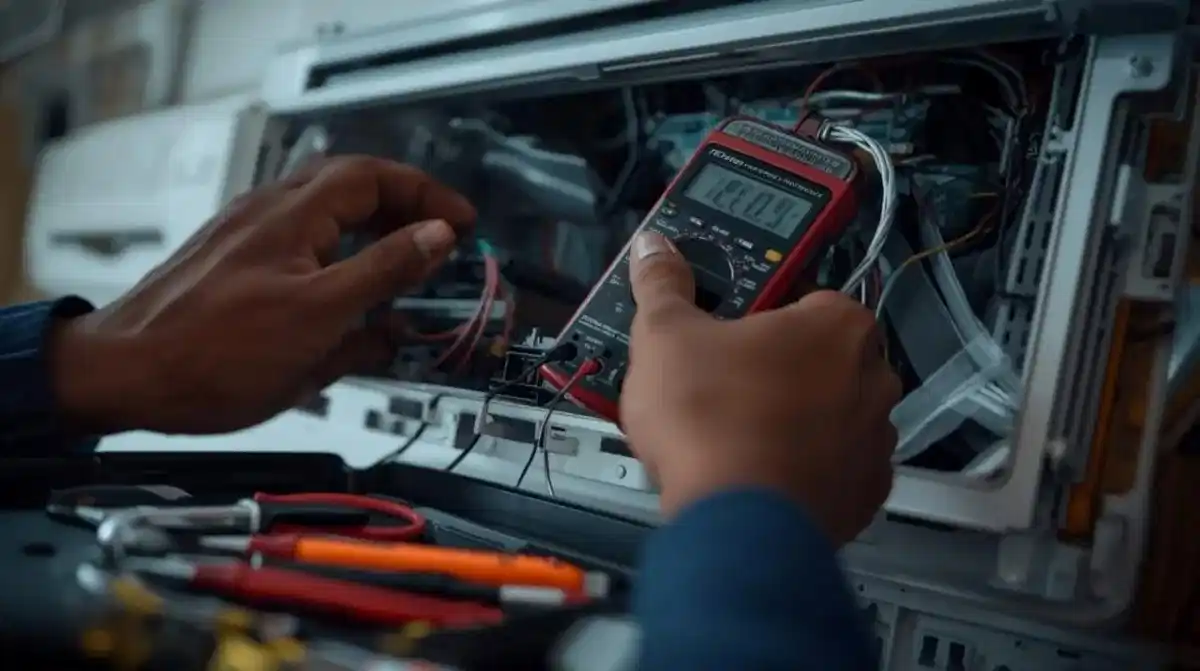
🏠 Real South African Installation Example
Location: Sandton, Johannesburg
Property: 4-bedroom house with home office
Aircon: 18,000 BTU inverter unit (lounge) + 3x 12,000 BTU inverter units (bedrooms)
System installed:
- 12 x 450W solar panels (5.4kW total)
- 8kW hybrid inverter
- 10kWh lithium battery bank
- Full electrical integration with isolators and surge protection
Results:
- All aircons run during loadshedding (staggered startup)
- Lounge aircon runs entire 4-hour loadshedding period on battery
- Electricity bill reduced by 65% (from R4,800 to R1,700/month)
- Payback period estimated at 5-6 years
💰 Cost to Run Aircon on Solar in South Africa (2026)
Estimated costs for professionally installed systems:
| System Type | Price Range | Includes | Best For |
|---|---|---|---|
| Basic battery backup | R30,000 – R60,000 | 5kWh battery, 3kW inverter | Single bedroom aircon |
| Solar + battery (small) | R80,000 – R120,000 | 3kW solar, 5kWh battery, 5kW inverter | 1-2 aircons, essential loads |
| Solar + battery (medium) | R120,000 – R180,000 | 5kW solar, 10kWh battery, 8kW inverter | 3-4 aircons, whole home |
| Whole home premium | R180,000 – R350,000 | 8-10kW solar, 15-20kWh battery, 10kW+ inverter | Large homes, multiple aircons |
Costs vary by city and installer. Get exact quotes from:
Financing available through pay-later options.
🔒 Electrical Safety Requirements
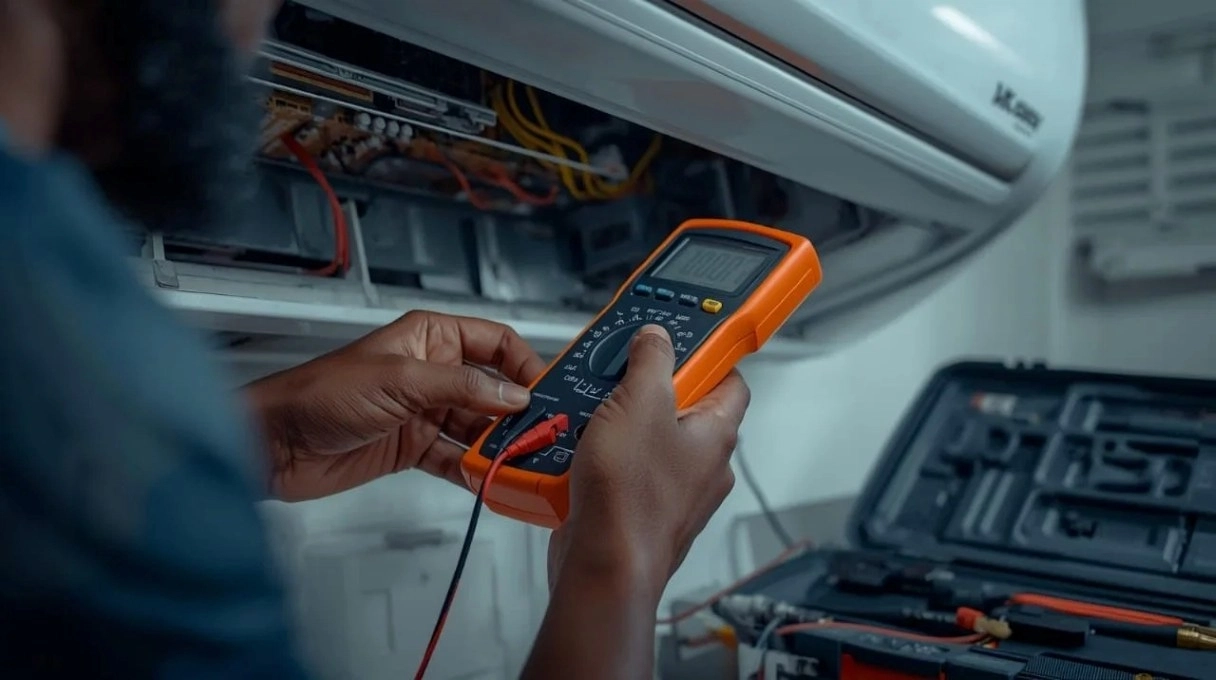
Professional installation is essential for safety and compliance. Requirements include:
- Isolators – for safe disconnection of solar, battery, and aircon
- Surge protection – protects sensitive electronics from lightning and grid surges
- Dedicated circuits – aircons must be on their own breakers
- Earthing – proper earth connection for safety
- Battery management system – prevents overcharge/over-discharge
- COC (Certificate of Compliance) – legal requirement for all electrical work
📋 South African Regulations
These organisations regulate solar and backup systems:
- Eskom – Grid connection requirements and loadshedding schedules
- NERSA – Embedded generation registration for grid-tied systems
- SAREC – Solar PV installer standards and best practices
- SABS – Electrical installation standards (SANS 10142)
Compliance ensures:
- ✓ Safety for your family
- ✓ Legal operation (no fines)
- ✓ Insurance validity
- ✓ Warranty protection
🚨 Biggest Mistakes to Avoid
Undersized inverter
Inverter can’t handle surge current – trips repeatedly. Always size for startup, not just running.
Cheap batteries
Lead-acid batteries fail quickly with deep discharges. Lithium is essential for aircon backup.
Non-inverter aircon
High surge current and power consumption make non-inverter units difficult and expensive to back up.
Unqualified installers
Electrical fires, equipment damage, and voided warranties result from DIY or unqualified installation.
No soft starter
Older aircons need soft starters to reduce surge – without them, inverters trip.
Ignoring regulations
Non-compliant systems can be disconnected by Eskom and may not be insured.
Learn how to choose qualified professionals in our installer selection guide.
✅ Benefits of Solar Powered Aircon
Comfort during loadshedding
Stay cool when the grid goes down – no more sweating through 4-hour outages.
Lower electricity bills
Solar powers your aircon during the day, reducing Eskom consumption by 40-70%.
Higher property value
Solar + battery systems increase home resale value by 5-10%.
Energy independence
Less reliance on Eskom and protection from future tariff increases.
🏢 Commercial Solar Aircon Systems
Perfect for businesses that cannot afford downtime during loadshedding:
- Offices – staff productivity drops without cooling
- Retail stores – customers won’t shop in hot conditions
- Restaurants – health regulations require temperature control
- Data centres – servers need cooling 24/7
- Medical facilities – patient comfort and equipment requirements
Commercial systems are larger and more complex – see our commercial aircon solutions.
❓ Frequently Asked Questions
Can I run my aircon during loadshedding?
Yes, you can – but you need a properly sized battery and inverter system. Inverter air conditioners work best because they use less power and have lower startup surge, allowing them to run efficiently on backup systems. A typical 12,000 BTU inverter aircon needs a 5kWh battery and 3-5kW inverter to run for 4-6 hours.
What size battery is needed for aircon?
Most bedroom aircons (9,000-12,000 BTU) require at least 5kWh lithium battery for 4-6 hours of runtime. Larger aircons (18,000-24,000 BTU) need 10kWh or more. System sizing depends on aircon size, desired runtime, and whether you’re running other appliances. Professional assessment is recommended for accurate sizing.
Can solar panels run aircon directly?
Yes, but only during sunshine hours. Solar panels can power an aircon directly through a hybrid inverter during the day. However, to run aircon during loadshedding at night or when cloudy, batteries are required. Hybrid systems combine solar and battery for continuous 24/7 operation. See our solar integration guide for details.
Are inverter aircons better for solar?
Yes, significantly better. Inverter aircons use up to 40-60% less electricity than non-inverter units, which means smaller batteries and fewer solar panels. They also have soft-start technology that reduces surge current by 50-70%, making them much easier on inverters. If you’re planning a backup system, install inverter aircons first – it’s the most cost-effective approach.
How much does a solar aircon system cost in South Africa?
Costs range from R80,000 to R180,000 for a residential system that can run 1-3 aircons during loadshedding. Basic battery-only backup for a single aircon starts at R30,000-R60,000. Whole-home premium systems with 8-10kW solar and 15-20kWh battery cost R180,000-R350,000. Get free quotes from certified installers for accurate pricing in your area.
How long will a battery run an aircon?
Depends on battery size and aircon power consumption. A 5kWh battery runs a 1000W aircon for 4-5 hours. A 10kWh battery runs the same aircon for 8-10 hours, or a larger 18000 BTU unit for 4-6 hours. Lithium batteries provide deeper discharge (90-100% usable) than lead-acid (50% usable), so lithium is strongly recommended for aircon backup.
Can solar power a whole house aircon system?
Yes, but requires a large system: 8-10kW solar array, 10-15kW hybrid inverter, and 15-20kWh battery bank. This can run multiple aircons plus essential household loads during loadshedding. Professional design is essential – contact electrical service specialists for whole-home solutions.
Do I need a soft starter for my aircon?
For older non-inverter aircons, yes. Soft starters reduce startup surge from 5x running power to 2-3x, making it possible to run on smaller inverters. Most modern inverter aircons have built-in soft start. If you have an older unit, consult a technician about adding a soft starter – it’s cheaper than upgrading your inverter.
Is it legal to run aircon on solar in South Africa?
Yes, but must comply with regulations. Grid-tied solar systems must be registered with NERSA and comply with Eskom’s requirements. Off-grid systems (not connected to grid) have fewer restrictions. All electrical work must have a Certificate of Compliance (COC). Use SAREC-accredited installers to ensure compliance.
How do I find solar aircon installers near me?
Request free quotes through ServiceLink SA – we connect you with certified solar and aircon specialists in your area. Compare prices, check credentials, and read reviews from real customers. Free site inspections available in most areas.
Written by Innocent T Hanyani
21+ years construction and digital industry experience, ServiceLink SA
Our team has designed and overseen hundreds of solar + aircon backup installations across South Africa. This guide is based on real-world experience with Eskom loadshedding patterns, battery performance data, and installer feedback. We reference Eskom, SAREC, and NERSA regulations to ensure accuracy and compliance.
✅ Action Plan – Get Your Solar Backup System
- Check your aircon type – Inverter units are best for backup. If you have non-inverter, consider upgrading or adding soft starters.
- Calculate your power needs – List all aircons and appliances you want to back up. Use our BTU calculator if needed.
- Determine runtime requirements – How many hours of loadshedding do you need to cover? (Typically 2-4 hours, but Stage 6 can be longer)
- Get professional assessment – Free site inspections from certified installers
- Compare multiple quotes – Get at least 3 quotes with detailed specifications
- Check credentials – Verify installer certifications, insurance, and references
- Review financing options – Pay-later options available
- Schedule installation – Allow 2-5 days for complete system installation
- Enjoy comfort during loadshedding – Stay cool when the grid goes down
❄️ Beat Loadshedding – Get Solar Backup Quotes Today
Compare certified solar and aircon specialists who can design a system that keeps you cool during power outages.
✓ Free inspections ✓ Hybrid solar specialists ✓ Battery backup experts
Gauteng •
Johannesburg •
Pretoria •
Sandton •
Fourways •
Durban •
Cape Town
External references and industry standards:
- Eskom – Loadshedding schedules and grid connection requirements
- South African Renewable Energy Council – Solar PV installer standards
- NERSA – Embedded generation regulations and registration
- SABS – Electrical installation standards (SANS 10142)
System costs and specifications accurate as of February 2026. Actual requirements may vary based on site conditions and usage patterns.