
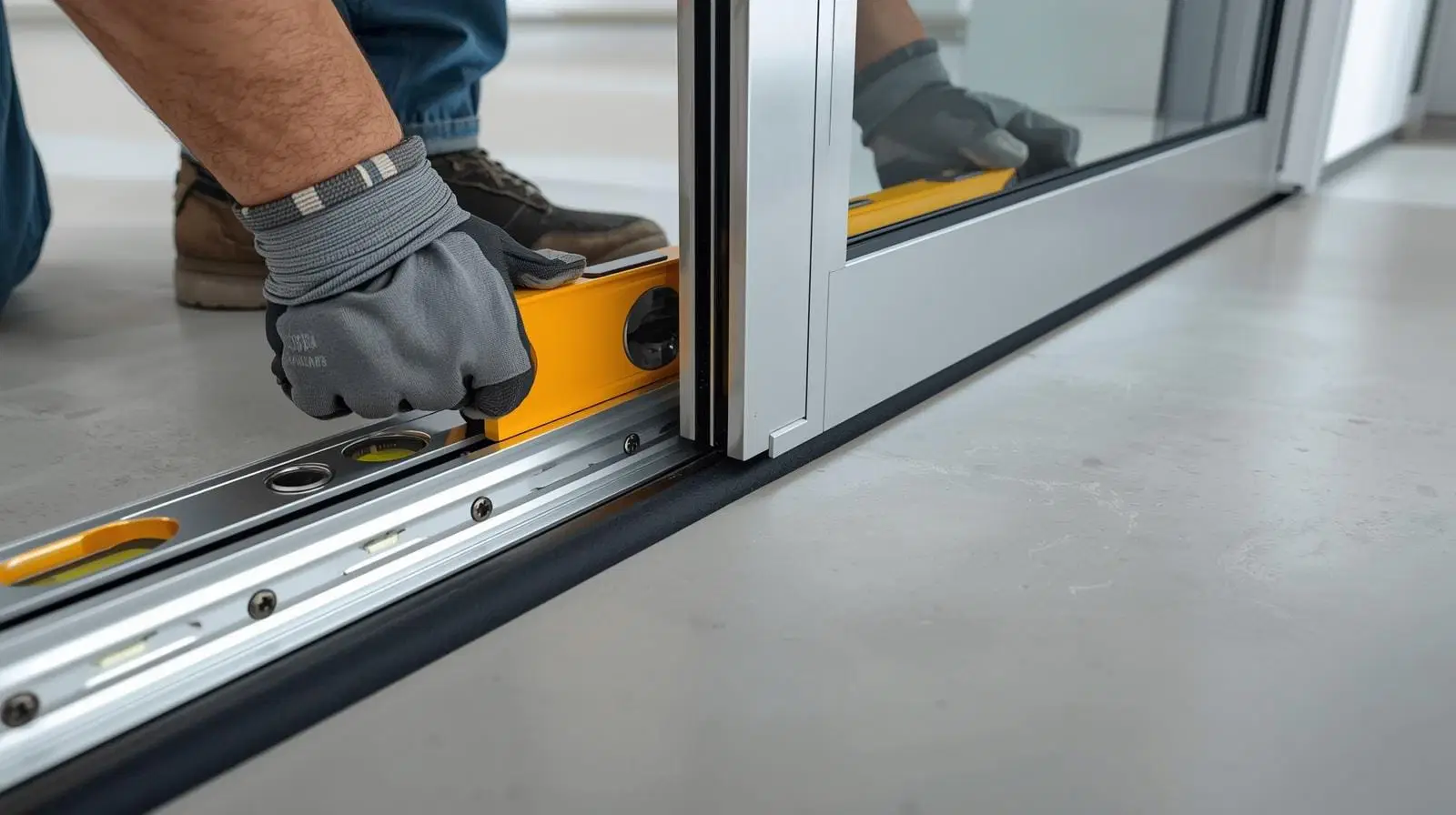
Sliding Door Sticking or Dragging?
Get free quotes from verified aluminium repair specialists. Don’t struggle with a heavy door – let the professionals handle your sliding door wheel replacement.
Servicing Gauteng, Johannesburg, Pretoria, and Sandton
Aluminium Sliding Door Roller Replacement Guide: Fix Sticky Doors
🔄 The complete guide to replacing worn rollers on sliding doors – restore smooth, effortless operation
Let me describe a scenario I see every week. You go to open your patio door. You grab the handle and pull. Nothing happens. You pull harder. The door lurches, scrapes, and finally moves with a terrible grinding sound. Then it stops halfway. You’re stuck – door half open, cold air pouring in, frustration building.
Worn rollers are the #1 cause of sticking, dragging, and noisy sliding doors. The rollers are the small wheels under the door that carry its entire weight. When they wear out or break, the door becomes almost impossible to move.
The good news? Aluminium sliding door roller replacement is a moderately challenging DIY job that can save you R800 – R2,500 in professional fees. With basic tools and R100-400 for new rollers, you can restore your door to like-new condition. In this complete replace door rollers guide, I’ll show you how to identify worn rollers, select the right replacements, and install them step by step.
For more door repair guidance, read our door sticking fix guide, sliding door benefits guide, or window closing guide. Ready to fix that sticky door? Let’s dive in.
📋 Table of Contents – Roller Replacement Guide
⚠️ Signs You Need Aluminium Sliding Door Roller Replacement
Before attempting sliding door wheel replacement, confirm that rollers are the problem.
Common signs of worn rollers:
- Door is hard to slide: Requires significant effort to move. The door should glide with one finger when working properly.
- Grinding or scraping noise: Worn bearings or flattened wheels create noise when rolling.
- Door sags: The top of the door leans away from the frame when closed. You can see a gap at the top or bottom.
- Door jumps or bumps in the track: Flat spots on rollers cause bumpy movement.
- Door won’t close fully: The door hits the frame before reaching the closed position.
- Visible damage: You can see cracked, flattened, or missing rollers after removing the door.
- Door has become noisier over time: Slowly worsening noise indicates progressive wear.
Try this first – clean and lubricate: Before replacing rollers, clean the track thoroughly and lubricate with silicone spray. Dirty tracks cause 80% of sticking problems. If cleaning doesn’t help, proceed with roller replacement.
| Symptom | Likely Cause | DIY Fix | Professional? |
|---|---|---|---|
| Hard to slide, grinding noise | Worn rollers or dirty track | Clean track first → replace rollers | No (if you have tools & strength) |
| Door sags – gap at top | Worn or collapsed rollers | Replace rollers | No – but heavy door needs helper |
| Door jumps or bumps | Flat spots on rollers | Replace rollers | No |
| Visible roller damage (cracked/missing) | Roller failure | Replace rollers | No – but inspect track for damage |
| Door won’t close fully | Rollers collapsed or track bent | Replace rollers; check track straightness | If track is bent – call a pro |
According to SANS 10400 door hardware standards and SABS roller quality standards, sliding door rollers must support the door’s weight safely for years.
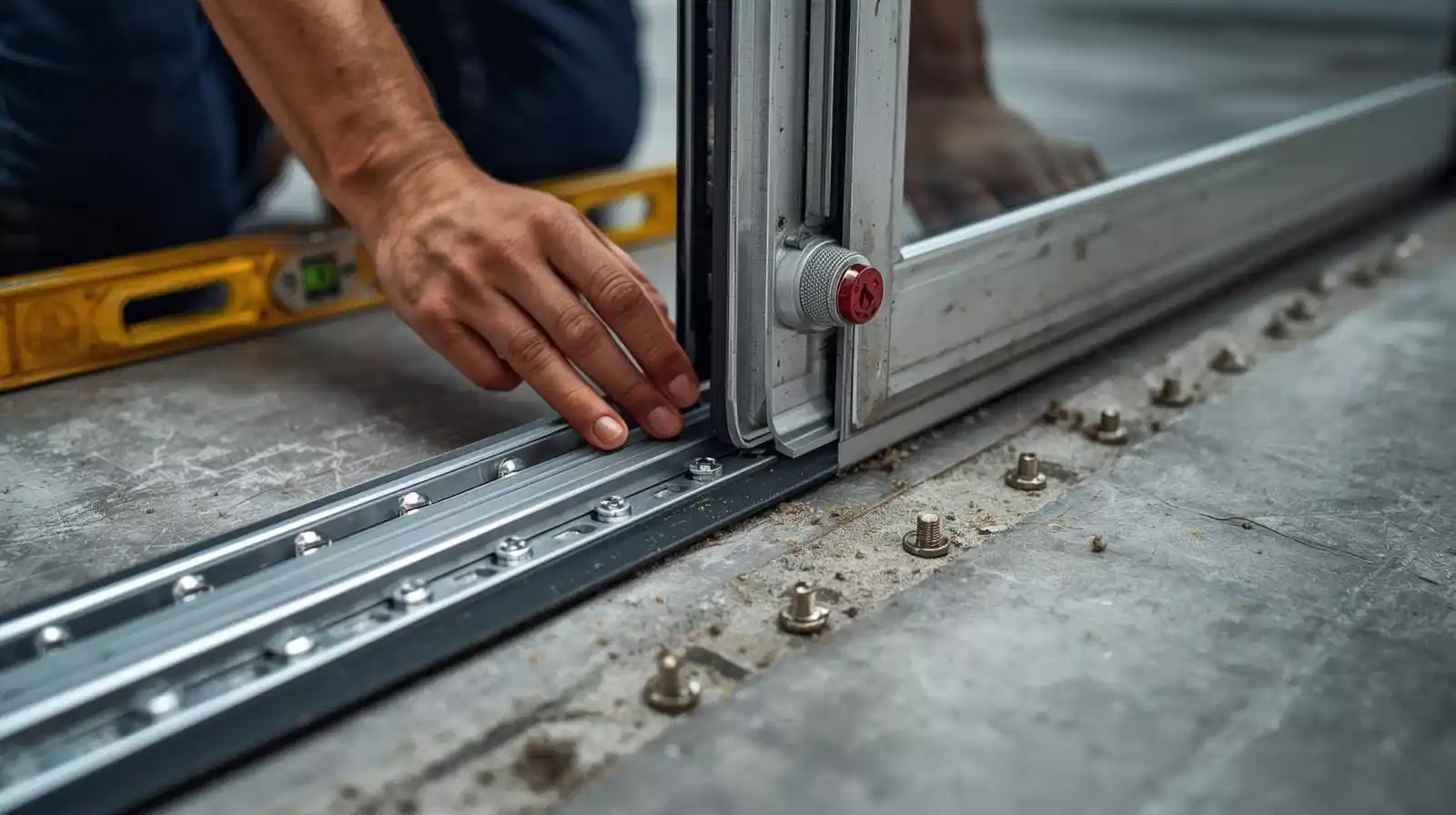
🔧 Types of Sliding Door Rollers
Before buying replacement roller assembly parts, identify what type you need.
Roller materials:
- Nylon rollers: Quiet, affordable, but wear faster. Common in budget doors. Suitable for inland, low-use doors.
- Steel rollers: Durable, handle heavy weight, but can rust in coastal areas. Good for heavy doors.
- Stainless steel rollers: Best for coastal areas – corrosion-resistant. More expensive but last much longer. Recommended within 5km of ocean.
- Ball-bearing vs sleeve bearing: Ball-bearing rollers roll smoother and last longer. Sleeve bearings are cheaper but create more friction.
Roller sizes (common):
- Wheel diameter: 25mm, 32mm, 38mm, 45mm are common. Measure your old roller’s wheel diameter.
- Bracket style: Adjustable (has adjustment screw) or fixed (non-adjustable). Most modern doors have adjustable rollers.
- Housing width: 15mm, 20mm, 25mm – measure the width of the metal housing.
- Mounting hole spacing: Distance between screw holes (usually 25mm, 30mm, or 35mm).
How to identify your roller type:
- Remove one roller from the door (see section 5).
- Take it to a hardware store or aluminium specialist.
- Match by: wheel diameter, housing width, mounting hole spacing, and adjustment mechanism.
- Buy stainless steel for coastal areas (within 5km of ocean).
Where to buy replacement rollers:
- Hardware stores (Builders, Chamberlains, Brights – limited selection)
- Aluminium window & door suppliers (best selection, expert advice)
- Online (Takealot – check reviews carefully)
- Take your old roller with you – matching is critical
🎁 Pro Tip: Buy Stainless Steel Rollers for Coastal Areas
If you live within 5km of the ocean, always buy stainless steel rollers. Standard steel or nylon rollers will corrode or seize within 2-3 years. Stainless steel costs 30-50% more but lasts 10-15+ years. For Cape Town, Durban, or Umhlanga, this is essential – not optional. Read our coastal guide for more.
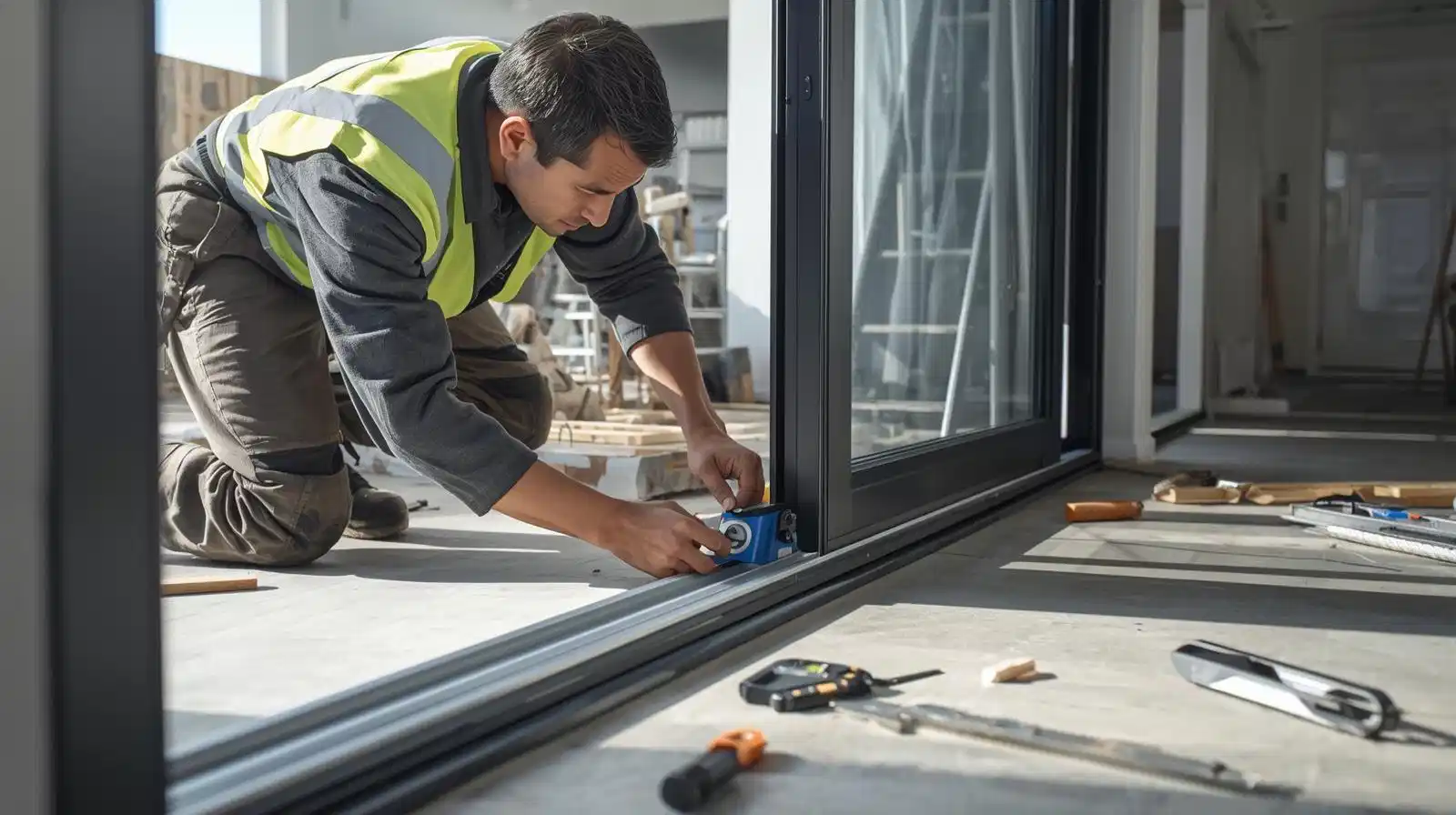
🛠️ Tools & Materials for Roller Replacement
For a successful aluminium sliding door roller replacement, gather these items.
Essential tools:
- Phillips head screwdriver (PH2) – for removing screws
- Flathead screwdriver (for prying)
- Allen key set (hex keys) – some rollers use hex screws
- Adjustable wrench or pliers
- Rubber mallet (for gentle persuasion)
- Vacuum cleaner with crevice tool (to clean track)
- Soft brush and cloth
- Silicone spray lubricant
Safety equipment (critical for heavy doors):
- Work gloves (to protect hands from sharp edges)
- Safety glasses (in case of spring tension release)
- A helper! Sliding doors are heavy – never attempt alone.
- Wooden shims or door stoppers (to hold the door steady)
Materials needed:
- New roller assemblies (2-4 per door, depending on door size)
- Replacement screws (if old ones are corroded)
- Silicone spray lubricant
- Drop cloths to protect floor
A helper is essential: A standard sliding door weighs 50-150kg. One person cannot safely lift and maneuver the door alone. Don’t risk injury – get a helper.
🚪 Removing the Sliding Door (Step-by-Step)
This is the most physically demanding part of replace door rollers. Work carefully.
Step 1: Prepare the area
- Clear the area around the door – remove furniture, rugs, obstacles.
- Place drop cloths on the floor to protect against scratches.
- Ensure you have a helper – lifting the door is a two-person job.
Step 2: Remove the top guide (anti-lift bracket)
- Most sliding doors have a top guide that prevents the door from being lifted out.
- Locate the screws holding the top guide in place (usually 2-4 screws).
- Remove the screws and take off the top guide. Set aside.
- If screws are corroded, apply penetrating oil and wait 5 minutes.
Step 3: Lift the door out of the track
- Stand on the inside of the door (where it slides).
- With your helper, grip the door firmly at the bottom corners.
- Tilt the top of the door toward you (into the room).
- Lift the door up while tilting – the bottom rollers should clear the track.
- Swing the bottom of the door out and away from the track.
- Carefully lower the door onto a padded surface (blankets on floor or saw horses).
Important safety note: Sliding doors are heavy and have sharp edges. Wear gloves. Use proper lifting technique (lift with your legs, not your back). If the door feels too heavy, call a professional.
⚠️ Warning: Glass Sliding Doors Are Very Heavy
A standard 2.4m x 2.1m double-glazed sliding door can weigh 100-200kg. Two people may still struggle. If you have any doubts about your ability to safely lift the door, call a professional. The cost of professional sliding door wheel replacement (R800-1,500) is far less than the cost of a broken back or shattered glass.
🔩 Removing Old Rollers from the Door
With the door safely on padded saw horses, remove the old rollers.
Step 1: Locate the roller housings
- Turn the door over so the bottom edge is facing up.
- Look for rectangular metal housings at each bottom corner (sometimes also in the middle for wide doors).
- Most sliding doors have 2 rollers (one at each end). Heavy or wide doors may have 4.
Step 2: Remove the roller screws
- Each roller is held by 1-2 screws (Phillips or hex head).
- Unscrew them – note the orientation of the roller for reinstallation.
- If screws are corroded, apply penetrating oil first.
- Set screws aside (or buy new ones if corroded).
Step 3: Remove the old roller assembly
- The roller should slide or pop out of its housing.
- If stuck, tap gently with a rubber mallet.
- Inspect the old roller – note the wheel diameter, housing width, and adjustment mechanism.
- Take the old roller to the hardware store to match exactly.
Step 4: Clean the roller housing
- Use a brush and cloth to remove debris from the housing cavity.
- Check for damage – if the housing is bent, you may need professional repair.
- Apply a small amount of silicone spray to the housing (for corrosion protection, not lubrication of rollers yet).
Read our window closing guide for related repair techniques.
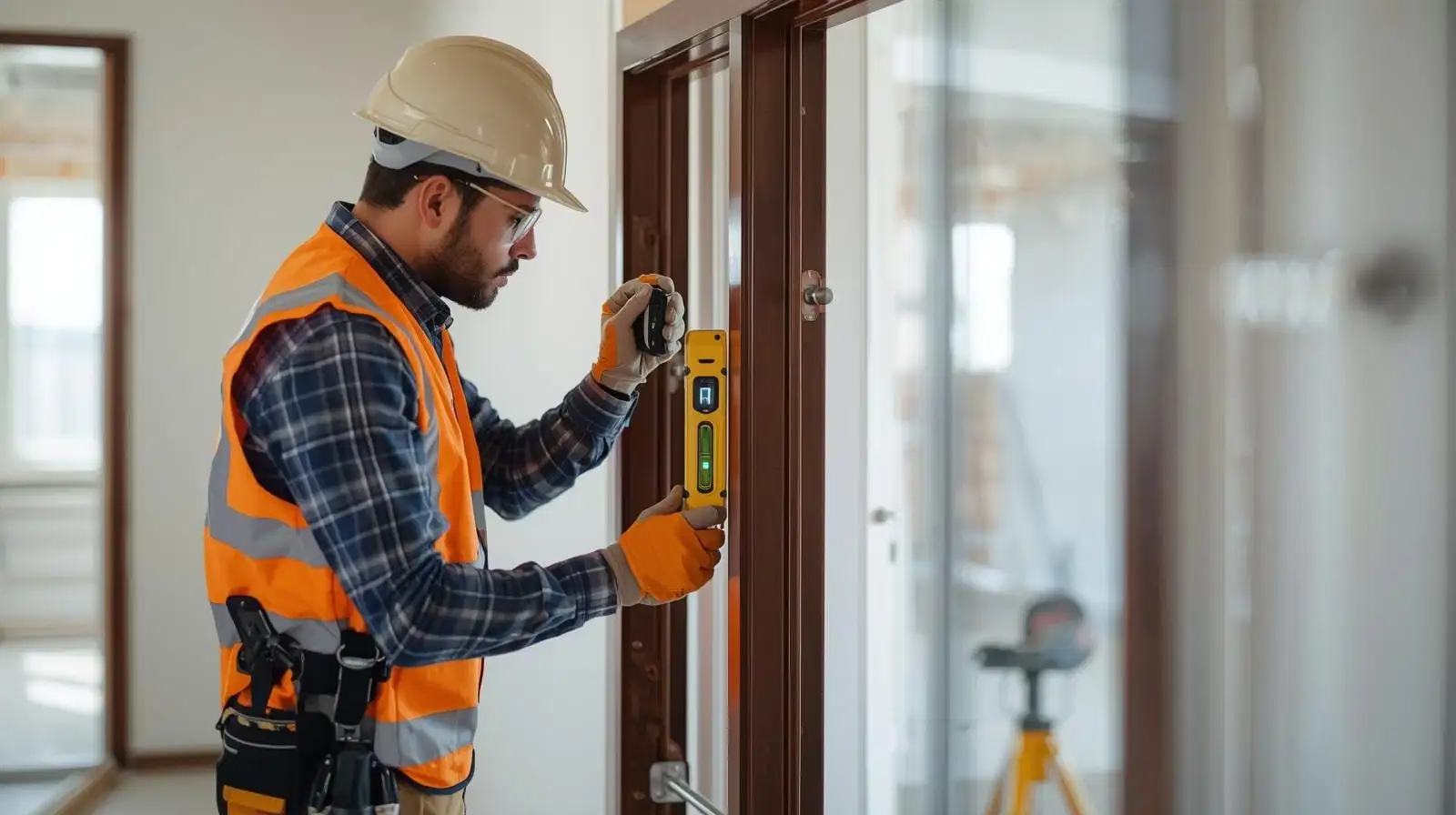
🔄 Installing New Sliding Door Rollers
With the old rollers removed, install the new roller assembly.
Step 1: Position the new roller
- Ensure the new roller matches the old one in size and orientation.
- Place the roller into the housing cavity – it should fit snugly.
- Make sure the adjustment screw (if present) faces the correct direction (usually toward the side of the door).
Step 2: Secure the roller with screws
- Insert the screws and tighten firmly – but don’t overtighten (stripping is common).
- If the old screws were corroded, use new screws (same size).
- The roller should be able to move up/down slightly (for adjustment) – if it’s locked in place, you’ve overtightened or misaligned.
Step 3: Set initial roller height (mid-position)
- Adjust the roller to its mid-height position using the adjustment screw.
- Turn the adjustment screw clockwise to raise the roller, counter-clockwise to lower it.
- Set both rollers to the same height (measure from the door bottom to the roller wheel bottom).
- This gives you room to fine-tune after reinstalling the door.
Step 4: Apply lubricant
- Apply a small amount of silicone spray to the roller wheel and axle.
- Wipe away excess – too much lubricant attracts dust.
For more door maintenance tips, read our maintenance guide.
🚪 Reinstalling & Adjusting the Sliding Door
With new rollers installed, it’s time to put the door back.
Step 1: Clean the track thoroughly
- Before reinstalling, vacuum the bottom track completely.
- Remove any debris, stones, or old roller fragments.
- Wipe the track with a damp cloth – dry completely.
- Apply silicone spray to the track (not oil – it attracts dust).
Step 2: Lift the door back into the track (with helper)
- With your helper, lift the door and position it near the track.
- Tilt the top of the door away from you.
- Lower the bottom rollers into the track first.
- Straighten the door and lower it so the top guide engages.
Step 3: Reinstall the top guide
- Replace the top guide that you removed earlier.
- Tighten screws firmly – the top guide prevents the door from being lifted out.
- Test that the door slides without hitting the top guide.
Step 4: Initial operation test
- Slide the door back and forth several times.
- Check for smooth operation – no grinding, scraping, or jumping.
- If the door is still hard to slide, the rollers need adjustment (next section).
⚙️ Fine-Tuning Roller Adjustment
Proper adjustment ensures your door slides perfectly and seals against the frame.
How to adjust roller height:
- Locate the adjustment screw on each roller (usually accessible from the side or bottom edge of the door).
- Use a flathead screwdriver or Allen key (varies by manufacturer).
- Turn clockwise to raise the door, counter-clockwise to lower it.
- Adjust both sides equally – small turns (1/4 turn at a time).
- Test slide after each adjustment.
What to look for:
- Door too low: The bottom scrapes the track, or the door doesn’t seal at the top. Raise the rollers (clockwise).
- Door too high: The top hits the guide, or there’s a gap at the bottom. Lower the rollers (counter-clockwise).
- Door not sealing: When closed, you should see the weather seal touching the frame evenly. Adjust until the seal is consistent.
- Door hard to slide: The door may be too low (scraping) or too high (binding at top). Adjust until movement is smooth.
Final test: The door should slide with one finger when properly adjusted. You should hear a smooth rolling sound – no grinding or scraping.
If adjustment doesn’t fix the problem, the track may be bent or damaged. Read our door sticking guide for more troubleshooting.
Don’t Want to DIY? Let a Professional Handle It
Get free quotes from verified aluminium repair specialists. Let professionals handle your aluminium sliding door roller replacement safely and correctly.
24/7 emergency services • Free inspections • Workmanship guarantees
✅ Prevention – How to Extend Roller Life
Regular maintenance prevents premature roller failure.
Quarterly maintenance:
- Vacuum the bottom track – remove debris before it damages rollers.
- Wipe tracks with a damp cloth – remove grit and dust.
- Apply silicone spray to the track (never oil – oil attracts dust).
Annual maintenance:
- Check that the door slides smoothly – no new grinding or resistance.
- Inspect rollers for wear – if adjustment is maxed out, replace preemptively.
- Check for any debris in the track.
- For coastal areas, clean tracks monthly and lubricate quarterly.
What damages rollers:
- Sand, grit, and debris in the track – acts like sandpaper on rollers
- Lack of lubrication – dry rollers wear faster
- Overloading – leaning on the door or hanging heavy items
- Corrosion (coastal areas) – salt air attacks metal components
- Impact damage – forcing the door or slamming it
When to replace preemptively: If you’ve had the same rollers for 10+ years and they’re starting to feel rough, replace them before they fail completely. It’s easier to replace working rollers on your schedule than to deal with a seized door on a Sunday evening.
Read our full maintenance guide for more tips.
📞 When to Call a Professional for Roller Replacement
Some aluminium sliding door roller replacement situations need expert help.
Call a professional if:
- The door is too heavy for you and your helper (over 150kg).
- Screws are seized or stripped and won’t come out.
- The roller housing is bent or damaged – may need door frame repair.
- The track is bent or damaged – requires track replacement (complex).
- You can’t find matching replacement rollers (professionals have access to more suppliers).
- You’ve replaced rollers but the door still doesn’t slide properly.
- The door has a broken lock or handle that needs repair at the same time.
- The door has shattered or cracked glass – dangerous to handle.
- You’re not comfortable with the weight or lifting process.
What a professional will do:
- Safely remove a heavy door (2-3 people, proper lifting techniques).
- Source the correct replacement rollers (including discontinued styles).
- Repair or replace damaged tracks, housings, or frames.
- Adjust the door for perfect alignment and sealing.
- Provide warranty on parts and labour.
Use our repair services for professional help.
💰 Aluminium Sliding Door Roller Replacement Cost Estimates
Here’s what sliding door wheel replacement costs for DIY vs professional.
| Option | Cost Range | Includes | Best For |
|---|---|---|---|
| DIY – standard nylon/steel rollers | R100 – R250 per door | 2-4 rollers, basic tools | Inland, standard doors, budget |
| DIY – stainless steel rollers (coastal) | R250 – R500 per door</td | 2-4 stainless steel rollers, tools</td | Coastal areas (within 5km of ocean)</td |
| DIY – premium ball-bearing rollers</td | R300 – R600 per door</td | 2-4 premium rollers, tools</td | Heavy doors, high-use areas, best performance</td |
| Professional roller replacement (labour + parts)</td | R800 – R1,500 per door</td | Includes diagnosis, parts, installation, adjustment, warranty</td | Heavy doors, complex repairs, no DIY confidence</td |
| Track repair or replacement (additional)</td | R500 – R2,000</td | Track straightening or replacement (often needed)</td | Bent or damaged tracks</td |
| Emergency call-out fee (after-hours)</td | R500 – R1,500</td | Waived if repair proceeds</td | Stuck door, security risk</td |
Use our Beat Your Quote guarantee for competitive pricing.
❓ Frequently Asked Questions About Sliding Door Roller Replacement
How do I know if I need to replace my sliding door rollers?
You need aluminium sliding door roller replacement if: the door is hard to slide (requires force), makes grinding/scraping noises, sags (gap at top), jumps or bumps in the track, or has visible damage to the roller wheels. First, try cleaning the track and lubricating – if that doesn’t help, replace the rollers. A door should glide with one finger when working properly.
How do I replace rollers on an aluminium sliding door?
How to replace rollers on aluminium sliding door: 1) Remove top guide screws. 2) With a helper, lift the door out of the track. 3) Remove old roller screws and pull out old rollers. 4) Install new rollers (match size exactly). 5) Reinstall door. 6) Adjust roller height for smooth operation. The door is heavy – always use a helper. Read our step-by-step guide above for details.
How much does it cost to replace sliding door rollers in South Africa?
DIY sliding door wheel replacement costs R100-600 for parts (rollers). Professional replacement costs R800-1,500 per door including parts and labour. Stainless steel rollers for coastal areas cost more (R250-500) but last much longer. Track repair (if needed) adds R500-2,000. Use our free quote service to compare prices.
Are sliding door rollers standard size?
Not completely. Common wheel diameters: 25mm, 32mm, 38mm, 45mm. Common housing widths: 15mm, 20mm, 25mm. Mounting hole spacing also varies. Always remove one roller and take it to the hardware store to match. Buying the wrong size is a common mistake in replace door rollers projects. Measure carefully or take the old roller with you.
Can I replace sliding door rollers myself?
Yes – if you have a helper and basic tools. Aluminium sliding door roller replacement is a moderately challenging DIY job. However, the door is heavy (50-150kg). You need a helper to lift it safely. If the door is very heavy (large, double-glazed), or if you have back problems, hire a professional. The cost of professional help (R800-1,500) is worth avoiding injury.
How long do sliding door rollers last?
Standard nylon/steel rollers last 5-10 years in inland areas. Stainless steel rollers last 15-20+ years. Coastal areas dramatically reduce lifespan – standard rollers may only last 2-3 years. Factors affecting lifespan: frequency of use, cleanliness of track, lubrication, and coastal salt exposure. For coastal homes, always buy stainless steel rollers. Read our coastal guide.
Why is my sliding door still hard to slide after replacing rollers?
Several possibilities: 1) The track is dirty – clean and lubricate. 2) The rollers need adjustment – raise or lower them. 3) The track is bent or damaged – needs professional repair. 4) The door is misaligned – check the top guide. 5) You bought the wrong rollers (size mismatch). Start with cleaning and lubrication, then adjust roller height. If problems persist, read our door sticking guide.
How do I find a reliable sliding door repair specialist?
Use ServiceLink SA’s free quote service to find verified aluminium repair specialists. Look for: verified contractors, customer reviews, experience with sliding doors, transparent pricing, and workmanship guarantees. For Gauteng, Johannesburg, Pretoria, Sandton, or Fourways, ask for local references. Read our contractor guide.
✅ Final Thoughts: New Rollers = Like-New Door
After reading this aluminium sliding door roller replacement guide, you have everything you need to restore your door to smooth operation.
Worn rollers are the #1 cause of sticking, dragging, and noisy sliding doors. Replacing them is moderately challenging but well within reach of a competent DIYer with a helper. The parts are affordable (R100-600), and the result is transformative – a door that glides with one finger.
If you’re not comfortable with the weight or complexity, professional help is affordable (R800-1,500 per door). Either way, don’t live with a sticky door – it’s a security risk and daily frustration.
Key takeaways for roller replacement:
- Worn rollers cause sticking, sagging, grinding, and jumping
- Clean the track first – it solves 80% of problems
- Remove one old roller and take it to the shop – matching is critical
- Stainless steel rollers are essential for coastal areas (within 5km of ocean)
- Never attempt to lift a heavy door alone – always use a helper
- Adjust roller height after installation for smooth operation
- Replace rollers every 5-10 years (inland) or 2-5 years (coastal) depending on wear
- Regular track cleaning and lubrication extends roller life significantly
- Use ServiceLink SA to find professional help when needed
Your next step: Got a sticky sliding door? Clean the track first. If that doesn’t help, buy replacement rollers from a hardware store and follow this guide. Or get free quotes from verified professionals in your area.
Need Help With Your Sliding Door?
Get free, no-obligation quotes from verified aluminium repair specialists. Let professionals handle your aluminium sliding door roller replacement safely.
📞 Call us: 073 138 4726 for immediate help with your sliding door.
Free inspections •
Hiring tips •
Beat Your Quote •
Our guarantees
📚 Official resources & standards referenced:
- SANS 10400 – South African National Standard for door hardware standards and building regulations.
- SABS – South African Bureau of Standards for roller quality standards and product certification.
Information provided for general guidance. DIY repairs are at your own risk. For heavy doors or complex repairs, always consult a qualified professional.
Written by: ServiceLink SA Research Team
Specialist Aluminium Door & Hardware Repair Experts
The ServiceLink SA Research Team has extensive experience with aluminium sliding door roller replacements across thousands of South African homes. Our team has worked closely with certified repair specialists, hardware manufacturers, and homeowners to develop this comprehensive sliding door wheel replacement guide. This guide is based on real repair data, common failure patterns, and feedback from across Gauteng, Johannesburg, Pretoria, Sandton, Fourways, and nationwide. We update our information regularly to reflect current best practices and hardware standards.
For more information about sliding door repairs, explore our related resources: door sticking fix guide, sliding door benefits guide, window closing guide, lock repair guide, and maintenance guide. Learn about our process on how ServiceLink SA works and how we verify contractors. Find repair specialists in your area: Gauteng, Johannesburg, Pretoria, Sandton, and Fourways. For related services, see our garage doors and gates and tiling services guides.