
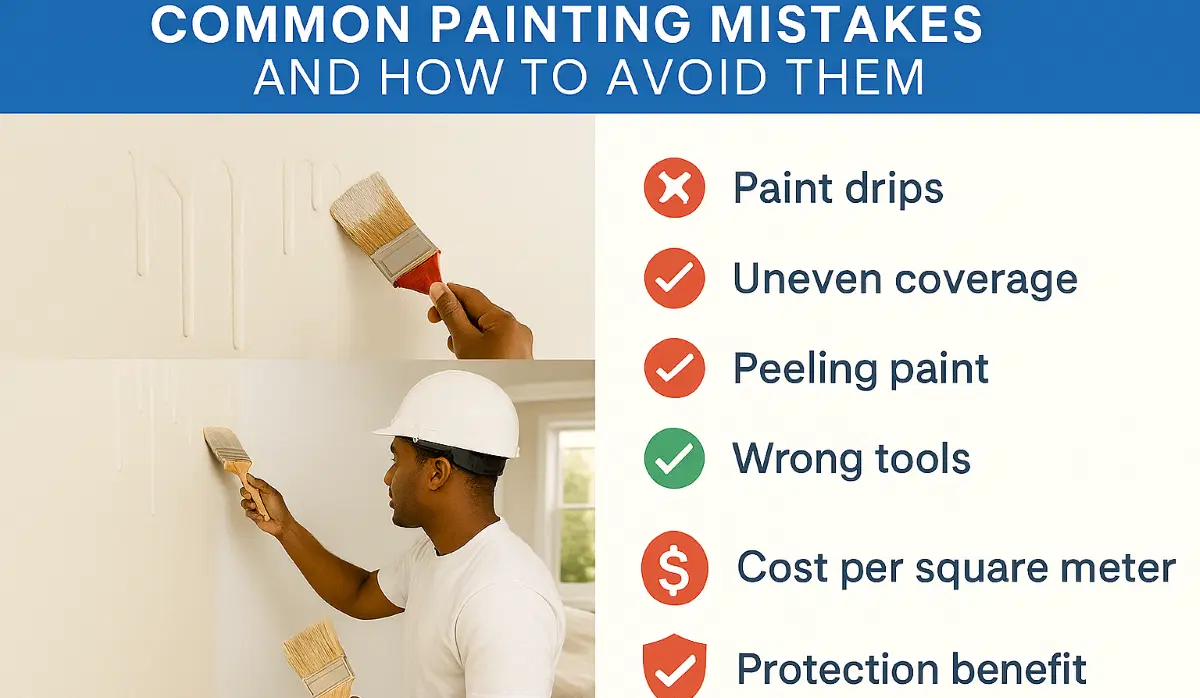
Common Painting Mistakes – How to Avoid Them (South Africa Guide)
🎨 90% of painting problems come from preparation errors. Here’s how to get it right.
Every year, thousands of South African homeowners watch their fresh paint jobs peel, crack, bubble, or fade within months. In Johannesburg, the culprit is often UV damage or poor surface prep. In Cape Town, humidity and salt air wreak havoc. In Durban, mould and moisture are constant enemies.
The good news? Most painting mistakes are completely avoidable. This comprehensive guide reveals the most common painting errors South African homeowners make – and exactly how to prevent them. Whether you’re a DIY enthusiast or hiring professional painters, knowing these pitfalls saves time, money, and frustration.
🎨 PRO INSIGHT: 70% of a successful paint job is preparation, 20% is paint quality, and only 10% is application technique. Most DIY mistakes happen in the 70% that gets skipped.
Want to avoid expensive mistakes?
Get free quotes from professional painting contractors who know how to do it right the first time. Compare vetted experts in your area.
Servicing Johannesburg, Pretoria, Cape Town, Durban, and nationwide
📋 Table of Contents – Common Painting Mistakes
🔧 Preparation Mistakes – The Root of All Evil
Poor preparation accounts for 70% of all painting failures. Here are the most common prep mistakes :
| Mistake | What Happens | How to Avoid |
|---|---|---|
| Skipping the wash | Paint won’t stick to dirty, greasy surfaces | Always wash walls with sugar soap, rinse thoroughly, and let dry completely |
| Not repairing cracks | Cracks show through new paint, worsen over time | Fill all cracks with appropriate filler, sand smooth before painting |
| Painting over loose paint | New paint peels with old paint within months | Scrape all loose paint, sand edges smooth, prime bare areas |
| No sanding on gloss | Paint won’t adhere to glossy surfaces | Lightly sand glossy areas to create “tooth” for new paint |
| Skipping primer | Poor adhesion, colour inaccuracy, stains bleed through | Always use appropriate primer – it’s cheaper than repainting |
| Not testing for damp | Paint bubbles, peels, mould grows | Do the plastic wrap test – if moisture appears, fix damp first |
⚠️ THE GOLDEN RULE: Never paint over a problem – fix it first. Every hour spent on preparation saves three hours of fixing mistakes later. Professional painting preparation is non-negotiable.
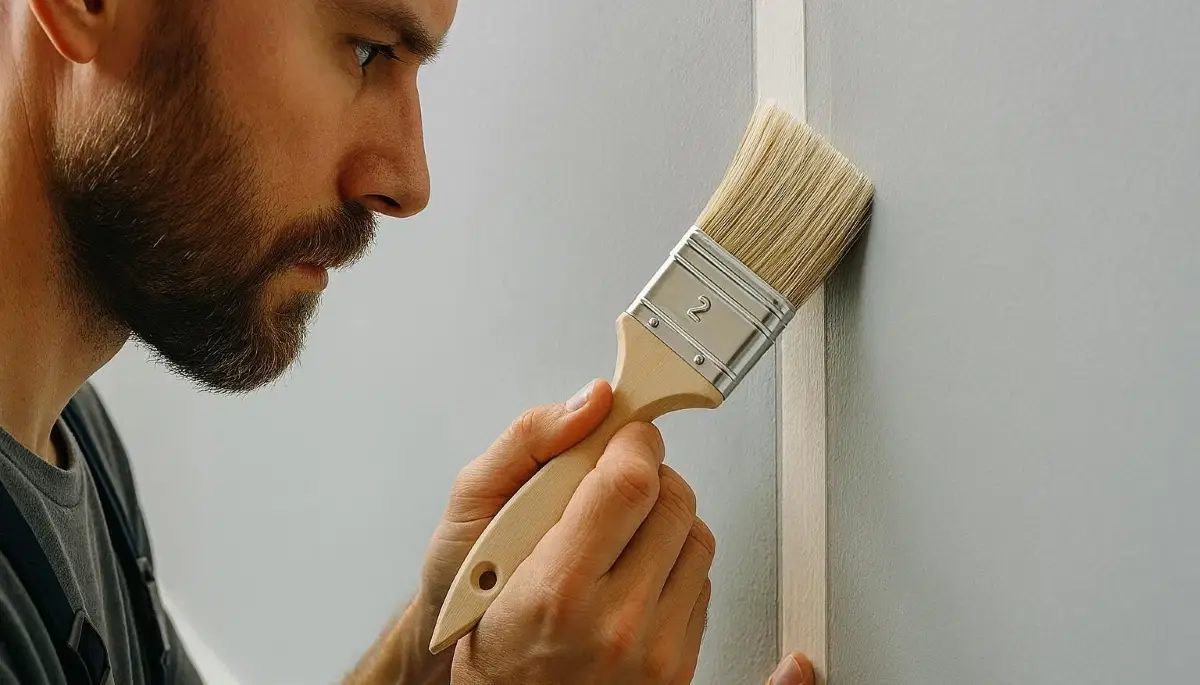
🔴 Peeling Paint – Causes & Fixes
Peeling paint is the most common complaint from homeowners. Here’s why it happens :
Moisture Problems
Paint peels when moisture pushes from behind – rising damp, leaks, or condensation. Common in bathrooms, kitchens, and exterior walls in Cape Town.
Fix: Identify and stop moisture source, let wall dry completely, treat with waterproofing, then repaint.
Poor Adhesion
Paint applied to dirty, glossy, or unprimed surfaces simply doesn’t stick. Within months, it lifts and peels.
Fix: Remove all loose paint, clean thoroughly, sand glossy areas, prime, then repaint.
Moisture Trapped
Painting over damp surfaces traps moisture. Sun heats the wall, moisture expands, and paint bubbles then peels.
Fix: Never paint damp surfaces. Use moisture meters to verify dryness before painting.
Multiple Layers
Too many layers of old paint become heavy and lose adhesion. Common in older Pretoria homes.
Fix: Strip back to bare surface or use specialist peel-stop primers.
Case Study – Coastal Peeling
Location: Umhlanga, Durban
Mistake: Standard exterior paint used without salt-resistant additives; no mould primer
Result: Paint peeled within 8 months, black mould patches appeared
Remediation: High-pressure wash, mould treatment, salt-resistant primer, marine-grade topcoat
Cost: R45,000 (original job was R28,000 – paid twice)
💭 Bubbling & Blistering – What Went Wrong
Bubbles under paint are usually caused by heat or moisture. Here’s the breakdown :
| Type | Cause | Appearance | Solution |
|---|---|---|---|
| Heat blistering | Painting in direct sun or on hot surfaces | Small bubbles, usually within hours | Scrape, sand, repaint in cooler conditions |
| Moisture blistering | Moisture behind paint film | Larger bubbles, may weep liquid | Fix moisture source, dry completely, repaint |
| Solvent blistering | Solvent trapped under fast-drying topcoat | Random bubbles, often in patches | Strip and repaint with compatible products |
Prevention tip: In Johannesburg summers, paint early mornings before walls heat up. In Cape Town, avoid painting when humidity exceeds 80% or rain is forecast.
🔨 Cracking & Flaking – Age or Error?
Paint cracks and flakes when it loses flexibility. Common causes :
- Old age: Paint naturally becomes brittle after 7-10 years
- Inferior paint: Cheap paints have fewer binders, crack sooner
- Multiple layers: Thick paint layers crack under stress
- Temperature swings: Highveld homes experience expansion/contraction
- Over-thinning: Too much thinner weakens paint film
Fix for Cracking Paint
- Scrape all loose and flaking paint
- Sand edges smooth and feather into sound paint
- Fill any deep cracks with flexible filler
- Prime bare areas
- Repaint with quality paint – in Highveld areas, use flexible elastomeric paints
☀️ Fading & Chalking – UV Damage
South Africa’s intense sun, especially on the Highveld, causes paint to fade and chalk :
- Fading: Colours lose intensity, become pale and washed out
- Chalking: White powdery residue on surface – pigment breaking down
- Cause: UV radiation degrades paint binders and pigments
- Prevention: Use UV-resistant paints with quality pigments
- Fix: Wash off chalking, sand if necessary, prime, repaint with UV-resistant paint
⚠️ Highveld Warning: Never use standard interior or cheap exterior paint on Highveld homes. The UV intensity will destroy it within 2-3 years. Always specify UV-resistant exterior paint.
🦠 Mould & Mildew – Coastal Curse
In humid Durban, Ballito, and winter-rainfall Cape Town, mould is a constant battle :
| Mistake | Result | Correct Approach |
|---|---|---|
| Painting over mould | Mould grows through new paint within months | Treat mould with bleach solution or fungicide, rinse, dry, then paint |
| No mould-resistant paint | Mould returns quickly in humid areas | Use bathroom/kitchen paint or paints with fungicides |
| Poor ventilation | Moisture builds up, mould thrives | Improve ventilation, install extractor fans |
Proper Mould Treatment Protocol
- Wear protective gear – mask, gloves, goggles
- Mix 1 part bleach to 3 parts water or use commercial mould killer
- Apply to affected areas, scrub gently, let sit 15 minutes
- Rinse thoroughly with clean water
- Allow to dry completely (2-3 days minimum)
- Apply mould-resistant primer
- Paint with mould-resistant topcoat
🖌️ Roller & Brush Marks – Technique Errors
Visible roller stipple and brush marks ruin a professional finish. Here’s why they happen :
Roller Mistakes
- Wrong roller nap: Too short for textured walls, too long for smooth
- Dried-out roller: Reusing old, matted rollers
- Inconsistent pressure: Pressing harder at ends
- Letting roller dry out: Stopping mid-wall
- Not maintaining wet edge: Causes lap marks
Brush Mistakes
- Cheap brushes: Shed bristles, leave marks
- Overloading brush: Drips and runs
- Pressing too hard: Bristles splay, leave marks
- Painting over partly dry paint: Lifting previous coat
- Not cutting in properly: Jagged edges at trim
Correct Technique
- Rollers: Use quality roller covers, maintain wet edge, roll in “W” pattern, finish with light passes in one direction
- Brushes: Invest in quality brushes, load 1/3 of bristle length, tap (don’t wipe) on can rim, use smooth strokes
- Cutting in: Use angled sash brush, steady hand, painter’s tape for clean edges
📊 Lap Marks & Flashing – Visible Patches
Lap marks occur where overlapping paint dries at different rates, creating visible stripes. Flashing is uneven sheen across a wall.
Causes
- Painting over partially dry paint
- Inconsistent application technique
- Paint drying too quickly (hot weather, direct sun)
- Poorly mixed paint
- Thinning paint unevenly
Prevention
- Maintain a wet edge – always paint into wet paint, never stop mid-wall
- Work in manageable sections – complete wall without stopping
- Avoid painting in direct sun or extreme heat
- Stir paint thoroughly and consistently
- Use quality paint with good flow and levelling
🎨 Colour Selection Mistakes
Choosing colours from tiny swatches is a recipe for disappointment. Common colour mistakes :
| Mistake | Why It Fails | Solution |
|---|---|---|
| Choosing from tiny swatch | Colour looks完全不同 on large wall | Always test large samples (A4+) on actual wall |
| Ignoring undertones | Grey looks purple, beige looks pink | Compare to pure white to see true undertone |
| Not testing in different light | Colour looks different morning vs evening | Observe samples at multiple times of day |
| Forgetting room orientation | North-facing vs south-facing完全不同 | Adjust colour choice based on natural light |
| Matching exactly to furnishings | No contrast, flat look | Choose lighter/darker versions of accent colours |
Read our complete guide: How to Choose the Right Paint Colour
✨ Sheen & Finish Mistakes
Using the wrong sheen is a common error that affects both appearance and durability :
| Mistake | Result | Correct Sheen |
|---|---|---|
| High-gloss on imperfect walls | Shows every bump, crack, flaw | Matt or eggshell for imperfect walls |
| Matt finish in kitchen | Stains impossible to clean | Satin or semi-gloss for washability |
| Flat paint in bathroom | Mould grows, paint degrades | Satin with mildewcides |
| Eggshell on exterior | Not durable enough for weather | Satin or specialised exterior sheens |
Refer to our interior vs exterior paint guide for sheen recommendations by room.
☀️ Weather-Related Painting Mistakes
South Africa’s diverse climate demands weather-aware painting. Common weather mistakes :
Painting in Direct Sun
Paint dries too fast, leaving brush marks, lap marks, and poor adhesion. In Johannesburg summers, walls can reach 50°C.
Fix: Paint shaded sides first, work early morning or late afternoon.
Painting Before Rain
Rain on fresh paint ruins finish, causes blistering. In Cape Town, winter rain can trap moisture.
Fix: Check 3-day forecast – need 24-48 hours dry after painting.
High Humidity Painting
Paint dries slowly, may blush (turn white), encourages mould. Durban summers are high-risk.
Fix: Paint when humidity below 80%, ensure good ventilation.
Windy Conditions
Wind blows dust onto wet paint, causes uneven drying, spray drift.
Fix: Avoid painting on very windy days, protect with temporary screens.
🌊 Coastal Painting Mistakes – Cape Town & Durban
Coastal environments are merciless on paint. Here are specific mistakes to avoid :
- Using standard exterior paint: Without salt-resistant additives, paint fails within 2-3 years. Always use marine-grade or coastal-formulated paint in Cape Town, Durban, and Umhlanga.
- Not removing salt residue: Salt crystals on walls prevent adhesion. High-pressure wash with fresh water – twice if needed.
- Painting over mould: Coastal humidity guarantees mould. Treat thoroughly with fungicide before painting.
- Ignoring wind-borne moisture: Even “dry” days can have sea mist. Check surfaces carefully before painting.
- Wrong primer: Standard primer won’t block salt damage. Use marine-grade primer.
⚠️ Coastal Reality: That “bargain” exterior paint will cost you double in 2 years when it fails. Marine-grade paint costs 15-25% more but lasts 7-10 years. False economy kills.
⛰️ Highveld Painting Mistakes – Johannesburg & Pretoria
The Highveld’s intense UV and temperature swings create unique challenges :
- Using non-UV resistant paint: Standard paint fades and chalks within 2-3 years. Always specify UV-resistant exterior paint for Johannesburg and Pretoria homes.
- No flexible binders: Temperature swings cause expansion/contraction. Inflexible paint cracks. Use elastomeric or flexible paints.
- Painting in afternoon storms: Summer thunderstorms can ruin fresh paint. Paint mornings only, monitor forecast.
- Ignoring dust: Highveld dust settles on wet paint. Paint when wind is calm, clean surfaces immediately before painting.
- Wrong colours: Dark colours absorb heat, increase cooling costs. Consider reflective “cool roof” coatings.

🔨 DIY vs Professional – Common Mistakes
DIY painting saves money but often leads to mistakes that cost more to fix. Here’s what DIYers get wrong :
| DIY Mistake | Result | Professional Approach |
|---|---|---|
| Skipping prep work | Paint fails within months | 70% of time spent on preparation |
| Using cheap tools | Brush marks, roller stipple, shed bristles | Quality tools = professional finish |
| Insufficient paint | Running out mid-project, colour mismatch | Accurate calculations, extra for touch-ups |
| Poor cutting in | Paint on ceilings, trim, windows | Steady hand, proper taping, practice |
| Not protecting properly | Paint on floors, furniture, fittings | Thorough masking and covering |
| Wrong paint choice | Interior paint outside, wrong sheen | Correct product for each surface |
If you’re considering DIY, be honest about your skills. For large projects or challenging surfaces, hiring professional painters often costs less than fixing DIY disasters.
👨🎨 Hiring Contractor Mistakes
Even when hiring professionals, homeowners make mistakes that lead to poor results :
- Choosing cheapest quote without checking quality: That bargain price means corners cut on prep, paint, or labour. You’ll pay twice.
- Not verifying credentials: Unregistered painters can’t issue warranties. Always check CIDB registration and references.
- No written contract: Verbal agreements lead to disputes over scope, colours, and payment. Get everything in writing.
- Paying 100% upfront: Never pay full amount before work is completed and inspected. 30-50% deposit maximum.
- Not checking insurance: If a painter is injured on your property without insurance, you’re liable. Always verify public liability insurance.
- Vague specifications: “Paint house” means nothing. Specify brands, number of coats, preparation included.
- No warranty: Reputable contractors offer 1-3 year warranties. Get it in writing.
Read our complete guide: How to Choose a Reliable Painting Contractor
🎨 Paint Product Mistakes
Choosing the wrong paint products leads to premature failure. Common product mistakes :
- Using interior paint outside: Guaranteed failure within months. Always use exterior paint for outside.
- Using exterior paint inside: High VOCs harmful to health. Only use interior paint indoors.
- Mixing brands: Different formulations may not be compatible. Stick to one brand system.
- Old paint: Using paint that’s been stored for years – separation, poor performance. Check expiry dates.
- Wrong primer: Metal needs metal primer, new plaster needs plaster primer. Use correct primer for substrate.
- Thinning incorrectly: Over-thinning reduces durability. Follow manufacturer instructions.
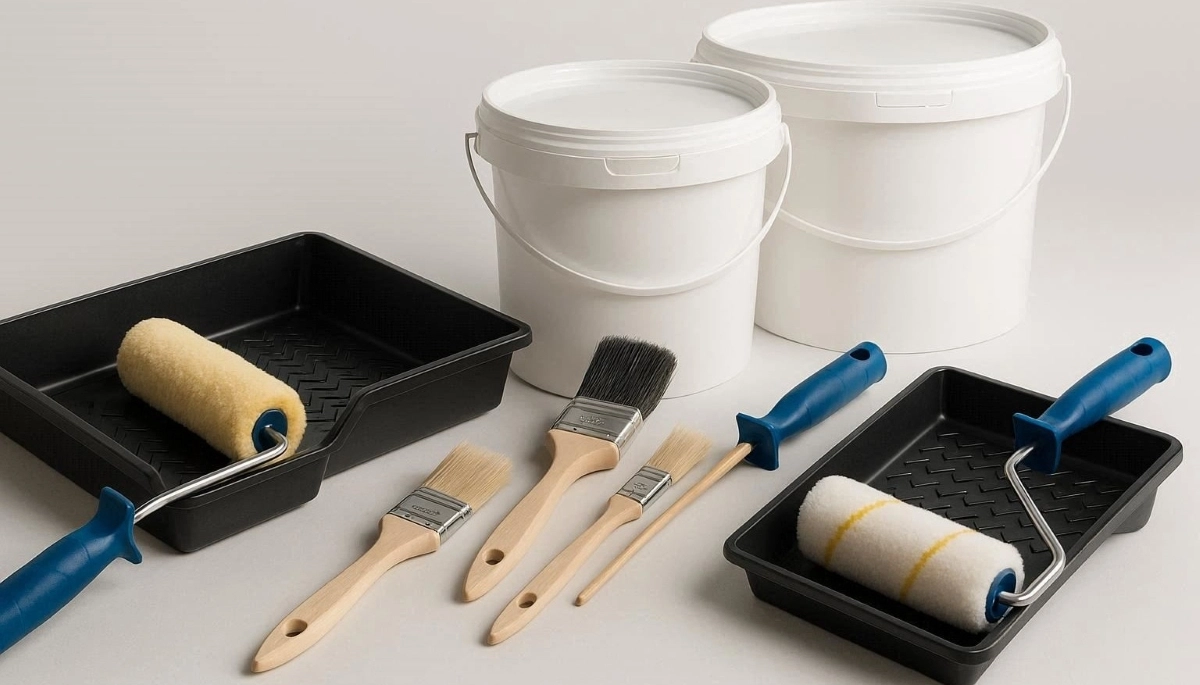
🛠️ Tool & Equipment Mistakes
Wrong Roller Nap
Smooth walls: 6-10mm nap
Textured walls: 12-20mm nap
Rough surfaces: 25mm+ nap
Cheap Brushes
Shed bristles leave marks. Invest in quality brushes – they last years and give better finish.
Dirty Equipment
Dried paint in rollers/brushes contaminates new paint. Clean thoroughly between uses.
Wrong Extension Poles
Too short = awkward position, fatigue. Get correct length for your ceilings.
Don’t Let Mistakes Ruin Your Paint Job
Professional painting contractors know how to avoid every mistake on this list. Get free quotes from vetted experts in your area.
Servicing Johannesburg, Pretoria, Cape Town, Durban, and nationwide
⚠️ Safety Mistakes – Don’t Risk Your Life
Safety mistakes can be fatal. Never ignore these :
- Working at height without proper equipment: Falls are a leading cause of injury. Use proper ladders, scaffolding, and safety gear.
- No ventilation with solvent paints: Fumes can cause dizziness, nausea, long-term health issues. Ensure adequate ventilation.
- Not wearing protective gear: Paint in eyes, skin contact with chemicals, inhalation of dust. Wear goggles, masks, gloves.
- Mixing chemicals: Never mix different paint products – toxic fumes can result.
- Disposing of paint improperly: Paint is hazardous waste. Dispose at designated collection points.
- Working near electricity: Turn off power before painting near outlets or switches.
🚨 SAFETY FIRST:
If a job feels unsafe, it probably is. Professional painters have safety training, equipment, and insurance. Your life is worth more than DIY savings.
💰 Real Costly Lessons – South African Examples
🏠 Johannesburg – UV Failure
Mistake: Used standard exterior paint on north-facing wall
Result: Faded, chalked within 2 years
Repaint cost: R18,000 (original R12,000)
🌊 Cape Town – Coastal Peeling
Mistake: No marine-grade paint, no mould treatment
Result: Peeling and mould within 8 months
Repaint cost: R45,000 (original R28,000)
🏖️ Durban – Mould Disaster
Mistake: Painted over mould without treatment
Result: Mould returned in 3 months, paint lifted
Repaint cost: R32,000 (original R22,000)
🏛️ Pretoria – Wrong Contractor
Mistake: Hired unregistered painter, no contract
Result: Painter disappeared mid-job, poor work
Replacement cost: R25,000 (lost R15,000 deposit)
❓ Frequently Asked Questions
Why is my paint peeling after 6 months?
Most likely moisture behind the paint, poor surface preparation, or painting over a dirty/glossy surface. In coastal areas, salt residue or lack of marine-grade paint is often the culprit. You’ll need to strip, treat the cause, and repaint properly .
Why does my paint look patchy?
Patchiness (flashing) usually means insufficient paint, poor mixing, or painting over a porous surface without primer. You may need another coat. If the problem is severe, you might need to sand and start over with proper primer .
Can I paint over mould?
No – painting over mould guarantees it will return. Mould grows through new paint within months. Treat mould with bleach or fungicide, rinse, dry completely, then use mould-resistant primer and paint .
Why is my paint bubbling?
Bubbling (blistering) is caused by heat (painting in direct sun on hot surfaces) or moisture behind the paint. Identify which, address the cause, scrape bubbles, sand, and repaint under correct conditions .
How do I fix roller marks?
Lightly sand the affected area with fine sandpaper, clean dust, and apply another coat using proper technique – maintain wet edge, use correct roller nap, don’t press too hard. For severe marks, you may need to sand and start over .
Why is my exterior paint fading so fast?
In Highveld areas, intense UV degrades inferior paints quickly. Always use UV-resistant exterior paint with quality pigments. Light colours fade less than dark colours .
What’s the biggest mistake DIY painters make?
Skipping proper surface preparation. 70% of a successful paint job is prep work – cleaning, repairing, sanding, priming. DIYers rush this and pay later with peeling, cracking, and poor adhesion .
How do I choose the right painter to avoid mistakes?
Check CIDB registration, ask for references, verify insurance, get written quotes with detailed specifications, and never pay 100% upfront. Read our contractor selection guide .
Can I fix peeling paint without stripping everything?
You must remove all loose paint. Scrape until you reach sound paint, sand edges smooth, prime bare areas, then repaint. If peeling is widespread, complete stripping may be necessary .
Why is my paint cracking like crocodile skin?
“Alligatoring” happens when paint becomes brittle from age, UV damage, or applying new paint over old paint that wasn’t properly prepared. The only fix is to strip back to bare surface and repaint .
✅ Final Thoughts – Prevention is Better Than Cure
Almost every painting mistake is preventable. Key takeaways:
- Preparation is 70% of success – never skip cleaning, repairs, sanding, priming
- Use the right paint – interior vs exterior, correct sheen, climate-appropriate
- Check weather conditions – temperature, humidity, rain, wind all matter
- Invest in quality tools – cheap brushes and rollers cause problems
- Test colours properly – large samples, different lights, live with them
- Hire wisely – verify credentials, get written contracts, check insurance
🎨 The Bottom Line:
Prevention costs a fraction of repairs
Taking time to avoid mistakes saves thousands in rework
Ready for a Flawless Paint Job?
Get free quotes from professional painting contractors who know how to avoid every mistake. Compare vetted experts in your area.
📞 Call us: 073 138 4726 for expert advice
📚 Official resources & standards:
- SABS (SANS 10064) – Paint failure analysis standards
- CIDB – Contractor grading verification
- SA Weather Service – Weather conditions for painting
- Sika South Africa – Damp repair solutions
This guide is for informational purposes only. Always consult professional painters for specific project advice.
Written by: ServiceLink SA Research Team
In partnership with registered painting contractors
Our team has documented hundreds of painting failures across South Africa, from coastal Cape Town to Highveld Johannesburg. This guide compiles real-world lessons to help homeowners avoid costly mistakes.