

Concrete Tile vs Metal Roofs South Africa: Cost, Lifespan, Pros & Cons Guide
Choosing between concrete roof tiles and metal roofing is one of the biggest decisions South African homeowners face. Whether you’re building a new home in Sandton, renovating a property in Pretoria, or replacing a storm-damaged roof in Cape Town, the material you choose will impact your home’s aesthetics, comfort, and budget for decades.
This complete 2025 guide compares everything you need to know: upfront and long-term costs, lifespan, performance in South African weather, and which option offers the best value for your specific situation.
In this detailed comparison, you’ll discover:
- Concrete tile vs metal roof cost per m² (2025)
- Lifespan comparison: 40-60 years vs 20-40 years
- Heat, noise, and wind resistance in SA climates
- Which is better for coastal areas like Durban
- Installation and long-term maintenance costs
- Structural requirements for heavy tile roofs
- The best choice for your home and budget
📅 2025 Update: All prices and comparisons are based on current market data from suppliers like Marley Roofing and Safintel, as well as installation quotes from Johannesburg, Pretoria, Durban, and Cape Town.
Not Sure Which Roof Is Right for Your Home?
Get expert advice and compare quotes from trusted local installers. It’s free and obligation-free.
Table of Contents
📊 Overview: Concrete Tile vs Metal Roof
Here’s a quick snapshot of how these two popular roofing materials compare across the most important factors for South African homeowners.
| Feature | Concrete Tiles | Metal Roof (IBR/Concealed) |
|---|---|---|
| Weight | Very heavy (45-55 kg/m²) | Lightweight (5-10 kg/m²) |
| Installation cost (per m²) | Higher (needs structural support) | Lower (faster installation) |
| Noise during rain | Quiet | Noisy without insulation |
| Wind resistance | Excellent | Excellent |
| Rust risk | None | Possible if not marine-grade |
| Appearance | Traditional, premium | Modern, industrial, rural |
| Heat insulation | Excellent (thermal mass) | Moderate (needs insulation) |
| Lifespan | 50+ years | 40-50 years (coated steel) |
🏚️ What Are Concrete Roof Tiles?
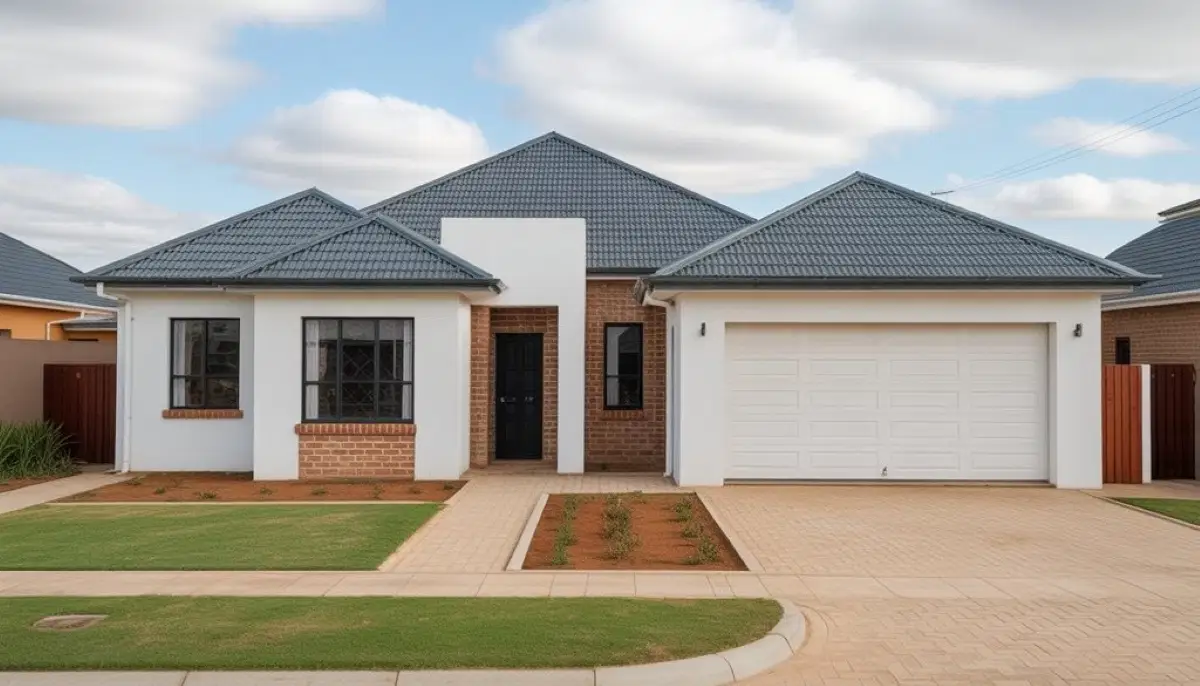
Concrete roof tiles are a staple of South African suburbs. Made from a mixture of cement, sand, water, and pigments, they are pressed or extruded into shape and cured for strength. They are extremely common in areas like Sandton, Centurion, Durban North, and Stellenbosch.
Key characteristics:
- Long lifespan: 50+ years with minimal maintenance.
- Weather resistance: Excellent against hail, UV, and fire (A1 non-combustible).
- Aesthetic appeal: Offers a classic, premium look that many buyers prefer.
- Weight: Heavy, requiring a robust roof structure.
Marley Roofing, a leading local manufacturer, offers a 50-year guarantee on their concrete tiles, provided they are installed according to SANS 10210 specifications.
🏭 What Is Metal Roofing?
Metal roofing in South Africa typically refers to profiled steel sheeting like IBR (Inverted Box Rib), Chromadek®, or concealed-fix systems. It’s very popular for modern homes, townhouses in security complexes, extensions, and commercial buildings.
Key characteristics:
- Lightweight: Easy to transport and install, often over existing structures.
- Modern aesthetic: Clean lines that suit contemporary architectural styles.
- Versatility: Available in long sheets, minimizing overlap points.
- Cost: Often cheaper and faster to install than tiles.
Leading suppliers like Safintel and IZI offer a range of profiles and coatings, including marine-grade options for coastal environments.
💰 Concrete Tile vs Metal Roof Cost South Africa (2025)
Let’s break down the costs. While the price per square metre can be similar, the total project cost can differ based on structural requirements.
🧱 Concrete Tile Roof Cost
- Materials: R90 – R200 per m²
- Installation Labour: R150 – R300 per m²
- Total Installed Cost: R240 – R500 per m²
Example: For a typical 150 m² home, a new concrete tile roof costs between R36,000 and R75,000.
🔩 Metal Roof Cost
- Materials (IBR/Chromadek): R120 – R300 per m²
- Installation Labour: R100 – R200 per m²
- Total Installed Cost: R220 – R500 per m²
Example: For a 150 m² home, a new metal roof costs between R33,000 and R75,000.
💰 The Bottom Line:
Metal roofs are slightly cheaper upfront, but concrete tiles often offer better long-term value.
For a deeper dive into installation costs, see our guide: New Roof Installation Costs: Metal vs Tiles.
⏳ Lifespan Comparison
| Roof Type | Typical Lifespan | Key Factors |
|---|---|---|
| Concrete Tiles | 50 – 60+ years | Fade resistance, impact strength, minimal maintenance |
| Metal Roof | 20 – 40 years | Coating quality, rust prevention, marine vs. inland |
Concrete tiles are the clear winner for longevity. A well-installed concrete tile roof can last over half a century. The lifespan of a metal roof depends heavily on the environment and the quality of its protective coating. In coastal areas like Umhlanga, even high-quality metal may need replacement sooner than tiles.
🌦️ Which Roof Is Better for South African Weather?
South Africa’s climate varies dramatically, from the hot, hail-prone Highveld to the wet, windy coastlines. Here’s how they compare.
🔥 Heat Resistance
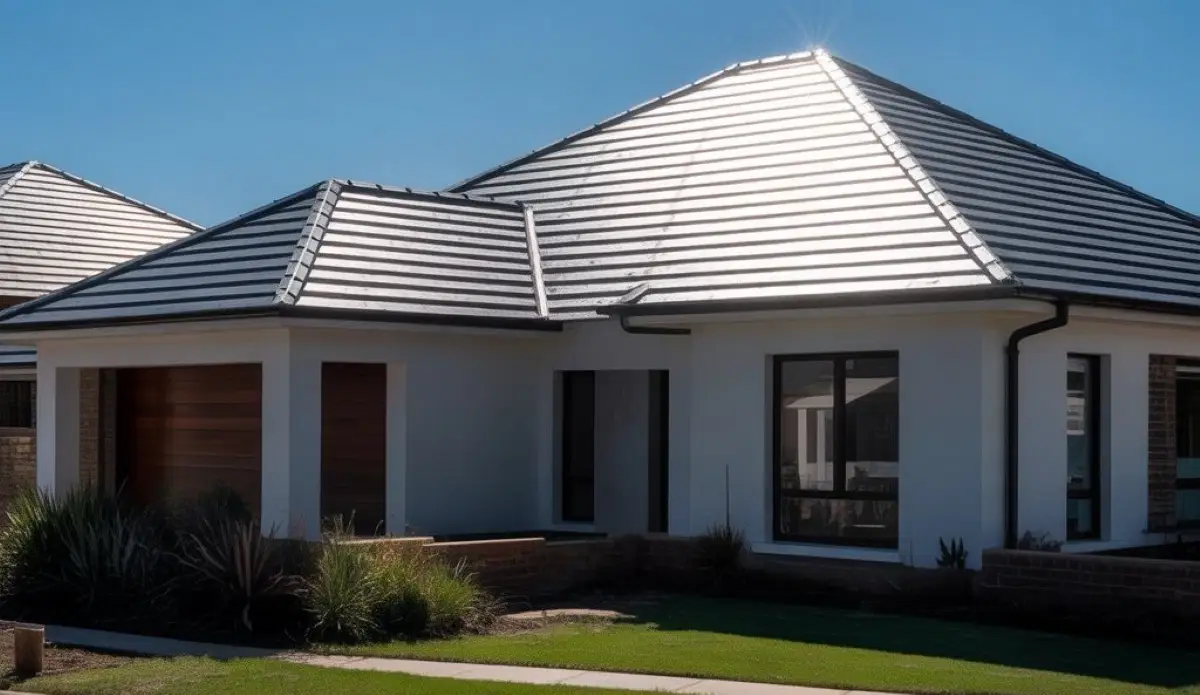
Winner: Concrete Tiles. Concrete has high thermal mass. It absorbs heat during the day and releases it slowly at night, keeping your home cooler in summer and warmer in winter. Metal roofs heat up very quickly and require good insulation (like Isoboard or fiberglass) to be energy-efficient.
🌧️ Rain Performance
Both perform well structurally, but the experience is different. Concrete tiles are naturally quiet. Metal roofs can be noisy during heavy downpours unless acoustic insulation or sarking is installed.
💨 Wind Resistance
Both are excellent when installed correctly. Tiles are mechanically fixed, and metal sheets are screwed down with cyclone clips in high-risk areas like Cape Town.
🌊 Coastal Performance
Winner: Concrete Tiles. Concrete is naturally resistant to salt air corrosion. Metal roofs in coastal zones require specific “marine-grade” coatings (like Chromadek or specialized anodized finishes) to prevent rapid rusting. Even then, they need more frequent inspection than tiles.
Pro Tip for Hail Belt (Gauteng): Concrete tiles have superior impact resistance and are tested to SABS standards for hail. If you prefer metal in these areas, opt for a thicker profile (0.58mm+) to minimize dents.
🛠️ Maintenance and Repair Cost Comparison
| Aspect | Concrete Tiles | Metal Roof |
|---|---|---|
| Maintenance Level | Low | Moderate |
| Typical Repair Cost | R500 – R3,000 (tile replacement, re-bedding) | R800 – R5,000 (rust treatment, screw replacement) |
| Common Tasks | Replace cracked tiles every 5-10 years, re-point ridges. | Check & re-torque screws, treat rust spots, recoat every 10-15 years. |
For a full schedule, see our Roof Maintenance Checklist.
⚙️ Installation Speed & Complexity
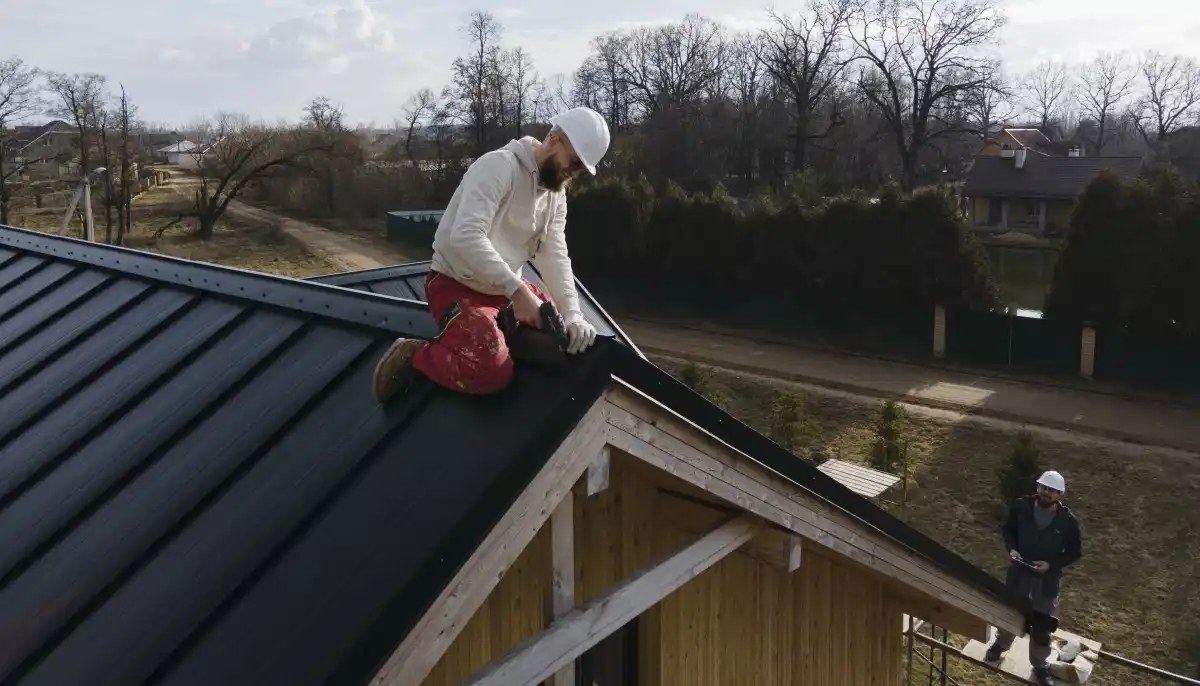
Metal roofs install much faster. Long sheets cover large areas quickly. A metal roof on a standard home can often be installed in 2-3 days. Concrete tiles take longer because each tile must be laid and fixed individually, which can take 5-7 days for the same sized house. This faster installation time contributes to the lower labour cost for metal.
🏋️ Structural Weight Considerations
This is a critical factor. Concrete tiles are heavy. Your roof trusses must be specifically engineered to carry the load (approx. 50kg/m²). If you’re replacing a lightweight roof (like old asbestos or metal) with tiles, you will almost certainly need to reinforce or replace the roof structure, adding significant cost.
Metal roofs, being lightweight (under 10kg/m²), can often be installed over existing roofing or on lighter trusses, making them ideal for extensions, garages, and homes where structural reinforcement isn’t feasible.
🏡 Appearance & Property Value
Concrete tiles offer a timeless, substantial look that many buyers associate with quality and permanence. Profiles like Double Roman or Shingle add texture and character. This often translates to a slightly higher perceived property value.
Metal roofs provide a sleek, minimalist, modern aesthetic that is very popular in new developments. They can also suit rural or farm-style homes. The impact on property value is neutral to positive, especially in markets that favor contemporary design.
🔇 Energy Efficiency & Noise
- Energy Efficiency: Concrete tiles win here. Their thermal mass helps regulate indoor temperatures. Metal roofs need adequate insulation to prevent your home from becoming an oven in summer. Reflective “cool roof” coatings can help but are an added expense.
- Noise: Concrete tiles are naturally quiet. The noise of rain on a metal roof can be a significant drawback for some homeowners, although installing high-quality acoustic underlay or sarking can mitigate this.
⚠️ Common Mistakes to Avoid
- Choosing the cheapest installer: A poor installation can ruin a great roof. Leaks and failures are usually due to workmanship, not the material.
- Poor or no waterproofing: Especially at valleys, penetrations, and flashing points. This is the most common source of leaks.
- Skipping insulation with metal: Leads to high energy bills and a noisy home.
- Using the wrong material for coastal areas: Standard metal roofing will rust quickly near the ocean. Always specify marine-grade.
- Ignoring structural capacity: Putting heavy concrete tiles on a frame designed for a lightweight roof is a recipe for disaster.
Ready to Make the Right Choice?
Get quotes from experienced roofers who can advise on the best material for your home’s structure and location.
✅ When to Choose Concrete Tiles
Choose concrete tiles if:
- You want the longest possible lifespan (50+ years).
- A quiet home and natural thermal regulation are priorities.
- You prefer a traditional, premium aesthetic that may add resale value.
- Your roof structure is already designed or can be engineered to handle the significant weight.
- You are building or renovating in a coastal area and want maximum corrosion resistance.
✅ When to Choose Metal Roof
Choose a metal roof if:
- You are on a tighter budget and want the lowest upfront installation cost.
- You need a fast installation.
- You love the clean, modern look of IBR or concealed-fix sheeting.
- Your roof structure is lightweight or cannot support the weight of tiles (ideal for extensions).
- You are willing to invest in proper insulation for heat and noise control.
❓ Frequently Asked Questions
Which roof is cheaper, concrete tiles or metal?
Metal is slightly cheaper upfront, typically costing R220 – R500 per m² installed compared to R240 – R500 per m² for tiles. However, if your structure needs reinforcement for tiles, that initial gap widens in metal’s favor.
Which roof lasts longer?
Concrete tiles last significantly longer, with a lifespan of 50-60+ years compared to 20-40 years for metal, depending on the environment and coating quality.
Which roof is better for hot climates like Johannesburg or Pretoria?
Concrete tiles are better for hot climates due to their thermal mass, which helps keep the house cooler. A metal roof without adequate insulation will make the home much hotter.
Is a metal roof or tile roof better for coastal areas like Cape Town or Durban?
Concrete tiles are generally better as they are naturally resistant to salt air corrosion. If you prefer metal, you must invest in a high-quality marine-grade coating and expect more frequent maintenance.
Which roof increases house value more?
Concrete tiles often add slightly more perceived value due to their premium, durable, and traditional appearance. However, a high-quality metal roof is also a valuable asset for a modern home.
Which roof needs less maintenance?
Concrete tiles require less maintenance over their lifetime. Metal roofs need periodic checks for rust, loose screws, and may need recoating every 10-15 years.
🎯 Final Verdict: Which Roof Is Best Overall?
Best overall for long-term value and performance: Concrete Tiles.
Best for modern homes, tight budgets, and lightweight structures: Metal Roof.
Both are excellent, proven roofing materials. Your choice ultimately depends on your budget, aesthetic preference, structural limitations, and location.
Your 3-Step Action Plan
- Assess your structure: Consult with a builder or engineer to understand if your roof can support heavy concrete tiles.
- Consider your climate: Factor in your location (coastal, inland, hail belt) and need for insulation.
- Get professional quotes: Speak to reputable installers who can advise on the best solution for your specific home.
Ready to Install Your New Roof?
Get quotes from vetted, experienced roofing contractors in your area who can help you make the best choice for your home.
Written by: Innocent T Hanyani
With over 21 years of experience in the South African construction and digital industries, Innocent brings deep technical knowledge of building materials, SANS regulations, and contractor standards to this guide. His insights are backed by data from the NHBRC and leading manufacturers.
External references and industry standards:
- Marley Roofing – Concrete roof tile specifications, lifespan, SANS 542.
- Safintel – Metal roof systems, IBR, concealed fix, and coastal-grade coatings.
- Corobrik – Clay and concrete roof tile comparison.
Prices accurate as of February 2025. Always verify current rates with local installers.