Eco-Friendly Cleaning Services South Africa – The Complete Green Cleaning Guide
🌿 Want a sparkling clean home without harsh chemicals? From Johannesburg to Cape Town, here’s everything about eco-friendly cleaning in South Africa.
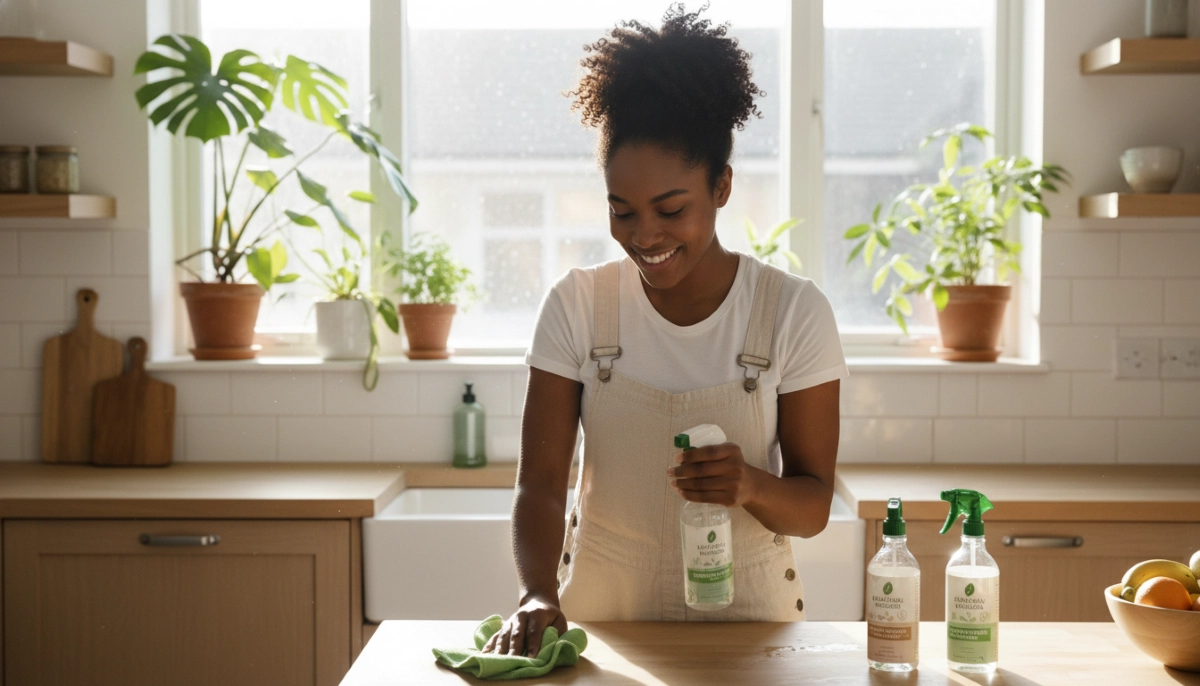
More South Africans are asking: “Is there a way to keep my home clean without exposing my family to harsh chemicals?” The answer is yes. Eco-friendly cleaning services South Africa are growing rapidly, offering professional results using products that are safe for people, pets, and the planet.
Whether you’re in Fourways concerned about your children’s health, in Ballito wanting to protect marine life, or in Stellenbosch committed to sustainable living, green cleaning offers a better way.
This guide covers everything about eco-friendly cleaning – what it is, the products used, costs, benefits, and how to find certified green cleaning companies in your area. We’ll also help you understand certifications like Green Seal and how to verify truly eco-friendly services.
If you’re looking for trusted local specialists, explore our Services Overview or view our Service Areas to find professional cleaners near you. For more on how we work, visit How It Works.
🌍 ENVIRONMENTAL STANDARDS: Eco-friendly cleaning in South Africa should comply with NEMA (National Environmental Management Act) waste regulations and use products certified by Eco-label SA or equivalent green certification bodies.
Ready for a Healthier Home?
Connect with vetted eco-friendly cleaning specialists in your area. Get free quotes from companies using non-toxic, biodegradable products.
Servicing Johannesburg, Pretoria, Cape Town, Durban, and nationwide
📋 Table of Contents – Eco-Friendly Cleaning Guide
🌱 What is Eco-Friendly Cleaning?
Eco-friendly cleaning (or green cleaning) uses products and practices that are safe for human health and the environment. It avoids harsh chemicals like ammonia, chlorine bleach, phthalates, and synthetic fragrances that can cause respiratory issues, skin irritation, and environmental damage.
Instead, green cleaning relies on:
- Plant-based surfactants: Derived from coconut, corn, or palm oils – they clean effectively without toxicity.
- Enzyme cleaners: Use beneficial bacteria and enzymes to break down dirt and stains naturally.
- Microfiber technology: Reusable microfiber cloths trap dirt without chemicals, reducing waste.
- Cold water washing: Saves energy while still achieving effective cleaning.
- Concentrated refills: Reduce packaging waste and transport emissions.
- Biodegradable ingredients: Break down safely in the environment without polluting water systems.
Professional green cleaning companies combine these products with sustainable practices like waste reduction, water conservation, and energy-efficient equipment.
Learn more about our approach on our About Us page or read why clients choose us on our Benefits page.
🌟 Benefits of Green Cleaning – Why Make the Switch?
Choosing environmentally friendly cleaners offers benefits beyond just a clean home:
🫁 Health Benefits
- ✓ Reduced respiratory irritation – no harsh chemical fumes
- ✓ Fewer allergic reactions – hypoallergenic options available
- ✓ Safe for children and pets – no toxic residues on floors or surfaces
- ✓ Better indoor air quality – no VOC off-gassing
- ✓ Reduced chemical absorption through skin
🌍 Environmental Benefits
- ✓ Biodegradable ingredients – don’t pollute waterways
- ✓ Reduced plastic waste – concentrated refills, reusable packaging
- ✓ Lower carbon footprint – cold water cleaning, local products
- ✓ Greywater safe – can be used for garden irrigation
- ✓ Protects aquatic life – no phosphates or harsh chemicals
For businesses, green cleaning also supports B-BBEE credentials and sustainable business practices recognition.

🧪 Products & Ingredients – What Makes a Cleaner “Green”?
Not all “green” labels are genuine. Understanding ingredients helps you verify truly non-toxic cleaning products.
Safe Ingredients to Look For
- Plant-based surfactants: Derived from coconut, corn, soy – clean effectively without toxicity.
- Enzyme cleaners: Protease, amylase, lipase – break down protein, starch, and fat stains naturally.
- Citric acid: Natural descaling agent from citrus fruits.
- Baking soda: Gentle abrasive and deodoriser.
- White vinegar: Natural disinfectant and glass cleaner.
- Essential oils: Natural fragrance (tea tree, lavender, lemon) with antibacterial properties.
- Castile soap: Plant-based soap for general cleaning.
Ingredients to Avoid
- Phthalates: Found in synthetic fragrances – hormone disruptors.
- Chlorine bleach: Toxic to aquatic life, respiratory irritant.
- Ammonia: Respiratory irritant, toxic to fish.
- Phosphates: Cause algal blooms in waterways.
- 2-Butoxyethanol: Solvent found in many all-purpose cleaners.
- Quaternary ammonium compounds (quats): Respiratory irritants, aquatic toxicity.
- Optical brighteners: Don’t biodegrade, toxic to fish.
Professional biodegradable cleaning solutions companies will provide safety data sheets and ingredient lists upon request.
⚖️ Eco-Friendly vs Conventional Cleaning – The Comparison
| Factor | Conventional Cleaning | Eco-Friendly Cleaning |
|---|---|---|
| Ingredients | Synthetic chemicals, petrochemicals | Plant-based, naturally derived |
| Fragrance | Synthetic, often phthalates | Essential oils or fragrance-free |
| Packaging | Single-use plastic, rarely recycled | Recycled content, refillable, concentrated |
| Biodegradability | Often non-biodegradable | Fully biodegradable |
| Water safety | Toxic to aquatic life | Greywater safe – can irrigate gardens |
| Indoor air quality | VOCs released for hours/days | No or low VOCs |
| Allergy friendly | Can trigger reactions | Hypoallergenic options available |
| Cost | Generally lower per litre | Slightly higher, but competitive |
| Effectiveness | Strong on heavy grease | Equally effective with proper products |
Many clients in Cape Town and Durban choose eco-friendly specifically for greywater compatibility and marine protection.
✅ Green Certifications – How to Verify Truly Eco-Friendly Cleaners
With “greenwashing” common, third-party certifications prove a company’s claims. Look for these certifications when choosing a green cleaning company:
- Eco-label SA: South Africa’s official environmental certification. Products with this label meet strict criteria for biodegradability, toxicity, and packaging.
- Green Seal: International standard for environmentally responsible products.
- EU Ecolabel: European standard, recognised globally.
- Cradle to Cradle: Certifies safe, circular product design.
- Leaping Bunny: Cruelty-free certification (no animal testing).
- Vegan Society: No animal-derived ingredients.
How to verify: Ask companies for their certification details. Legitimate providers are proud to share them. If they claim to be “green” but can’t provide certifications, ask for ingredient lists and safety data sheets to verify claims.
🧹 Eco-Friendly Services Offered – What Can Be Greened?
Almost every cleaning service can be delivered with eco-friendly products and practices:
- Deep cleaning: Green products for kitchens, bathrooms, and living areas.
- Office cleaning: Non-toxic sanitising for workstations, kitchens, bathrooms.
- Commercial cleaning: Sustainable practices for retail, medical, industrial spaces.
- Carpet cleaning: Low-moisture, enzyme-based cleaners that are safe and effective.
- Window cleaning: Vinegar-based or plant-based solutions for streak-free results.
- Post-construction cleaning: Dust control with HEPA vacuums, non-toxic cement removers.
- Move-in/move-out cleaning: Safe for new occupants, especially families with children.
Many companies also offer hypoallergenic cleaning service packages specifically for clients with allergies, asthma, or chemical sensitivities.
💰 Cost of Eco-Friendly Cleaning – What to Expect
Many assume green cleaning costs significantly more. In reality, prices are often comparable to conventional cleaning, with a small premium for certified products.
Complete Cost Breakdown by Service
| Service | Conventional Price | Eco-Friendly Price | Difference |
|---|---|---|---|
| Deep clean (3-bed home) | R2,800 – R4,500 | R3,000 – R5,000 | +R200-R500 |
| Regular weekly clean | R250 – R400 per hour | R280 – R450 per hour | +R30-R50/hour |
| Carpet cleaning (per room) | R350 – R850 | R400 – R950 | +R50-R100 |
| Office cleaning (per m²) | R8 – R15 per m² | R9 – R17 per m² | +R1-R2/m² |
| Window cleaning (whole house) | R800 – R1,800 | R850 – R2,000 | +R50-R200 |
The slight premium covers certified products, staff training, and sustainable practices. Many clients find the health and environmental benefits worth the small additional cost.
Budgeting tip: For a standard 3-bedroom home in Johannesburg or Pretoria, budget R3,000 – R5,000 for an eco-friendly deep clean – only slightly more than conventional, with significant health benefits.
🤧 Hypoallergenic Cleaning Services – For Sensitive Individuals
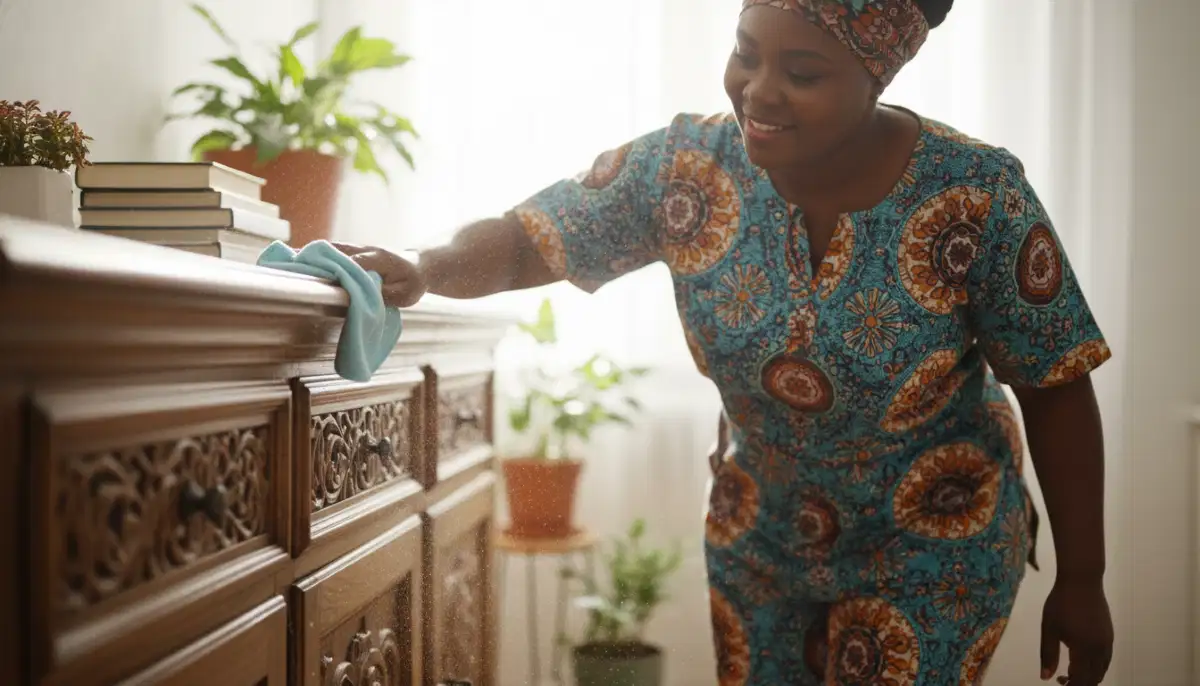
For those with allergies, asthma, or chemical sensitivities, hypoallergenic cleaning service is essential. These services use:
- Fragrance-free products: No synthetic or essential oil fragrances that can trigger reactions.
- Dye-free formulations: No artificial colours that can irritate.
- HEPA vacuuming: Traps allergens rather than recirculating them.
- Steam cleaning: Sanitises without chemicals.
- Thorough dust removal: Focus on eliminating dust mites and allergens.
Many families in Bryanston and Fourways with allergic children specifically request hypoallergenic protocols.
🏢 Eco-Friendly Office Cleaning Johannesburg & Beyond
Businesses are increasingly adopting eco-friendly office cleaning Johannesburg and other cities for multiple reasons:
- Employee health: Reduced sick days from improved indoor air quality.
- B-BBEE points: Sustainable practices contribute to procurement scores.
- Corporate image: Demonstrates environmental responsibility to clients.
- Regulatory compliance: Meets NEMA waste regulations.
- Greywater compatibility: Cleaning water can be used for landscaping.
Services for offices include:
- Touchpoint disinfection with non-toxic sanitizers
- Carpet cleaning with enzyme-based solutions
- Washroom hygiene with biodegradable products
- Kitchen/break area cleaning with food-safe products
- Waste management and recycling programs
For businesses in Sandton and Cape Town, many commercial cleaners now offer green packages. See our office and commercial cleaning page for more.
Choose Healthier Cleaning for Your Home or Office
Get free quotes from vetted eco-friendly cleaning specialists in your area. Compare prices, verify certifications, and switch to green cleaning today.
Serving Johannesburg, Pretoria, Cape Town, Durban, and nationwide
♻️ Sustainable Cleaning Practices – Beyond Just Products
True sustainable cleaning practices extend beyond the products used. Look for companies that implement:
- Microfiber technology: Reusable cloths that reduce paper towel waste by 95%.
- Cold water washing: Energy-efficient cleaning where effective.
- Concentrated refills: Products shipped as concentrates, diluted on-site to reduce packaging and transport emissions.
- Plastic-free packaging: Glass or recycled plastic containers, returnable/refillable systems.
- Carbon neutral operations: Some companies offset their vehicle emissions.
- Water-wise cleaning: Low-moisture methods, responsible water use.
- Waste segregation: Proper recycling of any waste generated during cleaning.
According to Sustainable SA, businesses adopting these practices see both environmental and cost benefits over time.
💧 Greywater Safe Cleaning – Protect Your Garden
In water-scarce South Africa, many households use greywater (from baths, sinks, washing machines) for garden irrigation. But conventional cleaning products can harm plants and soil. Greywater safe cleaning uses products that won’t damage your garden.
What makes a cleaner greywater safe?
- No sodium (salt) – salt damages soil structure and plant roots.
- No boron – toxic to plants even in small amounts.
- No chlorine bleach – kills beneficial soil bacteria.
- Biodegradable surfactants – break down before reaching plants.
- Low or no phosphorus – prevents algal blooms in water storage.
Eco-friendly cleaners typically meet greywater safety standards. If you’re in Durban or Cape Town with greywater systems, specifically ask companies about their products’ greywater compatibility.
🌿 Vegan Cleaning Products South Africa – Cruelty-Free Options
For ethically conscious consumers, vegan cleaning products South Africa ensure no animal-derived ingredients and no animal testing. Look for:
- Leaping Bunny certification: No animal testing at any stage.
- Vegan Society trademark: No animal ingredients (like tallow, lanolin, or animal-derived enzymes).
- Plant-based formulations: All ingredients from plant sources.
Many eco-friendly companies now offer vegan lines. If this matters to you, ask potential cleaners about their vegan certifications.
💦 Water-Wise Cleaning Techniques – Saving South Africa’s Scarce Water
Water conservation is critical in South Africa. Professional water-wise cleaning techniques include:
- Low-moisture carpet cleaning: Encapsulation or dry compound methods use minimal water.
- Steam cleaning efficiency: Professional equipment extracts 95%+ of water used, nothing left behind.
- Microfiber mopping: Uses 90% less water than traditional mops and buckets.
- Trigger sprayers: Precise application rather than wasteful pouring.
- Buckettess systems: Some cleaners use on-machine water tanks, eliminating bucket dumping.
- Greywater capture: Some companies capture and reuse rinse water.
Ask potential cleaners about their water conservation practices – especially important in drought-prone areas.

📍 Regional Availability of Eco-Friendly Cleaning
Green cleaning services are available across South Africa, with concentrations in major centres:
🧹 Johannesburg & Surrounds
Eco-friendly office cleaning Johannesburg is widely available. In Sandton and Fourways, many corporate clients require green cleaning for B-BBEE and sustainability goals.
- Residential green cleaning: Multiple providers
- Commercial green cleaning: Growing sector
- Specialists: Hypoallergenic, greywater-safe options available
🧹 Pretoria & Centurion
In Pretoria, eco-conscious homeowners and diplomatic clients drive demand for green services.
- Residential: Good availability
- Eco-certifications: Many companies carry Eco-label SA
🧹 Cape Town & Stellenbosch
Cape Town and Stellenbosch have the highest concentration of eco-friendly cleaners, driven by environmental awareness and water scarcity concerns.
- Water-wise cleaning: Many specialists
- Greywater safe: Common request
- Marine-safe products: For coastal properties
🧹 Durban & Ballito
In Durban and Ballito, marine protection drives demand for biodegradable, phosphate-free products.
- Marine-safe cleaning: Several specialists
- Mould treatment: Eco-friendly options available
❌ 7 Common Eco-Cleaning Mistakes
Even with good intentions, people make mistakes when switching to green cleaning. Avoid these:
- Mistake #1: Believing all “natural” labels. “Natural” isn’t regulated. Look for third-party certifications like Eco-label SA instead.
- Mistake #2: Mixing vinegar and baking soda in a bottle. They neutralise each other – use separately for different tasks.
- Mistake #3: Using vinegar on natural stone. Acid damages marble, granite, and travertine. Use stone-specific pH-neutral cleaners.
- Mistake #4: Expecting essential oils to disinfect fully. While some have antibacterial properties, they’re not registered disinfectants. For true sanitising, use EPA-approved green disinfectants.
- Mistake #5: Overlooking microfiber care. Fabric softeners ruin microfiber’s effectiveness. Wash separately with mild detergent, air dry.
- Mistake #6: Assuming green means less effective. Modern plant-based surfactants and enzyme cleaners are equally effective when used correctly.
- Mistake #7: Not asking about greywater safety. If you use greywater for gardening, confirm products are safe for your plants.
For more guidance, see our contractor selection guide.
❓ Frequently Asked Questions
What are eco-friendly cleaning services in South Africa?
Eco-friendly cleaning services South Africa use non-toxic, biodegradable products and sustainable practices to clean homes and businesses. They avoid harsh chemicals like ammonia, chlorine bleach, and synthetic fragrances, replacing them with plant-based ingredients, enzyme cleaners, and microfiber technology. These services are safer for children, pets, allergy sufferers, and the environment, while still delivering professional cleaning results.
How much do eco-friendly cleaning services cost?
Eco-friendly cleaning costs are comparable to conventional services, with a small premium of 5-15%. For a 3-bedroom home deep clean, expect R3,000 – R5,000 (vs R2,800-R4,500 conventional). Hourly rates range from R280 – R450 per hour. The slight extra cost covers certified products, staff training, and sustainable practices – well worth it for the health and environmental benefits.
Are eco-friendly cleaners as effective as conventional ones?
Yes, modern eco-friendly cleaners are equally effective. Plant-based surfactants clean as well as petrochemical ones. Enzyme cleaners break down organic stains effectively. Professional-grade green products are formulated to tackle grease, grime, and bacteria. The key is using the right product for each task – just like conventional cleaning. Many clients find their homes feel fresher without chemical residues.
How do I verify a company is truly green?
Look for third-party certifications like Eco-label SA. Ask for their product list and safety data sheets. Reputable companies will provide ingredient information. Check if they use microfiber technology, concentrated refills, and other sustainable practices. Read reviews from other eco-conscious clients. If they claim to be green but can’t provide specifics, consider it a red flag.
Are eco-friendly products safe for septic systems and greywater?
Most eco-friendly products are safe for septic systems because they’re biodegradable and不含 harsh chemicals. For greywater safe cleaning, specifically ask about sodium, boron, and chlorine content – these can harm plants. Many green cleaners formulate specifically for greywater compatibility. If you use greywater for irrigation, confirm with your cleaning company that their products won’t damage your garden.
Do eco-friendly cleaners kill germs and bacteria?
Yes, many eco-friendly products are effective disinfectants. Look for green sanitizers with EPA-approved active ingredients like citric acid, hydrogen peroxide, or lactic acid. These kill 99.9% of bacteria and viruses when used correctly. Steam cleaning is another chemical-free disinfection method. For medical facilities or high-risk environments, ensure your provider uses certified green disinfectants.
What is the difference between green cleaning and regular cleaning?
Green cleaning uses products with plant-based, biodegradable ingredients and avoids harsh chemicals. It also incorporates sustainable practices like microfiber technology (reducing waste), cold water washing (energy saving), and concentrated refills (less packaging). Regular cleaning may use conventional chemicals that can trigger allergies, irritate skin, and harm the environment. The cleaning results are comparable, but green cleaning is healthier for people and the planet.
Are there vegan cleaning products in South Africa?
Yes, vegan cleaning products South Africa are available from several brands and cleaning companies. These products contain no animal-derived ingredients (like tallow, lanolin, or animal enzymes) and are not tested on animals. Look for Leaping Bunny or Vegan Society certifications. Many eco-friendly companies now offer vegan options – just ask when requesting quotes.
✅ Final Thoughts – Your Green Cleaning Action Plan
Switching to eco-friendly cleaning services South Africa is one of the best choices you can make for your family’s health and the environment. With growing availability and competitive pricing, there’s never been a better time to make the switch.
Key takeaways:
- Healthier home: No harsh chemicals, reduced allergens, safer for children and pets
- Environmental protection: Biodegradable products, reduced plastic waste, water conservation
- Comparable cost: Only 5-15% more than conventional cleaning
- Wide availability: Available in Johannesburg, Cape Town, Durban, and beyond
- Verify certifications: Look for Eco-label SA, Green Seal, and transparent ingredient policies
- Specialised options: Hypoallergenic, greywater-safe, vegan, and water-wise services available
🌿 The Bottom Line:
A healthier home is within reach
Eco-friendly cleaning delivers sparkling results without compromise – protecting your family and the planet for a small premium over conventional services.
Your 5-Step Action Plan
- Identify your priorities – hypoallergenic, greywater-safe, vegan, or general green cleaning
- Get 2-3 quotes from vetted eco-friendly cleaners – use our free quote system
- Verify certifications – ask about Eco-label SA, ingredient lists, and sustainable practices
- Compare pricing and services – ensure they offer the specific green features you need
- Book a trial clean – experience the results before committing to regular service
Ready to Go Green?
Connect with trusted, vetted eco-friendly cleaning specialists in your area. Compare quotes, verify certifications, and choose a healthier clean today.
📞 Call us: 073 138 4726 for personalised assistance
Free site inspections •
Beat-your-quote guarantee •
Our guarantees
📚 Official resources & standards:
- Eco-label SA – Green Seal certified products and services
- Sustainable SA – Eco-friendly business practices and certification
- NEMA – National Environmental Management Act waste regulations
Information accurate as of publication. Always verify current certifications with local service providers. This guide is for informational purposes.
Written by: Innocent T Hanyani
21+ years construction and digital industry experience, ServiceLink SA
Innocent has advised thousands of homeowners and businesses on sustainable cleaning practices, working closely with Eco-label SA certified companies across South Africa. His expertise ensures this guide reflects current green cleaning standards and best practices.