
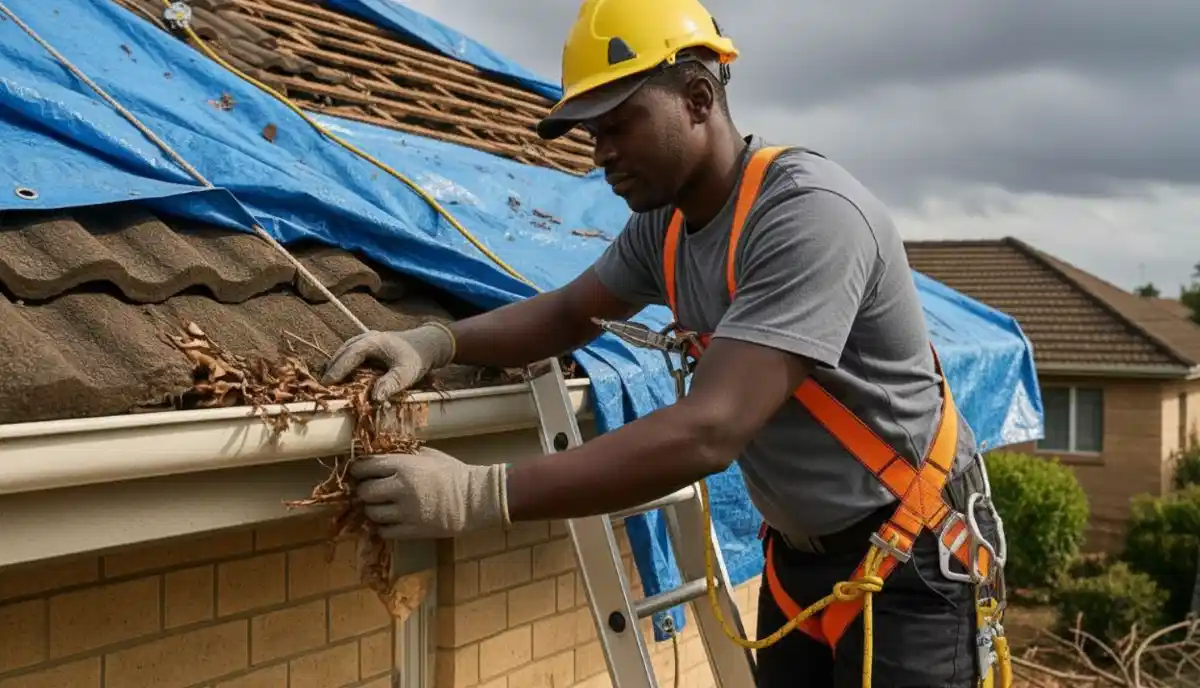
Emergency Roof Leak Repair Johannesburg & Pretoria: 24/7 Urgent Help
The Highveld summer thunderstorm is raging outside. The wind is howling. And then you hear it — the dreaded drip, drip, drip from your ceiling. In moments, a small drip becomes a stream, and panic sets in. If you’re in Johannesburg, Pretoria, or the surrounding areas of the Gauteng province, you need help, and you need it now.
This guide is your essential resource for handling a roofing emergency. We cover what constitutes a genuine emergency, the exact costs you can expect for after-hours call-outs, the immediate steps you must take to protect your home, and how to find a reliable 24/7 roofing contractor in your area.
In this urgent guide, you’ll discover:
- What qualifies as a roofing emergency
- Emergency call-out costs in Gauteng (2026)
- Immediate steps to take during a leak
- The emergency response protocol
- How to manage your insurance claim
- Finding 24/7 roofers near you
⚡ URGENT: Active Leak? Get Help Now
Don’t wait for the damage to spiral. Connect with an emergency roofer in Johannesburg or Pretoria immediately.
Table of Contents
🚨 What Qualifies as a Roofing Emergency?
Not every leak requires a middle-of-the-night emergency call-out. Knowing the difference can save you money and stress. However, in the following situations, you need to act immediately and call for professional help.
✅ GENUINE EMERGENCIES
- Water entering electrical fittings: Water dripping onto or into light fittings, switches, or wall sockets is an immediate electrocution and fire risk. Turn off the power and call for help.
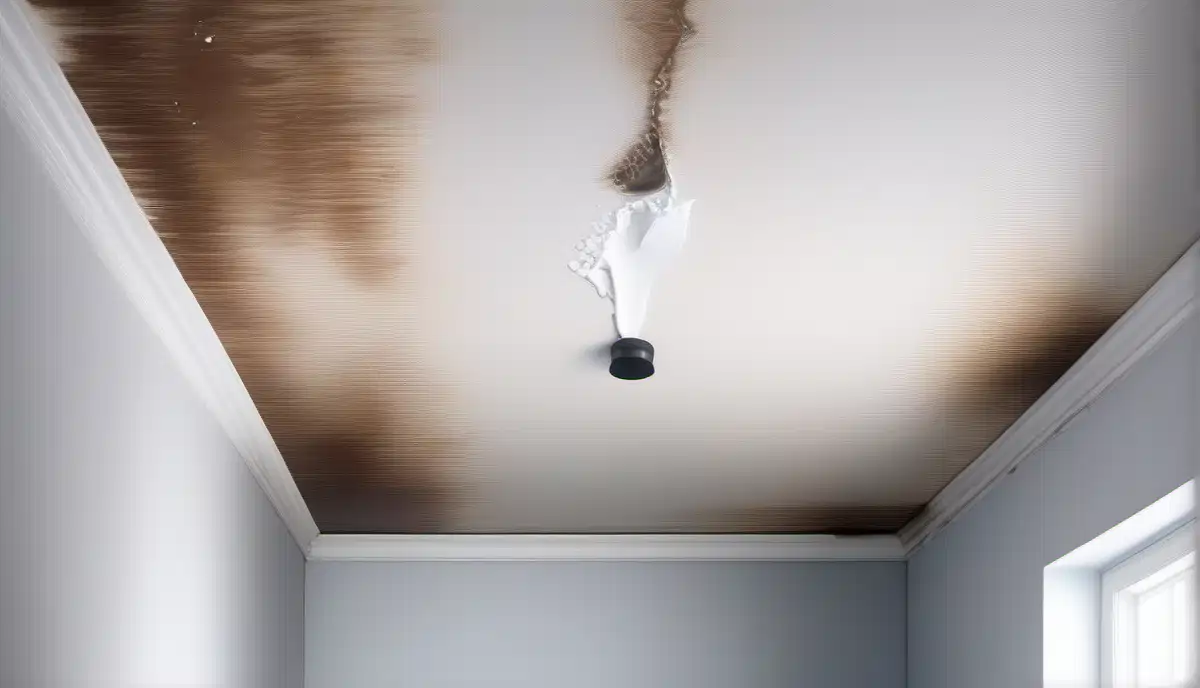
- Imminent ceiling collapse: If your ceiling is visibly sagging, bulging, or creaking under the weight of water, it could collapse at any moment.
- Structural damage: Visible roof deflection, displaced trusses, or large holes after a storm.
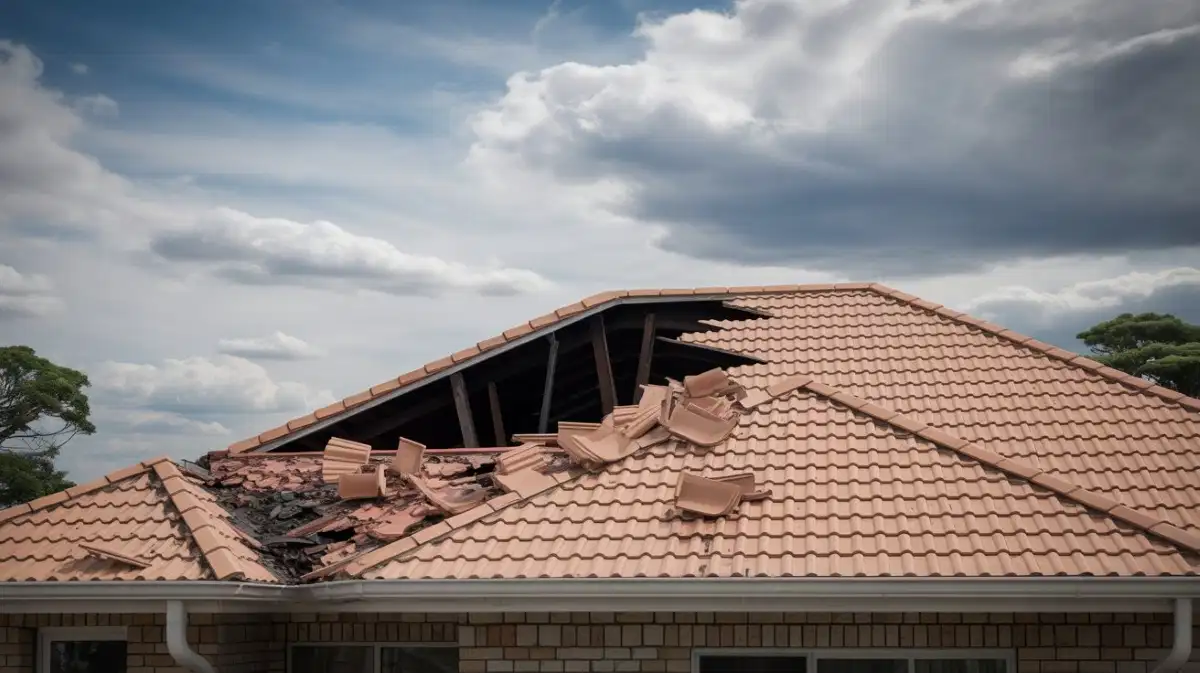
- Exposed interior: A large hole in the roof, often caused by a fallen tree, leaving your home open to the elements.
- Active flooding: Water ingress is damaging floors, furniture, and possessions faster than you can contain it.
❌ CAN USUALLY WAIT
- Minor drip: A small, steady drip that you can easily contain with a bucket.
- Single cracked tile: A visible crack with no active water ingress during rain.
- Gutter blockage: Overflowing gutters that aren’t causing interior leaks.
- Small leak in non-critical area: A leak in a garage or store room away from electricals.
💰 Emergency Roof Repair Costs in Gauteng (2026)
Emergency services command a premium due to rapid response, after-hours work, and the need for immediate stabilization. Here are the typical costs for emergency roof repairs in Johannesburg and Pretoria.
| Service | Response Time | Cost Range |
|---|---|---|
| Emergency call-out (weekday after hours) | 2-4 hours | R1,500 – R3,000 |
| Emergency call-out (weekend/public holiday) | 2-4 hours | R2,500 – R5,000 |
| Temporary tarping (per m²) | Immediate | R150 – R300 |
| Temporary patch repair | Same day | R800 – R2,500 |
| Full repair (scheduled after emergency) | 24-72 hours | Quote based |
Note: These costs are for the emergency response only. The final permanent repair will be quoted separately.
🛑 5 Immediate Steps to Take During an Emergency Leak
While you’re waiting for the emergency roofer to arrive, follow these steps to contain the damage and keep your family safe.
- 1. Prioritize Safety: If water is near electrical points, go to your main distribution board and switch off the power to the affected area or the entire house. Do not walk through standing water if the power might still be on.
- 2. Contain the Water: Place buckets, bins, or any large containers under the active leaks to catch the water. If you don’t have enough containers, create diversion channels with string and cloth to guide water into fewer buckets.
- 3. Move Valuables: Remove furniture, electronics, carpets, and other valuables from the affected area. If items are too heavy to move, cover them with plastic sheeting.
- 4. Relieve Ceiling Pressure (If Necessary): If the ceiling is sagging under the weight of trapped water, it is at risk of collapsing. Carefully puncture the sagging area with a screwdriver to allow the water to drain into a bucket. This is safer than a sudden, uncontrolled collapse.
- 5. Document the Damage: Take clear photos and videos of the leak, the water damage to your ceiling and belongings, and any visible external damage (like fallen trees or displaced tiles). This is crucial for your insurance claim.
👷 The Professional Emergency Response Protocol
When you call a reputable 24/7 roofing service, this is the process you can expect:
- Assessment & Quoting: The roofer will arrive, assess the immediate danger, and provide a cost for the emergency work (tarping, temporary patch) before starting.
- Temporary Repair: The team will perform the emergency fix. This often involves installing a heavy-duty waterproof tarp over the damaged area, secured with sandbags or battens. For smaller holes, they may use temporary sealants.
- Debris Removal (if needed): If a tree has fallen or tiles are scattered, they will make the area safe and remove debris.
- Full Damage Assessment: Once the immediate danger is over, the roofer will conduct a thorough inspection of the entire roof to assess the full extent of the damage.
- Permanent Repair Schedule: They will provide a detailed quote for the permanent repair and schedule the work. This is usually done within a few days, weather permitting.
📄 Insurance Claims for Storm Damage
Dealing with insurance after an emergency can be stressful. Here’s how to make the process smoother.
- Know Your Cover: Most household insurance policies cover “sudden and accidental” damage, which includes storm, hail, and fallen trees. They typically do not cover damage from lack of maintenance.
- Notify Your Insurer ASAP: Most insurers have 24/7 emergency claims lines. Call them immediately to register the claim. They will give you a claim number and advise on next steps.
- Use Your Photos: Send the photos and videos you took as evidence of the damage.
- Keep Receipts: Keep all receipts for emergency work (temporary repairs) as these are often reimbursable.
- Use Approved Contractors: Many insurers have a list of approved contractors. Using a CIDB-registered contractor ensures the work meets industry standards and your warranty is valid.
⛈️ Gauteng Storm Season: What to Expect
Gauteng’s storm season typically runs from October to March. During this period, the risk of roofing emergencies increases dramatically.
Recommendation: Schedule a professional roof inspection in August or September, just before the storm season hits. This allows you to identify and fix vulnerabilities before they become emergency situations.
🆚 Temporary vs. Permanent Roof Repairs
It’s vital to understand the difference between an emergency fix and a permanent solution.
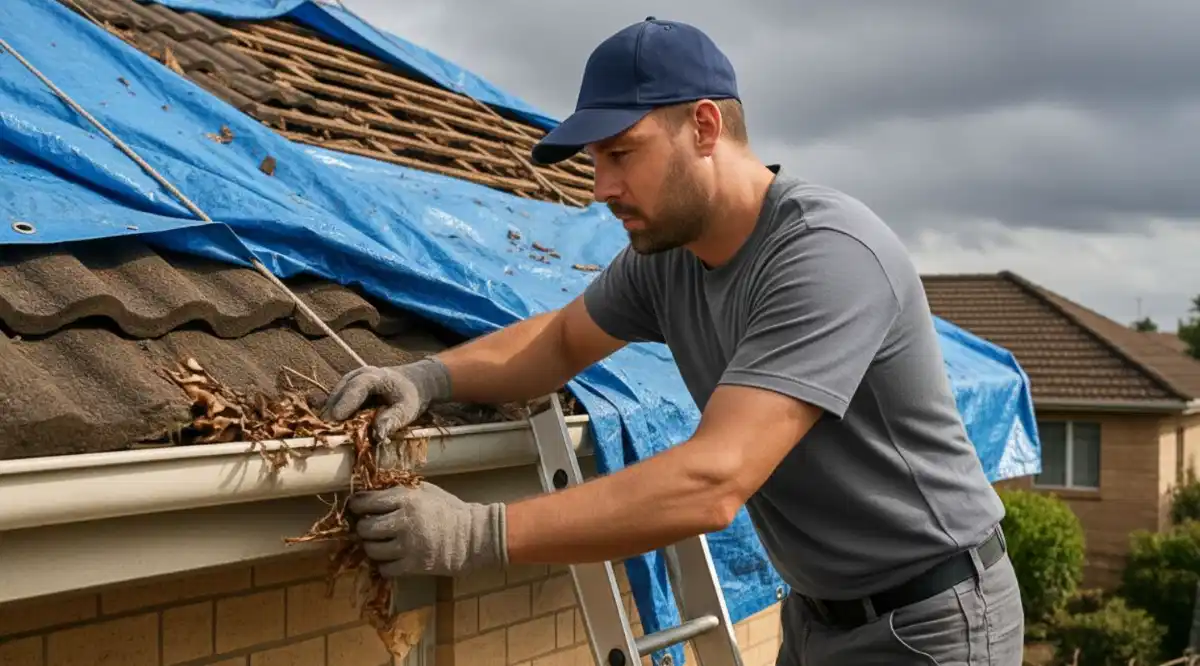
- Temporary Repairs (Emergency): The goal is to stop active water ingress and secure the property. This includes tarping, applying waterproof tape, or boarding up holes. These are not designed to last more than a few weeks. Cost is for the rapid response and immediate labor.
- Permanent Repairs: The goal is to restore the roof to its original, watertight condition. This involves replacing broken tiles, fixing flashings, replacing rusted sheets, and ensuring all fixings are secure. This work comes with a warranty and is a long-term solution.
Never mistake a temporary tarp for a permanent fix. It will degrade in the sun and wind and will leak again. Always schedule the permanent repair work as soon as possible.
📍 Finding a 24/7 Roofer in Johannesburg & Pretoria
In an emergency, you need someone reliable and fast. Here’s how to find a trustworthy contractor in your specific area:
- Search Locally: Use terms like “emergency roofer near me” or “24 hour roof repair Sandton” to find local specialists.
- Verify Credentials: Even in an emergency, try to verify their credentials. Ask for their CIDB number and verify it online. This is a sign of a legitimate business.
- Check Reviews Quickly: Scan their Google My Business profile for recent reviews. A pattern of complaints about poor emergency response is a red flag.
- Ask Key Questions:
- “What is your call-out fee?”
- “Do you have public liability insurance?”
- “Will you provide a written quote for the temporary work?”
For a list of vetted contractors, you can also request an emergency quote through ServiceLink SA and we will connect you with registered professionals in your area.
⚠️ Emergency Scams & Red Flags to Avoid
Unfortunately, storms often bring out “storm chasers” – unregistered individuals who prey on desperate homeowners. Be wary of:
- “We were just in the neighborhood and noticed your damage…” – Reputable companies are too busy to canvas door-to-door after a major storm.
- Demanding large cash deposits upfront: A small deposit for materials may be reasonable, but 50%+ before any work is a major red flag.
- High-pressure sales tactics: “Sign now or the price goes up” is a classic scammer tactic.
- No physical address or CIDB registration: They are often transient and impossible to find once the money is paid.
- Offers to pay your insurance deductible: This is insurance fraud and illegal.
Always use CIDB-registered contractors for any significant work, especially emergency repairs.
✅ Preparing Your Home for the Next Storm
The best emergency is the one that never happens. Here’s how to prepare your home before the storm season hits.
- Clear gutters and downpipes: Ensure water can flow freely away from your roof.
- Trim overhanging branches: Remove dead or overhanging branches that could fall onto your roof.
- Inspect your roof: Look for loose, cracked, or missing tiles. Check for rust spots on metal roofs.
- Check flashings: Ensure the sealant around chimneys, vents, and skylights is intact.
- Prepare an emergency kit: Have tarps, buckets, and a torch readily accessible.
For a full guide, see our Seasonal Roof Maintenance Checklist.
Facing a Roofing Emergency?
Don’t risk your safety or your home. Get connected with a vetted, 24/7 emergency roofer in your area now.
❓ Frequently Asked Questions
How much does an emergency roof repair cost in Johannesburg?
The call-out fee for an emergency roofer in Johannesburg typically ranges from R1,500 to R3,000 for after-hours weekdays, and R2,500 to R5,000 for weekends or public holidays. This covers the response and temporary repair, with permanent work quoted separately.
How fast can an emergency roofer get to my house in Pretoria?
Most reputable 24/7 roofing services in Pretoria aim for a 2-4 hour response time for genuine emergencies. This can vary depending on the severity of the storm and the number of call-outs they are handling.
Will my insurance pay for emergency roof repairs?
Yes, if the damage is caused by a covered peril like a storm, hail, or a fallen tree. You must notify your insurer immediately. Keep all receipts for emergency work, as these are often reimbursed as part of your claim.
What should I do if my ceiling is bulging with water?
This is a sign of imminent collapse. Carefully puncture the sagging area with a screwdriver to release the water into a bucket. This is safer than letting it collapse suddenly. Then, place more containers and call an emergency roofer immediately.
Can I just use a temporary patch from the hardware store?
A hardware store patch might work for a few days, but it is not a reliable solution. It will likely fail in the next heavy rain. It’s best to have a professional do a proper temporary repair (like tarping) and then schedule a permanent fix.
How do I know if an emergency roofer is legit?
Ask for their CIDB registration number and verify it online. Ask for proof of insurance. Check their Google reviews. Be very wary of anyone knocking on your door offering repairs immediately after a storm.
🎯 Your Emergency Action Plan
If a Roofing Emergency Strikes:
- Stay Safe: Prioritize electrical safety and evacuate the area if necessary.
- Contain & Document: Catch the water, move valuables, and take photos.
- Call for Help: Contact a vetted 24/7 emergency roofer and your insurance company.
- Get a Temporary Fix: Allow the professionals to make your home safe and dry.
- Plan for Permanent Repairs: Schedule the permanent fix as soon as possible.
Don’t wait until the next storm to think about your roof. A little preparation today can save you from a major disaster tomorrow.
Need an Emergency Roofer Now?
We can connect you with trusted, 24/7 roofing contractors across Johannesburg, Pretoria, and the rest of Gauteng.
Written by: Innocent T Hanyani
With over 21 years of experience in the South African construction industry, Innocent has managed countless emergency roofing responses. His insights are based on real-world experience coordinating with insurers, managing storm damage, and ensuring homeowner safety during crises.
External references and industry standards:
- SA Weather Service – Gauteng severe weather warnings and storm tracking.
- CIDB – Verify the registration and grading of emergency contractors.
- NHBRC – Information on latent defects and storm damage claims for homes.
Prices accurate as of February 2026. Always verify current rates with local installers.