
Flat Roof Waterproofing Costs & Methods South Africa: Complete Guide
If you own a townhouse in Sandton, a modern home in Cape Town‘s Atlantic Seaboard, or a commercial property in Durban, you’ll know that flat roofs are notoriously vulnerable to leaks. Unlike pitched roofs that shed water quickly, flat roofs require a flawless, waterproof barrier to prevent ponding water from seeping through and causing expensive structural damage.
This comprehensive 2026 guide covers everything you need to know about flat roof waterproofing in South Africa. We provide detailed pricing for all major methods, explain the pros and cons of each system, and share expert advice on how to choose the right contractor to ensure your investment lasts.
In this complete guide, you’ll discover:
- Flat roof waterproofing cost per m² (2026)
- Torch-on vs liquid vs membrane costs compared
- Full project cost examples for homes & complexes
- Lifespan and warranty expectations
- Coastal considerations for Cape Town & Durban
- How to choose a CIDB-registered waterproofing specialist
Worried About a Leaking Flat Roof?
Get free, no-obligation quotes from trusted waterproofing specialists in your area. Fix it right the first time.
Table of Contents
⚠️ Why Flat Roof Waterproofing is Non-Negotiable
A flat roof is a significant architectural feature, but it comes with unique challenges. Without proper waterproofing, even a newly constructed flat roof can become a source of constant stress and expense.
- Water Pooling (Ponding): Flat roofs don’t drain water as effectively as pitched roofs. Water can pool, adding weight and stress to the structure and creating a pathway for leaks [citation:5].
- Structural Damage: Persistent moisture can lead to rot in timber roof boards, corrosion in steel decks, and spalling in concrete. Repairing this level of damage can cost tens of thousands of rands [citation:5].
- Mould and Health Risks: A damp roof environment promotes mould growth, which can spread into your home and cause respiratory issues.
- Insulation Failure: Wet insulation is useless insulation. Once waterproofing fails and saturates the insulation, your energy bills will rise dramatically as your heating or cooling struggles to maintain temperature.
Investing in high-quality waterproofing is not an expense; it’s an investment in the longevity and safety of your property.
💰 Flat Roof Waterproofing Cost Overview South Africa (2026)
Here are the average costs per square metre for different flat roof waterproofing methods. These are all-in installed prices, including materials and labour [citation:4][citation:6].
| Waterproofing Method | Cost per m² (Installed) | Typical Lifespan |
|---|---|---|
| Torch-on membrane (3mm) | R200 – R350 | 10-15 years |
| Torch-on membrane (4mm) | R280 – R460 | 15-20 years |
| Liquid polyurethane | R230 – R400 | 10-15 years |
| Liquid acrylic / ‘Cool Roof’ | R160 – R300 | 5-10 years |
| PVC / TPO Membrane (Single-Ply) | R370 – R600 | 20-30 years |
| EPDM Rubber Membrane | R420 – R700 | 25-40 years |
| Fibreglass (GRP) | R350 – R600 | 20-25 years |
| Cementitious coating | R160 – R300 | 5-8 years |
Note: Prices are a guideline. Final costs depend on roof size, accessibility, and the condition of the existing surface [citation:4][citation:6].
🔥 Torch-On Membrane (Bitumen) Waterproofing
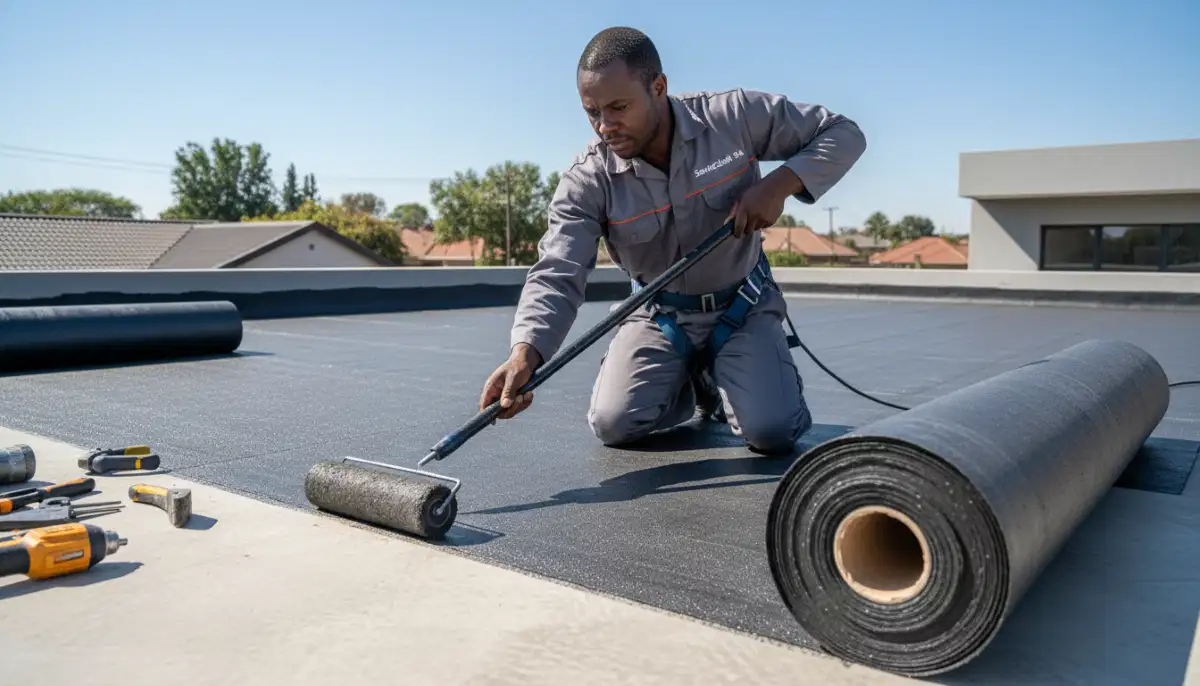
Torch-on, or modified bitumen, is a tried-and-tested system widely used across South Africa for flat roofs on residential and commercial buildings [citation:4]. It consists of rolls of bitumen membrane that are heated with a torch and bonded to the roof substrate.
- Cost: R200 – R460 per m² installed.
- Pros: Highly durable, excellent waterproofing, good for extreme weather, and cost-effective for large areas [citation:4].
- Cons: Requires skilled, experienced applicators. The use of a naked flame is a fire risk, especially near timber or in confined spaces [citation:3][citation:9]. Seams can be a potential failure point if not welded correctly.
- Best for: Large flat roofs, commercial buildings, and applications where a proven, durable system is required.
Leading local suppliers like IKO offer a range of SBS-modified bitumen membranes suitable for the South African climate.
💧 Liquid-Applied Waterproofing Coatings
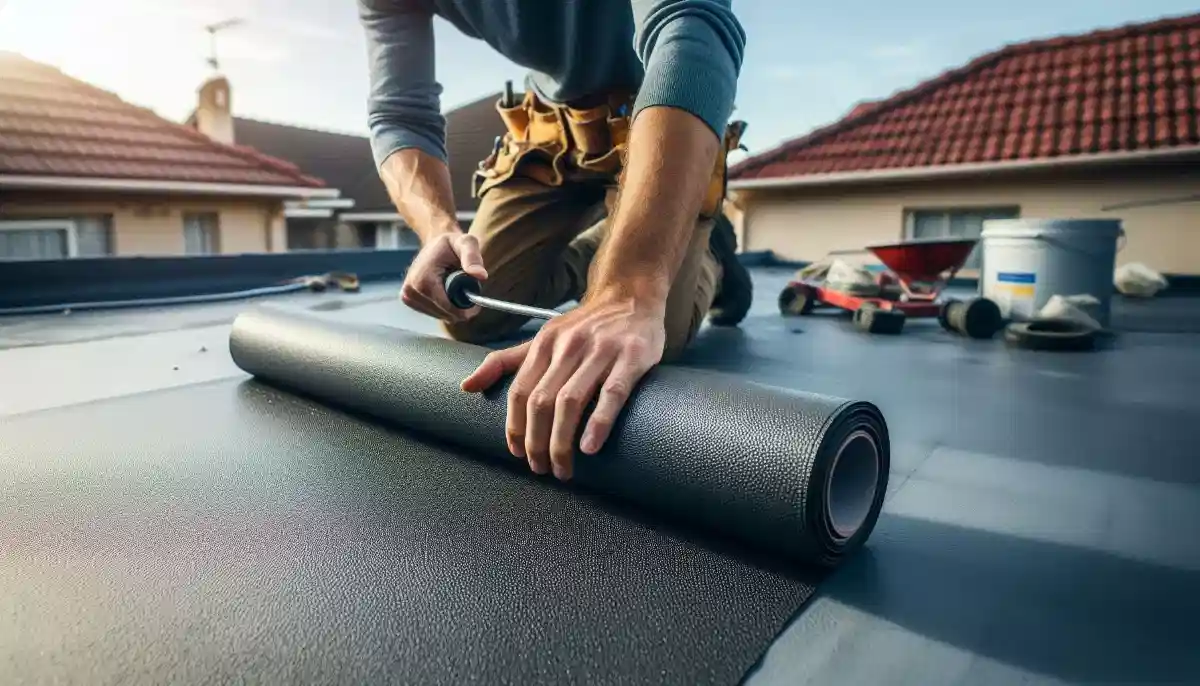
Liquid-applied systems are becoming increasingly popular, especially for complex roof shapes, balconies, and as a maintenance coating over existing membranes. They are applied cold with a roller or spray, curing to form a seamless, monolithic membrane [citation:3].
- Cost (Polyurethane): R230 – R400 per m² installed.
- Cost (Acrylic / Cool Roof): R160 – R300 per m² installed. ‘Cool Roof’ versions reflect sunlight, reducing heat absorption and energy costs [citation:4].
- Pros: Seamless application (no joints), ideal for complex details and penetrations, cold-applied (no fire risk), and can often be applied over existing waterproofing [citation:2][citation:7].
- Cons: Requires a clean, dry surface and specific weather windows for application. Requires periodic recoating (typically every 5-10 years) [citation:4].
- Best for: Complex roof shapes, balconies, walkways, and buildings where a torch is unsuitable. Acrylic coatings are great for energy efficiency in hot climates like Gauteng [citation:4].
For high-performance liquid systems, many South African contractors rely on products from Sika and SprayCork.
📜 Single-Ply Membranes (PVC, TPO, EPDM)
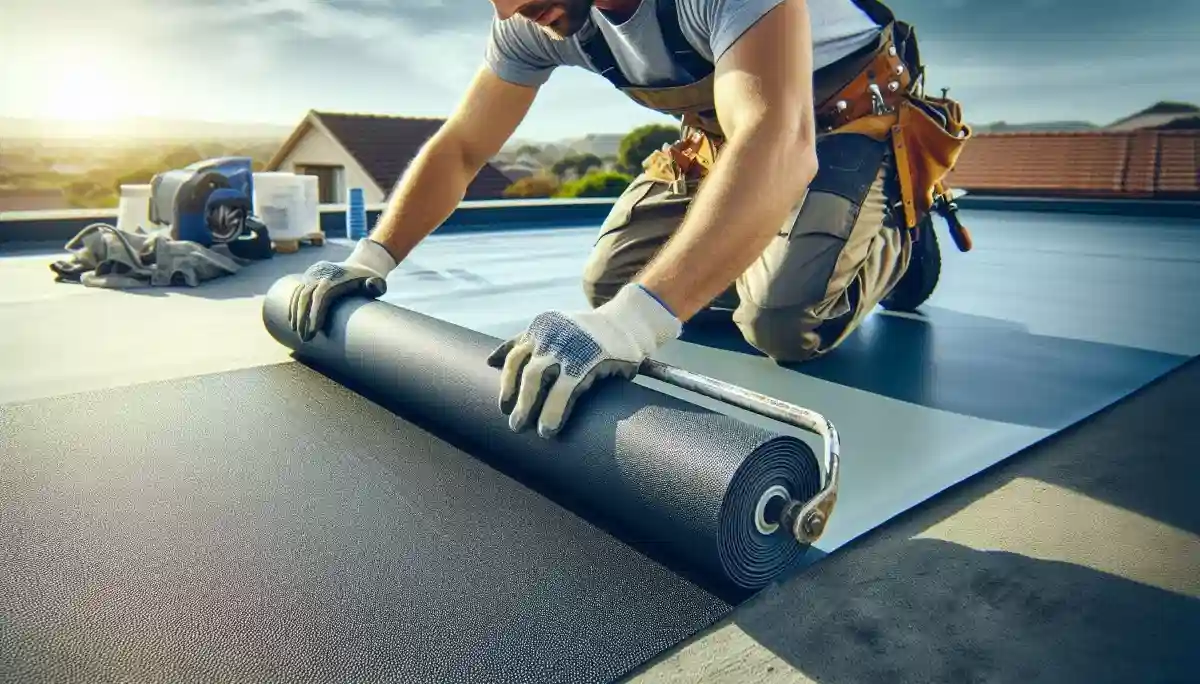
These are factory-manufactured sheets of synthetic rubber or polymer that are installed in a single layer. They represent the premium end of the flat roof waterproofing market, offering the longest warranties and lifespans [citation:2][citation:7].
- Cost (PVC/TPO): R370 – R600 per m² installed.
- Cost (EPDM): R420 – R700 per m² installed.
- Pros: Extremely durable and flexible, excellent UV and weather resistance, long lifespan (25-40+ years), and environmentally friendly options available [citation:2][citation:3]. PVC and TPO seams are heat-welded for incredible strength.
- Cons: Higher upfront cost, requires specialist installation by manufacturer-approved contractors, and can be punctured by sharp objects or heavy foot traffic without protection [citation:9].
- Best for: High-end residential, commercial buildings, green roofs, and projects where a long-term, low-maintenance solution is the priority.
⚖️ Flat Roof Waterproofing Method Comparison
| Method | Pros | Cons | Best For |
|---|---|---|---|
| Torch-on | Durable, proven, cost-effective | Open flame risk, seams, odour | Large flat roofs, industrial, budget-conscious projects |
| Liquid (PU/Acrylic) | Seamless, cold-applied, great for details | Lower durability, UV sensitive (acrylic), needs recoating | Smaller roofs, balconies, complex details, ‘cool roof’ retrofits |
| PVC/TPO | Very durable, flexible, long life, heat-welded seams | Higher cost, requires specialist installers | High-end residential, commercial, green roofs |
| EPDM | Extremely durable, flexible, long life, eco-friendly | Higher cost, can be damaged during installation | Large areas, extreme weather conditions, long-term investments |
📈 What Drives the Final Cost of Waterproofing?
The per-square-metre price is just a starting point. Several site-specific factors can significantly influence your final invoice.
- Roof Size: Larger roofs may benefit from economies of scale, reducing the cost per m². However, the total material and labour cost will be higher [citation:8].
- Accessibility: Is the roof easily accessible from ground level, or does it require scaffolding, a crane, or a cherry picker? Difficult access adds R3,000 – R10,000+ to the project [citation:4][citation:8].
- Surface Preparation: The existing roof surface must be clean, dry, and sound. If extensive cleaning, high-pressure washing, or repairs to the underlying substrate (concrete, wood) are needed, this will add R50 – R150 per m² to the cost [citation:6][citation:8].
- Number of Penetrations: Each pipe, vent, skylight, or HVAC unit is a potential leak point that requires careful, time-consuming detailing. The more penetrations, the higher the labour cost [citation:8].
- Insulation Upgrades: If you’re also upgrading your roof insulation (a wise move for energy efficiency), this will add R80 – R200 per m² to the project.
- Removal of Old Layers: If the old waterproofing needs to be stripped off and disposed of, budget an additional R50 – R100 per m² [citation:8].
🏠 Full Project Cost Examples
Here are realistic examples of what different flat roof waterproofing projects cost in 2026.
Example 1: Townhouse Complex
Location: Midrand, Gauteng
Roof area: 85m² (single unit)
Method: 4mm Torch-on membrane over existing surface.
- Surface cleaning & repairs: R4,500
- 4mm Torch-on membrane @ R350/m²: R29,750
- New flashing & detailing: R3,500
- Scaffolding for edge access: R3,000
Total: R40,750
Example 2: Modern Home
Location: Constantia, Cape Town
Roof area: 60m² (complex shape with 2 skylights)
Method: Liquid Polyurethane (seamless).
- Thorough cleaning & primer: R3,000
- Liquid PU system @ R380/m²: R22,800
- Skylight detailing (extra): R2,500
- Waste removal: R800
Total: R29,100
Example 3: Commercial Building
Location: Durban, KZN
Roof area: 220m²
Method: PVC Single-Ply Membrane (new build).
- Substrate preparation: R8,000
- Insulation layer: R18,000
- PVC membrane installation @ R500/m²: R110,000
- Edge terminations & flashings: R10,000
Total: R146,000
Example 4: Garage/Extension
Location: Pretoria, Gauteng
Roof area: 25m² (simple concrete slab)
Method: Cementitious coating (budget option).
- Cleaning & crack repair: R1,200
- Cementitious coating (2 coats) @ R200/m²: R5,000
Total: R6,200
🌊 Coastal Considerations for Cape Town & Durban
If your property is in a coastal area, your choice of waterproofing system is critical. Salt air and high humidity accelerate the degradation of many materials [citation:5].
- UV Exposure: Intense coastal sun breaks down standard acrylic coatings quickly. Opt for polyurethane or specialized UV-stable liquid systems.
- Salt Air: Salt can corrode metal flashings and degrade some membranes. IKO’s SBS-modified bitumen membranes or high-quality EPDM are excellent choices for their resistance.
- Humidity: Liquid-applied systems require the substrate to be completely dry before application. In humid climates like Durban, this can create scheduling challenges. Torch-on or mechanically fastened systems may be more forgiving.
- Wind: For high-wind areas, loose-laid membranes are a risk. Ensure your chosen system is fully adhered or mechanically fastened.
For specialist advice in these regions, consult with Cape Town flat roof experts or Durban waterproofing specialists.
⚠️ Common Mistakes to Avoid
- Incorrect Surface Preparation: This is the #1 cause of waterproofing failure. Applying a membrane over a dirty, damp, or uneven surface guarantees poor adhesion and future leaks [citation:2][citation:8].
- Ignoring Ponding Water: If your roof has areas where water pools and doesn’t drain within 24-48 hours, you must address the drainage issue first. Waterproofing over a ponding area will fail [citation:5][citation:8].
- Poor Detailing at Penetrations: The field of the roof is easy. The tricky parts are around pipes, drains, and skylights. If these aren’t detailed perfectly, you will have a leak [citation:8].
- Choosing the Cheapest Quote: An extremely low quote usually means corners will be cut on preparation, material quality, or thickness. This leads to premature failure and costs you more in the long run [citation:4].
- Not Checking for a Warranty: Always insist on a written warranty for both materials and workmanship. Reputable contractors offer 5-10 year warranties on their work [citation:4][citation:8].
✅ How to Choose a Waterproofing Contractor
Selecting the right contractor is the most important decision you’ll make. Here’s your checklist [citation:4][citation:8]:
- CIDB Registration: Verify their grading on cidb.org.za. This confirms they are a legitimate, registered construction company.
- Specialization & Experience: Do they specialize in flat roof waterproofing? Ask for a portfolio of similar projects.
- Manufacturer Accreditation: Are they an approved applicator for the system they’re recommending (e.g., an IKO-approved contractor)? This ensures they’re trained and your warranty will be valid.
- Insurance: Ask for proof of public liability insurance. This protects you if they damage your property or if a worker is injured on site.
- Detailed Written Quote: The quote should itemize all materials, labour, preparation work, and VAT. It should clearly state the scope of work.
- Warranty: Ensure a clear warranty on workmanship is provided in writing.
- References & Reviews: Check Google, HelloPeter, and ask for recent references you can call.
Read our full guide on how to choose the right contractor.
Not Sure Which Waterproofing Method is Best?
Get expert advice and compare quotes from vetted, experienced contractors in your area.
❓ Frequently Asked Questions
How much does flat roof waterproofing cost in South Africa?
The cost ranges from R160 to R700+ per square metre, depending on the method. Acrylic coatings are the most affordable (R160-R300/m²), while premium systems like EPDM or PVC membranes are the most expensive (R370-R700/m²) [citation:4][citation:6].
What is the best waterproofing method for a flat roof?
There is no single “best” method. Torch-on is excellent for durability and value. Liquid systems are ideal for complex shapes and balconies. PVC/EPDM membranes offer the longest lifespan and are perfect for high-end projects. The best choice depends on your budget, roof design, and specific needs [citation:7][citation:9].
How long does flat roof waterproofing last?
Lifespan varies significantly by material. Acrylic coatings may last 5-10 years before needing recoating. Torch-on systems can last 15-20 years. Premium single-ply membranes like PVC and EPDM can last 25-40 years with proper installation and maintenance [citation:2][citation:4][citation:9].
Can I waterproof my flat roof myself?
DIY waterproofing is risky. Achieving the correct surface preparation, material thickness, and detailing around penetrations is difficult without professional training and tools. A failed DIY job can lead to expensive internal water damage and will cost you more to have professionally fixed later [citation:3][citation:6].
What is a ‘Cool Roof’ coating?
A ‘Cool Roof’ coating is a liquid-applied, usually acrylic or polyurethane, system with high solar reflectance. It reflects sunlight and UV rays rather than absorbing them, keeping the roof surface and the building below significantly cooler. This reduces energy costs for air conditioning, especially in hot climates like Gauteng [citation:4].
Is torch-on waterproofing safe?
Yes, when installed by a trained, experienced professional. However, the use of an open flame does present a fire risk, particularly on roofs with timber structures or near flammable materials. In such situations, a cold-applied liquid system is a safer alternative [citation:3][citation:9].
How often should I inspect my flat roof?
You should inspect your flat roof at least twice a year—once before the rainy season (spring in Gauteng, autumn in Cape Town) and once after. You should also inspect after any major storm [citation:5].
🎯 Final Advice: Your Action Plan
A successful flat roof waterproofing project comes down to three things:
- The Right Material: Choose a system suited to your climate, roof complexity, and budget.
- Expert Installation: Hire a qualified, experienced, and insured contractor with a track record of success.
- Ongoing Maintenance: Conduct regular inspections and address minor issues before they become major problems.
Ready to Protect Your Flat Roof?
Don’t let another rainy season stress you out. Get quotes from top-rated waterproofing specialists near you.
Written by: ServiceLink SA Research Team
This guide was compiled using current market data from South African suppliers like Sika, IKO, and SprayCork, as well as installation quotes from contractors across Gauteng, the Western Cape, and KZN. Our aim is to provide accurate, unbiased information to help South African homeowners make informed decisions.
External references and industry standards:
- Sika South Africa – Liquid waterproofing systems and technical data sheets.
- IKO South Africa – Torch-on membranes and cold-applied systems.
- SABS – SANS 10400-L: Roof drainage and building regulations for flat roofs.
- NuTec – Flat roof system specifications.
Prices accurate as of February 2026. Always verify current rates with local installers as market conditions may change.