🚰 DIY Not Working? Call a Pro
If your DIY drain unblocking attempts fail, get quotes from verified plumbers. Same-day service available.
Get Drain Unblocking Quotes Near You
Servicing Gauteng, KwaZulu-Natal, Durban, Umhlanga, Ballito, Westville, and across South Africa
How to Unblock a Drain in Your Home: 5 DIY Methods That Actually Work
🔧 From plungers to natural cleaners—step-by-step DIY drain unblocking methods that save you money and work fast
You’re standing in the shower, and the water is rising around your ankles. Or you’re at the kitchen sink, watching dirty water back up instead of draining. Your first instinct might be to reach for a bottle of chemical drain cleaner—but stop right there.
I’ve seen too many homeowners damage their pipes with harsh chemicals or spend hundreds on plumbers for blockages they could have cleared themselves in 15 minutes. The truth is, most household drain blockages—hair in showers, soap scum in bathroom sinks, grease in kitchen drains—can be cleared with simple DIY methods using items you already have in your home.
This guide will teach you exactly how to unblock a drain using five proven methods, from the simplest (boiling water) to more advanced (drain snake). You’ll learn how to unblock a drain without chemicals, when to stop DIY and call a professional, and how to prevent future blockages.
For related information, read our blocked drain causes guide, drain cleaning services cost guide, shower drain blockage guide, and stormwater drain guide. Let’s get your drains flowing freely.
📋 Table of Contents – How to Unblock a Drain Guide
⚠️ Safety First: What NOT to Do
Before you learn how to unblock a drain, know what NOT to do:
🚫 NEVER USE CHEMICAL DRAIN CLEANERS
Chemical drain cleaners are dangerous to handle, can burn your skin and eyes, damage pipes (especially older galvanised steel), and create hazardous conditions for plumbers. If you’ve used them and still need to call a plumber, tell them immediately. There are safer, effective DIY alternatives.
Additional safety rules:
- Wear rubber gloves when working with drains (bacteria risk)
- Wear safety glasses when using a drain snake (debris can splash)
- Never pour boiling water into a toilet (cracks porcelain)
- Never use a plunger after using chemical drain cleaners (splashing hazard)
- If you’re unsure at any point, stop and call a professional
🛠️ Tools & Materials You’ll Need for DIY Drain Unblocking
Most of these items are already in your home or cost very little:
🏠 Basic Tools (Already in your kitchen)
- Kettle (for boiling water)
- Baking soda (sodium bicarbonate)
- White vinegar
- Cup plunger (for sinks/showers)
- Toilet plunger (flange style)
- Rubber gloves
- Bucket
🔧 Advanced Tools (R50-R300 at hardware store)
- Handheld drain snake/auger (R100-R250)
- Zip-it hair removal tool (R50-R100)
- Wet/dry vacuum (if you have one)
- Plumber’s tape (for reassembling traps)
🔥 Method 1: Boiling Water (Best for Grease Blockages)
This is the simplest method to clear blocked drain issues caused by grease or soap scum.
What you need: Kettle, pot of boiling water (2-4 litres).
Best for: Kitchen sinks (grease buildup), bathroom sinks (soap scum).
Not for: PVC pipes (check your pipe material first—boiling water can soften PVC), toilets (cracks porcelain).
Step-by-step:
- Boil 2-4 litres of water in a kettle or pot.
- Pour the boiling water directly down the drain in a slow, steady stream.
- Wait 5-10 minutes.
- Run hot tap water for 30 seconds to test.
- Repeat 2-3 times if needed.
💡 Pro Tip:
For monthly maintenance, pour boiling water down kitchen and bathroom drains to prevent grease and soap buildup. This simple habit prevents most common blockages.
🪠 Method 2: The Plunger (Universal First Response)
A plunger is your first line of defence when learning how to unblock a drain.
What you need: Cup plunger (sinks/showers) or flange plunger (toilets).
Best for: Sinks, showers, toilets—any drain with a good seal.
Step-by-step for sinks/showers:
- Remove the drain cover or stopper.
- Fill the sink/shower with enough water to cover the plunger cup.
- Place the plunger over the drain, ensuring a tight seal.
- Pump vigorously up and down 10-15 times.
- Pull the plunger straight up quickly to break the seal.
- Check if water drains. Repeat 3-5 times if needed.
Step-by-step for toilets:
- Use a flange plunger (has an extra flap for toilet seal).
- Place plunger in toilet bowl, angle to create seal.
- Pump gently at first, then more vigorously 10-15 times.
- Pull straight up quickly.
- Flush to test.
📋 Important:
Don’t use a sink plunger on a toilet—it won’t seal properly. Invest in both types (R100-R200 each) for your home toolkit.
🧪 Method 3: Baking Soda & Vinegar (Natural Chemical Reaction)
This is the best how to unblock a drain without chemicals method—using natural, safe ingredients.
What you need: 1/2 cup baking soda, 1/2 cup white vinegar, boiling water.
Best for: Organic buildup (hair, soap scum, grease), slow drains.
Step-by-step:
- Remove any standing water from the sink/shower.
- Pour 1/2 cup baking soda down the drain.
- Immediately pour 1/2 cup white vinegar down the drain.
- Cover the drain with a plug or cloth to contain the reaction.
- Wait 15-30 minutes (fizzing action breaks down buildup).
- Pour boiling water down the drain to flush.
- Run hot tap water for 30 seconds to test.
💡 Monthly Maintenance:
Use this method monthly to prevent buildup before it becomes a blockage. It’s safe for all pipe types, environmentally friendly, and costs pennies.
🚰 DIY Not Working? Call a Pro
If your DIY drain unblocking attempts fail, get quotes from verified plumbers. Same-day service available.
Free quotes • Same-day service • Verified specialists
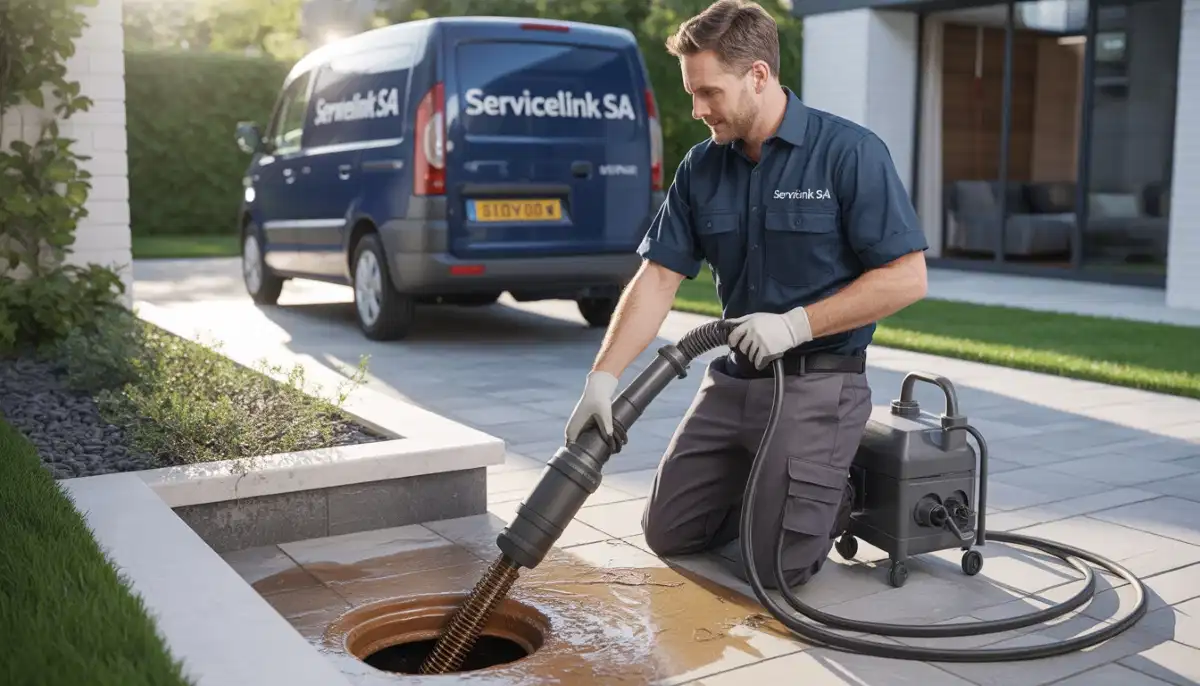
🐍 Method 4: Drain Snake/Auger (Best for Hair Blockages)
For hair blockages that plungers and natural cleaners can’t clear, a drain snake is your best tool for unblock drain home projects.
What you need: Handheld drain snake (R100-R250) or Zip-it tool (R50-R100).
Best for: Shower drains, bathroom sinks (hair blockages).
Step-by-step with drain snake:
- Remove the drain cover or stopper.
- Insert the snake into the drain until you feel resistance.
- Crank the handle to work the snake through the blockage.
- Pull the snake out slowly—it will bring hair and debris with it.
- Repeat 2-3 times until the snake comes out clean.
- Flush with hot water.
Alternative: Zip-it hair removal tool
- Insert the plastic zip-it tool into the drain.
- Push down and pull up several times.
- Pull out—barbed edges catch hair.
- Dispose of hair (wear gloves—it’s gross!).
💡 Pro Tip:
For shower drains, remove the drain cover and clean the visible hair first. You’ll be amazed how much hair accumulates right at the top. A Zip-it tool costs R50 and removes hair in seconds.
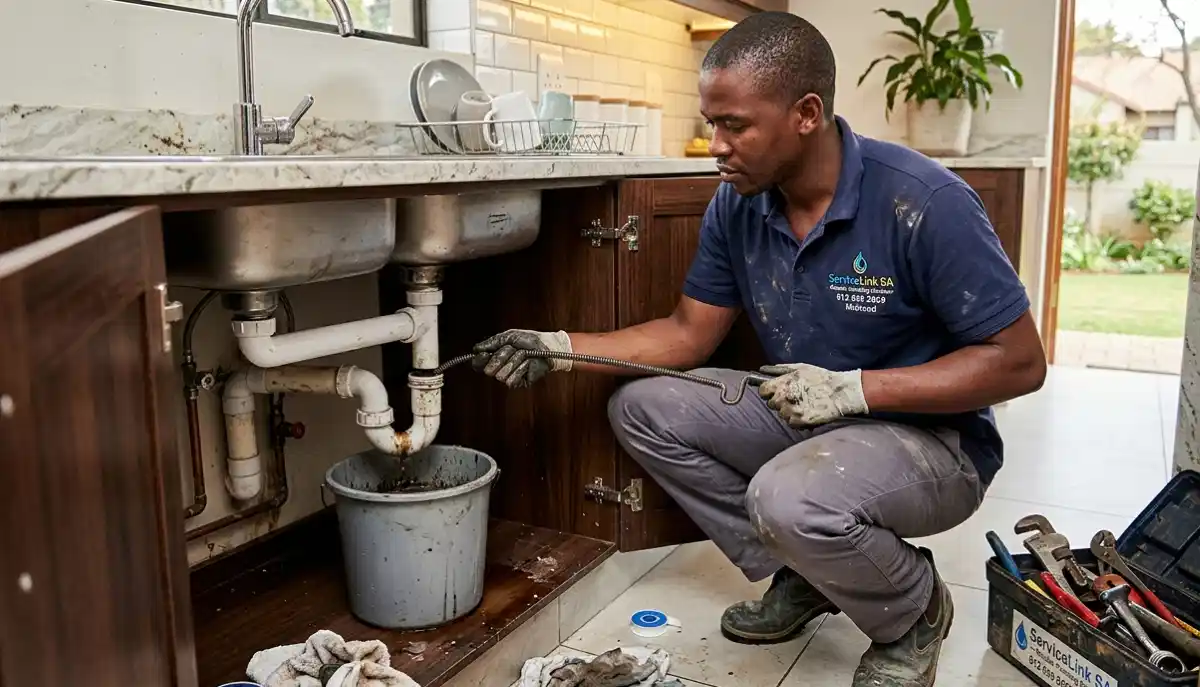
💨 Method 5: Wet/Dry Vacuum (Stubborn Blockages)
If you have a wet/dry vacuum, it can create powerful suction to clear blocked drain issues.
What you need: Wet/dry vacuum with hose attachment.
Best for: Stubborn blockages, when plunger isn’t working.
Step-by-step:
- Set vacuum to “wet” mode.
- Create a tight seal around the drain with a wet cloth or plunger head.
- Turn on the vacuum—suction can dislodge blockages.
- Vacuum for 30-60 seconds.
- Run water to test.
Alternative (blow method): Some vacuums have a blower port. Cover the vent, insert hose into drain, and blow compressed air to dislodge blockages. Use caution—can blow water back at you.
📋 By Drain Type: Specific Instructions for Each Fixture
Different drains need different approaches when learning how to unblock a drain:
🚿 Shower Drain
Most common cause: Hair and soap scum. Best DIY method: Remove drain cover, clean visible hair with gloves or Zip-it tool, then baking soda/vinegar. For deep blockages, use drain snake. Prevention: Use a drain strainer/hair catcher (R50-R100)—catches hair before it enters pipes.
🍳 Kitchen Sink
Most common cause: Grease, food debris, soap. Best DIY method: Boiling water first (melts grease). Then plunger. For stubborn blockages, baking soda/vinegar. Prevention: Never pour grease down sink—scrape plates into bin. Use sink strainer. Run hot water for 30 seconds after each use.
🚽 Toilet
Most common cause: Too much toilet paper, foreign objects. Best DIY method: Flange plunger only—never a sink plunger. If plunger fails, try toilet auger (specialised snake). Prevention: Don’t flush wipes (even “flushable” ones), feminine products, paper towels, or excessive toilet paper.
🛁 Bathroom Sink
Most common cause: Hair, toothpaste, soap scum. Best DIY method: Remove pop-up stopper (usually unscrews), clean visible hair, then baking soda/vinegar. Prevention: Clean stopper monthly, avoid putting toothpaste globs down drain.
Read our shower drain blockage guide and blocked toilet guide for more detailed instructions.

🚫 5 Things NEVER to Do When Unblocking Drains
Mistake #1: Using Chemical Drain Cleaners
They damage pipes, are dangerous to handle, and create hazardous conditions for plumbers. The “convenience” isn’t worth the risk. Use baking soda and vinegar instead.
Mistake #2: Pouring Boiling Water Down a Toilet
Boiling water can crack porcelain, destroying your toilet. Use a plunger or toilet auger only.
Mistake #3: Using a Plunger After Chemical Drain Cleaners
Plunging can splash caustic chemicals onto your skin, eyes, or clothing. If you’ve used chemicals, wait 24 hours or call a plumber.
Mistake #4: Forcing a Drain Snake Too Hard
You can puncture pipes or damage joints. If you meet significant resistance, stop and call a professional.
Mistake #5: Ignoring Recurring Blockages
If the same drain keeps blocking despite DIY efforts, there’s an underlying problem (tree roots, pipe damage). Repeated DIY attempts without diagnosis waste time and money.
📞 When to Stop DIY & Call a Professional Plumber
Knowing when to stop trying to unblock drain home projects yourself is crucial:
- Multiple drains affected simultaneously – Indicates main line blockage
- Sewage odours or backups – Health hazard
- DIY methods failed after 2-3 attempts – Deeper issue
- Recurring blockages (returns within weeks) – Underlying problem
- You suspect tree roots – Professional equipment needed
- Water backs up in other fixtures – Main line issue
- You’re uncomfortable or unsure – Better safe than sorry
If you need professional help, ServiceLink SA connects you with verified plumbers who can clear blocked drain issues quickly. Read our drain cleaning services cost guide for pricing information.

🛡️ Preventing Future Drain Blockages
The best how to unblock a drain strategy is prevention. Implement these habits:
✅ DO This Weekly/Monthly
- Use drain strainers in sinks and showers
- Pour boiling water down drains weekly
- Use baking soda + vinegar monthly
- Clean shower drain hair monthly (Zip-it tool)
- Run hot water for 30 seconds after each use
❌ DON’T Do These
- Pour cooking grease or oil down sinks
- Flush wipes (even “flushable”) or feminine products
- Put coffee grounds or eggshells down disposal
- Use chemical drain cleaners
- Ignore slow drains—they only get worse
For a complete maintenance schedule, download our Home Plumbing Maintenance Checklist.
❓ Frequently Asked Questions About Unblocking Drains
How to unblock a drain without chemicals?
How to unblock a drain without chemicals is easy with household items: 1) Boiling water (for grease), 2) Plunger (for most blockages), 3) Baking soda + vinegar (natural reaction), 4) Drain snake (for hair), 5) Wet/dry vacuum (for stubborn blockages). These methods are safer for your pipes and the environment than chemical drain cleaners.
What is the fastest way to unblock a drain?
The fastest way to clear blocked drain issues depends on the cause: For grease blockages (kitchen sink), boiling water works in seconds. For hair blockages (shower), a drain snake or Zip-it tool clears in 1-2 minutes. For general blockages, a plunger takes 30-60 seconds. Always start with the simplest method and escalate as needed.
Does baking soda and vinegar really unblock drains?
Yes—the chemical reaction between baking soda (alkaline) and vinegar (acid) creates carbon dioxide gas and fizzing action that can dislodge organic buildup (hair, soap scum, grease). It’s effective for slow drains and monthly maintenance. However, for completely blocked drains, you may need a plunger or drain snake first, then baking soda/vinegar for deep cleaning.
How to unblock a shower drain full of hair?
To unblock drain home for a shower full of hair: 1) Remove drain cover (often screws off), 2) Use gloved hands or a Zip-it tool to pull out visible hair, 3) Use a drain snake for deeper hair, 4) Flush with hot water, 5) Use baking soda/vinegar monthly to prevent buildup. A hair catcher drain strainer (R50-R100) prevents most shower blockages.
Can Coca-Cola unblock a drain?
Coca-Cola contains phosphoric acid, which can break down some organic matter. However, it’s less effective than baking soda and vinegar, takes hours (not minutes), and leaves sticky sugar residue that can attract more debris. Stick with proven DIY methods—boiling water, plunger, baking soda/vinegar, drain snake—for better results.
How to unblock a toilet without a plunger?
If you don’t have a plunger: 1) Pour hot (not boiling) water from waist height—the force can dislodge blockages, 2) Use dish soap (1/4 cup) plus hot water—soap lubricates, 3) Use a toilet auger/snake (R150-R300 at hardware store), 4) Try a wire coat hanger straightened with a small hook. If these fail, call a plumber—a toilet auger is inexpensive and worth owning.
How often should I clean my drains to prevent blockages?
For preventive drain clearing: Weekly: Pour boiling water down kitchen sink (melts grease). Monthly: Baking soda + vinegar treatment for all drains. Quarterly: Remove and clean pop-up stoppers in bathroom sinks. Annually: Professional drain cleaning if you have recurring issues or trees near sewer lines. Using drain strainers daily is the best prevention.
When should I call a plumber instead of DIY?
Call a plumber when: multiple drains are slow simultaneously (main line issue), sewage is backing up (health emergency), DIY methods failed after 2-3 attempts, the same drain keeps blocking (underlying problem), you suspect tree roots, or you’re uncomfortable/unable to continue. A professional how to unblock a drain service costs R600-R1,500—worth it to avoid pipe damage.
✅ Final Thoughts: DIY When You Can, Call When You Must
Learning how to unblock a drain yourself is a valuable homeowner skill that can save you hundreds in plumber call-out fees. Most household blockages—hair in showers, grease in kitchen sinks, soap scum in bathroom sinks—can be cleared in 15 minutes with items you already have.
But knowing your limits is equally important. If multiple drains are affected, sewage is backing up, or DIY attempts fail, don’t hesitate to call a professional. The cost of drain clearing services is far less than the cost of water damage from a burst pipe or sewage backup.
Key takeaways for South African homeowners:
- Never use chemical drain cleaners—they damage pipes and create hazards
- Start with simplest method – boiling water, then plunger, then baking soda/vinegar
- Invest in basic tools – plunger (cup and flange), drain snake, Zip-it tool (R200-R400 total)
- Prevention is best – drain strainers, monthly baking soda/vinegar, no grease down sinks
- Know when to call a pro – multiple drains, sewage backup, recurring blockages
- Different drains need different approaches – shower (hair), kitchen (grease), toilet (plunger/auger)
Your action plan: Build a basic drain unblocking toolkit (plunger, drain snake, baking soda, vinegar). Use drain strainers in all sinks and showers. Perform monthly baking soda/vinegar treatments. If a blockage occurs, work through the methods in this guide. If DIY fails, use ServiceLink SA to find a verified plumber near you.
🚰 DIY Not Working? Call a Pro
If your DIY drain unblocking attempts fail, get quotes from verified plumbers. Same-day service available.
📞 Call us: 073 138 4726 for immediate help finding a drain specialist near you.
Blocked drain causes •
Drain cleaning costs •
Shower drain fix •
Beat Your Quote guarantee
📚 Official resources & standards referenced:
- SANS 10400 – Drainage standards and plumbing compliance.
- Department of Water and Sanitation – Wastewater regulations and drain maintenance.
- Plumbing Industry Registration Board (PIRB) – Find registered plumbers when DIY fails.
Information provided for general guidance based on industry research and SANS/DWS standards. For persistent blockages, professional drain clearing services are recommended.
Written by: Innocent T Hanyani
Construction & Home Services Industry Specialist | 21+ Years Experience
Innocent T Hanyani has over two decades of experience working across South Africa’s plumbing,
construction, and property maintenance sectors. Throughout his career, he has worked closely
with plumbers, contractors, and homeowners, gaining practical insight into how plumbing
systems are installed, repaired, and maintained. His expertise helps homeowners understand
common plumbing problems, choose the right repair solutions, and find reliable service
professionals for everything from leak detection to full plumbing installations.
For more information about drain unblocking and plumbing maintenance, explore our related resources:
blocked drain causes guide,
drain cleaning services cost guide,
blocked toilet guide,
shower drain blockage guide,
and stormwater drain guide.
Our how ServiceLink SA works and
avoiding contractor scams pages explain our verification process.
See our service areas page for drain unblocking coverage in your region.