
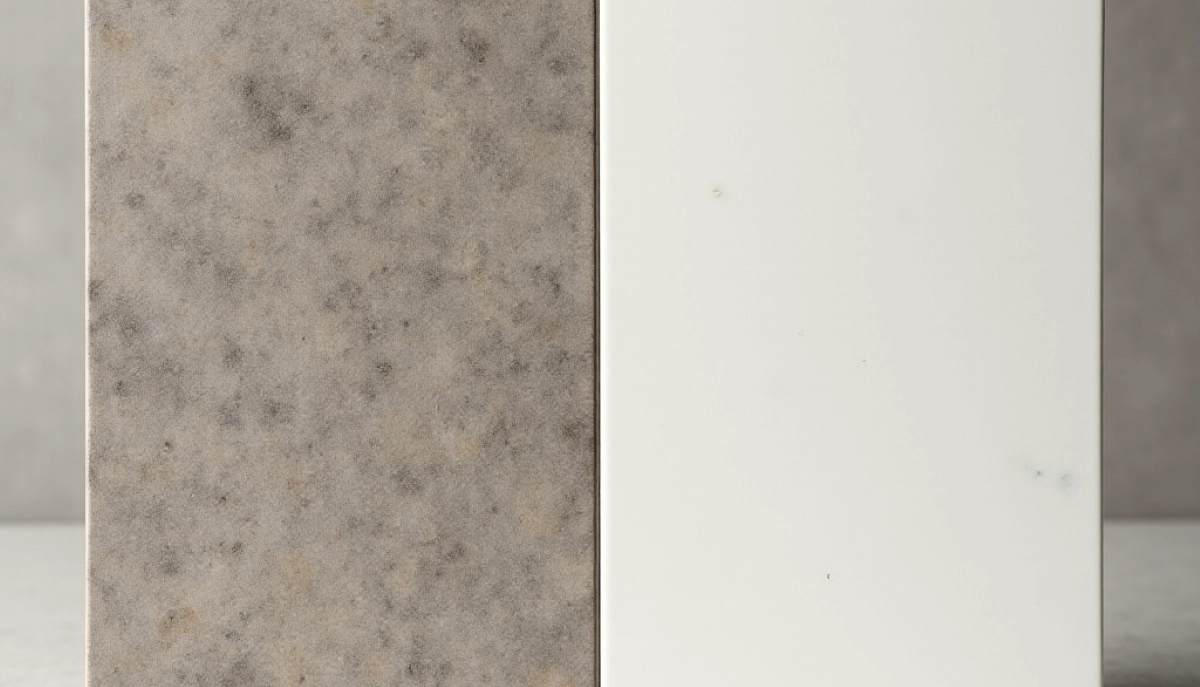
Porcelain vs Ceramic Tiles
⚖️ Porcelain vs ceramic – the ultimate showdown. We compare cost, durability, water resistance, and which is best for every room in your home.
Standing in a tile showroom, faced with rows of beautiful options, the question inevitably arises: porcelain or ceramic? It’s one of the most common debates in tiling, and the answer isn’t always straightforward. Both have their place, but choosing the wrong one for your application can lead to cracked tiles, moisture damage, and wasted money. Whether you’re renovating a bathroom in Sandton, tiling a kitchen in Cape Town, or flooring a living area in Durban, this comprehensive guide compares porcelain and ceramic tiles across every important factor. Drawing on expertise from CTM, TAL, and SABS standards, we’ll help you make an informed decision that balances budget, performance, and style.
📋 Not Sure Which Tile to Choose?
Get expert advice from experienced tilers in your area. They’ll recommend the perfect tile type for your specific project and budget.
Servicing Johannesburg, Pretoria, Cape Town, Durban, and all major areas
📖 Table of Contents – Porcelain vs Ceramic
📊 Quick Comparison: Porcelain vs Ceramic Tiles
Here’s your at-a-glance comparison of porcelain and ceramic tiles. Based on CTM’s comprehensive guide and IntelliBUILD research.
| Factor | Ceramic Tiles | Porcelain Tiles |
|---|---|---|
| Composition | Natural clay, fired at lower temperatures | Denser clay, fired at higher temperatures |
| Density | Less dense, more porous | Highly dense, very low porosity |
| Water Absorption | 3-7%+; requires sealing in wet areas | <0.5%; inherently water resistant |
| Durability | Moderate; prone to chipping | Superior; impact resistant |
| Abrasion Resistance | PEI 1-3 typical | PEI 3-5+ available |
| Cutting/Installation | Easier to cut; DIY-friendly | Harder; requires diamond blades; specialist recommended |
| Cost (material) | R80 – R250/m² | R200 – R500/m² |
| Cost (labour) | R150 – R250/m² | R180 – R300/m² |
| Total Installed | R230 – R500/m² | R380 – R800/m² |
| Typical Use | Walls, low-traffic floors, dry areas | Floors, high-traffic, wet areas, outdoors |
Key Insight: “Porcelain tiles are a subtype of ceramic tiles but are made from a denser clay mix and fired at even higher temperatures. This results in a tile that is more durable, less porous, and more resistant to moisture, stains, and scratches.” – Industry experts
🧱 What Are Porcelain and Ceramic Tiles?
Understanding the basic composition helps explain the performance differences.
Ceramic Tiles
Ceramic tiles are made from natural clay, sand, and water, shaped and then fired in a kiln at temperatures around 1,000°C. They’re typically finished with a glaze that provides colour, pattern, and a protective layer. The body (bisque) beneath the glaze is porous.
- Body: Red or white clay, relatively soft and porous
- Surface: Glazed – colour and pattern are on the surface only
- If chipped: The underlying clay colour shows through
- Best for: Walls and low-traffic floor areas
Porcelain Tiles
Porcelain tiles are a specific type of ceramic tile made from finer, denser clay and fired at higher temperatures (1,200-1,400°C). This creates an extremely dense, hard tile with very low porosity. Porcelain can be through-bodied (colour throughout) or glazed.
- Body: Dense, compacted clay – extremely hard
- Surface: Can be glazed or unglazed (through-body)
- If chipped: Through-body porcelain shows the same colour throughout
- Best for: Floors, wet areas, high-traffic zones, outdoors
For professional floor tiling and wall tiling services, experienced tilers can advise on the best material for your specific application.
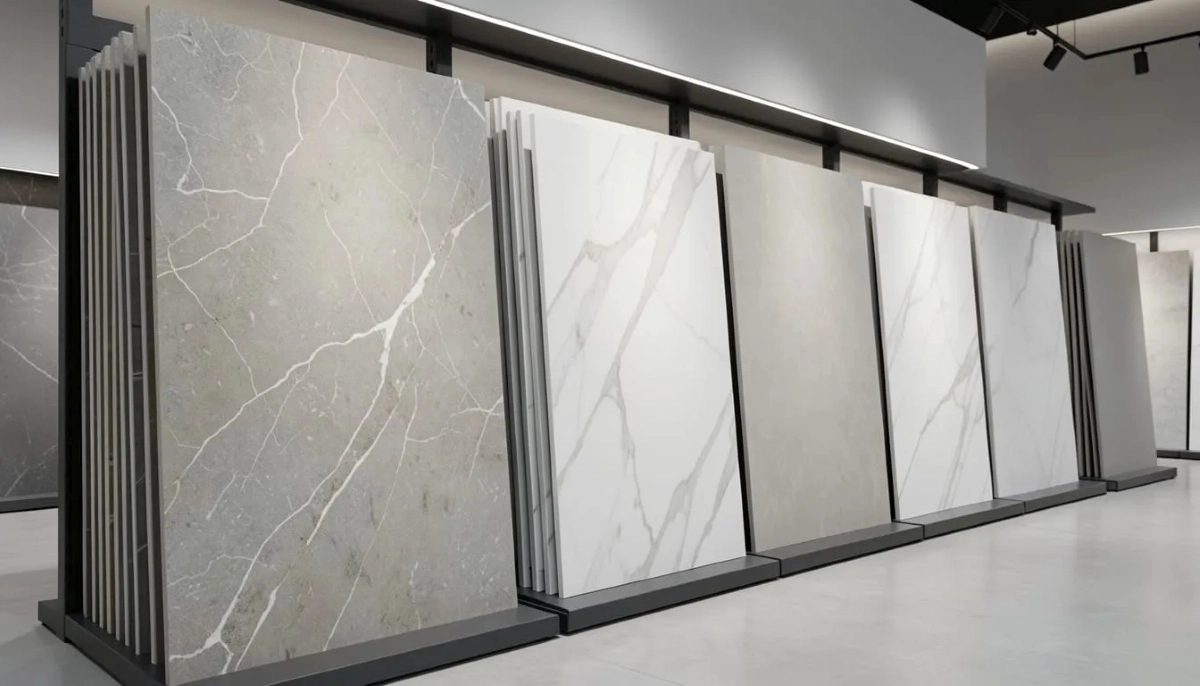
💰 Cost Comparison – Material & Installation
Cost is often the deciding factor. Here’s a detailed breakdown based on SA tiling cost data.
| Cost Component | Ceramic | Porcelain |
|---|---|---|
| Material – Budget | R80 – R150/m² | R200 – R300/m² |
| Material – Mid-range | R150 – R200/m² | R300 – R400/m² |
| Material – Premium | R200 – R250/m² | R400 – R500/m²+ |
| Labour – Standard installation | R150 – R200/m² | R180 – R250/m² |
| Labour – Large format/complex | R200 – R250/m² | R250 – R300/m² |
| Total – Budget installation | R230 – R350/m² | R380 – R550/m² |
| Total – Premium installation | R350 – R500/m² | R550 – R800/m² |
Project Cost Examples
- Small bathroom (15m²) with ceramic: R3,500 – R5,500
- Small bathroom (15m²) with porcelain: R5,700 – R8,500
- Living area (40m²) with ceramic: R9,200 – R14,000
- Living area (40m²) with porcelain: R15,200 – R22,000
- Whole house (100m²) with ceramic: R23,000 – R35,000
- Whole house (100m²) with porcelain: R38,000 – R55,000
See our tiling installation cost guide for more detailed pricing.
🛡️ Durability & PEI Ratings
The PEI (Porcelain Enamel Institute) rating measures a tile’s resistance to abrasion – crucial for floor tiles.
| PEI Rating | Application | Ceramic | Porcelain |
|---|---|---|---|
| PEI 1 | Walls only – no foot traffic | ✅ Common | ❌ Rare |
| PEI 2 | Light traffic – bathrooms, bedrooms | ✅ Common | ✅ Available |
| PEI 3 | Moderate traffic – all residential areas | ✅ Common | ✅ Common |
| PEI 4 | High traffic – kitchens, hallways, light commercial | ⚠️ Limited | ✅ Common |
| PEI 5 | Heavy traffic – commercial, public spaces | ❌ Rare | ✅ Available |
Impact Resistance
Porcelain’s density makes it significantly more resistant to impact and chipping. Ceramic tiles are more likely to crack if something heavy is dropped on them.
Scratch Resistance
Both can be scratch-resistant, but through-body porcelain has colour throughout – if scratched, the colour remains consistent. Glazed ceramic scratches may reveal the underlying clay.
💧 Water Resistance & Porosity
This is the most critical difference between porcelain and ceramic.
Water Absorption Standards (SANS 10107)
- Porcelain: <0.5% absorption – classified as impervious
- Ceramic: 3-7%+ absorption – classified as semi-vitreous to non-vitreous
Implications for Different Areas
- Bathroom floors: Porcelain essential – constant water exposure
- Shower walls: Porcelain recommended; ceramic possible with good waterproofing
- Kitchen floors: Porcelain ideal for spills; ceramic can work if spills wiped promptly
- Outdoor areas: Porcelain essential – ceramic will absorb moisture and crack in frost
- Pool surrounds: Porcelain only – must withstand constant moisture
For bathroom tiling and kitchen tiling, porcelain is the safer choice for floors and wet areas.
Pro Tip: “High-traffic areas or spaces exposed to moisture, such as kitchens and bathrooms, benefit from the superior durability and water resistance of porcelain tiles.” – CTM Tile Selection Guide
🛠️ Installation Differences
The installation requirements differ significantly between porcelain and ceramic.
Cutting
- Ceramic: Can be cut with manual tile cutters or wet saws. DIY-friendly.
- Porcelain: Requires diamond-blade wet saws. Harder to cut cleanly – more skill required.
Joint Widths – TAL Specifications
TAL’s technical guidelines specify different minimum joint widths:
- Ceramic floor tiles: Minimum joint width 5mm
- Porcelain tiles (including rectified): Minimum joint width 3mm
- Large format porcelain: Requires back buttering for 95% coverage
Substrate Requirements
Porcelain tiles, especially large format, require perfectly level substrates. Any imperfection translates to lippage. Ceramic is more forgiving.
DIY vs Professional
- Ceramic: Suitable for confident DIYers for walls and small floors.
- Porcelain: Professional installation strongly recommended, especially for floors and large formats.
For professional floor tiling and commercial tiling, experienced tilers ensure proper installation.
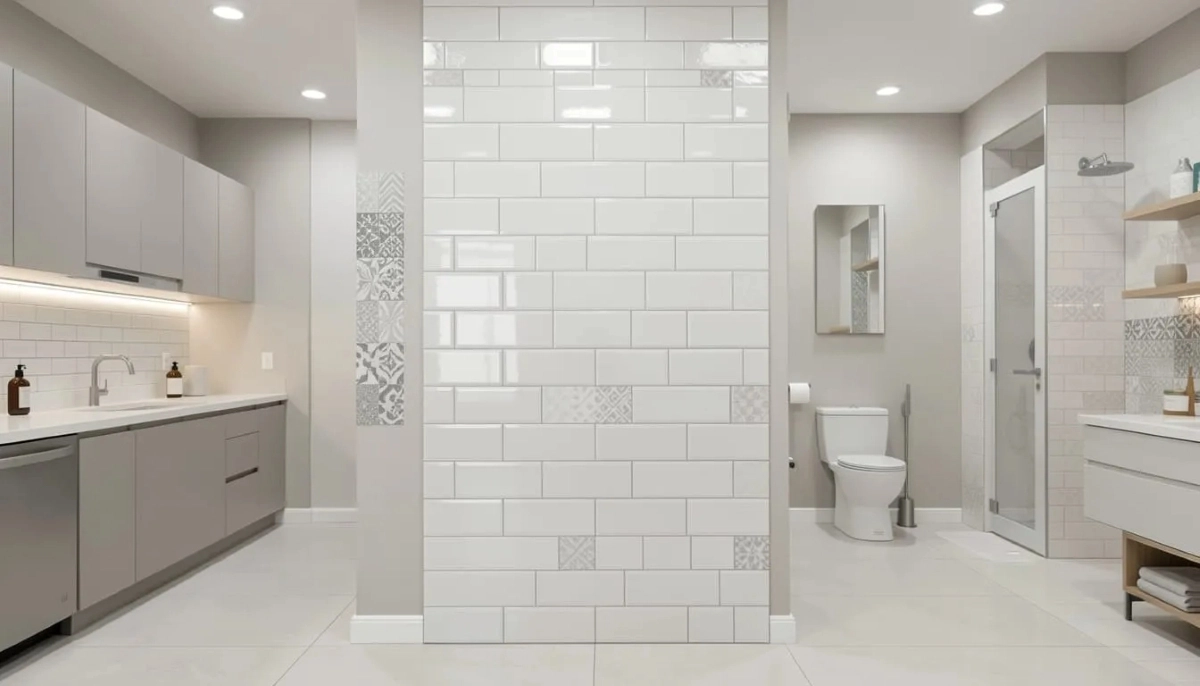
🏠 Need Help Choosing Between Porcelain and Ceramic?
Every room has different requirements. Get expert advice from local tilers who can recommend the perfect tile for your specific space.
🏠 Best Applications – Room by Room
| Room/Area | Recommended | Why |
|---|---|---|
| Living Room Floor | Either (PEI 3+) | Both work; porcelain for high-traffic, ceramic for moderate use |
| Bedroom Floor | Either | Low traffic – both suitable |
| Bathroom Floor | Porcelain | Water resistance essential – ceramic too porous |
| Bathroom Walls | Ceramic or Porcelain | Ceramic fine if waterproofed; porcelain for luxury |
| Shower Floor | Porcelain (small format) | Constant water exposure requires low absorption |
| Kitchen Floor | Porcelain | Spills, stains, heavy traffic – porcelain handles it all |
| Kitchen Splashback | Ceramic or Porcelain | Both work – ceramic more affordable |
| Entrance / Hallway | Porcelain | High traffic, dirt – porcelain more durable |
| Outdoor Patio | Porcelain only | Frost resistance, low absorption essential |
| Pool Surround | Porcelain only | Constant moisture, slip resistance needed |
| Commercial Space | Porcelain | PEI 4-5 required – porcelain only |
For specialized applications like commercial tiling or pool tiling, professional advice is essential.
🗺️ Regional Preferences – South Africa
Different regions have different climate challenges that influence tile choice.
| Region | Climate Challenge | Tile Preference | Rationale |
|---|---|---|---|
| Gauteng | Temperature swings, dry winters, dust | Porcelain, wood-look porcelain | Temperature stability, durability, easy cleaning |
| Cape Town | Humidity, rainy winters, sea air | Porcelain, slip-resistant porcelain | Moisture resistance, coastal performance, slip safety |
| Durban | High humidity, coastal salt | Porcelain | Humidity resistance, low porosity, mould-resistant grout |
According to Tiletoria’s regional guide: “In Cape Town’s coastal climate, porcelain tiles with low water absorption are preferred. The humidity and rain require tiles that won’t absorb moisture or support mould growth.”
For homes in Johannesburg, Cape Town, or Durban, local tilers understand these regional requirements.
✅❌ Pros & Cons Summary
✅ Ceramic Pros
- Lower cost: R80 – R250/m² vs R200+ for porcelain
- Easier to cut: DIY-friendly, manual cutters work
- Wide variety: Endless colours, patterns, finishes
- Lighter weight: Easier on walls and substrates
- Good for walls: Perfect for vertical applications
❌ Ceramic Cons
- Higher water absorption (3-7%+)
- Less durable – chips more easily
- Lower PEI ratings – not for heavy traffic
- Not suitable for outdoors
- Chip reveals different colour underneath
✅ Porcelain Pros
- Extremely durable: PEI 3-5+, impact resistant
- Water resistant: <0.5% absorption – ideal for wet areas
- Through-body colour: Chips don’t show
- Frost resistant: Suitable for outdoors
- Low maintenance: Easy to clean, stain resistant
❌ Porcelain Cons
- Higher cost – materials and labour
- Harder to cut – requires specialist tools
- Heavier – requires strong substrate
- Professional installation recommended
- Limited DIY potential
✅ Decision Guide – Which is Better for YOUR Project?
Based on IntelliBUILD’s analysis and industry best practices, here’s a simple decision framework.
| Scenario | Recommendation |
|---|---|
| Budget-conscious project | Ceramic (for appropriate areas) |
| High-traffic area (hallway, entrance) | Porcelain |
| Bathroom floor | Porcelain |
| Kitchen floor | Porcelain |
| Bathroom walls | Ceramic (with waterproofing) |
| Kitchen splashback | Ceramic |
| Living room floor (moderate traffic) | Either – ceramic fine, porcelain for longevity |
| Outdoor patio | Porcelain only |
| Pool surround | Porcelain only |
| Commercial space | Porcelain (PEI 4-5) |
| DIY installation | Ceramic (easier to work with) |
| Long-term investment | Porcelain |
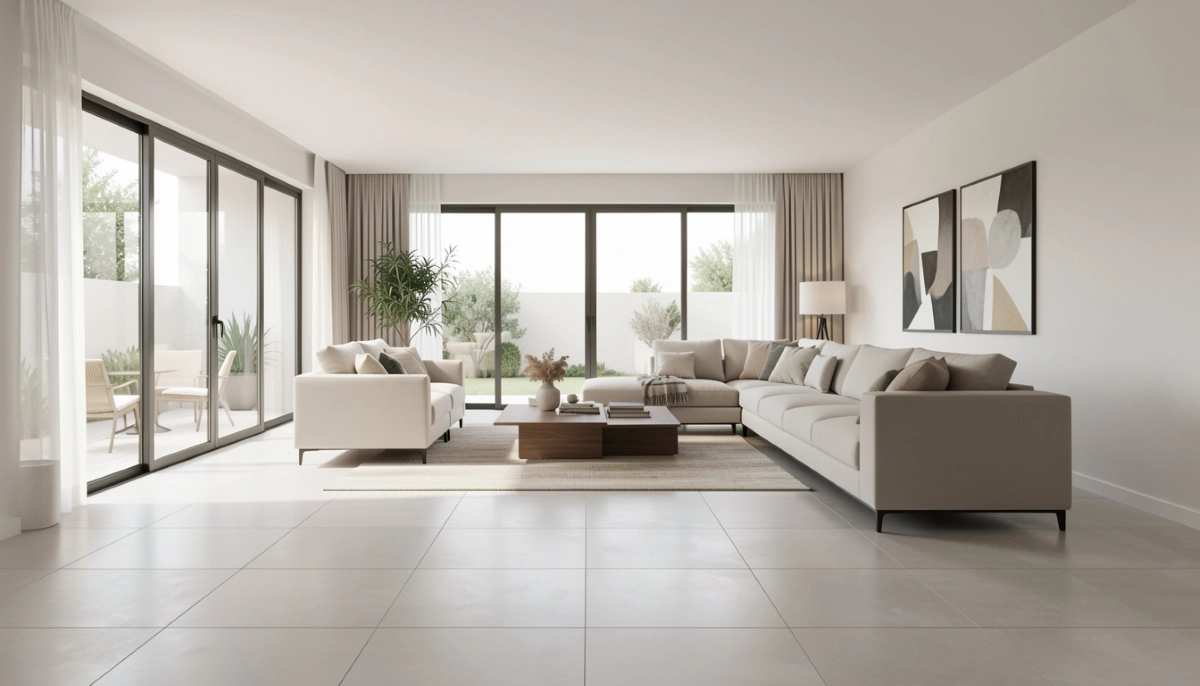
🤔 Common Misconceptions
Misconception #1: “Porcelain is always more expensive”
While porcelain generally costs more, there are budget porcelain options and premium ceramic tiles. The range overlaps. Compare specific products, not just categories.
Misconception #2: “Ceramic isn’t durable”
Ceramic can be perfectly durable for walls and low-traffic floors. Choose the right PEI rating for the application.
Misconception #3: “All porcelain is frost-proof”
Most porcelain is frost-resistant due to low absorption, but always check manufacturer specifications for outdoor use.
Misconception #4: “Ceramic can’t be used in bathrooms”
Ceramic wall tiles are fine in bathrooms with proper waterproofing. Only floors need porcelain’s low absorption.
Misconception #5: “Porcelain doesn’t need sealing”
Glazed porcelain doesn’t need sealing, but unglazed/through-body porcelain may benefit from sealing to prevent stains.
🏠 Real-Life Installation Examples
Example 1: Family Home, Fourways
100m² living areas, kitchen, entrance – high traffic.
Choice: Porcelain throughout
800x800mm wood-look porcelain. Cost: R45,000 installed. Homeowner wanted durability and easy cleaning.
Example 2: Bathroom Renovation, Umhlanga
18m² bathroom – floor and walls.
Choice: Porcelain floor, ceramic walls
600x600mm matt porcelain floor (R11 slip), 300x600mm gloss ceramic walls. Cost: R14,500.
Example 3: Kitchen, Stellenbosch
25m² kitchen floor and splashback.
Choice: Porcelain floor, ceramic splashback
600x600mm porcelain floor, white subway tile splashback. Cost: R12,800.
Example 4: Outdoor Patio, Ballito
30m² patio exposed to coastal weather.
Choice: Outdoor-rated porcelain
600x600mm textured porcelain (R11), frost-proof. Cost: R16,500.
❓ Frequently Asked Questions – Porcelain vs Ceramic
What’s the main difference between porcelain and ceramic tiles?
Porcelain is denser, fired at higher temperatures, and has water absorption below 0.5%. Ceramic is less dense, with 3-7%+ absorption. This makes porcelain more durable and water-resistant.
Which is cheaper – porcelain or ceramic?
Ceramic is significantly cheaper – R80-250/m² vs R200-500/m² for porcelain. Installed, ceramic costs R230-500/m², porcelain R380-800/m². Porcelain’s durability justifies the premium for floors and wet areas.
Can I use ceramic tiles in a shower?
On shower walls, yes – with proper waterproofing. For shower floors, porcelain is essential due to constant water exposure. Ceramic’s higher absorption can lead to moisture issues.
Which tile is more durable for floors?
Porcelain is significantly more durable. With PEI ratings up to 5, it withstands heavy traffic, impacts, and abrasion. Ceramic (PEI 1-3) is suitable for light to moderate traffic only.
Do porcelain tiles need sealing?
Glazed porcelain doesn’t need sealing – the glaze is impervious. Unglazed or through-body porcelain may benefit from sealing to prevent stains. Grout always needs sealing regardless of tile type.
Can porcelain tiles be used outdoors?
Yes, if specified for outdoor use. Porcelain’s low absorption makes it frost-resistant. Choose tiles with appropriate slip rating (R11+) for wet outdoor areas like patios and pool surrounds.
Which is easier to install – porcelain or ceramic?
Ceramic is much easier to cut and install – DIY-friendly with manual cutters. Porcelain requires diamond blades and wet saws, and benefits from professional installation, especially for large formats.
What is rectified porcelain?
Rectified porcelain tiles are precisely cut after firing, creating perfectly uniform dimensions and sharp 90° edges. This allows for very narrow grout joints (3mm) and a seamless look.
Which is better for underfloor heating?
Both work well – tile conducts heat efficiently. Porcelain’s density means it heats up slightly slower but retains heat longer. Ensure flexible adhesive is used with underfloor heating.
How do I choose between porcelain and ceramic?
Consider: location (wet/dry), traffic (light/heavy), budget, and DIY vs professional. Use our decision guide above or consult professional tilers for advice.
✅ Final Thoughts – Making the Right Choice
The porcelain vs ceramic debate doesn’t have a single winner – it depends entirely on your application. Porcelain is the superior choice for floors, wet areas, and high-traffic spaces. Ceramic excels on walls and in low-traffic areas where budget matters.
Your 4-Step Tile Selection Plan:
- Identify the location: Floor or wall? Wet or dry? Indoor or outdoor?
- Assess traffic levels: Light (bedroom), moderate (living), heavy (entrance)?
- Set your budget: Include materials, labour, and preparation.
- Match to application: Porcelain for floors/wet areas, ceramic for walls/budget.
🔑 The Bottom Line:
Porcelain for floors and wet areas.
Ceramic for walls and budget projects.
Choose wisely, install properly, enjoy for decades.
🏠 Ready to Choose Your Tiles?
Get expert advice from local tilers who can recommend the perfect tile type for your specific project and budget.
📞 Call our tiling advisory line: 073 138 4726
📚 Official Resources & Standards:
- CTM – Comprehensive ceramic vs porcelain comparison.
- TAL – Installation requirements – joint widths, cutting guidelines.
- SABS – SANS 10107 – Ceramic and porcelain standards.
- Daltile – Porcelain vs ceramic technical specifications.
- Tiletoria – Regional recommendations for South Africa.
This guide is for informational purposes. Always consult with a qualified professional for your specific tiling project.
Written by: Innocent T Hanyani
21+ years construction and digital industry experience, ServiceLink SA
Innocent has specified and overseen thousands of tiling projects across South Africa, from residential bathrooms to large commercial installations. His practical experience with both porcelain and ceramic tiles in different climates ensures this guide reflects real-world performance.