
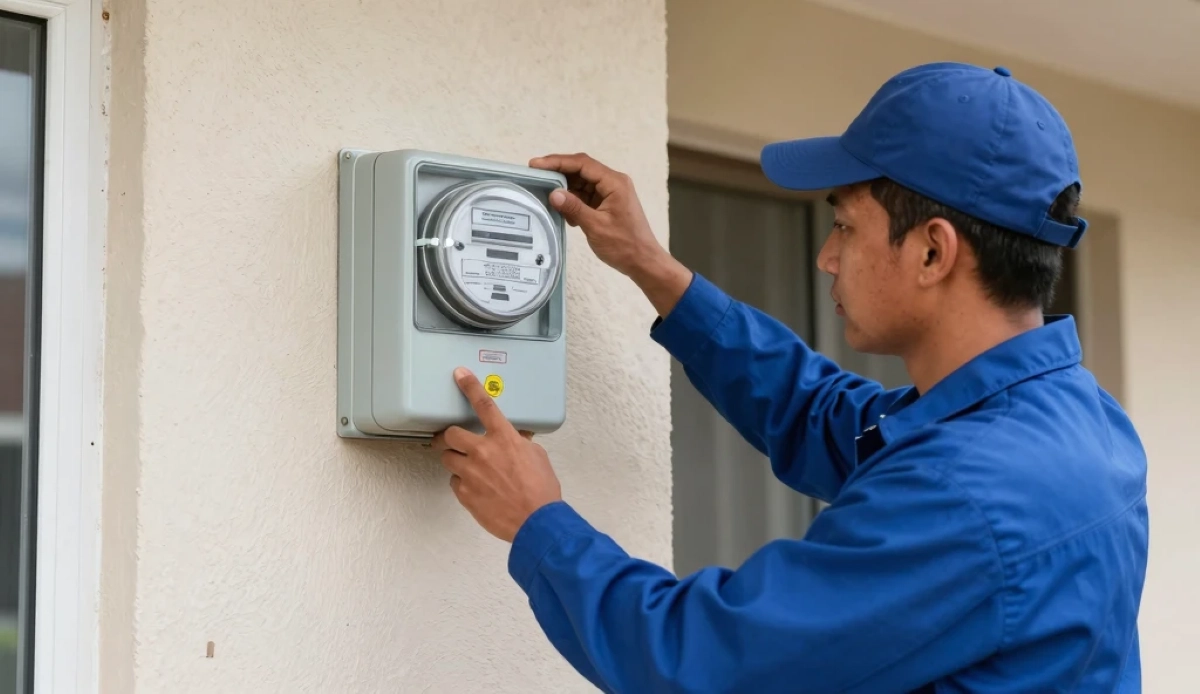
Prepaid Meter Installation Cost & Benefits South Africa
⚡ Stop guessing – pay only for what you use. Here’s what prepaid meters cost and why thousands are switching.
If you’re a homeowner tired of estimated bills, a landlord chasing tenants for unpaid electricity, or a body corporate tired of complex utility reconciliations, prepaid meter installation is the solution you’ve been looking for. With municipal tariffs rising and loadshedding still affecting schedules, more South Africans in Johannesburg, Pretoria, Cape Town, and Durban are making the switch to prepaid metering.
This comprehensive guide covers prepaid meter installation costs, benefits, and everything you need to know before making the switch. We’ve gathered pricing data from registered electricians across Gauteng, Western Cape, and KZN to give you accurate figures.
📅 2025 UPDATE: All prices reflect current market rates based on verified quotes from registered electrical contractors. STS-compliant meters only. Prices include VAT where indicated.
Need a prepaid meter installed?
Get free, no-obligation quotes from registered electricians in your area – compare prices and save on installation.
Servicing Johannesburg, Pretoria, Cape Town, Durban, and nationwide
📋 Table of Contents – Prepaid Meter Guide 2025
🔢 What is a Prepaid Electricity Meter?
A prepaid electricity meter works exactly like pay-as-you-go mobile phone airtime. You purchase electricity units before you use them, load a unique token number into your meter, and the credit appears. When the credit runs out, the power automatically disconnects until you top up again [citation:5].
📱 Traditional Prepaid Meter
- ✓ Manual token entry via keypad
- ✓ Purchase from shops, ATMs, banking apps
- ✓ Simple, reliable, cost-effective
- ✓ No internet connection needed
- ✓ Compatible with STS standard
📲 Smart Prepaid Meter
- ✓ Remote top-up via app or online
- ✓ Real-time usage tracking
- ✓ Automated low-credit alerts
- ✓ Remote disconnect/reconnect
- ✓ Usage analytics and reports
In South Africa, all prepaid meters must comply with the STS (Standard Transfer Specification) standard, ensuring tokens work across any STS-compliant meter nationwide [citation:5]. This is regulated by NERSA and managed through the National Vending System.
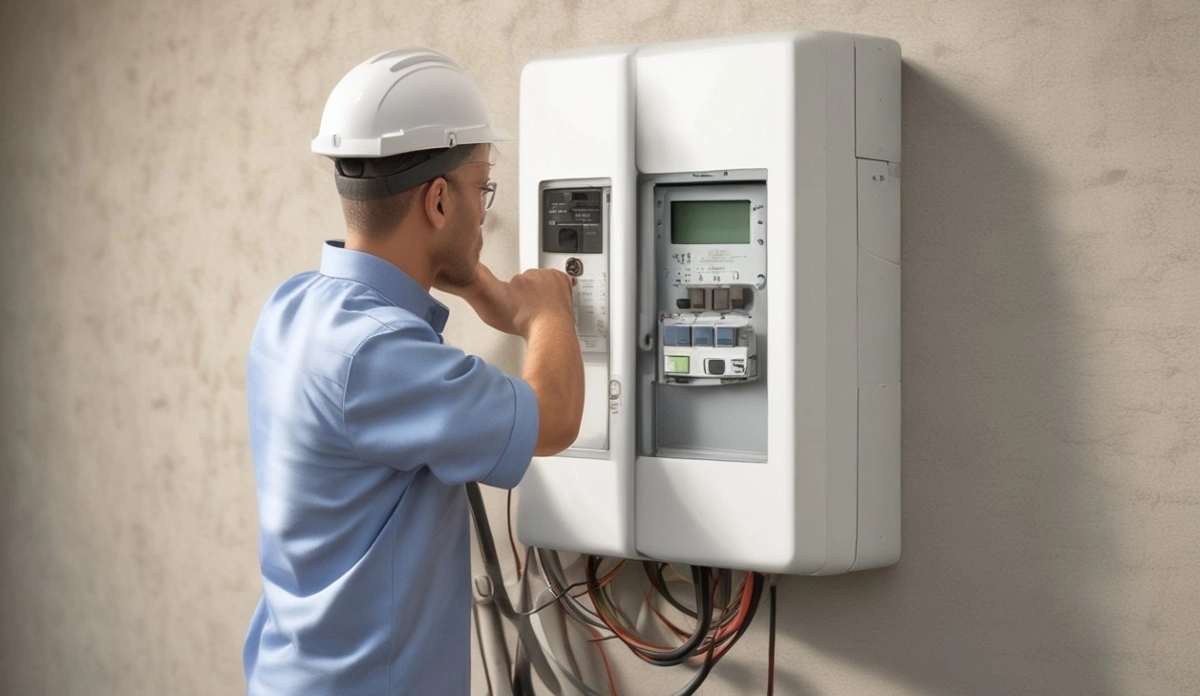
💰 Prepaid Meter Installation Costs South Africa 2025
The cost to install a prepaid meter varies based on property type, existing infrastructure, and whether you’re installing a single meter or multiple units. Here are the current market rates [citation:1][citation:5]:
Single-Phase vs Three-Phase Pricing
| Installation Type | Meter Cost | Installation Labour | Total Installed Price |
|---|---|---|---|
| Single-phase prepaid meter (standard) | R850 – R1,200 | R600 – R1,200 | R1,450 – R2,400 |
| Three-phase prepaid meter | R2,200 – R3,500 | R1,200 – R2,000 | R3,400 – R5,500 |
| Smart prepaid meter (WiFi/GSM) | R1,800 – R2,800 | R800 – R1,500 | R2,600 – R4,300 |
| Split meter (for tenants/flats) | R1,200 – R1,800 | R800 – R1,500 | R2,000 – R3,300 |
Complete Cost Breakdown by Property Type
| Property Type | Typical Meter Required | Installation Complexity | Total Cost Range |
|---|---|---|---|
| Small house/flat (1-2 bedroom) | Single-phase | Low – simple replacement | R1,400 – R2,200 |
| Medium house (3 bedroom) | Single-phase | Low-Medium | R1,600 – R2,500 |
| Large house (5+ bedroom, pool, aircons) | Three-phase | Medium | R3,500 – R5,500 |
| Granny flat / separate dwelling | Single-phase (sub-meter) | Medium – may need DB modifications | R2,000 – R3,200 |
| Townhouse / complex unit | Single-phase | Low-Medium | R1,500 – R2,400 |
| Apartment block (per unit bulk install) | Single-phase (volume pricing) | Medium-High (coordination) | R1,300 – R2,000 per unit |
Additional Costs to Consider
- DB board modification: If your DB board needs upgrading to accommodate the meter – R1,500 – R4,500 [citation:5]
- Meter box installation: If external meter box required (450x470x200mm typical) – R800 – R2,000 [citation:3]
- Wiring upgrades: Older homes may need rewiring to meet SANS 10142 standards – R2,000 – R8,000+
- COC certificate: Required after any electrical work – R800 – R1,800 [citation:3]
- Vending system registration: Once-off admin fee – R150 – R500
- Travel fees: Remote locations outside major centres – R2 – R5 per km
Volume discount tip: If you’re installing meters for multiple units (flats, townhouses, staff quarters), you can save 10-20% per meter. Contractors in Johannesburg and Cape Town often offer bulk pricing for complexes.
🏠 Benefits of Prepaid Meters for Homeowners
Real-Time Usage Tracking
Know exactly what you’re spending. No more waiting for monthly bills – you see consumption as it happens [citation:5].
No Bill Shock
You pay as you go. Budget weekly or monthly – whatever suits your cash flow. Estimated bills become a thing of the past [citation:5].
Loadshedding Preparedness
Always know your remaining credit before outages. Top up in advance and avoid being left in the dark when power returns [citation:5].
Energy Saving Awareness
Studies show prepaid users consume 15-30% less electricity – seeing the cost in real-time changes behaviour [citation:6].
No Deposits or Credit Checks
Unlike conventional accounts, prepaid requires no credit check, deposit, or monthly service fees from the municipality.
Convenient Top-Ups
Buy electricity at thousands of retailers, ATMs, banking apps, or online – 24/7 [citation:5].
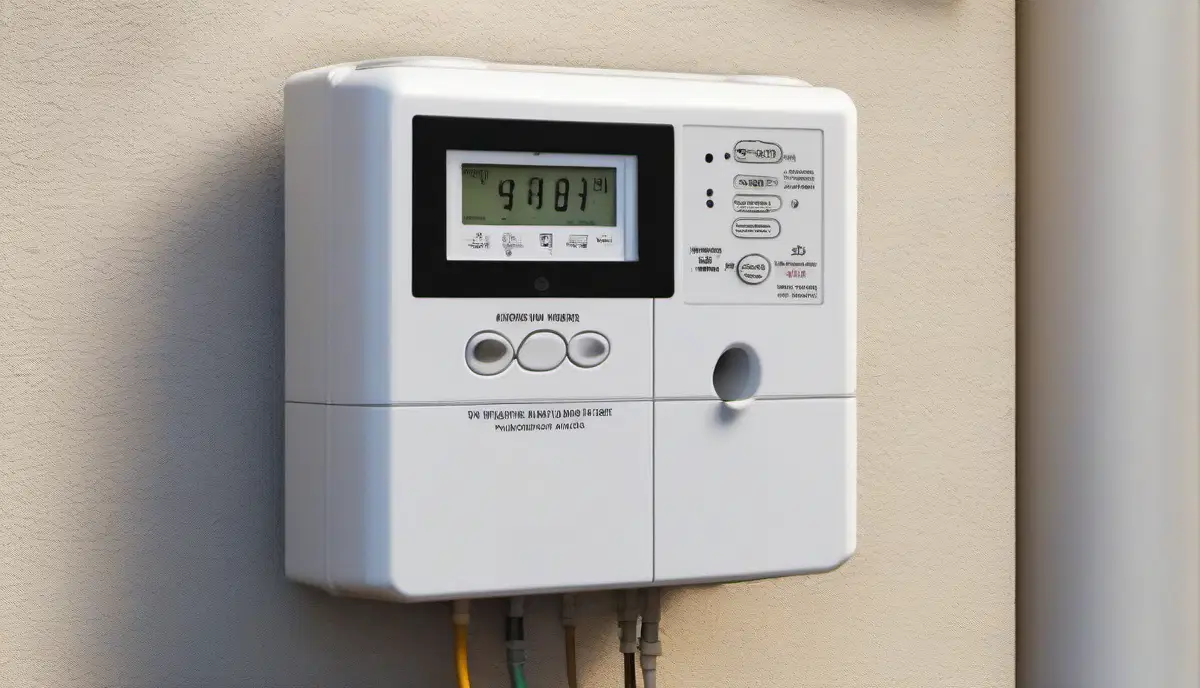
🏢 Why Landlords & Property Managers Are Switching
This is where prepaid meters deliver the BIGGEST impact. If you’re a landlord in Sandton, Umhlanga, or Stellenbosch, listen up [citation:5][citation:8]:
📊 The Landlord’s Nightmare – Solved:
❌ Chasing tenants for unpaid electricity bills
❌ Calculating complex usage splits for multiple tenants
❌ Disputes over “unfair” billing
❌ Left with huge arrears when tenants skip town
✅ Prepaid meters eliminate ALL of these problems [citation:5].
Key Benefits for Landlords
💰 Guaranteed Payment
Tenants pay BEFORE they use electricity. No arrears, no bad debt, no chasing [citation:5].
⏱️ Zero Admin Time
No more calculating bills, reading meters, or sending invoices. The system handles everything [citation:5].
⚖️ No Disputes
Tenants control their own usage. They can’t argue about bills they created themselves [citation:8].
📈 Higher Property Value
Properties with prepaid sub-metering are more attractive to investors and tenants [citation:5].
🔍 Usage Monitoring
Some systems let you monitor overall consumption – detect leaks or faults early [citation:8].
🔄 Easy Tenant Turnover
New tenant moves in? Zero balance, no final readings, no deposits held back [citation:5].
Real-World Example: Granny Flat Conversion
Consider a homeowner in Fourways with a backyard cottage rented for R5,000/month. Previously:
- Tenant paid R500 “towards electricity” but used R800 – landlord subsidised R300/month
- Arguments every month about “unfair” bills
- Tenant left with R1,200 owed – impossible to recover
After prepaid sub-meter installation (R2,500 once-off):
- Tenant buys own electricity – pays exactly what they use
- Landlord receives full R5,000 rent + no electricity arguments
- ROI on meter: 8 months (recovered through avoided losses)
👥 Tenants Love Prepaid Meters Too
It’s not just landlords winning – tenants increasingly prefer prepaid [citation:5][citation:8]:
- Pay only for what you use – no subsidising the landlord’s pool pump or common area lights
- No surprise bills – you control your spending
- No deposits – prepaid eliminates the “electricity deposit” many landlords demand
- Budget flexibility – buy R50 or R500, whatever suits your week
- Transparency – see exactly what appliances cost to run
- No disputes when moving out – zero balance, no “we’ll refund your deposit later” drama
⚖️ Prepaid vs Conventional Meters – Full Comparison
| Feature | Prepaid Meter | Conventional (Credit) Meter |
|---|---|---|
| Payment timing | Pay before use | Pay after use (monthly bill) |
| Billing surprises | None – you see usage in real-time | Estimated bills, catch-up charges common |
| Deposit required | No | Usually 1-2 months estimated usage |
| Credit check | None | Required for new accounts |
| Arrears risk | Zero – disconnects automatically when credit runs out | High – unpaid bills accumulate |
| Reconnection fee if disconnected | None – just top up | R500 – R2,000 + arrears payment |
| Usage tracking | Real-time on meter display | Manual reading or wait for bill |
| Suitable for tenants | EXCELLENT – no landlord disputes | Poor – often leads to arguments |
| Monthly service fee | Usually none or minimal | Monthly network/availability charges apply |
🏘️ Sub-metering for Flats, Townhouses & Complexes
If your property has multiple units but only one municipal meter, sub-metering is the solution. Here’s how it works [citation:5]:
What is Sub-metering?
The municipality supplies one bulk meter for the entire property. You install individual prepaid meters for each unit, and tenants buy electricity directly from you (or a management company). The landlord pays the municipal bill using the collected revenue.
Typical Costs for Sub-metering Installations
| Number of Units | Cost Per Unit (Installed) | Total Project Cost | Typical Payback Period |
|---|---|---|---|
| 2-4 units | R2,200 – R3,000 | R5,000 – R12,000 | 6-12 months |
| 5-10 units | R1,800 – R2,500 | R10,000 – R25,000 | 8-14 months |
| 10-20 units | R1,500 – R2,200 | R18,000 – R44,000 | 10-16 months |
| 20+ units (bulk pricing) | R1,300 – R1,900 | From R26,000 | 12-18 months |
Body Corporate Alert: If your complex in Centurion or Midrand has high electricity costs and disputes over usage, sub-metering is the answer. Many complexes recover the installation cost within 12-18 months through reduced common area losses and tenant accountability.
🏛️ Municipal Meters vs Private Sub-meters – Key Difference
This confuses many homeowners. Let’s clarify [citation:5]:
🏛️ Municipal Meter (Primary)
- ✓ Owned by municipality/Eskom
- ✓ Replaces your existing municipal account
- ✓ You deal directly with municipality for supply
- ✓ Must be installed by municipality or their approved contractors
- ✓ Usually longer waiting periods
- ✓ Can take 4-8 weeks for installation
🔧 Private Sub-meter
- ✓ Owned by property owner
- ✓ Installed AFTER the municipal meter
- ✓ Used to split usage between tenants/units
- ✓ Installed by private registered electricians
- ✓ Installation within days, not weeks
- ✓ Landlord manages tenant payments
Which one do you need?
- Want to get off municipal estimated billing? → You need a municipal prepaid meter (contact your municipality/Eskom directly – private companies cannot assist with this) [citation:5]
- Want to manage tenant electricity in a granny flat or complex? → You need a private sub-meter (JKNV Energy and similar providers can help) [citation:5]
📋 Prepaid Meter Installation Process – Step by Step
Step 1: Needs Assessment
Determine what you need – municipal replacement or private sub-metering? Single-phase or three-phase? Single unit or multiple? [citation:5]
Step 2: Site Inspection
Electrician visits to assess your DB board, wiring condition, and installation requirements. They’ll check if upgrades are needed [citation:5].
Step 3: Quotation
You receive a detailed quote including meter, labour, any additional materials, and COC. Compare 2-3 quotes.
Step 4: Installation Day
Registered electrician installs the meter, tests connections, and ensures compliance with SANS 10142 [citation:3].
Step 5: COC Issued
Certificate of Compliance issued – legal requirement for all electrical work [citation:3].
Step 6: Vending Registration
Meter registered on prepaid vending system. You receive meter number and first top-up instructions.
📜 Regulations, STS Compliance & Legal Requirements
South Africa has strict rules for prepaid meters [citation:3][citation:5]:
- STS Compliance: All prepaid meters must comply with the Standard Transfer Specification (STS) – this ensures tokens work across any STS-compliant meter nationwide [citation:5]
- NERSA Approval: Meters must be approved by the National Energy Regulator of South Africa
- SANS 10142: Installation must comply with wiring regulations [citation:3]
- COC Required: Any electrical work requires a Certificate of Compliance [citation:3]
- Registered Installer: Only registered electricians with Wireman’s License can install meters [citation:3]
- Meter Box Specifications: For external installations, meter boxes must meet size requirements (typically 450x470x200mm) [citation:3]
⚠️ Warning: Cheap imported meters that aren’t STS-compliant are illegal and won’t work with South Africa’s vending system. Always ensure your installer uses SABS-approved, STS-compliant meters. Check with STS South Africa for approved vendors.
💳 How Prepaid Meter Vending Works
Once your meter is installed, here’s how you buy electricity [citation:5]:
Where to Buy Tokens
- Retailers: Spar, Shoprite, Checkers, Pick n Pay, and thousands of spaza shops
- ATMs: Most major banks offer prepaid electricity via ATM
- Banking Apps: FNB, Standard Bank, Absa, Nedbank – purchase and receive token via app
- Online: Websites like prepaid24.co.za, electricity.co.za
- WhatsApp/Chat: Some providers now offer token purchases via chat
How Tokens Work
You receive a 20-digit number. Enter this on your meter keypad. The meter displays “ACCEPTED” and adds the credit. Modern meters show remaining balance, total usage, and sometimes estimated days remaining [citation:5].
Typical Transaction Fees
- Retail purchases: R2 – R5 per transaction
- Banking app: R0 – R3 depending on bank
- Online: R2 – R4
- ATM: R3 – R6
📍 Prepaid Meter Installation Costs by Region
| City/Region | Single-Phase Installed | Three-Phase Installed | Local Notes |
|---|---|---|---|
| Johannesburg | R1,500 – R2,400 | R3,500 – R5,500 | Competitive market, many installers |
| Pretoria | R1,450 – R2,300 | R3,400 – R5,300 | Slightly lower than JHB |
| Centurion | R1,450 – R2,300 | R3,400 – R5,300 | Similar to Pretoria |
| Sandton | R1,600 – R2,600 | R3,700 – R5,800 | Premium area, higher labour rates |
| Midrand | R1,500 – R2,500 | R3,500 – R5,500 | Mix of residential and commercial |
| Cape Town | R1,550 – R2,500 | R3,600 – R5,600 | Coastal areas may need marine-grade boxes |
| Durban | R1,500 – R2,400 | R3,500 – R5,500 | Lightning-prone – surge protection recommended |
| Umhlanga | R1,550 – R2,500 | R3,600 – R5,600 | Premium coastal area |
❌ 7 Common Mistakes When Installing Prepaid Meters
Learn from others’ expensive errors:
- Using unregistered installers: Only registered electricians can legally install meters and issue COCs. Handyman installations are illegal and dangerous [citation:3].
- Buying non-STS compliant meters: Cheap imports won’t work with SA’s vending system. You’ll be left with an expensive paperweight [citation:5].
- Not checking if DB board needs upgrading: Older boards may not handle modern meters. Discover this AFTER installation means extra costs and delays.
- Forgetting the COC: Any electrical work requires a COC. Without it, your insurance is invalid and you’re breaking the law [citation:3].
- Ignoring municipal approval requirements: For municipal meter replacements, you MUST go through proper channels. Private installers can’t help with this [citation:5].
- Not comparing quotes: Prices vary by 30-50% between electricians. Get at least 3 quotes for any significant installation.
- Overlooking future needs: Installing a single-phase meter when you might need three-phase for future aircons or solar? Plan ahead.
📊 Return on Investment – When Do You Break Even?
Scenario 1: Homeowner (Municipal Conversion)
Investment: R2,000 (single-phase installation)
Savings: Average household saves 15-20% after switching to prepaid [citation:6]. For a household spending R1,500/month on electricity = R225 – R300 saved monthly.
Payback period: 7-9 months
Scenario 2: Landlord (Sub-meter for Granny Flat)
Investment: R2,500 (sub-meter installation)
Savings: Previously subsidised tenant electricity by R300/month + admin time worth R200/month = R500/month recovered.
Payback period: 5 months
Scenario 3: Complex (10 Units)
Investment: R18,000 (R1,800 per unit x 10)
Savings: Reduced common area losses + eliminated bad debt + admin savings = R2,000 – R3,000/month recovered.
Payback period: 6-9 months
⏱️ Typical ROI:
5 – 12 months
for most prepaid meter installations
Ready to Switch to Prepaid?
Get quotes from registered, verified electricians in your area – compare prices and find the best deal.
Serving Johannesburg, Pretoria, Cape Town, Durban, and nationwide
❓ Frequently Asked Questions
How much does it cost to install a prepaid meter in South Africa?
For a standard single-phase installation, expect R1,400 – R2,500 including meter and labour. Three-phase installations range from R3,400 – R5,500. Prices vary by location and complexity [citation:1][citation:5].
Can I install a prepaid meter myself?
No. In South Africa, only registered electricians with a Wireman’s License can legally install electrical meters. DIY installation is illegal, dangerous, and voids your insurance. A COC must be issued after installation [citation:3].
What’s the difference between a municipal prepaid meter and a private sub-meter?
A municipal meter replaces your municipal account – you deal directly with the council/Eskom. A private sub-meter is installed after the municipal meter to split usage between tenants or units. Private meters are installed by electricians; municipal meters must be installed by the municipality [citation:5].
Are prepaid meters cheaper than conventional meters?
The electricity rate is usually the same (set by municipality/NERSA). However, prepaid users typically use 15-30% less electricity because they’re more aware of consumption. You also avoid deposits, credit checks, and surprise catch-up bills [citation:6].
How long does prepaid meter installation take?
For a private sub-meter, installation typically takes 2-4 hours. The electrician can usually schedule within a few days. For municipal meter replacements, waiting periods can be 4-8 weeks due to municipal backlogs [citation:5].
Do prepaid meters work during loadshedding?
During loadshedding, everyone loses power – prepaid or not. However, once power returns, your meter will resume normally if you have credit. If your credit runs out during an outage, you’ll need to top up before power returns [citation:5].
What is STS compliance and why does it matter?
STS (Standard Transfer Specification) is the international standard for prepaid meter tokens. All prepaid meters in South Africa must be STS-compliant to work with the national vending system. Non-compliant meters won’t accept tokens [citation:5].
Can I switch back to a conventional meter if I don’t like prepaid?
Yes, but you’ll need to apply to your municipality, pay for the change, and undergo a credit check. Most people never want to switch back once they experience prepaid convenience.
What happens if my prepaid meter breaks?
If it’s a municipal meter, report to the municipality. If it’s a private sub-meter, contact your installer. Most meters have 2-5 year warranties. Keep your proof of purchase and COC safe.
Do I need a COC for prepaid meter installation?
Yes – absolutely. Any electrical work that affects the installation requires a Certificate of Compliance. Your electrician must provide one after installation [citation:3].
✅ Final Thoughts – Is Prepaid Right for You?
Prepaid meters are ideal for:
- Homeowners tired of estimated bills and bill shock
- Landlords with tenants – eliminates unpaid bills and arguments
- Body corporates wanting fair cost recovery in complexes
- Anyone wanting better control of energy usage and costs
Consider carefully if:
- You have unreliable electricity supply (but prepaid still works fine)
- You prefer the convenience of one monthly bill (though prepaid is also convenient via app)
- Your DB board is very old and may need expensive upgrades first
⚡ The Bottom Line:
R1,400 – R2,500 once-off
gives you lifetime control, no more bill surprises, and payback within a year
Your 5-Step Action Plan
- Decide what you need – municipal replacement or private sub-meter?
- Get 2-3 quotes from registered electricians in your area
- Verify credentials – check Wireman’s License, ECASA registration, insurance
- Confirm STS compliance and warranty terms
- Schedule installation and ensure you receive your COC
Ready to Install Your Prepaid Meter?
Connect with registered, verified electricians in your area – compare quotes and get the best deal.
📞 Call us: 073 138 4726
📚 Official resources & standards:
- NERSA (National Energy Regulator) – Metering compliance and STS standards
- STS South Africa – Standard Transfer Specification – approved meters
- City of Cape Town – Municipal prepaid meter policies
- SABS (SANS 10142) – Wiring regulations
Prices accurate as of February 2025. Always verify current rates with local installers. This guide is for informational purposes and does not constitute a quote.
Written by: Innocent T Hanyani
21+ years construction and digital industry experience, ServiceLink SA
Innocent has overseen hundreds of prepaid meter installations across South Africa, working closely with registered electricians and municipal bodies. His expertise ensures this guide reflects current regulations and pricing realities for 2025.