
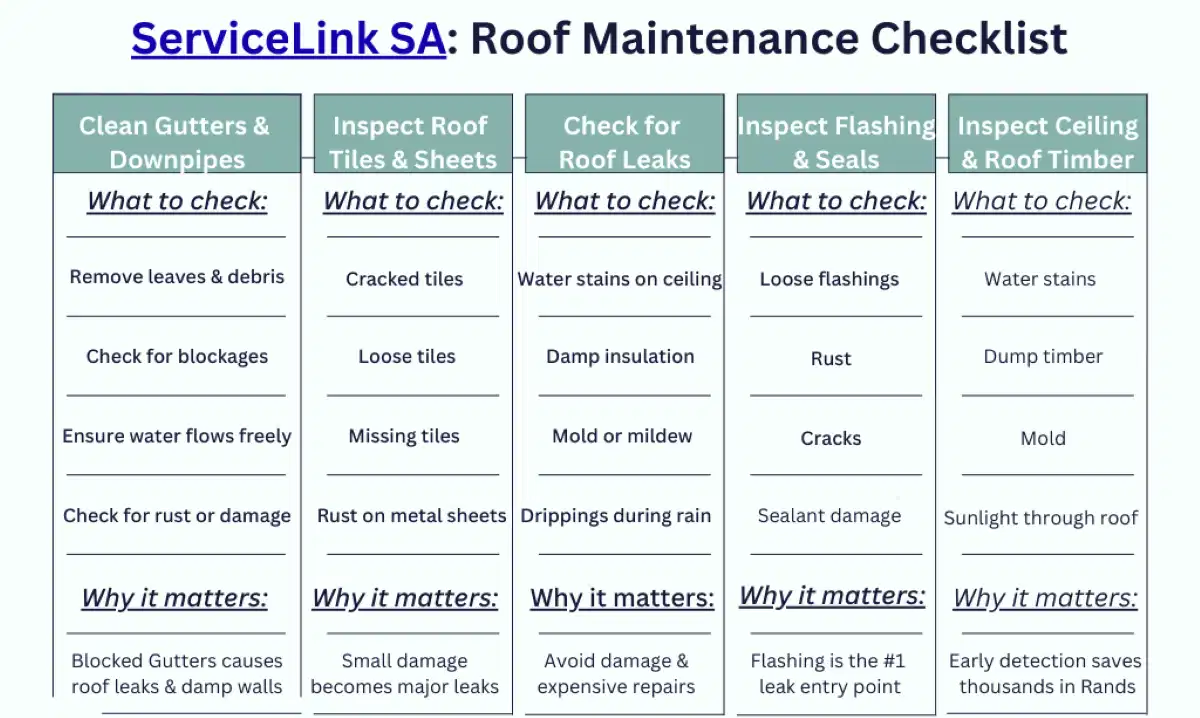
Roof Maintenance Checklist South Africa: Seasonal Guide for Long-Lasting Roofs
Your roof is your home’s first line of defence against the elements. From the scorching Highveld sun in Johannesburg and Pretoria to the howling winter winds and rain in Cape Town and the humid, salt-laden air in Durban, South African weather takes a toll. Yet, for many homeowners, the roof is completely ignored until a leak appears.
This comprehensive 2026 guide provides a detailed, seasonal roof maintenance checklist designed for South African homes. By following this simple schedule, you can prevent costly repairs, extend the life of your roof by decades, and ensure your home stays safe and dry.
In this complete guide, you’ll discover:
- A seasonal maintenance checklist (Spring, Summer, Autumn, Winter)
- Roof-type specific tasks for tile, metal, and flat roofs
- DIY tasks vs. when to call a professional
- How to perform a DIY roof inspection safely
- Coastal and Highveld-specific considerations
- A printable checklist for your home
- How to find a reliable roofing contractor for annual inspections
When Was the Last Time Your Roof Was Inspected?
Don’t wait for a leak. Book a professional roof inspection today and catch problems early.
Table of Contents
✅ Why Roof Maintenance is Critical
Most homeowners only think about their roof when it leaks. By then, the damage is done—and it’s often much more expensive to fix. Regular maintenance offers huge benefits:
- Extends Roof Lifespan: A well-maintained concrete tile roof can last 50+ years; a neglected one may fail in 20. Marley Roofing states that regular maintenance is key to achieving their 50-year guarantee.
- Prevents Costly Repairs: Fixing a slipped tile (R300) during an inspection is far cheaper than repairing a rotted truss (R10,000+) caused by a long-term leak.
- Maintains Warranty Validity: Many manufacturer and installer warranties require proof of regular maintenance. Neglect can void your cover.
- Improves Energy Efficiency: A well-sealed roof with intact insulation keeps your home cooler in summer and warmer in winter, reducing energy bills.
- Preserves Property Value: A sound, well-maintained roof is a major selling point and adds significant value to your home.
🛡️ Safety First: DIY vs. Professional Inspections
Critical Safety Warning:
Do not walk on a wet or damp roof. Roof tiles and metal sheets are extremely slippery and falls can be fatal. If you are not comfortable working at heights, do not have the correct safety equipment (harness, ladder stabilizers), or have a steeply pitched roof, hire a professional.
- DIY Tasks (Ground Level): Visual inspection from the ground with binoculars, checking gutters from a stable ladder (with a spotter), and trimming low-hanging branches are generally safe DIY tasks.
- Professional Tasks: Anything that requires walking on the roof, working at heights, or using power tools on the roof surface should be done by a qualified roofer with proper safety gear and insurance.
🌼 Spring (September – October): Pre-Storm Preparation
Spring is the most important time for roof maintenance in Gauteng and the interior. It’s the last chance to prepare for the upcoming Highveld thunderstorm season.
| Task | Frequency | DIY/Pro | Why It Matters |
|---|---|---|---|
| Professional roof inspection | Annually | ✅ Pro | Identifies winter damage and pre-storm vulnerabilities like loose tiles or cracked ridge cappings. |
| Clear gutters & downpipes | Bi-annually | ✅ DIY (safe access) | Prevents overflow during spring storms, which can force water back under the roof edge. |
| Trim overhanging branches | Annually | ⚠️ Pro (large) | Reduces debris on the roof and the risk of branches falling and damaging the roof during storms. |
| Check ridge cappings | Annually | ❌ Pro | Loose or cracked ridge cappings are a major entry point for wind-driven rain. |
| Test downpipe drainage | Annually | ✅ DIY | Run a hose through downpipes to ensure water exits the property freely and doesn’t pool against foundations. |

☀️ Summer (November – February): Storm Season
Summer is storm season across most of South Africa. Your focus shifts to monitoring and rapid response.
| Task | Frequency | DIY/Pro | Why It Matters |
|---|---|---|---|
| After-storm visual check | After each major storm | ✅ DIY (ground) | Walk around your home and look for displaced tiles, dents in metal, or fallen debris. Catching damage early prevents leaks in the next storm. |
| Emergency leak response | As needed | ❌ Pro | If you spot an active leak, call an emergency roofer immediately to prevent interior damage. |
| Gutter check | Monthly | ✅ DIY | Storms can quickly fill gutters with debris. Check and clear as needed. |
| Monitor ceiling stains | Ongoing | ✅ DIY | Check your ceilings after heavy rain for new or growing stains, which indicate an active leak. |
🍂 Autumn (March – April): Post-Storm, Pre-Winter
Autumn is for cleaning up after the storms and preparing for winter, especially in the Cape where winter is the rainy season.
| Task | Frequency | DIY/Pro | Why It Matters |
|---|---|---|---|
| Final gutter clean | Annually | ✅ DIY | Remove all leaves and debris from gutters and downpipes to prevent winter blockages. |
| Check roof coating (metal) | Annually | ❌ Pro | Look for areas of chalking or fading where the protective coating may be failing, especially after a harsh summer. |
| Tile inspection | Annually | ❌ Pro | Replace any cracked or slipped tiles identified during the professional inspection. |
| Flashing check | Annually | ❌ Pro | Ensure flashing around chimneys, valleys, and penetrations is still securely fixed and sealed. |
❄️ Winter (May – August): Dry Season (Gauteng) / Rain Season (Cape Town)
Winter is the ideal time for major repairs in Gauteng, while in the Western Cape, it’s the peak of the rainy season.
| Task | Frequency | DIY/Pro | Why It Matters |
|---|---|---|---|
| Cape Town: Pre-winter waterproofing | Annually (by May) | ❌ Pro | Complete any necessary waterproofing repairs before the June rains hit. |
| Gauteng: Dry season repairs | As needed | ❌ Pro | Winter is the perfect time for major repairs like re-roofing, re-pointing ridges, or applying new roof coatings. |
| Attic inspection | Annually | ✅ DIY | Go into your attic (if accessible) and look for daylight coming through the roof boards, damp insulation, or signs of pests. |
| Insulation check | Every 5 years | ✅ DIY | Check that your ceiling insulation is still evenly distributed and hasn’t been disturbed by pests or water damage. Top up if needed. |
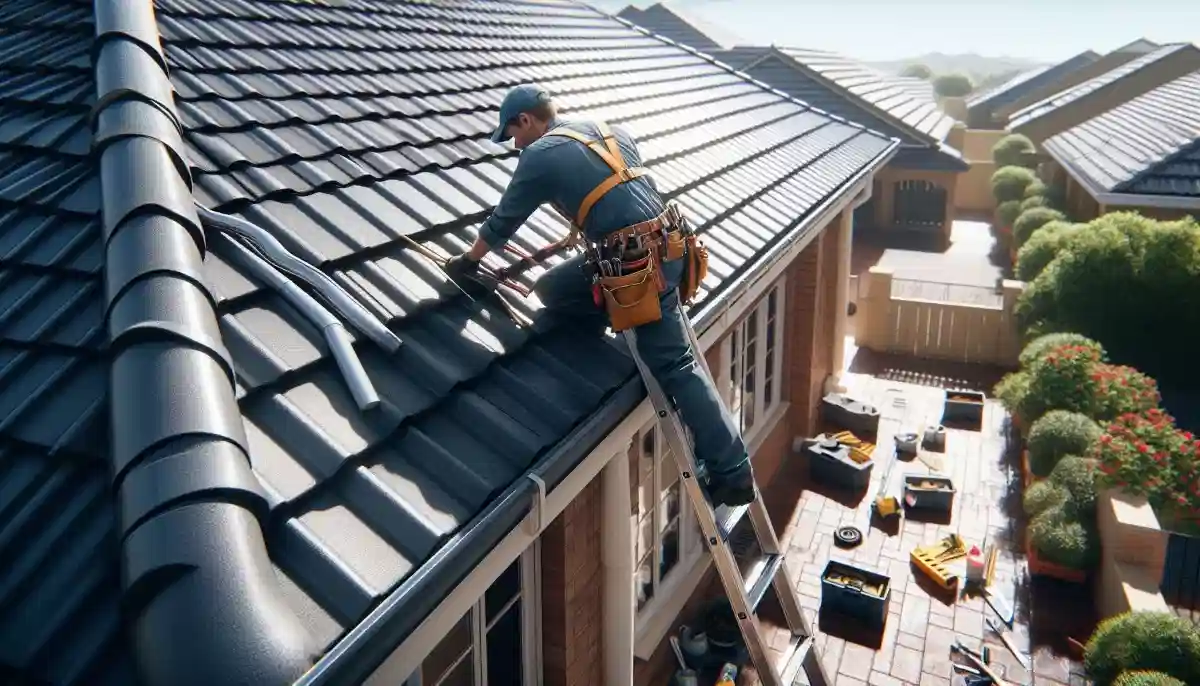
🏚️ Tile Roof Maintenance (Concrete & Clay)
Tile roofs are durable but require specific care. Following Marley Roofing’s guidelines is essential.
- Replace cracked/broken tiles: As needed. A cracked tile is an open invitation for water. Replacement is a simple job for a professional.
- Re-bed and re-point ridges: Every 5-10 years. The cement mortar holding ridge cappings in place cracks over time. This is a skilled job to prevent leaks at the ridge.
- Moss/algae removal: Every 2-3 years, especially in damp, shady areas. Use a low-pressure wash and a biocide treatment. High-pressure washing can damage tiles.
- Underlayment inspection: Every 10-15 years. From the attic, check if the felt or sarking under the tiles is becoming brittle or torn. Replacement is a major job but prevents catastrophic leaks.
🏭 Metal Roof Maintenance (IBR, Chromadek)
Metal roofs are low-maintenance, but not zero-maintenance. Safintel recommends a periodic inspection schedule.
- Check screw fasteners: Annually. Over time, screws can work loose, and the rubber washers can perish. Re-torque loose screws and replace any with failed washers.
- Recoating: Every 10-15 years. The factory-applied coating will eventually fade or chalk. A professional recoat with a high-quality roof paint system can extend the roof’s life by another 10-15 years. See our guide on roof painting for extended lifespan.
- Seam inspection: Annually. Check the overlaps between sheets for any lifting or sealant failure.
- Gutter/downpipe check: Bi-annually. Clear debris and check joints for leaks.
🏢 Flat Roof Maintenance (Waterproofed)
Flat roofs are the most vulnerable and require the most vigilant maintenance.
- Check for ponding water: After each rain. Water that remains pooled for more than 24-48 hours indicates a drainage problem that must be fixed. Standing water will degrade any waterproofing membrane.
- Inspect membrane: Annually. Look for blisters, cracks, tears, or areas where the UV protection has worn away.
- Clean drains/scuppers: Bi-annually. Ensure all roof drains and overflow outlets are completely free of leaves and debris.
- Recoat/repair: As needed, based on membrane type. Liquid coatings may need a recoat every 5-8 years. For more detail, see our flat roof waterproofing guide.
🌊 Coastal Area Maintenance (Cape Town, Durban, George)
Homes within 5km of the ocean face accelerated wear from salt air and high humidity.
- Increased inspection frequency: Inspect your roof every 6 months, not annually.
- Check for corrosion: Look for rust on metal flashings, screws, and metal roof sheets. Even galvanized steel can succumb to salt air. Stainless steel fixings are recommended.
- Algae and moss treatment: Humid coastal conditions promote algae growth, which retains moisture. Treat with a biocide every 2-3 years.
- Flashing sealant: Check the sealant around all penetrations more frequently, as salt air can degrade it faster.
⛈️ Highveld/Gauteng Maintenance
The main threats in Gauteng are intense UV, thermal expansion, and hail.
- UV Damage: The strong Highveld sun can cause paint and coatings to fade and chalk. A fresh coat of UV-resistant roof paint every 8-10 years can protect your roof.
- Hail Damage: After any hailstorm, do a thorough ground-level inspection for cracked tiles or dents in metal. You may need a professional to inspect the roof safely.
- Thermal Expansion: The dramatic temperature swings between day and night can cause materials to expand and contract. Regularly check flashings and sealants for cracks.
🔍 How to Perform a DIY Roof Inspection (From the Ground)
You can perform a basic but effective inspection without ever stepping onto the roof.
- Use Binoculars: From ground level, use a pair of binoculars to scan the roof surface. Look for:
- Cracked, displaced, or missing tiles.
- Rust spots or dents on metal roofs.
- Lifting or curling edges of felt or membranes on flat roofs.
- Damaged or loose flashing around chimneys and vents.
- Inspect from Inside: Go into your attic with a torch. Look for:
- Daylight coming through the roof boards.
- Dark streaks or water stains on the wood.
- Damp or compressed insulation.
- Signs of pests or nests.
- Check Gutters: From a stable ladder, check for granules from asphalt shingles (rare in SA) or tile debris, which can indicate wear. Ensure gutters are firmly attached.
Never attempt to walk on a roof to perform an inspection yourself. Falls are the leading cause of injury in home maintenance.
⚠️ Common Roof Maintenance Mistakes
- Using a high-pressure cleaner on tiles: This can force water under the tiles and damage the surface coating. Use a low-pressure wash or soft wash with a biocide.
- Ignoring small issues: “It’s just one cracked tile” or “that’s a small stain.” These are early warnings. Ignoring them is the most expensive mistake you can make.
- Walking on the roof unnecessarily: Every time someone walks on a tiled roof, they risk cracking tiles or dislodging them. Only professionals with proper safety gear and roof ladders should access the roof.
- Forgetting about ventilation: A roof needs to breathe. Check that your ridge and soffit vents aren’t blocked by paint, debris, or insulation.
- Caulking weepholes: Some roofs have small weepholes to allow moisture to escape. Never seal these.
📞 When to Call a Professional Roofer
Call a professional roofing contractor for:
- Your annual comprehensive roof inspection.
- Any work that requires walking on the roof.
- Repairing or replacing ridge cappings.
- Fixing or replacing flashing.
- Repairing or replacing any roofing materials.
- Applying roof coatings or waterproofing.
- If you spot a leak or any of the signs of damage mentioned above.
For guidance on selecting a reliable contractor, read our guide: How to Choose a Reliable Roofing Contractor.
💰 The Cost of Neglect vs. The Cost of Maintenance
Let’s look at the real-world financial impact of ignoring your roof.
| Maintenance Task | Cost | Consequence of Neglect | Cost of Neglect |
|---|---|---|---|
| Annual inspection | R500 – R950 | Missed cracked tile → long-term leak → rotted truss & ceiling | R15,000 – R50,000+ |
| Gutter cleaning | R500 – R1,000 (or DIY free) | Blocked gutter → water back-up → fascia rot & foundation damage | R10,000 – R30,000+ |
| Replacing a cracked tile | R120 – R350 | Water penetrates underlayment, rots battens, stains ceilings | R5,000 – R15,000+ |
| Re-bedding ridge cappings | R1,500 – R4,000 | Ridge cap fails, wind-driven rain enters, causes major internal damage | R20,000 – R60,000+ |
📋 Printable Roof Maintenance Checklist Summary
Spring (Sep-Oct)
- ☐ Book annual professional inspection
- ☐ Clear gutters and downpipes
- ☐ Trim overhanging branches
- ☐ Test downpipe drainage
Summer (Nov-Feb)
- ☐ Perform after-storm ground checks
- ☐ Monitor ceilings for new stains
- ☐ Call emergency services if active leak appears
Autumn (Mar-Apr)
- ☐ Final gutter clean before winter
- ☐ Schedule any outstanding repairs from the storm season
Winter (May-Aug)
- ☐ Cape Town: Ensure waterproofing is sound
- ☐ Gauteng: Schedule major repairs (re-roofing, painting)
- ☐ Inspect attic for daylight and dampness
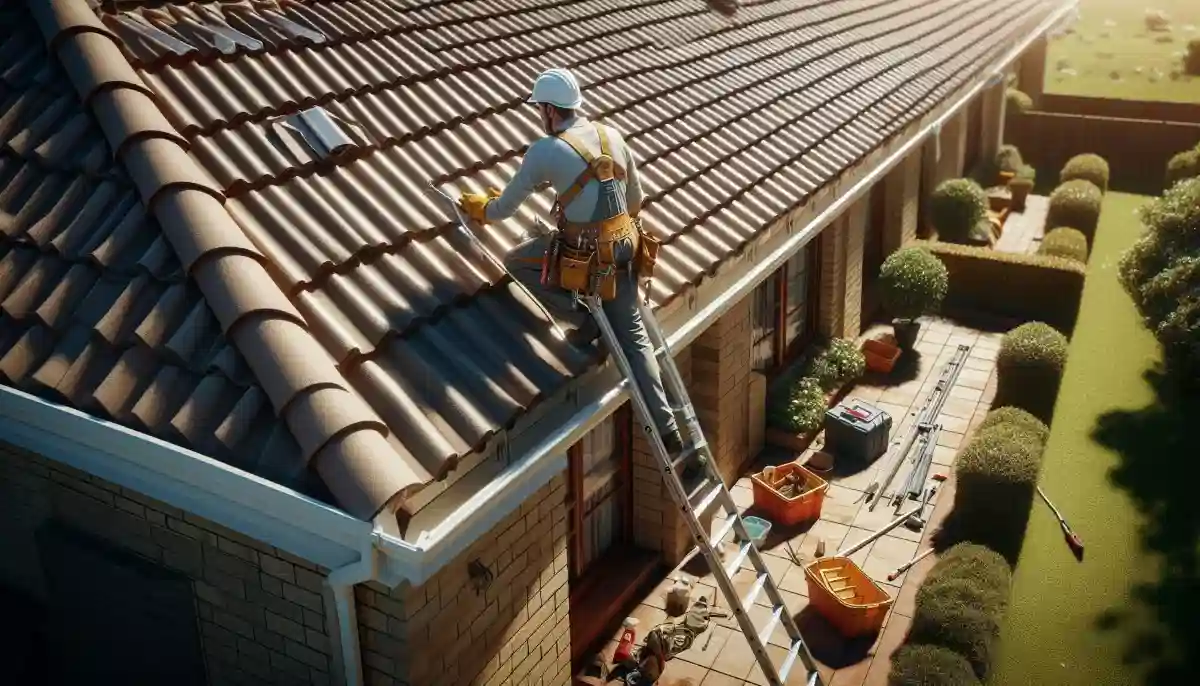
Haven’t Had Your Annual Roof Inspection Yet?
Get connected with trusted, vetted roofing contractors in your area for a thorough, professional inspection.
❓ Frequently Asked Questions
How often should I inspect my roof?
You should have a professional roof inspection at least once a year. It’s also wise to do a visual check from the ground after major storms and to inspect your attic for signs of leaks during the rainy season.
What is the most important roof maintenance task?
Cleaning your gutters and downpipes is arguably the most important and frequently overlooked task. Blocked gutters are a primary cause of edge leaks, fascia rot, and even foundation damage.
Can I inspect my own roof?
You can perform a ground-level inspection with binoculars and check your attic for signs of leaks. However, you should never walk on your roof yourself. A professional has the safety equipment and experience to do a thorough, safe inspection on the roof surface.
How much does a professional roof inspection cost?
A professional roof inspection typically costs between R450 and R950. Many reputable companies will deduct this fee from the cost of any subsequent repair work they carry out.
How often should a metal roof be painted?
A high-quality metal roof with a factory-applied coating may only need repainting or recoating every 10-15 years. If you notice extensive fading, chalking, or rust spots, it’s time for a recoat.
What are the signs that my roof needs maintenance?
Look for cracked, curled, or missing tiles; rust spots on metal; damp patches or water stains on ceilings; daylight visible in the attic; and gutters overflowing with debris.
Does roof maintenance really save money?
Absolutely. Spending R1,000 on an annual inspection and minor repairs can prevent a R50,000+ emergency repair or premature roof replacement. It’s one of the most cost-effective home maintenance investments you can make.
🎯 Final Advice: Your Action Plan
Don’t wait for a leak to remind you about your roof.
- Book your annual professional inspection today. Use the free ServiceLink SA platform to find a trusted local expert.
- Perform simple DIY checks. After the next rain, look at your ceilings. Next weekend, grab binoculars and inspect your roof from the ground.
- Create a schedule. Put reminders on your phone for spring gutter cleaning and autumn inspections.
Protect Your Home with Regular Maintenance
Find a trusted, CIDB-registered roofing contractor near you for your annual inspection.

Written by: ServiceLink SA Research Team
This guide was compiled using data from hundreds of roof repair jobs across South Africa and technical guidelines from leading manufacturers like Marley Roofing, Safintel, and Everest Roofing.
External references and industry standards:
- Marley Roofing – Roof maintenance guide and tile care.
- Safintel – Metal roof maintenance and coating care.
- SA Weather Service – Seasonal weather forecasts and preparation.
Information accurate as of February 2026. Always consult with a qualified professional for work on your roof.