
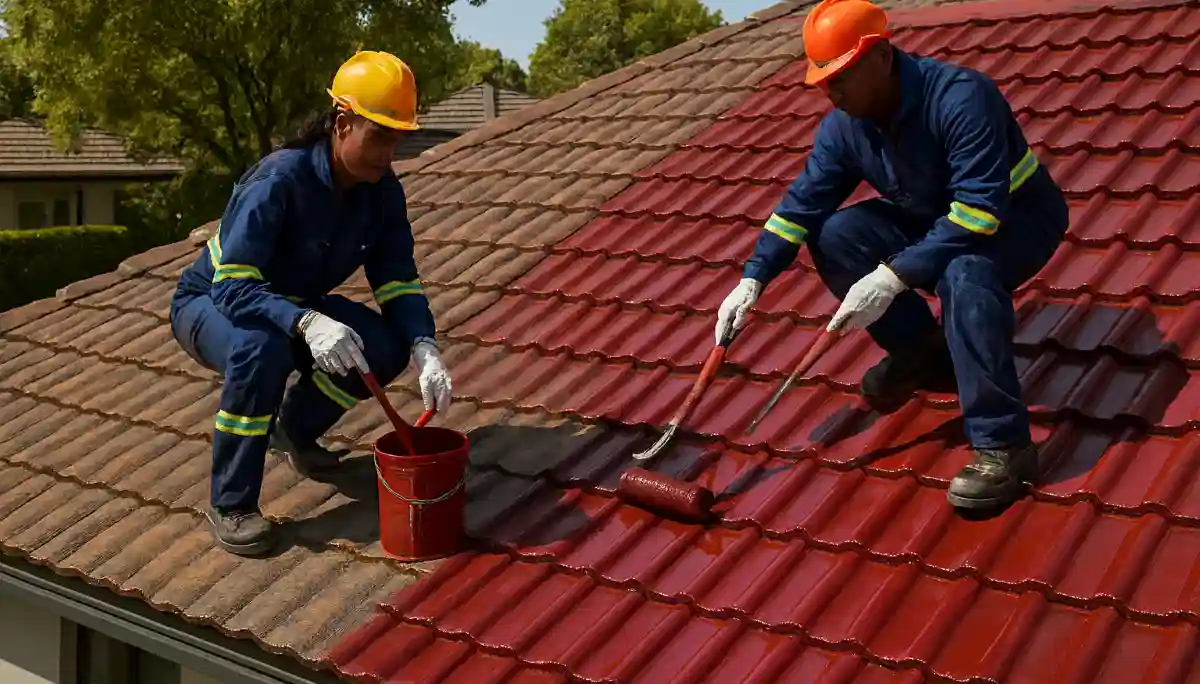
Roof Painting & Coating for Extended Lifespan South Africa: Complete 2026 Guide
Is your roof looking tired and faded? Are you noticing patches of bare tile or spots of rust on your metal sheets? In the harsh South African climate, from the intense UV of the Highveld in Johannesburg and Pretoria to the salt-laden air of Cape Town and Durban, every roof eventually needs a refresh. But roof painting is much more than a cosmetic upgrade—it’s one of the most cost-effective ways to extend your roof’s lifespan, improve your home’s energy efficiency, and prevent costly structural damage.
This comprehensive 2026 guide covers everything you need to know about roof painting and coating in South Africa. We provide detailed pricing, explain the different coating systems, break down the application process, and share expert advice on how to ensure your investment delivers maximum returns.
In this complete guide, you’ll discover:
- Roof painting costs per m² for tile, metal, and concrete (2026)
- Standard acrylic vs. elastomeric vs. cool roof coatings
- Step-by-step application process
- Cool roof technology and energy savings (SANEDI guidelines)
- Roof-type specific requirements for tiles, metal, and IBR
- When to paint vs. when to replace
- How to choose a qualified contractor
📅 2026 Update: All prices reflect current market rates based on verified quotes from Johannesburg roofers, Pretoria specialists, Cape Town contractors, and product data from leading manufacturers.
Is Your Roof Ready for a Refresh?
Get free, no-obligation quotes from trusted roof painting specialists in your area. Protect your home and save on energy costs.
Table of Contents
✅ Why Paint Your Roof? More Than Just Curb Appeal
A professional roof paint job is an investment that pays dividends in multiple ways. Here’s why South African homeowners are choosing to paint their roofs.
- Extends Roof Lifespan: Quality roof coatings create a protective barrier against UV radiation, which causes tiles to become porous and metal to fade. A well-painted roof can last 15-20 years longer than an unmaintained one.
- Prevents Leaks: Painting seals hairline cracks and porous surfaces, preventing water absorption that leads to leaks and structural decay. For metal roofs, it stops rust in its tracks.
- Improves Energy Efficiency (Cool Roofs): Reflective roof coatings can lower surface temperatures by up to 15-20°C, reducing heat transfer into your home and cutting air conditioning costs by 20-50%.
- Increases Property Value: A freshly painted, well-maintained roof can boost your home’s curb appeal and market value by an estimated 5-15%.
- Eco-Friendly: Extending your roof’s life through painting means delaying a full replacement, reducing construction waste. Cool roofs also lower your home’s carbon footprint.
💰 Roof Painting Cost Overview South Africa (2026)
The cost of professional roof painting varies based on roof type, condition, paint quality, and location. Here are the current market rates per square metre.
| Roof Type | Price Range (per m²) | Typical Lifespan After Painting |
|---|---|---|
| Tile Roofs (Concrete/Clay) | R75 – R110 | 15-20 years |
| Metal & Corrugated Iron | R65 – R95 | 12-18 years |
| IBR Sheeting | R55 – R85 | 10-15 years |
| Concrete Roofs (Flat) | R80 – R110 | 15-20 years |
Note: Prices are a guideline. Final costs depend on roof size, accessibility, and the condition of the existing surface. For a standard 200m² home, budget between R11,000 and R22,000 for a complete professional job.
📊 Average residential project cost (200m²):
R15,000 – R22,000
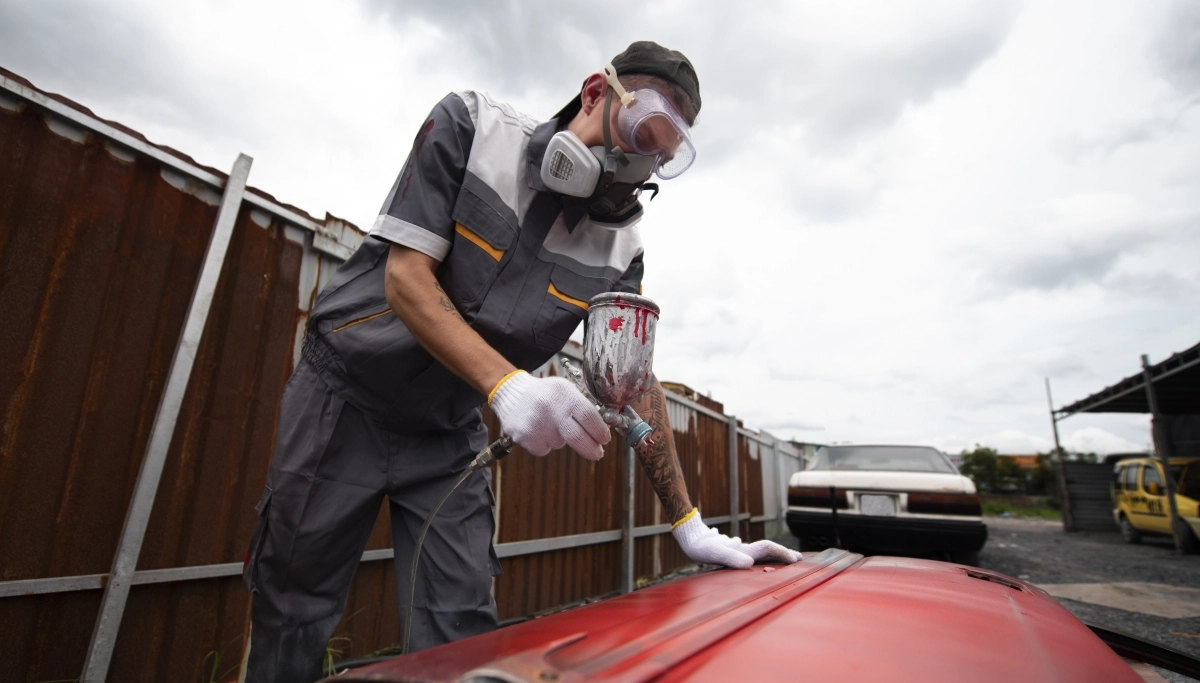
🎨 Types of Roof Coatings: Choosing the Right System
Not all roof paints are created equal. The type of coating you choose dramatically affects performance, lifespan, and cost.
1. Standard Acrylic Roof Paint
Best for: Tile and concrete roofs where the primary goal is colour refreshment and basic protection.
- Description: Water-based acrylic paint formulated for exterior roof use. Brands like Duram Roofkote offer UV resistance, colourfastness, and a low-sheen finish.
- Lifespan: 5-8 years before needing recoating.
- Cost: Included in the standard pricing above.
- Pros: Affordable, easy to apply, eco-friendly (low VOC), safe for rainwater harvesting.
- Cons: Less flexible than elastomeric coatings, may not bridge cracks.
2. Elastomeric Roof Coatings
Best for: Roofs with existing hairline cracks, metal roofs subject to thermal expansion, and flat roofs needing waterproofing.
- Description: Thick, flexible coatings that can stretch and contract with the roof substrate, bridging cracks and sealing pores. MAXELASTIC is a single-component waterproof elastic coating that forms a seamless, flexible membrane resistant to UV rays.
- Lifespan: 8-12 years.
- Cost: Typically 20-40% more than standard acrylic.
- Pros: Excellent crack-bridging ability, seamless waterproofing, high durability.
- Cons: Higher cost, requires thicker application.
3. Cool Roof Coatings
Best for: Homes in hot climates (Gauteng, Limpopo, Mpumalanga) where reducing cooling costs is a priority.
- Description: Highly reflective coatings, usually white or light-coloured, that contain titanium dioxide (TiO2) to achieve a high Solar Reflective Index (SRI). They push heat and light away from the building.
- Lifespan: 5-15 years depending on formulation.
- Cost: Premium option, 30-50% more than standard acrylic.
- Pros: Significant energy savings, reduces urban heat island effect, improves indoor comfort.
- Cons: Higher upfront cost, limited to lighter colours.
🌡️ Cool Roof Technology: Save Energy with the Right Paint
The South African National Energy Development Institute (SANEDI) is a strong advocate for cool surface technology. Their research shows that cool coatings can dramatically reduce building temperatures and energy consumption.
According to SANEDI, when considering a cool roof, look for three key factors:
- Ingredients: The coating needs enough titanium dioxide (TiO2) to reach a Solar Reflective Index (SRI) of at least 0.75, or 75% solar reflectance. Don’t accept anything below 65%.
- Colour: White, light, and pastel colours are most effective at cooling your home. Darker colours absorb heat, making your home hotter.
- Surface Preparation: Proper preparation—cleaning, rust treatment, and priming—is essential for the cool coating to perform correctly.
A major cool-surface project in Limpopo is currently rolling out on military bases, covering 1.37 million m² of roofs and walls. The project has dramatically improved comfort and reduced air-conditioning use, while also creating over 50 new jobs and upskilling opportunities.
Energy Saving Tip: A white or reflective roof coating can reduce your indoor temperature by 3-6°C in summer, potentially cutting your air conditioning bill by 20-50%. For Gauteng homes, this is a game-changer.
🧱 Tile Roof Painting (Concrete & Clay)
Tile roofs are the most common in South Africa. Over time, UV exposure degrades the surface, making tiles porous and causing them to absorb water. This leads to moss growth, cracks, and leaks.
The Process:
- Inspection & Repair: Replace any cracked, broken, or slipped tiles.
- High-Pressure Cleaning: Remove dirt, moss, algae, and any loose or chalked paint.
- Priming: Apply a specialist tile primer (like Penetrar) to seal the porous surface and ensure topcoat adhesion.
- Painting: Apply two coats of high-quality acrylic roof paint (e.g., PlasRoof, Duram Roofkote).
Cost: R75 – R110 per m² installed.
Lifespan Added: A quality tile roof paint job can extend your roof’s life by 15-20 years.
🔩 Metal & IBR Roof Painting
Metal roofs face different challenges: rust, fading, and thermal expansion. Painting a metal roof is a highly effective way to stop corrosion and restore appearance.
The Process:
- Rust Treatment: Remove rust through wire brushing, grinding, or chemical treatment. Apply a rust converter or inhibitor to neutralize existing corrosion.
- Priming: Apply a specialised metal primer for superior adhesion.
- Painting: Apply two coats of flexible metal roof paint that can withstand thermal movement without cracking.
Cost (Standard Metal): R65 – R95 per m² installed.
Cost (IBR Sheeting): R55 – R85 per m² installed. IBR is often cheaper due to its simple profile.
Lifespan Added: A well-executed metal roof paint job can add 12-18 years to your roof’s life.
Coastal Considerations: For homes in Durban or Cape Town, specify marine-grade primers and coatings. Standard systems may fail quickly in salt air.
🖌️ The Professional Application Process
A successful roof paint job is 70% preparation and 30% painting. Here’s what a professional service includes.
Step 1: Surface Preparation
- High-pressure cleaning: R10 – R20 per m². Removes all dirt, debris, and loose paint.
- Rust treatment (metal): R15 – R30 per m². Essential for stopping corrosion.
- Repairs: R50 – R100 per m² if tile replacement or crack repair is needed.
- Primer application: Ensures adhesion and seals porous surfaces.
Step 2: Paint Application
- Method: Professional applicators use airless spray for large areas, backed up by brush work for edges and details.
- Coats: Minimum two coats at the recommended thickness.
- Drying time: Touch-dry in 2 hours, recoat in 4-6 hours. Full cure takes 24-48 hours.
Step 3: Cleanup & Inspection
- Tools are cleaned with water (for water-based paints).
- A final inspection ensures complete coverage and no missed spots.
📜 Warranties & Quality Assurance
When investing in roof painting, insist on clear warranties.
- Workmanship Warranty: Reputable contractors offer a 2-7 year warranty on their application. This covers issues like peeling or flaking due to poor preparation or application.
- Product Warranty: Paint manufacturers provide separate product warranties. For example, Duram offers a 12-year quality guarantee on their Roofkote product when applied correctly.
- Combined Peace of Mind: A contractor who is an approved applicator for major brands (like Plascon, Duram, or Sika) ensures that both warranties remain valid.
🔄 When to Paint vs. When to Replace Your Roof
Painting is a restorative treatment, not a miracle cure. Here’s how to decide if painting is right for you.
| Scenario | Painting is a Good Option | Replacement is Needed |
|---|---|---|
| Tile Roof | Faded, porous tiles, minor cracks, moss growth. Structure is sound. | Extensive cracking, many broken tiles, sagging roof line. |
| Metal Roof | Surface rust, faded paint, minor leaks at fasteners. Sheets are structurally sound. | Holes rusted through sheets, extensive corrosion, structural instability. |
| General | Roof is less than 20-25 years old (tiles) or 15-20 years (metal) and well-maintained. | Roof is near end of life, requires frequent repairs, or has structural issues. |
If you’re unsure, a professional inspection can guide you. Read our guide on roof maintenance for more information.
⚠️ Common Roof Painting Mistakes to Avoid
- Skipping surface preparation: Painting over dirt, moss, or rust guarantees the new paint will peel within months. Proper cleaning and treatment account for 60% of a successful job.
- Painting in wet or humid conditions: Paint needs a dry surface and dry weather to cure. Applying before rain or during high humidity leads to blistering and failure.
- Using the wrong paint type: Standard wall paint is not formulated for roofs. It will fail quickly under UV exposure. Always use a high-quality roof-specific coating.
- Applying too thin: Some contractors stretch the paint to cover more area, reducing film thickness. This compromises protection and longevity. Two thick coats are essential.
- Ignoring safety: Roof work is dangerous. Falling from a ladder or roof is a leading cause of injury. Always hire insured professionals with safety equipment.
- Choosing the cheapest quote: A very low price almost always means corners will be cut on preparation, material quality, or safety.
✅ How to Choose a Roof Painting Contractor
Selecting the right contractor is critical. Here’s your checklist:
- Experience & Specialization: Do they specialize in roof painting? Ask for a portfolio of similar projects (tile, metal, IBR).
- CIDB Registration: Verify their grading on cidb.org.za. This confirms they are a legitimate construction company.
- Insurance: Ask for proof of public liability insurance. This protects you if they damage your property or if a worker is injured.
- Detailed Written Quote: The quote should itemize all preparation work, materials (including brands), number of coats, labour, and VAT.
- Warranty: Ensure a clear workmanship warranty is provided in writing (2-7 years is standard).
- References & Reviews: Check Google, HelloPeter, and ask for recent references you can call.
- Manufacturer Accreditation: Are they an approved applicator for major brands like Duram, Plascon, or Sika? This often ensures better training and valid product warranties.
Read our full guide on how to choose the right contractor.
❓ Frequently Asked Questions
How much does roof painting cost in South Africa?
Roof painting costs range from R55 to R110 per square metre, depending on roof type and condition. For a standard 200m² home, expect to pay between R11,000 and R22,000 for a complete professional job.
How long does a painted roof last?
With proper preparation and quality materials, a professionally painted roof lasts 10-20 years. Tile roofs typically last 15-20 years after painting, while metal roofs last 12-18 years.
What is a cool roof coating?
A cool roof coating is a highly reflective paint, usually white or light-coloured, that contains titanium dioxide to reflect sunlight and reduce heat absorption. SANEDI recommends coatings with a Solar Reflective Index (SRI) of at least 65% for maximum energy savings.
Can I paint my own roof?
While possible, DIY roof painting is risky. Proper surface preparation requires specialized equipment (high-pressure washers, safety gear). Incorrect application leads to premature failure, costing you more in the long run. Professional application is strongly recommended.
What is the best paint for tile roofs?
High-quality acrylic roof paints like Duram Roofkote or Plascon Roof Paint are excellent for tile roofs. For roofs with hairline cracks, an elastomeric coating like MAXELASTIC provides better waterproofing and flexibility.
Do I need to prime my roof before painting?
Yes. For unpainted or highly porous surfaces (like aging concrete tiles), a specialist primer is essential. It seals the surface, ensures proper adhesion, and prevents the topcoat from being absorbed unevenly.
How often should I repaint my roof?
Most roofs need repainting every 10-15 years. However, this depends on the paint quality, local climate, and roof orientation. Harsher environments (coastal, Highveld) may require more frequent attention. Annual inspections help determine the right time.
🎯 Final Advice: Your Roof Painting Action Plan
A successful roof painting project comes down to three things:
- The Right Coating: Choose a system suited to your roof type, climate, and budget. Consider cool roof technology for energy savings.
- Expert Preparation: 70% of success is in the prep. Ensure your contractor includes thorough cleaning, repairs, and priming.
- A Qualified Contractor: Hire an experienced, insured professional with a track record of quality work and clear warranties.
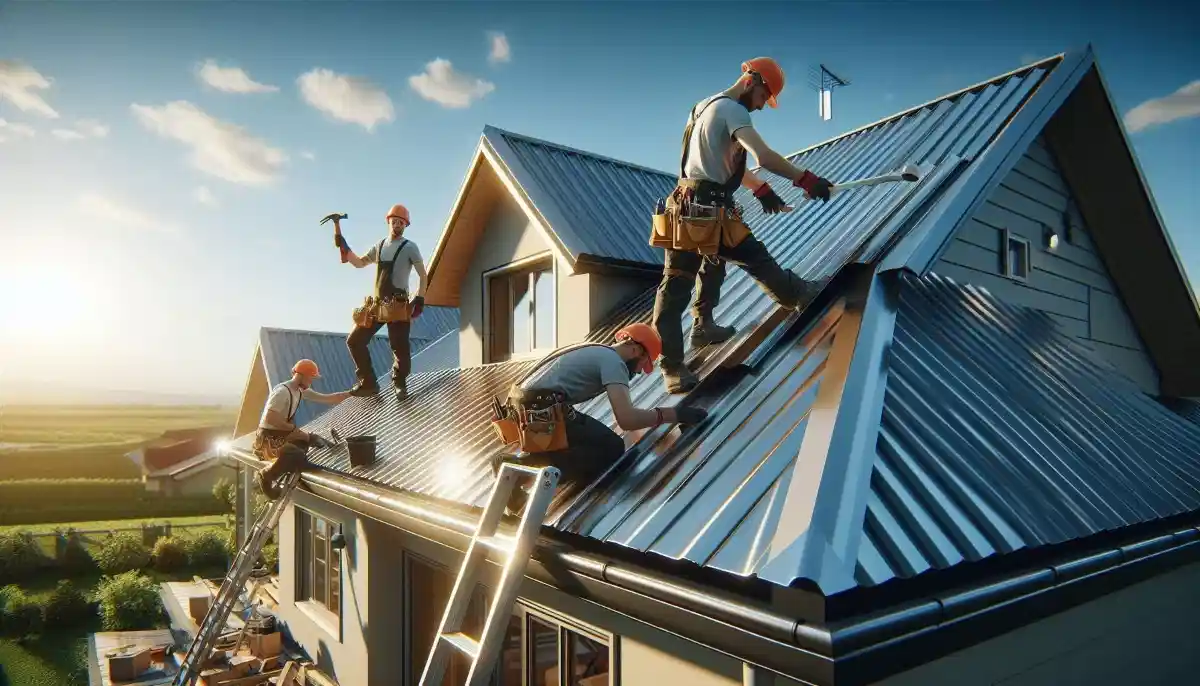
Ready to Transform and Protect Your Roof?
Get free, no-obligation quotes from trusted roof painting specialists in your area. Compare prices, check credentials, and choose the best team for your project.
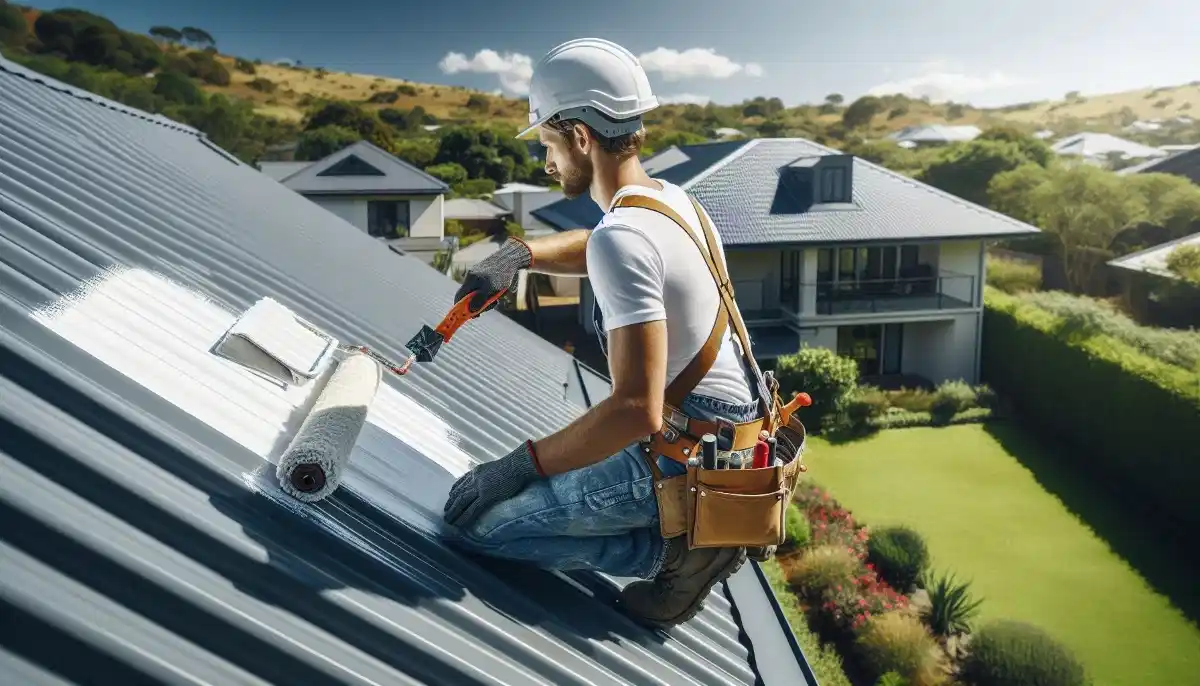
Written by: ServiceLink SA Research Team
This guide was compiled using current market data from South African suppliers like SANEDI, Plascon, Duram, and installation quotes from contractors across Gauteng, the Western Cape, and KZN. Our aim is to provide accurate, unbiased information to help South African homeowners make informed decisions.
External references and industry standards:
- SANEDI – South African National Energy Development Institute: Cool surface guidelines and energy efficiency research.
- Marley Roofing – Tile roof painting guidelines and maintenance recommendations.
- Safintel – Metal roof recoating specifications and product data.
Prices accurate as of February 2026. Always verify current rates with local installers as market conditions may change.