
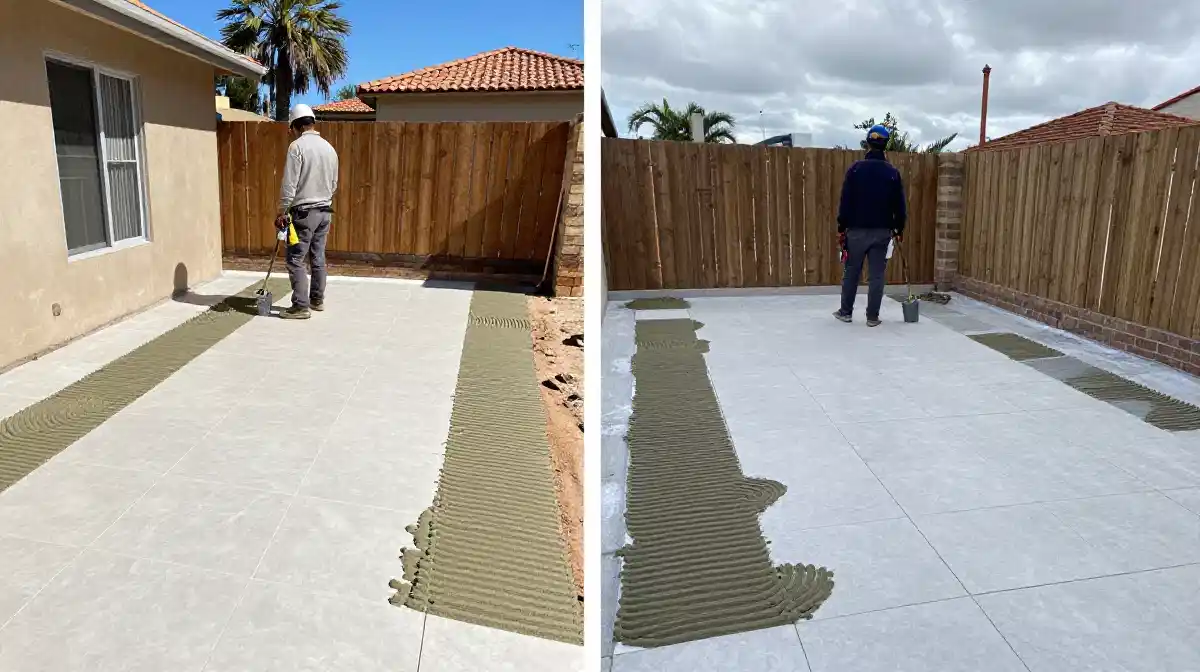
Planning a Tiling Project?
Get free quotes from verified tiling specialists who understand weather considerations and install perfectly in any season.
Servicing Gauteng, Johannesburg, Pretoria, and across South Africa
Seasonal Tiling: Best Time to Tile in South Africa for Perfect Results
📅 From summer heat to winter cold – the complete guide to timing your tile installation for maximum durability
Here’s something most tilers won’t tell you until it’s too late: the season you choose for tiling directly affects how long your installation lasts. I’ve seen beautiful tiles fail within months simply because they were installed during the wrong weather conditions. Adhesive didn’t cure properly. Grout cracked. Tiles popped loose.
After decades of tiling across South Africa – from the humid summers of Gauteng to the wet winters of the Cape – I can tell you with certainty: timing matters. Seasonal tiling best time to tile in sa isn’t just about when it’s convenient. It’s about when conditions are right for adhesive to cure, grout to set, and tiles to bond permanently.
This complete guide to when to tile will walk you through each season’s pros and cons, explain how weather considerations affect different stages of installation, and help you choose the ideal tiling season for your specific project. By the end, you’ll know exactly when to schedule your installation for the best possible results.
For more installation guidance, check out tile adhesives explained, tile installation costs, and why tiles crack after installation. Ready to master what is the best time of year to tile? Let’s dive in.
📋 Table of Contents – Seasonal Tiling Guide
📅 Why Tiling Season Matters for Your Installation
Before we dive into specific seasons, understand why weather considerations are critical for tiling success.
How Weather Affects Tile Installation:
- Adhesive curing: Tile adhesive (thin-set mortar) has specific temperature and humidity requirements for proper curing. Too hot, and it dries too fast, causing poor bonding. Too cold, and it won’t cure at all.
- Grout setting: Grout needs consistent conditions to cure without cracking. Rapid temperature changes during curing cause grout failure.
- Substrate conditions: Concrete, screed, and cement boards expand and contract with temperature. Tiling during extreme conditions can lead to cracking later.
- Waterproofing: Liquid waterproofing membranes require specific temperature ranges to form proper films. Read our building construction guide for more.
- Working conditions: Extreme heat or cold affects tiler productivity and attention to detail.
According to Weather SA climate data and SANS 10400 installation standards, South Africa’s varied climate means the best tiling season depends heavily on your location.
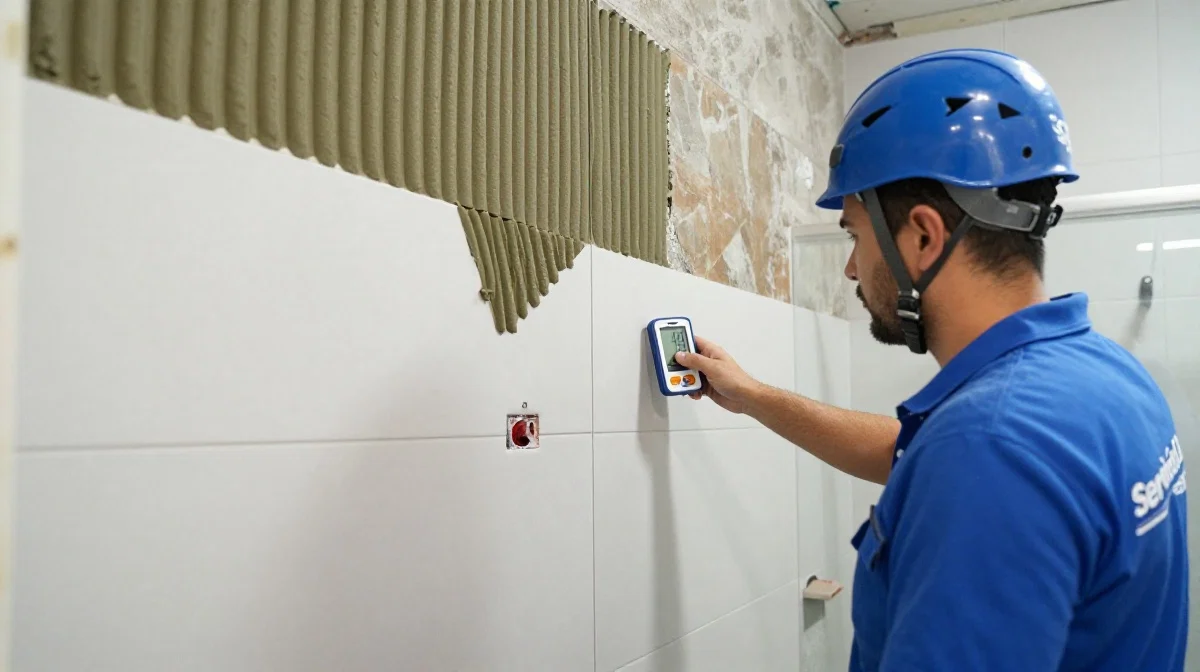
☀️ Summer Tiling: Pros, Cons & Critical Tips (December to February)
Summer is the busiest tiling season in South Africa, but it comes with significant challenges.
Pros of Summer Tiling:
- Longer daylight hours for working
- No rain delays (in most regions)
- Outdoor tiling is comfortable
- Contractors are readily available
- Materials don’t freeze
Cons of Summer Tiling:
- Extreme heat causes adhesive to dry too fast (poor bonding)
- High humidity in coastal areas affects curing
- Concrete substrates expand, affecting crack prevention
- Popular season means higher prices and booked contractors
- Thunderstorms in Gauteng can disrupt outdoor work
⚠️ Critical Summer Tiling Warning
When temperatures exceed 32°C, standard thin-set mortar can skin over in under 10 minutes. This leads to poor bonding, hollow tiles, and eventual cracking. You must use extended-open-time adhesives or tile in early morning/late afternoon only.
Summer Tiling Tips:
- Tile during morning hours (before 11 AM) or late afternoon (after 3 PM)
- Use extended-open-time (slow-drying) adhesives – read tile adhesives guide
- Dampen substrates before applying adhesive to slow drying
- Work in smaller sections (1-2 square meters at a time)
- Keep grout and adhesive out of direct sunlight
- In coastal KZN, watch humidity levels above 75%
Planning a Summer Tiling Project?
Get free quotes from verified tilers who understand weather considerations and use proper summer installation techniques.
❄️ Winter Tiling: Pros, Cons & Critical Tips (June to August)
Winter tiling in South Africa requires special precautions, especially in inland areas where temperatures drop significantly at night.
Pros of Winter Tiling:
- Ideal adhesive curing temperatures (15-25°C in many regions)
- No heat-related drying issues
- Lower contractor demand = better availability and pricing
- Lower humidity helps adhesive and grout cure properly
- Comfortable working conditions
Cons of Winter Tiling:
- Cold temperatures slow adhesive curing (can take 2-3x longer)
- Risk of freezing in inland areas (Highveld, Free State)
- Rain in Western Cape disrupts outdoor tiling
- Shorter daylight hours
- Cold substrates can cause condensation issues
❄️ Critical Winter Tiling Warning
Never tile when temperatures are below 5°C or forecasted to drop below freezing within 72 hours of installation. Adhesive and grout will not cure properly below 5°C, leading to complete bond failure. In Pretoria and Johannesburg, winter nights regularly drop below freezing – plan accordingly.
Winter Tiling Tips:
- Use fast-curing, low-temperature adhesives designed for cold weather
- Heat the room before and during tiling (space heaters)
- Ensure substrate temperature is above 10°C before starting
- Allow extra curing time (48-72 hours before grouting instead of 24)
- Use warm water when mixing adhesive (not hot, just warm)
- In Western Cape, avoid outdoor tiling during rainy weeks
- Read our tile cracking guide for cold-weather issues
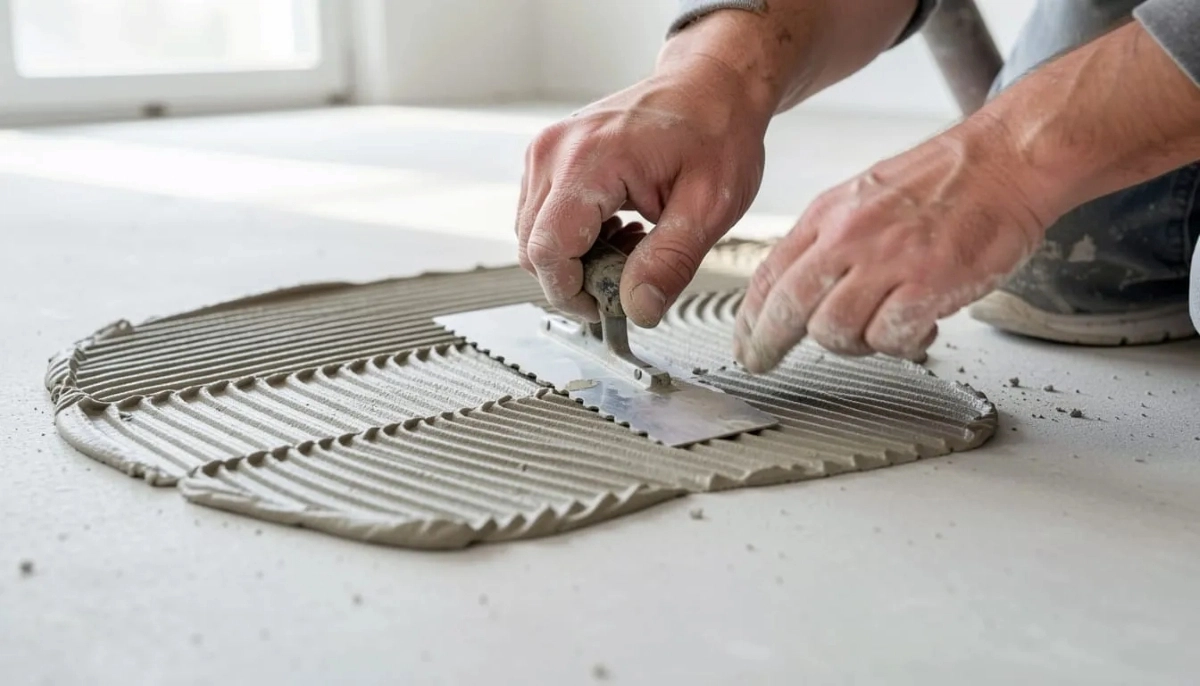
🌸 Spring Tiling: The Sweet Spot (September to November)
For most of South Africa, spring offers the ideal conditions for when to tile. Temperatures are moderate, humidity is low, and there’s minimal rain.
Pros of Spring Tiling:
- Perfect temperatures for adhesive curing (18-25°C)
- Moderate humidity levels
- Minimal rain disruptions (except Western Cape)
- Comfortable working conditions
- Adhesive open times are predictable
- Good contractor availability before summer rush
- Both indoor and outdoor tiling viable
Cons of Spring Tiling:
- Unpredictable temperature swings in early spring
- Windy conditions can affect dust on wet adhesive
- Pollen and dust may settle on wet grout
Spring Tiling Tips:
- Monitor weather forecasts for sudden cold snaps
- Cover outdoor work areas to protect from wind-blown dust
- This is the ideal time for large projects – schedule early
- Check pricing before summer increases
🍂 Autumn Tiling: Another Ideal Window (March to May)
Autumn is the second-best tiling season for most of South Africa, offering similar benefits to spring.
Pros of Autumn Tiling:
- Cooling temperatures after summer heat
- Perfect adhesive curing conditions
- Lower humidity than summer
- Less rain than spring (except Cape)
- Contractors have more availability after summer rush
- Often better pricing as demand drops
Cons of Autumn Tiling:
- Shorter daylight hours than summer
- Early winter cold snaps possible in late autumn
- In Western Cape, autumn can bring early rains
Autumn Tiling Tips:
- Schedule outdoor projects early in autumn before winter rains
- Take advantage of lower contractor rates
- Perfect time for bathroom renovations – read tiling costs
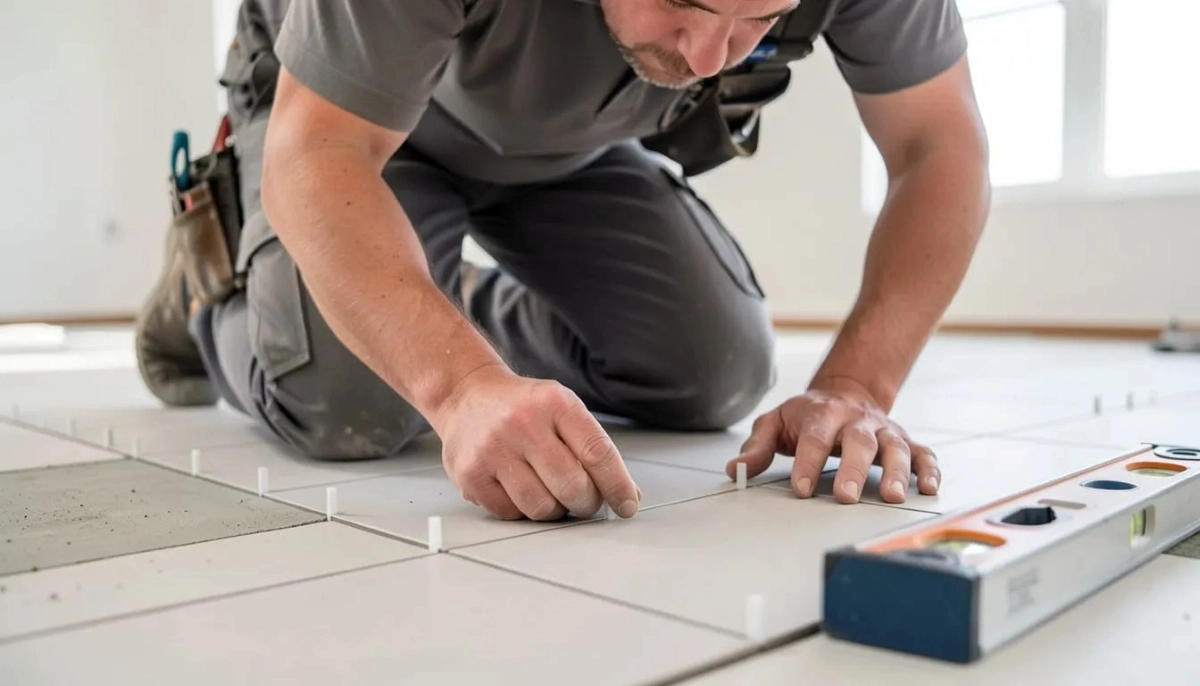
🗺️ Best Tiling Time by South African Province
Seasonal tiling best time to tile in sa varies significantly by region. Here’s your province-by-province guide.
| Province | Best Tiling Season | Second Best | Avoid | Key Consideration |
|---|---|---|---|---|
| Gauteng (Gauteng) | Autumn (Mar-May) | Spring (Sep-Nov) | Mid-winter (Jun-Jul) | Summer thunderstorms & winter frost risk |
| Western Cape | Summer (Dec-Feb) | Autumn (Mar-Apr) | Winter (Jun-Aug) | Winter rain makes outdoor tiling impossible |
| KwaZulu-Natal | Autumn (Mar-May) | Winter (Jun-Aug) | Mid-summer (Dec-Feb) | High humidity & summer rain cause curing issues |
| Eastern Cape | Spring (Sep-Nov) | Autumn (Mar-May) | Mid-winter (Jun-Jul) | Coastal humidity vs inland frost – varies |
| Free State | Spring (Sep-Nov) | Autumn (Mar-May) | Winter (Jun-Aug) | Severe winter frost – never tile in freezing conditions |
| Mpumalanga/Limpopo | Autumn (Mar-May) | Winter (Jun-Aug) | Summer (Dec-Feb) | Extreme summer heat causes adhesive flash-drying |
For tiling services in your area, see Gauteng tiling services, Johannesburg tiling services, and Pretoria tiling services.
🏠 Indoor vs Outdoor Tiling Season Differences
Indoor and outdoor tiling have different weather considerations and ideal seasons.
Indoor Tiling:
- Can be done year-round with climate control
- Winter is fine if room is heated (keep above 10°C)
- Summer is fine with air conditioning or proper ventilation
- No rain concerns for indoor work
- Worst indoor time: extreme humidity (KZN summer) without dehumidifier
Outdoor Tiling:
- Requires dry conditions and moderate temperatures
- Best in spring and autumn for most provinces
- In Western Cape, summer is best (dry season)
- Avoid tiling during rainy seasons
- Avoid tiling when temperatures exceed 32°C or drop below 10°C
- Allow extra curing time after installation before rain exposure
For outdoor projects, see our guide on outdoor patio tiling.
🔬 How Temperature & Humidity Affect Adhesive Curing
Understanding the science behind weather considerations helps you make better timing decisions.
| Condition | Effect on Adhesive | Effect on Grout | Solution |
|---|---|---|---|
| High Heat (>32°C) | Flash drying, poor bond, surface skinning | Cracks from rapid moisture loss | Extended-open-time adhesive, dampen substrate, work in morning |
| Cold (<10°C) | Slow/no curing, weak bond, freeze damage | Will not set properly, crumbles | Fast-curing cold-weather adhesive, heat the space, use warm water |
| High Humidity (>75%) | Extended curing time, weaker final strength | Efflorescence (white powdery stains) | Dehumidifiers, extended curing time before grouting |
| Low Humidity (<30%) | Too fast drying, reduced bond strength | Shrinkage cracks, weak joints | Dampen substrate, cover with plastic sheeting to slow drying |
| Rain/Wet Conditions | Washes away uncured adhesive, dilution | Washes out, complete failure | Never tile outdoors in rain – wait 48 hours after rain for substrate to dry |
Read our full tile adhesives explained guide for product recommendations by season.
🚨 Signs Your Tiling Season Choice Caused Problems
⚠️ Warning: These Signs Indicate Seasonal Installation Failures
If you see these problems, your installation may have been done during the wrong tiling season.
- Hollow-sounding tiles: Adhesive flashed off before tiles were embedded – common in summer heat.
- Cracked grout within months: Rapid temperature changes or freezing during curing – common in winter installations without heating.
- White powdery residue on grout (efflorescence): High humidity during curing – common in KZN summer installations.
- Tiles popping loose: Complete adhesive bond failure – caused by tiling in freezing conditions or on wet substrates.
- Uneven tiles (lippage): Adhesive dried before leveling – common in hot, dry conditions. Read our tile cracking guide.
- Grout discolouration: Inconsistent moisture during curing – common in rapidly changing weather.
📊 Complete Seasonal Tiling Comparison Table
Use this quick-reference table to choose the best tiling season for your project.
| Factor | Summer | Autumn | Winter | Spring |
|---|---|---|---|---|
| Temperature | Hot to very hot | Mild to cool | Cold to freezing (inland) | Mild to warm |
| Adhesive Curing | Too fast – risky | Ideal | Too slow – risky | Ideal |
| Outdoor Tiling | Good (morning only) | Excellent | Poor (except KZN) | Excellent |
| Indoor Tiling | Good with A/C | Excellent | Good with heating | Excellent |
| Contractor Availability | Low (busy) | High | Very high | Medium |
| Pricing | Higher | Lower | Lowest | Medium |
| Overall Rating (Gauteng) | ⭐⭐⭐ | ⭐⭐⭐⭐⭐ | ⭐⭐ | ⭐⭐⭐⭐⭐ |
| Overall Rating (Western Cape) | ⭐⭐⭐⭐⭐ | ⭐⭐⭐⭐ | ⭐ | ⭐⭐⭐ |
| Overall Rating (KZN) | ⭐⭐ | ⭐⭐⭐⭐⭐ | ⭐⭐⭐⭐ | ⭐⭐⭐ |
❓ Frequently Asked Questions About Seasonal Tiling
What is the best time of year to tile in South Africa?
The answer to what is the best time of year to tile depends on your province. For Gauteng, autumn (March-May) and spring (September-November) are ideal. For Western Cape, summer (December-February) is best. For KZN, autumn (March-May) offers the perfect balance of temperature and humidity. Spring and autumn are generally the safest choices nationwide.
Can you tile in winter in South Africa?
Yes, but with precautions. In coastal areas like Cape Town and Durban, winter is fine. In inland areas like Johannesburg and Pretoria, winter night frost makes tiling risky. Use fast-curing cold-weather adhesives, heat the room, and never tile when temperatures drop below 5°C or are forecasted to freeze within 72 hours. Read our adhesives guide for product recommendations.
Is summer a bad time to tile?
Summer can be challenging but not impossible. Extreme heat (above 32°C) causes adhesive to dry too fast, leading to poor bonding. In KZN, summer humidity causes efflorescence (white grout stains). If tiling in summer, work in early morning, use extended-open-time adhesives, and avoid outdoor tiling during afternoon heat. Many professional tilers prefer spring or autumn to avoid summer risks.
How long does tile adhesive take to dry in winter vs summer?
In summer (25-30°C), standard thin-set mortar dries in 24 hours. In winter (10-15°C), drying takes 48-72 hours. Below 10°C, drying may not occur at all. This is critical for weather considerations – rushing grouting before adhesive cures leads to tile movement and cracking. Always follow manufacturer temperature recommendations. See why tiles crack for more.
Can you tile outdoors in winter in Gauteng?
Not recommended. Gauteng winters have night temperatures below freezing, which prevents proper adhesive curing. Even if daytime temperatures reach 15-20°C, night frost during the 48-hour curing period will damage the installation. Wait for spring (September onwards) for outdoor tiling in Gauteng. For roofing or other outdoor work, similar seasonal restrictions apply.
What is the cheapest season for tiling?
Winter is typically the cheapest tiling season for indoor projects. Contractor demand drops significantly, and many offer off-season discounts. For outdoor tiling, autumn offers better pricing than spring. Schedule your project during off-peak seasons (winter for indoor, autumn for outdoor) to save 10-20% on labour costs. Get quotes through our free quote service to compare seasonal pricing.
Does humidity affect tile installation?
Yes, significantly. High humidity (above 75%) slows adhesive curing and causes efflorescence – white powdery stains on grout. Low humidity (below 30%) causes adhesive to dry too fast, leading to poor bonding. KZN’s summer humidity is particularly challenging. Ideal humidity for tiling is 40-60%. Use dehumidifiers in humid areas, or dampen substrates in dry conditions.
Can I tile during rainy season in Cape Town?
Avoid outdoor tiling during Cape Town’s rainy winter (June-August). Wet substrates prevent adhesive bonding, and rain during curing ruins installations. Indoor tiling is fine as long as the room is dry and ventilated. The best time for outdoor tiling in the Western Cape is summer (December-February) when rain is minimal. See our building construction guide for more regional advice.
✅ Final Thoughts: Time Your Tiling for Success
After reading this seasonal tiling best time to tile in sa guide, you now know that timing your installation properly is just as important as choosing the right tiles or adhesive.
The best tiling season for most of South Africa is autumn (March to May) or spring (September to November) – moderate temperatures, predictable humidity, and minimal rain. Summer works with precautions in Gauteng but is challenging in KZN. Winter works indoors with heating but is risky for outdoor projects inland.
Key takeaways for seasonal tiling:
- Autumn and spring are ideal for most South African provinces
- Gauteng: avoid mid-winter frost and summer thunderstorms
- Western Cape: tile outdoors in summer, avoid winter rain
- KZN: avoid high-humidity summer, autumn is perfect
- Never tile when temperatures exceed 32°C or drop below 5°C
- Adjust adhesives and techniques based on weather considerations
- Indoor tiling is more flexible with climate control
- Outdoor tiling requires dry, moderate conditions
- Use ServiceLink SA to find tilers who understand seasonal requirements
Your next step: Ready to schedule your tiling project for the perfect season? Get free quotes from verified tiling specialists near you.
Ready to Schedule Your Tiling Project?
Get free quotes from verified tiling specialists who understand weather considerations and install perfectly in any season.
📞 Call us: 073 138 4726 to discuss your tiling project timing.
📚 Official resources & standards referenced:
- Weather SA – South African Weather Service climate data and seasonal temperature patterns.
- SANS 10400 – South African National Standard for installation standards and temperature requirements.
Information provided for general guidance. Seasonal conditions vary year to year. Always check local weather forecasts before scheduling outdoor tiling projects.
Written by: ServiceLink SA Research Team
Specialist Tiling & Construction Climate Experts
The ServiceLink SA Research Team has extensive experience with tile installation across all of South Africa’s climate zones – from the humid coasts of KZN to the freezing Highveld winters and the rainy Cape. Our team has worked closely with professional tilers, adhesive manufacturers, and building inspectors to develop best practices for seasonal tiling. This guide distills years of climate-specific installation knowledge into practical advice for homeowners and professionals. We’ve seen thousands of installations succeed or fail based on timing – use this guide to ensure yours succeeds.
For more information about tiling installation, explore our related resources: tile adhesives explained, tile installation costs, tiling cost guide, and why tiles crack. Learn about our process on what is ServiceLink SA and how we verify contractors. Find tilers in your area: Gauteng, Johannesburg, and Pretoria. For related services, see our building construction and roofing services guides.