
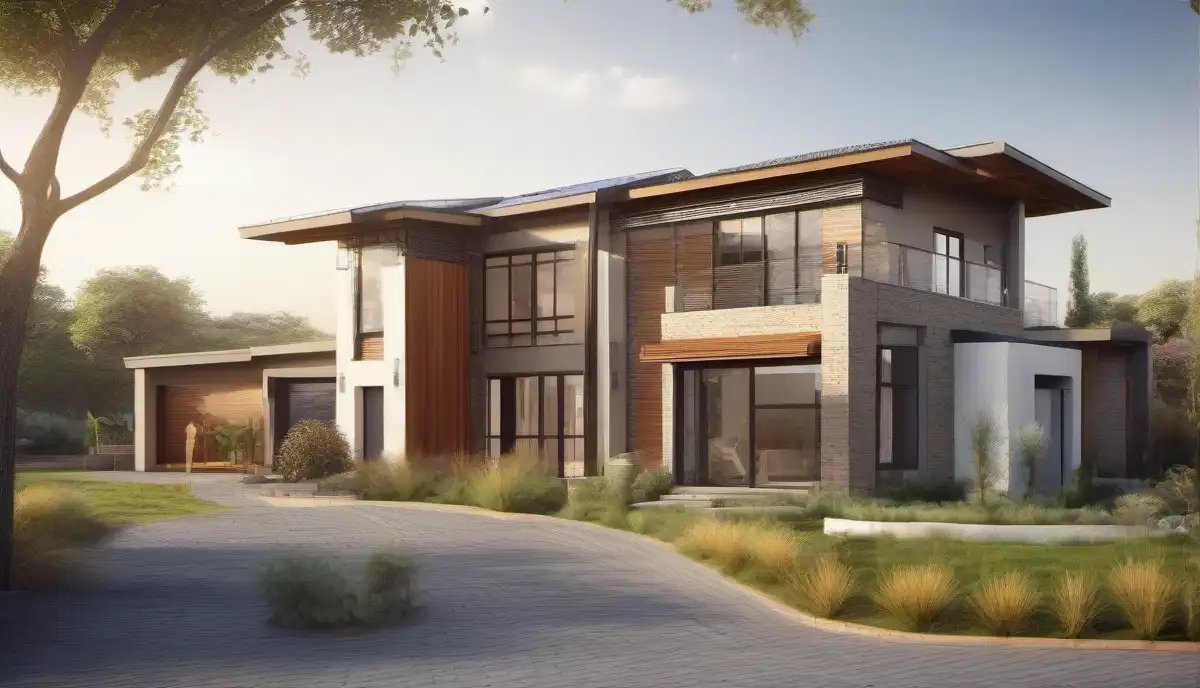
Sustainable Building & Energy Efficient Homes South Africa
🌱 Build Greener with Energy-Efficient Specialists
Connect with builders who understand sustainable construction and green building principles.
With rising electricity costs and environmental concerns, more South Africans are asking:
How do I build a sustainable, energy-efficient home in South Africa?
This comprehensive guide covers everything you need to know about sustainable building and energy-efficient homes in South Africa. Whether you’re building in Johannesburg, renovating in Cape Town, or constructing a eco-home in Durban, these principles will reduce your carbon footprint and save money on utilities.
In this complete guide, you’ll discover:
- Sustainable building energy efficient homes South Africa
- Green building materials SA – what to use
- Energy efficient house design principles
- Net zero carbon home – is it achievable?
- Passive solar design for South African climate
- Eco-friendly construction methods
- Cost of building energy efficient home South Africa
- Sustainable building materials Johannesburg
- Passive house design for SA climate
- Thermal mass, north orientation, and insulation explained
📌 Regulatory Context: All new homes must comply with SANS 10400-XA energy efficiency requirements. Data sourced from Green Building Council SA and Sustainable Energy Society.
📖 Table of Contents: Sustainable Building Guide
🌍 Why Build a Sustainable Home in South Africa?
The case for sustainable building grows stronger each year:
Energy Savings
30-50% reduction in electricity bills
Water Efficiency
40-60% less municipal water usage
Property Value
5-15% premium on resale value
Carbon Footprint
Reduce emissions by 20-40 tons over 10 years
Beyond personal benefits, sustainable homes help South Africa manage its electricity demand and water scarcity. With Eskom challenges and climate change impacts, green building is no longer optional – it’s essential.
📋 SANS 10400-XA: Energy Efficiency Regulations
All new homes in South Africa must comply with SANS 10400-XA, which sets minimum energy efficiency standards:
| Requirement | Minimum Standard | Compliance Method |
|---|---|---|
| Roof insulation | R-Value 3.7 (ceiling) / 2.7 (roof) | Aerolite, isotherm, or similar |
| Wall insulation | R-Value 2.2 (cavity walls) / 1.9 (other) | Cavity fill, insulated plaster |
| Floor insulation | R-Value 1.0 (suspended floors) | Underfloor insulation |
| Window glazing | Maximum 15% of floor area (or better glazing) | Double glazing or reduced area |
| Water heating | 50% from renewable source | Solar geyser or heat pump |
Compliance is verified through building plan approval and final occupancy certificate. Work with NHBRC-registered builders familiar with these requirements.
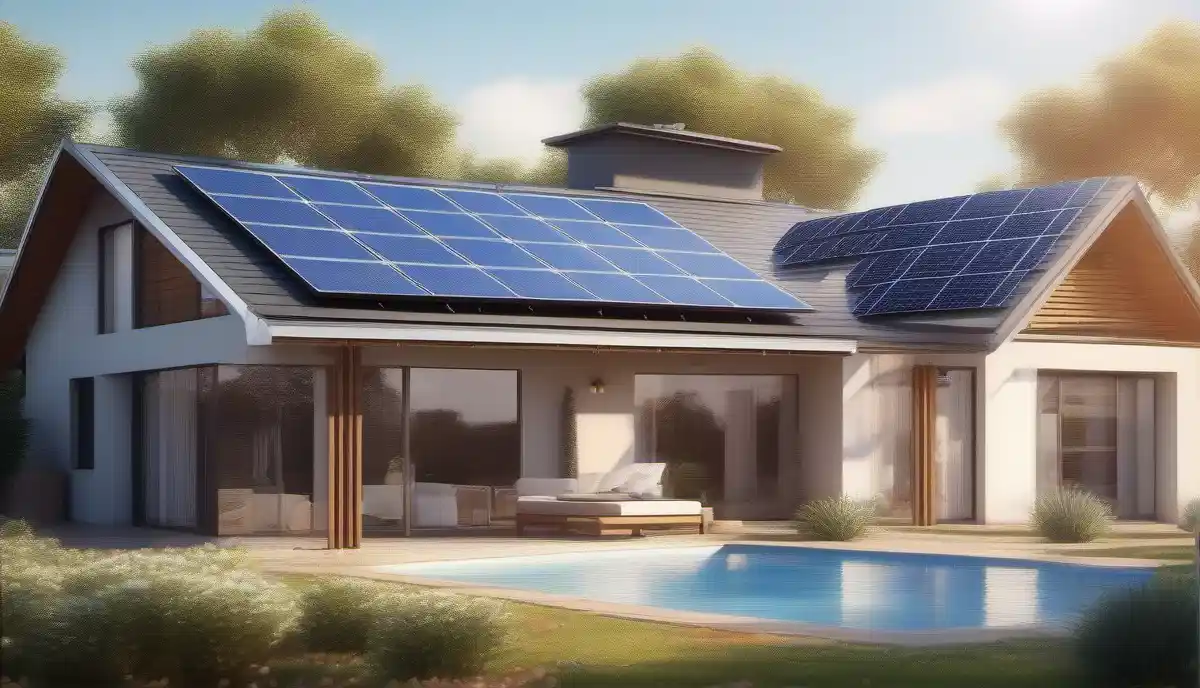
☀️ Passive Solar Design for South African Climate
Passive solar design uses building orientation and materials to heat and cool naturally:
Winter Heating
- North-facing windows capture low winter sun
- Thermal mass (concrete, brick) stores heat
- Insulation retains heat overnight
- Reduced heating costs by 60-80%
Summer Cooling
- Eaves overhang shade north windows
- Cross-ventilation for natural cooling
- Light-coloured roof reflects heat
- Reduced aircon usage by 50-70%
Key principles:
- Orientation: Living areas facing north (in southern hemisphere)
- Glazing placement: More windows north, fewer south, east, west
- Eaves design: Correct depth to shade summer sun, admit winter sun
- Ventilation: High and low openings for stack effect cooling
- Zoning: Buffer spaces (garages, stores) on south and west sides
🧭 North Orientation: The Foundation of Passive Design
In the southern hemisphere, north-facing windows receive the most winter sun:
| Orientation | Winter Sun | Summer Sun | Recommended Use |
|---|---|---|---|
| North | Maximum (low angle) | Easily shaded by eaves | Living areas, main windows |
| South | Very little | Very little | Service areas, minimal windows |
| East | Morning sun | Morning sun (hot) | Bedrooms, kitchens |
| West | Afternoon sun | Hottest afternoon sun | Avoid large windows, shade well |
Optimal design: Long axis east-west, main living areas north, minimal glazing east and west, small south windows.
🧱 Thermal Mass Materials for Temperature Stability
Thermal mass absorbs heat during the day and releases it at night, stabilising indoor temperatures:
| Material | Thermal Mass Capacity | Best Application |
|---|---|---|
| Concrete slab | Excellent | Ground floor, exposed where sun hits |
| Clay brick walls | Excellent | Internal walls, north-facing walls |
| Concrete blocks | Good | Structural walls |
| Stone / slate flooring | Excellent | Sun-drenched areas |
| Tiled floors | Good (over concrete) | Living areas |
Key principle: Thermal mass must be insulated from outside and exposed to winter sun. Avoid carpets over thermal mass floors in sunlit areas.
🏠 Insulation Types & Installation Costs
Proper insulation is the most cost-effective energy efficiency measure:
| Insulation Type | R-Value per 100mm | Cost Per m² (Installed) | Best For |
|---|---|---|---|
| Fiberglass / Aerolite | 2.5 – 3.0 | R90 – R140 | Ceilings, roofs |
| Isotherm (polyester) | 2.8 – 3.5 | R120 – R180 | Ceilings, walls (itch-free) |
| EPS (expanded polystyrene) | 2.5 – 3.0 | R150 – R220 | Underfloor, cavity walls |
| XPS (extruded polystyrene) | 3.5 – 4.0 | R250 – R350 | High-moisture areas, under slab |
| Polyurethane foam | 4.5 – 5.5 | R300 – R450 | Cavity walls, roofs (highest performance) |
| Radiant barrier foil | (reflective) | R60 – R100 | Roofs (works with bulk insulation) |
Typical insulation cost for 200m² house: R25,000 – R50,000 depending on type and areas insulated.
🪟 Energy Efficient Windows & Glazing Options
Windows are the weakest thermal link in most homes. Options to improve performance:
| Glazing Type | U-Value (W/m²K) | Cost Premium | Benefits |
|---|---|---|---|
| Single glazing (standard) | 5.7 | Baseline | Cheapest, poor insulation |
| Double glazing (air-filled) | 2.7 – 3.3 | +30-50% | Good insulation, noise reduction |
| Double glazing (argon-filled) | 2.2 – 2.7 | +40-60% | Better performance |
| Low-E coated glass | 1.8 – 2.2 | +50-80% | Reflects heat, best performance |
| Thermal break frames | (improves overall) | +15-25% | Reduces frame conduction |
Read our detailed thermal break aluminium frame guide for window specifications.
☀️ Solar Power Systems for Homes
Solar PV has become essential for energy independence and load shedding protection:
| System Type | Typical Size | Cost Range (Installed) | Suitable For |
|---|---|---|---|
| Grid-tied (no battery) | 3kW – 5kW | R45,000 – R80,000 | Daytime savings, no backup |
| Hybrid (with battery backup) | 3kW – 8kW | R90,000 – R180,000 | Load shedding protection |
| Off-grid system | 5kW – 10kW | R180,000 – R350,000+ | Complete independence |
| Solar geyser | 150L – 300L | R15,000 – R30,000 | Water heating only |
Payback period: 4-8 years for grid-tied, 6-10 years for battery systems. SANS 10400-XA requires 50% of water heating from renewable sources – solar geyser or heat pump.
🔥 Heat Pumps vs Solar Geysers
Heat pumps are an energy-efficient alternative to traditional geysers:
| Water Heating Type | Efficiency | Installed Cost | Running Cost |
|---|---|---|---|
| Standard electric geyser | 100% (baseline) | R5,000 – R8,000 | R800 – R1,200/month |
| Solar geyser (thermosiphon) | 60-80% solar contribution | R15,000 – R25,000 | R200 – R400/month |
| Solar geyser (pumped) | 70-90% solar contribution | R20,000 – R30,000 | R150 – R300/month |
| Heat pump | 300-400% efficient | R18,000 – R28,000 | R250 – R400/month |
Heat pumps work well in all weather, while solar geysers need backup for cloudy days. Both qualify for SANS 10400-XA compliance.
💧 Rainwater Harvesting Systems
With water scarcity in many regions, rainwater harvesting is increasingly valuable:
| System Type | Tank Size | Cost Range (Installed) | Use |
|---|---|---|---|
| Basic rainwater tank | 2,500L – 5,000L | R6,000 – R12,000 | Garden watering |
| Integrated system (pump) | 5,000L – 10,000L | R15,000 – R25,000 | Toilet flushing, laundry |
| Full household system | 10,000L+ | R30,000 – R60,000 | Potable with filtration |
A 200m² roof can collect 150,000+ litres annually in good rainfall areas – significant water savings.
🚿 Greywater Recycling Systems
Greywater (from baths, showers, washing machines) can be reused for irrigation:
- Simple diversion system: R5,000 – R10,000 – basic, manual operation
- Filtered system with pump: R15,000 – R30,000 – automatic, better quality
- Treatment system: R40,000 – R80,000 – for toilet flushing (higher quality)
Water savings: 30-50% reduction in municipal water usage.
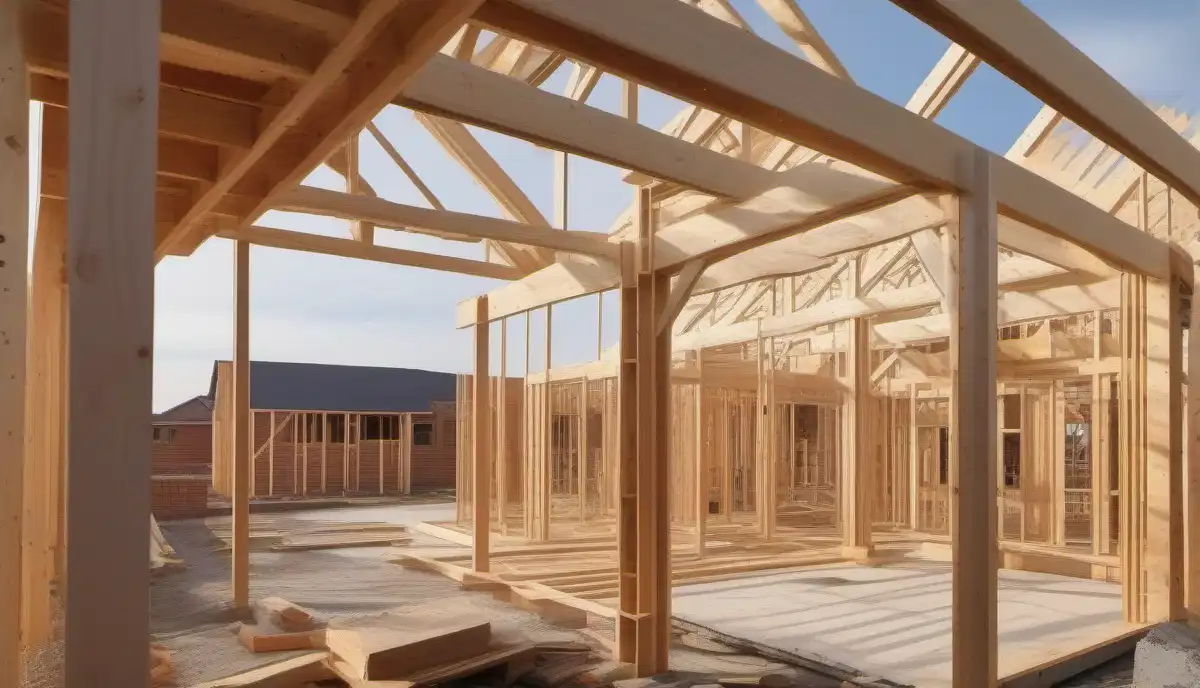
🌱 Green Building Materials South Africa
Sustainable material choices reduce environmental impact:
Low-Carbon Materials
- Timber frame: Renewable, stores carbon
- Adobe / rammed earth: Local, low embodied energy
- Stabilised earth blocks: Less cement than concrete blocks
- Thatch: Natural, renewable (with fire treatment)
Recycled Content
- Recycled steel: For roofing, reinforcement
- Crushed glass aggregate: In concrete, drainage
- Recycled plastic lumber: For decking, fences
- Fly-ash bricks: Use waste from power stations
🧱 Sustainable Brick Options
Brick choice affects both embodied energy and thermal performance:
| Brick Type | Embodied Energy | Thermal Performance | Sustainability Rating |
|---|---|---|---|
| Clay bricks (fired) | High (kiln firing) | Excellent | Moderate (durable, recyclable) |
| Cement bricks | High (cement production) | Good | Moderate (cement high CO₂) |
| Fly-ash bricks | Lower (waste utilisation) | Good | Good (reduces waste) |
| Compressed earth blocks | Very low (no firing) | Excellent | Excellent (local, natural) |
Read our brick types guide for detailed comparisons.
💰 Cost of Building an Energy Efficient Home
Green building typically costs 5-15% more upfront, but pays back over time:
| Feature | Additional Cost | Annual Savings | Payback Period |
|---|---|---|---|
| Ceiling insulation (R100/m²) | R15,000 – R25,000 | R2,500 – R4,000 | 4-7 years |
| Double glazing | R40,000 – R80,000 | R3,000 – R6,000 | 8-15 years |
| Solar PV (5kW hybrid) | R120,000 – R180,000 | R15,000 – R25,000 | 6-10 years |
| Solar geyser | R15,000 – R25,000 | R3,000 – R5,000 | 4-7 years |
| Rainwater harvesting | R15,000 – R30,000 | R2,000 – R4,000 | 5-10 years |
Total green premium (200m² house): R150,000 – R400,000 (8-15% of build cost).
📈 Return on Investment for Green Homes
- Energy savings: R15,000 – R30,000 per year
- Water savings: R3,000 – R8,000 per year
- Increased property value: 5-15% premium on resale
- Load shedding protection: Avoided costs of lost food, work disruption
- Health benefits: Better indoor air quality, temperature stability
Total annual benefit: R20,000 – R40,000+ • Payback period: 5-12 years depending on features
🏆 Green Building Certification in South Africa
For those seeking formal recognition:
- EDGE (Excellence in Design for Greater Efficiencies): International certification, affordable, focuses on energy, water, materials
- Green Star SA (GBCSA): Comprehensive certification, higher cost, for premium projects
- Net Zero Carbon certification: For homes that generate as much energy as they use
- Passive House certification: Ultra-low energy buildings, rigorous standards
Visit Green Building Council SA for more information.
❌ 10 Common Sustainable Design Mistakes
- Poor orientation: Building without considering sun path
- Insufficient insulation: Skimping on thickness to save costs
- Thermal mass not exposed: Carpet over sun-warmed concrete floors
- Wrong eaves depth: Too shallow shades winter sun, too deep admits summer sun
- Ignoring shading for west windows: Causes overheating in summer
- Cheap windows: Single glazing negates other efficiency measures
- No cross-ventilation: Reliance on air conditioning
- Air leaks: Poor sealing around windows, doors
- Oversized windows on wrong sides: Heat loss south, heat gain west
- Not integrating systems early: Solar, rainwater added later at higher cost
❓ Frequently Asked Questions
How much more does it cost to build an energy efficient home?
Typically 5-15% more upfront than a standard home. For a R2.6M house, that’s R130,000 – R390,000 extra. However, energy and water savings of R20,000-R40,000 per year mean payback within 5-12 years, plus increased property value.
What is SANS 10400-XA and do I need to comply?
SANS 10400-XA is the South African energy efficiency regulation for all new buildings. It requires minimum insulation, glazing limits, and 50% renewable water heating. Compliance is mandatory for building plan approval and occupancy certificates.
What is passive solar design?
Passive solar design uses building orientation, window placement, thermal mass, and insulation to heat and cool naturally without mechanical systems. Key elements: north-facing living areas, correct eaves, exposed thermal mass, and cross-ventilation.
What insulation is best for South African homes?
For ceilings: Isotherm or Aerolite (R120-180/m²). For walls: cavity fill or insulated plaster. Underfloor: EPS or XPS. Radiant barriers work well with bulk insulation in roofs. Choose R-values meeting SANS 10400-XA: ceiling R-3.7, walls R-2.2.
Is double glazing worth the cost in South Africa?
Yes, particularly in colder regions (Gauteng, Free State, interior) and for noise reduction. Double glazing costs 30-50% more but reduces heat loss by 50% and can save R3,000-R6,000 annually on heating/cooling. Payback 8-15 years.
What size solar system do I need for my home?
Average home uses 800-1,200 kWh/month. A 5kW hybrid system with battery covers most daytime usage and provides backup. Cost R120,000-180,000. For full off-grid, 8-10kW with larger battery bank: R250,000-350,000.
What is thermal mass and why is it important?
Thermal mass materials (concrete, brick, stone) absorb heat during the day and release it at night, stabilising indoor temperatures. In passive solar homes, thermal mass floors and walls exposed to winter sun reduce heating needs by 30-50%.
Can I get a green building certification for my home?
Yes, through EDGE (affordable, R15k-25k) or Green Star SA (comprehensive, higher cost). EDGE is popular for residential, requiring 20% savings in energy, water, and embodied energy. Visit GBCSA for details.
What are the best sustainable building materials?
Timber frame (renewable), compressed earth blocks (low embodied energy), fly-ash bricks (waste utilisation), recycled steel, and locally sourced stone. Choose materials with low transport distance and high durability.
How do I find builders experienced in green building?
Use ServiceLink SA to connect with builders familiar with sustainable construction. Ask for examples of energy-efficient homes, verify SANS 10400-XA compliance knowledge, and check references from previous green projects.
✅ Action Plan: Building Your Sustainable Home
- Engage green architect: Find professionals experienced in passive design
- Site analysis: Assess sun path, prevailing winds, shading
- Optimise orientation: Position living areas north, minimise east/west glazing
- Design for climate: Eaves, thermal mass, insulation specified correctly
- Select efficient systems: Solar PV, heat pump or solar geyser, rainwater harvesting
- Choose green materials: Low embodied energy, local, sustainable sources
- Budget for premium: Include 10-15% extra for green features
- Verify compliance: Ensure SANS 10400-XA requirements met
- Consider certification: EDGE certification adds credibility and value
- Monitor performance: Track energy and water usage after occupation
Ready to Build a Greener Home?
Connect with builders and architects who specialise in sustainable construction.
Official sustainable building resources:
- Department of Energy – SANS 10400-XA – Energy efficiency regulations
- Green Building Council South Africa – Certification and resources
- Sustainable Energy Society – Technical guides and events
Information accurate as of publication date. Always verify current regulations with authorities.
Written by: Innocent T Hanyani
21+ years construction and digital industry experience, ServiceLink SA
Innocent has designed and overseen numerous sustainable building projects across South Africa, incorporating passive solar principles, renewable energy systems, and green materials. His expertise in energy-efficient construction helps homeowners reduce utility costs and environmental impact.