

Tile Maintenance Tips
🧹 How to clean ceramic, porcelain, and natural stone tiles – plus grout care, stain removal, and coastal maintenance tips.
You’ve invested in beautiful tiles for your home – now how do you keep them looking that way? Different tiles need different care, and using the wrong cleaner can do more harm than good. Whether you have ceramic floors in your Johannesburg home, porcelain tiles in your Durban bathroom, or natural stone in your Cape Town kitchen, this comprehensive guide covers everything you need to know about tile maintenance. We’ll cover daily cleaning, stain removal, grout care, sealing requirements, and special considerations for coastal and Highveld homes. With advice from TAL, Daltile, and industry experts, you’ll learn how to protect your investment and keep your tiles looking pristine.
🧽 Need Professional Tile Cleaning or Grout Restoration?
Some maintenance tasks need professional help. Get free quotes from experienced tilers and cleaning specialists in your area.
Find Cleaning Specialists Near You
Servicing Johannesburg, Pretoria, Cape Town, Durban, and all major areas
📖 Table of Contents – Tile Maintenance Guide
🧽 Daily & Weekly Tile Care – Best Practices
Regardless of tile type, some maintenance practices apply universally.
Daily/Regular Care
- Sweep or vacuum daily: Dirt and grit act like sandpaper, scratching tile surfaces over time. Use a soft broom or vacuum with a hard floor attachment.
- Wipe spills immediately: Especially important for natural stone and unglazed tiles that can absorb liquids.
- Use doormats: Place mats at entrances to trap dirt before it reaches your tiles.
- Felt pads: Under furniture legs to prevent scratching when moving chairs.
Weekly Cleaning
- Damp mop with pH-neutral cleaner: Avoid vinegar, bleach, or ammonia – these can damage grout and some tile finishes.
- Change mop water frequently: Dirty water redeposits grime.
- Dry with microfiber cloth: Prevents water spots, especially on dark or glossy tiles.
As Cleanipedia advises, always check the manufacturer’s cleaning recommendations for your specific tiles.
🏺 Ceramic Tile Maintenance
Ceramic tiles are the most common and generally the easiest to maintain.
| Task | Frequency | Method |
|---|---|---|
| Daily sweeping | Daily | Soft broom, microfibre mop, or vacuum with hard floor attachment |
| Damp mopping | Weekly | pH neutral cleaner; avoid vinegar/bleach which can damage grout |
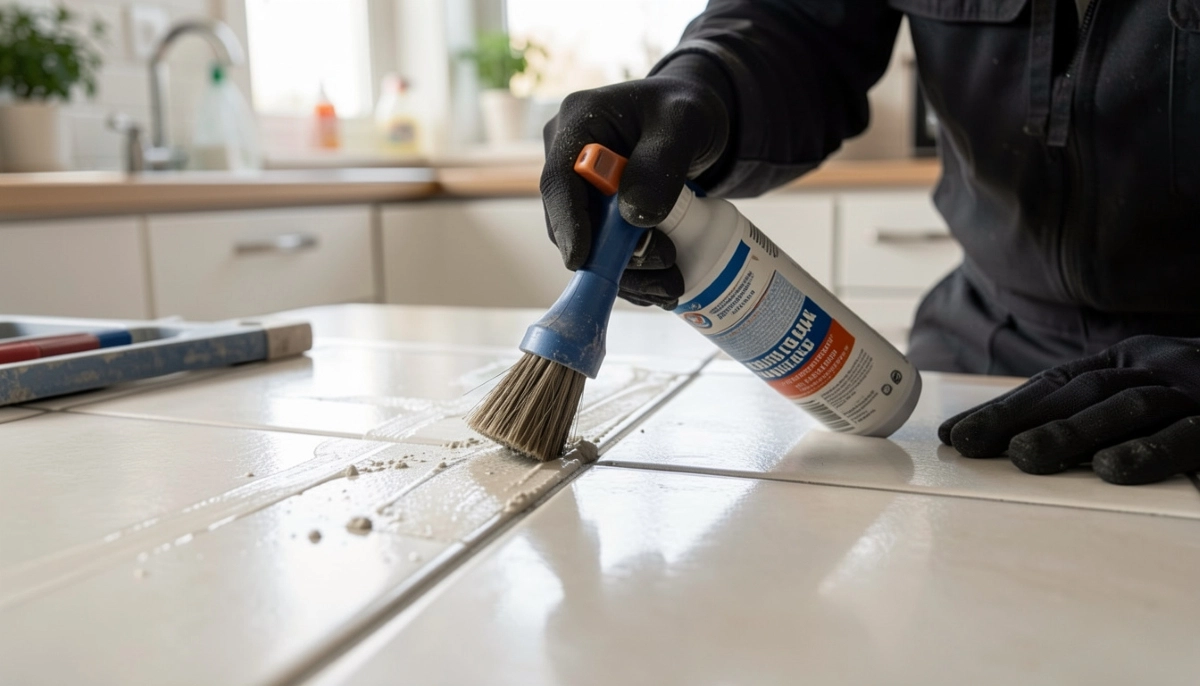
| Grout cleaning | Monthly | Soft brush with mild detergent or specialized grout cleaner |
| Deep cleaning | Annually | Steam cleaning or professional grout cleaning service |
| Re-grouting | 5-10 years | As needed when grout deteriorates |
| Sealing | Not required (glazed) | Glazed ceramic surface is impervious; unglazed may need sealing |
Important Notes for Ceramic Tiles
- Glazed ceramic: The glossy surface is impervious to water and stains – easy cleaning.
- Unglazed ceramic: More porous, may require sealing. Common in rustic or terracotta-look tiles.
- Avoid abrasive cleaners: Can scratch the glaze over time.
🪨 Porcelain Tile Maintenance
Porcelain tiles are denser and harder than ceramic, but they still need proper care.
| Task | Frequency | Method |
|---|---|---|
| Daily sweeping | Daily | Soft broom, microfibre mop |
| Damp mopping | Weekly | pH neutral cleaner; avoid oil-based cleaners that leave residue |
| Stain removal | As needed | Soft scrub for unglazed; mild cleaner for glazed |
| Sealing | Not required (most) | Glazed porcelain impervious; through-body/unpolished may benefit from sealing |
Chip Wade from Daltile notes: “Not every tile needs sealing, but some absolutely do. Skip it, and you could end up with stained grout or stone that never looks quite clean. Using harsh cleaners on the wrong surface can also damage finishes over time. That’s why I often lean toward porcelain—it handles almost anything.”
Polished Porcelain Special Care
- Polished porcelain can show water spots – dry with microfiber cloth after mopping.
- Avoid acidic cleaners that can etch the polished surface.
- Use mats in high-traffic areas to prevent microscratches that dull the polish.
💎 Natural Stone Tile Maintenance
Natural stone (marble, travertine, slate, granite, limestone) requires the most care.
| Task | Frequency | Method |
|---|---|---|
| Daily dusting | Daily | Soft, dry mop or microfiber cloth – grit scratches stone |
| Damp mopping | Weekly | Stone-specific pH neutral cleaner – never vinegar or acidic cleaners |
| Sealing | Annually or per manufacturer | Penetrating sealer to prevent stains and moisture absorption |
| Stain removal | Immediate | Poultice for oil/organic stains; professional help for stubborn stains |
| Polishing | As needed | Professional restoration for polished stone |
Critical: “Natural stone tiles require regular sealing to prevent stains or moisture damage.” – IntelliBUILD. Never use vinegar, lemon juice, or acidic cleaners on natural stone – they etch the surface permanently.
Stone-Specific Tips
- Marble: Soft, acidic-sensitive – needs sealing and gentle care
- Travertine: Porous with natural holes – may need filling, regular sealing
- Slate: Durable but can flake – avoid harsh scrubbers
- Granite: Hardest, but still needs sealing to prevent oil stains
🪨 Need Help with Natural Stone Maintenance?
Natural stone requires specialised care. Get quotes from professionals who understand stone sealing, cleaning, and restoration.
🧪 Grout Cleaning & Maintenance
Grout is often the first part of a tiled surface to look dirty. Proper grout maintenance keeps your tiles looking fresh.
TAL – Grout Maintenance Guidelines
TAL’s technical advisory emphasises: “Particular care must be taken to clean the grout off the tile face before it hardens completely. This is especially important when an additive such as TAL Bond or TAL Bond Powder has been used. A tile sample should be tested beforehand to ensure that no grout is absorbed through the glaze or into the tile body, thereby staining the tiles permanently.”
Regular Grout Cleaning
- Monthly: Scrub grout lines with soft brush and mild detergent.
- Baking soda paste: For tougher stains, make a paste with water, apply, scrub, rinse.
- Hydrogen peroxide: For whitening grout (test in inconspicuous area first).
- Steam cleaners: Effective for deep grout cleaning without chemicals.
Grout Sealing
- Seal grout after installation: Cementitious grout is porous and needs sealing.
- Re-seal every 1-2 years: In wet areas like bathrooms, more frequent sealing may be needed.
- Epoxy grout: Doesn’t need sealing – consider for kitchens and bathrooms.
For professional grout sealing and cleaning services, experienced contractors can restore discoloured grout.
🧴 Stain Removal Guide by Stain Type
| Stain Type | Ceramic/Porcelain | Natural Stone |
|---|---|---|
| Food/drink spills | Wipe immediately; mild detergent if dried | Blot (don’t wipe), stone cleaner, may need poultice |
| Oil/grease | Degreasing cleaner; rinse well | Poultice with acetone or stone-specific oil remover |
| Rust | Commercial rust remover (test first) | Professional help – rust removers can damage stone |
| Mould/mildew | Hydrogen peroxide, vinegar (diluted), or mould cleaner | Hydrogen peroxide; avoid vinegar on stone |
| Hard water marks | White vinegar solution (on ceramic only) | Stone-specific hard water remover; professional help |
| Ink/dye | Rubbing alcohol; blot, don’t rub | Poultice; may need professional restoration |
Poultice Method for Natural Stone
- Mix absorbent material (baking soda, diatomaceous earth) with liquid cleaner (acetone, hydrogen peroxide).
- Apply paste to stain, cover with plastic, tape edges.
- Leave 24-48 hours.
- Rinse and repeat if needed.
🛡️ Sealing – When and Why
Which Tiles Need Sealing?
- Glazed ceramic/porcelain: No – the glaze is impervious.
- Unglazed ceramic/porcelain: Yes – they’re porous and can stain.
- Natural stone: Yes – all natural stone benefits from sealing.
- Grout: Yes – always seal cementitious grout.
Sealing Frequency
- Natural stone floors: Annually
- Natural stone walls/backsplashes: Every 2-3 years
- Grout: Every 1-2 years, more in wet areas
- Unglazed tiles: Every 2-3 years depending on traffic
How to Test if Sealing is Needed
Sprinkle water on the tile/grout. If it beads up, sealer is still working. If it absorbs quickly, time to reseal.
🌊 Coastal Tile Maintenance – Cape Town & Durban
Living near the ocean presents unique challenges for tile maintenance. High humidity, salt air, and mould require special attention.
| Challenge | Solution |
|---|---|
| Mould on grout | Improve ventilation; use anti-mould grout; clean with hydrogen peroxide; consider professional grout cleaning |
| Salt residue | Fresh water rinse after humid days; pH neutral cleaner; avoid salt buildup |
| Efflorescence | Identify moisture source; dry brush white deposits; seal after drying |
| Humidity | Use dehumidifiers in bathrooms; ensure extractor fans vent outside; matt finish tiles hide watermarks |
Tiletoria’s coastal guide recommends: “In coastal areas, porcelain tiles with low water absorption are preferred. Regular rinsing with fresh water removes salt deposits that can etch some surfaces.”
For Homes in Umhlanga, Ballito, and Durban
If you’re in Durban or Ballito, consider professional grout sealing services to protect against humidity and mould.
For Homes in Cape Town, Constantia, and Stellenbosch
Cape Town homeowners should pay special attention to bathroom ventilation and consider matt finish tiles that hide watermarks from the region’s humid winters.
☀️ Highveld Maintenance – Gauteng
Gauteng’s climate (dry winters, summer storms, dust) creates different maintenance needs.
Dust Control
- Sweep or vacuum daily – dust is abrasive and can scratch tiles over time.
- Use doormats at all entrances – they trap dust before it reaches tiled areas.
- Consider microfibre mops that trap dust rather than pushing it around.
Temperature Fluctuations
- Thermal expansion can affect tiles – ensure movement joints were installed correctly.
- If you have underfloor heating, avoid rapid temperature changes.
For homes in Johannesburg, Pretoria, or Randburg, regular dust removal is the most important maintenance task.
🍳 Kitchen Tile Maintenance
Kitchens face grease, food spills, and heavy traffic. Here’s how to keep them clean.
Kitchen Floor Tiles
- Sweep daily – food particles attract pests.
- Damp mop with degreasing cleaner weekly.
- Pay special attention to grout – it can trap grease and become discoloured.
Kitchen Splashbacks
- Wipe after cooking to prevent grease buildup.
- Use glass cleaner on glossy tiles for streak-free shine.
- Avoid abrasive cleaners that can scratch.
CTM’s maintenance advice notes: “Glossy finishes tend to accentuate watermarks and smudges, leading to the need for more frequent cleaning. Instead, opt for matt finish tiles to help keep tiles free from watermarks, making them particularly suitable for areas like the sink and behind the cooker.”
🚽 Bathroom Tile Maintenance
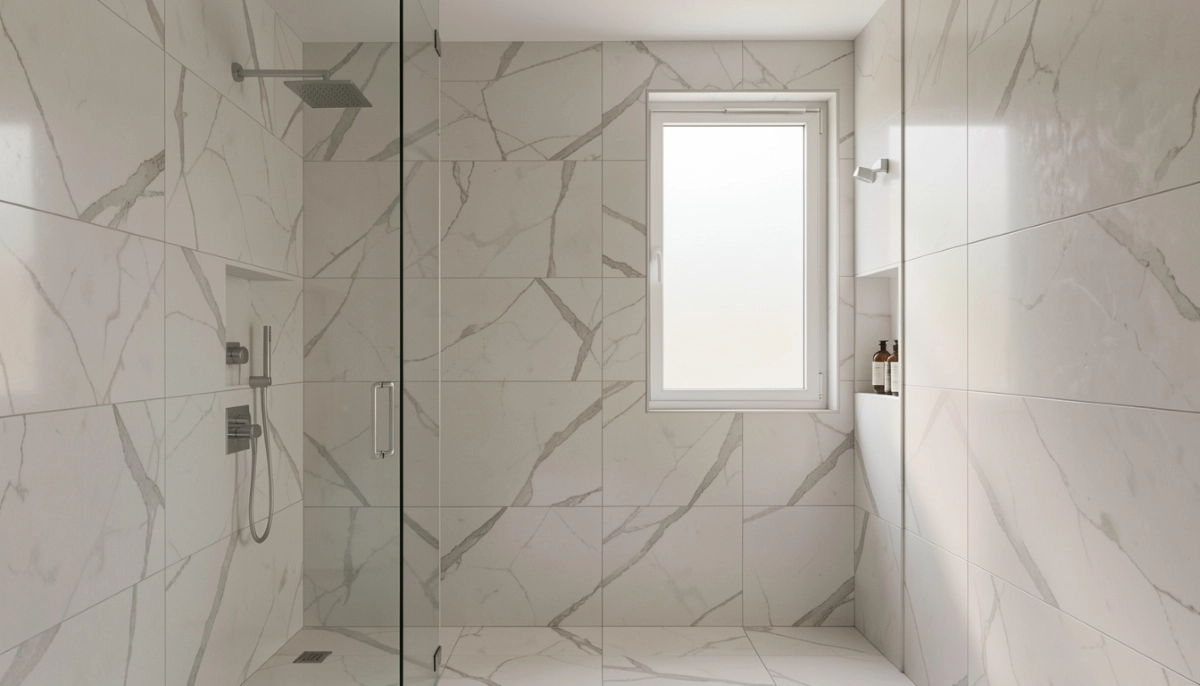
Bathrooms are the most challenging environment for tiles – constant moisture, soap scum, and humidity.
Daily/Weekly Care
- Use a squeegee on shower walls after each use – prevents soap scum and hard water marks.
- Ventilate – run extractor fan during and after showers for at least 20 minutes.
- Clean with pH neutral cleaner weekly – avoid harsh chemicals that can damage grout.
Removing Soap Scum
- For ceramic/porcelain: Mixture of white vinegar and water (test first).
- For natural stone: Use stone-specific cleaner – vinegar will etch.
- For stubborn buildup: Baking soda paste, gentle scrub.
Mould Prevention
- Keep grout sealed – reseal annually in bathrooms.
- Use anti-mould grout additives when re-grouting.
- Clean with hydrogen peroxide to kill mould without harsh chemicals.
For bathrooms in Cape Town or Durban, mould prevention is especially important due to higher humidity.
🔄 Re-grouting & Grout Repair
Even with the best care, grout eventually deteriorates. Re-grouting can transform the look of tiled areas.
When to Re-grout
- Grout is cracked, crumbling, or missing in places.
- Stubborn stains that won’t clean.
- Mould inside grout that returns after cleaning.
- Grout has shrunk, leaving gaps.
Re-grouting Process
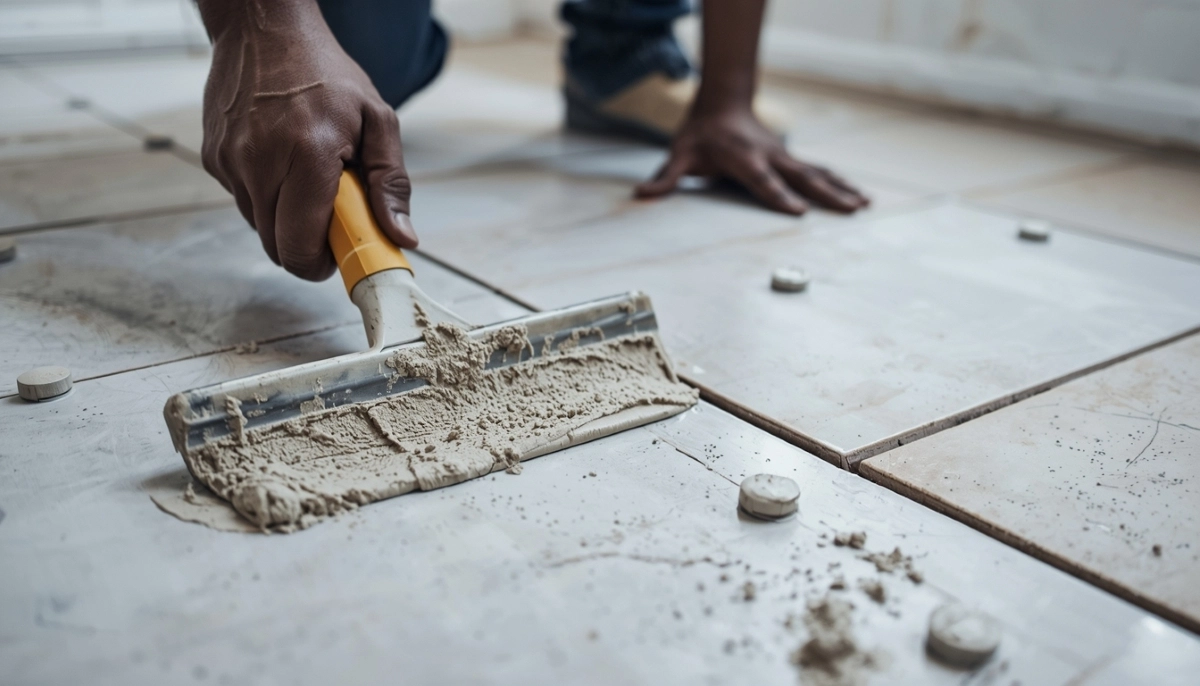
- Remove old grout to appropriate depth using grout saw or multitool.
- Clean joints thoroughly – vacuum out all debris.
- Apply new grout, pressing firmly into joints.
- Clean excess grout from tile faces before it hardens.
- Allow to cure, then seal if using cementitious grout.
Re-grouting Cost
“To refresh the appearance or address worn grout, re-grouting for an average-sized room typically costs between R800 and R2,500.” – Industry data
For professional grout restoration, experienced tilers can match existing grout colours and ensure proper application.
📞 When to Call a Professional
While regular maintenance is DIY-friendly, some situations require professional help:
- Deep grout cleaning: Professional steam cleaning can restore badly stained grout.
- Re-grouting large areas: Especially bathrooms or kitchens where waterproofing is critical.
- Natural stone restoration: Polishing, honing, or stain removal for stone tiles.
- Sealing: Professional application ensures even coverage.
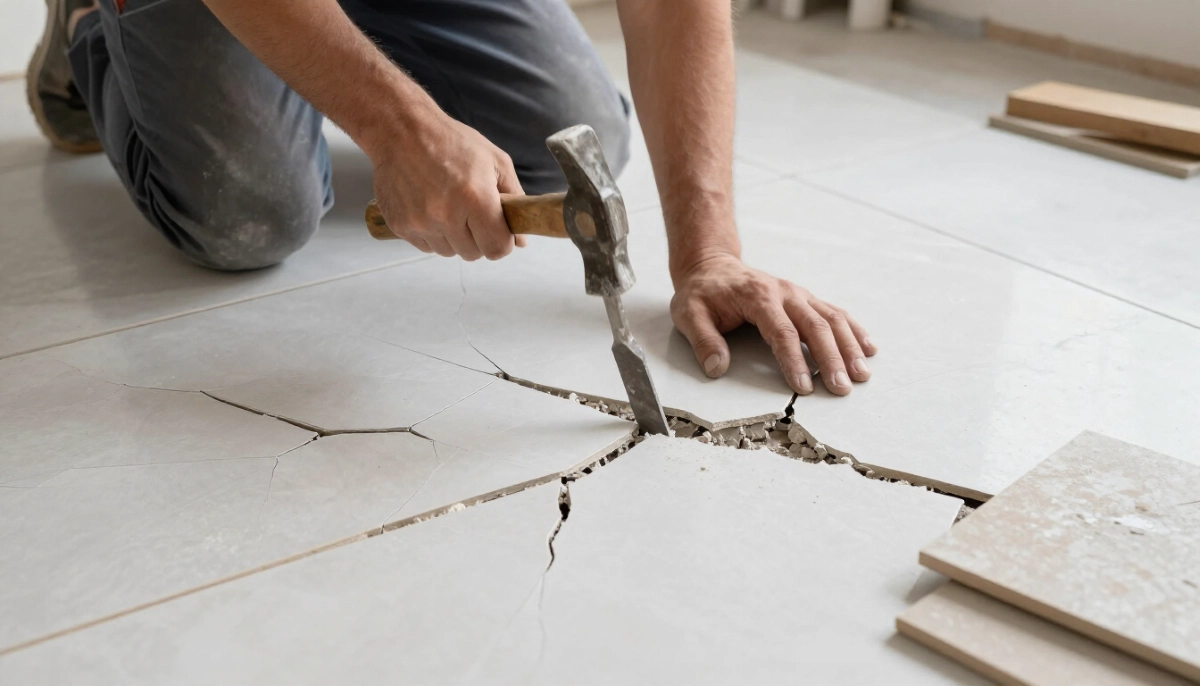
- Cracked tile replacement: Requires matching tiles and careful removal. See our tile repair services.
- Persistent mould: May indicate waterproofing failure – needs professional assessment.
Use our quote service to connect with experienced tilers and cleaning specialists in your area.
❌ 7 Common Tile Maintenance Mistakes
Learn from others’ errors: These mistakes shorten tile life and ruin appearance.
Mistake #1: Using Vinegar on Natural Stone
Vinegar is acidic and etches marble, travertine, and limestone permanently. Use stone-specific pH neutral cleaners only.
Mistake #2: Abrasive Cleaners on Glazed Tiles
Scouring powders and abrasive pads scratch the glaze, making tiles look dull and trapping dirt.
Mistake #3: Not Sealing Grout
Unsealed grout absorbs moisture, stains easily, and harbours mould. Seal after installation and reseal every 1-2 years.
Mistake #4: Using Too Much Water
Excess water can seep into grout and under tiles, especially in poorly sealed installations. Damp mop, don’t flood.
Mistake #5: Ignoring Spills on Natural Stone
Wine, coffee, and oil stain porous stone quickly. Blot immediately and clean with appropriate products.
Mistake #6: Not Using Doormats
Grit from outside acts like sandpaper, scratching tiles over time. Quality doormats trap dirt before it reaches your floors.
Mistake #7: Steam Cleaning Unsealed Grout
Steam can force moisture into unsealed grout, causing deterioration. Ensure grout is sealed before steam cleaning.
❓ Frequently Asked Questions – Tile Maintenance
How do I clean tile floors without leaving residue?
Use pH neutral cleaner and change mop water frequently. Rinse well and dry with microfiber cloth to prevent water spots. Avoid oil-based cleaners that leave film.
What’s the best way to clean grout?
For regular maintenance, scrub with soft brush and mild detergent. For deeper cleaning, make a baking soda paste, apply, scrub, rinse. Hydrogen peroxide works for whitening. Professional steam cleaning is best for badly stained grout.
How often should I seal my tiles?
Glazed tiles: Never need sealing. Natural stone floors: Annually. Natural stone walls: Every 2-3 years. Grout: Every 1-2 years, more in wet areas.
Can I use bleach to clean grout?
Bleach kills mould but can discolour grout and damage tile surfaces over time. Hydrogen peroxide is safer for whitening. For mould, use hydrogen peroxide or commercial mould cleaners.
Why is my grout cracking?
Grout cracks from movement, incorrect mixing, or drying too fast. May indicate missing movement joints or substrate issues. Small cracks can be repaired; widespread cracking may need professional assessment.
How do I remove mould from bathroom grout?
Apply hydrogen peroxide, let sit, scrub with soft brush, rinse. Improve ventilation to prevent return. For persistent mould, grout may need replacement. See our grout cleaning services.
What cleaner is safe for all tile types?
pH neutral cleaner is safe for ceramic, porcelain, and sealed natural stone. Always test in inconspicuous area first. Avoid vinegar, bleach, and ammonia on natural stone.
How do I restore dull polished porcelain tiles?
Dullness often from soap scum or cleaning residue. Clean with pH neutral cleaner, dry thoroughly. For restored shine, professional polishing may be needed. Avoid wax-based products that create slippery surfaces.
Can I steam clean my tile floors?
Yes, if grout is sealed. Unsealed grout can absorb moisture from steam and deteriorate. Test in small area first. Avoid steam on natural stone – heat and moisture can damage some stones.
How much does professional tile cleaning cost?
Professional tile and grout cleaning typically costs R800 – R2,500 per room, depending on size and condition. Re-grouting averages R800 – R2,500 per room. Get quotes from local specialists.
✅ Final Thoughts – Protect Your Investment
Your tiles are an investment in your home’s beauty and functionality. With proper maintenance, quality tiles can last decades and look almost new. The key is consistency – daily sweeping, weekly damp mopping, monthly grout attention, and annual sealing for natural stone.
Your 4-Step Tile Maintenance Action Plan:
- Know your tiles: Identify what type you have (ceramic, porcelain, natural stone).
- Use the right products: pH neutral cleaner for everything; stone-specific for natural stone.
- Protect grout: Keep it sealed and clean – grout is the weak point.
- Address problems early: Stains, mould, and cracks only get worse with time.
🔑 The Bottom Line:
10 minutes of daily care saves thousands in replacement.
Treat your tiles right, and they’ll reward you with decades of beauty.
🧽 Need Professional Tile Maintenance?
Deep cleaning, grout restoration, or sealing – get free quotes from experienced tilers and cleaning specialists in your area.
📞 Call our maintenance helpline: 073 138 4726
📚 Official Resources & Cleaning Advice:
- TAL – Grout maintenance, sealing, TAL Bond for waterproofing.
- Daltile – Sealing and cleaning advice from Chip Wade.
- CTM – Ceramic vs porcelain maintenance comparison.
- Cleanipedia – Tile cleaning best practices.
- Tiletoria – Coastal tile maintenance tips.
- IntelliBUILD – Natural stone maintenance requirements.
This guide is for informational purposes. Always test cleaning products in an inconspicuous area first.
Written by: ServiceLink SA Research Team
Industry analysis and cleaning research for South African homeowners
Our team has researched maintenance practices from leading manufacturers like TAL, Daltile, and cleaning experts to bring you this comprehensive guide. We’ve tested these methods across different South African climates.