
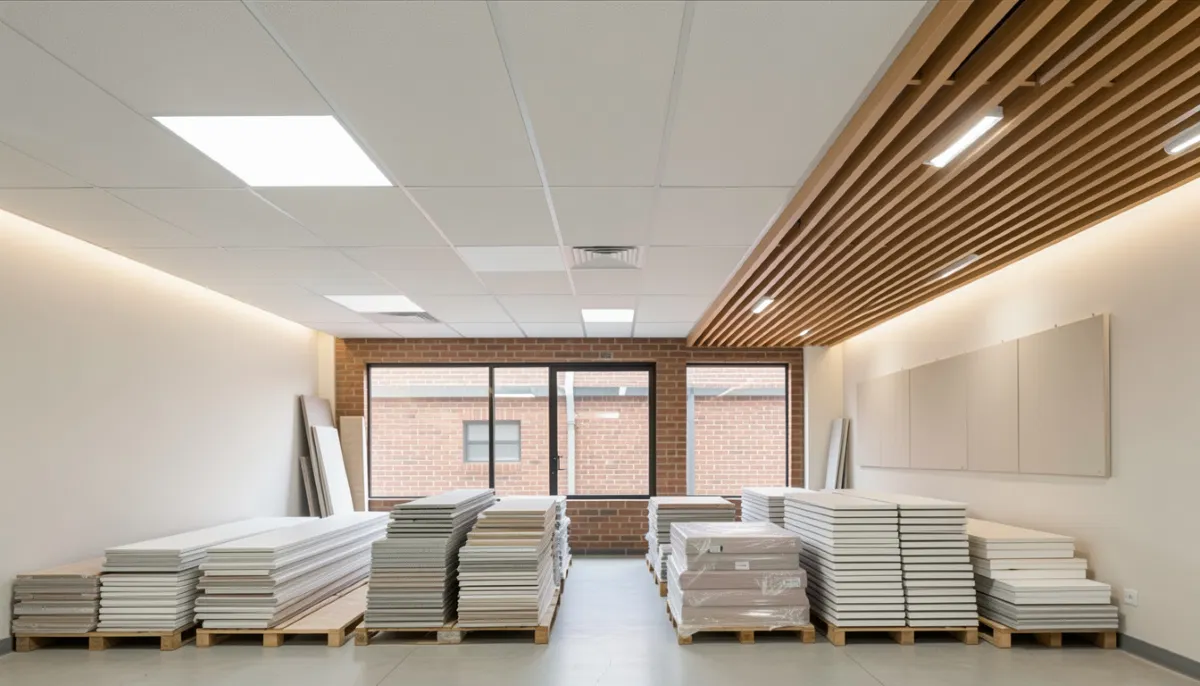
Types of Ceiling Materials in South Africa – Complete Guide
🧱 Gypsum, PVC, Timber, Suspended, Fibre Cement – Which ceiling material is RIGHT for your room?
Choosing the right ceiling material is one of the most important decisions in any building or renovation project. The wrong choice can lead to moisture damage, sagging, poor acoustics, or unnecessary expense. Whether you’re building a new home in Sandton, renovating a bathroom in Durban, or finishing an office in Cape Town, understanding the pros, cons, and applications of each ceiling material is essential. This comprehensive guide covers every ceiling material available in South Africa – from budget-friendly gypsum to premium timber, moisture-resistant PVC, commercial suspended systems, and more. We’ll help you choose the perfect material for your specific room, climate, and budget.
📋 Not Sure Which Ceiling Material to Choose?
Get expert advice from experienced ceiling contractors. They’ll recommend the best material for your specific room, climate, and budget.
Servicing Johannesburg, Pretoria, Cape Town, Durban, and all major areas
📖 Table of Contents – Ceiling Materials Guide
📊 Quick Comparison: Ceiling Materials at a Glance
Here’s your at-a-glance comparison of all ceiling materials available in South Africa.
| Material | Cost per m² (Installed) | Moisture Resistance | Best Applications | Lifespan |
|---|---|---|---|---|
| Gypsum / Plasterboard | R220 – R350 | Poor (standard) / Good (moisture-resistant) | Living areas, bedrooms, dry spaces | 20-30+ years |
| PVC Panels | R280 – R400 | Excellent – 100% waterproof | Bathrooms, kitchens, coastal homes | 25-40+ years |
| Suspended (Grid + Tiles) | R300 – R450 | Good (depending on tiles) | Offices, commercial, basements | 20-30+ years |
| Timber / Wood | R450 – R800+ | Poor (unless treated) | Premium homes, entertainment areas | 30-50+ years |
| Fibre Cement / Rhinoboard | R200 – R300 | Good | Garages, workshops, outbuildings | 25-40 years |
| Metal / Aluminium | R400 – R650+ | Excellent | Commercial, modern homes | 40-50+ years |
| Acoustic Tiles | R350 – R550+ | Good | Home theatres, recording studios | 20-30 years |
Key Insight: There’s no single “best” material – it depends on the room, your climate, budget, and aesthetic preferences. Use this guide to find YOUR best match.
🧱 Gypsum / Plasterboard – The South African Favourite
Gypsum plasterboard is by far the most common ceiling material in South African homes. It’s affordable, versatile, and provides a smooth, seamless finish when properly installed.
What Is It?
Gypsum boards consist of a gypsum plaster core encased in heavy paper or fibreglass matting. They’re available in various thicknesses and with special additives for different applications.
Types of Gypsum Boards
- Standard 9.5mm: For general use in dry areas. R80 – R100 per m² (material).
- Standard 12.5mm: Thicker, more rigid. R100 – R130 per m².
- Moisture-resistant (green board): Treated for bathrooms and kitchens. R120 – R150 per m².
- Fire-rated (pink board): Contains glass fibres for fire resistance. R130 – R160 per m².
- Impact-resistant: Reinforced for high-traffic areas. R140 – R180 per m².
Pros of Gypsum Ceilings
- Cost-effective: Most affordable option for finished ceilings.
- Smooth finish: Can be plastered and painted for a seamless look.
- Versatile: Can create curves, bulkheads, and recessed features.
- Widely available: Stocked by all building suppliers.
- Quick installation: Experienced installers work fast.
Cons of Gypsum Ceilings
- Poor moisture resistance: Standard boards absorb moisture, sag, and disintegrate in damp conditions.
- Heavy: Requires sturdy ceiling battens.
- Susceptible to impact damage: Can be dented or punctured.
- Jointing required: Taping and jointing is a skilled trade – poor work leads to visible cracks.
Best Applications
Living rooms, bedrooms, dining rooms, hallways, and any dry indoor space. Use moisture-resistant boards in bathrooms and kitchens with good ventilation.
Installed Cost
R220 – R350 per m² including materials, battens, installation, and basic jointing. Painting and cornices extra.
See our installation cost guide for detailed pricing.
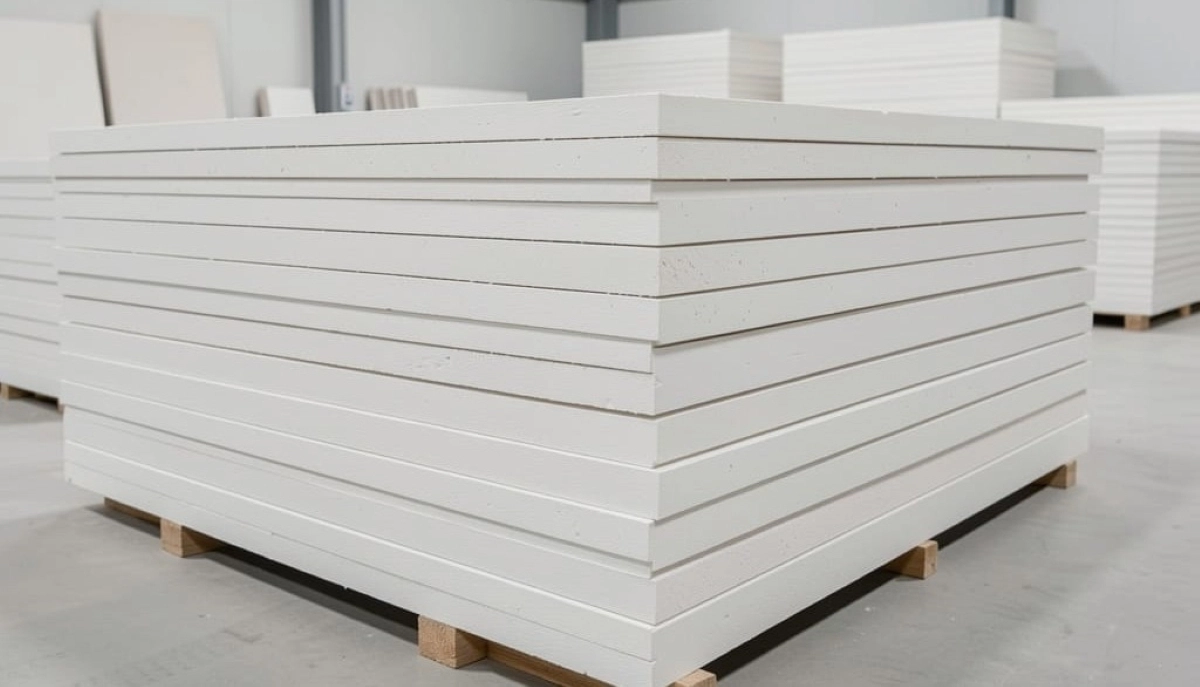
💧 PVC Ceiling Panels – The Coastal Champion
PVC (polyvinyl chloride) ceiling panels have gained massive popularity, especially in coastal areas and wet rooms.
What Is It?
PVC ceilings consist of lightweight interlocking panels or strips that clip into tracking systems. They’re 100% waterproof and available in various colours and finishes.
Types of PVC Ceilings
- White PVC panels: Most common, affordable, bright. R120 – R160 per m² (material).
- Decorative / woodgrain PVC: Simulates timber look. R160 – R200 per m².
- PVC strip systems: Interlocking strips with tracking. R180 – R250 per m² complete.
Pros of PVC Ceilings
- 100% waterproof: Perfect for bathrooms, kitchens, and coastal homes – will never rot or absorb moisture.
- Lightweight: Easy to install, puts less strain on ceiling structure.
- Low maintenance: Wipe clean with a damp cloth – never needs painting.
- Mould resistant: Doesn’t support mould growth.
- Easy access: Panels can be removed individually for access to ceiling void.
Cons of PVC Ceilings
- Can look “plastic”: Some people dislike the appearance compared to painted plaster.
- Expansion/contraction: Can sag or buckle in very hot conditions if not installed with proper expansion gaps.
- Less rigid: May feel less solid than plasterboard.
- Limited design options: Mostly flat panels – difficult to create curves or bulkheads.
Best Applications
Bathrooms, kitchens, laundries, coastal homes anywhere near the ocean, and rooms with high humidity.
Installed Cost
R280 – R400 per m² including materials, tracking, and installation.
🔲 Suspended Ceilings – The Commercial Standard
Suspended ceilings (also called drop ceilings or grid ceilings) are the go-to choice for offices and commercial spaces, but are increasingly used in homes.
What Is It?
A metal grid suspended from the structural ceiling, with lightweight tiles or panels that lay into the grid. Provides easy access to services above.
Components
- Galvanised grid system: Main tees, cross tees, and wall angles. R80 – R120 per m².
- Ceiling tiles: Various materials – mineral fibre, PVC, metal, gypsum.
- Hanging wires / drop rods: Suspends grid from structure above.
Tile Options
- Standard mineral fibre tiles: R70 – R120 per m². Good acoustics, affordable.
- Acoustic tiles: R120 – R250 per m². Superior sound absorption.
- PVC laminated tiles: R100 – R180 per m². Moisture-resistant, easy clean.
- Metal / aluminium tiles: R200 – R400 per m². Modern look, durable.
- Gypsum tiles (for painting): R80 – R150 per m². Can be painted to match.
Pros of Suspended Ceilings
- Easy access: Tiles lift out for access to wiring, pipes, and ductwork.
- Hides services: Conceals unsightly cables and pipes.
- Acoustic performance: Excellent sound absorption with acoustic tiles.
- Quick installation: No messy jointing or plastering.
- Flexible: Easy to modify or reconfigure later.
Cons of Suspended Ceilings
- Reduces room height: Typically drops 100-200mm.
- Can look “commercial”: Some find grid ceilings less homely.
- Tile shifting: Tiles can move or fall if not properly fitted.
- Cleaning: Tiles can collect dust and may be difficult to clean.
Best Applications
Offices, shops, schools, hospitals, basements, and homes where access to ceiling void is important.
Installed Cost
R300 – R450 per m² including grid and standard tiles. Acoustic or premium tiles increase cost.
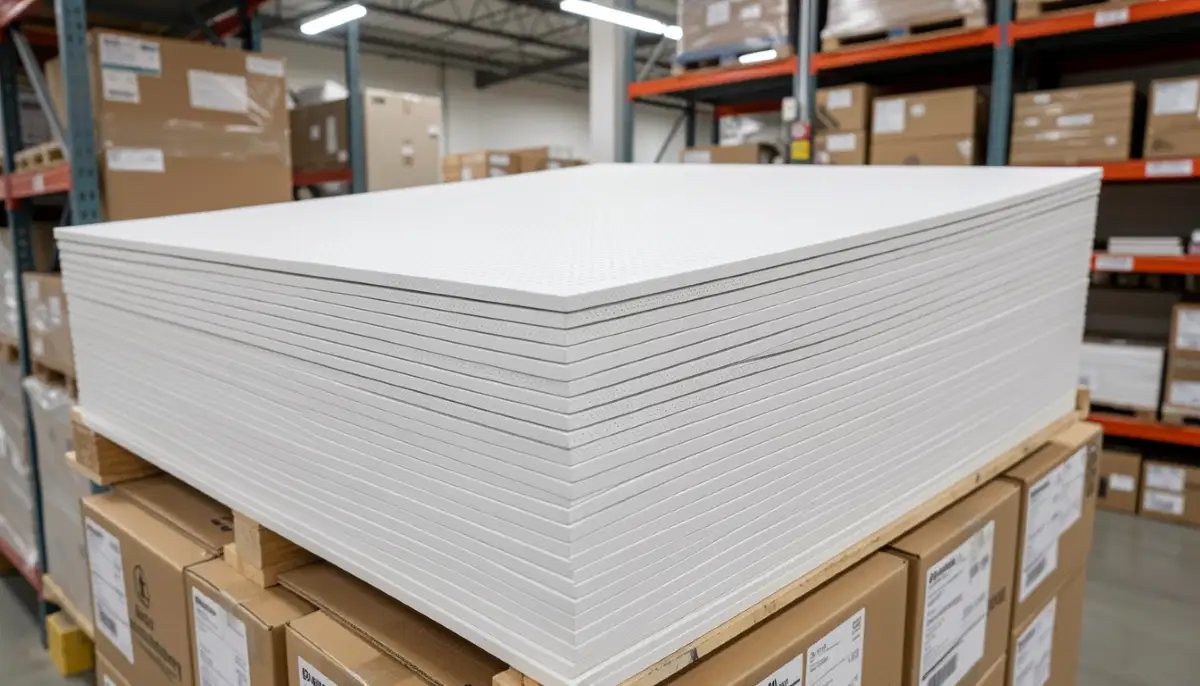
🌳 Timber / Wooden Ceilings – Natural Beauty
Timber ceilings add warmth, character, and natural beauty to any space. They’re a premium option for homes where aesthetics are paramount.
What Is It?
Timber ceilings use wooden planks, boards, or panels fixed to ceiling battens. Available in various species and finishes.
Types of Timber Ceilings
- Tongue and groove boards: Interlocking boards for a seamless look. R200 – R400 per m² material.
- V-joint / shiplap: Boards with decorative grooves. R180 – R350 per m².
- Solid timber planks: Premium look, wider boards. R300 – R600+ per m².
- Timber veneer panels: Engineered wood with real wood veneer. R250 – R450 per m².
Wood Species
- Pine / Knotty pine: Affordable, light colour. R200 – R300 per m².
- Meranti: Popular hardwood, reddish-brown. R300 – R450 per m².
- Saligna / Gum: Durable, pale to medium brown. R280 – R400 per m².
- Imported hardwoods (Mahogany, Teak, etc.): Premium, R450 – R800+ per m².
Pros of Timber Ceilings
- Natural beauty: Unmatched warmth and character.
- Durable: Properly maintained timber lasts decades.
- Acoustic properties: Natural sound absorption.
- Can be refinished: Sand and reseal to refresh appearance.
- Increases property value: Perceived as a premium feature.
Cons of Timber Ceilings
- High cost: Most expensive common ceiling option.
- Maintenance: Needs periodic sealing or oiling.
- Moisture sensitivity: Can warp, rot, or expand in damp conditions.
- Installation skill: Requires skilled carpenters for best results.
- Fire concerns: Timber burns – may need fire-retardant treatment.
Best Applications
Living areas, entertainment rooms, restaurants, lodges, and homes where natural aesthetics are a priority. Not recommended for bathrooms or kitchens without excellent ventilation.
Installed Cost
R450 – R800+ per m² depending on wood species and finish.
🏠 Need Help Choosing the Right Material?
Every room is different. Get expert advice from experienced ceiling contractors who can recommend the perfect material for your specific project.
🏭 Fibre Cement / Rhinoboard – The Utility Player
Fibre cement sheets, commonly known by the brand name Rhinoboard, are a durable, moisture-resistant option for utility areas.
What Is It?
Fibre cement is a composite material made of cement reinforced with cellulose fibres. It’s dense, heavy, and very durable.
Types
- Standard Rhinoboard: 4.5mm or 6mm sheets. R90 – R120 per m².
- Fibre cement board: Thicker, more robust. R100 – R140 per m².
Pros of Fibre Cement Ceilings
- Moisture resistant: Won’t rot or absorb water.
- Durable: Tough and impact-resistant.
- Fire resistant: Non-combustible material.
- Low cost: One of the cheapest ceiling materials.
- Can be painted: Accepts paint well.
Cons of Fibre Cement Ceilings
- Heavy: Requires robust ceiling framing.
- Industrial appearance: Not aesthetically pleasing for living areas.
- Jointing visible: Difficult to achieve seamless finish.
- Dusty to cut: Requires proper dust control.
Best Applications
Garages, workshops, storerooms, outbuildings, and undercover areas where appearance isn’t critical.
Installed Cost
R200 – R300 per m² including materials and installation.
⚙️ Metal / Aluminium Ceilings – Modern & Durable
Metal ceilings offer a contemporary look with exceptional durability, often used in commercial spaces and modern homes.
What Is It?
Metal ceiling panels or tiles, usually aluminium or steel, with various finishes. Can be lay-in tiles for grid systems or clip-in systems.
Types
- Metal lay-in tiles: For standard grid systems. R200 – R300 per m².
- Linear metal ceilings: Long strips for a sleek, modern look. R300 – R500 per m².
- Perforated metal: With acoustic backing for sound absorption. R300 – R450 per m².
Pros of Metal Ceilings
- Durable: Long-lasting, won’t warp or sag.
- Moisture resistant: Ideal for humid environments.
- Modern aesthetic: Sleek, contemporary look.
- Easy to clean: Wipe down easily.
- Recyclable: Environmentally friendly option.
Cons of Metal Ceilings
- Expensive: Premium pricing.
- Can dent: Aluminium is soft and can dent.
- Condensation: Can sweat in certain conditions.
- Installation complexity: Requires skilled installers.
Best Applications
Commercial spaces, modern homes, kitchens, bathrooms, and areas requiring high durability.
Installed Cost
R400 – R650+ per m² depending on system and finish.
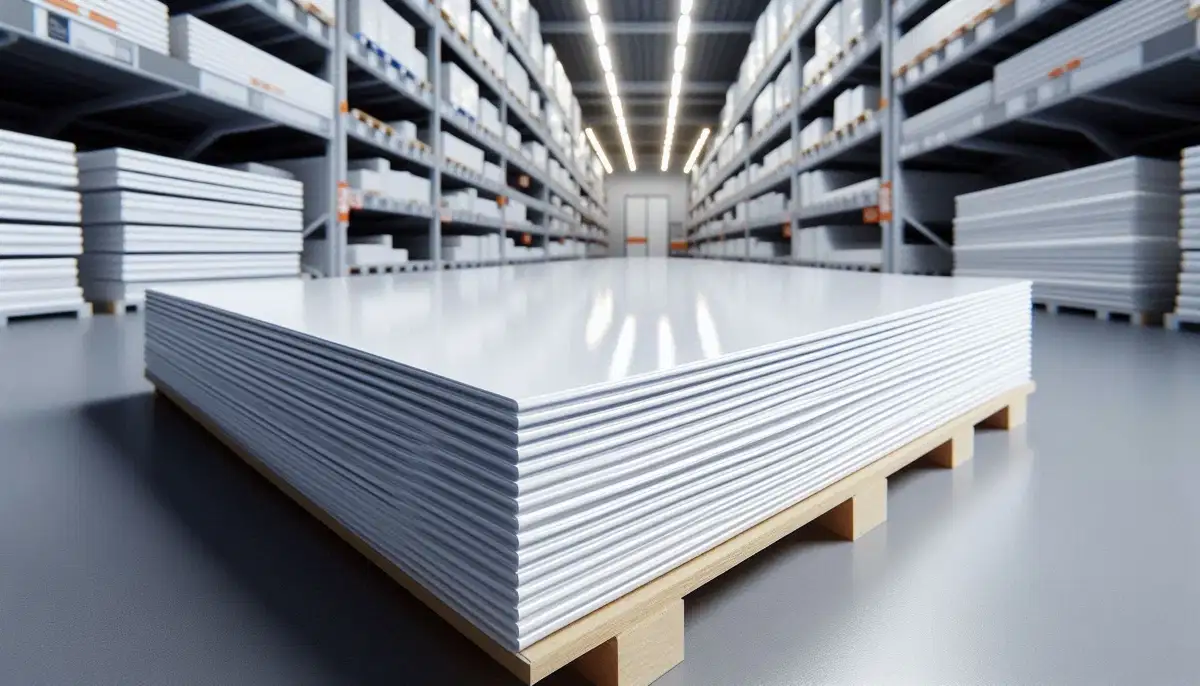
🔊 Acoustic Ceilings – Sound Control
Acoustic ceilings are designed specifically to absorb sound and reduce noise transmission. See our acoustic ceilings guide for detailed information.
What Is It?
Ceilings with acoustic properties – either through special tiles, perforated panels with acoustic backing, or added insulation.
Types
- Acoustic tiles: Mineral fibre or fibreglass tiles with high NRC ratings.
- Perforated metal/gypsum: With acoustic backing.
- Stretched fabric systems: With acoustic insulation behind.
Pros
- Reduces echo and reverberation.
- Improves speech intelligibility.
- Can reduce noise transfer between rooms.
Best Applications
Home theatres, recording studios, open-plan offices, restaurants, classrooms.
Installed Cost
R350 – R550+ per m² depending on system.
✨ Specialty Ceilings – For Unique Spaces
Stretch Ceilings
PVC or fabric membrane stretched over a perimeter track. Creates a flawless, seamless surface.
- Pros: 100% waterproof, seamless, can incorporate lighting.
- Cons: Very expensive, requires specialist installers.
- Cost: R800 – R1,500+ per m².
Glass / Glazed Ceilings
Glass panels for natural light. Used in atriums, conservatories.
- Cost: R1,500 – R3,000+ per m².
3D / Sculptural Ceilings
Custom-designed ceilings with curves, coffers, or dramatic shapes.
- Cost: Project-based, typically R1,000+ per m².
✅ How to Choose – Room-by-Room Guide
| Room / Area | Recommended Material | Why |
|---|---|---|
| Living Room | Gypsum / Plasterboard | Smooth finish, can be painted, cost-effective, allows for bulkheads and features. |
| Bedroom | Gypsum / Plasterboard | Same as living room – quiet, smooth, affordable. |
| Bathroom | PVC panels or Moisture-resistant gypsum | PVC is 100% waterproof – best choice. Moisture-resistant gypsum only if well-ventilated. |
| Kitchen | PVC panels or Moisture-resistant gypsum | Moisture and grease resistance important. PVC wins for easy cleaning. |
| Garage / Workshop | Fibre Cement / Rhinoboard | Durable, moisture-resistant, cheap – appearance not critical. |
| Office / Commercial | Suspended ceiling with acoustic tiles | Easy access to services, good acoustics, professional appearance. |
| Home Theatre | Acoustic ceiling (tiles or plasterboard with insulation) | Sound absorption critical for audio experience. |
| Coastal Home | PVC panels or Aluminium | Salt air destroys standard materials – moisture-resistant options essential. |
| Premium / Entertainment Area | Timber ceiling | Natural beauty, warmth, perceived value. |
| Basement | Suspended ceiling | Easy access to services, can accommodate low headroom. |
🏠 Real-Life Installation Examples
Example 1: Family Home, Fourways
Whole house (200m²) standard gypsum ceilings.
Material: Gypsum 12.5mm
Homeowner chose standard gypsum throughout for affordability and smooth finish.
Example 2: Coastal Home, Ballito
Full house, all ceilings PVC.
Material: White PVC panels
Coastal location dictated 100% waterproof material – homeowner chose PVC for zero maintenance.
Example 4: Office Park, Midrand
500m² suspended ceilings with acoustic tiles.
Material: Grid + mineral fibre tiles
Acoustic performance and service access were priorities.
Example 4: Wine Estate, Stellenbosch
Tasting room with timber ceiling.
Material: Meranti tongue-and-groove
Natural timber created the desired rustic, warm atmosphere.
❌ 7 Common Material Selection Mistakes
Learn from others’ errors: These mistakes cost homeowners thousands in replacements and repairs.
Mistake #1: Using Standard Gypsum in Bathrooms
Standard gypsum absorbs moisture, sags, and eventually collapses in humid bathrooms. Always use moisture-resistant boards or PVC in wet areas.
Mistake #2: Ignoring Coastal Conditions
In Durban, Cape Town, or anywhere near the ocean, salt air destroys standard materials. PVC or aluminium are the only sensible choices for long-term durability.
Mistake #3: Choosing Timber Without Considering Maintenance
Timber ceilings need regular sealing or oiling. If you’re not prepared for maintenance, choose a timber-look PVC or laminate instead.
Mistake #4: Not Checking Fire Ratings
For certain applications (flats, commercial), fire-rated ceilings are mandatory. Check SANS 10400-T requirements.
Mistake #5: Overlooking Acoustic Needs
Open-plan living areas, home theatres, and offices need acoustic consideration. Standard ceilings reflect sound, creating echo.
Mistake #6: Choosing Based on Price Alone
The cheapest material often fails fastest, especially in challenging environments. Consider lifecycle cost, not just upfront price.
Mistake #7: Not Consulting an Expert
Material selection is complex. A local ceiling contractor knows what works in your area and for your specific application.
❓ Frequently Asked Questions – Ceiling Materials
What is the most common ceiling material in South Africa?
Gypsum plasterboard is the most common, used in approximately 70% of homes. It’s affordable, versatile, and provides a smooth, paintable finish.
What is the best ceiling material for bathrooms?
PVC panels are best – they’re 100% waterproof, won’t absorb moisture, and are easy to clean. Moisture-resistant gypsum (green board) is an alternative but requires good ventilation.
Which ceiling material is cheapest?
Rhinoboard / fibre cement is cheapest at R200 – R300 per m² installed, but it’s not suitable for living areas. For homes, standard gypsum at R220 – R350 per m² offers the best value.
What ceiling material is best for coastal homes?
PVC panels or aluminium ceilings are best for coastal areas. They won’t rust, rot, or absorb moisture from salt air. Standard materials deteriorate rapidly near the ocean.
How long do different ceiling materials last?
Gypsum: 20-30 years. PVC: 25-40+ years. Timber: 30-50+ years with maintenance. Metal: 40-50+ years. Fibre cement: 25-40 years. Proper installation and environment greatly affect lifespan.
Can I mix different ceiling materials in one house?
Yes, absolutely. Many homes use different materials for different rooms – gypsum in living areas, PVC in bathrooms, timber in entertainment areas. This is often the best approach.
What is the most environmentally friendly ceiling material?
Timber from sustainable sources is renewable and has low embodied energy. Recycled metal ceilings are also eco-friendly. Gypsum can be recycled in some areas.
Which ceiling material is best for soundproofing?
Acoustic ceilings with high NRC ratings are best. This includes acoustic tiles, perforated panels with insulation, or plasterboard with acoustic insulation above.
Do I need planning permission to change ceiling material?
For like-for-like replacement, usually not. For significant changes or if altering structure, check with your local municipality. Compliance with SANS 10400 is always required.
Which ceiling material adds most value to a home?
Timber ceilings add the most perceived value, creating warmth and character. However, quality installation of any material adds value – poor workmanship detracts regardless of material.
✅ Final Thoughts – Choosing Your Ceiling Material
Selecting the right ceiling material doesn’t have to be overwhelming. Consider three factors: room function, climate, and budget.
Your 3-Step Selection Plan:
- Assess the room: Wet area (bathroom/kitchen) or dry area? Need acoustics? Aesthetic priority?
- Consider your climate: Coastal or inland? Humidity levels?
- Set your budget: Include installation, not just material cost.
🔑 The Bottom Line:
The best material is the one that suits your specific room, climate, and lifestyle.
Don’t just copy your neighbour – choose what’s right for YOUR space.
🏠 Ready to Choose Your Ceiling Material?
Get expert advice from local ceiling contractors who know what works in your area and for your specific application.
📞 Call our material advisory line: 073 138 4726
📚 Official Resources & Standards:
- Gyproc – Gypsum board specifications and installation guides.
- Sonae – Moisture resistant MDF and panel products.
- SASBO – SABS approved ceiling products directory.
This guide is for informational purposes. Always consult with a qualified professional for your specific project.
Written by: Innocent T Hanyani
21+ years construction and digital industry experience, ServiceLink SA
Innocent has specified and overseen thousands of ceiling installations across South Africa, from coastal homes to Highveld estates. His practical experience with material performance in different climates informs this guide.