
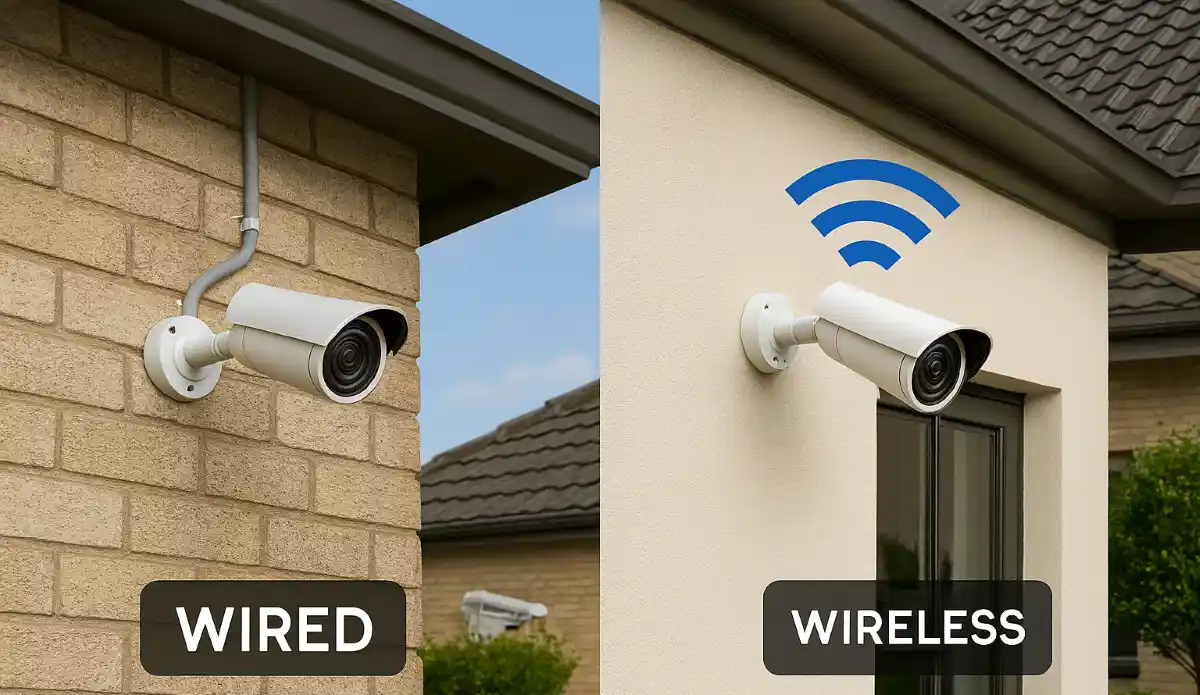
Wireless vs Wired CCTV Systems South Africa: The Ultimate 2026 Guide
📶🔌 WiFi convenience vs PoE reliability. Battery life vs uninterrupted power. Which is the right choice for your property in Pretoria, Durban, or Cape Town? We settle the debate once and for all.
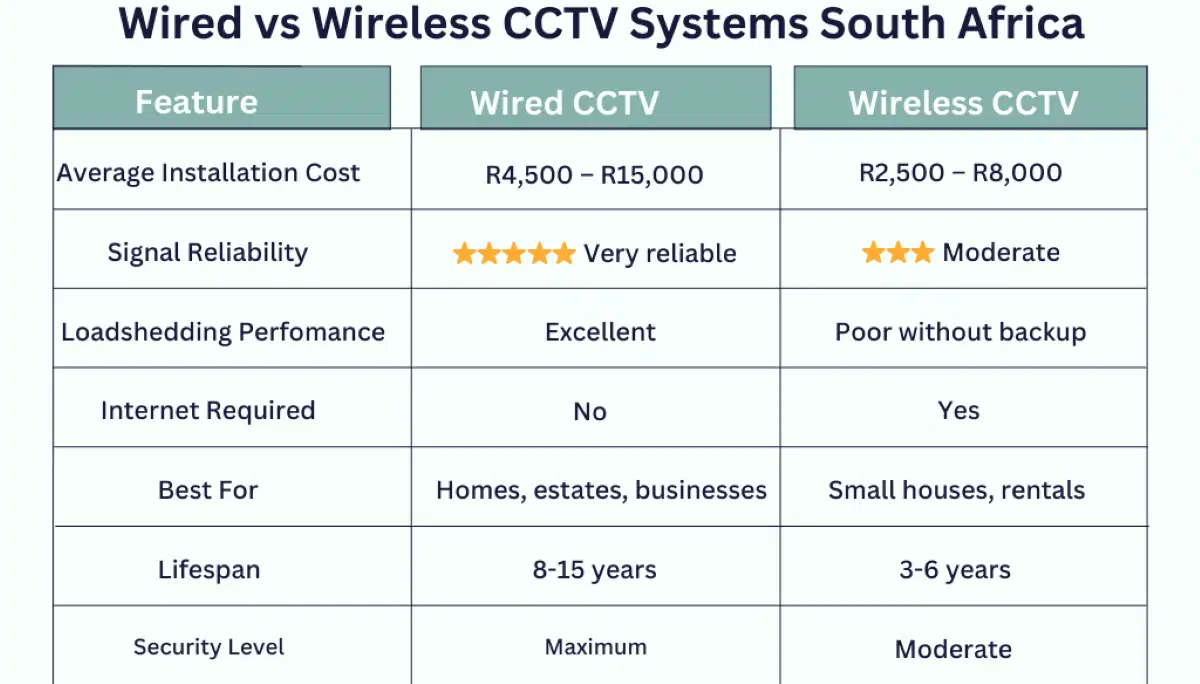
The question comes up in every consultation: “Should I go wireless or stick with a wired system?” It’s a critical decision that affects everything from installation cost to long-term reliability. For homeowners in Sandton with complex Wi-Fi environments, business owners in Midrand needing bulletproof security, or renters in Cape Town who can’t drill holes, the answer is different. This comprehensive guide compares wireless vs wired CCTV systems South Africa has to offer, looking at cost, reliability, installation complexity, and performance in our unique local conditions, including the ever-present challenge of loadshedding.
📹 Not Sure Which System is Right for You?
Get free, expert advice from PSIRA-registered installers in your area. They’ll assess your property and recommend the perfect wired or wireless solution.
Servicing Johannesburg, Pretoria, Cape Town, Durban, and all major areas
📋 Table of Contents – Wireless vs Wired CCTV Guide
⚡ The Basic Differences: How They Work
Before we dive into the pros and cons, it’s essential to understand the fundamental technology behind each system.
📶 Wireless (WiFi) CCTV
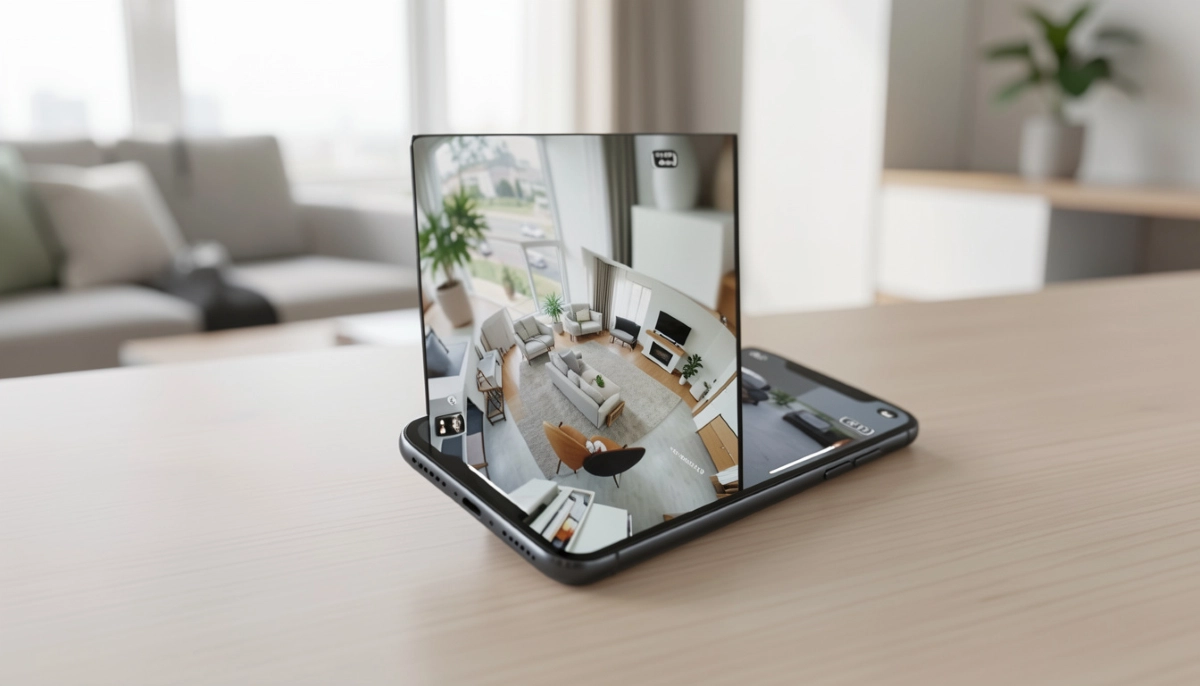
A “wireless” camera transmits video footage via your home’s WiFi network. However, it still needs power. Most wireless cameras plug into a wall outlet, while some high-end models use rechargeable batteries. The video signal is wireless, but the power cord is not.
Example: EZVIVZ, Imou, Arlo, Ring.
🔌 Wired (PoE) CCTV
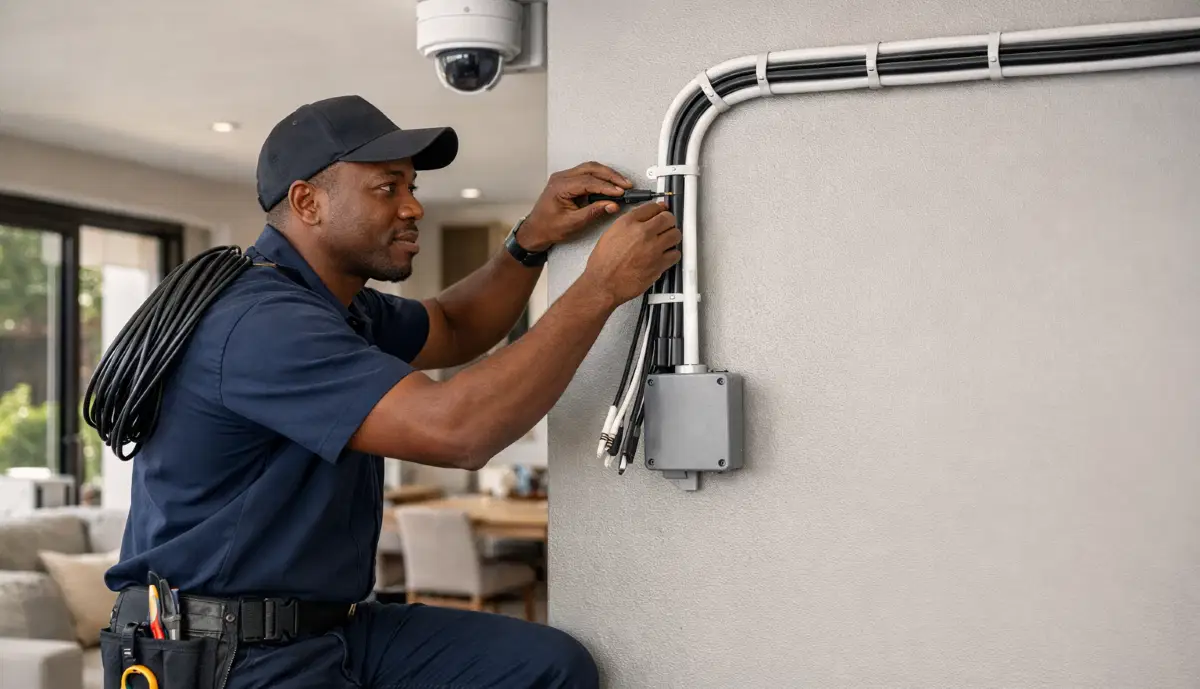
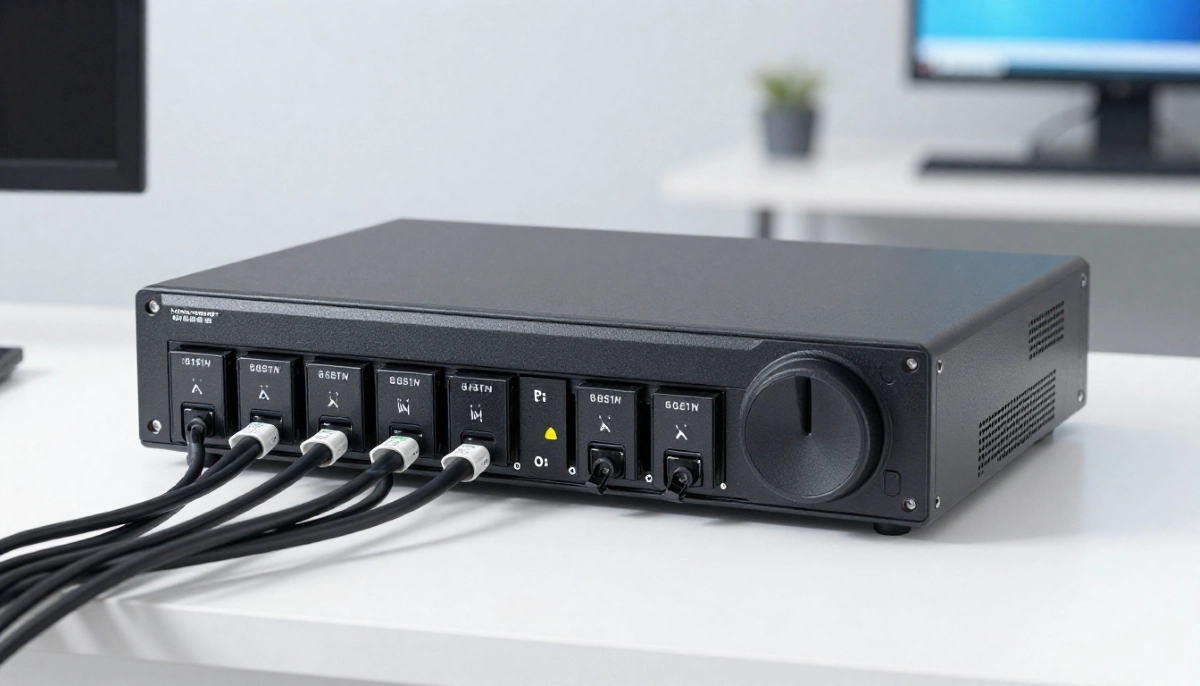
A wired system, specifically Power over Ethernet (PoE), uses a single Ethernet cable (Cat5e or Cat6) to transmit both power and video data to the camera. The cable runs from the camera to a central PoE switch or NVR. This is the gold standard for professional installations.
Example: Hikvision, Dahua (wired IP cameras).
Important Distinction: True “wireless” cameras are rare. Most still need a power cable. A truly “wire-free” camera runs on batteries, which need regular recharging. This guide focuses on the common comparison: WiFi cameras (wireless signal) vs PoE cameras (wired signal & power).
📶 Wireless (WiFi) CCTV: The Full Picture
Wireless systems have exploded in popularity due to their ease of use and flexibility. But they come with significant trade-offs, especially in the South African context.
✅ The Advantages of Wireless
- Easier & Faster Installation: No need to run cables through walls and ceilings. Ideal for rented properties where you can’t make structural changes. A DIY enthusiast can often install a basic wireless system in an afternoon.
- Flexibility & Scalability: Easily move cameras or add new ones to the system, as long as they are within WiFi range.
- Aesthetically Pleasing: No visible cables, which some homeowners prefer for a cleaner look.
- Ideal for Renters: As mentioned, the non-invasive installation is perfect for tenants in Umhlanga flats or Centurion townhouses.
❌ The Disadvantages of Wireless
- WiFi Interference & Reliability: This is the biggest drawback. WiFi signals can be disrupted by thick concrete walls (common in SA homes), other electronic devices, and even weather. An unstable connection means lost footage exactly when you need it most. See our common problems guide for more.
- Bandwidth Limitations: Multiple cameras streaming high-definition video can clog your home network, slowing down internet for everyone else.
- Power Dependency: Most wireless cameras still need to be plugged into a power outlet. This limits placement options and can look messy with a dangling power cord.
- Battery Life (for wire-free models): Battery-powered cameras need frequent recharging (every few weeks to months), which is impractical for critical security. They also often “sleep” to save battery, causing a delay in starting recording when motion is detected.
- Security Risk: WiFi signals can potentially be jammed by sophisticated intruders, rendering your cameras useless.
🔌 Wired (PoE) CCTV: The Full Picture
Wired PoE systems are the backbone of professional security installations for a reason. They are built for one thing: non-stop, reliable operation.
✅ The Advantages of Wired (PoE)
- Ultimate Reliability: A physical cable connection is immune to WiFi interference, signal dropouts, and bandwidth limitations. You get a consistent, high-quality video stream 24/7.
- Single Cable for Power & Data: PoE technology sends power and data over one cable. This simplifies cabling and allows for much more flexible camera placement, as you’re not tied to power outlets. Cameras can be mounted high on a wall or at the far end of a property.
- Higher Bandwidth for Better Quality: Wired connections support much higher data rates, allowing for true 4K and even higher resolutions without buffering or lag.
- No Interference or Signal Jamming: A cable can’t be jammed by a WiFi disruptor, making wired systems inherently more secure.
- Simplified Power Backup: You can connect your central PoE switch or NVR to a single, large UPS, backing up all cameras at once. This is far more efficient than backing up each wireless camera individually.
❌ The Disadvantages of Wired (PoE)
- Complex Installation: Running cables through walls, ceilings, and conduits is labour-intensive and requires professional skills. It’s not a DIY job for most people.
- Higher Initial Labour Cost: Because of the complex installation, labour costs are higher. However, this is a one-time cost for a system that will last for many years.
- Less Flexible to Move: Once a cable is run, it’s not easy to move a camera to a different location. You need to be certain about camera placement from the start. A free site inspection helps with this.
- Not Suitable for Renters: Drilling holes and running cables is generally not allowed in rental properties.
💰 Cost Comparison: Wireless vs Wired CCTV
Let’s talk money. The cost equation is not as simple as “wired is more expensive.” Here’s a breakdown for a typical 4-camera system.
| Cost Component | Wireless (WiFi) System | Wired (PoE) System |
|---|---|---|
| Camera Cost (4 units) | R 3,000 – R 6,000 | R 2,800 – R 5,000 |
| Recorder Cost (NVR/DVR) | Often cloud-based or built-in app (no recorder needed) | R 1,500 – R 3,000 (NVR included) |
| Hard Drive (for local storage) | Optional (R 600 – R 1,500 for SD cards) | R 1,200 – R 2,000 (included in quote) |
| Labour / Installation | R 0 – R 1,000 (DIY or minimal) | R 2,500 – R 5,000 (professional cabling & setup) |
| PoE Switch / Injectors | N/A | R 500 – R 1,500 |
| Ongoing Costs | Possible cloud subscription (R50-R200/month) | Minimal (electricity for NVR) |
| TOTAL ESTIMATED COST | R 3,600 – R 9,000 | R 8,500 – R 16,500 |
Cost Verdict: While a wired system has a higher upfront cost, it is a capital investment in a robust, long-term solution with no recurring fees. A wireless system may seem cheaper, but costs can add up with cloud subscriptions and battery replacements. For a full breakdown, see our CCTV installation cost guide.
🇿🇦 Reliability in the South African Context
South African homes and businesses present unique challenges that heavily favour wired systems.
- Thick Walls & Construction: Many SA homes are built with brick and concrete, which are notorious for blocking WiFi signals. A camera on the outside wall may have a very weak connection to your router inside.
- Estate Living: In estates like Fourways or Bryanston, houses are often large with multiple WiFi dead zones. A wired system bypasses this completely.
- Loadshedding: When the power goes out, so does your WiFi router (unless it’s on a UPS). A wireless camera, even on battery, may lose its internet connection and stop recording. A wired PoE system, with the NVR on a central UPS, keeps recording locally even without internet. See our loadshedding backup guide.
- Crime Patterns: Professional criminals may use WiFi jammers. A wired system is immune to this, making it a far more effective deterrent and evidence-gathering tool.
⚠️ Critical Warning: In high-crime areas of Johannesburg or Cape Town, relying on a WiFi-based system is a significant security risk. The potential for signal jamming or power-related disconnections makes a wired, professionally installed PoE system the only truly secure choice.
⚡ Loadshedding: Which System Wins?
This is a non-negotiable factor for any South African. Let’s see how each system copes when Eskom switches off the lights.
Wireless System During Loadshedding
- Plug-in WiFi Cameras: Turn off immediately. No power, no camera.
- Battery-Powered WiFi Cameras: May stay on, but your WiFi router is likely down, so they lose internet connection and cannot stream or send alerts. They may record to an SD card locally, but you can’t access it remotely.
Wired PoE System During Loadshedding
- If the NVR and PoE switch are connected to a UPS, the entire system keeps running.
- Cameras continue recording 24/7 to the local hard drive.
- If the internet router is also on a UPS, you can even view your cameras remotely during a blackout.
Winner: Wired PoE, by a massive margin.
🛠️ Installation Complexity & Time
Wireless: A tech-savvy homeowner can install a 2-4 camera wireless system in a few hours. The process involves mounting the cameras, connecting them to the WiFi via an app, and finding nearby power outlets. It’s relatively straightforward but requires a good understanding of your home network.
Wired (PoE): This is a job for a professional PSIRA-registered installer. It involves planning cable routes, drilling through walls, running cables in roofs or conduits, terminating cables with RJ45 connectors, and configuring the NVR and network. A 4-camera installation can take a team of two a full day. This complexity is why the labour cost is higher, but the result is a clean, professional, and incredibly reliable installation.
🏡 Which is Best for Your Home?
The answer depends on your home, your technical ability, and your security needs.
Choose Wireless If:
- ✓ You are renting and cannot make structural changes.
- ✓ You live in a small flat or apartment with good WiFi.
- ✓ You want a quick, DIY solution for basic monitoring.
- ✓ You are on a very tight budget.
Choose Wired (PoE) If:
- ✓ You own your home and want a permanent, reliable solution.
- ✓ You live in a larger house with concrete walls.
- ✓ You are in a high-crime area and need serious security.
- ✓ You want 4K resolution and advanced AI features.
- ✓ You want to easily back up the whole system with a single UPS.
🏢 For Businesses: There is Only One Choice
For any commercial application—be it a retail store in Durban, an office park in Sandton, or a warehouse in Midrand—a wired PoE system is non-negotiable. The reliability, security, image quality, and integration capabilities (with access control and alarms) are essential for protecting assets, employees, and ensuring business continuity. A wireless system is simply not fit for commercial-grade security purposes.
📶 Best Wireless CCTV Options in SA
If you’ve decided wireless is for you, these are the top consumer brands readily available in South Africa:
- EZVIZ (by Hikvision): Excellent app, good image quality, wide range of battery and plug-in options.
- Imou (by Dahua): Dahua’s consumer brand, very similar to EZVIZ with competitive pricing and features.
- Arlo: Premium brand known for excellent battery life and 2K/4K resolution, but comes with a higher price tag.
🔌 Best Wired (PoE) Systems in SA
For a professional, future-proof wired system, stick with the market leaders. See our best systems guide for more details.
- Hikvision AcuSense Series: The gold standard for AI-driven security with excellent human/vehicle detection.
- Dahua WizMind Series: Dahua’s answer to AcuSense, with robust analytics and superb build quality.
- Hikvision ColorVu Series: If you need full-colour night vision, this is the series to choose.
🤝 Hybrid Systems: The Best of Both Worlds?
Yes, they exist! Some modern NVRs support both wired PoE cameras and wireless cameras. This allows you to have a robust wired backbone for your critical perimeter (front gate, driveway) and add wireless cameras for less critical areas (backyard, inside a storage room) where running cable is difficult. This is a smart, flexible approach for some properties. Discuss this option with a qualified installer.
Still Can’t Decide? Let’s Find Your Perfect Match.
Our network of local, PSIRA-registered installers can visit your property, assess your needs, and provide expert advice and a no-obligation quote for the ideal system—wired, wireless, or hybrid.
❌ Common Mistakes When Choosing Between Wireless and Wired
Avoid these pitfalls that could compromise your security. For a full list of errors, see our CCTV installation checklist.
- Assuming “Wireless” Means No Cables: Most wireless cameras still need a power cable. This catches many people off guard.
- Underestimating WiFi Interference: Don’t assume your WiFi will reach every corner of your property. Always test the signal strength before buying wireless cameras.
- Choosing Wireless for a Large Property: In a large home, the WiFi signal will likely be weak at the far ends, leading to poor performance and dropouts.
- Forgetting About Loadshedding: As discussed, this is a critical oversight. A wireless system is often useless during a power outage.
- Not Hiring a Professional for a Wired System: DIY wiring can be dangerous and lead to poor performance, signal interference, and even electrical hazards. Always hire a certified professional.
❓ Frequently Asked Questions
Are wireless CCTV cameras any good in South Africa?
They can be good for specific situations like rentals or small flats, but they are generally not recommended for serious home security or businesses. The reliability issues with WiFi interference and loadshedding make them a poor choice for critical security needs compared to a wired PoE system.
Do wireless cameras work without internet?
Yes and no. Most wireless cameras can record locally to an SD card without internet, but you won’t be able to view the footage remotely or receive push notifications. For full functionality, a stable internet connection is required. Some battery-powered cameras can operate in a standalone mode.
What is the range of a wireless security camera?
The range depends on your WiFi router and the camera. Typically, it’s 30-50 metres in open air, but this is significantly reduced by walls, especially concrete and brick. Thick South African walls can cut this range down to 10 metres or less.
Can I mix wired and wireless cameras in one system?
Yes, with a hybrid NVR. This is a great option that allows you to have a reliable wired backbone for critical areas and the flexibility of wireless for others. You need to ensure your NVR specifically supports both types. Discuss this with your installer.
Is PoE camera installation expensive?
The upfront cost is higher due to professional labour. However, when you factor in the long-term reliability, lack of subscription fees, and superior performance, it is often the most cost-effective and valuable solution over the life of the system. See our cost guide for a detailed breakdown.
How long do wireless CCTV batteries last?
It varies wildly based on usage and settings. Some cameras can last 3-6 months on a charge, while others with high activity may need charging every few weeks. Frequent recharging is a major inconvenience for a security device.
What is the best wireless CCTV brand in South Africa?
For the local market, EZVIZ and Imou are the most popular and reliable consumer wireless brands. They offer a good balance of price, features, and app usability, and are backed by the security giants Hikvision and Dahua.
Can I install a wired PoE system myself?
It is possible for a very skilled DIYer, but it’s not recommended. Incorrect cabling can lead to performance issues, voltage drop, and even fire hazards. For a system you’re trusting with your security, it’s always best to hire a PSIRA-registered professional.
✅ The Final Verdict: Wired Wins for Security, Wireless for Convenience
There is no single “best” system for everyone. Your choice depends entirely on your circumstances. However, for the vast majority of South African homeowners who own their property and want genuine, reliable security, a professionally installed wired PoE system is the clear and undisputed winner.
Wireless systems have their place—rentals, temporary setups, and low-risk monitoring—but they cannot match the rock-solid reliability, superior image quality, and true security of a wired system, especially in the face of loadshedding and potential signal jamming.
Ready to Install a System You Can Trust?
Don’t gamble with your family’s safety or your business’s security. Connect with top-rated, vetted CCTV installers in your area who specialise in professional-grade wired PoE systems.
📞 Call our security experts: 073 138 4726
📚 Official Resources & Standards:
- SABS – SANS 10220:2016 for electrical installations.
- ICASA – Information on radio frequency spectrum for wireless devices.
- Wi-Fi Alliance – Understanding wireless transmission standards.
This guide is for informational purposes. Always consult with a qualified professional for your specific security needs.
Written by: ServiceLink SA Research Team
Specialists in South African security and home services.
Our team has decades of combined experience in the local security industry, having advised thousands of homeowners and businesses on the best CCTV solutions for their unique properties and risks. We are committed to providing unbiased, expert advice.