
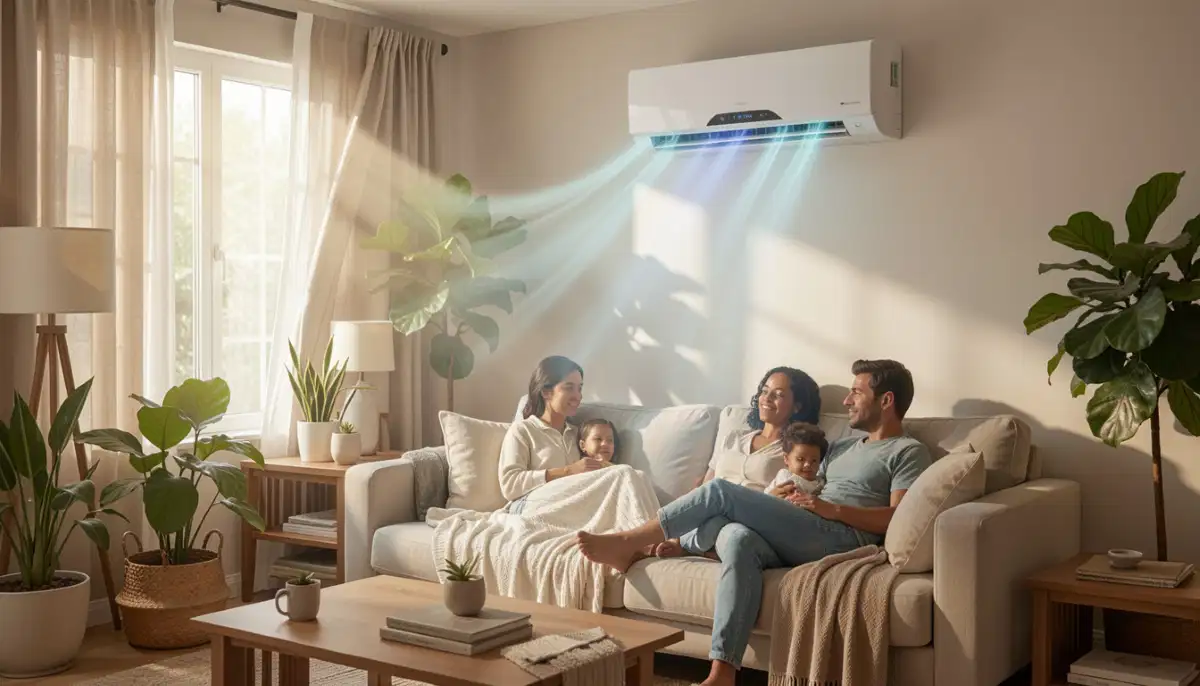
Want Cleaner Air in Your Home?
Get free quotes from verified local specialists for aircon maintenance, filter cleaning, and duct cleaning services.
Find Aircon Specialists Near Me
Servicing Johannesburg, Pretoria, Cape Town, Durban, and across South Africa
How Aircon Improves Indoor Air Quality: More Than Just Cooling
🌬️❄️ The complete guide to how your air conditioner filters pollutants, reduces allergens, and creates healthier indoor environments
You think of your air conditioner as a cooling machine. Turn it on, the room gets cold. That’s it, right?
Wrong. Your aircon is also an air filtration and purification system. Every time it runs, it pulls air from your room, passes it through a filter, and circulates it back. That filter traps dust, pollen, pet dander, mould spores, and other airborne pollutants.
I’ve seen this transform homes. A family with severe allergies installs a new aircon with proper filtration. Their symptoms improve dramatically. A home with a musty smell gets its ducts cleaned. The odour disappears. A child with asthma breathes easier in a room with a clean, well-maintained aircon.
The connection between aircon air quality and your health is real. But it only works if your aircon is properly maintained. A dirty aircon doesn’t clean the air—it pollutes it.
In this guide, I’ll explain how your air conditioner improves indoor air quality, the health benefits of clean air, and how to maintain your system for optimal air filtration.
For more maintenance guidance, check our maintenance checklist and filter cleaning guide. Ready to breathe easier? Let’s go.
📋 Table of Contents
🔄 How Air Conditioners Filter and Clean Air
Understanding the process helps you appreciate why does air conditioner clean air is a definite yes—with proper maintenance.
The air cleaning process:
- Your aircon pulls warm air from your room through return air vents or the front grille
- This air passes through a filter that traps dust, pollen, pet dander, and other particles
- The filtered air then passes over the cooling coils (where it gets cold)
- The clean, cold air is blown back into your room
- This cycle repeats continuously while the aircon runs
How many times does your aircon filter your room air? A typical aircon circulates all the air in a room 4-8 times per hour. That means your room air is completely filtered every 7-15 minutes.
Additional purification features in modern units:
- Ionisers (release negative ions that attach to and neutralise pollutants)
- UV-C lights (kill bacteria, viruses, and mould spores)
- Activated carbon filters (remove odours and chemical vapours)
- HEPA-like filtration (capture microscopic particles)
Read our humidity control guide for related air quality information.
🧹 What Pollutants Does an Aircon Remove?
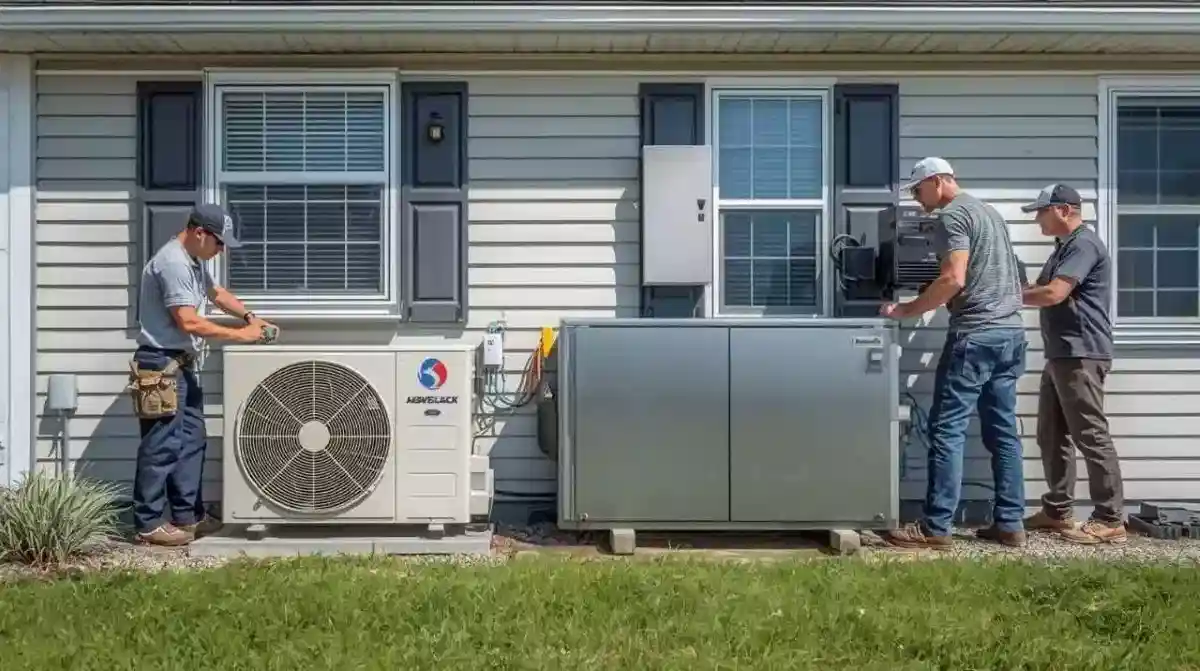
A properly maintained aircon with a good filter removes these common indoor air pollutants:
Particle pollutants (trapped by standard filters):
- Dust and dust mites (major allergy trigger)
- Pollen (seasonal allergies, hay fever)
- Pet dander (animal allergies)
- Mould spores (respiratory issues, allergies)
- Dust mite debris (asthma trigger)
- Smoke particles (from cooking or fires)
Additional pollutants removed by advanced filters/features:
- Bacteria (UV-C lights or ionisers)
- Viruses (UV-C lights)
- Volatile Organic Compounds (activated carbon filters)
- Odours (activated carbon filters)
- Chemical vapours (activated carbon filters)
What aircons CANNOT remove:
- Gases like carbon monoxide (need dedicated detectors)
- Radon (needs specialised mitigation)
- Very fine particles (below 0.3 microns) without HEPA filters
📌 The Bottom Line:
Your aircon is an effective air purification system for common indoor pollutants like dust, pollen, and mould spores. For people with allergies or asthma, a clean, well-maintained aircon can significantly improve symptoms.
❤️ Health Benefits of Clean Aircon Air
Good air conditioner air filtration provides real health benefits:
For allergy sufferers: Removes pollen, dust mites, and mould spores from indoor air. Reduces sneezing, runny nose, itchy eyes, and congestion. Creates a safe indoor environment during high-pollen seasons.
For asthma patients: Reduces common asthma triggers (dust mites, mould, pet dander). Improves breathing quality during sleep. Reduces frequency of asthma attacks triggered by indoor allergens.
For everyone: Removes airborne dust and particles. Reduces exposure to mould spores. Creates fresher, cleaner-smelling indoor air. Improves sleep quality (cleaner air, better breathing). Reduces risk of mould-related respiratory issues.
For children and elderly: Their immune systems are more vulnerable to air pollution. Clean indoor air is especially important for these groups.
Important caveat: These benefits only apply to CLEAN, well-maintained aircons. A dirty aircon has the opposite effect—it spreads pollutants.
Read our bad smell guide for health warnings about dirty aircons.
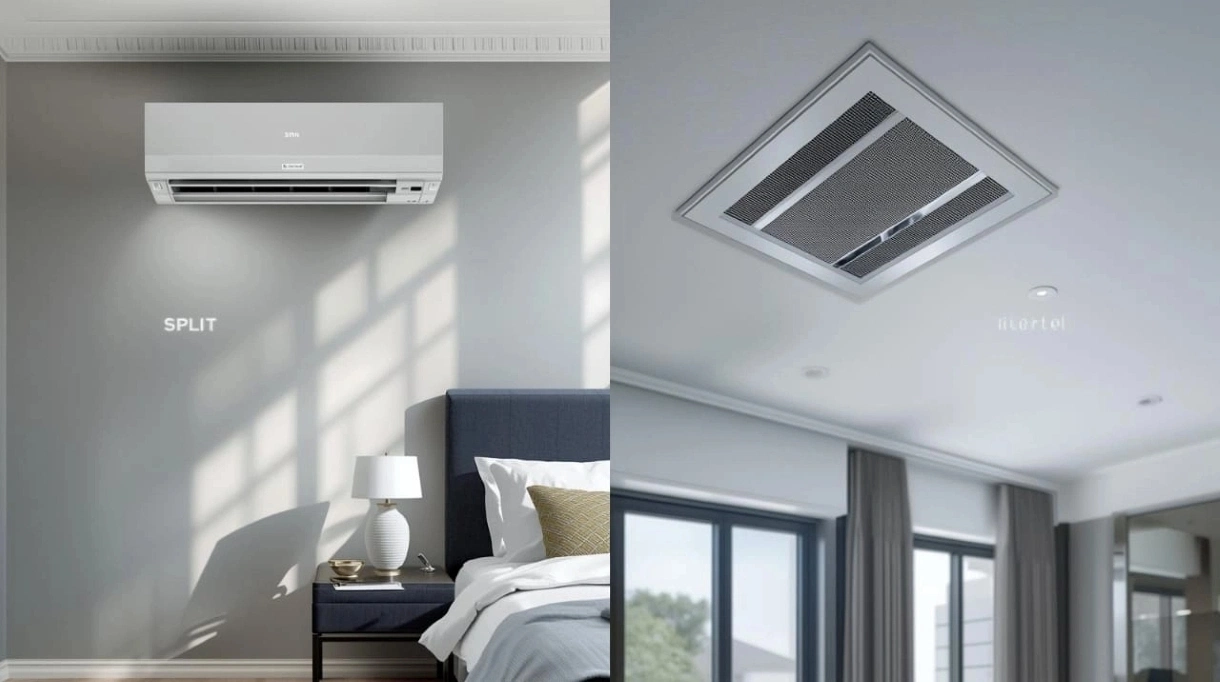
Want to Improve Your Home’s Air Quality?
Get free quotes from verified local specialists for aircon maintenance, filter upgrades, and duct cleaning.
Get Free Quotes From Local Specialists
Professional air quality assessments available.
📊 Types of Aircon Filters and Their Effectiveness
Not all filters are equal. Here’s what you need to know about different air conditioner air filtration options:
Standard mesh filters (in most aircons): Capture larger particles only (dust, hair, visible debris). MERV rating 1-4. Not effective for allergens like pollen or mould spores. Washable and reusable. Better than nothing, but upgrade recommended for allergy sufferers.
Electrostatic filters: Use static charge to attract particles. MERV rating 6-8. Capture pollen, dust mites, some mould spores. More effective than standard mesh. Can be washable or disposable.
Activated carbon filters: Don’t capture particles—they absorb odours and chemical vapours. Great for kitchens, smoking areas, or homes with strong smells. Often used alongside particle filters.
HEPA filters (rare in standard aircons): Capture 99.97% of particles down to 0.3 microns. Capture viruses, bacteria, fine dust, all allergens. Requires more powerful fan. Available in some premium units or as add-ons.
UV-C lights (add-on feature): Kill bacteria, viruses, and mould spores as air passes over them. Don’t capture particles—they destroy microorganisms. Excellent supplement to particle filters.
Ionisers (built into some units): Release negative ions that attach to particles, making them heavy so they fall out of the air. Some controversy about ozone production (choose units that don’t produce ozone).
Recommendation for allergy sufferers: Upgrade from standard mesh to an electrostatic or MERV 8-10 filter (if your unit supports it). Consider adding UV-C light for bacteria/virus protection.

⚠️ When Your Aircon Hurts Air Quality (The Dirty Aircon Problem)
A poorly maintained aircon doesn’t clean the air—it pollutes it. Here’s what happens:
A dirty filter: A clogged filter can’t trap new particles. Dust and allergens bypass the filter and recirculate in your room. The filter itself becomes a source of mould and bacteria growth.
Mould in the unit: Moisture from condensation + darkness + dust = mould growth. The fan blows mould spores directly into your room. This causes musty smells and respiratory issues.
Bacteria in the drain pan: Standing water in the drain pan grows bacteria. The airflow can pick up these bacteria and distribute them.
Dirty ducts (central systems): Dust, mould, and even rodent droppings accumulate in ducts over years. Every time the fan runs, these pollutants blow into your rooms.
Signs your aircon is hurting air quality: Musty or mouldy smell when running. Increased allergy symptoms when aircon is on. Visible dust blowing from vents. Family members coughing or sneezing more. You haven’t cleaned the filter in months.
⚠️ Health Warning:
A dirty aircon can make you sick. Mould spores and bacteria from dirty units cause respiratory issues, allergies, asthma attacks, and sinus infections. If your aircon smells musty, clean it immediately. Read our bad smell guide.
🔧 Maintenance for Optimal Air Quality
To maximise clean indoor air aircon benefits, follow this maintenance schedule:
Monthly (DIY, 5 minutes): Clean or vacuum air filters. Remove and wash with warm soapy water (if washable). Dry completely before reinstalling. This is the single most important task for air quality.
Quarterly (DIY, 10 minutes): Flush drain line with vinegar/water mixture. Check for standing water in drain pan. Wipe visible dust from indoor unit surfaces.
Annually (professional, 1 hour): Professional deep cleaning of coils and blower wheel. Refrigerant pressure check. Electrical component inspection. Drain pan sanitising.
Every 2-3 years (professional, 2-3 hours): Professional duct cleaning for central systems. Deep clean of internal components.
Read our filter cleaning guide and maintenance checklist.
🔧 Duct Cleaning for Central Systems
If you have ducted central air conditioning, the ducts themselves need cleaning every 3-5 years.
Why duct cleaning matters: Over years, dust, mould, pet dander, pollen, and even rodent droppings accumulate in ducts. Every time your aircon runs, these pollutants blow into your rooms. You’re breathing air that passed through years of accumulated debris.
Signs you need duct cleaning: Visible dust blowing from vents. Musty smell when aircon runs. Increased allergy symptoms. You see mould inside vents. It’s been over 5 years since last cleaning. Recent renovation or construction (drywall dust in ducts).
What professional duct cleaning includes: Inspection with camera. Negative pressure vacuum to remove debris. Brushing of duct interiors. Sanitising treatment. Filter replacement.
Cost: R1,500-R4,000 depending on system size and duct accessibility.
Read our duct cleaning guide.
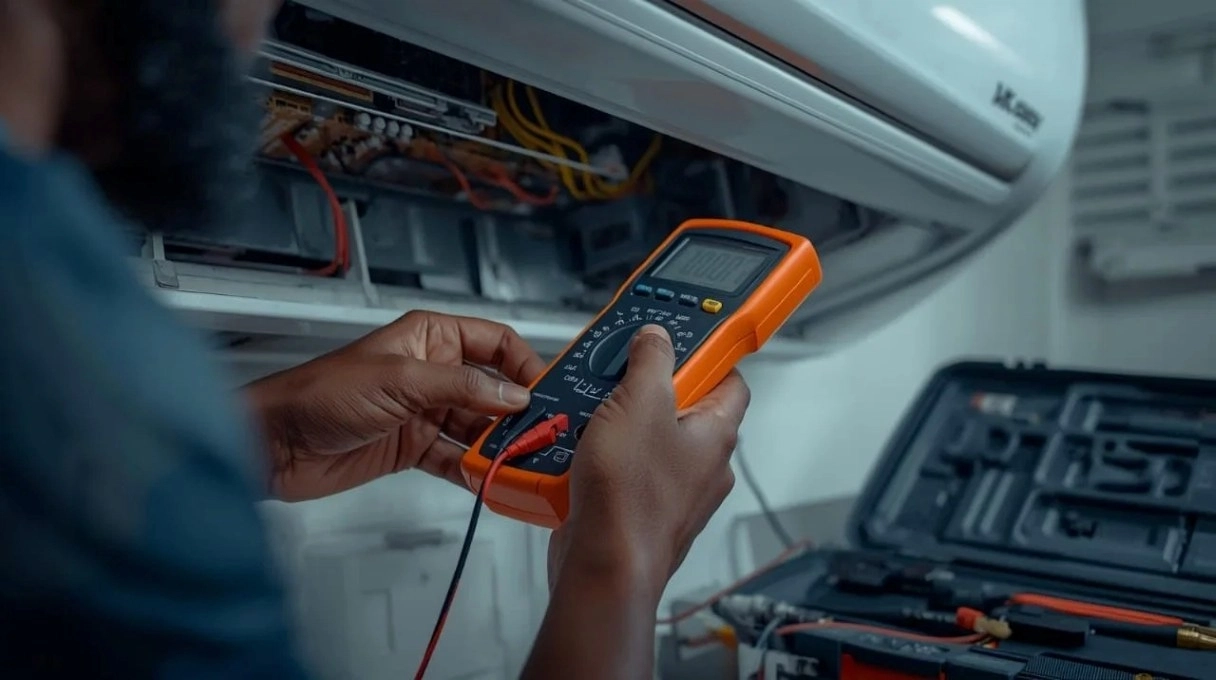
⬆️ Upgrading Your Aircon’s Filtration
If you or family members suffer from allergies or asthma, consider upgrading your aircon’s filtration:
Option 1: Better filters – Replace standard mesh filters with electrostatic or MERV 8-10 filters. Cost: R100-R300 per filter. Check your aircon manual for compatibility (some units can’t handle high-resistance filters).
Option 2: UV-C light add-on – Installed inside your aircon near the coils. Kills bacteria, viruses, and mould spores. Cost: R1,500-R3,000 including installation.
Option 3: Standalone air purifier – Dedicated HEPA air purifier for rooms where you spend the most time (bedroom, living room). Cost: R2,000-R6,000. Complements your aircon’s filtration.
Option 4: Whole-home air cleaner – Installed into your ducted system. Professional installation required. Cost: R5,000-R15,000.
Read our deep cleaning guide.
🔄 Aircon vs Dedicated Air Purifier
Should you rely on your aircon for air cleaning or buy a dedicated purifier?
Aircon advantages: Already installed, no extra cost. Circulates and filters room air 4-8 times per hour. Removes larger particles effectively. Good for general air cleaning.
Aircon limitations: Standard filters don’t capture very fine particles (viruses, fine smoke). Only runs when cooling/heating (not year-round). Can’t be moved between rooms.
Dedicated air purifier advantages: HEPA filters capture 99.97% of particles down to 0.3 microns. Can run 24/7 independently of temperature. Portable between rooms. Often quieter than aircon.
The best solution for allergy sufferers: Use both. Your aircon provides general air cleaning when running for temperature control. A dedicated HEPA purifier in the bedroom provides 24/7 high-level filtration.
Read our eco-friendly cleaning guide.
✅ Quick Air Quality Checklist
Use this checklist to ensure your aircon is providing optimal air filtration:
- Clean air filters monthly (non-negotiable for air quality)
- Flush drain line quarterly (prevents mould and bacteria)
- Schedule professional service annually
- Consider upgrading to electrostatic or MERV 8-10 filters
- For ducted systems, schedule duct cleaning every 3-5 years
- If you smell mustiness, investigate immediately (mould)
- Replace disposable filters every 3-6 months (check manufacturer recommendation)
- Consider a standalone HEPA purifier for bedrooms if allergies are severe
❓ Frequently Asked Questions
Does an air conditioner clean the air?
Yes, does air conditioner clean air is a definite yes. Air conditioners pull room air through filters that trap dust, pollen, pet dander, and mould spores. However, effectiveness depends on clean filters and regular maintenance. A dirty aircon spreads pollutants instead of removing them. Read our filter cleaning guide.
Can air conditioners improve allergies?
Yes. By removing pollen, dust mites, pet dander, and mould spores from indoor air, a clean aircon can significantly reduce allergy symptoms. However, the filter must be clean and of adequate quality. Standard mesh filters help; electrostatic or MERV 8-10 filters work better for allergies.
Do air conditioners remove dust?
Yes. Air conditioner air filtration effectively removes airborne dust. The filter traps dust particles as air circulates. A typical aircon filters all the air in a room 4-8 times per hour. However, dust that has already settled on surfaces won’t be removed—you still need to dust and vacuum.
Can a dirty air conditioner make you sick?
Yes. A dirty aircon can spread mould spores, bacteria, and dust mites throughout your home. This causes respiratory issues, allergies, asthma attacks, sinus infections, and flu-like symptoms. If your aircon smells musty, clean it immediately. Read our bad smell guide.
What is the best aircon filter for allergies?
For allergies, upgrade from standard mesh to electrostatic or MERV 8-10 filters. These capture smaller particles like pollen and mould spores. HEPA filters are best but rarely fit standard aircons (they restrict airflow too much). Consider a standalone HEPA air purifier for bedrooms.
How often should I change my aircon filter?
For washable mesh filters: clean every 2-4 weeks. For disposable filters: replace every 3-6 months depending on usage and air quality. Replace more often if you have pets, live in a dusty area, or have allergy sufferers in the home.
Do air conditioners remove smoke?
Standard filters remove larger smoke particles but not the fine particles or gases. For wildfire smoke or cigarette smoke, HEPA filters plus activated carbon filters are needed. Standard aircon filters help but aren’t fully effective against smoke. Consider a dedicated air purifier for smoke issues.
Can air conditioners spread COVID-19?
Air conditioners recirculate indoor air but don’t generate viruses. In shared spaces, recirculation can potentially spread airborne particles. In homes (single household), risk is minimal. To be safe, ensure adequate ventilation (open windows occasionally) and maintain clean filters. UV-C lights can kill viruses in some systems.
How do I know if my aircon is improving air quality?
Signs of good air purification: less dust settling on surfaces, reduced allergy symptoms, no musty smells, visible cleanliness of the filter (it’s catching dirt). Buy an indoor air quality monitor (R500-R2,000) to measure particulate matter (PM2.5) levels with and without the aircon running.
Is it safe to run an aircon with a baby in the room?
Yes, with proper precautions. Ensure the filter is clean (babies are more vulnerable to mould and bacteria). Set temperature to 22-23°C (not too cold). Ensure airflow doesn’t blow directly on the baby. Maintain humidity between 40-60%. A clean, well-maintained aircon improves air quality for babies by removing allergens.
✅ Final Thoughts: Your Aircon, Your Lungs
Your air conditioner is more than a cooling machine. It’s an air purification system that affects the air you breathe every day. A clean, well-maintained aircon removes pollutants and improves health. A dirty aircon spreads mould and makes you sick.
Key takeaways for air quality:
- Aircons do clean the air – they filter dust, pollen, mould, and pet dander.
- Clean filters are essential – a dirty filter spreads pollutants instead of trapping them.
- Health benefits are real – especially for allergy and asthma sufferers.
- Upgrade filtration for better results – electrostatic or MERV filters capture more allergens.
- A dirty aircon can make you sick – mould and bacteria from dirty units cause respiratory issues.
- Duct cleaning matters – for central systems, clean ducts every 3-5 years.
- Consider a dedicated purifier – for severe allergies, add a HEPA purifier to your bedroom.
Your action plan: First, check your aircon filter today. If it’s grey or black, clean it immediately. Second, if you smell mustiness, investigate mould. Third, schedule professional service if it’s been over a year. Fourth, consider upgrading your filter if allergies are an issue. Fifth, request quotes from local specialists for maintenance or duct cleaning.
Ready to Breathe Cleaner Air?
Get free quotes from verified local specialists for aircon maintenance, filter upgrades, and duct cleaning.
📞 Call us: 073 138 4726 for immediate help finding aircon specialists near you.
Free site inspections •
Filter cleaning guide •
Our guarantees
📚 Official resources & standards referenced:
- ASHRAE – Indoor air quality standards and filtration guidelines
- SABS – Air filtration guidelines and indoor environmental quality standards
- Department of Energy – Indoor air quality and ventilation guidelines
Information provided for general guidance based on South African market conditions and common air conditioning systems. Always consult a medical professional for specific allergy or respiratory concerns.
Written by: Innocent T Hanyani
Construction & Home Services Industry Specialist | 21+ Years Experience
Innocent T Hanyani has over two decades of experience working across South Africa’s construction, maintenance, and home services sectors. Throughout his career, he has worked closely with contractors, service providers, and property owners, gaining practical insight into how projects are quoted, managed, and completed. His work focuses on helping homeowners understand how to find reliable contractors, compare quotes, and avoid common industry pitfalls when hiring service professionals. His insights are based on practical industry experience as well as ongoing research into contractor platforms, service marketplaces, and hiring trends across South Africa.