
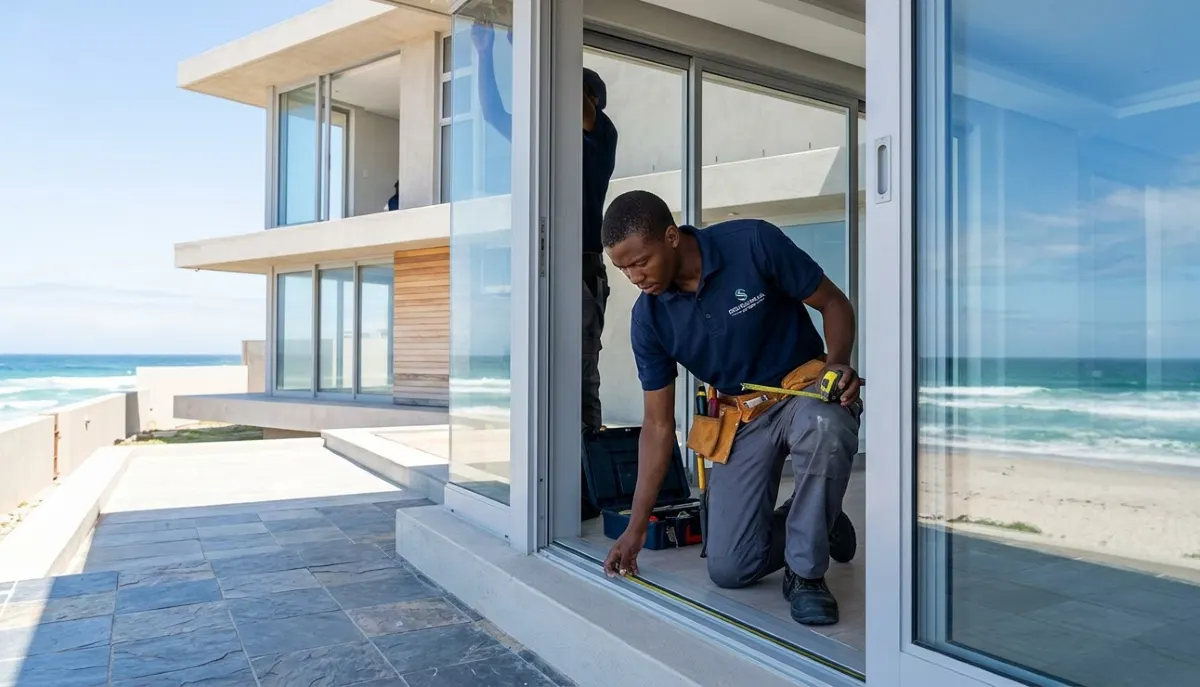
Living in a Windy Area?
Get free quotes from verified aluminium specialists. Find wind resistant windows that can handle the strongest gusts.
Get Free Wind-Resistant Quotes
Servicing Western Cape, Eastern Cape, Cape Town, George, and Knysna
Aluminium Windows for High Wind Areas: What You Need to Know SA
💨 The complete guide to choosing and installing windows that survive coastal storms and strong winds
Let me describe a scene I’ve witnessed too many times. A winter storm hits the Western Cape. Winds gust over 100km/h. And then you hear it – a crash. A window has blown in. Glass everywhere. The room is exposed to the raging storm. The damage is extensive and expensive.
Here’s the truth. Not all aluminium windows are designed for high wind areas. Standard windows flex under pressure. Weak fixings pull out of walls. Poor seals let wind-driven rain pour in. In regions like Cape Town, George, and Knysna, this isn’t just an inconvenience – it’s a safety risk.
In this complete guide to aluminium windows for high wind areas, I’ll explain how to choose wind resistant windows, what specifications matter (frame thickness, glass strength, fixing methods), and how to ensure your windows are truly storm proof windows. You’ll learn about wind load ratings, installation requirements, and how to protect your home in South Africa’s windiest regions.
For more coastal guidance, read our coastal windows guide, marine grade guide, or maintenance guide. Ready to weather the storm? Let’s dive in.
📋 Table of Contents – High Wind Windows Guide
💨 High Wind Risks in South Africa
Understanding where and why high winds occur helps you choose aluminium windows for high wind areas.
South Africa’s windiest regions:
- Western Cape (Cape Town to Cape Agulhas): The most wind-exposed region. Strong south-easterly winds (the “Cape Doctor”) regularly exceed 60-80km/h, with storms reaching 100-120km/h. Garden Route towns like George and Knysna also experience high winds.
- Eastern Cape (Port Elizabeth to East London): Known as the “Windy City” for a reason. Strong south-westerly winds are common.
- Coastal KZN: Less windy than Western Cape but tropical storms and cyclones bring extreme gusts.
- Highveld (Gauteng, Free State): Strong thunderstorms can bring damaging wind gusts, though less frequent than coastal areas.
What happens when standard windows fail:
- Frames flex and allow air gaps – whistling, draughts, and heat loss
- Glass can shatter from pressure differential or flying debris
- Fixings pull out of walls – entire window can blow in
- Seals fail – wind-driven rain pours in, causing water damage
According to Weather SA wind zone mapping and SANS 10400 wind load standards, buildings in high wind areas must meet specific design requirements.
⚠️ Warning: Standard Windows Fail in High Winds
If you live in a wind-exposed area, standard aluminium windows may not be sufficient. They are designed for moderate conditions. In high winds, they can flex, leak, or fail completely. For storm proof windows, you need reinforced frames, stronger glass, and professional installation with proper fixings.
📊 Understanding Wind Load Ratings
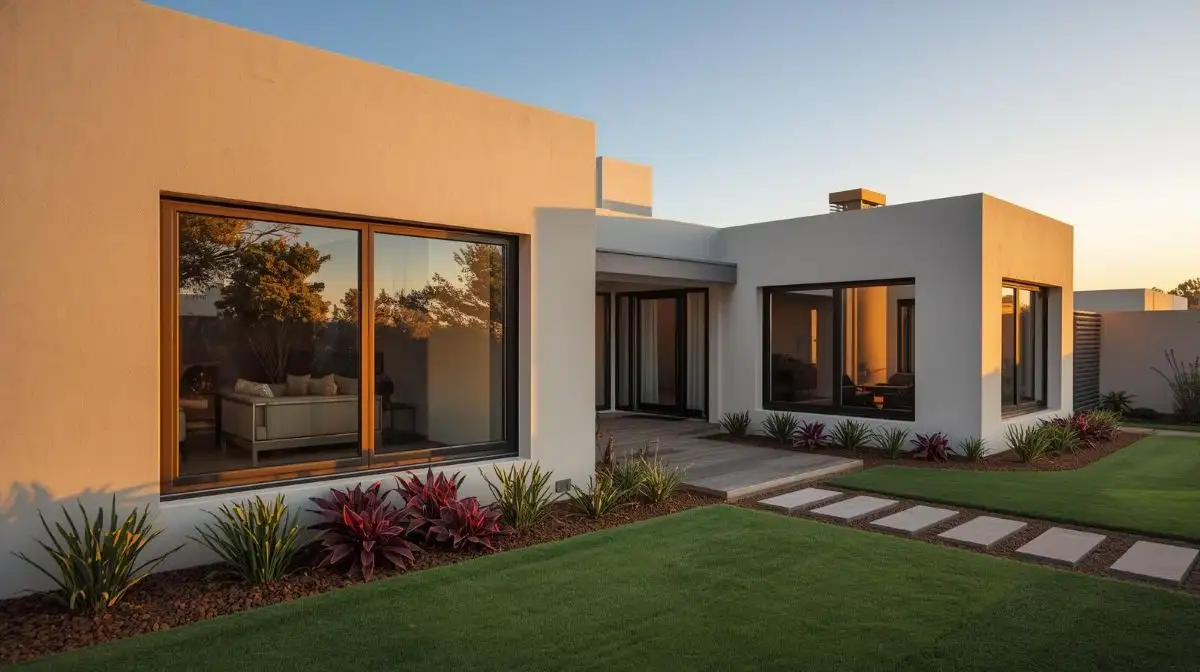
Wind load ratings tell you how much pressure a window can withstand.
What is wind load? Wind load is the pressure exerted by wind on a surface. It’s measured in Pascals (Pa) or kilopascals (kPa). Higher ratings mean the window can withstand stronger winds.
Typical wind load ratings for windows:
- Standard residential (minimum): 1.0 – 1.5 kPa – suitable for sheltered inland areas
- Medium wind resistance: 1.5 – 2.0 kPa – suitable for exposed inland or mild coastal
- High wind resistance (recommended for coastal): 2.0 – 2.5 kPa – suitable for most coastal areas
- Extreme wind resistance (storm zones): 2.5 – 3.5+ kPa – for beachfront, exposed hills, cyclone-prone areas
What wind speed equals what pressure? (approximate)
- 1.0 kPa ≈ 140 km/h wind (severe storm)
- 1.5 kPa ≈ 170 km/h wind (strong storm)
- 2.0 kPa ≈ 200 km/h wind (violent storm)
- 2.5 kPa ≈ 220 km/h wind (cyclone)
What to ask suppliers: “What is the wind load rating of this window? Is it certified to SANS 10400 requirements for my area?”
Read our coastal windows guide for more on wind load requirements by region.
🪟 Frame Specifications for High Winds
The frame is your first defence against wind resistant windows failure.
Profile thickness (aluminium wall thickness):
- Standard (inland): 1.2 – 1.4mm – not recommended for high wind areas
- Heavy-duty (recommended): 1.6 – 2.0mm – essential for coastal and high wind areas
- Commercial grade: 2.0 – 2.5mm – for extreme exposure or large windows
Frame depth:
- Standard depth: 50-60mm – basic residential
- Heavy-duty depth: 70-90mm – better wind resistance, more fixing points
- Commercial depth: 100mm+ – for curtain walls and large spans
Reinforcement:
- Steel reinforcement inside the aluminium frame adds significant strength
- Essential for large windows or sliding doors in high wind areas
- Ask: “Does this window have steel reinforcement in the frame?”
Corner construction:
- Screwed corners (basic): Can flex under pressure – not for high wind
- Welded corners (better): Stronger, less flex – recommended for wind areas
- Reinforced welded corners (best): Maximum strength for extreme exposure
Read our marine grade guide for coastal specifications.
🪟 Glass Specifications for Impact Resistance
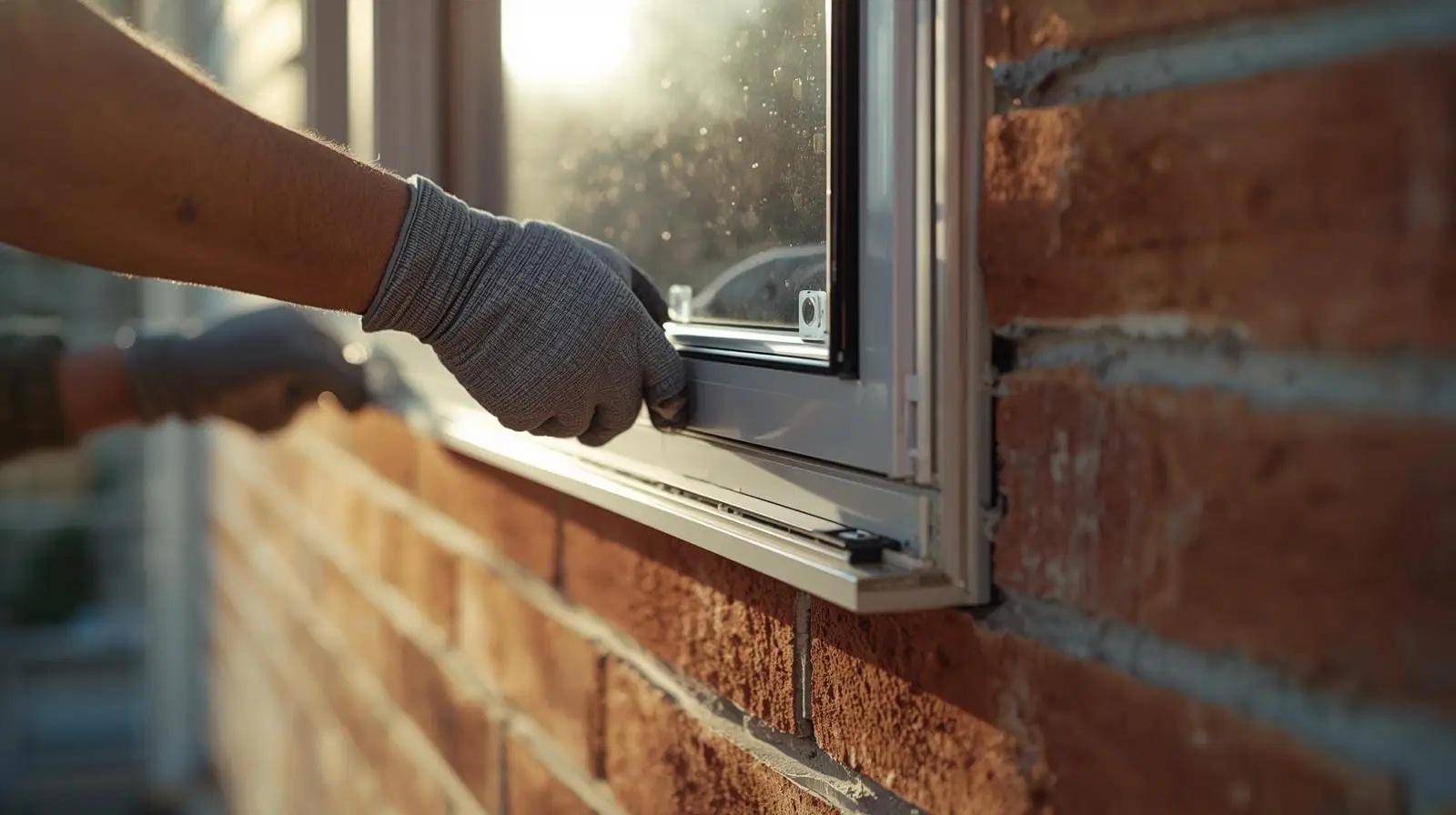
Glass is vulnerable to wind pressure and flying debris.
Glass thickness recommendations:
- Standard (inland): 4mm – not for high wind areas (can flex and break)
- Recommended for high wind: 5-6mm – thicker glass resists pressure better
- Storm zones: 8mm or laminated – maximum strength
Glass types for wind resistance:
- Toughened (tempered) glass: 4-5x stronger than standard. Resists impact from flying debris. When broken, shatters into small cubes. Recommended for all coastal and high wind areas.
- Laminated glass: Two glass panes bonded with plastic interlayer. Holds together if broken – prevents dangerous shards. Also provides security and noise reduction. Best for extreme wind areas.
- Double glazing + thicker glass: For maximum performance, combine double glazing with 5-6mm toughened glass on the exterior.
Glass size matters: Larger panes are more vulnerable to wind pressure. For very large windows in high wind areas, use thicker glass (6-8mm) or add internal mullions (vertical supports) to reduce the unsupported span.
Read our tempered vs laminated glass guide for more detail.
🔩 Fixings & Installation – The Most Critical Factor
Even the strongest window fails if not installed correctly. This is the most important section for how to choose aluminium windows for high wind areas.
Fixing types and requirements:
- Standard fixings (screw-in wall plug): Adequate for sheltered areas – NOT for high wind
- Heavy-duty fixings (expanding bolts): Required for high wind areas – recommended spacing every 400-500mm
- Through-wall fixings: Bolt goes completely through the wall – strongest method, used for extreme exposure
- Stainless steel fixings: Essential for coastal areas – standard steel corrodes
Fixing spacing:
- Standard: Every 600-800mm – not for high wind
- High wind areas: Every 400-500mm – more fixings = stronger
- Extreme exposure: Every 250-300mm – maximum security
Installation checklist for wind areas:
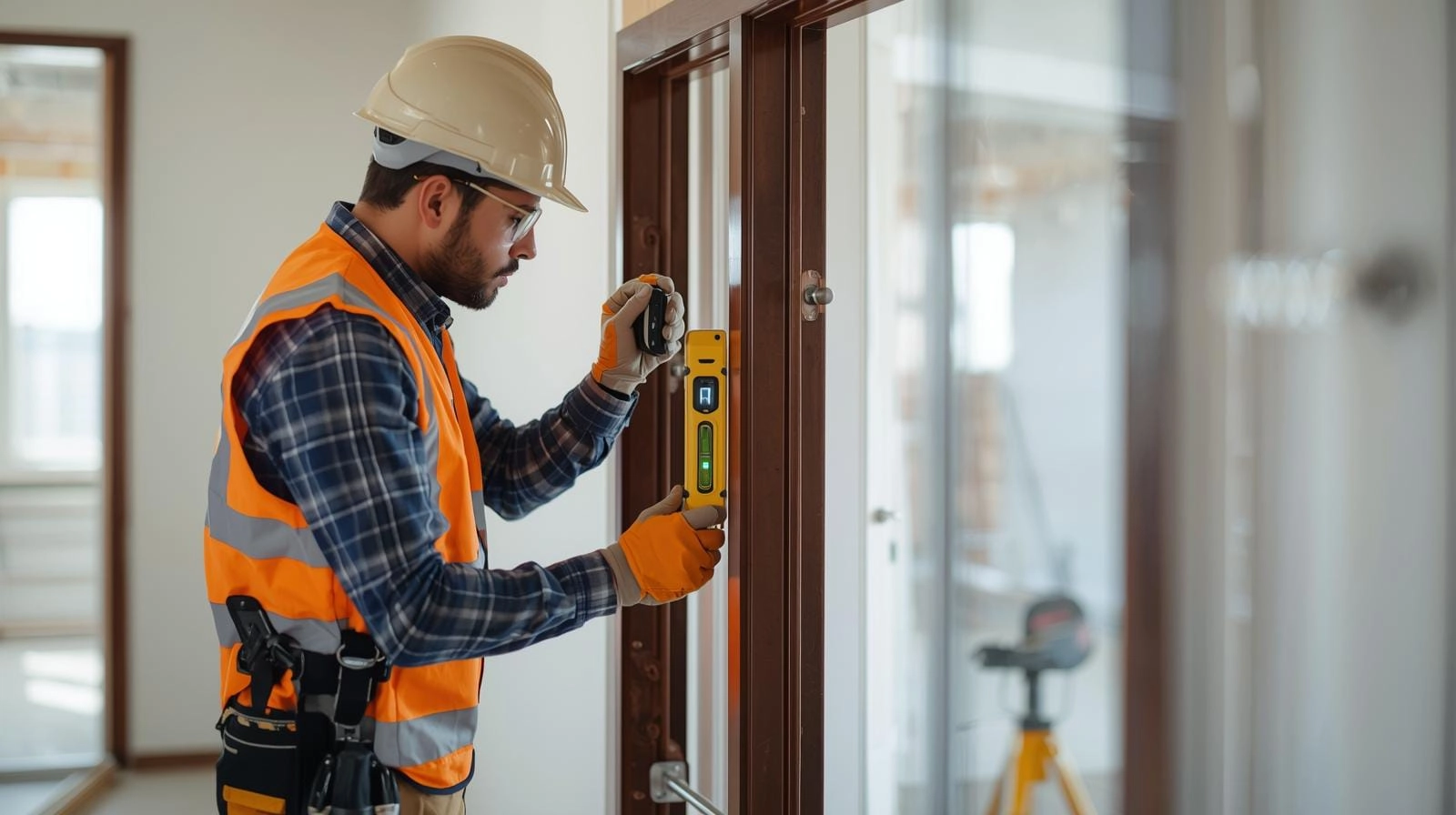
- Opening must be perfectly square and level
- Frame must be secured with correct number and type of fixings
- Gaps between frame and wall must be filled with expanding foam
- Exterior silicone sealant must be applied continuously
- Check that fixings are into solid masonry (not just plaster)
Why professional installation is essential: A DIY or cheap installation in a high wind area is dangerous. Pay for experienced installers who understand wind load requirements. Read our contractor guide.
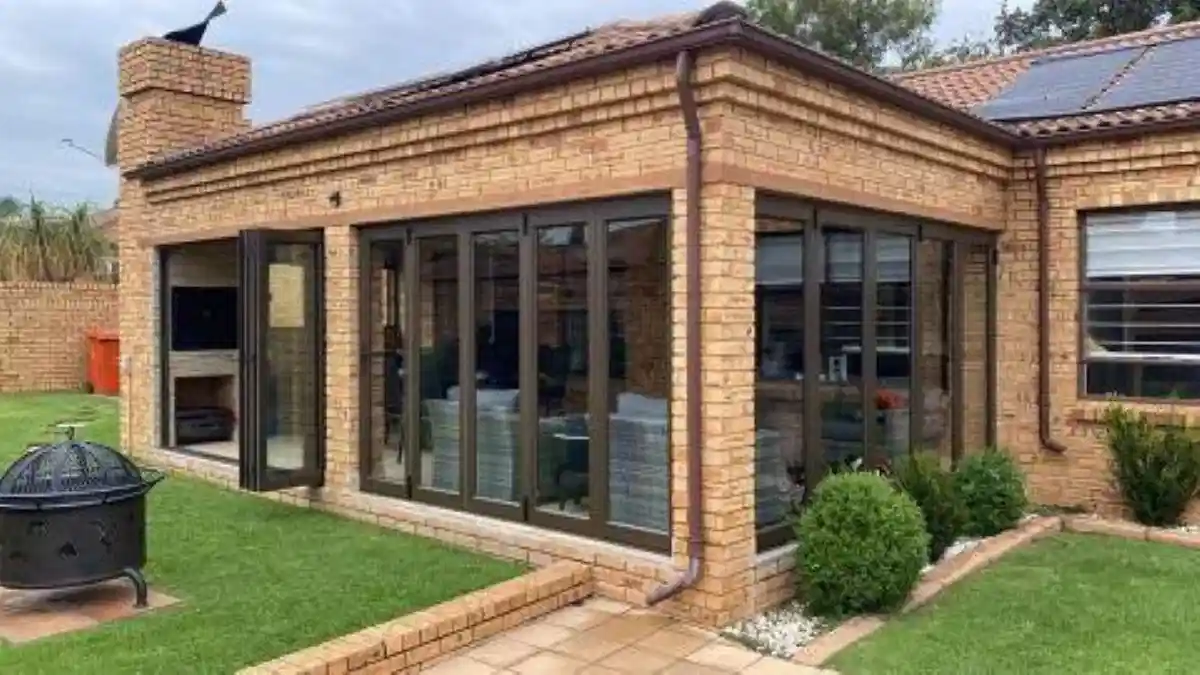
Living in a Windy Area? Don’t Risk Failure.
Get free quotes from verified aluminium specialists who understand wind resistant windows requirements for your area.
Free wind resistance assessments • Hiring tips • Beat Your Quote
🚪 Best Window Types for High Wind Areas
Not all window designs perform equally in high winds.
| Window Type | Wind Resistance | Pros | Cons | Best For |
|---|---|---|---|---|
| Awning (top-hung) | Excellent | Seals tighter when wind blows against them, can be left open in light rain | Limited opening size | Coastal areas, Western Cape |
| Fixed (non-opening) | Excellent | No moving parts, strongest option | No ventilation | Large picture windows, north-facing |
| Casement (side-hung) | Good (if properly installed) | Good seal, 100% opening | Wind can catch open window | Standard rooms |
| Sliding | Fair | Space-saving, affordable | Seals are less wind-resistant, can rattle | Sheltered areas only |
| Louvre | Poor | Good ventilation | Slats can rattle, poor sealing | Not suitable for high wind areas |
Recommendation for high wind areas: For exposed locations, use awning windows (top-hung) or fixed windows where ventilation isn’t needed. Avoid louvre windows completely. Use sliding windows only in sheltered locations.
Read our awning windows guide for more.
💧 Sealing & Waterproofing Against Wind-Driven Rain
High winds drive rain horizontally – standard seals often fail.
Why standard seals fail: Standard weather seals are designed for vertical rain. In high winds, rain is horizontal. It can be forced through gaps that would normally be sealed. This causes water to pour in around the window.
Sealing requirements for wind areas:
- Multiple compression seals: Two or three seals along the sash perimeter (not just one)
- Drainage system: Weep holes in the frame allow water to escape – ensure they’re clear and functioning
- Exterior silicone: Continuous bead around the frame-to-wall junction – no gaps
- Weather bar: A raised sill profile that blocks wind-driven water
Testing for water penetration: Quality windows for high wind areas are tested to standards like ASTM E331 (water penetration under wind pressure). Ask suppliers for test results.
Read our seal replacement guide for maintenance.
🗺️ Regional Guide – Needs by Wind Zone
Your location determines what aluminium windows for high wind areas you need.
| Region | Wind Zone | Recommended Spec | Fixing Spacing | Glass |
|---|---|---|---|---|
| Cape Town / Cape Peninsula | Extreme | 2.0-2.5 kPa rating, 1.6mm+ profile | 400mm | 6mm toughened or laminated |
| West Coast (Blouberg, Yzerfontein) | Extreme | 2.5+ kPa rating, 2.0mm profile | 300-400mm | 6-8mm toughened or laminated |
| George / Garden Route | High | 1.8-2.2 kPa rating, 1.6mm profile | 450mm | 5-6mm toughened |
| Knysna / Plett | High | 1.8-2.2 kPa rating, 1.6mm profile | 450mm | 5-6mm toughened |
| Eastern Cape (PE, East London) | Moderate-High | 1.5-2.0 kPa rating, 1.4-1.6mm profile | 500mm | 5mm toughened |
Use our Western Cape services, George services, or Knysna services to find local specialists who understand regional wind conditions.
💰 Cost Breakdown – Wind-Resistant vs Standard
Here’s what wind resistant windows cost compared to standard.
| Component | Standard | Wind-Resistant | Premium (Extreme) |
|---|---|---|---|
| Frame profile thickness | 1.2-1.4mm (base) | 1.6mm (+15-25%) | 2.0mm (+30-50%) |
| Glass thickness | 4mm (base) | 5-6mm (+10-20%) | 8mm or laminated (+30-60%) |
| Fixings & installation | Base | +20-30% (more fixings, specialist labour) | +40-60% (heavy-duty fixings, reinforced) |
| Total window cost (per m² installed) | R4,500 – R7,000 | R6,000 – R9,000 (+30-40%) | R8,000 – R12,000+ (+60-80%) |
Is it worth it? Yes – for homes in high wind areas, the extra 30-40% upfront cost is far less than repairing storm damage, replacing failed windows, or dealing with water damage. Don’t compromise on wind resistance.
Read our replacement guide for cost comparisons.
🚫 Common Mistakes to Avoid in High Wind Areas
⚠️ Warning: These Mistakes Lead to Window Failure
Avoid these errors when selecting aluminium windows for high wind areas.
- Using standard windows in wind-exposed areas: Standard windows are not designed for high winds. They flex, leak, or fail. Always specify wind load rated windows.
- Insufficient fixings: Cheap installers use fewer fixings than required. In high winds, the window can be ripped out of the wall. Count the fixings – they should be every 400-500mm.
- Thin glass (4mm) in large windows: Large panes of thin glass flex and can shatter under wind pressure. Use 5-6mm toughened glass for any window over 1.5m².
- Sliding windows in exposed locations: Sliding windows have poor wind seals. They rattle, leak, and can be forced open by wind pressure. Use awning or casement instead.
- Poor quality seals: Standard single seals fail under wind-driven rain. Specify multiple compression seals.
- DIY installation in wind areas: This is not a DIY project. Incorrect installation is the #1 cause of window failure in storms. Hire experienced professionals.
- Ignoring building regulations: SANS 10400 specifies wind load requirements. Your windows must comply. Ask for certification.
- Not asking for wind load test results: Many suppliers can’t provide wind load ratings. If they can’t, don’t buy – they’re likely selling standard windows as “wind resistant”.
Read our window closing guide for post-storm troubleshooting.
❓ Frequently Asked Questions About Aluminium Windows in High Wind Areas
What are the best aluminium windows for high wind areas in South Africa?
The best aluminium windows for high wind areas are awning (top-hung) or fixed windows with: 1.6mm+ frame profile, 5-6mm toughened glass, 2.0+ kPa wind load rating, and heavy-duty fixings every 400-500mm. Avoid sliding and louvre windows in exposed locations. For Cape Town and the Garden Route, these specifications are essential.
What wind load rating do I need for my area?
For wind load requirements: sheltered inland areas – 1.0-1.5 kPa. Exposed inland or mild coastal – 1.5-2.0 kPa. Most coastal areas – 2.0-2.5 kPa. Beachfront or extreme exposure (Cape Peninsula, West Coast) – 2.5-3.5+ kPa. Check local building codes or ask your architect. Read SANS 10400 for official requirements.
Will sliding windows work in high wind areas?
Sliding windows are NOT recommended for high wind areas. Their seals are less wind-resistant than awning or casement windows. In strong winds, they can rattle, allow draughts and water ingress, and may be forced open by wind pressure. If you must use sliding windows, choose heavy-duty commercial grade with multiple seals and ensure they’re installed with proper fixings.
How often should fixings be spaced for high wind areas?
For wind resistant windows, fixings should be spaced every 400-500mm in high wind areas (vs 600-800mm for standard). For extreme exposure (Cape Peninsula, West Coast), space every 300-400mm. Use heavy-duty expanding bolts, not standard wall plugs. Fixings must go into solid masonry, not just plaster.
What glass thickness is best for high wind areas?
Minimum 5mm toughened glass for windows up to 2m². For larger windows, use 6mm toughened or laminated glass. For extreme exposure (beachfront), use 8mm or laminated glass. Standard 4mm glass is not suitable for high wind areas – it flexes and can shatter under pressure. For storm proof windows, thicker glass is essential.
Can I use standard aluminium windows in Cape Town’s wind?
No – standard aluminium windows are not sufficient for Cape Town‘s south-easterly winds. Cape Town falls in a high to extreme wind zone. You need windows with 2.0-2.5 kPa wind load rating, 1.6mm+ frame profile, 5-6mm toughened glass, and fixings every 400mm. Many Cape Town homeowners have learned this the hard way after storm damage.
How do I find a reliable installer for high wind areas?
Use ServiceLink SA’s free quote service to find verified aluminium specialists experienced in high wind installations. Ask: What wind load rating do your windows have? What fixing spacing do you use? Can you provide references from coastal or high wind installations? For Western Cape, George, or Knysna, ask for local references from wind-exposed properties.
Do I need special seals for wind-driven rain?
Yes – standard single seals fail under wind-driven rain. For true wind resistant windows, specify multiple compression seals (2-3). Also ensure the frame has proper drainage (weep holes) and a weather bar (raised sill profile). Ask suppliers for water penetration test results (ASTM E331). These features are essential for Western Cape winters where horizontal rain is common.
✅ Final Thoughts: Don’t Underestimate the Wind
After reading this guide on aluminium windows for high wind areas, you understand that wind protection requires planning and investment.
If you live in a windy area – especially the Western Cape or Eastern Cape – don’t settle for standard windows. The extra 30-40% upfront cost for wind-resistant specifications is far less than storm damage repair. Specify heavy-duty frames (1.6mm+), toughened glass (5-6mm), proper fixings every 400-500mm, and professional installation.
Your windows are your home’s first defence against the elements. Make sure they’re up to the task.
Key takeaways for high wind areas:
- Standard windows fail in high winds – specify wind load rated products (2.0+ kPa for coastal)
- Frame: 1.6-2.0mm profile thickness, welded corners, steel reinforcement for large windows
- Glass: 5-6mm toughened minimum (8mm or laminated for extreme exposure)
- Fixings: heavy-duty expanding bolts every 400-500mm (300-400mm for extreme)
- Awning or fixed windows are best; avoid sliding and louvre in exposed locations
- Multiple compression seals and proper drainage are essential for wind-driven rain
- Professional installation is non-negotiable – cheap installers cut corners on fixings
- Western Cape (especially Cape Town) requires the highest specifications
- Always ask for wind load test results and SANS 10400 compliance
- Use ServiceLink SA to find verified high wind specialists
Your next step: If you live in a windy area, check your current windows. Are they rattling? Do you feel draughts? Get free quotes from verified specialists for wind-resistant upgrades or replacements.
Ready to Weather the Storm?
Get free, no-obligation quotes from verified aluminium specialists. Compare aluminium windows for high wind areas options and find the best protection for your home.
📞 Call us: 073 138 4726 for wind-resistant window advice.
Free wind resistance assessments •
Hiring tips •
Beat Your Quote •
Our guarantees
📚 Official resources & standards referenced:
- SANS 10400 – South African National Standard for wind load standards and building regulations.
- Weather SA – South African Weather Service wind zone mapping and climate data.
Information provided for general guidance. Wind conditions vary by micro-location. Always consult local specialists and check SANS 10400 requirements for your specific area.
Written by: ServiceLink SA Research Team
Specialist High Wind & Coastal Building Experts
The ServiceLink SA Research Team has extensive experience with aluminium window installations in South Africa’s windiest regions – from Cape Town’s south-easterly blasts to the Garden Route’s winter storms. Our team has worked closely with structural engineers, certified installers, and homeowners to develop this comprehensive wind resistant windows guide. This guide is based on real performance data, wind load testing, and feedback from across Western Cape, Eastern Cape, George, Knysna, Plettenberg Bay, and nationwide. We update our information regularly to reflect current wind load standards and building regulations.
For more information about windows in challenging environments, explore our related resources: coastal windows guide, marine grade guide, corrosion protection guide, maintenance guide, and window closing guide. Learn about our process on what is ServiceLink SA and how ServiceLink SA works. Find specialists in your area: Western Cape, Eastern Cape, Cape Town, George, Knysna, and Plettenberg Bay. For related services, see our roofing services and building construction guides.