
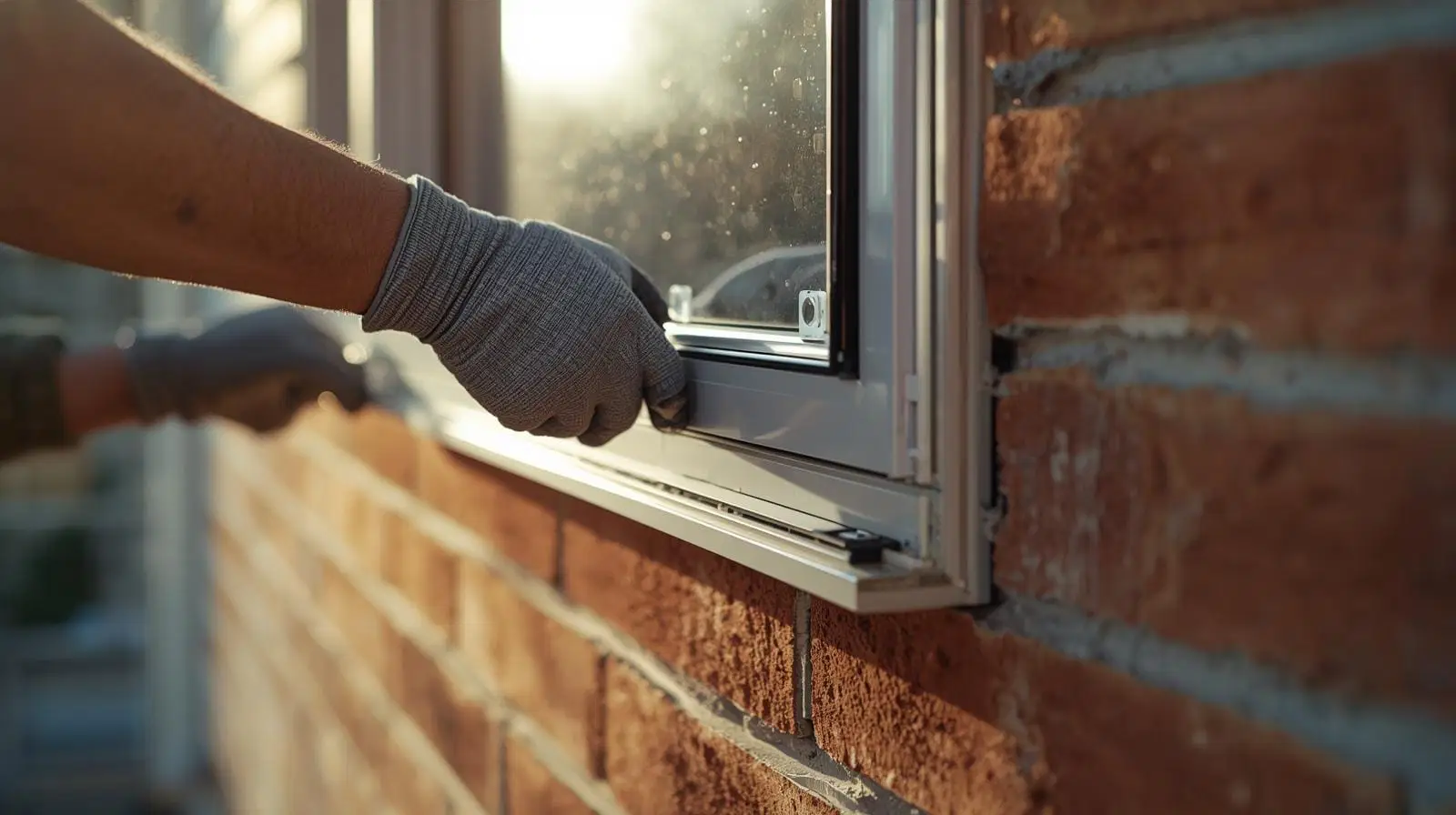
Feeling a Draught or Seeing Water Leaks?
Get free quotes from verified aluminium repair specialists. Let professionals handle your gasket replacement and seal your windows properly.
Get Free Seal Replacement Quotes
Servicing Gauteng, Johannesburg, Pretoria, and Cape Town
Aluminium Window Seal & Gasket Replacement Guide: Stop Air & Water Leaks
🌬️ The complete guide to replacing worn weather seals on aluminium windows – save energy and stay dry
Let me describe a scene that plays out in thousands of South African homes every winter. You’re sitting near a window. You feel a cold draught on your neck. You check the window – it’s closed. But the cold air is still getting in. Or worse, during the first summer storm, water seeps through the window frame and damages your wall or floor.
The culprit? Worn, cracked, or perished weather seals. These rubber or brush seals are your window’s first defence against draughts, dust, rain, and noise. When they fail, your home becomes less comfortable, less energy-efficient, and vulnerable to water damage.
The good news? Aluminium window seal replacement is one of the easiest and most cost-effective DIY repairs you can do. With basic tools and R50-200 in materials, you can replace seals on a standard window in 10-15 minutes.
In this complete gasket replacement guide, I’ll show you how to identify which seals need replacing, choose the right replacement window weather seal, and install new seals step by step. You’ll learn about different seal types (brush, rubber compression, EPDM, silicone), how to measure and cut them, and when to call a professional.
For more window repair guidance, read our window closing guide, handle replacement guide, or hinge repair guide. Ready to stop those draughts? Let’s dive in.
📋 Table of Contents – Window Seal Replacement Guide
🔍 Signs Your Window Seals Have Failed
Before starting aluminium window seal replacement, confirm that seals are the problem.
Common signs of failed weather seals:
- Feeling a draught: Cold air enters around the closed window. Use a lit incense stick or lighter near the closed window – if the smoke/flame moves, you have a leak.
- Water leaks during rain: Water seeps through the closed window, not around the frame. Check for wet sills or walls after storms.
- Visible damage: Seals are cracked, brittle, flattened, or missing sections.
- Dust or insects inside: Small gaps allow dust, pollen, and insects to enter.
- Noise penetration: Outside noise is louder than it used to be – seals have lost their sound-dampening ability.
- Condensation between panes: On double-glazed windows, fogging between panes indicates the seal has failed (requires professional glass replacement, not just seal replacement).
- The seal has hardened: Rubber becomes hard and inflexible with age – it no longer compresses to seal gaps.
Try this simple test: Close the window. Insert a piece of paper between the window and the frame. If you can pull the paper out with little resistance, the seal isn’t making proper contact.
| Symptom | Likely Cause | DIY Fix | Professional? |
|---|---|---|---|
| Draught around closed window | Worn compression seal | Replace seal | No – simple DIY |
| Water leaking during rain | Failed exterior seal | Replace exterior seal | No – but check frame for damage |
| Visible cracks or gaps | Age, UV damage, heat | Replace all perished seals | No |
| Dust or insects getting in | Gaps in brush or compression seals | Replace seals | No |
| Condensation between double glazing panes | Failed glass unit seal (not frame seal) | Cannot fix – replace glass unit | Yes – glass unit replacement required |
According to SANS 10400 weather sealing standards and energy efficiency guidelines, properly sealed windows are essential for home energy efficiency.
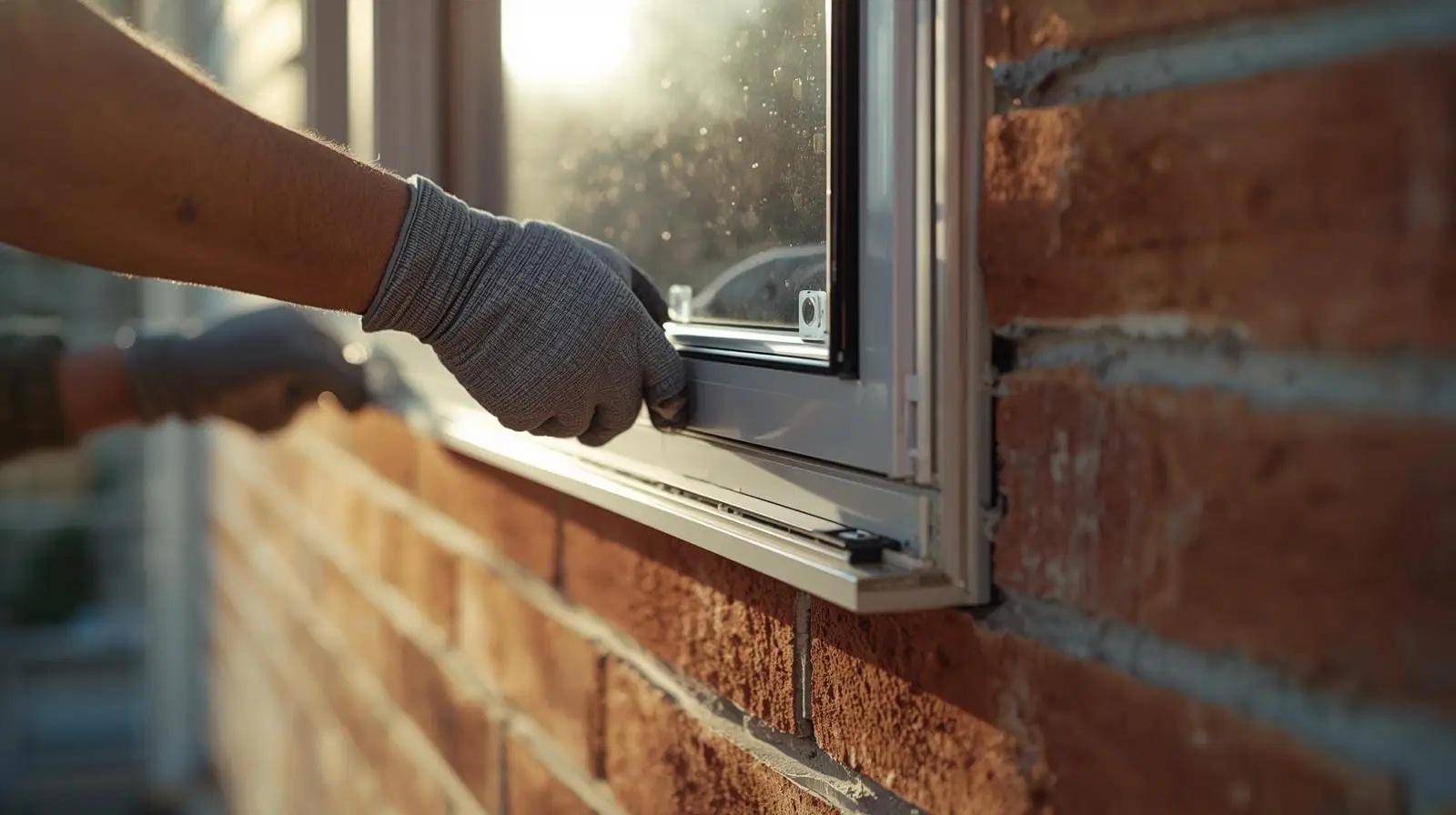
🧩 Types of Window Seals & Gaskets
Understanding different seal types helps you buy the right replacement for your window weather seal project.
Compression seals (rubber gaskets):
- Description: Soft rubber that compresses when the window closes, creating an airtight seal.
- Where used: Casement windows, awning windows, the perimeter of sliding windows.
- Materials: EPDM rubber (most common, durable), silicone rubber (premium, flexible), PVC (budget, less durable).
- Lifespan: EPDM: 5-10 years. Silicone: 10-20 years. PVC: 3-5 years.
- Best for: Creating a tight seal against draughts and water.
Brush seals (weatherstripping):
- Description: Nylon or polypropylene bristles embedded in a plastic or aluminium carrier.
- Where used: Sliding window tracks, bottom of sliding doors.
- Materials: Nylon bristles (standard), polypropylene (better), stainless steel (coastal).
- Lifespan: 3-7 years depending on use and debris.
- Best for: Allowing movement while still blocking dust and some air.
Fin seals (combination):
- Description: A plastic fin with a flexible edge that seals against the frame.
- Where used: Sliding windows, some casement windows.
- Best for: Light draught sealing with easy operation.
Magnetic seals (premium):
- Description: Magnets embedded in the seal pull the window shut tightly.
- Where used: High-end casement windows, acoustic windows.
- Best for: Maximum sealing, noise reduction, premium applications.
- Cost: Significantly more expensive – professional installation recommended.
How to identify your seal type: Remove a small section of the old seal (2-3cm) and take it to a hardware store or aluminium specialist. Match the shape and size.
🎁 Pro Tip: EPDM Rubber Is the Best All-Rounder
For most South African homes, EPDM rubber compression seals are the best choice. They’re durable (5-10 year lifespan), affordable, and provide excellent draught and water sealing. Silicone rubber is better for extreme temperatures (coastal or Highveld winters) but costs 30-50% more. Avoid cheap PVC seals – they harden and crack within 2-3 years.
🛠️ Tools & Materials for Seal Replacement
For successful how to replace seals on aluminium windows, gather these items.
Essential tools:
- Flathead screwdriver (for removing old seals)
- Scissors or utility knife (for cutting new seals to length)
- Soft brush and cloth (to clean the groove)
- Roller tool or small wooden block (for pressing seal into groove)
- Measuring tape
Optional but helpful:
- Mild detergent and water (for cleaning)
- Isopropyl alcohol (to remove adhesive residue)
- Rubber mallet (for stubborn seals)
- Silicone spray (for easier insertion)
Materials needed:
- Replacement weather seal (buy 10-20% extra for mistakes)
- Seal adhesive (if your seal type requires it – most push-in seals don’t need adhesive)
Where to buy replacement seals:
- Hardware stores (Builders, Chamberlains – limited selection but carry common sizes)
- Aluminium window & door suppliers (best selection, expert advice)
- Online (Takealot, Amazon SA – search for “window weather seal” or “rubber gasket”)
- Automotive seal suppliers (some seals are interchangeable)
Take a sample of your old seal with you – matching the profile is critical.

🪟 Sliding Window Seal Replacement (Step-by-Step)
Sliding windows use brush seals in the tracks and sometimes compression seals around the perimeter.
Step 1: Remove the sliding sash (optional but helpful)
- For best access, remove the sliding sash (see our door roller guide for similar technique).
- If you can access the seals without removing the sash, leave the door in place.
Step 2: Remove old brush seals
- Brush seals are usually held in a plastic or aluminium carrier.
- Pull the old seal out of the track – it may slide out or be held by clips.
- If glued, use a flathead screwdriver to pry it loose.
Step 3: Clean the track thoroughly
- Vacuum and wipe the track – remove all debris, dust, and old adhesive.
- For sticky residue, use isopropyl alcohol.
Step 4: Measure and cut new brush seal
- Measure the length of track needing seal (allow for corners).
- Cut the new brush seal to length using scissors or a utility knife.
- Cut at an angle for corners if needed.
Step 5: Install new brush seal
- Slide the new seal into the track groove.
- Press firmly to ensure it’s seated properly.
- Check that brushes make light contact with the window but don’t block movement.
Step 6: Reinstall the sash and test
- Slide the window back and forth – it should move smoothly.
- The brush seal should provide gentle resistance but not make the window hard to slide.
Time required: 15-30 minutes per window
Difficulty: Beginner
🚪 Casement Window Seal Replacement (Step-by-Step)
Casement windows use compression rubber seals around the perimeter of the sash or frame.
Step 1: Open the window fully
- This gives you access to the seal groove.
- If the window has a stay, disconnect it for full access.
Step 2: Remove the old compression seal
- Use a flathead screwdriver to pry the old seal out of the groove.
- Pull the seal out in one piece if possible – this helps with measuring.
- If the seal breaks, remove all fragments.
Step 3: Clean the seal groove
- Use a brush to remove debris and old adhesive.
- Wipe with a damp cloth and dry thoroughly.
- Check that the groove isn’t damaged – deformed grooves may need professional attention.
Step 4: Measure and cut new seal
- Measure the perimeter of the window where the seal goes.
- Add 5-10% extra for corners and mistakes.
- Cut the new seal with sharp scissors or a utility knife – cut square (90°) for butt joints.
Step 5: Install the new seal
- Start at one corner – press the seal into the groove.
- Use a roller tool or wooden block to push the seal fully into the groove.
- Work your way around the perimeter, keeping the seal taut but not stretched.
- For corners, push the seal around the curve – don’t cut unless necessary.
Step 6: Join the ends (butt joint)
- When you reach the starting point, cut the seal to fit exactly.
- The ends should meet squarely without overlapping.
- Apply a drop of superglue if the seal tends to shrink back (optional).
Step 7: Test the seal
- Close the window – it should close smoothly with some resistance from the compression seal.
- Test with a piece of paper – it should be difficult to pull out when the window is closed.
- Adjust hinge tension if needed (read our hinge guide).
Time required: 15-30 minutes per window
Difficulty: Beginner to moderate (requires patience for corners)
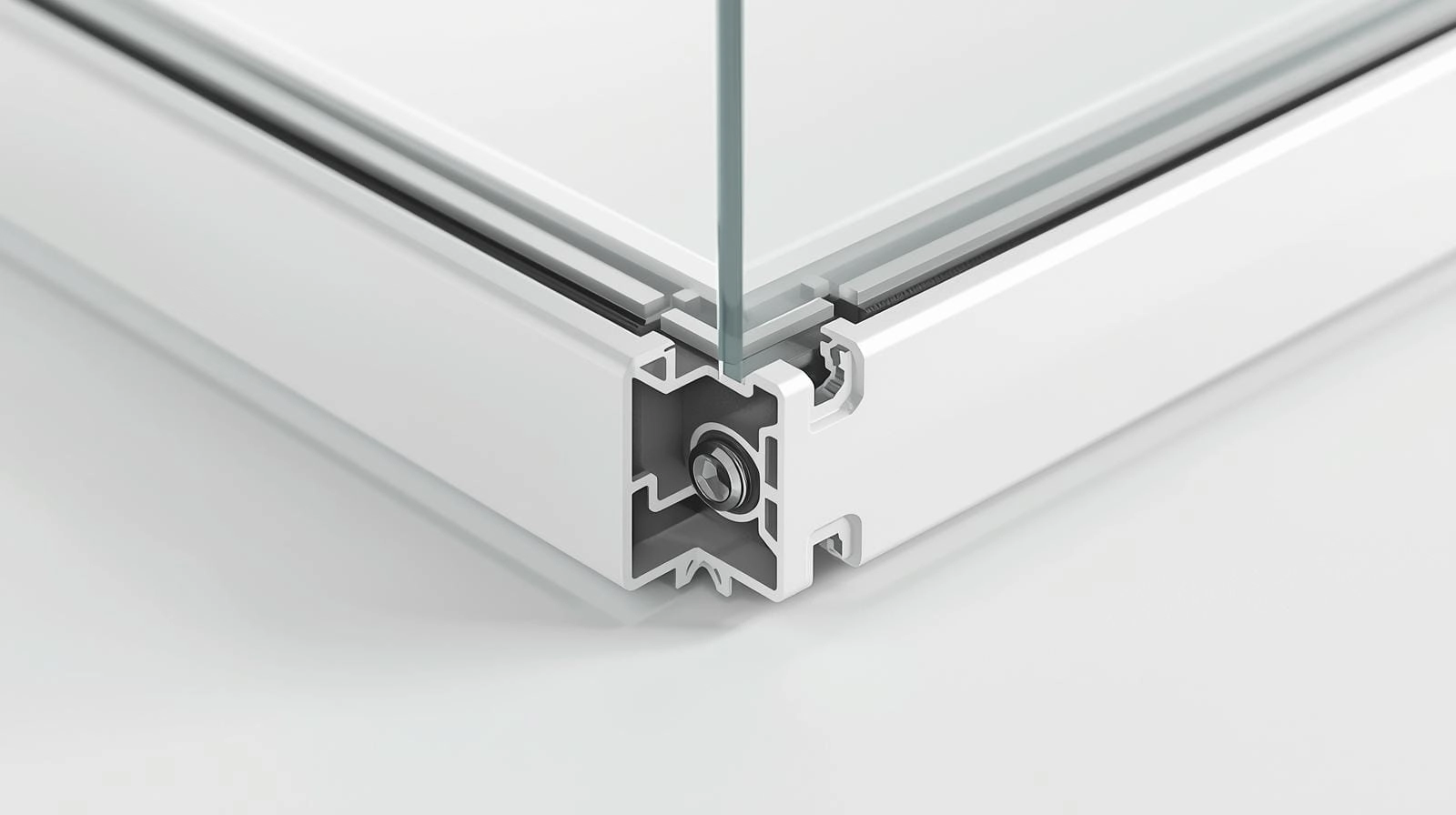
📏 Track Brush Seal Replacement
Sliding window tracks often have brush seals at the top and bottom edges of the sash.
Identifying track brush seals:
- These seals are usually attached to the sliding sash itself, not the frame.
- Look for a strip with bristles along the top and bottom edges of the moving sash.
Step-by-step replacement:
- Remove the sliding sash (see door roller guide).
- Peel or pry off the old brush seal – it may be glued or clipped in.
- Clean the surface where the new seal will attach.
- Measure and cut new brush seal to length.
- Peel the adhesive backing (if self-adhesive) or apply contact adhesive.
- Press the new seal firmly into place.
- Reinstall the sash and test – the brushes should make light contact with the track.
What not to do: Don’t buy brush seals that are too thick – they’ll make the window impossible to slide. Test a small section before committing.
📋 How to Choose the Right Replacement Seals
Selecting the correct gasket replacement materials is critical for success.
Measure the groove or gap:
- Groove width: The channel where the seal fits – typically 2mm, 3mm, 4mm, or 5mm.
- Seal height: How far the seal protrudes from the groove – determines compression.
- Seal shape: Bulb (round), wedge, fin, or brush – match the original profile.
Material selection guide:
- EPDM rubber (ethylene propylene diene monomer): Best all-rounder. UV resistant, flexible, durable (5-10 years). Good for most South African climates.
- Silicone rubber: Superior temperature resistance (-50°C to +200°C). Best for extreme climates – coastal (salt resistance) or Highveld (freezing winters). Lasts 10-20 years but costs 30-50% more.
- Thermoplastic rubber (TPR/TPE): Budget option. Less durable than EPDM (3-5 years). Avoid for exposed windows.
- Nylon brush seals: For sliding tracks only. Standard for inland areas. Polypropylene brushes are better.
- Stainless steel brush seals: For coastal areas – standard steel brushes corrode. Essential within 5km of ocean.
Where to find help: Take a sample of your old seal to an aluminium window specialist. They can match the profile exactly – much easier than guessing. For standard sizes, Builders or Chamberlains stock common seals (3mm, 4mm bulb seals).
Read our thermal break guide for more on energy efficiency.
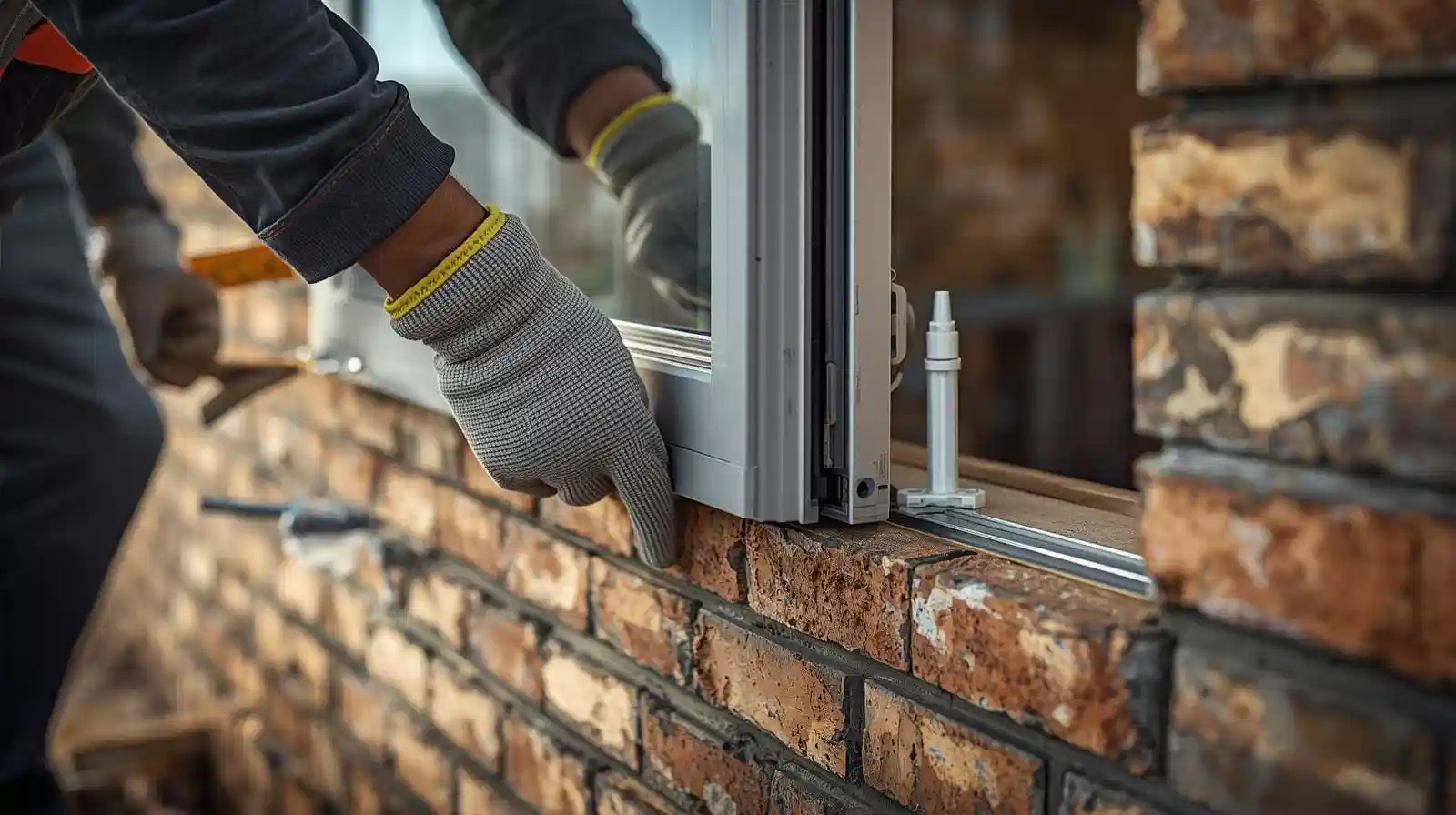
Not Sure Which Seal to Buy?
Get free quotes from verified aluminium repair specialists. Let professionals handle your aluminium window seal replacement and ensure perfect sealing.
✅ Prevention – How Long Do Window Seals Last?
Understanding seal lifespan helps you plan for weatherstripping replacement.
Typical seal lifespans:
- EPDM rubber seals: 5-10 years depending on UV exposure and temperature extremes.
- Silicone rubber seals: 10-20 years – best for coastal or extreme climates.
- Nylon brush seals: 3-7 years – wear faster in dusty areas.
- PVC seals (cheap): 2-4 years – avoid if possible.
Factors that reduce seal life:
- UV exposure: Direct sunlight breaks down rubber faster. North and west-facing windows degrade quicker.
- Temperature extremes: Highveld winters (freezing) and hot summers cause rubber to harden and crack.
- Salt spray (coastal): Accelerates deterioration of standard rubber. Silicone or marine-grade seals required.
- Dust and debris: Grit in brush seals wears bristles faster.
- Ozone: Urban pollution attacks rubber seals.
How to extend seal life:
- Clean seals annually with mild soap and water – remove dirt that abrades rubber.
- Apply silicone spray to rubber seals every 2-3 years – keeps them flexible.
- For coastal areas, upgrade to silicone or marine-grade seals.
- Don’t use oil-based products – they damage rubber.
- Keep tracks clean – debris destroys brush seals.
Read our full maintenance guide for more tips.
🌟 Benefits of Replacing Worn Window Seals
Investing time in aluminium window seal replacement pays off in multiple ways.
Energy savings (immediate):
- Stop draughts – reduces heating costs in winter and cooling costs in summer.
- Typical energy saving: 10-20% on heating/cooling bills.
- Payback period for seal replacement: 1-2 months (R50-200 material cost vs R500-2,000 annual energy savings).
Comfort:
- No more cold draughts or hot spots near windows.
- More consistent indoor temperature.
- Reduced dust ingress – less cleaning.
- Fewer insects entering the home.
Noise reduction:
- Proper seals block outside noise – road traffic, barking dogs, neighbourhood sounds.
- Measurable difference: 5-10 decibel reduction.
Water damage prevention:
- Stop water leaks that damage walls, sills, and floors.
- Prevent mould growth from moisture ingress.
- Protect window frames from corrosion (especially coastal areas).
Extended window life:
- Good seals protect the window mechanism from moisture and dust.
- Prevents corrosion of hardware and tracks.
- Read our double glazing guide for more on energy efficiency.
📞 When to Call a Professional for Seal Replacement
Most how to replace seals on aluminium windows projects are DIY, but some situations need experts.
Call a professional if:
- The seal groove is damaged, bent, or corroded – needs frame repair first.
- You have double glazing with condensation between the panes (failed glass unit seal, not frame seal).
- You can’t find replacement seals that match the old profile.
- The window frame itself is damaged or corroded (see our corrosion repair guide).
- The window doesn’t close properly even after seal replacement – hinge or frame issue.
- You have a very large or complex window (e.g., corner bifolds, curtain walls).
- You’ve tried DIY but the window still leaks or draughts.
What a professional will do:
- Identify the correct seal profile (sourcing from specialist suppliers).
- Repair damaged grooves or frames.
- For double glazing with seal failure, replace the sealed glass unit.
- Adjust hinges and hardware for proper compression.
- Provide warranty on parts and labour.
Use our repair services for professional help.
💰 Aluminium Window Seal Replacement Cost Estimates
Here’s what gasket replacement costs for DIY vs professional.
| Option | Cost Range | Includes | Best For |
|---|---|---|---|
| DIY – EPDM rubber seal (per metre) | R20 – R50 per metre | Standard seal, no tools needed | Most windows, inland areas |
| DIY – Silicone rubber seal (per metre) | R40 – R80 per metre | Premium seal, extreme climates | Coastal areas, Highveld winters |
| DIY – Brush seal (per metre) | R30 – R60 per metre | Sliding window tracks | Sliding windows, doors |
| DIY – Stainless steel brush seal (coastal) | R60 – R100 per metre | Corrosion-resistant brushes | Coastal areas (within 5km of ocean) |
| Professional seal replacement (per window) | R300 – R800 per window | Parts, labour, warranty | Complex windows, no DIY confidence |
| Double glazing unit replacement (if seal fails) | R800 – R2,500 per unit | New sealed glass unit, installation | Condensation between panes |
Use our Beat Your Quote guarantee for competitive pricing.
❓ Frequently Asked Questions About Window Seal Replacement
How do I know if my window seals need replacing?
Signs you need aluminium window seal replacement: feeling a draught around closed windows, water leaks during rain, visible cracks or gaps in seals, dust or insects entering, increased noise from outside, and higher energy bills. Try the paper test – close the window on a piece of paper; if you can pull it out easily, the seal is failing.
Can I replace window seals myself?
Yes – how to replace seals on aluminium windows is a straightforward DIY job for most homeowners. Remove the old perished seal (pry out with flathead screwdriver), clean the groove, measure and cut new seal to length, then press into place. Takes 15-30 minutes per window. No special skills required. However, if the seal groove is damaged or the window doesn’t close properly, call a professional.
What type of window weather seal should I buy?
For most inland applications, EPDM rubber compression seals are best – durable (5-10 years), affordable, and effective. For coastal areas (within 5km of ocean), use silicone rubber seals (salt-resistant) and stainless steel brush seals. For window weather seal on sliding windows, use brush seals in the tracks. Take a sample of your old seal to the hardware store to match the profile.
How much does it cost to replace window seals?
DIY gasket replacement costs R20-80 per metre for seal material – a typical window needs 3-5 metres, so R60-400 per window. Professional replacement costs R300-800 per window including parts and labour. This is one of the most cost-effective home improvements – seal replacement often pays back in energy savings within 1-2 months. Read our thermal break guide for more energy tips.
How long do aluminium window seals last?
EPDM rubber seals last 5-10 years. Silicone rubber lasts 10-20 years. Brush seals last 3-7 years. Factors that reduce lifespan: direct UV exposure (north/west windows), temperature extremes (Highveld winters), coastal salt spray, and dust. For long-lasting seals, choose silicone rubber for coastal or extreme climate areas.
Why is my double-glazed window foggy between the panes?
Fogging or condensation between double glazing panes indicates the glass unit’s perimeter seal has failed. This is NOT the same as the frame weather seal. Replacing the glass unit seal is impossible – the entire sealed glass unit must be replaced. This is a professional job costing R800-2,500 per unit. Contact a glazing specialist. Read our double glazing guide for more.
How do I stop draughts from aluminium windows?
To stop draughts, you need effective weatherstripping. First, identify where the draught is coming from – use a lit incense stick or lighter near the closed window. Then replace the worn seals. For sliding windows, check the track brush seals and the perimeter compression seals. For casement windows, replace the perimeter rubber gasket. If the window doesn’t close properly, hinge adjustment (read hinge guide) may also be needed.
How do I find a reliable window repair specialist?
Use ServiceLink SA’s free quote service to find verified aluminium repair specialists. Look for: verified contractors, customer reviews, experience with your window type, transparent pricing, and workmanship guarantees. For Gauteng, Johannesburg, Pretoria, or Cape Town, ask for local references. Read our contractor guide for more.
✅ Final Thoughts: Small Seals, Big Impact
After reading this aluminium window seal replacement guide, you understand how small rubber strips make a huge difference to your home’s comfort and efficiency.
Worn seals are invisible enemies – you might not notice them until the draughts start or the water leaks appear. But replacing them is cheap (R20-80 per metre), easy (15-30 minutes per window), and delivers immediate benefits: lower energy bills, less noise, fewer draughts, and no water damage.
Don’t live with draughty, leaking windows. For a few hundred rand and an afternoon of DIY, you can restore your windows to like-new condition. Or hire a professional for R300-800 per window. Either way, it’s money well spent.
Key takeaways for window seal replacement:
- Failed seals cause draughts, water leaks, dust, noise, and higher energy bills
- Replacement is cheap (R20-80 per metre) and easy (15-30 minutes per window)
- Take a sample of your old seal to the hardware store to match the profile
- EPDM rubber is best for most homes; silicone for coastal/extreme climates
- Clean the groove thoroughly before installing new seals
- Don’t stretch the seal during installation – keep it relaxed
- Brush seals are for sliding tracks; compression seals for casement windows
- Regular cleaning and silicone spray extend seal life
- Foggy double glazing requires professional glass unit replacement (not DIY)
- Use ServiceLink SA to find professional help when needed
Your next step: Feel a draught or see a water leak? Inspect your window seals today. Replace damaged ones – you’ll notice the difference immediately. Or get free quotes from verified professionals in your area.
Ready to Stop Draughts & Leaks?
Get free, no-obligation quotes from verified aluminium repair specialists. Let professionals handle your aluminium window seal replacement and get it done right.
📞 Call us: 073 138 4726 for immediate help with draughty windows.
Free inspections •
Hiring tips •
Beat Your Quote •
Our guarantees
📚 Official resources & standards referenced:
- SANS 10400 – South African National Standard for weather sealing standards and building regulations.
- Department of Energy – Energy efficiency guidelines for windows and doors.
Information provided for general guidance. DIY repairs are at your own risk. For double glazing seal failure or damaged frames, consult a qualified professional.
Written by: ServiceLink SA Research Team
Specialist Aluminium Window & Weatherproofing Experts
The ServiceLink SA Research Team has extensive experience with aluminium window seal replacements across thousands of South African homes. Our team has worked closely with certified repair specialists, seal manufacturers, and homeowners to develop this comprehensive window weather seal guide. This guide is based on real repair data, common failure patterns, and feedback from across Gauteng, Johannesburg, Pretoria, Cape Town, and nationwide. We update our information regularly to reflect current best practices for weatherproofing and energy efficiency.
For more information about aluminium window repairs, explore our related resources: window closing guide, handle replacement, hinge repair guide, thermal break guide, and double glazing guide. Learn about our process on what is ServiceLink SA and how ServiceLink SA works. Find specialists in your area: Gauteng, Johannesburg, Pretoria, Cape Town, and Sandton. For related services, see our waterproofing and air conditioning guides.