
Energy efficiency is no longer optional in modern South African homes — it’s essential.
With rising electricity costs, ongoing load shedding, and extreme temperature variations across our climate zones, your windows and doors play a massive role in how comfortable and energy-efficient your home feels.
Consider this: up to 40% of a home’s heating and cooling energy is lost through windows. In summer, untreated windows turn your home into a greenhouse. In winter, they leak precious warmth, forcing your heaters to work overtime.
One of the most important innovations solving this problem is the energy efficiency thermal break aluminium frame.
These advanced aluminium systems dramatically reduce heat transfer, improve insulation, prevent condensation, and help your home comply with South African building regulations. They represent the difference between a home that fights the climate and one that works with it.
If you are planning new windows, upgrading from old steel or standard aluminium, or building a new home, understanding thermal break aluminium windows could save you thousands of rands in electricity costs over time — while making your home dramatically more comfortable year-round.
Explore available solutions: Aluminium Windows & Doors • Custom Aluminium Fabrication • Request a Quote

Thermal break technology uses a polyamide barrier to stop heat transfer through aluminium frames – your first line of defence against energy loss.
What Is a Thermal Break Aluminium Frame?
A thermal break aluminium frame is a specially designed window or door frame that contains a polyamide insulating strip between the inner and outer aluminium sections.
This polyamide bar acts as a thermal barrier – a “break” in the path of heat transfer.
Here’s why this matters: aluminium is an excellent conductor of heat. Without intervention, it happily transfers outdoor temperatures directly into your home. In summer, that means outdoor heat pours inside. In winter, your expensive indoor warmth escapes through the frames.
The polyamide strip changes everything. It’s a poor conductor, so it interrupts the flow of heat through the frame.
Without a thermal break: heat transfers freely.
With thermal break technology: heat transfer is dramatically reduced.
This improves energy efficiency significantly – often by 40-60% compared to standard aluminium frames.
Learn more about system types: Aluminium Sliding Doors • Aluminium Bifold Doors
Why Standard Aluminium Frames Lose Energy
Normal aluminium frames conduct heat quickly – it’s simple physics.
Aluminium is a metal, and metals are excellent conductors. Think of a metal spoon in a hot cup of coffee – the handle gets hot because heat travels along the metal.
The same happens with your windows:
In summer:
- Outdoor heat hits the frame
- Heat travels through the aluminium
- Warmth radiates into your room
- Your air conditioner works overtime
In winter:
- Indoor warmth reaches the frame
- Heat escapes through the aluminium
- Cold radiates from the frame
- Your heater struggles to maintain temperature
This makes your home uncomfortable and increases electricity usage – often by 20-30% more than necessary.
Thermal break frames solve this problem completely.
How Thermal Break Technology Works
Thermal break frames incorporate several engineered components working together:
- Polyamide insulation strip – A 20-30mm wide bar of reinforced polyamide that separates the interior and exterior aluminium profiles. This is the primary thermal barrier.
- Double glazing compatibility – Designed to accept double-glazed units that provide additional insulation
- Insulated spacers – Warm-edge spacers between glass panes reduce heat loss at the glass edge
- Multi-chamber profiles – Some systems include multiple chambers for enhanced performance
These components work together to eliminate thermal bridging – the transfer of heat through conductive materials.
Think of the polyamide strip as a dam in a river. Without it, heat flows freely. With it, the flow stops.
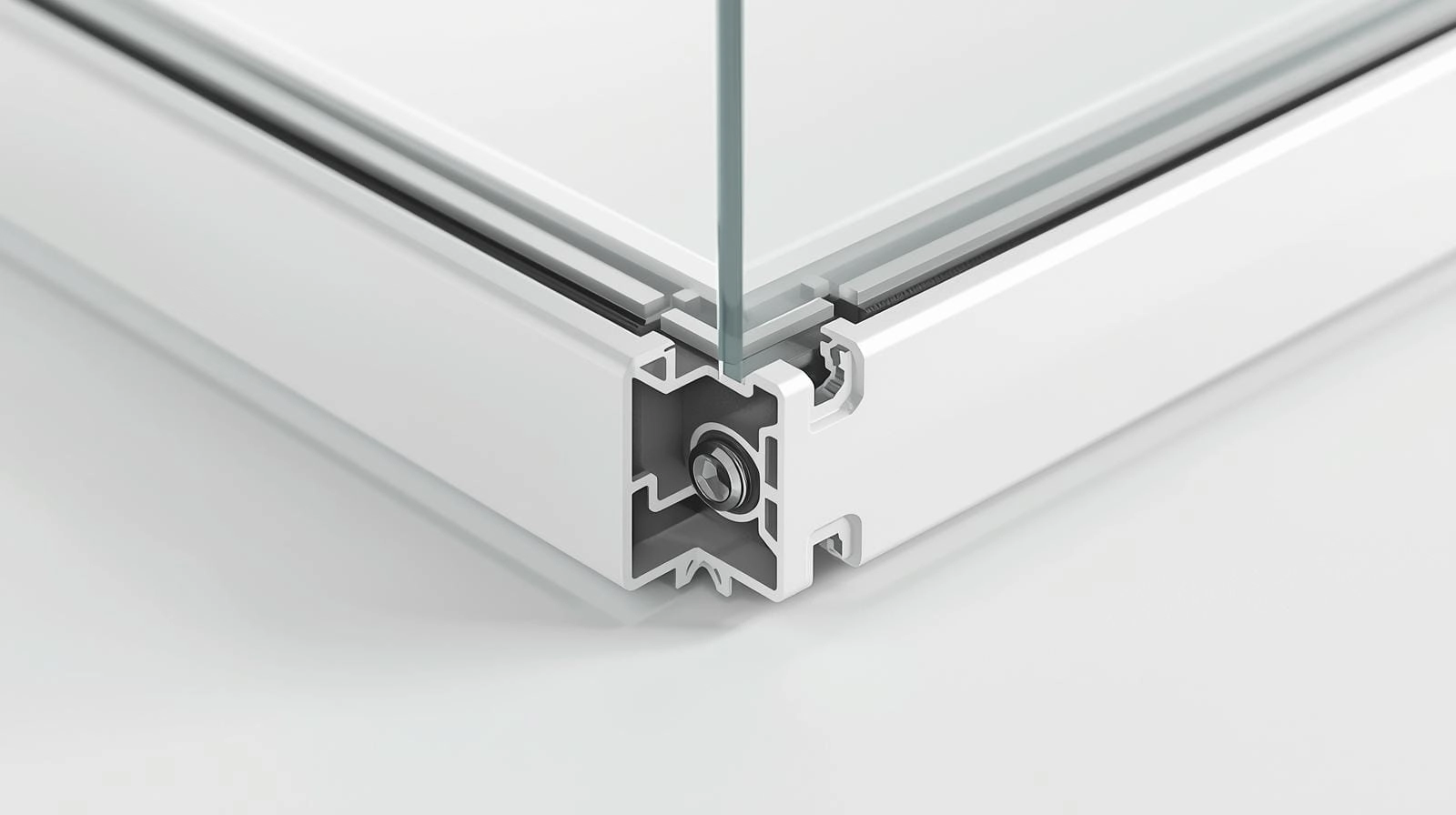
The polyamide strip (visible as the dark bar in the centre) completely separates interior and exterior aluminium – stopping heat transfer cold.
Understanding U-Value and Why It Matters
U-value measures how much heat passes through a window – the lower the number, the better the insulation.
Think of it as a measure of thermal leakage. A high U-value means lots of heat escapes; a low U-value means your home stays comfortable with less energy.
| Window Type | Typical U-Value (W/m²K) | Energy Efficiency |
|---|---|---|
| Standard aluminium (single glazed) | 5.8 – 6.0 | Poor – high heat loss |
| Thermal break aluminium (single glazed) | 3.5 – 4.0 | Moderate – improved |
| Thermal break aluminium (double glazed) | 2.0 – 3.0 | Good – significant savings |
| Premium thermal break + double glazing | 1.2 – 1.8 | Excellent – maximum efficiency |
Lower numbers are better. A drop from 5.8 to 2.0 represents a 65% reduction in heat loss through your windows.
For context, building regulations typically require U-values below 3.0 for compliance. Premium thermal break systems exceed this comfortably.
South African Building Regulations: SANS 10400-XA
South Africa legally requires new buildings to meet energy efficiency standards under the National Building Regulations.
SANS 10400-XA specifically addresses energy usage in buildings. It sets minimum requirements for insulation, glazing, and thermal performance.
Thermal break aluminium windows help you meet these requirements by:
- Achieving required U-values
- Reducing overall building energy consumption
- Improving thermal comfort without excessive HVAC usage
Non-compliance can result in:
- Failed building plan approvals
- Additional costs to retrofit compliant windows
- Reduced property value
- Potential legal issues on sale
Learn regulation details: SABS Standards
Government energy info: Department of Energy
Green building info: Green Building Council South Africa
These standards exist to improve national energy efficiency – and thermal break windows are the easiest way to comply.
Real Energy Savings: What Homeowners Experience
Numbers on paper are one thing – real-world results are what matter.
Homeowners who upgrade to thermal break aluminium frames consistently report:
- Cooler homes in summer – Up to 5°C lower indoor temperatures without air conditioning
- Warmer homes in winter – Noticeably reduced drafts and cold spots near windows
- Lower electricity bills – 20-35% reduction in heating and cooling costs
- Improved comfort – No more sitting away from windows in winter
- Quieter homes – Thermal break also provides acoustic insulation
Especially in regions with extreme temperature variations:
- Cape Town – Cold, wet winters and hot, dry summers
- Stellenbosch – Wine country temperature extremes
- Midrand – Highveld temperature swings
💡 Real-World Insight: One Centurion homeowner reported their bedroom temperature dropped from 32°C to 26°C on a 35°C day after installing thermal break windows – without any air conditioning. That’s the power of proper insulation.
Thermal Break Aluminium vs Standard Aluminium: Comparison
| Feature | Standard Aluminium | Thermal Break Aluminium |
|---|---|---|
| Initial cost | Lower (R2,000-5,000) | Higher (R4,000-12,000) |
| Insulation performance | Poor – U-value 5.8+ | Excellent – U-value 1.2-3.0 |
| Energy savings | None – heat transfers freely | 20-35% reduction |
| Condensation risk | High – frames get cold | Low – frames stay warm |
| Comfort in extreme weather | Poor – hot in summer, cold in winter | Excellent – year-round comfort |
| Building regulation compliance | Often fails | Meets requirements |
| Long-term value | Lower – energy costs high | Higher – energy savings accumulate |
See full comparison: Aluminium vs uPVC vs Wood Windows
The choice is clear: thermal break aluminium costs more initially but pays back through energy savings and comfort.
Double Glazed Aluminium Frames: Maximum Efficiency
Thermal break frames work best when combined with double glazing.
Double glazing consists of:
- Two glass panes – Typically 4mm or 6mm each
- Insulating air gap – 12-20mm of space between panes
- Argon gas fill – Inert gas improves insulation by 30%
- Low-E coatings – Microscopic metallic layers reflect heat
Together with thermal break frames, this creates a complete insulation system:
- Thermal break stops frame heat transfer
- Double glazing stops glass heat transfer
- Result: U-values as low as 1.2 W/m²K
This is the gold standard for energy-efficient windows in South Africa.
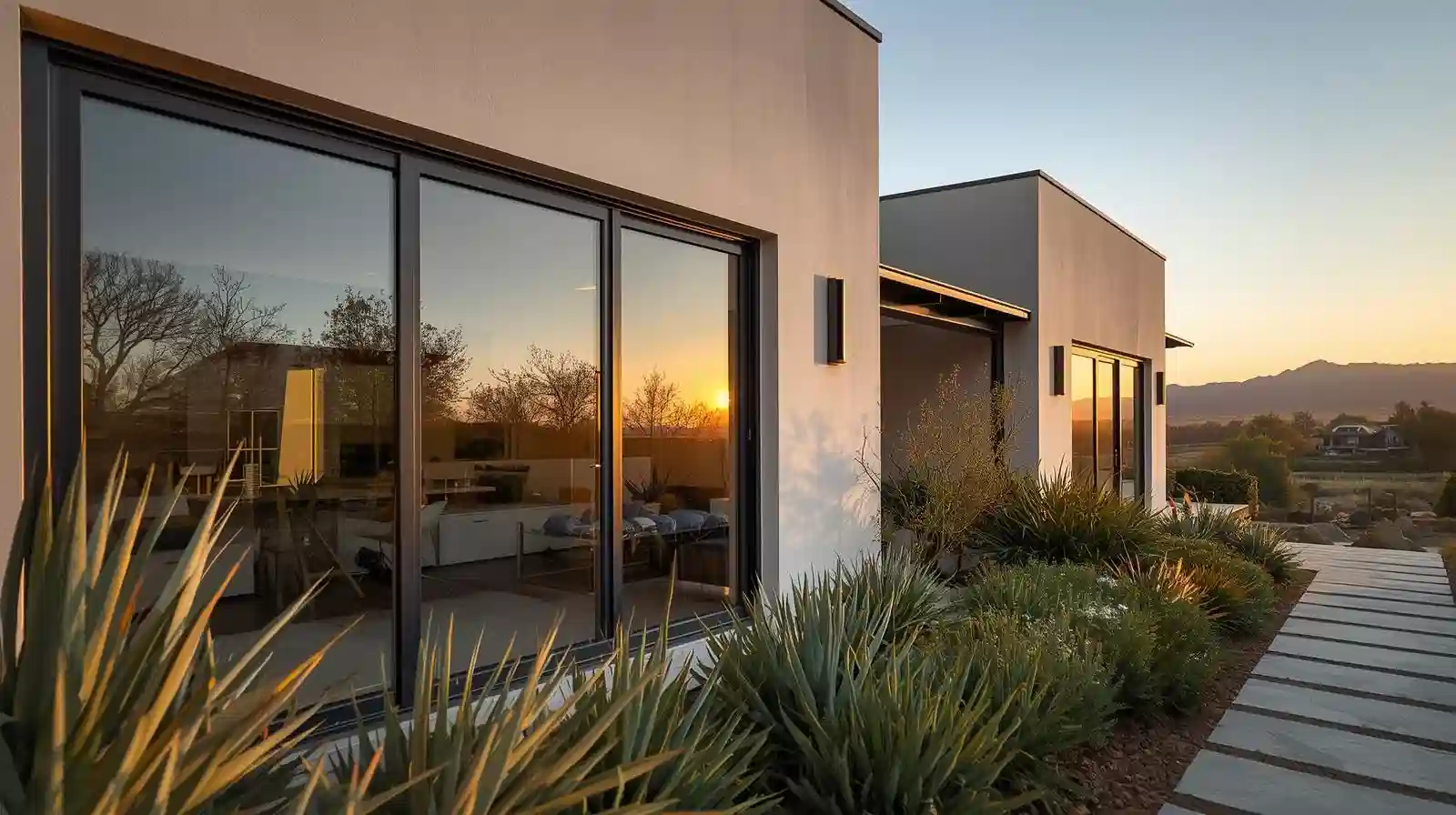
Thermal break frames combined with double glazing create the ultimate energy-efficient window system for South African homes.
Why Thermal Break Aluminium Is Perfect for Cape Town and Coastal Areas
Coastal climates present unique challenges for windows:
- Salt air – Corrosive to poor quality materials
- High winds – Pressure differentials affect insulation
- Temperature swings – Sea breezes cause rapid changes
- Humidity – Condensation risks higher
Thermal break aluminium performs exceptionally well in these conditions:
- Aluminium resists corrosion – especially with marine-grade powder coating
- Thermal break prevents condensation – frames stay warmer
- Strong profiles withstand wind loads
- No rot, no rust, no degradation
Service areas:
- Cape Town – Atlantic Seaboard, Southern Suburbs
- Stellenbosch – Wine lands estates
- Durban – Coastal humidity control
Local specialists:
💡 Coastal Tip: In Cape Town, always specify marine-grade powder coating with your thermal break frames. Standard finishes may fail within 5 years; marine-grade lasts 20+.
Thermal Break Aluminium Window Cost South Africa (2026)
Thermal break windows cost more than standard aluminium – but the investment pays back through energy savings.
| Window Type | Standard Aluminium | Thermal Break | Thermal Break + Double Glazing |
|---|---|---|---|
| Small window | R2,000 – R3,000 | R4,000 – R5,500 | R6,000 – R8,000 |
| Medium window | R3,000 – R5,000 | R5,500 – R8,000 | R8,000 – R12,000 |
| Large window | R5,000 – R8,000 | R8,000 – R12,000 | R12,000 – R18,000+ |
| Sliding door | R8,000 – R15,000 | R15,000 – R25,000 | R25,000 – R45,000+ |
Actual cost depends on:
- Size – Larger windows cost more
- Glass specification – Double glazing, Low-E, argon fill
- Finish – Premium colours vs standard
- Installation complexity – Ground floor vs high-rise
Get accurate pricing: Request a Quote
Case Study: Centurion Home Energy Upgrade
Location: Centurion, Gauteng
Property: 1990s home with standard aluminium windows
Problem: Extreme temperatures – 35°C+ summers, freezing winters. Electricity bills over R3,500/month in peak seasons.
The homeowners were tired of their home being either an oven or a freezer. Their existing standard aluminium windows conducted heat so effectively that rooms near windows were unusable in summer afternoons.
The Upgrade: They replaced all windows with thermal break aluminium frames featuring double glazing.
The Results:
- Temperature improvement: 6-8°C cooler in summer without air conditioning
- Winter comfort: No more cold spots; rooms stayed warm
- Electricity savings: 28% reduction in heating/cooling costs
- Payback period: Estimated 5-7 years through energy savings alone
- Property value: Estate agent confirmed significant increase
The homeowner commented: “I wish we’d done this years ago. The comfort difference is incredible – and our electricity bill is finally under control.”
Read more experiences: Customer Reviews
💡 The Lesson: Thermal break windows aren’t just about energy savings – they transform how your home feels every single day.
Condensation Control Benefits
Condensation is more than an annoyance – it’s a threat to your home.
When warm, moist indoor air hits a cold window surface, water condenses. This leads to:
- Mould growth – Health hazards, unpleasant appearance
- Water damage – Rotting window sills, stained walls
- Frame deterioration – Even aluminium can suffer if moisture trapped
- Reduced visibility – Constantly foggy windows
Thermal break frames dramatically reduce condensation because:
- The inner frame stays closer to room temperature
- The warm surface doesn’t trigger moisture condensation
- Combined with double glazing, the effect is magnified
For homes in humid areas like Durban or Umhlanga, this is critical for maintaining a healthy indoor environment.
Passive House and Green Building Compatibility
Thermal break aluminium is the preferred choice for:
- Passive houses – Ultra-energy-efficient homes requiring minimal heating/cooling
- Green buildings – Environmentally certified construction
- Eco-friendly homes – Sustainable, responsible building
Why?
- Superior thermal performance meets strict requirements
- Aluminium is 100% recyclable
- Long lifespan means fewer replacements
- Energy savings reduce carbon footprint
Learn green building: Green Building Council South Africa
Installation Process Explained
Professional installation is critical for thermal break windows to perform as designed.
Steps include:
- Step 1: Precise measurement – Laser-accurate site measurements
- Step 2: Frame installation – Level, plumb, square with correct packers
- Step 3: Sealing – Weatherproof membranes and silicone
- Step 4: Glazing – Double-glazed units installed with setting blocks
- Step 5: Testing – Operation, water testing, thermal imaging verification
Poor installation negates thermal break benefits – gaps around frames allow heat bypass.
Book professional installation: Free Site Inspections
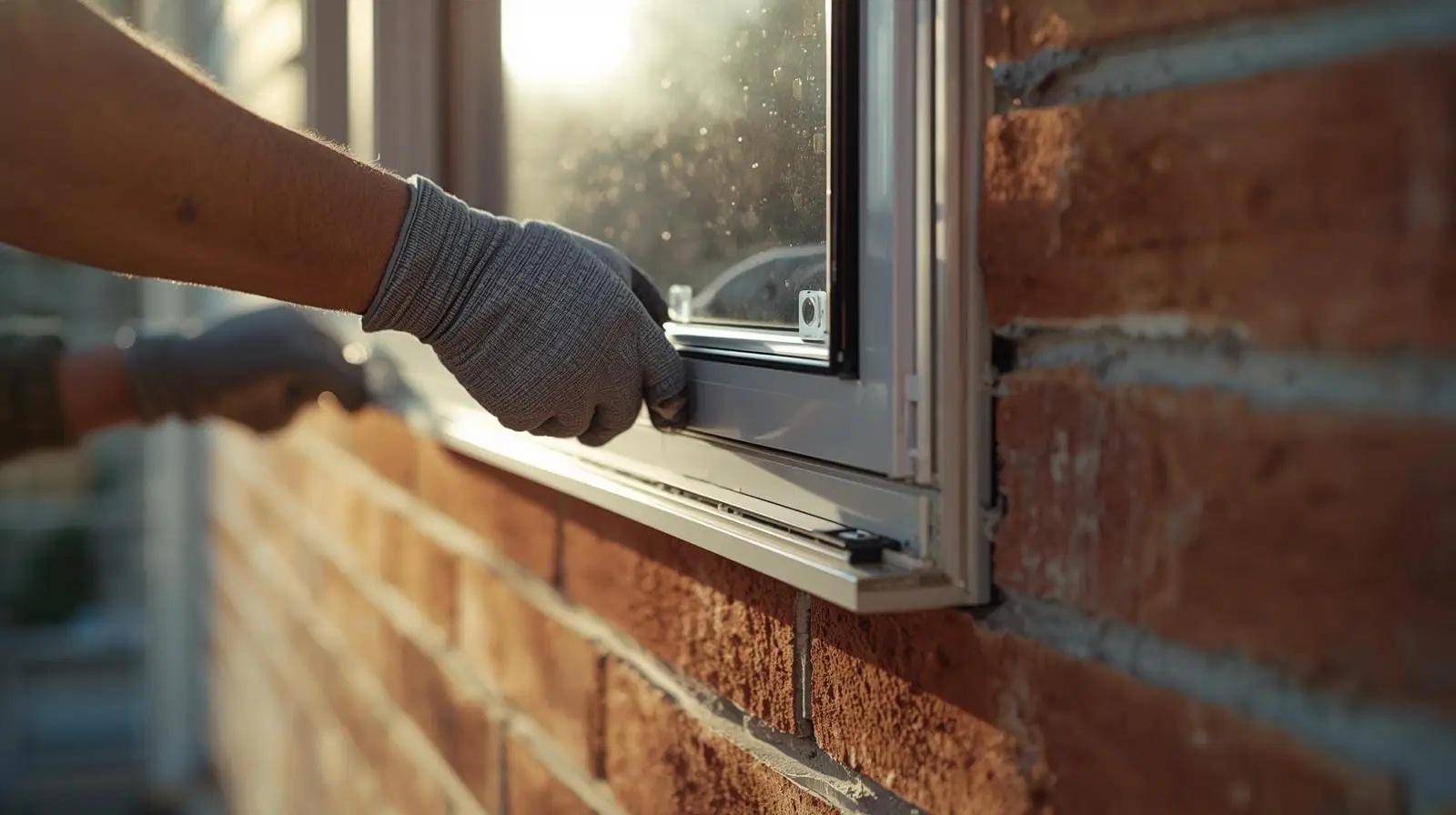
Proper sealing is essential – even the best thermal break frame fails if installation allows air leakage.
Thermal Break Aluminium Door Options
Thermal break technology is available for all door types:
- Sliding doors – Large glass areas with thermal efficiency – Aluminium Sliding Doors
- Bifold doors – Luxury folding systems with thermal break – Aluminium Bifold Doors
- Custom doors – Bespoke designs for architectural homes – Custom Aluminium Fabrication
- French doors – Traditional style with modern performance
All can be specified with thermal break and double glazing for maximum efficiency.
Thermal Break vs uPVC Windows
Both offer good insulation – but aluminium has significant advantages:
| Feature | Thermal Break Aluminium | uPVC |
|---|---|---|
| Strength | Excellent – supports large panels | Moderate – requires reinforcement |
| Profile slimness | Slim – more glass area | Chunky – thicker frames needed |
| Lifespan | 30-50 years | 20-30 years |
| Durability | No UV degradation | Can become brittle |
| Maintenance | Minimal | Low |
| Appearance | Modern, premium | Basic, plastic look |
For large openings, modern architecture, and long-term value, thermal break aluminium is superior.
See full comparison: Aluminium vs uPVC vs Wood Windows
Long-Term Financial Benefits
Thermal break aluminium costs more initially – but consider the full picture:
| Cost Factor | Standard Aluminium | Thermal Break Aluminium |
|---|---|---|
| Initial cost (10 windows) | R35,000 | R65,000 |
| Annual energy cost (heating/cooling) | R8,000 | R5,000 |
| 10-year energy cost | R80,000 | R50,000 |
| Total 10-year cost | R115,000 | R115,000 |
| 20-year energy cost | R160,000 | R100,000 |
| Total 20-year cost | R195,000 | R165,000 |
Break-even occurs at 8-10 years – after that, thermal break saves you money every year.
Plus, you’ve enjoyed superior comfort for two decades. That’s priceless.
Maintenance Requirements
Thermal break aluminium requires minimal maintenance – the same as standard aluminium.
- Clean frames with mild soap and water every 3 months
- Lubricate moving parts annually with silicone spray
- Inspect seals for damage every year
- Check drainage channels are clear
Full maintenance guide: Aluminium Windows Doors Maintenance Guide
The polyamide thermal break itself requires no maintenance – it’s designed to last the life of the window.
Steel to Aluminium Conversion with Thermal Break
If you have old steel windows, thermal break aluminium is an excellent upgrade:
- Dramatically improves energy efficiency
- Eliminates rust and maintenance
- Modern appearance
- Better security
Learn about conversion: Steel to Aluminium Conversion
Warning: Cheap Thermal Break Frames
Not all thermal break systems are equal. Cheap systems cut corners:
- Inferior polyamide – Thin, poor-quality strips that fail over time
- Poor insulation – Claim thermal break but perform marginally better than standard
- Short lifespan – Polyamide degrades, frames separate
- Failed certification – Won’t meet SANS requirements
⚠️ Critical Warning: We’ve seen “thermal break” windows where the polyamide strip was so thin it provided almost no insulation. Don’t be fooled by marketing – verify specifications, ask for U-value certificates, and choose certified installers.
Check credentials: How to Choose the Right Contractor
Verify insurance: Contractor Insurance Requirements
Service Locations
Thermal break aluminium specialists available across South Africa:
- Gauteng – Johannesburg, Pretoria, Centurion, Midrand
- Centurion – Our case study location
- Midrand – Growing demand for energy efficiency
- Durban – Humidity and condensation control
- Cape Town – Coastal climate specialists
Local services:
Financing Options
Make your energy-efficient upgrade affordable:
- Pay-Later Option – Flexible payment terms
- Beat-Your-Quote – We’ll match competitor prices
The energy savings help offset monthly payments – your windows can pay for themselves.
Customer Experiences
See what homeowners say: Customer Reviews
Warranty protection: Our Guarantees
Emotional Reality: Comfort Changes Everything
Thermal break windows don’t just save energy – they transform your daily life.
Imagine:
- Sitting next to a window in winter without freezing
- Enjoying summer afternoons without the sun baking your living room
- Never wiping condensation off windows again
- Opening electricity bills with confidence, not dread
The Centurion homeowners experienced this transformation. Their home went from uncomfortable and expensive to a sanctuary of comfort.
Your home should be your refuge – not a place you fight against.
Thermal break windows deliver that peace.
Common Mistakes to Avoid
- Choosing the cheapest system – Inferior thermal break performs poorly
- Ignoring thermal break entirely – Standard aluminium wastes energy
- Poor installation – Gaps around frames negate benefits
- Not checking U-values – Verify specifications in writing
- Single glazing with thermal break – Glass still loses heat
These mistakes cost money long-term. Do it right the first time.
How to Get Started
Ready to improve your home’s energy efficiency?
Explore services:
Contact us: Contact Us
Frequently Asked Questions
What is a thermal break in aluminium frames?
A thermal break is an insulating polyamide strip placed between the inner and outer aluminium sections of a window or door frame. It acts as a barrier, preventing heat transfer through the metal. Standard aluminium conducts heat readily, making homes uncomfortable and increasing energy bills. The thermal break stops this conduction, dramatically improving insulation. Combined with double glazing, it creates the most energy-efficient window system available. Learn more in our complete guide.
Are thermal break aluminium windows worth it in South Africa?
Absolutely yes. South Africa’s climate – from scorching summers to cold winters – makes thermal break windows a smart investment. They reduce indoor temperatures by 5-8°C in summer without air conditioning, keep homes warmer in winter, and cut energy bills by 20-35%. They also help meet SANS 10400-XA building regulations and increase property value. The Centurion case study showed payback within 5-7 years through energy savings alone – after that, pure profit. Get a quote to see your potential savings.
How much do thermal break aluminium windows cost?
Typical costs range from R4,000 to R12,000 per window depending on size, glass specification, and finish. Small windows start around R4,000-5,500, medium windows R5,500-8,000, and large windows R8,000-12,000+. Sliding doors with thermal break range from R15,000-45,000+. While more expensive than standard aluminium (R2,000-5,000), the energy savings and comfort improvements justify the investment. Request a quote for exact pricing in your area.
Do thermal break frames stop condensation?
Yes, they significantly reduce condensation. Condensation occurs when warm, moist indoor air hits a cold surface. Standard aluminium frames get very cold in winter, triggering moisture buildup. Thermal break frames stay closer to room temperature, eliminating the cold surface. Combined with double glazing, the effect is even stronger. This prevents mould growth, water damage, and constantly foggy windows – especially important in humid areas like Durban and coastal Cape Town.
Are thermal break aluminium windows better than uPVC?
Both offer good insulation, but aluminium has key advantages. Thermal break aluminium is stronger – supporting larger glass panels without reinforcement. It has slimmer profiles, allowing more glass area and better views. Lifespan is longer (30-50 years vs 20-30 for uPVC). Aluminium doesn’t degrade in sunlight, while uPVC can become brittle. Appearance is more modern and premium. For large openings, modern architecture, and long-term value, thermal break aluminium is superior. See full comparison.
What is a good U-value for windows in South Africa?
For energy efficiency, look for U-values below 3.0 W/m²K. Standard aluminium is 5.8 – very poor. Basic thermal break achieves 3.5-4.0 – moderate improvement. Thermal break with double glazing achieves 2.0-3.0 – good. Premium systems reach 1.2-1.8 – excellent. Lower numbers mean less heat transfer. SANS 10400-XA building regulations typically require U-values meeting these standards. Always ask suppliers for certified U-value test reports, not marketing claims.
Can I add thermal break to existing windows?
No – thermal break must be manufactured into the frame. It cannot be retrofitted to existing windows. If you have standard aluminium windows and want thermal efficiency, replacement is the only option. This is why many homeowners choose thermal break when replacing old steel or standard aluminium windows. Steel to aluminium conversion is an excellent opportunity to upgrade to thermal break technology.
How long do thermal break aluminium windows last?
With proper maintenance, thermal break aluminium windows last 30-50 years. The aluminium structure remains sound indefinitely. The polyamide thermal break is designed for the life of the window. Powder coating may need refreshing after 20-25 years. Hardware like hinges and rollers may need replacement after 15-20 years of use – these are serviceable. Regular cleaning and annual lubrication ensure maximum lifespan. See our maintenance guide.
Final Thoughts
Energy efficiency thermal break aluminium frames are not just a trend – they’re the future of windows in South Africa.
They provide:
- ✅ Comfort – Year-round pleasant indoor temperatures
- ✅ Energy savings – 20-35% reduction in heating/cooling costs
- ✅ Durability – 50-year lifespan
- ✅ Compliance – Meets SANS 10400-XA regulations
- ✅ Luxury – Modern appearance, slim profiles
The Centurion case study proves the point: thermal break windows transformed a home from uncomfortable and expensive to a sanctuary of efficiency and comfort.
Don’t let another year pass with energy leaking through your windows.
Invest in thermal break aluminium. Your comfort – and your wallet – will thank you.
External references: SABS Standards | Department of Energy | Green Building Council South Africa
Information accurate as of 2026. Always verify current U-values and specifications with certified suppliers. This guide is for informational purposes and does not constitute professional advice.