

Need a Professional to Measure Your Windows?
Get free quotes from verified aluminium specialists. We’ll help you measure aluminium windows doors correctly or handle everything for you.
Get Free Quotes from Local Specialists
Servicing Gauteng, Johannesburg, Pretoria, Sandton, and across South Africa
How to Measure for Aluminium Windows & Doors: Accuracy Guide SA (No Costly Mistakes)
📏 Master the art of measuring for replacement windows – get it right the first time
Let me share something that still haunts me. A few years back, a client in Johannesburg ordered R45,000 worth of custom aluminium windows. He measured them himself. They arrived. Every single one was 15mm too narrow. The supplier wouldn’t take them back – custom sizes are non-refundable. That R45,000 mistake led to patched brickwork, smaller windows than planned, and a very painful lesson.
I’ve seen this happen more times than I care to count. How to measure for aluminium windows correctly isn’t complicated, but it must be precise. The difference between a perfect fit and a costly disaster is just a few millimeters. This comprehensive window measurement guide will walk you through every step, from gathering the right tools to recording measurements that fabricators trust.
Whether you’re planning a full home renovation or simply measuring for replacement windows, this guide covers rough opening measurements, replacement window measuring for retrofit installations, frame depth requirements, and common pitfalls that trip up even experienced DIYers. For more context, you might want to check our standard aluminium window sizes guide and aluminium windows and doors overview.
📋 Table of Contents – Aluminium Window Measuring Guide
🛠️ Tools You Need for Accurate Measuring
Before you learn how to measure for aluminium windows correctly, gather the right tools. Using proper equipment is the foundation of any reliable window measurement guide.
Essential tools:
- Steel tape measure (5m or longer): Fibreglass tapes stretch over time. A rigid steel tape gives consistent, accurate readings. Avoid cloth or flexible sewing tapes entirely.
- Spirit level (600mm or 1200mm): Essential for checking if openings are level. A 4-foot level is ideal for window openings.
- Carpenter’s square or combination square: For checking corners and ensuring square measurements.
- Notepad and pencil: Never trust your memory. Write everything down clearly. Digital notes on your phone work too, but a physical notebook is easier when you’re on a ladder.
- Flashlight or headlamp: Existing frames can have dark corners. Good lighting reveals obstructions or uneven surfaces you might miss.
- Ladder or step stool: Safe access to higher windows is non-negotiable. Never overreach – reposition the ladder instead.
Optional but helpful:
- Laser measure (good for rough openings but less reliable for retrofit measuring)
- Camera or smartphone (take photos of each window with measurements visible)
- Painter’s tape (mark measurement points on the wall)
⚠️ Important Warning!
Never use a cloth or fibreglass tape measure for measuring for replacement windows. These tapes stretch over time and with temperature changes, giving you inaccurate readings. A steel tape measure is non-negotiable for precision work. The difference of 2-3mm from a stretched tape can ruin your entire window order.
For professional installation guidance, read our aluminium window replacement guide.
🏗️ Rough Opening vs Retrofit Measuring – Critical Difference!
This is where most people get confused. How to measure for aluminium windows correctly depends entirely on your installation type. There are two completely different approaches:
1. New Build / Rough Opening Measuring (Full-frame installation)
You’re measuring the structural opening in the wall before any window has been installed. The window frame goes directly into this opening. The measure aluminium windows doors approach here is to measure the rough opening dimensions, then order windows slightly smaller (typically 10-15mm less on width and height) to allow for packing and squaring.
2. Retrofit / Replacement Measuring (Insert installation)
You’re measuring for replacement windows that will fit inside the existing frame. This is common when you’re upgrading old steel or timber windows to aluminium. You measure the existing frame opening, and the new aluminium frame goes inside it. Different rules apply – you generally measure the existing opening and order the same size (or slightly smaller for clearance).
Which one applies to you?
- New construction or major renovation → Rough opening measuring
- Replacing old windows in existing home → Retrofit measuring (most common for South African homeowners)
- Converting steel to aluminium → Retrofit measuring with special considerations. Read our new build vs retrofit comparison for detailed guidance.
For more on conversion projects, check aluminium window profiles explained.
📏 How to Measure Width Correctly (3 Measurements Minimum)
When you measure aluminium windows doors, width is measured from the inside of the left jamb to the inside of the right jamb. But here’s the critical rule: take THREE measurements at different heights.
Step-by-step width measuring for retrofit/replacement:
- Bottom width: Measure across the bottom of the opening, from left to right. Measure at the sill level.
- Middle width: Measure across the middle of the opening, approximately halfway up.
- Top width: Measure across the top of the opening, at the head level.
Which measurement do you use?
Use the SMALLEST of the three width measurements. Why? Because the new window must fit through the narrowest point. If you order based on the largest measurement, the window won’t fit where the opening is tighter.
Example:
- Bottom width: 1205mm
- Middle width: 1202mm (smallest – use this)
- Top width: 1208mm
- Order width: 1202mm (or 1195-1200mm after subtracting clearance)
For rough opening (new build) measuring:
Measure the rough opening similarly (top, middle, bottom). Then subtract 10-15mm from the smallest measurement to create clearance for the frame and allow for squaring. Example: smallest rough opening width 1200mm → order width 1185-1190mm.
For standard sizing references, see our standard aluminium window sizes guide.
📐 How to Measure Height Correctly (3 Measurements Minimum)
Height follows the same principle as width – three measurements at different positions across the opening.
Step-by-step height measuring for retrofit/replacement:
- Left height: Measure from the top of the opening (head) to the bottom (sill) on the left side.
- Middle height: Measure from top to bottom through the centre of the opening.
- Right height: Measure from top to bottom on the right side.
Which measurement do you use?
Use the SMALLEST of the three height measurements, for the same reason as width – the new window must fit the tightest point.
Special consideration for sills:
If your existing window has a sloped sill (common in older homes), measure to the highest point of the sill, not the lowest. Otherwise, your new window may be too tall to fit.
Clearance deduction (retrofit):
Most installers recommend deducting 5-10mm from both width and height when measuring for replacement windows to ensure easy installation and allow for packing and sealing. However, ALWAYS confirm with your fabricator before ordering – different systems have different requirements.
For professional installation services in your area, check our aluminium services Gauteng, Johannesburg, Pretoria, or Sandton pages.
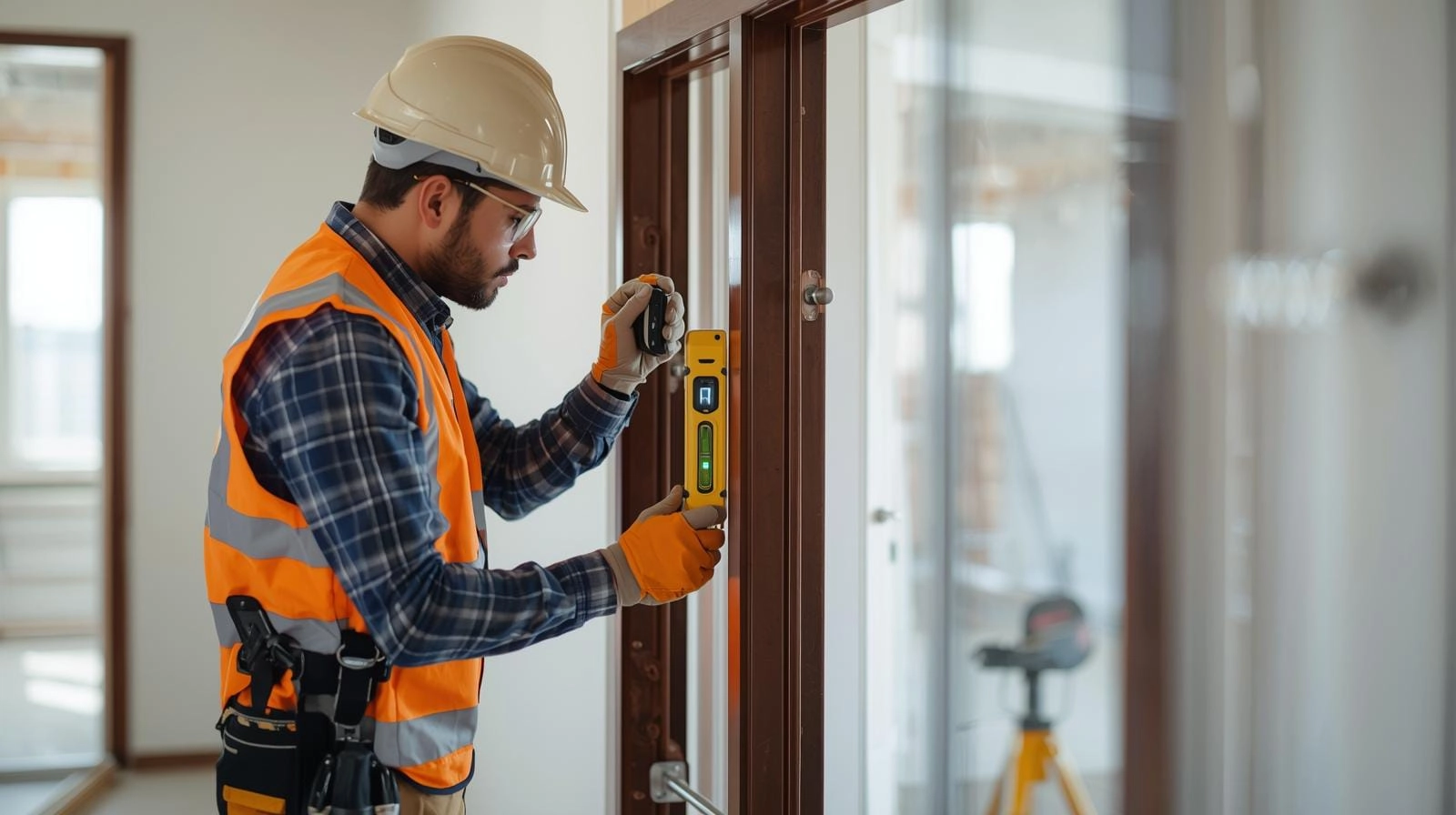
Don’t Trust Your Measurements? Let the Pros Handle It
Get free quotes from verified aluminium specialists who will measure aluminium windows doors for you – accurately, guaranteed. Free site inspections available.
Request a Free Measurement Quote
Free inspections | Beat Your Quote guarantee | Workmanship guarantees
📊 Measuring Sill Depth & Frame Dimensions (Often Forgotten!)
Width and height aren’t enough. You also need depth measurements. This is one of the most overlooked measurement tips in any window measurement guide.
Why sill depth matters:
The sill depth determines whether your new aluminium window frame will fit within the opening or will protrude. A frame that’s too deep for the opening won’t sit properly and may affect interior finishes like blinds or curtains.
How to measure sill depth:
- Measure from the inside face of the existing frame to the outside edge of the sill (the deepest point).
- Measure at left, centre, and right – use the smallest measurement.
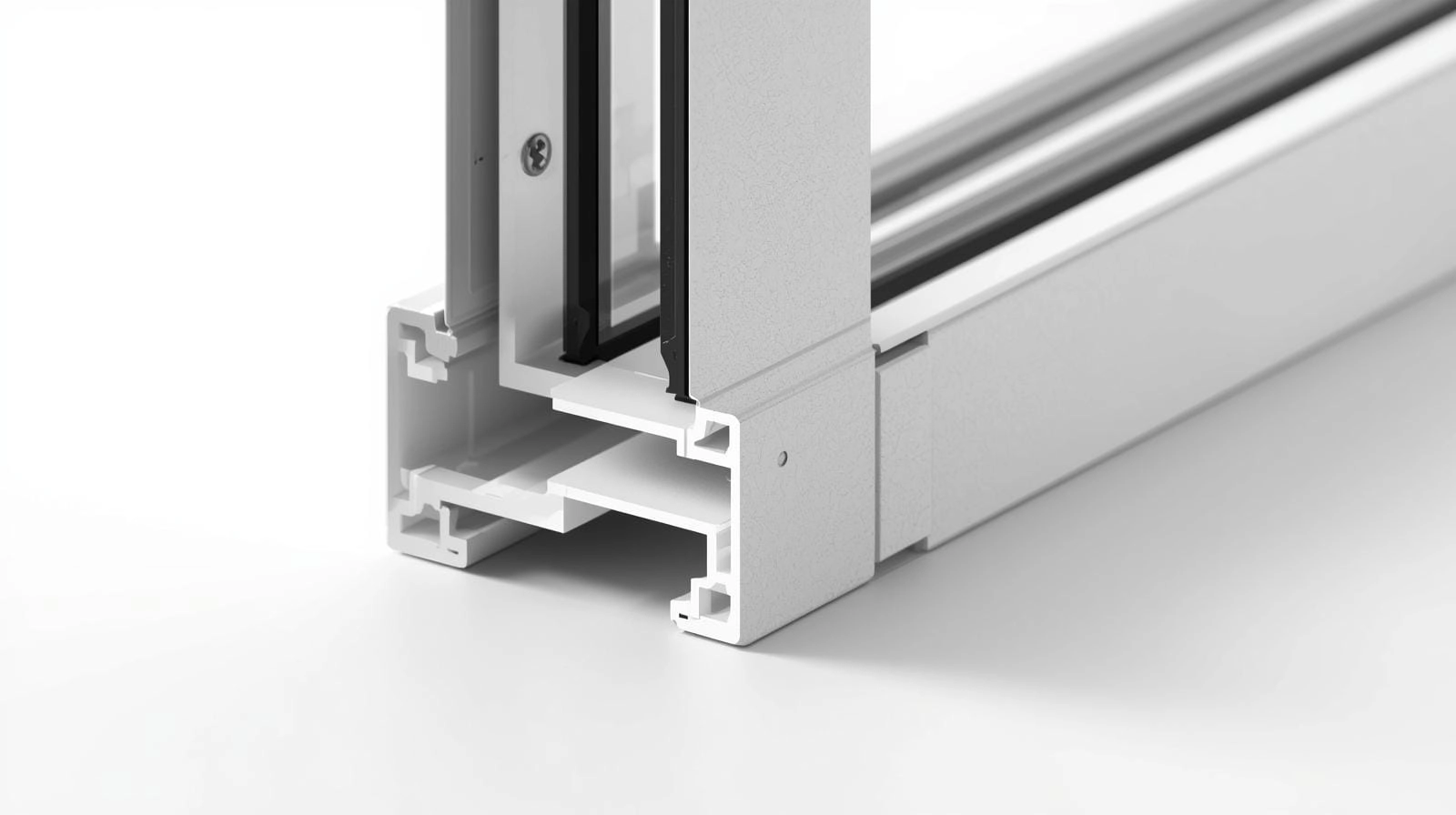
- Typical aluminium frame depths range from 50mm to 100mm depending on the aluminium window profiles you choose.
Frame depth requirements by window type:
| Window Type | Typical Frame Depth | Minimum Sill Depth Needed |
|---|---|---|
| Standard sliding window | 50-65mm | 65mm+ |
| Casement / hinged window | 60-75mm | 75mm+ |
| Thermal break window | 70-90mm | 90mm+ |
| French / double casement | 65-80mm | 80mm+ |
What if your sill depth is insufficient?
You have options: choose a slimmer profile window, build out the opening with timber packing, or consider a full-frame replacement (removing the old frame entirely). Discuss this with your fabricator before ordering.
For cost implications of different window types, read aluminium window installation costs (remove year reference as evergreen).
✅ Checking for Square (Diagonal Measurements)
Here’s a measurement tip that separates amateurs from pros: your opening might not be square. Many older South African homes, especially in Johannesburg and Pretoria, have settled over time, creating openings that are slightly out of square.
How to check for square:
- Measure diagonally from the top-left corner to the bottom-right corner.
- Measure diagonally from the top-right corner to the bottom-left corner.
- Compare the two diagonal measurements.
What the numbers mean:
- Diagonals equal (within 3mm): The opening is square. Your standard how to measure for aluminium windows correctly approach works fine.
- Diagonals differ by 4-8mm: The opening is slightly out of square. Your window can be packed to fit, but you need to note this for the fabricator.
- Diagonals differ by more than 8mm: The opening is significantly out of square. You may need to adjust the opening (re-brick or plaster) before ordering windows, or order custom windows with angled frames (expensive).
What to do with out-of-square openings:
Record both diagonal measurements and note which side is longer. Your fabricator can advise whether the opening needs correction or if the window can be installed with packing. For major renovations, consider reading our building construction guide for structural advice.
📝 How to Record Measurements for Fabricators
Clear communication prevents expensive mistakes. When you measure aluminium windows doors, your recording method matters as much as the measurement itself.
Professional measurement recording template:
For each window, record:
- Window identification: “Kitchen east wall” or “Bedroom 1 north” – be specific
- Width measurements: Top, middle, bottom (list each separately)
- Height measurements: Left, centre, right (list each separately)
- Smallest width and height used: Circle or highlight these
- Diagonal measurements: Both diagonal readings
- Sill depth measurement: At deepest point
- Notes: Any obstructions, uneven surfaces, or special conditions
- Photo reference: Take a photo with a ruler showing the measurement
Example completed measurement:
- Window: Lounge north wall (existing steel frame replacement)
- Width: T-1198mm, M-1195mm, B-1200mm → Using 1195mm
- Height: L-1430mm, C-1428mm, R-1432mm → Using 1428mm
- Less clearance: -5mm width, -5mm height
- Order size: 1190mm wide x 1423mm high
- Diagonals: 1850mm and 1854mm (4mm difference – slightly out of square)
- Sill depth: 82mm
- Notes: Old frame is timber, some rot on bottom left corner
Before ordering, confirm with your fabricator:
- Do they want measurements before or after clearance deduction?
- What clearance gap do they recommend (usually 5-10mm)?
- Do they require any additional measurements (e.g., brickwork thickness)?
- Will they do a site visit to verify measurements? (Highly recommended for large orders – read free inspections)
For quality assurance, reference SANS 10400 measurement standards and SABS precision standards during your discussions with fabricators.
🚫 7 Common Measuring Mistakes That Cost SA Homeowners Thousands
⚠️ Warning: These Mistakes Will Ruin Your Window Order
Avoid these errors when measuring for replacement windows – they’ve cost South African homeowners tens of thousands in wasted orders.
- Only measuring once at one position: Your opening might not be perfectly rectangular. Always take three width and three height measurements. This is the most common mistake in any window measurement guide.
- Forgetting to check for square: Out-of-square openings require different handling. Skipping diagonal measurements leads to windows that don’t fit.
- Measuring the old window, not the opening: When measuring for replacement windows, measure the rough opening, not the old frame. Old frames can be warped or damaged.
- Using the wrong tape measure: Cloth or fibreglass tapes stretch. Use a rigid steel tape only.
- Not accounting for clearance: New windows need 5-10mm clearance for installation. Ordering exact size means no room for adjustment.
- Measuring in inches or mixing units: South African fabricators work in millimeters. Stick to mm exclusively. 1000mm is NOT the same as 100cm in some conversions.
- Assuming the opening is level: Many older homes have settled. Check level with a spirit level and note any significant slopes.
Pro tip: If you’re unsure about any measurement, call a professional. The cost of a site inspection (often free through ServiceLink SA) is far less than the cost of wrongly ordered windows. Read our how to choose the right contractor guide for hiring tips.
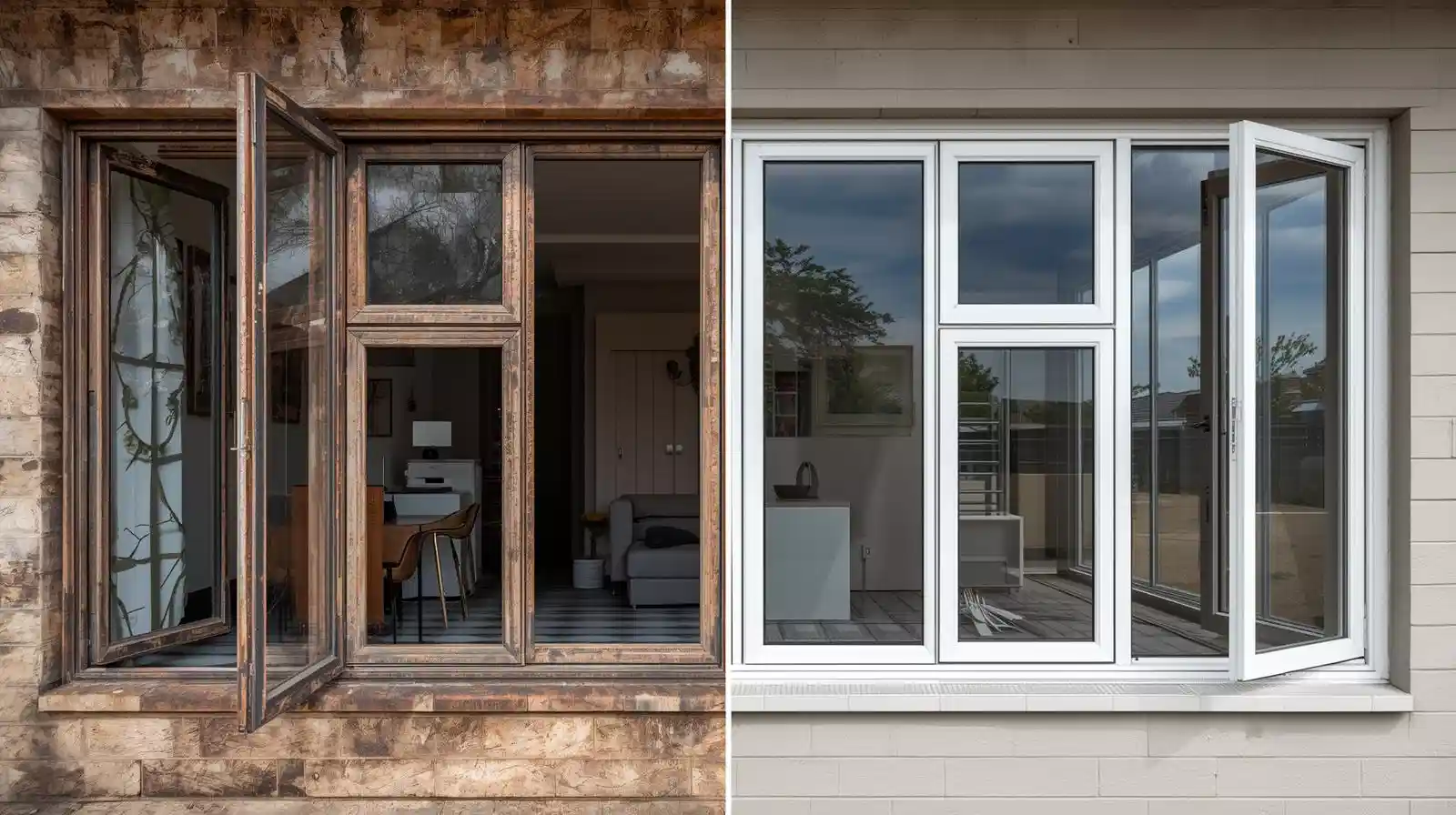
📋 Measurement Types & When to Use Each
Different situations call for different measuring approaches. Here’s a quick reference for when you measure aluminium windows doors:
| Measurement Type | When to Use | Deduction Rule | Accuracy Needed |
|---|---|---|---|
| Rough opening (new build) | New construction, major renovations with bare walls | Subtract 10-15mm from width & height | ±2mm |
| Retrofit / replacement | Existing windows being replaced (most common) | Subtract 5-10mm or as fabricator specifies | ±1mm |
| Steel-to-aluminium conversion | Replacing old steel window frames | Measure existing frame opening, may need custom sizing | ±1mm (critical) |
| Curtain wall / commercial | Large commercial projects | Architectural drawings + site verification | ±2mm |
| Custom shape windows | Arched, circular, triangular windows | Template required (not just measurements) | Template accuracy essential |
For steel-to-aluminium conversions specifically, read our detailed new build vs retrofit guide and buying checklist.
⭐ Pro Tips for Complex Measuring Situations
These advanced measurement tips will help you handle challenging scenarios when you measure aluminium windows doors:
Dealing with out-of-plumb walls:
If your walls aren’t perfectly vertical (common in older homes), measure the opening at multiple depths. A spirit level can help you understand how much the wall deviates. Fabricators can sometimes accommodate minor deviations with tapered packing.
Measuring for windows above counters or vanities:
Ensure you have clearance for window operation. Casement windows need space to swing open. Sliding windows need clearance for the sliding panel. Measure from sill to counter – you need at least 50-100mm for handles and operation depending on profile choice from our aluminium window profiles guide.
Windows in coastal areas:
If you’re in Cape Town, Durban, or other coastal regions, measuring for marine-grade aluminium windows requires extra attention to drainage. Ensure your measurements account for proper sill slope to prevent water pooling. Our coastal installation guide provides more detail.
Second-storey windows:
Safety first! Use proper ladders or scaffolding. Never overreach – reposition the ladder instead. Consider hiring a professional for high windows – falls from height are the leading cause of DIY injury.
Windows in load-shedding affected areas:
While not directly related to measuring, if you’re installing automated or motorised windows, ensure your measurements include space for control boxes or battery backups. Read our loadshedding and automation guide for more.
❓ Frequently Asked Questions About Measuring Aluminium Windows
What’s the most common mistake when people measure aluminium windows doors?
The single most common mistake is only taking one measurement. Openings are rarely perfectly rectangular. Without taking three width measurements (top, middle, bottom) and three height measurements (left, centre, right), you risk ordering windows that won’t fit because the middle of the opening might be narrower than the bottom. Always take multiple measurements and use the smallest values.
How much smaller should I order windows compared to my measurements?
For retrofit measuring for replacement windows, subtract 5-10mm from both width and height to allow for packing, squaring, and installation clearance. For new build rough openings, subtract 10-15mm. However, ALWAYS confirm with your specific fabricator before ordering – different aluminium window systems and profile designs have different clearance requirements.
Can I measure my own windows or should I hire a professional?
How to measure for aluminium windows correctly is possible for confident DIYers with the right tools and patience. However, for large or expensive orders, hire a professional. The cost of a mistake on a R50,000 window order far exceeds the cost of a free site inspection or professional measuring service. ServiceLink SA can connect you with verified specialists who will measure accurately and guarantee their work.
What if my window opening isn’t square?
If diagonal measurements differ by more than 8mm, your opening is significantly out of square. Options include: correcting the opening (re-bricking or plastering), ordering custom windows that match the angled opening (expensive), or using a professional installer who can pack and adjust during installation. Always disclose out-of-square conditions to your fabricator before ordering – they may adjust fabrication or recommend a different approach.
What tools do I need to measure aluminium windows accurately?
Essential tools: steel tape measure (never cloth or fibreglass), spirit level (600mm minimum), carpenter’s square, notepad and pencil, flashlight, and safe ladder access. Optional but helpful: laser measure (for rough openings only) and camera to photograph measurements. Using proper tools is the foundation of any reliable window measurement guide.
How do I measure for sliding vs casement aluminium windows?
The basic measuring method (width, height, diagonals, sill depth) is the same for all window types. However, casement windows need additional clearance for hinges and handles when they swing open. Check that adjacent walls, countertops, or furniture won’t block operation. Sliding windows need less operational clearance but require accurate track measurements. Consult your fabricator’s specific requirements for your chosen window profile system.
What’s the difference between measuring for new build vs replacement windows?
New build (rough opening) measuring involves bare structural openings without any existing frame. You measure the rough opening and order windows smaller (10-15mm) to allow for packing. Retrofit (measuring for replacement windows) involves measuring the existing frame opening, as the new aluminium frame fits inside the old frame’s position. Different deduction rules apply. Read our detailed comparison guide for full explanations of both methods.
How do I measure sill depth correctly?
Measure from the inside face of the existing frame to the outside edge of the sill (the deepest point). Take measurements at left, centre, and right, then use the smallest measurement. Compare this to your chosen window profile’s frame depth (typically 50-100mm depending on the profile type). The sill depth must be greater than the frame depth, or the window won’t seat properly.
My old windows are steel – are measuring rules different for steel to aluminium conversion?
Yes – steel frames are often thinner than aluminium frames. When converting from steel to aluminium, measure the existing steel frame opening carefully. The new aluminium frame may be wider, meaning you might lose glass area or need to modify the opening. This is a complex conversion – we strongly recommend professional measuring and installation. Read our retrofit guide for steel conversion considerations.
What SANS standards apply to aluminium window measuring?
SANS 10400 provides the building regulations framework, including requirements for window openings, structural integrity, and measurement standards. SABS provides precision standards for manufacturing tolerances. Quality fabricators follow these standards – ask for SABS certification when ordering. Always reference these authorities when discussing specifications with your supplier.
✅ Final Thoughts: Measure Twice, Order Once
The old carpenter’s adage “measure twice, cut once” applies perfectly to how to measure for aluminium windows correctly. A few millimeters of error can turn a perfect renovation into an expensive nightmare of modified brickwork, repatching, and compromised window performance.
Key takeaways from this window measurement guide:
- Always take three width and three height measurements – use the smallest values
- Check for square using diagonal measurements – note any significant differences
- Measure sill depth – it must accommodate your chosen frame profile
- Use a steel tape measure only – cloth tapes stretch and give false readings
- Record measurements clearly with window identification and photos
- Confirm clearance deductions with your fabricator before ordering
- For complex or high-value orders, hire a professional to measure
- Reference SANS and SABS standards for quality assurance
Your action plan: Whether you’re tackling a DIY measurement or hiring professionals, start by understanding your installation type (new build vs retrofit). Gather proper tools. Take systematic measurements following this guide. Record everything clearly. Then either order with confidence or compare quotes from verified specialists through ServiceLink SA.
Remember – the cost of a professional site inspection (often free through our network) is minimal compared to the cost of wrongly ordered windows. Don’t let measurement mistakes turn your dream renovation into a budget-busting headache.
Ready to Get Accurate Window Measurements?
Get free quotes from verified aluminium specialists who will measure aluminium windows doors accurately – guaranteed. Free site inspections available.
📞 Call us: 073 138 4726 to discuss your aluminium window project.
Free site inspections •
Beat Your Quote guarantee •
Workmanship guarantees •
How it works
Are You an Aluminium Window Installer or Fabricator?
Join ServiceLink SA’s network of verified aluminium specialists. Get qualified leads for window and door projects in your area.
📚 Official resources & standards referenced:
- SANS 10400 – South African National Standard for measurement standards, building regulations, and window opening requirements.
- SABS – South African Bureau of Standards for precision standards, manufacturing tolerances, and product certification.
Information provided for general guidance. Aluminium window measuring requires precision – when in doubt, consult qualified professionals. Always confirm specific requirements with your fabricator before ordering.
Written by: Innocent T Hanyani
Construction & Home Services Industry Specialist | 21+ Years Experience
Innocent T Hanyani has over two decades of experience working across South Africa’s construction, aluminium fabrication, and home improvement sectors. Throughout his career, he has worked closely with window fabricators, installers, architects, and homeowners, gaining practical insight into how how to measure for aluminium windows correctly impacts project success, costs, and long-term durability. His expertise helps homeowners avoid costly measurement mistakes, choose the right window profiles, and find reliable service professionals for everything from simple replacements to complex new build installations.
For more information about aluminium windows and doors, explore our related resources: standard aluminium window sizes, aluminium window profiles guide, new build vs retrofit guide, installation costs, and buying checklist. Our aluminium services overview and how ServiceLink SA works pages explain how we connect you with verified specialists. Find aluminium services in your city: Gauteng, Johannesburg, Pretoria, Sandton, or Centurion. For related home improvement services, see our building construction and tiling services guides.