
Building a New Home? Ensure NHBRC Compliance
Get free quotes from verified aluminium specialists who understand nhbrc aluminium windows requirements and new build compliance standards.
Servicing Gauteng, Johannesburg, Pretoria, Cape Town, and across South Africa
NHBRC Requirements for Aluminium Windows in New Builds: Complete Guide SA
🏗️ Everything you need to know about NHBRC compliance for aluminium windows in new home construction
Building a new home in South Africa? You’ve likely heard of the NHBRC (National Home Builders Registration Council). But do you understand how their requirements affect your aluminium windows? Many homeowners and even some builders don’t – and that can lead to costly delays, failed inspections, and compliance headaches.
I’ve worked with homeowners across Gauteng, Johannesburg, Pretoria, and Cape Town who assumed any aluminium windows would pass inspection. They were wrong. The nhbrc aluminium windows requirements cover specific standards for profiles, installation, safety glass, structural integrity, and documentation.
This comprehensive guide explains the new build compliance requirements for aluminium windows under NHBRC regulations. We’ll cover which building regulations apply, what the home builders council inspectors look for, how to ensure your windows meet standards, and what documentation you need. By the end, you’ll know exactly what are nhbrc requirements for aluminium windows and how to avoid compliance pitfalls.
For related guidance, check our aluminium windows overview, new build vs retrofit guide, and building construction guide.
📋 Table of Contents – NHBRC Requirements Guide
🏛️ What Is the NHBRC and Why Does It Matter for Aluminium Windows?
Before diving into nhbrc aluminium windows requirements, understand the organisation and its role.
What is the NHBRC?
The National Home Builders Registration Council (NHBRC) is a statutory body established to protect housing consumers and regulate the home building industry in South Africa. All home builders constructing new homes must be registered with the NHBRC, and all new homes must meet NHBRC technical requirements.
Why NHBRC matters for aluminium windows:
- Sets minimum technical standards for all new home construction
- Requires SABS-certified materials (including aluminium profiles)
- Mandates safety glass in specific locations (glazing near doors, low windows)
- Enforces structural requirements for window openings
- Provides homeowners with warranty protection (the NHBRC warranty)
- Conducts inspections during construction to verify compliance
NHBRC vs SANS – what’s the relationship?
The NHBRC’s technical requirements reference SANS 10400 building standards. Compliance with SANS 10400 (the national building regulations) typically satisfies NHBRC requirements. The NHBRC adds specific homeowner protection mechanisms and inspection processes.
Reference: Official NHBRC website for complete regulations.
📋 Key NHBRC Requirements for Aluminium Windows – Overview
Here are the essential nhbrc aluminium windows requirements every builder and homeowner should know:
Material requirements:
- Aluminium profiles must be SABS-certified (minimum 1.2mm wall thickness for residential)
- Finishes must meet durability standards (10+ year warranty expected)
- Hardware must be corrosion-resistant (stainless steel recommended for coastal areas)
- Glass must meet safety glazing requirements (see Section 4)
Installation requirements:
- Windows must be installed level, square, and properly sealed
- Fixings must be adequate for wall type and wind loading
- Lintels required over window openings (structural support)
- Waterproofing and flashing must prevent water ingress
- Damp-proof course (DPC) required where windows meet masonry
Performance requirements:
- Windows must operate correctly (open, close, lock)
- Weather seals must prevent drafts and water penetration
- Structural integrity must withstand design wind loads
- Thermal performance as specified on approved plans
Documentation requirements:
- SABS certificates for profiles and finishes
- Glass specification and safety glazing certification
- Installation records (who installed, when, methodology)
- NHBRC inspection sign-off
These building regulations apply to all new homes. For retrofits or replacements in existing homes, different rules apply – read new build vs retrofit guide.
🔧 Aluminium Profile Standards & SABS Certification
Under nhbrc aluminium windows requirements, the profiles themselves must meet specific standards.
SABS certification requirements:
- Aluminium extrusion profiles must be SABS-certified (SABS 1900 series standards)
- Fabricators must use certified profiles – ask for SABS certificates
- Unbranded or imported “generic” profiles rarely meet SABS standards
- Non-compliant profiles will fail NHBRC inspection
Minimum wall thickness:
- Residential new builds: minimum 1.2mm
- Coastal areas (within 10km of ocean): minimum 1.5mm (NHBRC may require for wind loading)
- Large windows (over 2m²): thicker profiles may be required – refer to engineer’s specs
- Cheaper profiles with 0.8-1.0mm thickness are NOT NHBRC compliant
Thermal break requirements:
- Not mandatory under basic NHBRC, but may be required by energy efficiency regulations
- Recommended for colder regions (Highveld, inland Northern provinces)
- Energy compliance (SANS 10400-XA) may mandate thermal break for new builds
Finish requirements:
- Powder coating must meet SABS standards (adhesion, durability, UV resistance)
- Finish warranty minimum 10 years expected
- Coastal areas: marine-grade powder coating or anodising required for longevity
Read our profiles guide and brand guide for more details.
🪟 Safety Glass Requirements (NHBRC & SANS 10400)
One of the most critical new build compliance areas is safety glazing. The home builders council strictly enforces glass safety standards.
Where safety glass (toughened or laminated) is mandatory:
- Glazing within 900mm of floor level: Any glass within 900mm of the finished floor in doors, side panels, or low windows must be safety glass.
- Glass in doors: All glazing in doors (including sliding doors) must be safety glass – regardless of height.
- Glass adjacent to doors: Glazing within 300mm of door edges (side panels) must be safety glass.
- Bathroom and wet areas: Glass in shower enclosures, bathroom windows – safety glass required.
- Large panes (over 1m²): May require thicker or toughened glass depending on wind loading.
Safety glass types accepted:
- Toughened (tempered) glass: Heat-treated to break into small, less dangerous pieces. Most common for residential.
- Laminated glass: Two glass layers bonded with plastic interlayer – stays intact when broken. Better for security and noise reduction.
- Standard annealed glass: Only permitted where safety glazing IS NOT required (high windows, above 900mm).
How to prove compliance:
- Safety glass must have permanent marking (brand, standard, thickness)
- Fabricator must provide glass certification
- NHBRC inspectors may test glass or check markings
⚠️ Important: Using non-safety glass where required is a major violation. It will fail NHBRC inspection, and is extremely dangerous – standard glass breaks into sharp, dangerous shards that can cause severe injury.
Read our material comparison for other options.
Need NHBRC-Compliant Aluminium Windows for Your New Build?
Get free quotes from verified fabricators who understand nhbrc aluminium windows requirements. Ensure your new home passes inspection first time.
🔨 Installation Standards & Structural Integrity
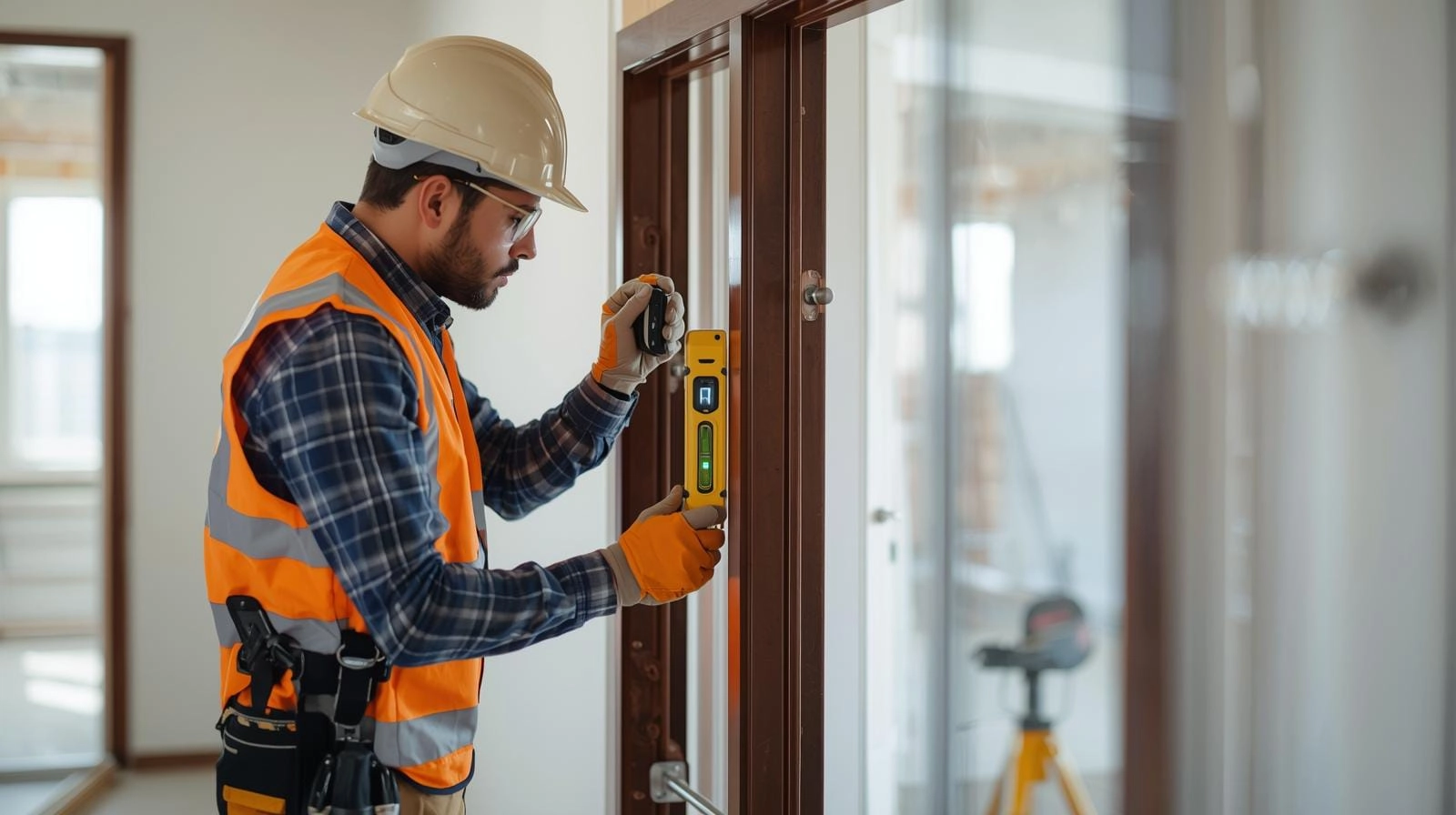
Proper installation is critical for new build compliance with NHBRC building regulations.
Structural requirements:
- Lintels required over all window openings (concrete or steel beam supporting masonry above)
- Lintel dimensions and reinforcement must meet engineer’s specifications
- Window openings must be square, level, and plumb (within 3mm tolerance)
- Adequate support for large windows (engineered calculations)
Fixing requirements:
- Window frames must be securely fixed to structure (not just foam-sealed)
- Fixings must be appropriate for wall type (brick, concrete, timber frame)
- Minimum number of fixings: typically 3 per side for average window, more for large windows
- Fixings must be corrosion-resistant (stainless steel in coastal areas)
Waterproofing and sealing:
- Flashing required above windows (head flashing)
- Sill flashing required below windows
- Damp-proof course (DPC) where window frames meet masonry
- Sealant between frame and wall (weather-resistant, flexible)
- Proper drainage channels within frame (prevent water pooling)
Operational requirements:
- Windows must open, close, and lock smoothly
- Weather seals must be continuous and effective
- No air leaks around frames when closed
- Safety restrictors required for windows above ground floor (child safety)
Read our replacement guide for retrofit installation differences.
📄 Required Documentation for NHBRC Compliance
When NHBRC inspectors visit your new build, they’ll ask for documentation proving nhbrc aluminium windows requirements are met.
Documentation checklist:
- SABS certificates: For aluminium profiles and finishes
- Glass certification: Safety glazing certificates for toughened/laminated glass
- Fabricator declarations: Statements confirming compliance with NHBRC/SANS standards
- Installation records: Who installed, when, methodology used
- Product warranties: Frame, finish, and installation warranties
- Engineer’s certificates: For lintels and structural aspects (if required)
Where to get these documents:
- SABS certificates – from profile manufacturer or fabricator
- Glass certification – from glass supplier or fabricator
- Compliance declarations – from fabricator/installer
- Keep all documents in your NHBRC file for inspection
⚠️ Important: If your fabricator cannot provide SABS certificates, they are likely using non-compliant profiles. This will fail NHBRC inspection and may require window replacement.

🔍 NHBRC Inspection Process for Windows
Understanding how NHBRC inspectors evaluate windows helps you prepare for new build compliance.
When inspections happen:
- Foundation stage: Window openings marked out, lintel positions checked
- Wall completion stage: Lintels installed, openings correct size
- Final inspection: Windows fully installed, glazing in place, operations checked
What inspectors look for:
- SABS markings on profiles (visible or documented)
- Safety glass markings (toughened/laminated stamps on glass edges)
- Lintels properly installed over openings
- Frames level, square, plumb
- Proper fixings used (visible and secure)
- Waterproofing and flashing installed
- Windows operate correctly
- Safety restrictors on upper floor windows
Common inspection failures:
- Missing safety glass where required (most common failure)
- No SABS certification for profiles
- Lintels missing or inadequate
- Poor sealing / water leakage potential
- Windows out of level/square
- Missing documentation
How to pass inspection:
- Use SABS-certified profiles and safety glass
- Hire experienced, NHBRC-registered installers
- Keep all documentation organised and accessible
- Address any red flags before inspection day
- Walk through with inspector to explain compliance measures
⚠️ Consequences of Non-Compliance with NHBRC Requirements
⚠️ Warning: Non-Compliance Has Serious Consequences
Failing to meet nhbrc aluminium windows requirements can derail your new build and cost you dearly.
During construction:
- Failed inspection: Inspector refuses sign-off until corrections made
- Correction costs: Replace non-compliant windows (R30,000-100,000+ cost)
- Construction delays: Weeks or months while windows replaced
- Re-inspection fees: Additional NHBRC charges for repeat inspections
After construction (if non-compliance missed):
- No NHBRC occupancy certificate: Can’t legally occupy the home
- Bond issues: Banks may refuse final drawdown without compliance
- Insurance problems: Home insurance may be invalid
- Resale issues: Cannot sell home without compliance certificate
- Legal action: NHBRC can take builders to disciplinary hearings
For builders:
- Fines from NHBRC (up to significant amounts)
- Possible deregistration (can’t build new homes)
- Damage to reputation and business
- Civil liability to homeowners
For homeowners:
- Your NHBRC home warranty may be compromised
- Safety risks (especially from non-safety glass)
- Higher insurance premiums (if coverage available at all)
- Reduced property value
The cost of compliance is minimal compared to the cost of non-compliance. Always use compliant materials and registered professionals.
✅ NHBRC Compliance Checklist for Builders & Homeowners
Use this checklist to ensure you meet all nhbrc aluminium windows requirements:
| Requirement Category | Checklist Item | Verified (✓) |
|---|---|---|
| Profiles | SABS-certified aluminium profiles (certificate obtained) | ___ |
| Profiles | Minimum wall thickness 1.2mm (1.5mm coastal) | ___ |
| Glass | Safety glass (toughened/laminated) where required (within 900mm of floor, in doors, adjacent doors, wet areas) | ___ |
| Glass | Glass certification obtained and on file | ___ |
| Structure | Lintels installed over all window openings (engineer specified) | ___ |
| Structure | Window openings level, square, plumb (within 3mm tolerance) | ___ |
| Installation | Frames securely fixed (min 3 fixings per side, corrosion-resistant) | ___ |
| Installation | Flashing, DPC, and waterproofing installed correctly | ___ |
| Installation | Weather seals continuous, windows operate smoothly | ___ |
| Safety | Safety restrictors on upper floor windows (where required) | ___ |
| Documentation | SABS certificates, glass certificates, warranties on file | ___ |
| Installers | NHBRC-registered installer (if required by builder) | ___ |
Print this checklist and tick off items as they’re completed. Keep all documentation accessible for NHBRC inspection.
🚫 6 Common NHBRC Compliance Mistakes (And How to Avoid Them)
⚠️ Warning: Avoid These NHBRC Mistakes
These common errors cause failed inspections and costly rework.
- Using non-SABS certified profiles: Unbranded or cheap imported profiles rarely have SABS certification. They will fail inspection and may need replacement. Always ask for SABS certificates before ordering.
- Standard glass where safety glass required: This is the most common NHBRC violation. Any glass within 900mm of floor, in doors, or adjacent to doors MUST be toughened or laminated. Check every window location.
- Missing lintels: Builders sometimes “forget” lintels above small windows. NHBRC inspectors check every opening. Lintels are mandatory, no exceptions.
- Poor waterproofing / missing DPC: Water ingress leads to structural damage and health hazards (mould). NHBRC inspectors are very strict on waterproofing.
- No documentation on site during inspection: Even if windows are compliant, without SABS certificates and glass certifications, the inspector may fail you. Keep all documents in a file on site.
- Assuming retrofit rules apply to new builds: Retrofits have different standards. New builds must meet stricter NHBRC requirements. Read comparison guide.
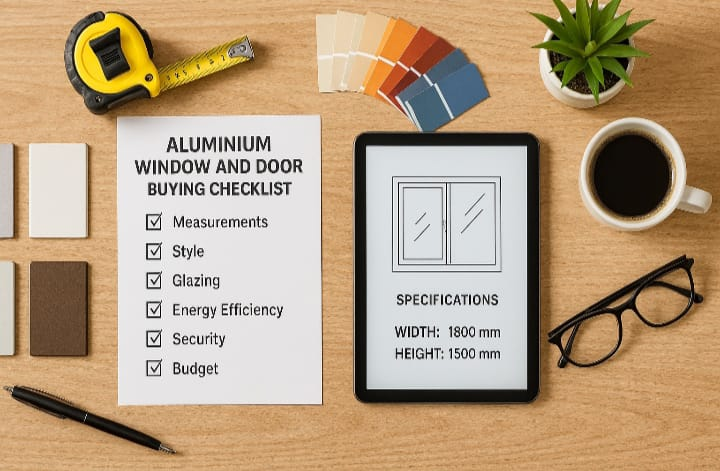
Read our buying checklist for more guidance.
❓ Frequently Asked Questions About NHBRC & Aluminium Windows
What are the NHBRC requirements for aluminium windows in new builds?
The nhbrc aluminium windows requirements include: SABS-certified aluminium profiles (minimum 1.2mm wall thickness), safety glass where required (within 900mm of floor, in doors, adjacent doors, wet areas), proper lintels over openings, correct installation (level, square, sealed), adequate fixings, waterproofing/flashing, and complete documentation. Non-compliance leads to failed inspections and costly rework.
Do all aluminium windows in new builds need SABS certification?
Yes – NHBRC requires SABS-certified aluminium profiles for all new homes. Uncertified profiles (including many cheap imports) will fail inspection. Ask your fabricator for SABS certificates before ordering. Read our profiles guide for quality indicators.
Where is safety glass required by NHBRC?
Safety glass (toughened or laminated) is mandatory: in any glazing within 900mm of finished floor level (low windows, door side panels), in all glazing in doors (including sliding doors), within 300mm of door edges, in bathroom and wet area windows, and in large panes subject to wind loading. Standard glass in these locations is dangerous and non-compliant.
What happens if my new build fails NHBRC inspection for windows?
If inspection fails, you cannot get occupancy certificate. The builder must: correct all non-compliant issues (replace windows if necessary), pay for re-inspection, and potentially face NHBRC penalties. Delays can be weeks or months. Non-compliance is expensive – ensure compliance first time.
Can I use retrofit aluminium windows in a new build?
No – new builds require new construction windows (full-frame with mounting fins), not retrofit. Retrofit windows are designed for existing frames and don’t meet NHBRC installation standards. Read our comparison guide for detailed differences.
What documentation do I need for NHBRC window compliance?
Required documentation: SABS certificates for aluminium profiles, glass certification (safety glass markings), fabricator compliance declaration, installation records (who, when, methodology), product warranties, and engineer’s certificates for lintels (if required). Keep all documents on site for inspector review.
Do NHBRC requirements differ between provinces (Gauteng vs Western Cape)?
NHBRC requirements are national – same standards apply across South Africa. However, local authority building regulations may add requirements (e.g., higher wind loading standards in Cape Town). Coastal areas may require marine-grade finishes for durability, though not strictly NHBRC-mandated. Check with your local council.
Are thermal break aluminium windows required by NHBRC?
Not directly – NHBRC focuses on structural and safety standards, not energy efficiency. However, energy efficiency regulations (SANS 10400-XA) may require thermal break windows depending on your home’s energy rating. For new builds, discuss energy compliance with your architect or energy consultant.
Can I install aluminium windows myself in a new build?
Technically yes if you’re the homeowner-builder, but not recommended. NHBRC requires proper installation by competent persons. DIY installation mistakes (incorrect lintels, poor waterproofing, wrong fixings) lead to failed inspections and unsafe windows. Hire experienced, NHBRC-registered installers – it’s worth the cost for compliance and safety.
Where can I find NHBRC-registered aluminium window installers?
ServiceLink SA connects you with verified aluminium specialists, including those familiar with nhbrc aluminium windows requirements. Ask potential installers for their NHBRC registration number and proof of previous new build projects. Read contractor guide for selection tips.
✅ Final Thoughts: NHBRC Compliance Protects Your Investment
Building a new home is one of the biggest investments you’ll ever make. The nhbrc aluminium windows requirements aren’t bureaucratic red tape – they’re safety and quality standards that protect you, your family, and your investment.
Compliance ensures your windows are structurally sound, properly installed, and safe (especially critical for safety glass). It protects you from structural failures, water damage, and most importantly, injury from unsafe glazing.
Key takeaways for NHBRC compliance:
- All aluminium profiles must be SABS-certified – no exceptions
- Safety glass is mandatory in specified locations – this is non-negotiable
- Lintels required over every window opening
- Proper installation (level, square, sealed) is essential
- Keep all documentation on site for inspections
- Use experienced, NHBRC-aware installers – aluminium services
- Non-compliance leads to failed inspections, delays, and costly rework
- Your NHBRC home warranty depends on compliance
- Read our warranty guide and brand guide
- Compare material options before specifying
Your next step: Planning a new build? Get quotes from verified aluminium specialists who understand NHBRC requirements. Ensure your windows are compliant, safe, and built to last.
Building a New Home? Ensure NHBRC Compliance
Get free quotes from verified aluminium specialists who understand nhbrc aluminium windows requirements and new build compliance standards.
📞 Call us: 073 138 4726 to discuss your new build aluminium window requirements.
Free inspections •
Beat Your Quote •
Compliance guarantees •
How it works
Are You an Aluminium Specialist Who Understands NHBRC Requirements?
Join ServiceLink SA’s network of verified fabricators and installers. Get qualified leads from homeowners and builders needing NHBRC-compliant aluminium windows.
📚 Official resources & standards referenced:
- NHBRC Official Website – National Home Builders Registration Council regulations, technical requirements, and registration information.
- SANS 10400 – South African National Standard for building standards, structural requirements, and glazing safety regulations.
Information provided for general guidance. NHBRC requirements may be updated. Always consult current NHBRC documentation and your local building authority for specific project requirements.
Written by: ServiceLink SA Research Team
Building Regulations & NHBRC Compliance Specialists
The ServiceLink SA Research Team has extensive experience with nhbrc aluminium windows requirements across South African new builds – from Gauteng to Cape Town. Our team has worked with builders, architects, and NHBRC inspectors to understand exactly what’s required for compliance. This guide synthesises official NHBRC regulations, SANS 10400 standards, and practical field experience into actionable advice for homeowners and builders. We’re committed to helping you navigate new build compliance successfully and avoid costly inspection failures.
For more information about aluminium windows and new build compliance, explore our related resources: aluminium windows overview, new build vs retrofit guide, replacement guide, warranty guide, brand guide, and material comparison. Our what is ServiceLink SA and verification process pages explain our matching service. Read buying checklist for more protection. Find services in your area: Gauteng, Johannesburg, Pretoria, Cape Town, and Sandton. For related home improvement services, see our building construction and roofing services guides.