
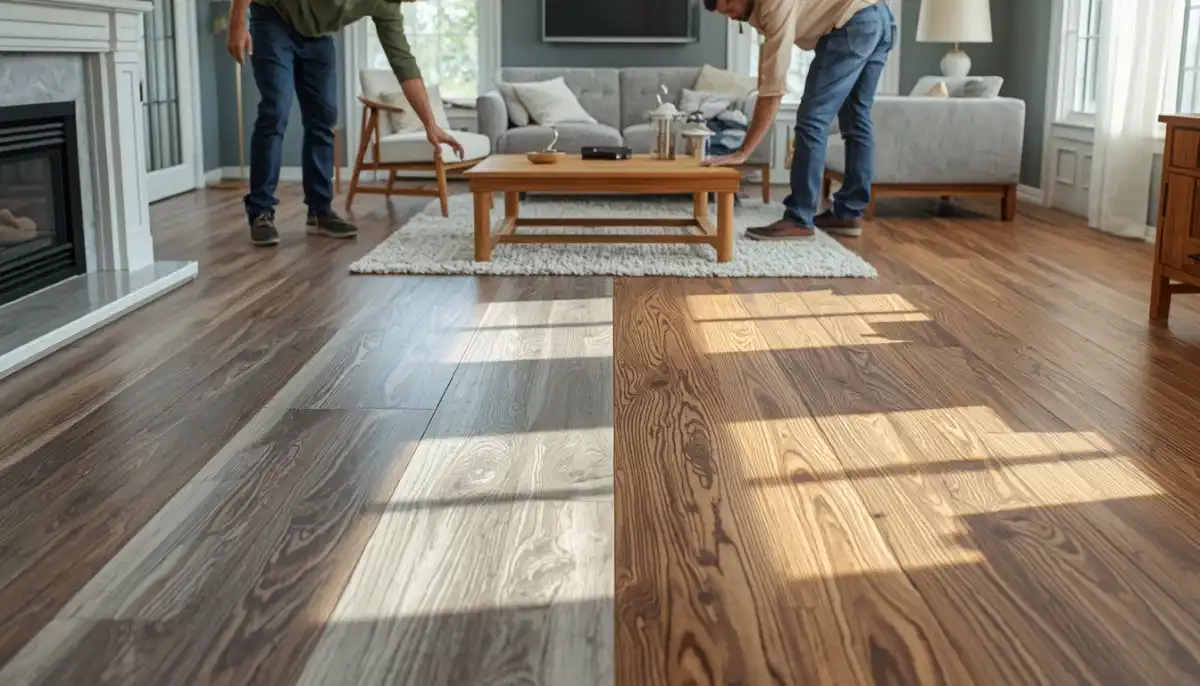
Vinyl vs Laminate Flooring: Pros, Cons & Costs in South Africa
⚖️ LVP vs Laminate: Which is better for your kitchen, pets, or rental property? We compare waterproofing, durability, price, and style.
You’re standing in a Sandton showroom, staring at two floors that look almost identical. One is luxury vinyl plank (LVP). The other is laminate. Both have a beautiful wood-look finish. Both are priced similarly. But which one is right for your Fourways townhouse or your Umhlanga beach apartment? The vinyl vs laminate flooring pros cons costs South Africa debate is one of the most common questions we hear.
This guide is your definitive answer. We’ll put them head-to-head on every critical factor: water resistance (vinyl’s superpower), realism (laminate’s strength), scratch resistance, underfoot feel, installation, and total cost. You’ll learn exactly which material suits your specific needs—whether it’s a busy kitchen, a home with large dogs, or a DIY weekend project. We also cover the latest technologies like SPC core and Uniclic® locking systems.
If you’re ready to take the next step, explore our Services Overview or visit our Flooring Services page to find vetted contractors near you. For more on how we work, see How It Works.
Still Not Sure Which to Choose?
Get free, no-obligation quotes from local flooring specialists who can advise you on vinyl vs laminate for your specific project.
Servicing Johannesburg, Pretoria, Cape Town, Durban, and nationwide
📋 Table of Contents – Vinyl vs Laminate Showdown
🥊 Quick Verdict: Which One Wins for Your Home?
Before we dive deep, here’s the short answer:
- Choose VINYL if: You need a 100% waterproof floor for kitchens, bathrooms, or coastal homes in Durban. It’s also better for homes with pets (better scratch resistance) and for DIYers who want an easy click installation. It’s softer underfoot and quieter.
- Choose LAMINATE if: You prioritize the most realistic wood look and feel. Laminate has better heat resistance (won’t melt under direct sun) and is slightly better at resisting dents from heavy furniture. It’s often the more budget-friendly option for large areas like living rooms in Pretoria.
Still undecided? Read on for the full breakdown. See our Benefits of Choosing Us to understand why expert advice matters.
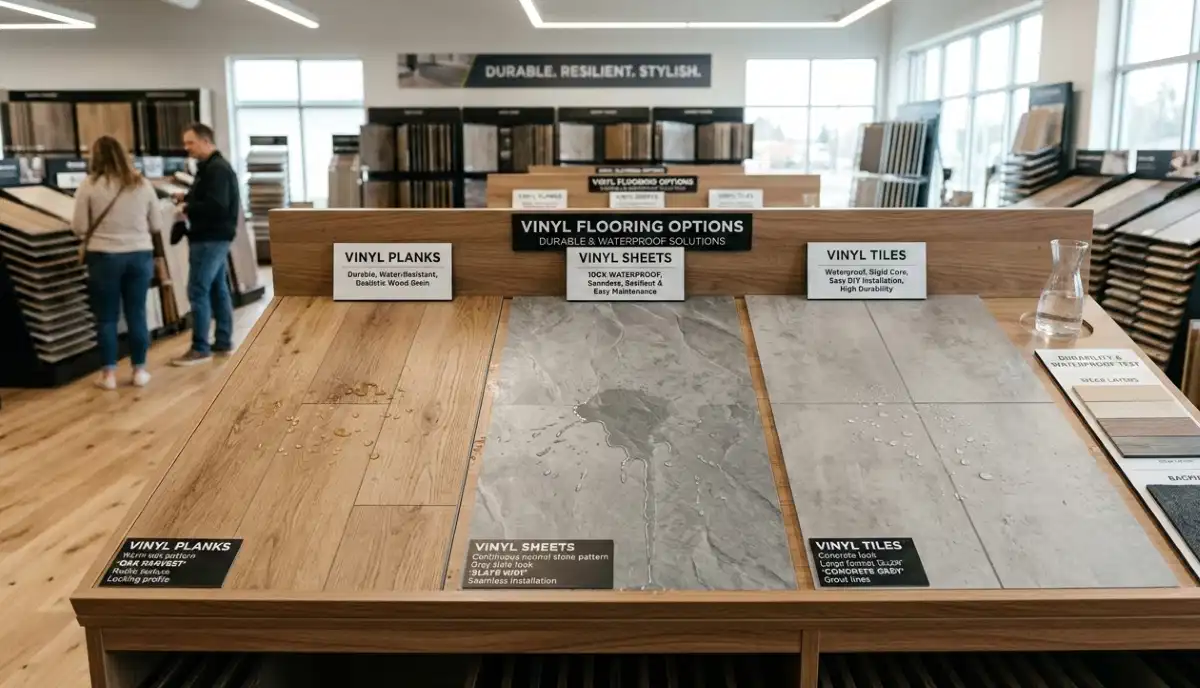
🧪 What is Vinyl Flooring? LVT, SPC & WPC Explained
Vinyl flooring is a synthetic product. It’s completely man-made, which gives it its superpower: waterproofing. But not all vinyl is the same.
- Luxury Vinyl Plank (LVP) / Tile (LVT): The most common type. It mimics wood or stone and comes in planks or tiles. Can be click-lock or glue-down.
- SPC Core (Stone Plastic Composite): A rigid core vinyl. It’s extremely dimensionally stable, hard, and often thinner than laminate. The core is made from limestone and stabilizers. Best for areas with temperature fluctuations.
- WPC Core (Wood Plastic Composite): A softer, thicker core. It’s warmer and quieter underfoot but slightly less resistant to heavy indentation.
- Sheet Vinyl: Comes in large rolls. Fewer seams, great for bathrooms, but fewer design options.
Key feature: The wear layer (measured in mil or mm) protects the printed design. A 20-mil wear layer is good for homes; 40-mil for commercial. Leading brands like Moduleo offer advanced 100% waterproof technology with integrated underlay.
🪵 What is Laminate Flooring? HDF Core & AC Rating
Laminate flooring has a high-density fiberboard (HDF) core with a photographic image layer and a transparent wear layer on top. It’s designed to look like wood or stone.
- HDF Core: The heart of the plank. Its density determines stability. High-quality HDF resists moisture better than standard fibreboard, but it’s still vulnerable to standing water.
- AC Rating (Abrasion Criteria): This tells you how durable the surface is. AC3 for moderate residential, AC4 for high-traffic homes (recommended), AC5 for commercial.
- Water Resistance: Some laminates have sealed edges or wax coatings for water-resistant claims. They can handle spills if wiped quickly, but they are NOT waterproof. SANS 1529 covers laminate flooring standards.
Laminate cannot be refinished. Once the top layer is worn, it must be replaced. For detailed installation, see our laminate installation guide.
💧 Water Resistance: Waterproof Vinyl vs Water-Resistant Laminate
This is the biggest difference between the two. It’s not marketing hype—it’s physics.
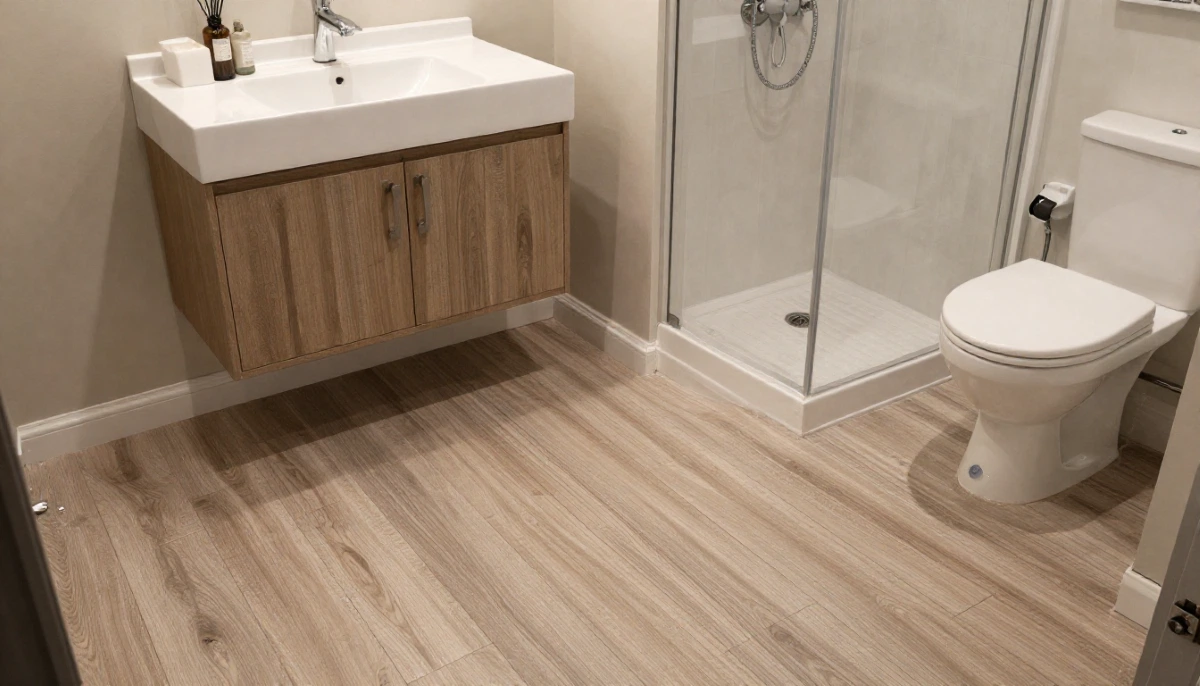
- Vinyl: 100% waterproof. It’s made of plastic/stone composite. Water sits on top or in the gaps but doesn’t damage the core. You can install it in bathrooms, kitchens, and basements. SPC vinyl is completely impervious.
- Laminate: Water-resistant (at best). The HDF core acts like a sponge. If water seeps into the joints or sits for too long, the planks will swell, cup, and delaminate. Even “waterproof laminate” often has limitations and can fail if submerged.
Verdict: For any area with moisture risk (kitchens, bathrooms, coastal homes in George or Umhlanga), vinyl is the only safe choice.
🛡️ Durability: Scratches, Pets & Daily Wear
Both floors are durable, but they have different weaknesses.
- Scratch Resistance: Vinyl generally has better scratch resistance due to its tougher wear layer. It’s the better choice for homes with dogs. Laminate can scratch, but high AC ratings improve resistance.
- Dent Resistance: Laminate is more resistant to dents from heavy furniture. Vinyl, especially softer WPC cores, can be indented by heavy sofas or stiletto heels. SPC core vinyl is much better in this regard.
- Heat Resistance: Laminate handles heat better. Direct sunlight can cause some vinyl to fade or warp over time. Vinyl can also melt under extremely hot objects (like a dropped iron).
Verdict for pets: If you have large dogs, laminate vs vinyl for pets is a clear win for vinyl—better scratch resistance. For homes with heavy furniture, ensure you choose SPC core vinyl or laminate.
👀 Look & Feel: Realism and Texture
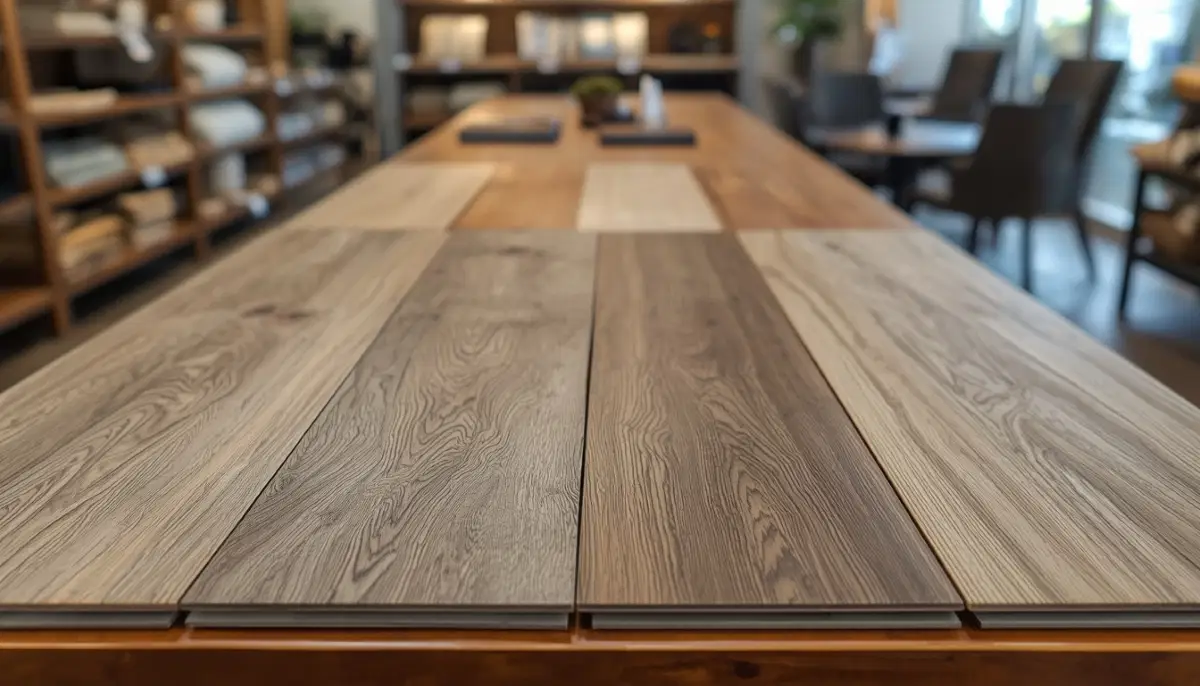
This is where laminate often pulls ahead. The best laminates have deep embossed textures that perfectly match the wood grain, making them almost indistinguishable from real wood. They also have realistic bevel edges.
Vinyl has improved dramatically. Modern LVT and SPC planks have excellent photographic quality and textured surfaces (EIR – Embossed in Register). However, some vinyl can still look and feel slightly more “plastic” than premium laminate.
Underfoot feel: Vinyl (especially with integrated underlay) is softer, warmer, and quieter. Laminate feels harder and can sound hollow without a good underlay. Uniclic® locking systems in many laminates ensure tight joints and stability.
🔨 Installation: Click-Lock, Glue-Down & DIY
Both offer DIY-friendly options, but there are key differences.
- Click-Lock (Floating): Both vinyl and laminate are available in click-lock systems. Vinyl planks are often thinner and more flexible, making them easier to cut with a utility knife. Laminate requires a saw. Underlay is often separate for laminate, while many vinyl planks have integrated underlay.
- Glue-Down: Common for LVT. Requires a perfectly smooth subfloor. Professional installation is highly recommended.
- Loose Lay: A vinyl type that relies on friction and weight – no glue or click. Easy to install but needs a perfectly flat subfloor.
- Subfloor Requirements: Vinyl is more forgiving of minor imperfections, but both need a clean, level surface. Glue-down vinyl requires a near-perfect subfloor.
DIY Installation Vinyl vs Laminate: Vinyl is generally easier for beginners due to easier cutting. However, click-lock laminate is also very achievable. See our guide on choosing a contractor if you prefer professional help.
💰 Cost Comparison Vinyl vs Laminate
Prices overlap significantly, but there are trends. These are total installed costs for mid-range products.
- Laminate (AC4): R280 – R650 per m² installed (basic to mid-range). Premium laminate (AC5, extra features) can go up to R930/m².
- Vinyl (LVT Click – SPC): R350 – R700 per m² installed (standard). Premium rigid core with thick wear layers: R700 – R1,180/m².
- Glue-Down Vinyl: R320 – R600 per m² installed, plus subfloor preparation costs.
Overall: For a like-for-like quality, vinyl is often slightly more expensive, especially for SPC core with good wear layers. However, waterproof laminate vs vinyl cost is less relevant because truly waterproof laminate is rare and often as expensive as vinyl. For accurate numbers, check our full cost guide.
📊 Head-to-Head Comparison Table
| Feature | Vinyl Flooring (LVT/SPC) | Laminate Flooring |
|---|---|---|
| Water Resistance | ✅ 100% Waterproof | ⚠️ Water-Resistant only |
| Scratch Resistance | ✅ Excellent (thick wear layer) | Good (depends on AC rating) |
| Dent Resistance | ⚠️ Can dent (SPC is better) | ✅ Very good |
| Heat/Sun Resistance | ⚠️ Can fade/warp in extreme sun | ✅ Good |
| Realism (Wood Look) | Good to Excellent | ✅ Excellent |
| Underfoot Feel | ✅ Softer, warmer, quieter | Harder, can be hollow |
| Installation (DIY) | ✅ Easier (cut with knife) | Moderate (needs saw) |
| Typical Cost (Installed) | R350 – R1,180/m² | R280 – R930/m² |
| Can it be refinished? | ❌ No | ❌ No |
| Best For | Kitchens, Baths, Pets | Living Rooms, Bedrooms |
🏠 Best Choice by Room & Scenario
Here’s our expert recommendation for common situations.
Vinyl vs Laminate for Kitchens
Winner: Vinyl. Kitchens have spills, splashes, and high moisture. Only a 100% waterproof floor is truly safe. Laminate might survive if you’re extremely careful, but one dishwasher leak could be disastrous. Vinyl flooring installation is the smart choice here.
Laminate vs Vinyl for Pets
Winner: Vinyl. Dog claws can scratch laminate over time. Vinyl’s tougher wear layer holds up much better. It’s also quieter for pets walking around. If you have large dogs, choose vinyl with a thick wear layer (20mil+).
Vinyl Plank vs Laminate Resale Value
Tie. Both can add value if installed well. However, in coastal areas, vinyl’s moisture resistance is a selling point. In high-end homes, premium laminate’s realistic wood look might appeal more. Quality and installation matter most. See our high-end flooring solutions for premium options.
Which is better for a sun-drenched room in Johannesburg?
Winner: Laminate. High-altitude UV can be intense. Some vinyl can fade or get extremely hot. Laminate handles sunlight better. If you prefer vinyl, look for UV-stabilized products.
DIY Installation: Which is easier?
Winner: Vinyl. Especially click-lock vinyl with integrated underlay. It’s thinner, easier to cut with a blade, and more forgiving. Laminate is heavier and requires a saw, but it’s still a common DIY project.
❌ 8 Common Mistakes When Choosing Vinyl or Laminate
- Mistake #1: Assuming all vinyl is the same. SPC, WPC, and glue-down have different properties. Match the core to your needs (SPC for heavy furniture).
- Mistake #2: Believing “waterproof laminate” claims. Most are water-resistant at best. Check the warranty on water damage. Real waterproofing comes from vinyl.
- Mistake #3: Ignoring the wear layer (vinyl) or AC rating (laminate). This determines longevity. Don’t buy cheap, thin wear layers for high-traffic areas.
- Mistake #4: Forgetting about underlay. Laminate usually needs separate underlay. Some vinyl has it integrated. Factor this into cost.
- Mistake #5: Not checking for VOC emissions. Some products can off-gas. Look for Ecolabel certification for better indoor air quality.
- Mistake #6: Poor subfloor preparation. Both floors need a clean, level surface. Skipping this leads to clicking, lippage, and failure.
- Mistake #7: Not acclimating the flooring. Especially laminate, which needs to adjust to the room’s humidity for 48+ hours.
- Mistake #8: Choosing based on price alone. The cheapest option often fails fastest. Consider cost per year, not just upfront price.
If you encounter problems, our floor repair and floor polishing services can help.
❓ Frequently Asked Questions
Which is better, vinyl or laminate for a kitchen?
For a kitchen, vinyl is better. It is 100% waterproof, while laminate is only water-resistant. A single significant spill or appliance leak can permanently damage laminate. Vinyl handles moisture without swelling. See our vinyl installation page for more.
What is the cost difference between vinyl and laminate?
The cost comparison vinyl vs laminate shows overlap. Laminate ranges from R280-R930/m² installed. Vinyl ranges from R350-R1,180/m². For mid-range products, vinyl is often slightly more expensive, especially for rigid SPC core with good wear layers.
Is vinyl or laminate better for pets?
Laminate vs vinyl for pets – vinyl is the winner. Its wear layer provides superior scratch resistance against dog claws. It’s also quieter and easier to clean pet accidents from. Choose vinyl with a thick (20mil+) wear layer.
Can laminate be installed in a bathroom?
We do not recommend installing laminate in a full bathroom. High humidity and frequent water exposure will eventually cause the HDF core to swell and fail. Use waterproof vinyl or tile instead. For Umhlanga bathrooms, vinyl is essential.
What does LVP stand for?
LVP stands for Luxury Vinyl Plank. It’s a type of vinyl flooring designed to look like wood planks. It comes in click-lock or glue-down formats and is a popular choice for its durability and waterproof properties. See our vinyl services.
Which floor has better resale value, vinyl plank or laminate?
Vinyl plank vs laminate resale value depends on the market. In family homes or coastal areas, vinyl’s waterproofing is a plus. In higher-end markets, premium laminate’s authentic wood look can be appealing. A quality installation of either adds value.
What is SPC vinyl flooring?
SPC core stands for Stone Plastic Composite. It’s a rigid core vinyl made from limestone and stabilizers. It’s extremely dimensionally stable, harder than WPC, and very resistant to temperature changes, making it ideal for rooms with large windows or underfloor heating.
Can I install vinyl or laminate over underfloor heating?
Yes, but check manufacturer specifications. Both can be used, but there are limits. Vinyl (especially SPC) conducts heat well but must not exceed a certain temperature (usually 27°C). Laminate can also be used, but the temperature must be controlled to prevent damage.
Which is more environmentally friendly?
It’s complex. Some laminates use wood from certified forests (FSC). Some vinyl now contains recycled content and is fully recyclable at end-of-life. Look for low VOC emissions certifications like Ecolabel for either product.
What is the best locking system for DIY installation?
Uniclic® is a widely respected drop-lock system found on many laminate and some vinyl planks. It creates tight, durable joints and is user-friendly for DIYers. Other brands have similar proprietary systems.
✅ Final Thoughts – Your Vinyl vs Laminate Action Plan
The vinyl vs laminate flooring pros cons costs South Africa decision ultimately comes down to your specific needs. There is no universal winner—only the right tool for the job.
Key takeaways:
- Choose Vinyl for: Kitchens, bathrooms, basements, homes with pets, and anywhere moisture is a concern. It’s waterproof and scratch-resistant.
- Choose Laminate for: Living rooms, bedrooms, and areas where the most authentic wood look is your top priority. It’s heat-resistant and often more budget-friendly.
- Always check the specs: wear layer (vinyl), AC rating (laminate), core type (SPC/WPC vs HDF).
- Factor in the total installed cost, including underlay and subfloor prep.
Your 5-Step Action Plan
- Assess your room’s conditions: Moisture risk? Pets? Sunlight? Heavy furniture?
- Set your budget: Use our cost ranges as a guide.
- Get samples: See and feel both options in your home’s light.
- Check installation requirements: DIY or professional? Check your subfloor.
- Book a free inspection: Get expert advice and accurate quotes from vetted installers.
Ready to Make Your Choice?
Get free, no-obligation quotes from vetted flooring specialists who can advise on vinyl vs laminate and provide accurate installation pricing.
📞 Call us: 073 138 4726 for personalised assistance
Free site inspections •
Beat-your-quote guarantee •
Our guarantees
📚 Official resources & standards:
- Moduleo – 100% waterproof vinyl technology and LayRed® system.
- SABS – SANS 1529 for laminate flooring standards.
- Unilin – Uniclic® locking system and joint integrity standards.
- Ecolabel – Flooring VOC emissions certification.
Information accurate as of publication. Prices are indicative and may vary by supplier and location. This guide is for informational purposes.
Written by: ServiceLink SA Research Team
Industry research and analysis team, ServiceLink SA
The ServiceLink SA Research Team combines technical knowledge of flooring materials with real-world installation data from hundreds of projects across South Africa. This guide reflects unbiased, practical advice to help homeowners make the right choice.
For more detailed information, explore our related guides: best flooring types for a broader overview, our laminate installation guide for step-by-step details, and our vinyl services page for waterproof solutions. Our cost guide will help you budget accurately.