
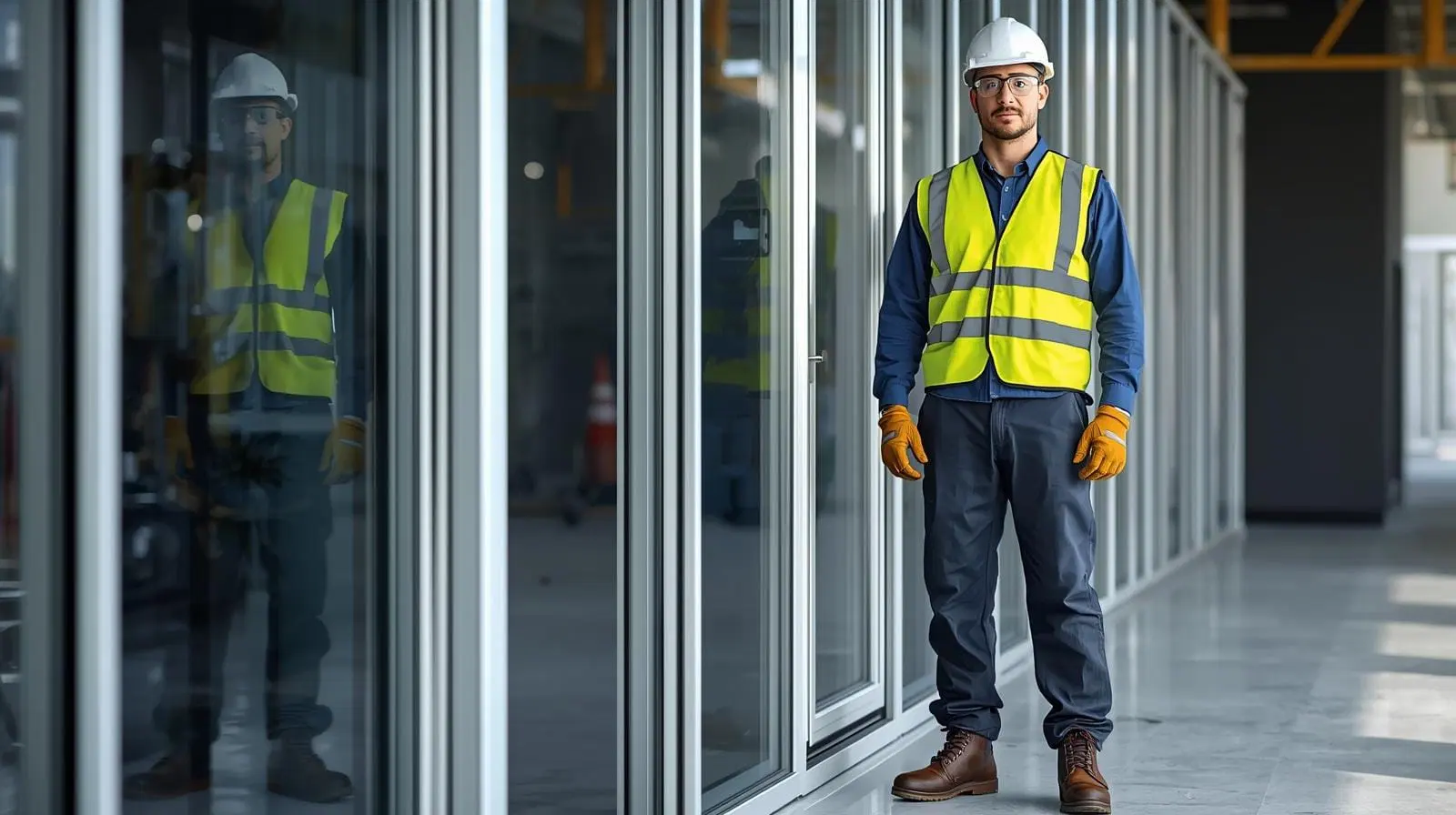
Want to Maximise Natural Light and Views?
Get free quotes from verified aluminium fabricators. Explore picture windows and find the perfect design for your home.
Servicing Gauteng, Western Cape, Johannesburg, and Cape Town
Aluminium Fixed & Picture Windows Guide: Benefits, Costs & Design Ideas SA
🖼️ The complete guide to South Africa’s most beautiful window type – where views and light come first
Let me tell you about a window type that doesn’t open. At first, that sounds counterintuitive – why install a window that doesn’t open? But here’s what I’ve learned after helping hundreds of homeowners across Gauteng and Western Cape design their dream homes: sometimes, the best window is the one that stays closed.
Aluminium fixed windows – also called picture windows or stationary windows – are exactly what they sound like. They don’t open. No hinges, no cranks, no sliding mechanisms. Just a beautiful frame holding a large pane of glass. And when you have a spectacular view, why would you want anything to interrupt it?
In this complete guide to aluminium fixed windows, I’ll answer what are fixed aluminium windows, explore the unique benefits of picture windows (unobstructed views, maximum light, energy efficiency), discuss where and when to use these non opening windows, and help you decide if they’re right for your home.
For more aluminium guidance, check out our aluminium services, read our installation cost guide, or explore window profiles. Ready to understand stationary windows? Let’s dive in.
📋 Table of Contents – Fixed & Picture Window Guide
📐 What Are Aluminium Fixed & Picture Windows?
To answer what are fixed aluminium windows, imagine a window that’s permanently sealed. No moving parts. No opening mechanism. Just a frame holding a pane of glass.
How fixed windows work: They don’t “work” in the traditional sense – they’re simply installed into your wall opening and sealed permanently. The glass is fixed directly into the frame (or held by a removable glazing bead for replacement). Once installed, they stay closed forever.
Why are they called picture windows? The term “picture window” comes from their function – like a picture frame, they’re designed to frame and showcase a view. Large fixed windows turn the outdoors into living art.
Key characteristics:
- No opening mechanism – no hinges, cranks, handles, or locks
- Maximum glass area – the frame is minimal, so you see more glass
- Can be manufactured in almost any size – from small accent windows to massive 3m x 2m panels
- Excellent for energy efficiency when properly sealed
- Lower cost than operable windows of the same size
- Available with the same frame profiles, colours, and glass options as other aluminium windows
Common names:
- Fixed windows
- Picture windows
- Stationary windows (non opening windows)
- Fixed lite windows
According to SANS 10400 fixed window standards and SABS glass standards, fixed windows must use safety glass (toughened or laminated) in certain applications.
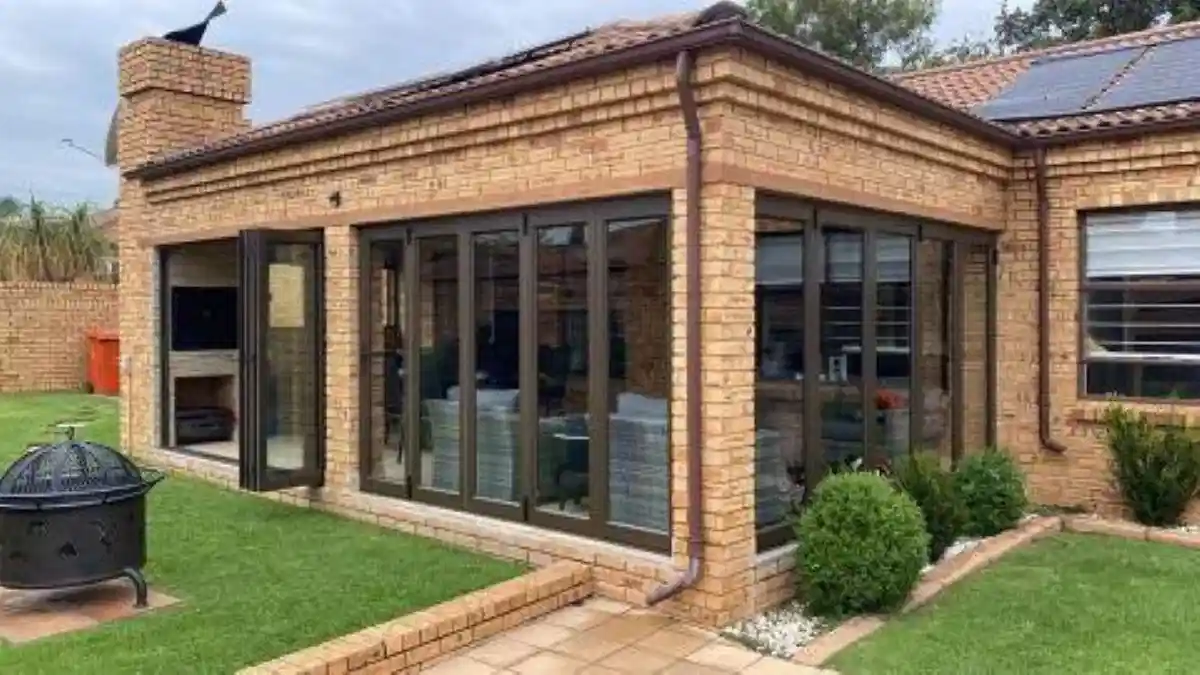
✅ Key Benefits of Aluminium Fixed Windows
Here’s why stationary windows are the secret weapon of architects and designers.
1. Unobstructed Views – The #1 Benefit
No vertical mullions, no horizontal slats, no cranks or handles. Just a beautiful frame holding a large pane of glass. If you have a spectacular view – mountains, ocean, garden, city skyline – a picture window showcases it perfectly. For homes in Cape Town with mountain views or coastal properties with ocean vistas, this is invaluable.
2. Maximum Natural Light
Because there’s no opening mechanism taking up space, fixed windows have the highest glass-to-frame ratio of any window type. More glass means more natural light. Dark rooms become bright. North-facing picture windows can passively heat your home in winter.
3. Excellent Energy Efficiency
Fixed windows are the most energy-efficient window type available. Why? No gaps, no seals, no moving parts that wear out. When properly installed, a fixed window is completely airtight. Combined with double glazing and thermal break frames, fixed windows achieve the highest possible energy ratings.
4. Lower Cost Than Operable Windows
No hinges, no cranks, no multi-point locks. Fixed windows are simpler to manufacture and install. Expect to pay 15-30% less than a comparable casement window of the same size. For the same budget, you can afford larger glass areas.
5. Superior Security
A fixed window has no opening mechanism to compromise. The glass is the only potential entry point. With toughened or laminated glass, fixed windows are extremely secure. They’re often used in high-security applications.
6. Perfect for Hard-to-Reach Areas
In stairwells, high walls, or above cabinets, operable windows are impractical. Who’s going to climb a ladder to open them? Fixed windows are the perfect solution – they let in light without needing access. Read our aluminium windows guide for more.
7. Clean, Minimalist Aesthetic
Modern architecture loves clean lines. Fixed windows deliver. No visible hardware, no handles. Just frame and glass. For contemporary homes, fixed windows are essential.
🎁 Pro Tip: Use Fixed Windows on the North Side
In South Africa, north-facing windows receive the most sunlight. Install large fixed windows on the north side of your home for passive solar heating in winter. Combine with double glazing to retain heat. This can significantly reduce your winter heating bills. Read our thermal break guide for more passive design tips.
❌ Drawbacks to Consider Before Buying
Honest assessment means acknowledging where non opening windows fall short.
1. No Ventilation – The Biggest Drawback
A fixed window doesn’t open. If you need airflow, you’ll need additional operable windows elsewhere in the room. In bedrooms, you legally need at least one window that opens (for fire escape in many building codes). You can’t rely solely on fixed windows.
2. Difficult to Clean Exterior
For second-storey fixed windows, cleaning the exterior glass is challenging. Unlike casement or awning windows, you can’t open them to clean from inside. You’ll need a ladder outside or professional cleaning services. Consider this before installing large fixed windows on upper floors.
3. No Emergency Escape
Building regulations in South Africa require bedrooms to have at least one window that opens sufficiently for emergency escape. Fixed windows don’t qualify. Always include an operable window (casement or sliding) in bedrooms alongside any fixed windows.
4. Condensation Risk (in cold climates)
Because fixed windows are completely sealed, they can trap moisture inside in cold climates. In Highveld winters, condensation on fixed windows can lead to mould if not managed. Ensure adequate ventilation elsewhere in the room.
5. Installation Is Critical
Because fixed windows rely entirely on the seal around the frame, poor installation leads to air leaks that defeat their energy efficiency advantage. Pro installation is essential.
6. Glass Replacement Is Complex
If a fixed window glass breaks, replacement requires removing the glazing beads (from inside) and fitting a new pane. This is more complex than replacing glass in an operable window. For large picture windows, professional replacement is usually required.
⚠️ Warning: You Still Need Ventilation
When designing a room with aluminium fixed windows, remember that they don’t provide ventilation. You must include operable windows elsewhere in the room for fresh air, moisture control, and emergency escape. Building regulations require this. Consult your architect or building professional before committing to fixed windows only.
🏠 Where to Use Fixed Windows – Best Applications
Knowing where picture windows excel helps you make smart design choices.
1. Living Rooms with Views – Most Popular
If you have a mountain, ocean, garden, or city view, a large picture window is transformative. It becomes the focal point of the room. For homes in Cape Town with Table Mountain views or coastal properties, this is essential.
2. North-Facing Walls (Passive Solar Heating)
In South Africa’s southern hemisphere, north-facing windows receive the most sunlight. Large fixed windows on the north side allow winter sun to warm your home. Combine with thermal break frames and double glazing to retain the heat.
3. Stairwells and High Walls
These areas are hard to reach. Operable windows are impractical. Fixed windows bring in natural light without needing access. Plus, the clean aesthetic works beautifully in stairwells.
4. Above Kitchen Countertops or Cabinets
In kitchens, you often have space above countertops or wall cabinets. Fixed windows here bring in light without interfering with countertop activities. Unlike awning windows, they don’t have handles that could catch on cloth.
5. Bathrooms with Frosted Glass
For privacy, you want frosted or textured glass. Fixed windows with frosted glass provide natural light without the need for opening (bathrooms should have separate exhaust fans for ventilation). This is common in modern home designs.
6. Hallways and Passages
Narrow hallways can feel dark and oppressive. Fixed windows at the end of a hallway or high on walls bring in light and create a sense of space.
7. Entrance Areas (Foyers)
A large fixed window beside your front door creates a welcoming, light-filled entrance. It also lets you see who’s approaching before they ring the bell.
8. Commercial Applications
Retail stores, showrooms, and corporate buildings use large fixed windows for displays and natural light. Read our commercial guide for more.
For other areas, consider combinings fixed windows with operable windows (see section 9).
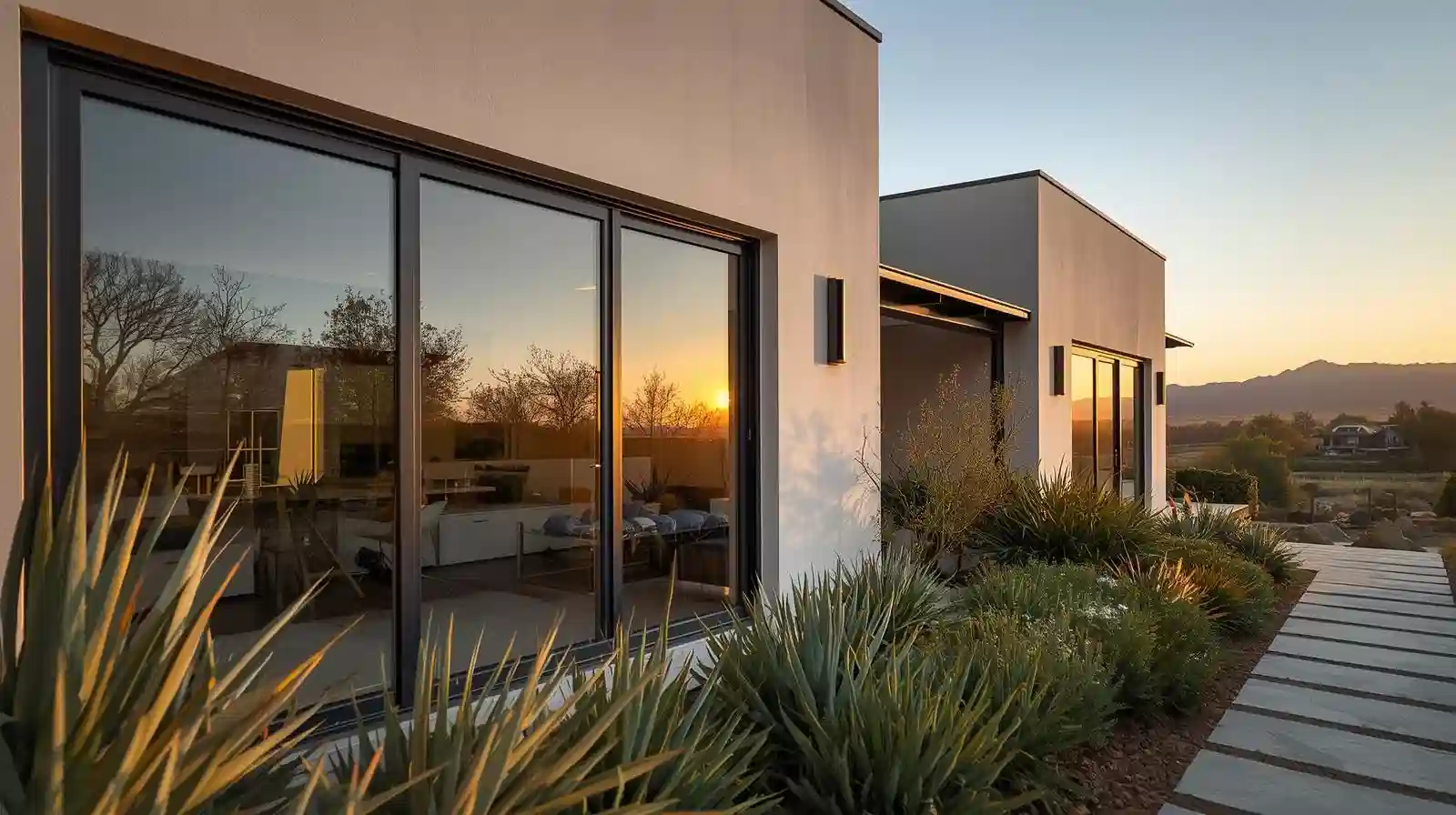
Ready to Add Picture Windows to Your Home?
Get free quotes from verified aluminium fabricators. Explore aluminium fixed windows options and find the perfect design for your home.
🎨 Aluminium Fixed Windows – Design Ideas & Inspiration
Here are creative ways to use stationary windows in your home.
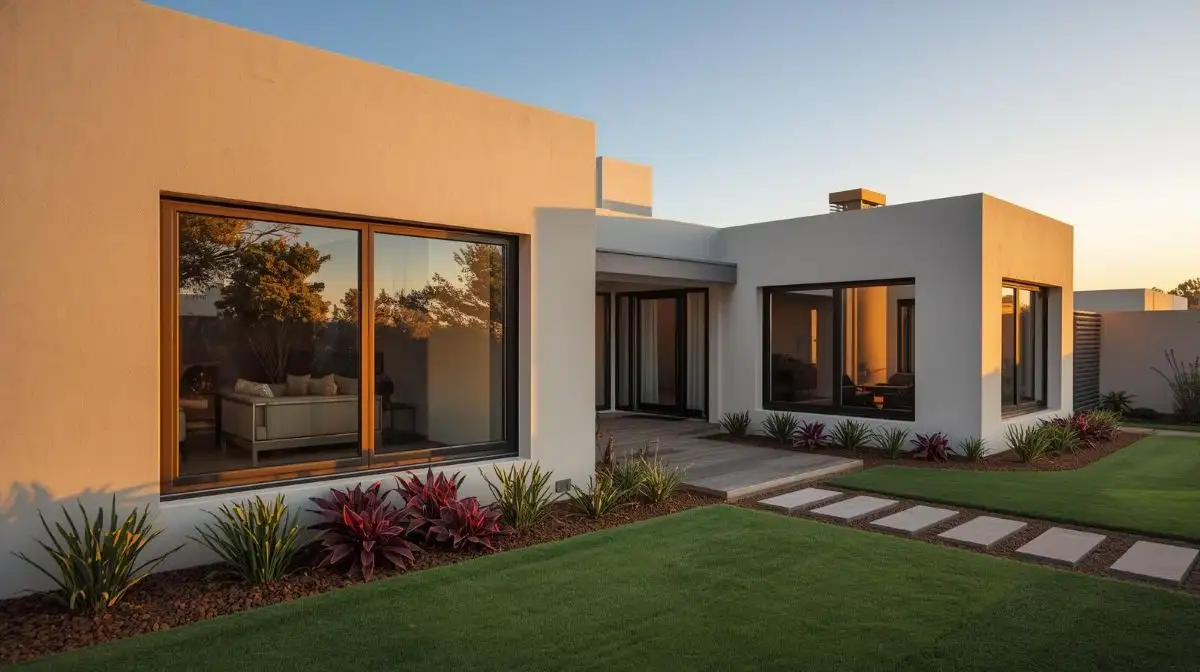
Floor-to-ceiling fixed windows: Install picture windows that run from floor to ceiling. This creates a dramatic indoor-outdoor connection and floods the room with light. Works beautifully in living rooms with garden views. Requires structural engineering for large spans.
Corner fixed windows: Two fixed windows meeting at a corner with no corner post. Creates a glass corner with unobstructed views in two directions. Spectacular for rooms with dual-aspect views. Requires specialist fabrication.
Fixed windows as internal partitions: Use fixed aluminium windows as internal walls between rooms. Brings light from one room to another while maintaining separation. Popular in open-plan homes for creating defined spaces without blocking light.
Combination fixed + operable windows: Place a large fixed picture window in the centre, with smaller casement or sliding windows on the sides. You get the view from the centre and ventilation from the sides. This is the most common residential application.
Transom fixed windows: Mini fixed windows above doors or windows. Brings additional light into rooms without losing wall space. See our custom fabrication guide for more.
Arched or curved fixed windows: For a unique architectural statement, specify arched or curved fixed windows. More expensive than rectangular, but stunning in entries or stairwells.
Picture window seat: Build a window seat below a large fixed picture window. Creates a cosy reading nook with a view. Perfect for bedrooms or living rooms.
For more inspiration, visit our aluminium windows and doors gallery.
💰 Cost Breakdown – What to Budget for Fixed Windows
Here’s a realistic breakdown of aluminium fixed windows costs in South Africa.
| Window Size | Supply Only (Standard) | Supply + Install | With Double Glazing | Savings vs Casement |
|---|---|---|---|---|
| Small (0.9m x 0.9m)+? | R2,500 – R3,500+RSU | R3,500 – R5,000+RSU | R5,000 – R7,500+RSU | 15-20% less than casement+? |
| Standard (1.2m x 1.2m)+? | R3,500 – R5,000+RSU | R5,000 – R7,000+RSU | R7,000 – R10,000+RSU | 20-25% less than casement+? |
| Large picture (2.4m x 1.2m)+? | R6,000 – R9,000+RSU | R8,000 – R12,000+RSU | R12,000 – R18,000+RSU | 25-30% less than casement+? |
| Massive (3m x 2m) structural+? | R12,000 – R20,000+RSU | R15,000 – R25,000+RSU | R22,000 – R35,000+RSU | 30%+ less than operable options |
Additional costs to consider:
- Structural engineering for large spans (over 2.5m wide): R2,000 – R8,000
- Arched or curved shapes: add 30-50%
- Toughened safety glass (required for large windows, ground floor): often standard but confirm
- Laminated safety glass (security): add R400 – R800 per m²
- Low-E glass coating: add R400 – R800 per m²
- Thermal break profiles: add R1,500 – R3,000 per m²
- Custom colours (powder coating): add 20-35%
For a complete pricing guide, read our installation cost guide.
⚡ Energy Efficiency – The Fixed Window Advantage
Of all window types, non opening windows are the most energy efficient. Here’s why.
Why fixed windows win on energy:
- No gaps – unlike sliding or casement windows, fixed windows have no operable seals that can leak air
- No moving parts – nothing wears out over time and creates gaps
- Perfect airtight installation when properly fitted
- Can accommodate the thickest double and triple glazing
- Can be combined with thermal break frames for maximum insulation
Energy efficiency ratings (standard single glazing vs upgrades):
- Standard fixed window (4mm single glaze): Energy rating: Fair (but better than any operable window with same glass)
- Fixed window + double glazing: Energy rating: Excellent (40-60% better than single glazing)
- Fixed window + thermal break + double glazing: Energy rating: Outstanding (best possible for aluminium windows)
- Fixed window + thermal break + double glazing + Low-E coating: Energy rating: Premium (near-passive house standards)
Payback example: A large 3m² fixed picture window with double glazing and thermal break costs approximately R5,000-8,000 more than standard. Annual energy savings from reduced heating/cooling: approximately R800-1,500. Payback period: 4-8 years. For the lifetime of the window (30+ years), significant savings.
Read our double glazing guide and thermal break guide for more.
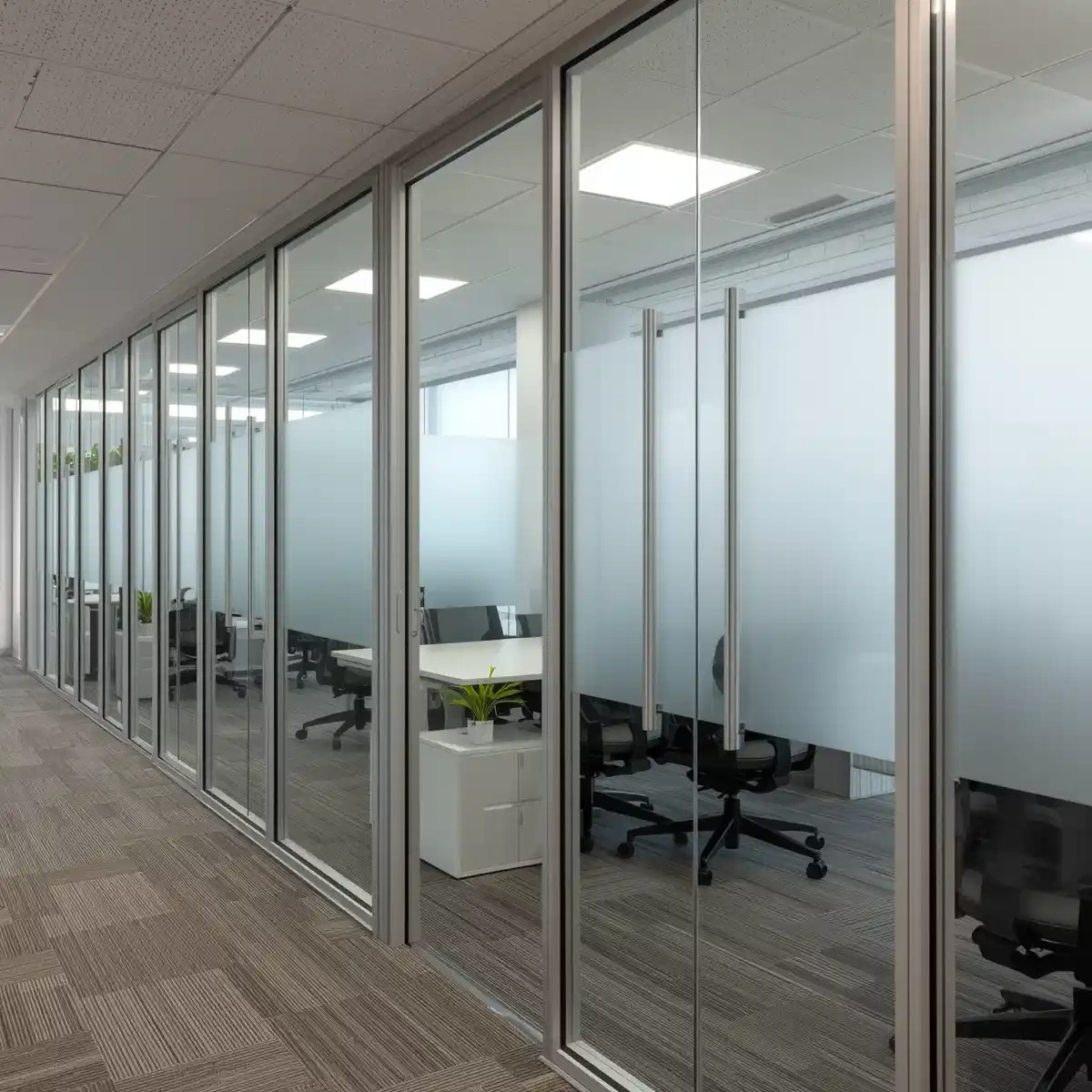
🛠️ Installation & Glass Options for Fixed Windows
Proper installation is critical for fixed windows. Here’s what you need to know.
Critical installation factors:
- Frame must be perfectly level and square – any twist will stress the glass
- Opening must be correctly sized – fixed windows have tight tolerances
- Compression seals must be continuous – gaps cause air leaks
- For large picture windows, structural reinforcement may be needed
- Professional installation strongly recommended – improper installation ruins energy efficiency
Glass options for fixed windows:
- Standard 4mm float glass: Basic, cheapest, not safety glass. Not recommended for large windows or ground floor.
- 6mm toughened safety glass: Required for many applications. Stronger than standard and breaks into small, less dangerous pieces. Recommended minimum.
- Laminated safety glass: Two glass layers with a plastic interlayer. Holds together when broken. Excellent for security.
- Double glazing: Two panes with argon gas between. Best for energy efficiency and noise reduction.
- Low-E coating: Microscopic coating that reflects heat. Excellent for north-facing windows.
- Tinted or reflective glass: Reduces glare and solar heat gain. Good for west-facing windows.
- Frosted or textured glass: For privacy in bathrooms. Obscures view while letting light through.
Glass thickness requirements: Larger windows require thicker glass. As a guide:
- Up to 1.5m²: 4-5mm glass
- 1.5m² – 3m²: 6mm glass
- 3m² – 5m²: 8-10mm glass
- 5m²+: Structural engineering required – consult a specialist
For installation services, contact aluminium specialists near you.
🔄 Combining Fixed with Operable Windows – Best of Both Worlds
The most successful designs combine stationary windows for views with operable windows for ventilation.
Common combination configurations:
- Fixed centre + casement sides: Large picture window in the middle with smaller casement windows on each side. You get the magnificent view AND ventilation. This is the most popular design in South Africa.
- Fixed above + awning below: Fixed transom window at the top of the opening for light, with an awning window below that provides ventilation while keeping rain out. Excellent for bathrooms and kitchens.
- Fixed at high level + sliding below: Fixed windows high on the wall for light, sliding windows below for ventilation. Common in modern homes.
- Fixed picture window + sliding doors: A massive fixed picture window beside sliding doors to the patio. You get the view AND easy access to outside.
Design tip: Place the fixed window on the side with the best view. Place operable windows where you need airflow but the view is less important. For north-facing walls, maximise fixed glass for passive solar heating, with smaller operable windows for summer ventilation.
For more on combinations, read our aluminium windows guide and material comparison.
🚫 Common Mistakes to Avoid with Fixed Windows
⚠️ Warning: These Mistakes Ruin Fixed Window Performance
Avoid these errors when selecting or installing aluminium fixed windows.
- Installing fixed windows only in a bedroom: Building regulations require at least one operable window for emergency escape. Always include a casement or sliding window alongside any fixed windows in bedrooms.
- Ignoring cleaning access for upper-floor fixed windows: Second-storey fixed windows are difficult to clean. Consider easy-access designs or factor in professional cleaning costs. For upper floors, combine fixed with operable windows that can be used for cleaning access.
- Skipping double glazing in cold climates: In the Highveld’s freezing winters, single-glazed fixed windows lose heat through the glass. Double glazing pays back quickly.
- Not safety glass for large windows: Large panes of standard glass are dangerous if broken. Always specify toughened or laminated safety glass for any window larger than 1m² or within 1m of the floor.
- Inadequate structural support for large spans: Very wide fixed windows (over 2.5m) may need structural lintels or steel reinforcement. Have an engineer assess before ordering.
- Poor installation leading to air leaks: Fixed windows rely entirely on the seal around the frame. Poor installation causes draughts and defeats energy efficiency. Hire experienced professionals.
- Forgetting about ventilation entirely: Fixed windows provide zero ventilation. Ensure your room has enough operable windows for fresh air, moisture control, and summer cooling. For bathrooms, this means an exhaust fan or operable window.
- Choosing the wrong glass thickness: Undersized glass can flex and break. Oversized glass adds unnecessary cost. Consult your fabricator on correct thickness for your window size.
For more, read our buying checklist.
❓ Frequently Asked Questions About Aluminium Fixed & Picture Windows
What are fixed aluminium windows and why would I choose them?
What are fixed aluminium windows? They’re windows that don’t open – permanently sealed frames with glass. Choose them for unobstructed views (picture windows), maximum natural light, excellent energy efficiency (no air leaks), lower cost than operable windows, and use in hard-to-reach areas like stairwells. They’re the choice when ventilation isn’t needed but light and views are priorities.
Are fixed windows cheaper than operable windows?
Yes – aluminium fixed windows are 15-30% cheaper than comparable casement windows and 10-20% cheaper than sliding windows of the same size. The savings come from simpler manufacturing (no hinges, cranks, or multi-point locks) and faster installation. For large picture windows, the savings can be substantial – enough to upgrade to double glazing.
Can fixed windows be used in bedrooms?
Yes, but not alone. Building regulations in South Africa require bedrooms to have at least one operable window for emergency escape (typically 900mm wide minimum opening). You can combine a large fixed picture window with a smaller casement or sliding window for ventilation and escape. Never install fixed windows only in a bedroom.
What’s the difference between fixed and picture windows?
Picture windows are a type of fixed window – usually large, designed to frame a view like a picture frame. All picture windows are fixed windows, but not all fixed windows are picture windows. Fixed windows can be small (bathroom, stairwell) or large. “Picture window” typically implies a large, scenic application. Both terms refer to non-opening windows.
How do you clean the outside of fixed windows on the second floor?
This is a common challenge. Options include: 1) Use a ladder from outside (safe for ground floor only). 2) Hire professional window cleaners (recommended for second floor). 3) Install easy-clean operable windows nearby that provide access. 4) Design upper-floor windows with awning or casement opening for cleaning access. Some modern homes install “easy-clean fixed windows” that tilt inward – ask your fabricator.
Are fixed windows energy efficient?
Yes – fixed windows are the most energy-efficient window type available. Why? No gaps, no moving parts, no seals that wear out. When properly installed, a fixed window is completely airtight. Combined with double glazing and thermal break frames, fixed windows achieve the best possible energy ratings. For north-facing windows in cold climates, fixed windows with double glazing are excellent passive solar design elements. Read our double glazing guide.
What glass should I use for large fixed picture windows?
For picture windows over 1.5m², always specify toughened safety glass (minimum 6mm thickness). For very large windows (3m²+), use 8-10mm toughened glass or laminated safety glass. For energy efficiency, add double glazing. For security (ground floor vulnerable locations), laminated glass is better. For north-facing windows, Low-E coating reflects summer heat. Consult your fabricator – glass thickness depends on window size.
How do I get the best price for fixed windows?
To get the best aluminium fixed windows pricing: 1) Get quotes from at least 3 fabricators via ServiceLink SA’s free service. 2) Choose standard rectangular shapes (curved or arched cost more). 3) Use the savings from fixed vs operable to upgrade to double glazing. 4) Use our Beat Your Quote guarantee. 5) Combine multiple windows in one order for volume discount. 6) Install during off-peak season.
✅ Final Thoughts: Fixed Windows – Where Light and Views Take Centre Stage
After reading this aluminium fixed windows guide, you understand why these non-opening windows are essential in modern home design.
They don’t provide ventilation – that’s their limitation. But for bringing in light, showcasing views, and maximising energy efficiency, fixed windows are unmatched. They’re cheaper than operable windows (15-30% less), more energy efficient, and create the clean, minimalist aesthetic that contemporary architecture demands.
Use them in living rooms with mountain or ocean views, north-facing walls for passive solar heating, stairwells and high walls where access is difficult, and as part of combination designs with casement or sliding windows. Just remember: every room needs ventilation – combine fixed windows with operable ones where airflow matters.
Key takeaways for aluminium fixed & picture windows:
- Budget R5,000 – R7,000 for a standard 1.44m² fixed window installed
- 15-30% cheaper than comparable casement windows
- Most energy efficient window type – completely airtight when properly installed
- Perfect for maximising natural light and framing beautiful views
- Excellent for north-facing passive solar design
- Always combine with operable windows in bedrooms and living areas for ventilation
- Use toughened or laminated safety glass for large windows
- Add double glazing for energy efficiency and noise reduction
- Use ServiceLink SA to find verified fabricators and compare quotes
Your next step: Ready to install aluminium fixed windows in your home? Get free quotes from verified fabricators in your area.
Ready to Install Fixed & Picture Windows?
Get free, no-obligation quotes from verified aluminium fabricators. Compare aluminium fixed windows prices and find the perfect design for your home.
📞 Call us: 073 138 4726 to discuss your fixed window project.
Free inspections •
Hiring tips •
Beat Your Quote •
Our guarantees
📚 Official resources & standards referenced:
- SANS 10400 – South African National Standard for fixed window standards and building regulations.
- SABS – South African Bureau of Standards for glass safety standards and product certification.
Information provided for general guidance based on industry research. Fixed windows must be installed by qualified professionals – improper installation causes air leaks. Always get multiple quotes for your specific project.
Written by: ServiceLink SA Research Team
Specialist Aluminium Windows & Architectural Design Experts
The ServiceLink SA Research Team has extensive experience with aluminium fixed window installations across thousands of South African homes – from coastal cottages in the Western Cape to modern homes in Gauteng. Our team has worked closely with certified fabricators, architects, and homeowners to develop this comprehensive aluminium fixed windows guide. This guide is based on real project data, fabricator quotes, and long-term performance tracking from across Gauteng, Western Cape, Johannesburg, Cape Town, and nationwide. We update our information regularly to reflect current market conditions and material costs.
For more information about aluminium windows, explore our related resources: installation costs, material comparison, window profiles guide, thermal break guide, and double glazing guide. Learn about our process on what is ServiceLink SA and how ServiceLink SA works. Find fabricators in your area: Gauteng, Western Cape, Johannesburg, Cape Town, and Sandton. For related services, see our tiling services and painting services guides.