

Still Not Sure What Temperature to Set?
Get free quotes from verified local specialists for smart thermostats and energy-efficient AC setups.
Find Aircon Specialists Near Me
Servicing Johannesburg, Pretoria, Cape Town, Durban, and across South Africa
Best Aircon Temperature Settings for Comfort and Savings (Stop Setting It to 16°C)
🌡️❄️ The complete guide to finding the perfect balance between staying cool and keeping your electricity bill under control
You come home on a hot January afternoon. You grab the remote. Your thumb hovers over the buttons. Do you set it to 16°C? 18°C? 20°C? You want the room to cool down FAST. So you press the down button again and again until it hits the minimum.
We’ve all done it. But here’s the truth: setting your aircon to 16°C doesn’t cool the room faster. It just makes the unit run longer, wasting electricity and money. The aircon cools at the same rate regardless of your set temperature.
I’ve helped hundreds of South African homeowners understand this simple truth. The right best aircon temperature setting balances comfort and cost. It keeps you cool without breaking the bank.
In this guide, I’ll show you the optimal ideal air conditioner temperature for different situations—daytime, nighttime, when you’re home, when you’re away. I’ll debunk common myths and give you practical settings you can use today.
For more energy-saving tips, check how to reduce electricity bills and running costs explained. Ready to find your perfect temperature? Let’s go.
📋 Table of Contents
🎯 The Sweet Spot: 22-24°C
After years of helping homeowners and analysing energy data, the clear answer for best aircon temperature is 22-24°C.
Why 22-24°C? This range is cool enough to feel comfortable on a hot South African summer day (30-38°C outside), but warm enough that your aircon doesn’t have to work too hard. Every degree below 22°C increases electricity consumption by 5-10%.
The science: Your body acclimates to outdoor temperatures. On a 35°C day, 23°C feels wonderfully cool. You don’t need 18°C to feel comfortable—your body will perceive 23°C as a significant drop from outside.
The savings: Setting to 23°C instead of 18°C can cut your aircon electricity bill by 30-50%. For a typical 12,000 BTU unit used 8 hours daily, that’s R90-R150 saved per month.
✅ The Golden Rule:
Set your aircon to 23°C. Leave it there. You’ll be comfortable. Your wallet will thank you. This single change is the most effective way to reduce your aircon electricity bill.
Read our energy-saving guide for more tips.
🚫 Why Setting to 16°C Is a Mistake
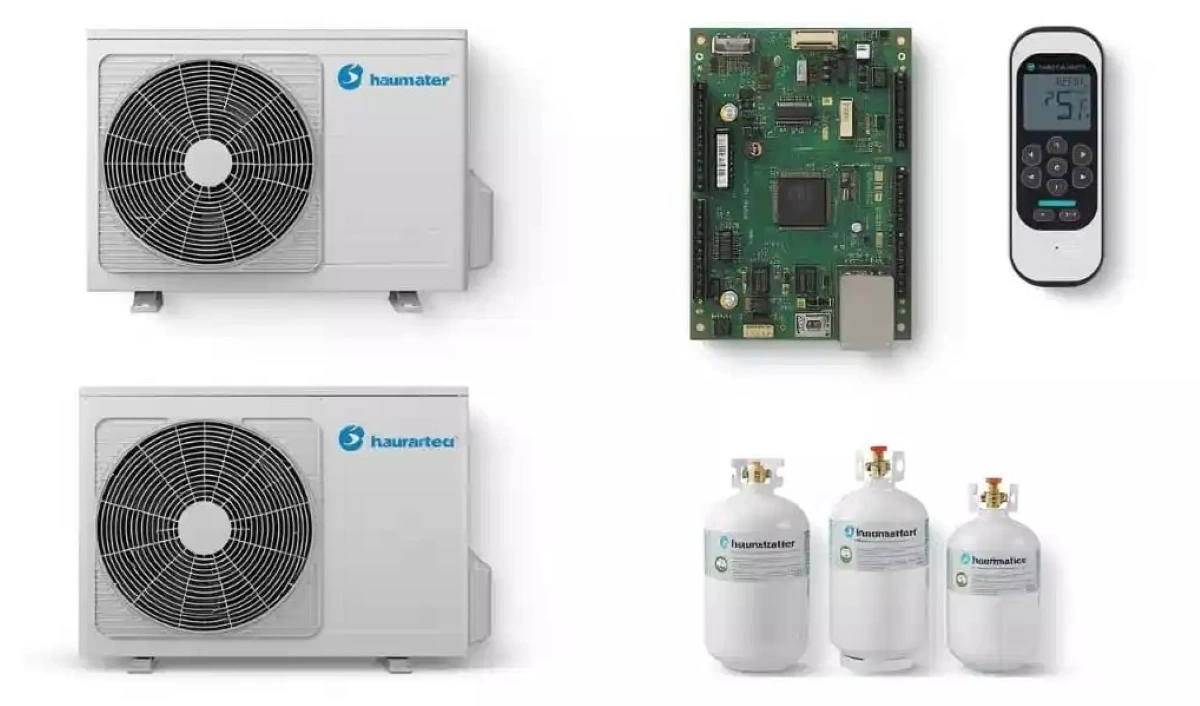
Let me be clear: setting your aircon to 16°C does NOT cool your room faster. This is a myth that costs South Africans millions in wasted electricity.
How aircons actually work: Your air conditioner has a fixed cooling capacity (e.g., 12,000 BTU). It removes heat at a constant rate regardless of your set temperature. Setting it to 16°C doesn’t make it remove heat faster—it just tells it to keep running until the room reaches 16°C (which may never happen on a hot day).
What actually happens: You set to 16°C. The aircon runs continuously, never reaching that temperature. It works harder than necessary, using maximum electricity. The room might reach 22°C but never 16°C. You’ve wasted electricity without gaining any comfort.
The better approach: Set to 23°C. The room reaches that temperature. The aircon cycles off. You’re comfortable. You’re saving money.
⚠️ The 16°C Myth:
Setting your aircon to 16°C doesn’t cool faster. It just wastes electricity. Your aircon cools at the same rate regardless of set temperature. Set to 23°C and save 30-50% on your bill.
☀️ Daytime Settings (Home vs Away)
Your ac thermostat settings should change based on whether you’re home or away.
When you’re home (during the day): Set to 23-24°C. This is comfortable for most activities—working, relaxing, eating. If you feel warm, use a ceiling fan to circulate air rather than lowering the temperature.
When you’re away (at work, errands): Set to 26-28°C or turn the unit off. Don’t cool an empty house. If you have an inverter aircon, setting to 26°C uses very little energy and makes the return home more comfortable. For non-inverter units, turn off completely.
30 minutes before returning home: Use your aircon’s timer or a smart controller to start cooling 30 minutes before you arrive. This way you come home to a cool house without wasting energy all day.
Read our smart AC setup guide for automated scheduling.
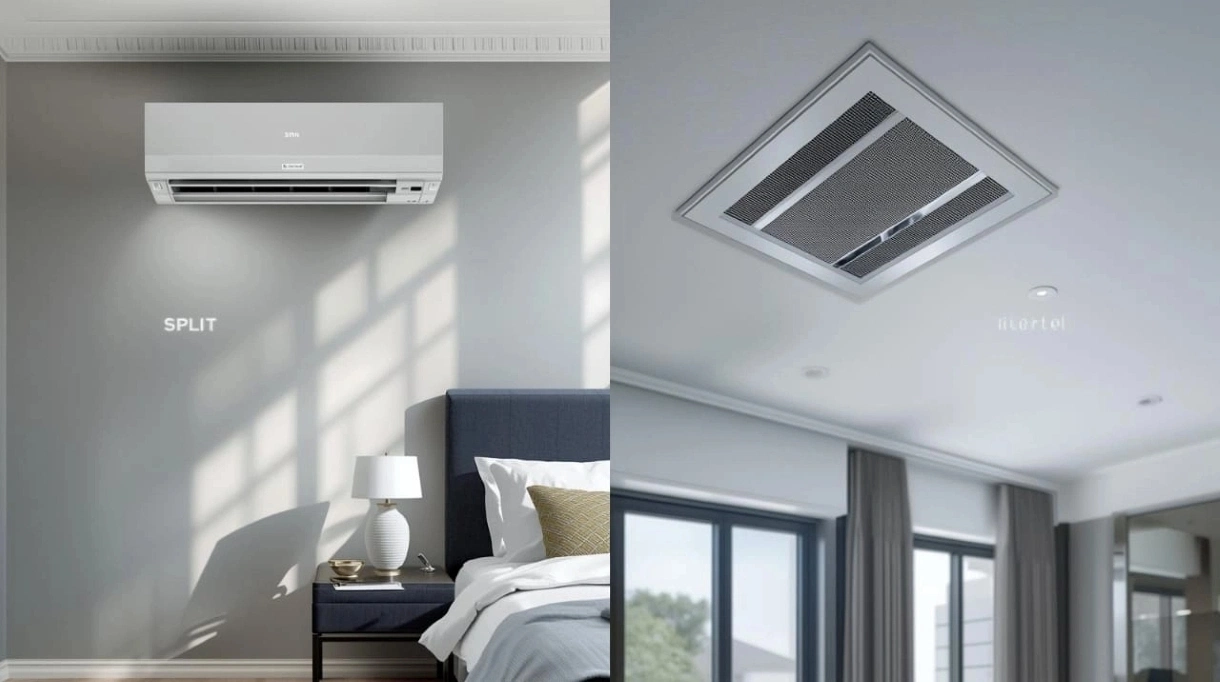
Want Automated Temperature Control?
Get free quotes from verified local specialists for smart thermostats and AC controllers.
Get Free Quotes From Local Specialists
Smart AC controllers from R1,500-R2,500 installed.
🌙 Nighttime and Sleep Settings
Your body’s temperature naturally drops during sleep. You don’t need the same temperature at 2 AM as you do at 8 PM.
Optimal sleep temperature: Research shows the ideal cooling comfort temperature for sleep is 18-22°C. However, you can achieve this efficiently by using sleep mode.
How sleep mode works: When you activate sleep mode, the aircon gradually increases the temperature by 1-2°C over several hours. For example, it might start at 22°C, then increase to 23°C after 1 hour, then to 24°C after 2 hours. You won’t notice the change, but your electricity savings will be significant (10-20%).
Recommended nighttime settings: Start at 22-23°C with sleep mode activated. Set a timer to turn off 30-60 minutes before you wake up (the morning is usually cooler).
Read our complete sleep settings guide.
📅 Seasonal Guide: Summer vs Winter
Your ideal air conditioner temperature changes with the seasons.
Summer cooling (December-February): Set to 23-24°C when home. This is comfortable on hot days (30-38°C outside). Use ceiling fans to feel cooler without lowering the temperature. At night, use sleep mode starting at 22-23°C.
Winter heating (June-August) for heat pump models: Set to 20-22°C when home. This is comfortable on cold days. Every degree above 22°C increases heating costs significantly. At night, use sleep mode starting at 18-20°C.
Shoulder seasons (spring/autumn): Use natural ventilation (open windows) when possible. Only use your aircon on extreme temperature days.
Read our seasonal maintenance guide.
⚙️ Inverter vs Non-Inverter: Does It Matter?
Your temperature setting strategy should differ based on your aircon type.
For inverter aircons (recommended): Set to 23-24°C and leave it running. Inverter units are designed to run continuously at low speed. They use very little electricity maintaining temperature. Avoid turning them on and off frequently—this wastes the efficiency advantage.
For non-inverter aircons (older units): Set to 23-24°C but turn off when you leave the room. Non-inverter units use significant power when running. They’re better suited to cooling occupied spaces only. Use timers to avoid forgetting to turn them off.
Read our complete inverter guide.
💧 How Humidity Affects Your Ideal Temperature
Humidity dramatically affects how temperature feels. This is especially important in coastal areas like Durban.
The science: High humidity makes you feel warmer because sweat doesn’t evaporate efficiently. A 25°C day with 80% humidity feels like 30°C. A 25°C day with 40% humidity feels comfortable.
What this means for your settings: In humid areas (Durban, coastal KZN), you may need to set your aircon 1-2°C lower to feel the same comfort as in dry areas (Johannesburg, Pretoria). However, your aircon removes humidity as it cools—so give it 15-20 minutes to dehumidify before lowering the temperature further.
Recommendation for humid areas: Start at 24°C. Wait 20 minutes. If still uncomfortable, lower to 23°C. Avoid going below 22°C.
Read our humidity control guide.
📱 Using Smart Thermostats for Optimal Control
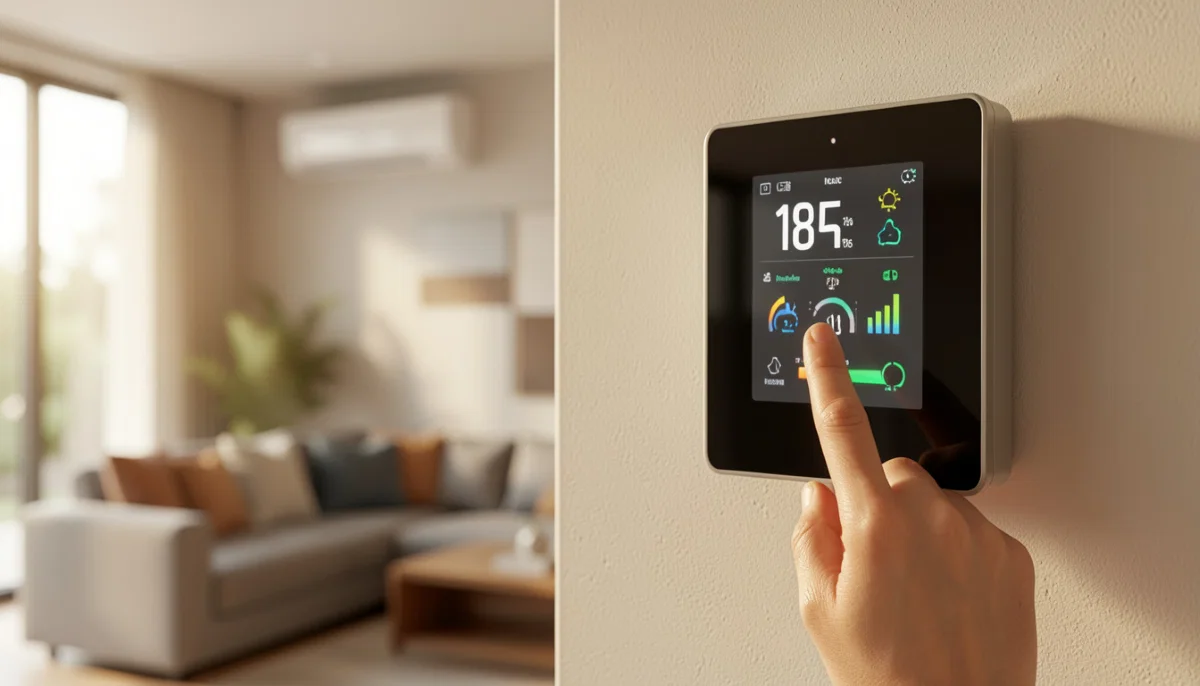
Smart thermostats (or smart AC controllers) take the guesswork out of temperature settings. They learn your preferences and optimise automatically.
Benefits of smart thermostat control: Automated scheduling (set different temperatures for different times of day), geofencing (turns off when you leave home, turns on when you return), energy monitoring (see exactly what you’re spending), and remote control (adjust temperature from your phone).
Recommended products for South Africa: Sensibo, Ambi Climate, Tado, or brand-specific apps (LG ThinQ, Samsung SmartThings, Daikin Comfort Control).
Cost: R1,500-R2,500 for a smart AC controller. Payback period is typically 2-4 years through energy savings.
Read our smart thermostat guide and best smart aircon systems.
💰 Savings Calculator: What Each Degree Costs
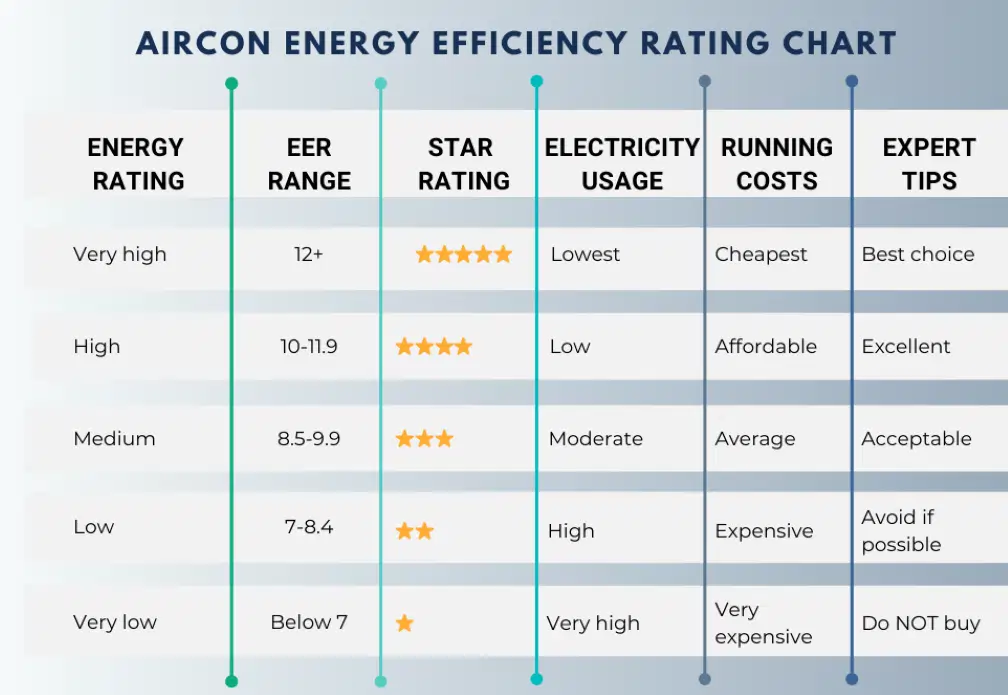
Here’s what each degree below 23°C costs you for a typical 12,000 BTU aircon used 8 hours daily:
- Setting to 23°C: Baseline cost (R270-R350 per month)
- Setting to 22°C: +5-10% (R285-R385 per month) — extra R15-R35
- Setting to 21°C: +10-20% (R300-R420 per month) — extra R30-R70
- Setting to 20°C: +20-30% (R325-R455 per month) — extra R55-R105
- Setting to 18°C: +40-60% (R380-R560 per month) — extra R110-R210
- Setting to 16°C: +60-80% (R430-R630 per month) — extra R160-R280
Over a 4-month summer, setting to 23°C instead of 18°C saves R440-R840. That’s real money.
Read our running costs guide.
🚫 Common Temperature Setting Myths Debunked
Myth #1: “Setting to 16°C cools the room faster.” False. Aircons cool at a constant rate regardless of set temperature. Setting lower just makes it run longer.
Myth #2: “Turning off and on uses more electricity than leaving it running.” False for non-inverter units. True for inverter units (they’re efficient running continuously). For non-inverter, turn off when not home.
Myth #3: “I need to set it lower because my room never reaches the temperature.” False. If your room never reaches the set temperature, your aircon is undersized or has a problem (low refrigerant, dirty filter). Fix the problem—don’t lower the setting.
Myth #4: “The lowest setting is the most efficient.” False. The lowest setting uses the most electricity. The most efficient setting is the highest temperature you find comfortable (usually 23-24°C).
❓ Frequently Asked Questions
What is the best temperature for aircon in summer?
The best aircon temperature for summer is 23-24°C when you’re home. This keeps you comfortable on hot South African days while minimising electricity consumption. Every degree below 23°C increases your bill by 5-10%. Read our energy-saving guide.
What temperature should I set my aircon for sleeping?
For optimal sleep, start at 22-23°C and use sleep mode. Sleep mode gradually increases the temperature by 1-2°C overnight (you won’t notice). This saves 10-20% on electricity while maintaining comfort. Read our sleep settings guide.
Does setting the aircon to 16°C cool faster?
No. This is a common myth. Your aircon cools at a constant rate regardless of the set temperature. Setting to 16°C doesn’t make it cool faster—it just makes it run longer (and waste electricity). Set to 23°C for optimal cooling comfort and savings.
What is the most energy-efficient aircon temperature?
The most energy-efficient temperature is the highest one you find comfortable—typically 23-24°C in summer. Every degree below this increases consumption by 5-10%. Setting to 23°C instead of 18°C can cut your bill by 30-50%.
Should I turn my aircon off when I leave the house?
For non-inverter units, yes—turn it off. For inverter units, set to 26-28°C (don’t turn off completely). Inverter units are efficient at maintaining temperature, and cooling from 28°C to 23°C uses less energy than cooling from 35°C to 23°C when you return.
Why does 23°C feel different in Durban vs Johannesburg?
Humidity. Durban’s high humidity makes the same temperature feel warmer. Your aircon removes humidity as it cools—give it 15-20 minutes to dehumidify before judging comfort. You may need to set 1-2°C lower in humid areas. Read our humidity guide.
What temperature should I set my aircon for a baby’s room?
For a baby’s room, set to 22-23°C. Babies are more sensitive to temperature extremes. Avoid setting below 22°C (too cold) or above 24°C (too warm). Use sleep mode at night. Ensure the airflow doesn’t blow directly on the cot.
Does using a fan allow me to set a higher temperature?
Yes. Ceiling fans circulate cool air, making you feel 2-4°C cooler. You can set your thermostat to 24-25°C with a fan running and feel as comfortable as 22°C without a fan. This saves 10-20% on electricity.
What’s the best temperature for aircon in winter (heating mode)?
For heating mode (heat pumps), set to 20-22°C. Every degree above 22°C increases heating costs significantly. Wear warm clothing rather than cranking the heat. Use sleep mode at night starting at 18-20°C.
How can I maintain the right temperature automatically?
Use a smart AC controller or a thermostat with scheduling. Set different temperatures for different times of day (e.g., 23°C daytime, 22°C evening, 24°C sleep, 27°C away). The controller handles everything automatically. Read our smart thermostat guide.
✅ Final Thoughts: Set It and Forget It
The best temperature setting for air conditioner isn’t complicated. Set it to 23°C. Leave it there. Use sleep mode at night. Use a timer or smart controller to manage when you’re away.
Key takeaways:
- Set to 23°C during the day – comfortable and efficient.
- Use sleep mode at night – starts at 22-23°C, gradually increases.
- Set to 26-28°C when away (inverter units) – or turn off (non-inverter).
- Never set below 20°C – the energy cost isn’t worth the minimal comfort gain.
- Every degree below 23°C costs 5-10% more – those degrees add up fast.
- Use ceiling fans to feel cooler – allows higher thermostat settings.
- Smart thermostats pay for themselves – in 2-4 years through savings.
Your action plan: First, check your current temperature setting. If it’s below 22°C, raise it to 23°C right now. Second, activate sleep mode for nighttime. Third, set a timer for when you’re away. Fourth, consider a smart AC controller for automated ideal ac temperature for home management. Fifth, request quotes from local specialists for smart thermostat installation.
Ready to Optimise Your Aircon Temperature Settings?
Get free quotes from verified local specialists for smart thermostats and energy-efficient AC setups.
📞 Call us: 073 138 4726 for immediate help finding aircon specialists near you.
Free site inspections •
Smart thermostat guide •
Our guarantees
📚 Official resources & standards referenced:
- Department of Energy – Thermostat settings guide and energy efficiency tips
- ASHRAE – Thermal comfort standards and indoor environmental quality
- Eskom – Demand management and energy saving guidelines
Information provided for general guidance based on South African climate conditions and common air conditioning systems.
Written by: Innocent T Hanyani
Construction & Home Services Industry Specialist | 21+ Years Experience
Innocent T Hanyani has over two decades of experience working across South Africa’s construction, maintenance, and home services sectors. Throughout his career, he has worked closely with contractors, service providers, and property owners, gaining practical insight into how projects are quoted, managed, and completed. His work focuses on helping homeowners understand how to find reliable contractors, compare quotes, and avoid common industry pitfalls when hiring service professionals. His insights are based on practical industry experience as well as ongoing research into contractor platforms, service marketplaces, and hiring trends across South Africa.