Cleaning Tools & Equipment South Africa – Professional Guide
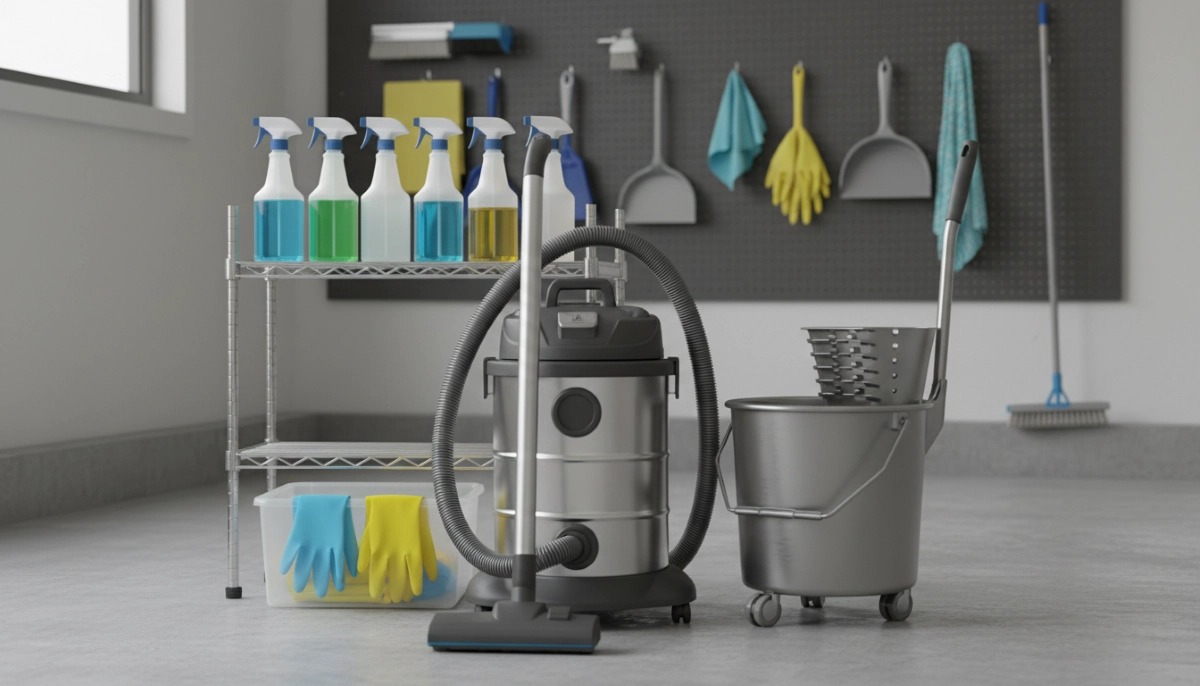
🧹 From vacuum cleaners to pressure washers – here’s everything you need to know about professional cleaning equipment in South Africa.
Whether you’re a professional cleaner in Johannesburg, a facility manager in Cape Town, or a homeowner in Durban wanting professional-grade results, the right tools make all the difference. Using appropriate cleaning tools equipment South Africa improves efficiency, delivers better results, and protects the surfaces you’re cleaning.
But with so many options available – from industrial floor scrubbers to simple microfiber mops – how do you choose what’s right for your needs? This comprehensive guide covers everything from basic supplies to advanced commercial machines, helping you make informed decisions.
We’ll explore different types of equipment, their applications, costs, and maintenance requirements. Whether you need a vacuum cleaner for business, a carpet extractor machine, or just want to understand the difference between mop types, this guide has you covered.
If you’re looking for professional cleaning services rather than DIY, explore our Services Overview or view our Service Areas to find professional cleaners near you. For more on how we work, visit How It Works.
⚡ SAFETY STANDARDS: All electrical cleaning equipment used in South Africa should comply with SABS electrical safety requirements. For industrial equipment, reputable brands like Numac and Kärcher offer certified products.
Need Professional Cleaning Services?
Skip the equipment costs and hassle – let the professionals handle it. Get free quotes from vetted cleaning specialists in your area.
Servicing Johannesburg, Pretoria, Cape Town, Durban, and nationwide
📋 Table of Contents – Cleaning Tools & Equipment Guide
🔧 Why the Right Cleaning Tools Matter
Using appropriate professional cleaning supplies isn’t just about making the job easier – it’s about achieving proper results and protecting surfaces.
- Efficiency: Professional equipment cleans faster – a floor scrubber covers 10x more area than a mop in the same time.
- Effectiveness: Industrial machines extract more dirt, moisture, and bacteria than consumer-grade alternatives.
- Surface protection: Wrong tools damage surfaces – abrasive pads scratch, excessive moisture damages wood.
- Health & safety: HEPA vacuums trap allergens, proper extractors prevent mould from over-wetting.
- Cost savings: Quality equipment lasts longer and reduces labour costs over time.
Whether you’re running a commercial cleaning business or maintaining your own home, investing in the right tools pays dividends.
Learn more about professional standards on our About Us page or read why clients choose us on our Benefits page.
🧹 Vacuum Cleaners – Types & Applications
Vacuum cleaners are the backbone of any cleaning operation. Different types suit different needs:
Domestic Vacuum Cleaners
- Upright vacuums: Good for large carpeted areas, easy storage
- Canister/cylinder vacuums: Versatile for mixed floors, attachments for above-floor cleaning
- Stick vacuums: Lightweight, quick pickups, cordless options popular
- Handheld vacuums: Spot cleaning, cars, furniture
- Robot vacuums: Automated daily maintenance
Commercial/Industrial Vacuum Cleaners
- Backpack vacuums: Worn on back, reduces fatigue, efficient for large areas
- Wet/dry vacuums: Handle liquids and debris – essential for workshops, spills
- HEPA-filtered vacuums: Trap 99.97% of particles – required for allergy sufferers, healthcare
- Central vacuum systems: Built into buildings, powerful, quiet
- Vacuum turf: Specialised for astroturf and sports surfaces
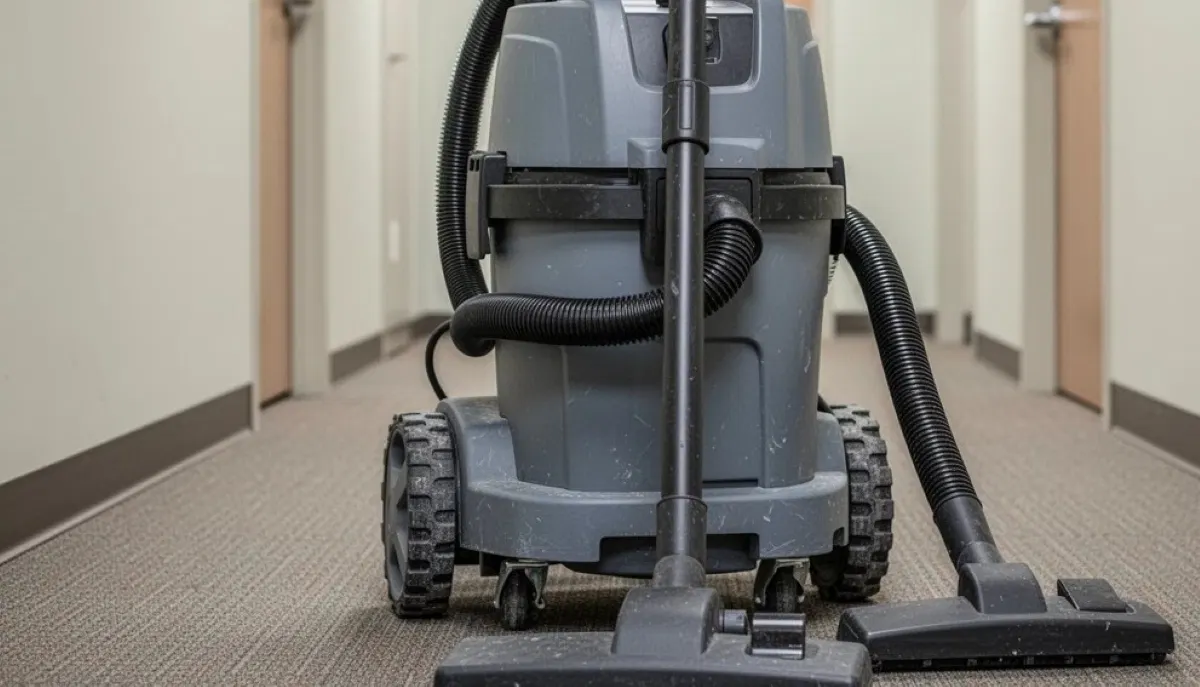
For business use, the best commercial vacuum cleaner South Africa depends on your specific environment – carpeted offices need different machines than hard-floor retail spaces.
🏢 Best Commercial Vacuum Cleaner South Africa – Top Picks
For South African businesses, these are leading choices:
| Brand/Model | Type | Best For | Price Range |
|---|---|---|---|
| Kärcher CV 30/2 | Upright commercial | Carpeted offices, hotels | R4,500 – R6,500 |
| Numac NVS-35 | Wet/dry industrial | Workshops, factories, spills | R3,800 – R5,200 |
| Kärcher NT 65/2 | Wet/dry with HEPA | Healthcare, allergy-sensitive | R8,500 – R12,000 |
| Pro-Team Backpack | Backpack vacuum | Large areas, schools, offices | R6,000 – R9,000 |
| Numac VC-25 | Canister commercial | Mixed flooring, retail | R2,800 – R4,000 |
Consider HEPA filter vacuum for allergies if you clean healthcare facilities or homes with allergy sufferers.
🧺 Carpet Cleaning Equipment – Professional Machines
For deep carpet cleaning, several machine types are available:
Carpet Extractor Machines
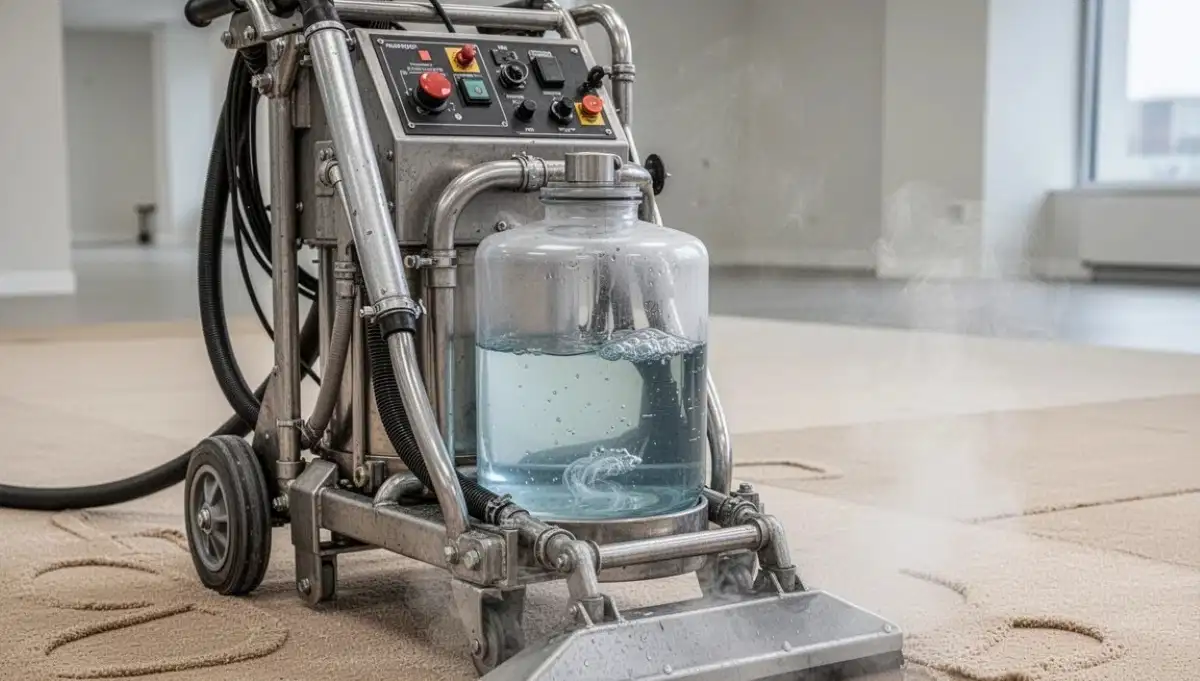
A carpet extractor machine (also called steam cleaner) injects hot water and cleaning solution, then extracts dirty water. Types include:
- Truck-mounted extractors: Most powerful, used by professional services – not for purchase by individuals
- Portable extractors: Self-contained units for professional cleaners, R15,000 – R40,000
- Consumer rental units: Available at supermarkets, R300-R500 per day – less powerful
Encapsulation Machines
Use low-moisture polymer technology – faster drying, good for maintenance. Machines: R8,000 – R20,000.
Bonnet Cleaners
Rotary machines with absorbent pads – for surface cleaning commercial carpets. Machines: R5,000 – R15,000.
Pile Lifters
Specialised vacuums that lift and groom carpet pile before extraction. Essential for high-traffic areas. Cost: R6,000 – R18,000.
For detailed information on methods, see our carpet cleaning guide.
🧼 Floor Scrubbers & Polishers – For Hard Floors
For hard floors – tile, vinyl, concrete, marble – specialised machines deliver professional results.
Floor Scrubber Dryers
A floor scrubber dryer combines scrubbing and water extraction in one pass. Types:
- Walk-behind scrubbers: For medium to large areas – R25,000 – R80,000
- Ride-on scrubbers: For very large spaces (warehouses, malls) – R80,000 – R250,000+
- Compact scrubbers: For small spaces, retail – R15,000 – R30,000
Rotary Machines / Single Disc Machines
A single disc machine (also called rotary scrubber) is versatile – can scrub, strip, buff, polish. Uses different pads for different tasks. Cost: R5,000 – R25,000.
Orbital Floor Machines
Orbital floor machines use oscillating motion – gentler on floors, good for delicate surfaces. Cost: R8,000 – R30,000.
Buffer Machines / Burnishers
High-speed machines for polishing floors to high shine. Cost: R6,000 – R20,000.
For professional commercial cleaning, these machines are essential for maintaining appearance and safety.
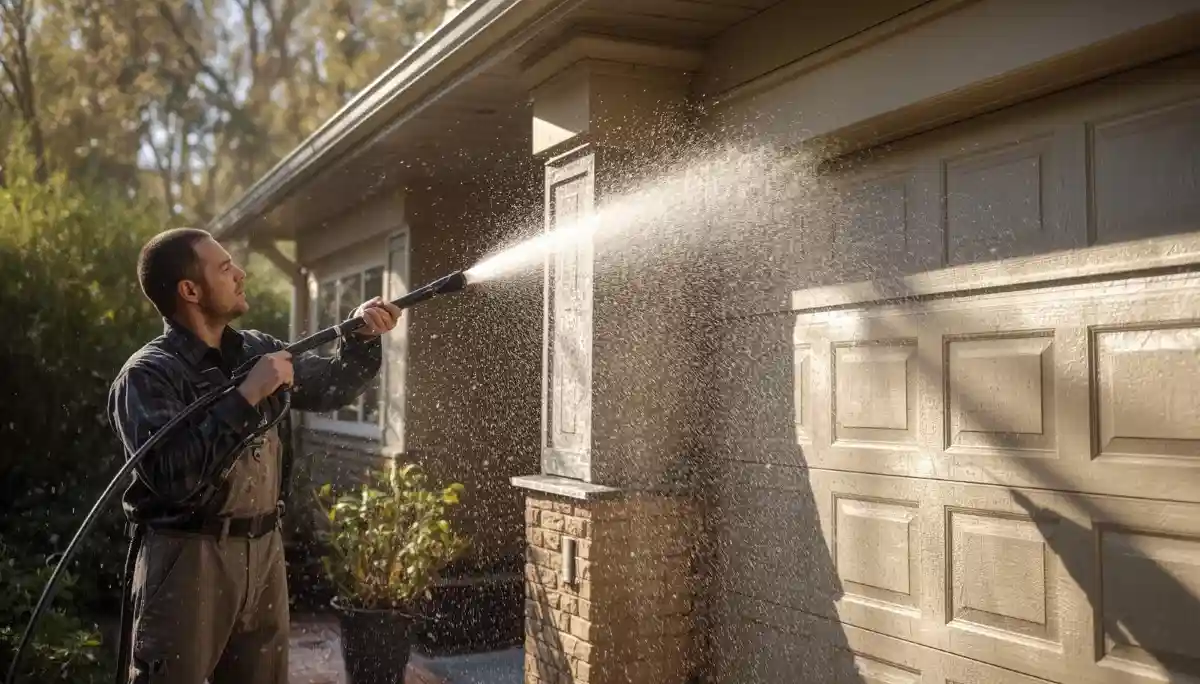
💦 Industrial Pressure Washer for Cleaning – Exterior Power
For outdoor cleaning, an industrial pressure washer for cleaning is indispensable.
Types of Pressure Washers
- Electric pressure washers: Quieter, lower maintenance – good for residential, light commercial. R2,000 – R8,000
- Petrol pressure washers: More powerful, mobile – for construction sites, large areas. R5,000 – R25,000
- Diesel/hot water pressure washers: Heated water for grease, oil removal – industrial use. R25,000 – R100,000+
Applications
- Patio and driveway cleaning: Remove algae, moss, stains
- Building exteriors: Clean walls, gutters
- Vehicles and equipment: Fleet washing, machinery cleaning
- Post-construction cleanup: Remove cement residue, paint splatter – see post-construction cleaning
- Graffiti removal: Specialised attachments available
Always follow safety guidelines – high-pressure water can injure and damage surfaces if misused.
🪟 Window Cleaning Tools – Professional Results
Professional window cleaning requires specific tools:
Essential Window Cleaning Tools
- Squeegees: With replaceable squeegee blades – various sizes for different windows. Quality brands: Ettore, Unger. R150 – R500.
- Scrubbers/washers: Apply cleaning solution to glass. R100 – R300.
- Extension poles: Reach high windows safely – fibreglass or aluminium. Extension pole sets: R500 – R2,000.
- Scrapers: Remove stubborn residues – with replaceable blades. R50 – R200.
- Microfiber cloths: For detailing edges. R30 – R100 each.
- Buckets with grids: For solution and rinsing. R200 – R500.
- Safety equipment: Harnesses, lanyards for high-rise work.
Professional window cleaning services invest in quality tools for streak-free results.
🧹 Mops, Buckets & Wringers – Floor Cleaning Basics
Even with advanced machines, mops remain essential for many cleaning tasks.
Mop Types
- Cotton mops: Traditional, absorbent – good for general cleaning. R50 – R150.
- Microfiber mops: Modern standard – more effective, less water, reusable. R100 – R400.
- Flat mops: With removable pads – good for hard floors, walls. R150 – R500.
- Strip mops: For dust mopping large areas. R100 – R300.
Buckets & Wringers
- Bucket with wringer: Attached wringer for efficient water removal. R200 – R800.
- Two-bucket systems: Separate rinse and clean water – prevents re-depositing dirt. R300 – R1,000.
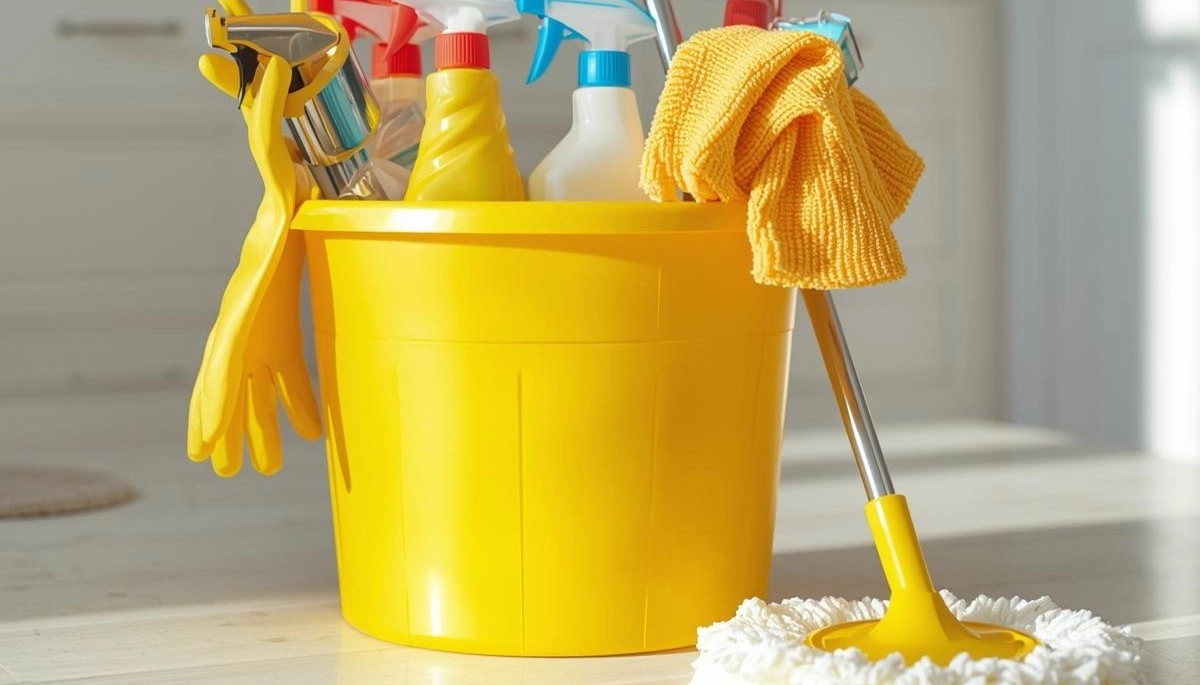
- Cleaning trolley with wringer: Mobile cleaning station – bucket, wringer, storage for supplies. R1,500 – R5,000.
🔄 Microfiber Mop vs Cotton Mop – The Comparison
The debate of microfiber mop vs cotton mop is settled – microfiber is superior for most applications:
| Factor | Cotton Mop | Microfiber Mop |
|---|---|---|
| Water absorption | High – can leave excess water | Controlled – less water, faster drying |
| Dirt removal | Pushes dirt around | Traps and holds dirt particles |
| Chemical use | Requires more cleaning solution | Less chemical – electrostatic attraction does work |
| Reusability | Washable, but wears quickly | Washable hundreds of times |
| Environmental impact | More water, more chemicals | Less water, less chemicals, less waste |
| Cost per use | Lower initial, higher ongoing | Higher initial, lower ongoing |
For eco-friendly cleaning, microfiber is the clear choice.
🧺 Cleaning Trolleys with Wringer – Mobile Efficiency
A cleaning trolley with wringer is essential for professional cleaners – it carries all supplies and improves efficiency.
Features to Look For
- Integrated wringer: Manual or press-type for efficient water removal
- Bucket capacity: 20-40 litres typical
- Storage compartments: For cleaning supplies, sprays, cloths
- Waste bag holder: For collecting rubbish
- Durable castors: Smooth rolling, lockable
- Colour-coded systems: Different colours for different areas (healthcare)
Cost: Basic trolleys from R1,500; professional systems with colour-coding from R3,000 – R8,000.
📏 Extension Poles & Squeegee Blades – Reach and Finish
For high and hard-to-reach areas, quality extension poles and squeegee blades are essential.
Extension Poles
- Materials: Aluminium (lightweight), fibreglass (non-conductive, safer near electricity)
- Lengths: 2m to 10m+ for very high ceilings
- Locking mechanisms: Twist-lock or cam-lock
- Applications: Window cleaning, high-level dusting, ceiling cleaning
- Cost: R300 – R2,000 depending on length and quality
Squeegee Blades
- Rubber compound: Different for different temperatures
- Widths: 25cm to 60cm for windows, smaller for detailing
- Replacement: Blades need regular replacement – R50 – R200 each
- Brands: Ettore, Unger, Pulex
💧 Trigger Sprayers & Chemical Dispensers – Precise Application
Proper chemical application requires the right dispensers:
Trigger Sprayers
- Standard trigger sprayers: For general cleaning solutions – R20 – R80
- Industrial trigger sprayers: Durable, chemical-resistant – R80 – R250
- Colour-coded sprayers: Prevent cross-contamination – R50 – R150 each
- Continuous sprayers: Battery-powered, consistent spray – R300 – R800
Chemical Dispensers
- Proportioners: Automatically dilute concentrates – ensure correct ratios
- Wall-mounted dispensers: For filling bottles, buckets
- Cost: R1,000 – R5,000 for professional systems
⚙️ Specialised Cleaning Equipment – For Specific Needs
Some tasks require specialised machines:
- Steam cleaners: Chemical-free sanitising – for kitchens, bathrooms, tile and grout. R2,000 – R15,000.
- Ultrasonic cleaners: For delicate items, jewellery, small parts. R3,000 – R20,000.
- Floor drying fans/air movers: Speed drying after cleaning. R1,500 – R5,000.
- Ozone generators: Odour removal (use with caution, unoccupied spaces). R2,000 – R8,000.
- Tile and grout cleaning machines: Specialised for grout lines. R5,000 – R20,000.
- Orbital floor machines: Gentle but effective for delicate floors. R8,000 – R30,000.
- Vacuum turf: Specialised for artificial grass. R10,000 – R30,000.
🌬️ HEPA Filter Vacuum for Allergies – Essential for Health
For allergy sufferers and healthcare environments, a HEPA filter vacuum for allergies is essential.
HEPA (High-Efficiency Particulate Air) filters trap 99.97% of particles as small as 0.3 microns – including:
- Dust mites and their droppings
- Pollen
- Pet dander
- Mould spores
- Bacteria
- Fine dust particles
Important: Not all vacuums claiming “HEPA” are true HEPA. Look for:
- True HEPA filter certification
- Sealed system – air must pass through filter, not leak around it
- Regular filter replacement – HEPA filters need changing periodically
For homes with allergy sufferers in Pretoria or Cape Town, this is a worthwhile investment.
💰 Equipment Costs – What to Budget
Whether you’re starting a cleaning business or upgrading your home toolkit, here’s what to budget:
Complete Cost Breakdown
| Equipment Type | Entry-Level | Professional | Industrial |
|---|---|---|---|
| Vacuum cleaner | R800 – R2,000 | R3,000 – R8,000 | R8,000 – R25,000+ |
| Carpet extractor | R2,000 – R5,000 (rental) | R15,000 – R30,000 | R30,000 – R80,000+ |
| Floor scrubber | R5,000 – R10,000 (small) | R15,000 – R40,000 | R40,000 – R250,000+ |
| Pressure washer | R1,500 – R4,000 | R4,000 – R10,000 | R10,000 – R50,000+ |
| Single disc machine | R3,000 – R6,000 | R6,000 – R15,000 | R15,000 – R30,000 |
| Cleaning trolley | R800 – R1,500 | R1,500 – R4,000 | R4,000 – R8,000+ |
| Microfiber mop system | R200 – R500 | R500 – R1,500 | R1,500 – R3,000 |
| Window cleaning kit | R300 – R800 | R800 – R2,000 | R2,000 – R5,000+ |
Business startup tip: For a new cleaning business in Gauteng or Cape Town, budget R15,000 – R30,000 for basic professional equipment. Financing options are available through equipment suppliers.
🔧 Equipment Maintenance Tips – Extend Lifespan
Proper maintenance protects your investment:
- Vacuums: Empty or replace bags before full, clean filters regularly, check for blockages in hoses
- Carpet extractors: Flush with clean water after each use, clean solution tanks, inspect spray jets
- Floor machines: Check pads/discs for wear, clean after use, inspect power cords for damage
- Pressure washers: Flush system after use (especially with detergents), check oil levels, store in frost-free area
- Microfiber products: Wash separately, no fabric softener, air dry or low heat
- Squeegees: Replace blades when streaking, store with blade protected
- Battery equipment: Follow manufacturer charging guidelines, store at moderate temperature
Regular maintenance according to SABS guidelines ensures safety and longevity.
🤔 Rent vs Buy – What Makes Sense for Your Situation
For many tasks, renting equipment may be more practical than buying:
✅ Buy When
- You use equipment frequently (daily/weekly)
- You’re starting a cleaning business
- You need equipment immediately available
- Long-term cost per use is lower
- You can maintain and store properly
🔄 Rent When
- One-off or infrequent use (annual carpet cleaning)
- Trying equipment before purchasing
- No storage space available
- Maintenance not your responsibility
- Specialised equipment needed temporarily
Rental costs: Carpet cleaner R300-R500/day, floor scrubber R500-R1,500/day, pressure washer R300-R800/day.
⚡ Safety & Compliance – Using Equipment Safely
Electrical cleaning equipment poses risks if not used correctly:
- Electrical safety: All equipment should be SABS-approved. Check cords for damage, use residual current devices (RCDs) for outdoor/ wet area work.
- Chemical safety: Use appropriate dispensers, wear PPE, store chemicals safely – see contractor insurance guide.
- Manual handling: Use trolleys for heavy equipment, proper lifting technique to prevent injury.
- Noise protection: Industrial machines can exceed safe noise levels – use hearing protection.
- Training: Ensure operators are trained for equipment they use – especially industrial machines.
🛒 Where to Buy Cleaning Equipment in South Africa
Reputable suppliers include:
- Numac: South African manufacturer of industrial vacuum cleaners and floor machines – excellent quality, local support.
- Kärcher: German brand with extensive range – from domestic to industrial, nationwide branches.
- Clean Group: Distributor of professional cleaning equipment and supplies.
- Makro/Game/Builders Warehouse: Consumer-grade equipment for DIY and light commercial.
- Specialised suppliers: For niche equipment (carpet cleaning, window cleaning, industrial).
For business purchases, many suppliers offer financing, training, and ongoing support.
❌ 8 Common Cleaning Equipment Mistakes
Avoid these costly errors:
- Mistake #1: Using domestic equipment for commercial use. Domestic vacuums fail quickly with daily commercial use – invest in commercial-grade.
- Mistake #2: Ignoring filter maintenance. Clogged filters reduce suction, spread dust, damage motors. Clean/replace regularly.
- Mistake #3: Over-wetting carpets with DIY machines. Rental machines often leave excess moisture – leading to mould. Professional extraction is safer.
- Mistake #4: Wrong pad for floor type. Aggressive pads damage delicate floors. Match pad to surface.
- Mistake #5: Not checking voltage/phase. Industrial machines may require 3-phase power – ensure your facility can support them.
- Mistake #6: Buying without testing. If possible, test equipment before purchasing – especially for ergonomics (backpack vacuums).
- Mistake #7: Storing equipment wet. Causes mould, corrosion. Always clean and dry before storage.
- Mistake #8: Ignoring safety features. Bypassing safety guards, using damaged cords – serious risks.
For more guidance, see our contractor selection guide.
Skip the Equipment – Hire Professionals
Don’t invest in expensive equipment you’ll rarely use. Get free quotes from professional cleaners who bring all the right tools for the job.
Serving Johannesburg, Pretoria, Cape Town, Durban, and nationwide
❓ Frequently Asked Questions
What is the best commercial vacuum cleaner in South Africa?
The best commercial vacuum cleaner South Africa depends on your needs. For carpeted offices, Kärcher CV 30/2 (R4,500-R6,500) is excellent. For workshops and wet/dry use, Numac NVS-35 (R3,800-R5,200) is popular. For healthcare and allergy-sensitive environments, HEPA-filtered models like Kärcher NT 65/2 (R8,500-R12,000) are recommended. Consider durability, filtration, and running costs when choosing.
What’s the difference between a carpet extractor and a vacuum?
A standard vacuum removes dry soil and dust from carpet surfaces. A carpet extractor machine injects hot water and cleaning solution deep into carpet fibres, then extracts the dirty water – providing deep cleaning that removes embedded dirt, bacteria, and stains. Extractors are used periodically (quarterly/annually) while vacuums are used daily for maintenance.
Should I buy or rent a floor scrubber?
Rent vs buy depends on frequency. If you need a floor scrubber daily or weekly, buying makes sense – professional machines cost R15,000-R80,000. For monthly or occasional use, renting (R500-R1,500/day) is more economical. Also consider storage space, maintenance costs, and whether you have trained operators. Many businesses in Gauteng rent for periodic deep cleaning.
What is a HEPA filter and why is it important?
HEPA (High-Efficiency Particulate Air) filters trap 99.97% of particles as small as 0.3 microns – including dust mites, pollen, pet dander, mould spores, and bacteria. A HEPA filter vacuum for allergies is essential for households with allergy or asthma sufferers, as it prevents these particles from being recirculated into the air. Look for “True HEPA” certification and sealed systems.
What’s better – microfiber mop or cotton mop?
Microfiber mop vs cotton mop – microfiber wins for most applications. Microfiber traps dirt rather than pushing it around, uses less water and chemicals, dries faster, and is reusable hundreds of times. Cotton mops are cheaper initially but less effective and require more water and chemicals. For eco-friendly cleaning, microfiber is the clear choice.
How often should I replace squeegee blades?
Squeegee blades should be replaced when they start streaking or leaving lines – typically every 3-6 months for professional use, depending on frequency. Signs of wear: nicks, rounded edges, or visible damage. Using worn blades damages glass and wastes time. Keep spare blades on hand and replace promptly.
What safety equipment do I need for pressure washing?
When using an industrial pressure washer for cleaning, wear: safety glasses (impact-resistant), non-slip boots, waterproof clothing, and hearing protection for loud machines. Never point the wand at people or pets. Use a residual current device (RCD) for electrical safety. Be aware of kickback force – hold firmly with both hands. Read the manual before use.
Where can I buy professional cleaning equipment in South Africa?
Leading suppliers include Numac (South African manufacturer), Kärcher (branches nationwide), Clean Group, and specialist distributors. For consumer-grade equipment, Makro, Game, and Builders Warehouse have good selections. For business purchases, dealing directly with suppliers often provides better pricing, training, and after-sales support.
✅ Final Thoughts – Your Equipment Action Plan
Whether you’re equipping a cleaning business or upgrading your home toolkit, choosing the right cleaning tools equipment South Africa makes all the difference.
Key takeaways:
- Match equipment to task: Different jobs require different tools – use appropriate equipment for each surface and soil level
- Invest in quality: Professional-grade equipment lasts longer and performs better
- Consider total cost: Factor in maintenance, consumables, and lifespan – not just purchase price
- Safety first: Use SABS-approved equipment, follow guidelines, wear appropriate PPE
- Maintain properly: Regular maintenance extends life and ensures safety
- Rent vs buy wisely: For occasional use, renting may be more cost-effective
🔧 The Bottom Line:
The right tools pay for themselves
Whether R15,000 for a business startup or R500 for a home kit – quality cleaning equipment delivers better results, faster, with less effort.
Your 5-Step Action Plan
- Assess your needs – what surfaces, how often, what results you need
- Research options – read reviews, compare specifications, check SABS compliance
- Consider rent vs buy – be honest about frequency of use
- Budget appropriately – include consumables and maintenance in calculations
- Train users – ensure everyone using equipment knows how to operate safely
Let Professionals Handle the Hard Work
Skip the equipment investment and hassle – connect with professional cleaners who bring all the right tools for your specific needs.
📞 Call us: 073 138 4726 for personalised assistance
Free site inspections •
Beat-your-quote guarantee •
Our guarantees
📚 Official resources & standards:
- SABS – Electrical safety standards for cleaning equipment
- Numac – South African industrial cleaning equipment manufacturer
- Kärcher South Africa – Professional cleaning machinery and supplies
Information accurate as of publication. Prices are indicative and may vary by supplier. This guide is for informational purposes.
Written by: Innocent T Hanyani
21+ years construction and digital industry experience, ServiceLink SA
Innocent has advised cleaning businesses and facility managers on equipment selection and maintenance for over two decades, working closely with major suppliers including Numac and Kärcher. His expertise ensures this guide reflects current industry standards and best practices.