
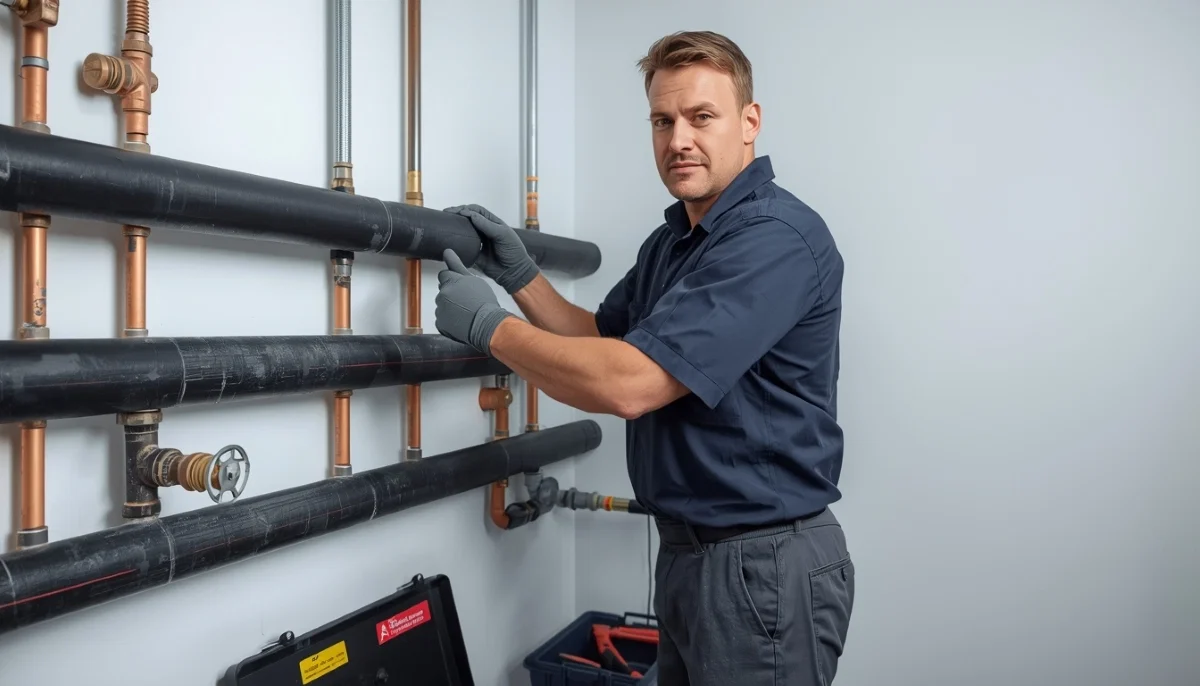
❄️ Worried About Frozen Pipes This Winter?
Get quotes from verified plumbers for pipe insulation installation or emergency frozen pipe repair. Free inspections available.
Get Pipe Protection Quotes Near You
Servicing Free State, Northern Cape, Eastern Cape, and across South Africa
Frozen Pipes in South Africa? Causes, Prevention & Thawing Guide
❄️ From freezing nights to burst pipes—complete guide to protecting your home’s plumbing during South African winters
You wake up on a freezing July morning in Bloemfontein. You turn on the kitchen tap. Nothing. Not a drop. You try the bathroom tap. Still nothing. Your heart starts racing. You check the geyser—it’s working. But no water is coming out of any tap. You’ve just discovered your pipes are frozen.
Most South Africans don’t think about frozen pipes. We associate freezing pipes with Canadian winters, not the Highveld. But the truth is, every winter, homes across the Free State, Northern Cape, Eastern Cape, and even parts of Gauteng experience frozen pipes. When temperatures drop below 0°C overnight—which they regularly do in Bloemfontein, Kimberley, and surrounding areas—exposed pipes in attics, garages, and exterior walls can freeze solid.
And when water freezes, it expands. A frozen pipe isn’t just an inconvenience—it’s a ticking time bomb. When that ice thaws, the pipe may have cracked, releasing a flood of water into your ceilings, walls, and floors.
I’ve responded to countless frozen pipe emergencies across South Africa’s colder regions. The difference between a minor inconvenience and a catastrophic flood often comes down to a few simple preventative measures—insulating pipes, letting taps drip, and knowing where your main water shut-off valve is.
This comprehensive guide will teach you everything about frozen pipes prevention, how to identify at-risk pipes, safe thawing methods, and what to do if a pipe bursts. Whether you live in Free State, Northern Cape, Eastern Cape, Bloemfontein, or Kimberley, this guide will help you protect your home.
For related information, read our pipe insulation guide, burst pipe emergency guide, how to fix a leaking pipe guide, and home plumbing maintenance checklist. Let’s keep your pipes flowing this winter.
📋 Table of Contents – Frozen Pipes Prevention Guide
❄️ Do Pipes Really Freeze in South Africa?
Yes—more than you might think. While South Africa isn’t Canada, many regions experience freezing temperatures regularly during winter.
🌡️ Areas Most at Risk
- Free State – Bloemfontein, Welkom, Bethlehem. Temperatures regularly drop to -5°C to -8°C.
- Northern Cape – Kimberley, Upington, Sutherland (often the coldest town in SA, -15°C possible).
- Eastern Cape – Barkly East, Rhodes, Lady Grey. Mountain areas experience severe frost.
- Gauteng Highveld – Johannesburg, Pretoria, Centurion. Occasional -2°C to -5°C nights.
- Western Cape interior – Ceres, Worcester, De Doorns. Frost is common.
- KZN interior – Ladysmith, Newcastle, Harrismith. Freezing nights are regular.
📊 When Freezing Occurs
- Winter months: May to August
- Peak risk: June and July (coldest months)
- High-risk hours: 2am to 6am (lowest temperatures)
- Critical temperature: Below 0°C for 4+ hours
- Wind chill effect: Wind accelerates freezing of exposed pipes
Why frozen pipes are dangerous: When water freezes, it expands by about 9%. This expansion creates tremendous pressure inside pipes—enough to crack copper, split PVC, or burst galvanised steel. The pipe doesn’t always burst at the freeze point; pressure can cause a rupture elsewhere. When the ice thaws, water gushes out through the crack, often inside walls or ceilings, causing extensive water damage.
⚠️ Critical Fact:
A frozen pipe doesn’t always burst immediately. The crack may not leak until thawing. This is why you might have no water one day, then a flood the next day when temperatures rise. Prevention is essential.
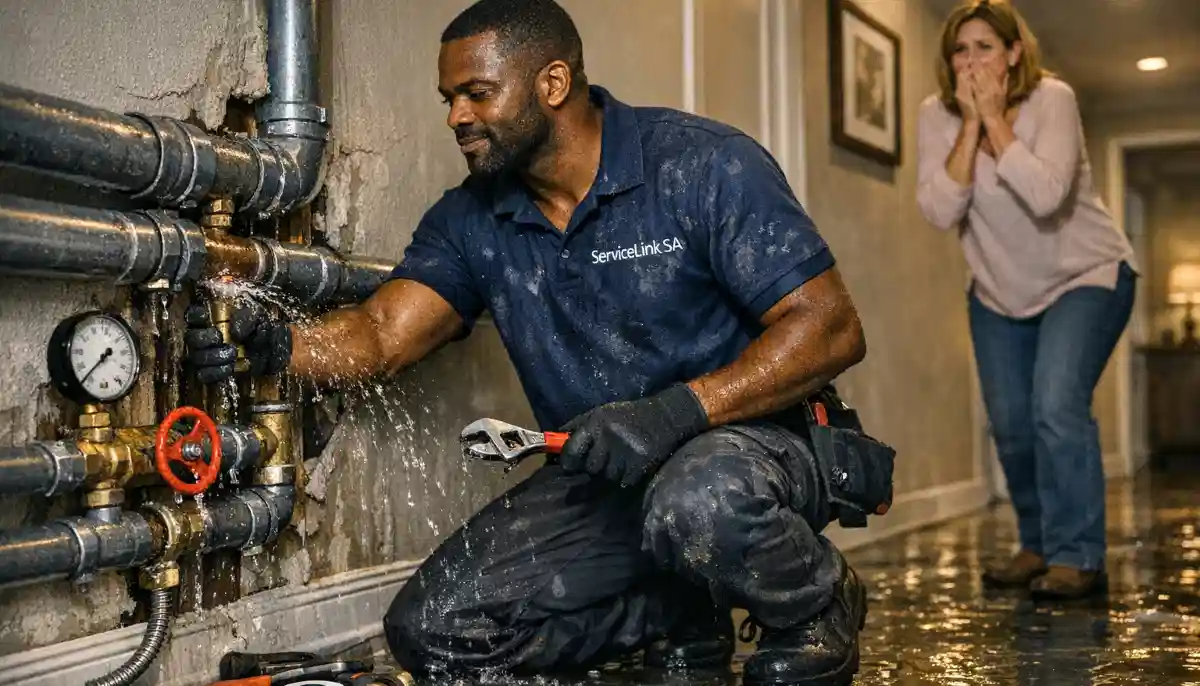
📍 Which Pipes Are Most at Risk of Freezing?
Understanding where frozen pipes prevention is most needed starts with identifying at-risk pipes:
🏚️ Pipes in Unheated Areas
Attics, garages, basements, crawl spaces, and under-house voids. These spaces often have no heating and are exposed to outside temperatures.
🧱 Pipes in Exterior Walls
Water pipes running inside exterior walls (especially north-facing walls in winter) are vulnerable. The wall cavity may not be insulated, and cold transfers through the brick.
🚰 Outside Taps and Hose Bibs
Garden taps and pipes leading to them are completely exposed to outside temperatures. These freeze first.
💧 Pipes Near Drafts
Gaps in windows, doors, or foundations that allow cold air to blow directly onto pipes.
🔧 Pipes with Poor Insulation
Any pipe lacking proper foam insulation, especially in vulnerable locations.
Quick check: Walk through your home on a cold day. Run your hand along pipes in the ceiling, garage, and under sinks. If they feel cold to the touch, they’re at risk of freezing during extended sub-zero temperatures.
🔍 5 Signs You Have Frozen Pipes
Early detection of frozen pipes allows you to thaw them before they burst. Look for these signs:
🚰 1. No Water or Reduced Flow
Turn on a tap. If only a trickle comes out (or nothing at all), the pipe leading to that tap may be frozen. Check multiple taps to determine if it’s a single pipe or whole-house issue.
🧊 2. Frost on Exposed Pipes
Visible frost or ice on pipes in your ceiling, garage, or crawl space is a clear sign of freezing.
🔊 3. Strange Sounds
Banging, clanking, or gurgling sounds from pipes when you try to use water. Ice can cause unusual noises.
👃 4. Unusual Odours
If a drain pipe is frozen, you may smell sewer gases because the P-trap water is frozen and no longer blocking odours.
💧 5. Bulging Pipes
In severe cases, frozen pipes may visibly bulge or swell. This indicates the pipe is about to burst—emergency action needed.
🛡️ 7 Proven Frozen Pipes Prevention Methods
Implement these strategies to prevent pipes freezing this winter:
📦 1. Insulate Exposed Pipes
Install foam pipe insulation on all exposed pipes in attics, garages, basements, and exterior walls. This is the single most effective frozen pipes prevention measure. Read our pipe insulation guide for details.
💧 2. Let Taps Drip During Freezing Nights
On nights when temperatures drop below 0°C, let both hot and cold taps drip slightly. Moving water is much less likely to freeze. The cost of the dripped water is far less than burst pipe repair.
🚪 3. Open Cabinet Doors
Open cabinet doors under sinks, especially those on exterior walls. This allows warm room air to circulate around pipes. Do this whenever freezing temperatures are forecast.
🌡️ 4. Keep Your Home Warm
Maintain a consistent temperature day and night—don’t lower the thermostat significantly at night. If you’re going away, keep the heating on at a low setting (minimum 10°C-12°C).
🚰 5. Disconnect Garden Hoses
Disconnect and drain all garden hoses before winter. Shut off the water supply to outside taps if they have an isolation valve. Insulate outside taps with tap covers.
🔧 6. Seal Drafts and Cracks
Seal gaps around windows, doors, and foundations where cold air can enter. Use caulk or expanding foam to close openings that expose pipes to freezing air.
📍 7. Know Your Main Water Shut-Off
Locate and label your main water shut-off valve. If a pipe bursts, shutting off water immediately can save your home. Ensure everyone in your family knows where it is.
💡 Pre-Winter Checklist:
Before winter arrives (April/May), walk through your home and inspect all exposed pipes. Install missing insulation. Disconnect hoses. Seal drafts. Test your main water shut-off valve. A few hours of preparation can save you thousands in frozen pipe repair costs.
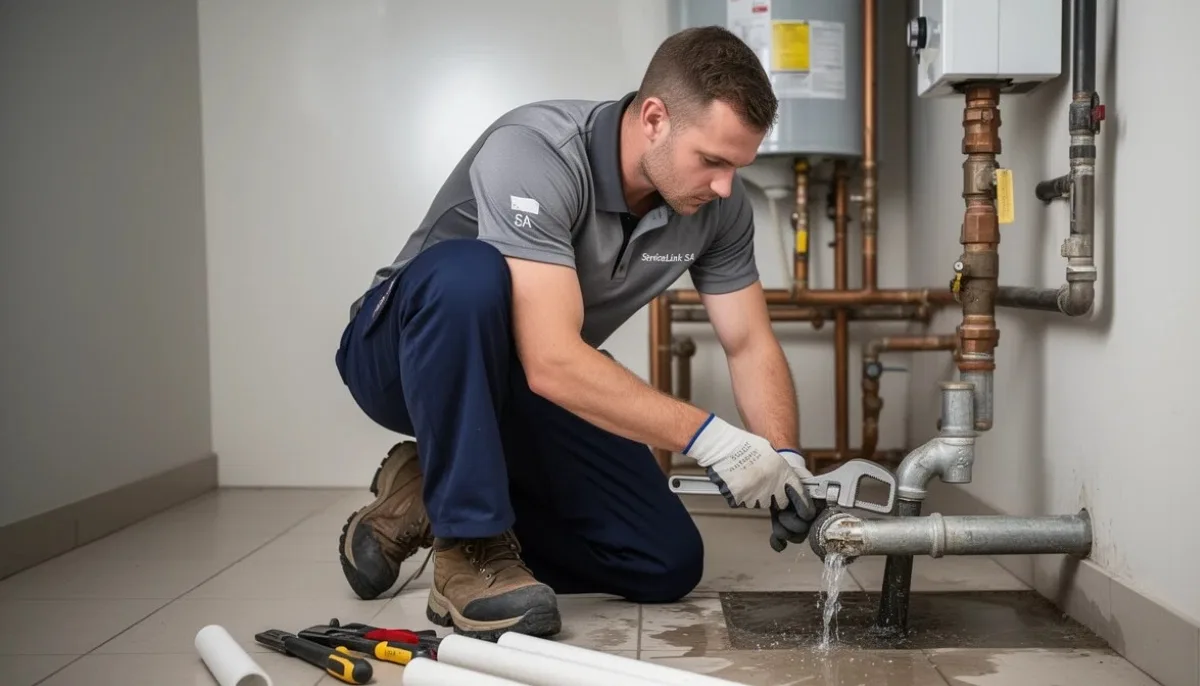
❄️ Worried About Frozen Pipes This Winter?
Get quotes from verified plumbers for pipe insulation installation or emergency frozen pipe repair. Free inspections available.
Get Pipe Protection Quotes Near You
Free quotes • Verified plumbers • Beat Your Quote guarantee
🔥 How to Safely Thaw Frozen Pipes
If you’ve discovered frozen pipes, follow these steps to thaw them safely and prevent pipes freezing again:
⚠️ Before You Start:
Locate the frozen section first. Leave the affected tap OPEN—as the ice melts, water needs somewhere to escape. NEVER use an open flame (blowtorch, lighter, candle) to thaw pipes—this is a fire hazard and can damage pipes.
Safe thawing methods (from safest to least safe):
🌡️ Method 1: Hair Dryer (Safest)
Point a hair dryer at the frozen section, moving back and forth along the pipe. Start at the end nearest the tap and work toward the frozen area. Takes 15-60 minutes depending on pipe length and freeze severity.
🔥 Method 2: Heat Lamp or Portable Heater
Position a heat lamp or small space heater near the frozen pipe, maintaining a safe distance (minimum 30cm). Never leave unattended. Works well for pipes in open areas like garages.
🧣 Method 3: Hot Towels
Soak towels in hot water, wring them out, and wrap around the frozen pipe. Replace towels as they cool. Slower but safe, especially for plastic pipes (PEX/PVC) that can’t take direct heat.
🔧 Method 4: Heat Tape (Electric Pipe Heating Cable)
Wrap thermostatically controlled heat tape around pipes. These automatically turn on when temperatures drop. Best for pipes in hard-to-reach areas. Professional installation recommended.
What to do after thawing: Once water flows again, check for leaks. The freeze may have cracked the pipe. If you see any moisture or dripping, call a plumber for frozen pipe repair immediately.
🚫 5 Things NEVER to Do When Thawing Frozen Pipes
Mistake #1: Using an Open Flame
NEVER use a blowtorch, lighter, candle, or any open flame to thaw pipes. This is an extreme fire hazard and can melt plastic pipes or cause steam explosions in copper pipes. People have burned down their homes this way.
Mistake #2: Using a High-Heat Device on Plastic Pipes
PEX and PVC pipes can melt or deform under high heat. Use only low-heat methods (hair dryer on low, hot towels) for plastic pipes.
Mistake #3: Thawing from the Middle
Always start thawing from the tap end and work toward the frozen section. Thawing the middle first can trap water between ice blocks, creating dangerous pressure that bursts pipes.
Mistake #4: Leaving Heat Sources Unattended
Never leave a hair dryer, heat lamp, or space heater running unattended while thawing pipes. Fire risk is real.
Mistake #5: Ignoring a Frozen Pipe
“I’ll wait for it to thaw on its own” is dangerous. The pipe may already be cracked, and when it thaws, you could have a flood. Thaw safely or call a plumber.
💧 What to Do If a Frozen Pipe Bursts
If the worst happens and a frozen pipe bursts, follow these emergency steps:
- Shut off the main water supply immediately – Turn the main stop valve clockwise. This stops the flooding.
- Turn off electricity in affected areas – If water is near electrical outlets or appliances, switch off at the main breaker. Never stand in water to reach electrical panels.
- Open all taps – This drains remaining water from pipes and reduces pressure.
- Call an emergency plumber immediately – Use ServiceLink SA’s 24/7 emergency services.
- Document the damage – Take photos and videos for insurance claims before cleaning up.
- Start removing water – Use towels, mops, a wet/dry vacuum, or buckets. The faster you remove water, the less damage to floors, carpets, and walls.
- Call your insurance company – Report the claim as soon as possible.
Read our burst pipe emergency guide for more detailed instructions.
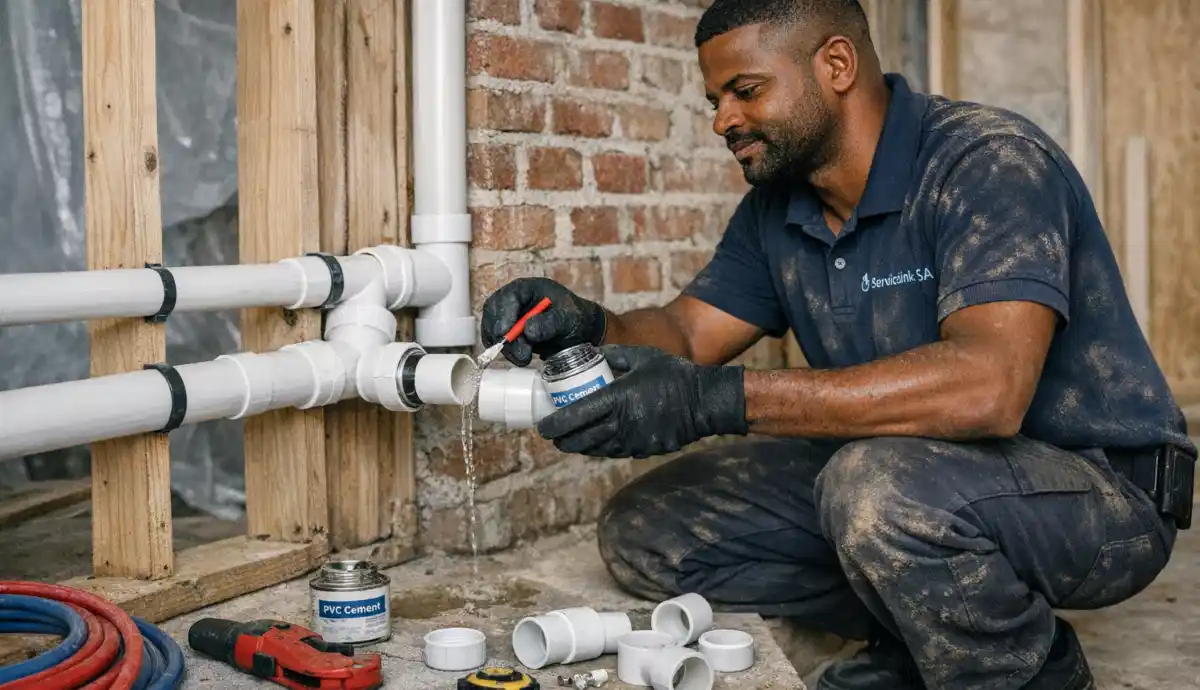
🔧 Emergency Frozen Pipe Repair: What to Expect
When you call a plumber for frozen pipe repair, here’s what typically happens:
- Assessment (15-30 minutes) – Plumber assesses the damage, locates the frozen section or burst, and determines the extent of the problem.
- Thawing (30-90 minutes) – If the pipe is frozen but not burst, the plumber will safely thaw it using professional equipment (industrial heat guns on low settings).
- Repair (1-4 hours) – If the pipe has burst, the damaged section is cut out and replaced. This may involve opening walls or ceilings.
- Testing (15-30 minutes) – Water is turned back on, and the repair is tested for leaks.
- COC (if required) – For major repairs, a Certificate of Compliance is issued.
Typical costs: Emergency call-out R650-R1,500, thawing service R500-R1,000, pipe repair R1,500-R5,000+, wall/ceiling repair additional.
🗺️ Regional Guide: South Africa’s Coldest Areas
If you live in or near these areas, frozen pipes prevention should be a winter priority:
| Region | Typical Winter Low | Record Low | Risk Level | Priority Actions |
|---|---|---|---|---|
| Free State (Bloemfontein, Welkom)同 | -3°C to -8°C | -9°C | 🔴 High | Insulate ALL exposed pipes, let taps drip, open cabinets |
| Northern Cape (Kimberley, Sutherland)同 | -5°C to -15°C | -15°C (Sutherland) | 🔴 Very High | All prevention methods essential. Heat tape recommended. |
| Eastern Cape (Barkly East, Rhodes)同 | -5°C to -10°C | -12°C | 🔴 High | Insulate pipes, seal drafts, keep heating on |
| Gauteng Highveld (JHB, PTA) | -1°C to -5°C | -7°C | 🟡 Moderate | Focus on attic pipes, exterior walls, outside taps |
For location-specific services, explore our plumbing services Free State, Northern Cape, Eastern Cape, Bloemfontein, Kimberley, and Welkom pages.
🧤 Pipe Insulation: Your Best Defence Against Freezing
Pipe insulation is the single most effective frozen pipes prevention measure. Here’s what you need to know:
📦 Types of Pipe Insulation
- Foam pipe insulation (most common): Pre-slit foam tubes. R1.0-R1.5 thermal resistance. R20-R50 per metre.
- Fibreglass pipe wrap: Higher thermal resistance. Better for very cold areas. R30-R80 per metre.
- Heat tape (electric): Plugs in and heats pipes when temperature drops. R500-R1,500 per roll.
- Outside tap covers: Foam covers that insulate exposed taps. R50-R150 each.
📍 Where to Install Insulation
- All pipes in unheated areas (attics, garages, basements)
- Pipes in exterior walls (if accessible)
- Pipes leading to outside taps
- Hot water pipes (also saves energy)
- Exposed pipes in crawl spaces
Read our detailed pipe insulation guide for installation instructions and product recommendations.
❌ 5 Costly Mistakes Homeowners Make With Frozen Pipes
Mistake #1: Only Insulating Hot Water Pipes
Both hot and cold pipes freeze. In fact, cold water pipes often freeze first because they don’t have residual heat. Insulate ALL exposed pipes, regardless of whether they carry hot or cold water.
Mistake #2: Turning Off the Heating While Away
If you go away during winter, keep the heating on at a low setting (minimum 10°C-12°C). A frozen pipe burst while you’re away can cause catastrophic damage that isn’t discovered for days.
Mistake #3: Using a Blowtorch to Thaw Pipes
This is extremely dangerous. People have burned down their homes this way. Use only safe methods: hair dryer, heat lamp, hot towels, or call a professional.
Mistake #4: Not Knowing Where the Main Water Shut-Off Is
When a pipe bursts, every minute spent searching for the shut-off valve adds hundreds of litres of water damage. Find it today. Label it. Show everyone in your home.
Mistake #5: Assuming “It Never Gets Cold Enough Here”
Even areas that rarely freeze can have isolated cold spots—a pipe in an uninsulated attic or garage can freeze when outside temperatures drop just below zero for a few hours. Don’t assume you’re safe.
📋 Real-World Frozen Pipe Case Studies
❄️ Case 1: The Bloemfontein Attic Pipe
Location: Bloemfontein | Homeowner: The Meyer Family
Problem: July cold snap (-7°C). Pipes in uninsulated attic froze. Homeowner had no water for 2 days. When thawed, found burst pipe in ceiling.
Solution: Emergency plumber replaced damaged pipe section (R4,500). Installed foam insulation on all attic pipes (R1,200).
Outcome: R5,700 total. Without prevention, water damage would have been R15,000+.
Lesson: Attic pipes are extremely vulnerable—insulate them before winter.
💧 Case 2: The Kimberley Garden Tap
Location: Kimberley | Homeowner: Mr. van Wyk
Problem: Garden hose left connected over winter. Water froze in the tap and pipe leading to it. Pipe burst when temperatures dropped to -8°C.
Solution: Plumber replaced the burst section of pipe (R2,800). Homeowner now disconnects and drains hoses before winter and uses tap covers.
Lesson: Always disconnect garden hoses before winter. An R80 tap cover could have prevented this.
❓ Frequently Asked Questions About Frozen Pipes
Do pipes really freeze in South Africa?
Yes. While South Africa isn’t known for extreme cold, many regions experience freezing temperatures regularly during winter. The Free State, Northern Cape, Eastern Cape mountain areas, and even Gauteng’s Highveld regularly drop below 0°C. When temperatures stay below freezing for 4+ hours, exposed pipes in unheated areas (attics, garages, exterior walls) can freeze solid. Frozen pipes prevention is essential for homes in these areas.
How to prevent pipes from freezing in winter?
How to prevent pipes from freezing in winter: 1) Insulate all exposed pipes with foam insulation, 2) Let taps drip during freezing nights, 3) Open cabinet doors under sinks on exterior walls, 4) Keep your home warm (don’t lower thermostat significantly at night), 5) Disconnect and drain garden hoses, 6) Seal drafts and cracks that let cold air in, 7) Know your main water shut-off location. Prevention is far cheaper than frozen pipe repair.
How long does it take for pipes to freeze?
Pipes can freeze in as little as 4-6 hours when temperatures drop below -5°C. Uninsulated pipes in unheated areas (attics, garages) freeze faster—sometimes within 2-3 hours. Factors affecting freeze time: outside temperature, wind chill, pipe insulation, pipe material (copper freezes faster than PEX), and water flow (moving water takes longer to freeze). During extended cold snaps (overnight lows below 0°C for 8+ hours), unprotected pipes are at high risk.
How to thaw frozen pipes safely?
To thaw frozen pipes safely: 1) Leave the affected tap OPEN, 2) Apply heat using a hair dryer (safest), heat lamp, or hot towels—NEVER use an open flame, 3) Start thawing from the tap end, working toward the frozen section, 4) Once water flows, check for leaks (the pipe may have cracked), 5) If you can’t find the frozen section or can’t thaw it safely, call a plumber for professional frozen pipe repair. Never use a blowtorch or propane heater—this is extremely dangerous.
What temperature do pipes freeze?
Water pipes typically freeze when the temperature drops below 0°C (32°F) for an extended period. However, the air temperature doesn’t need to be freezing for pipes to freeze—wind chill and lack of insulation can cause pipes to freeze even when the ambient temperature is slightly above freezing. Pipes in unheated areas like attics can be 5-10°C colder than outside air temperature. For reliable frozen pipes prevention, take action when overnight lows are forecast below 2°C.
Will my insurance cover frozen pipe damage?
Most comprehensive home insurance policies cover sudden and accidental water damage from frozen pipes that burst. However, coverage may be denied if the freeze resulted from lack of maintenance (e.g., no insulation, heating turned off while away). Some policies have specific requirements for homes in cold areas (e.g., mandatory pipe insulation). Read your policy carefully. Document damage with photos, keep all repair receipts, and file claims promptly. Read our plumbing insurance claim guide for more.
Can PEX pipes freeze and burst?
PEX pipes are more freeze-resistant than copper or PVC because they can expand slightly. However, PEX CAN still freeze and burst in severe conditions (extended periods below -10°C). While PEX may survive one or two freeze-thaw cycles without bursting, repeated freezing will eventually cause failure. PEX fittings and connections are also vulnerable. Don’t rely on PEX’s freeze resistance—proper pipe insulation and prevention methods are still essential.
Should I let my taps drip during freezing weather?
Yes—letting both hot and cold taps drip slightly is one of the most effective frozen pipes prevention methods. Moving water is much less likely to freeze than standing water. The cost of the dripped water (typically R5-R20 per night) is far less than frozen pipe repair costs (R2,000-R10,000+). Run the tap farthest from your main water shut-off. A steady drip (not a stream) is sufficient.
✅ Final Thoughts: An Hour of Prevention Saves Thousands
Frozen pipes are a real threat in many parts of South Africa during winter. But unlike many plumbing emergencies, frozen pipes are almost entirely preventable. A few hours of preparation before winter—insulating pipes, sealing drafts, disconnecting hoses—can save you from thousands of Rands in frozen pipe repair and water damage restoration.
Key takeaways for South African homeowners:
- Frozen pipes are a real risk in Free State, Northern Cape, Eastern Cape, and even Gauteng
- Prevention is simple and cheap – insulation costs R20-R50 per metre, tap covers R50-R150
- Let taps drip during freezing nights—moving water doesn’t freeze easily
- Open cabinet doors under sinks on exterior walls to let warm air circulate
- Disconnect garden hoses before winter—a connected hose traps water that freezes back into the pipe
- Know your main water shut-off valve—if a pipe bursts, you need to shut it off immediately
- Never use an open flame to thaw frozen pipes—use a hair dryer or call a professional
Your action plan: Before next winter (April/May), walk through your home and inspect all exposed pipes. Insulate any that are in unheated areas. Disconnect and drain garden hoses. Seal drafts. Locate and label your main water shut-off valve. Save ServiceLink SA’s emergency number 073 138 4726 in your phone. Then enjoy winter knowing your pipes are protected.
❄️ Worried About Frozen Pipes This Winter?
Get quotes from verified plumbers for pipe insulation installation or emergency frozen pipe repair. Free inspections available.
📞 Call us: 073 138 4726 for immediate help finding a plumber near you.
Pipe insulation guide •
Burst pipe emergency •
Fix leaking pipe •
Maintenance checklist •
Beat Your Quote guarantee
📚 Official resources & standards referenced:
- South African Weather Service (SAWS) – Winter weather alerts and freezing forecasts.
- SANS 10400 – Insulation standards and pipe installation requirements.
- Plumbing Industry Registration Board (PIRB) – Find registered plumbers for frozen pipe repair.
Information provided for general guidance based on industry research and SAWS/SANS standards. For frozen pipes prevention advice specific to your home, consult a qualified plumber familiar with your local climate.
Written by: ServiceLink SA Research Team
Winter Plumbing & Frozen Pipe Specialists
The ServiceLink SA Research Team comprises winter plumbing experts, insulation specialists, and emergency response professionals with decades of experience dealing with frozen pipes prevention and repair across South Africa’s coldest regions. Our team works directly with PIRB-registered plumbers, weather authorities, and insulation manufacturers to bring you accurate, actionable information about how to prevent pipes from freezing in winter, safe thawing methods, and emergency response. We continuously update our guides to reflect current weather patterns, insulation standards, and best practices for South African homes.
For more information about frozen pipes and winter plumbing protection, explore our related resources:
pipe insulation guide,
burst pipe emergency guide,
how to fix a leaking pipe guide,
water leak repair services,
and home plumbing maintenance checklist.
Our how ServiceLink SA works and
contractor verification process pages explain how we connect you with trusted professionals.
See our service areas page for frozen pipe protection coverage in your region.