
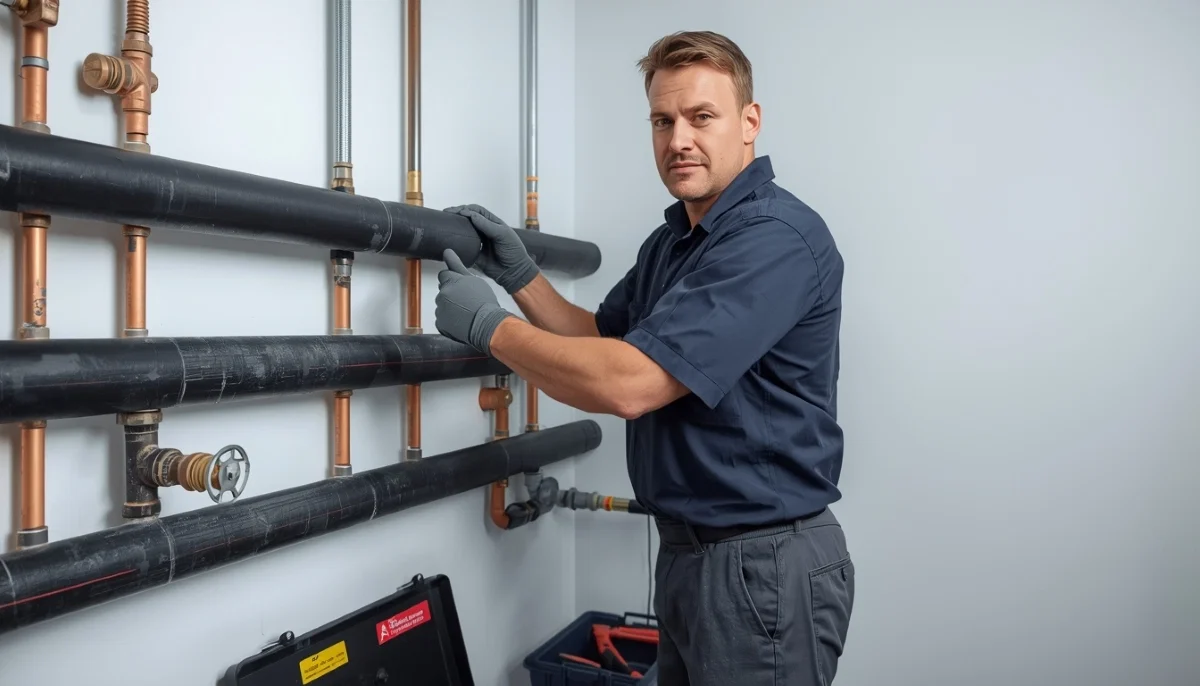
🧊 Need Pipe Insulation Installed?
Get quotes from verified plumbers for pipe insulation installation. Protect your pipes from freezing and save energy.
Get Pipe Insulation Quotes Near You
Servicing Free State, Northern Cape, Eastern Cape, Bloemfontein, Kimberley, Welkom, and across South Africa
Pipe Insulation Guide: Prevent Frozen Pipes & Save Energy
🧊 From freeze protection to energy savings—complete guide to insulating water pipes in your South African home
It’s the middle of winter in Bloemfontein. The temperature dropped to -7°C overnight. You wake up, turn on the tap, and nothing comes out. Your pipes are frozen. By the time they thaw, you may have a burst pipe and a flooded home.
This scenario plays out every winter across the Free State, Northern Cape, Eastern Cape, and even parts of Gauteng. The good news? Most frozen pipe disasters are preventable with one simple upgrade: pipe insulation.
I’ve helped hundreds of homeowners protect their pipes from freezing. A few hours of work and R200-R500 worth of foam insulation can save you from R10,000-R50,000 in water damage. Plus, insulating hot water pipes saves energy—paying for itself in months.
This comprehensive pipe insulation guide will teach you how to insulate water pipes in your home, what materials to use, which pipes need insulation most, and how to install pipe lagging yourself. Whether you’re in Free State, Northern Cape, or Eastern Cape, this thermal insulation guide will protect your home.
For related information, read our frozen pipes prevention guide, pipe replacement costs guide, and home plumbing maintenance checklist. Let’s get insulating.
📋 Table of Contents – Pipe Insulation Guide
🧊 Why Insulate Your Pipes?
Pipe insulation provides three major benefits for South African homeowners:
❄️
Freeze Protection
Prevents pipes from freezing and bursting during cold winters—especially critical in Free State, Northern Cape, and Eastern Cape.
💰
Energy Savings
Insulating hot water pipes reduces heat loss, so you get hot water faster and use less electricity. Saves R200-R500/year.
💧
Condensation Control
Prevents sweating pipes in humid areas, stopping drips that cause ceiling stains and mould.
The cost of NOT insulating:
- A frozen pipe that bursts: R10,000-R50,000+ in water damage
- Energy waste from uninsulated hot water pipes: R200-R500/year
- Condensation damage to ceilings and walls: R5,000-R20,000
Pipe insulation cost: R200-R500 for a typical home. The return on investment is enormous—often 100x or more in prevented damage.
Read our frozen pipes prevention guide for more on freeze protection.
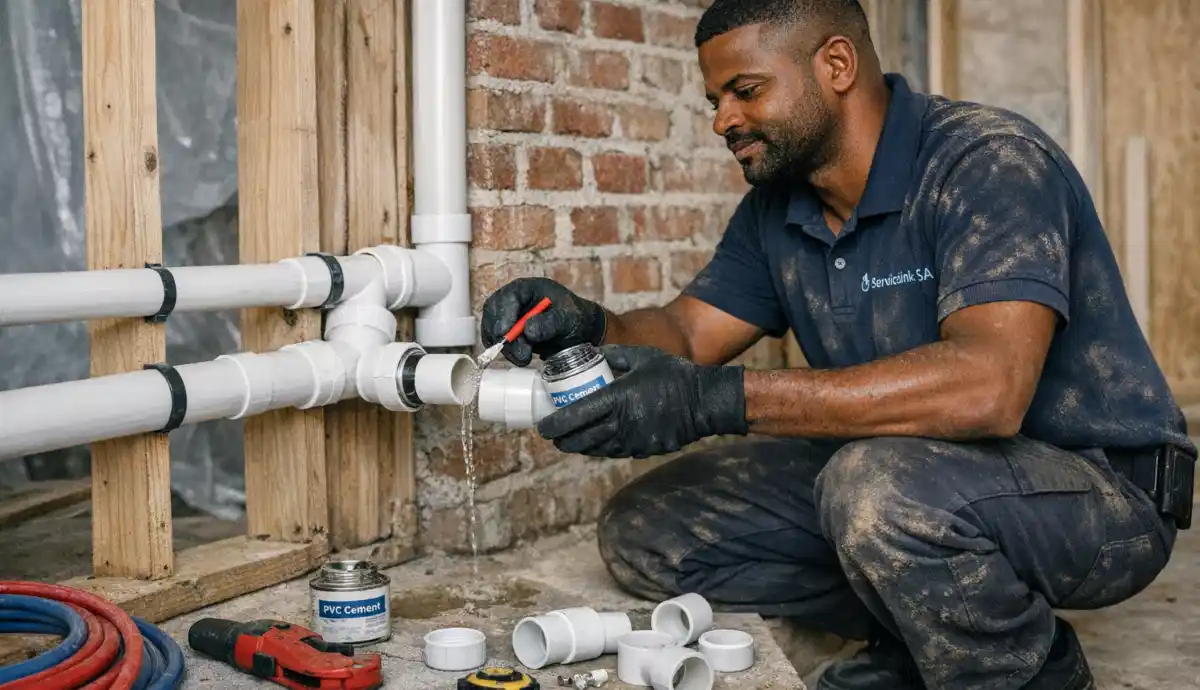
📍 Which Pipes Need Insulation Most?
Not all pipes need insulation. Focus on these vulnerable areas:
🏚️ Pipes in Unheated Areas
Attics, garages, basements, crawl spaces, and under-house voids. These spaces have no heating and are exposed to outside temperatures.
🧱 Pipes in Exterior Walls
Water pipes running inside exterior walls are vulnerable. Cold transfers through the brick, freezing pipes.
🚰 Outdoor Taps & Hose Bibs
Garden taps and pipes leading to them are completely exposed. These freeze first.
🔥 Hot Water Pipes (first 2-3m from geyser)
Insulating hot water pipes saves energy—you get hot water faster and use less electricity.
💧 Cold Water Pipes in Humid Areas
In humid climates, cold pipes sweat (condensation). Insulation prevents drips that stain ceilings.
Priority checklist:
- Pipes in unheated attics (highest priority)
- Pipes in exterior walls
- Pipes leading to outside taps
- Hot water pipes from geyser (energy savings)
- Cold water pipes in humid basements/crawl spaces
For location-specific services in cold areas, explore our plumbing services Free State, Northern Cape, and Eastern Cape pages.
📦 Types of Pipe Insulation Materials
Several materials are available for thermal insulation of pipes:
- Foam pipe insulation (most common): Pre-slit foam tubes. R1.0-R1.5 thermal resistance. R20-R50 per metre. Easy to install—snaps onto pipe.
- Fibreglass pipe wrap: Higher thermal resistance. Better for very cold areas. R30-R80 per metre. Requires taping.
- Rubber insulation (Armaflex): Closed-cell rubber, excellent for condensation control. R40-R100 per metre. More expensive but longer lasting.
- Heat tape (electric): Plugs in and heats pipes when temperature drops. R500-R1,500 per roll. For extreme cold areas.
- Outside tap covers: Foam covers that insulate exposed taps. R50-R150 each.
For most South African homes, foam pipe insulation is sufficient and cost-effective.
🧊 Need Pipe Insulation Installed?
Get quotes from verified plumbers for pipe insulation installation. Protect your pipes from freezing and save energy.
Free quotes • Verified specialists • Beat Your Quote guarantee
📊 Insulation Material Comparison
Here’s how different thermal insulation materials compare:
| Material | Cost per Metre | R-Value (Thermal Resistance) | Best For | DIY Difficulty |
|---|---|---|---|---|
| Foam (pre-slit) | R20-R50 | R1.0-1.5 | General freeze protection, energy savings | Very Easy |
| Fibreglass Wrap | R30-R80 | R2.0-3.0 | Very cold areas, high heat loss prevention | Moderate |
| Rubber (Armaflex) | R40-R100 | R1.5-2.0 | Condensation control, long-term durability | Easy |
| Heat Tape (electric) | R500-R1,500/roll | N/A (active heating) | Extreme cold areas, pipes that frequently freeze | Professional |
For most South African homes, foam pipe insulation is the best choice—affordable, effective, and easy to install.
🛠️ Tools & Materials You’ll Need
For most how to insulate pipes in your home projects, you’ll need:
🔧 Tools
- Utility knife or scissors
- Measuring tape
- Step ladder (for ceiling pipes)
- Flashlight
- Duct tape or insulation tape (for seams)
🧩 Materials
- Foam pipe insulation (correct diameter)
- Fibreglass wrap (optional, for extreme cold)
- Outside tap covers (for external taps)
- Heat tape (optional, for extreme cold areas)
Pipe diameter guide: Measure the outside diameter of your pipe. Common sizes: 15mm (½”), 22mm (¾”), 28mm (1″). Match insulation to pipe diameter.
Read our plumbing tools guide for more equipment information.
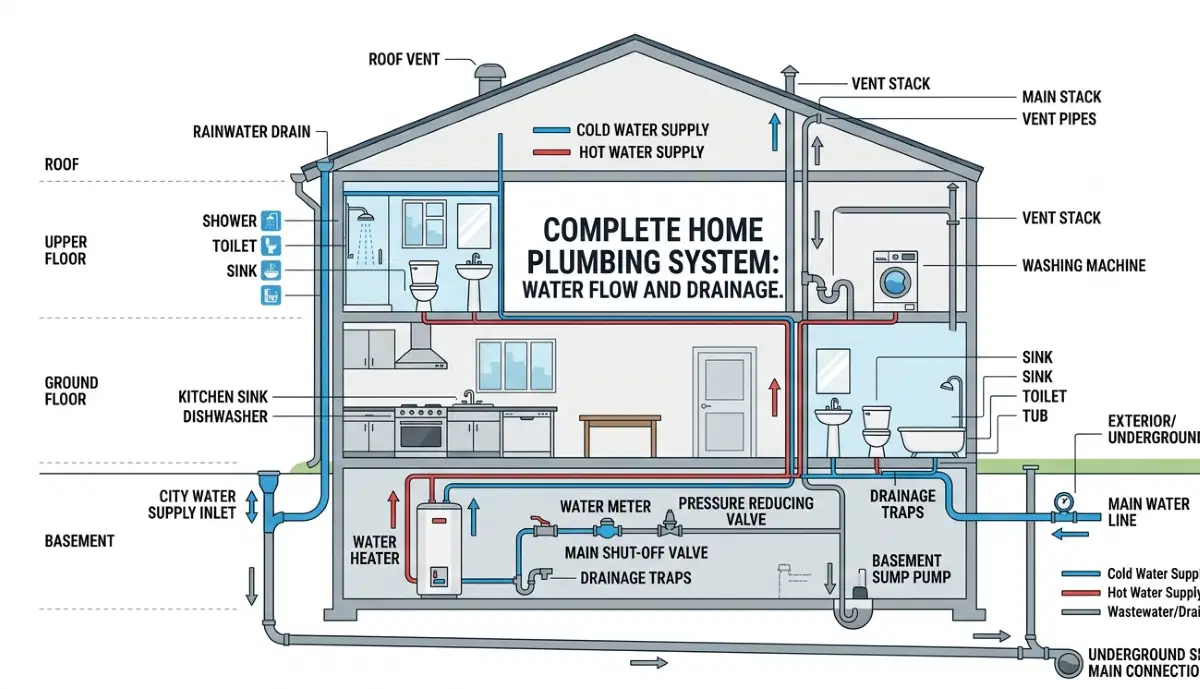
🔧 How to Insulate Pipes: Step-by-Step
Follow these steps to insulate water pipes in your home:
- Identify vulnerable pipes – Attic pipes, exterior wall pipes, garage pipes, and pipes near drafts.
- Measure pipe diameter – Use a tape measure or calliper. Note: 15mm (½”), 22mm (¾”), or 28mm (1″).
- Buy foam insulation – Get pre-slit foam tubes in the correct diameter. Buy enough length plus 10% extra for waste.
- Clean pipes – Wipe pipes dry before installing insulation. Moisture trapped under insulation can cause corrosion.
- Open the slit – Foam tubes have a pre-cut slit along the length. Open it.
- Wrap around pipe – Snap the foam tube onto the pipe. Ensure full coverage with no gaps.
- Seam at the top (for condensation) – If insulating cold pipes to prevent condensation, place the seam at the top (water drips down, not out).
- Tape seams – Use duct tape or insulation tape to seal the slit and any joints between sections.
- Cover elbows and tees – Cut foam to fit around corners. Miter cuts at 45° for clean corners. Tape securely.
- Install tap covers outdoors – Place foam covers over outside taps. Ensure they fit snugly.
💡 Pro Tip:
For pipes in attics, don’t forget to insulate the pipes entering the geyser. The first 2-3 metres of pipe from the geyser are the most critical for energy savings.
🔥 Insulating Hot Water Pipes (Energy Savings)
Insulating hot water pipes is one of the fastest payback home improvements:
Why insulate hot water pipes:
- Reduces heat loss as water travels from geyser to tap
- Hot water arrives faster—less water wasted waiting
- Reduces electricity consumption (geyser runs less)
- Saves R200-R500 per year on electricity
Which hot water pipes to insulate:
- First 2-3 metres from the geyser (highest priority)
- Any hot water pipes running through unheated areas (attics, crawl spaces)
- Long pipe runs to distant bathrooms
Insulation thickness: Use 13-19mm thick foam for hot water pipes. Thicker is better for energy savings.
Read our geyser installation guide for more energy-saving tips.
💧 Insulating Cold Water Pipes (Condensation Prevention)
In humid areas, cold water pipes “sweat” (condensation), causing drips that stain ceilings and promote mould.
Why cold pipes sweat: When humid air touches cold pipes, moisture condenses. Insulation keeps warm air away from the cold pipe.
Which cold pipes to insulate:
- Cold water pipes in humid basements or crawl spaces
- Pipes in bathrooms with poor ventilation
- Long cold water runs through uninsulated spaces
Installation tip for condensation control: Place the seam of the foam insulation at the TOP of the pipe. If any condensation forms, it will drip down inside the insulation rather than escaping through the seam.
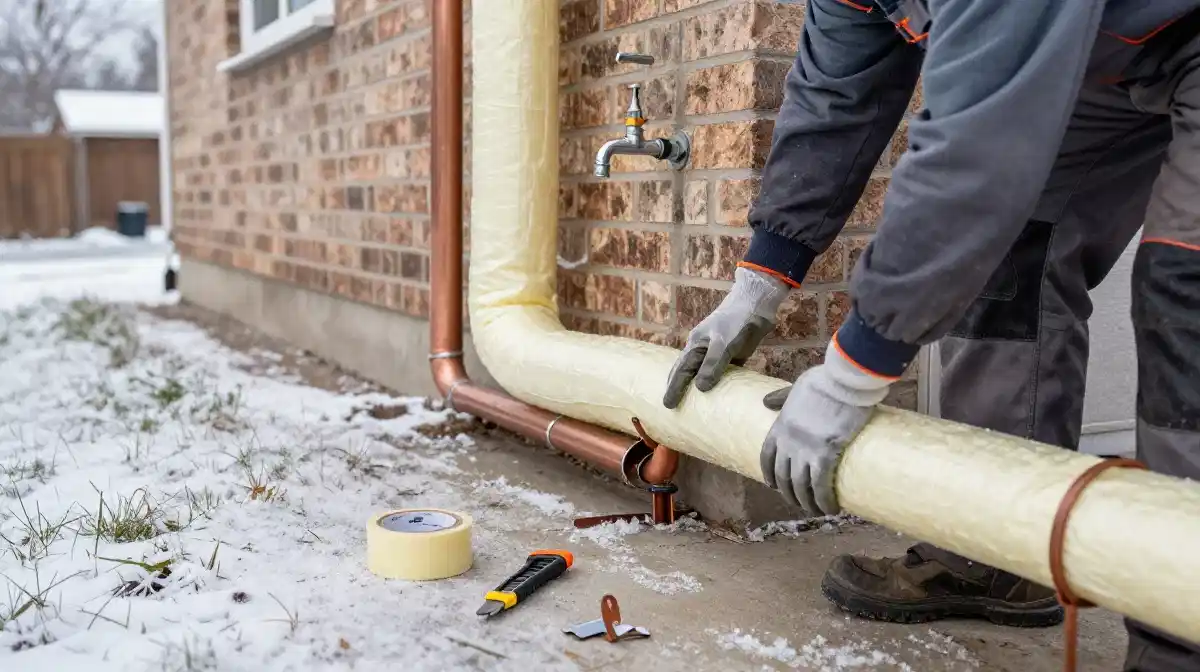
🚰 Outdoor Taps & Exposed Pipes
Outdoor taps are extremely vulnerable to freezing. Here’s how to protect them:
Before winter:
- Disconnect all garden hoses
- Drain the hose and store indoors
- Shut off the isolation valve for the outside tap (if available)
- Install a foam tap cover (R50-R150)
- For extreme cold areas, consider a heated tap cover or heat tape
If you can’t shut off water to the outside tap: Let the tap drip slightly during freezing nights. Moving water is less likely to freeze.
Read our frozen pipes prevention guide for more outdoor protection tips.
💰 Pipe Insulation Cost Guide
Here’s what to budget for pipe insulation materials:
| Material | Cost per Metre | Typical Home (50 metres) | Installation Labour | Total DIY |
|---|---|---|---|---|
| Foam Pipe Insulation | R20-R50 | R1,000-R2,500 | R0 (DIY) | R1,000-R2,500 |
| Fibreglass Wrap | R30-R80 | R1,500-R4,000 | R500-R1,000 | R2,000-R5,000 |
| Rubber Insulation | R40-R100 | R2,000-R5,000 | R500-R1,000 | R2,500-R6,000 |
| Outside Tap Cover | R50-R150 each | R100-R300 (2 taps) | R0 (DIY) | R100-R300 |
| Heat Tape (per roll) | R500-R1,500 | R500-R3,000 | R500-R1,000 (electrician) | R1,000-R4,000 |
Note: Most homes don’t need to insulate every pipe. Focus on vulnerable areas (attic, exterior walls, outdoor taps).
For professional installation in Bloemfontein, Kimberley, or Welkom, contact local specialists.
📊 Energy Savings & Payback Period
Insulating hot water pipes pays for itself quickly:
| Home Type | Hot Water Pipe Length | Annual Energy Saving | Insulation Cost | Payback Period |
|---|---|---|---|---|
| Small home (2 bedrooms) | 10-15 metres | R150-R250/year | R200-R400 | 1-2 years |
| Medium home (3 bedrooms) | 15-25 metres | R250-R400/year | R300-R600 | 1-2 years |
| Large home (4+ bedrooms) | 25-40 metres | R400-R600/year | R500-R1,000 | 1-2 years |
Freeze protection savings (priceless): Preventing a single burst pipe saves R10,000-R50,000 in water damage. The payback for freeze protection insulation is immediate if it prevents one freeze event.
Read our benefits of choosing us guide for more on long-term savings.
🗺️ Regional Guide: South Africa’s Coldest Areas
If you live in or near these areas, pipe insulation should be a winter priority:
| Region | Typical Winter Low | Record Low | Risk Level | Priority Actions |
|---|---|---|---|---|
| Free State (Bloemfontein, Welkom) | -3°C to -8°C | -9°C | 🔴 High | Insulate ALL exposed pipes, heat tape recommended |
| Northern Cape (Kimberley, Upington) | -5°C to -10°C | -15°C (Sutherland) | 🔴 Very High | All insulation methods essential. Heat tape recommended. |
| Eastern Cape (Barkly East, Rhodes) | -5°C to -10°C | -12°C | 🔴 High | Insulate pipes, seal drafts, keep heating on |
| Gauteng Highveld (JHB, PTA) | -1°C to -5°C | -7°C | 🟡 Moderate | Focus on attic pipes, exterior walls, outside taps |
For location-specific services, explore our plumbing services Free State, Northern Cape, and Eastern Cape pages.
❌ 5 Costly Mistakes to Avoid
Mistake #1: Using the Wrong Diameter Insulation
Insulation that’s too small won’t fit; too large won’t seal properly. Measure your pipe’s outside diameter before buying. Common sizes: 15mm (½”), 22mm (¾”), 28mm (1″).
Mistake #2: Leaving Gaps or Uncovered Joints
Any gap in insulation is a weak point where cold can penetrate or heat can escape. Overlap joints by 2-3 cm and tape securely. Don’t forget elbows and tees.
Mistake #3: Not Insulating Pipes in Exterior Walls
Many homeowners forget pipes running inside exterior walls. These are as vulnerable as attic pipes. If accessible, insulate them. If not, let taps drip during freezing nights.
Mistake #4: Forgetting Outdoor Taps
A connected garden hose is the #1 cause of frozen pipe bursts. Disconnect hoses before winter. Install tap covers. Shut off isolation valves if available.
Mistake #5: Using Tape Instead of Proper Insulation
Duct tape alone does NOT prevent freezing. It provides negligible insulation. Use proper foam insulation with a slit. Tape only secures seams.
📋 Real-World Pipe Insulation Case Studies
❄️ Case 1: Frozen Pipe Prevention in Bloemfontein
Location: Bloemfontein | Homeowner: The Meyer Family
Problem: Attic pipes froze twice in previous winters, causing burst pipes and water damage (R15,000 repair).
Solution: Installed foam pipe insulation on all attic pipes (R1,200) + heat tape on most vulnerable section (R800).
Outcome: No frozen pipes in 3 years. Investment R2,000. Prevented R15,000+ in potential damage.
Lesson: A small insulation investment prevents catastrophic freeze damage.
💰 Case 2: Energy Savings in Kimberley
Location: Kimberley | Homeowner: The Van Wyk Family
Problem: High electricity bill. Hot water took 45 seconds to reach kitchen tap.
Solution: Insulated hot water pipes from geyser to kitchen (15 metres, R450).
Outcome: Hot water now arrives in 20 seconds. Electricity bill reduced by R35/month (R420/year). Payback 13 months.
Lesson: Hot water pipe insulation pays for itself in energy savings alone.
❓ Frequently Asked Questions About Pipe Insulation
How to insulate pipes in your home?
How to insulate pipes in your home: 1) Measure pipe diameter, 2) Buy foam pipe insulation (pre-slit), 3) Clean pipes, 4) Open slit and snap onto pipe, 5) Tape seams. Focus on pipes in attics, exterior walls, garages, and the first 2-3 metres from the geyser. Takes 2-4 hours for a typical home.
What is the best pipe insulation for freezing temperatures?
For freezing temperatures, use foam pipe insulation (R20-R50/metre) as a base layer. In extreme cold areas (Free State, Northern Cape), add heat tape (electric heating cable) on the most vulnerable pipes. Foam alone is sufficient for most areas; heat tape is for areas below -5°C.
Does pipe insulation really save money?
Yes—thermal insulation for hot water pipes saves R200-R500/year in electricity costs, paying for itself in 1-2 years. Freeze protection insulation prevents potentially R10,000-R50,000 in water damage. The return on investment is excellent.
Can I use duct tape instead of pipe insulation?
No—duct tape provides negligible insulation (R-value near zero). It won’t prevent freezing or save energy. Use proper foam pipe insulation. Duct tape is only for securing the seams of foam insulation, not as the primary insulation.
Should I insulate both hot and cold water pipes?
Yes, but for different reasons. Insulate hot water pipes for energy savings. Insulate cold water pipes in humid areas to prevent condensation (sweating). Both benefit from freeze protection in unheated areas.
How thick should pipe insulation be?
For freeze protection: 13-19mm thickness. For energy savings on hot water: 13mm minimum, 19mm better. For condensation control: 6-13mm is usually sufficient. In extreme cold areas (Free State, Northern Cape), use 19mm or thicker.
Do PEX pipes need insulation?
Yes—while PEX is more freeze-resistant than copper (it can expand slightly), it is NOT freeze-proof. PEX can still burst in prolonged freezing. Insulate PEX pipes the same as copper pipes. Read our PEX plumbing pipes guide for more.
How do I find a reliable plumber for pipe insulation?
To find a reliable plumber for pipe lagging: 1) Verify PIRB registration, 2) Ask for insulation experience, 3) Get detailed quotes, 4) Check reviews. ServiceLink SA connects you with verified plumbers in Free State, Northern Cape, and Eastern Cape.
✅ Final Thoughts: An Hour of Prevention Saves Thousands
A few hours of work and R200-R500 worth of foam insulation can prevent a R10,000-R50,000 disaster. Pipe insulation is one of the smartest investments a homeowner can make—especially in South Africa’s colder regions.
Key takeaways for South African homeowners:
- Insulate pipes in attics, exterior walls, and garages – highest freeze risk
- Disconnect garden hoses before winter – #1 cause of frozen pipe bursts
- Insulate hot water pipes – saves R200-R500/year in electricity
- Foam insulation cost: R20-R50/metre – DIY installation is easy
- Focus on Free State, Northern Cape, Eastern Cape – highest freeze risk areas
- Use heat tape for extreme cold areas – below -5°C regions
- Test your pipes annually before winter – check insulation condition
Your action plan: Walk through your home before winter. Identify pipes in unheated areas (attic, garage, exterior walls). Measure pipe diameters. Buy foam insulation. Install it yourself in an afternoon. Disconnect garden hoses. Install tap covers. Your pipes—and your wallet—will thank you.
🧊 Need Pipe Insulation Installed?
Get quotes from verified plumbers for pipe insulation installation. Protect your pipes from freezing and save energy.
📞 Call us: 073 138 4726 for immediate help finding a pipe insulation specialist near you.
Frozen pipes prevention •
Pipe replacement costs •
Maintenance checklist •
Beat Your Quote guarantee
📚 Official resources & standards referenced:
- SANS 10400 – Insulation standards and building regulations.
- Department of Energy – Energy efficiency guidelines for home insulation.
- Plumbing Industry Registration Board (PIRB) – Find registered plumbers.
Information provided for general guidance based on industry research and SANS/DoE standards. For specific pipe insulation guide advice for your home, consult multiple verified plumbers.
Written by: ServiceLink SA Research Team
Pipe Insulation & Home Protection Specialists
The ServiceLink SA Research Team comprises pipe insulation experts, energy efficiency specialists, and plumbing industry professionals with decades of experience helping homeowners insulate water pipes across South Africa. Our team works directly with PIRB-registered plumbers, insulation manufacturers, and energy authorities to bring you accurate, actionable information about how to insulate pipes in your home, material selection, and installation techniques. We continuously update this pipe insulation guide to reflect current standards, energy efficiency guidelines, and real-world best practices for pipe lagging in South African homes.
For more information about pipe insulation and home protection, explore our related resources:
frozen pipes prevention guide,
pipe replacement costs guide,
copper vs PVC guide,
PEX plumbing pipes guide,
and best pipes guide.
Our what is ServiceLink SA and
contractor verification process pages explain how we connect you with trusted professionals.
See our service areas page for pipe insulation coverage in your region.