
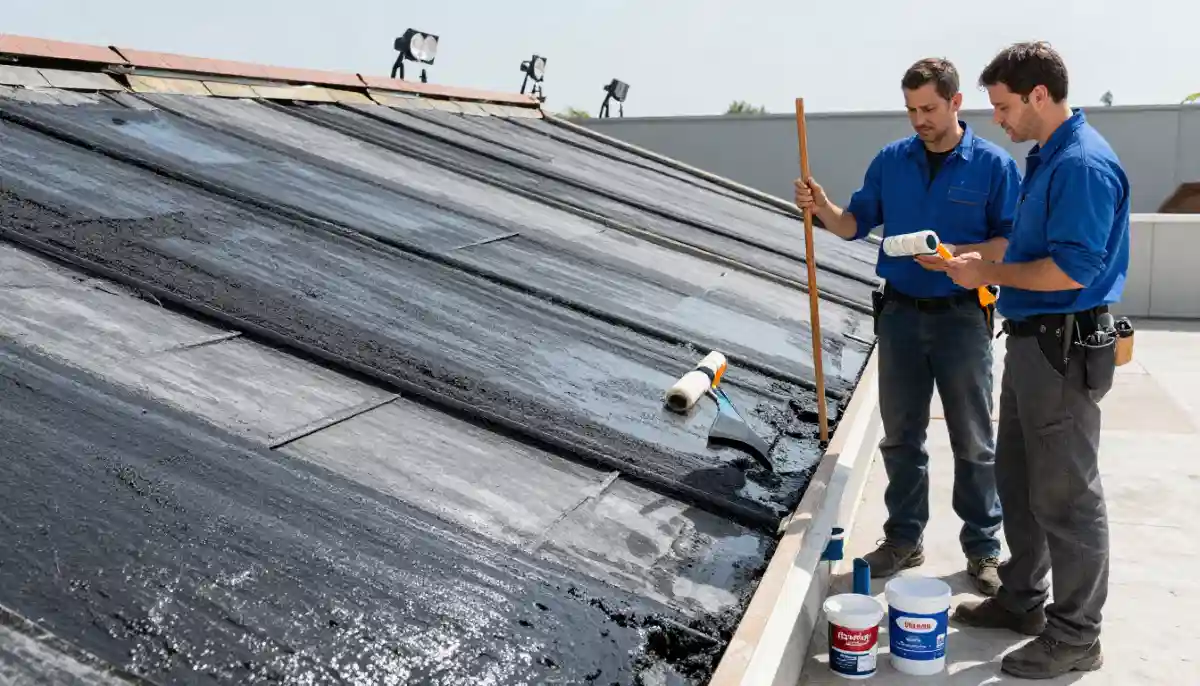
Roof Waterproofing Types, Costs & Products – Complete South African Guide
🏠 Flat roof leaking in Johannesburg? Corrugated iron in Durban? Here’s every roof waterproofing option, what it costs, and which product is best.
Your roof is your home’s first line of defence against the elements. In Johannesburg, hailstorms can damage flat roofs. In Cape Town, winter rains test every seam. In Durban, humidity and tropical downpours demand robust solutions.
Choosing the right roof waterproofing types costs products South Africa can be overwhelming. There’s torch-on bitumen, liquid polyurethane, PVC membranes, EPDM rubber, fibreglass, acrylic coatings – each with different lifespans, price points, and suitable applications.
This guide breaks down every option. You’ll learn which system works for your roof type, what each costs, which products are available locally, and how to make the right choice for your climate and budget.
If you’re ready for professional help, explore our Services Overview or visit our Waterproofing Services page to find vetted contractors near you. For more on how we work, see How It Works.
📋 REGULATORY COMPLIANCE: All roof coverings must comply with SANS 10400 Part L (roofs) and Part O (lightweight construction). Product compliance should be verified with manufacturers like Safeguard and Polyflor.
Need Expert Advice on Your Roof?
Get free, no-obligation quotes from vetted roofing and waterproofing specialists who can recommend the best system for your specific roof.
Find Roofing Specialists Near Me
Servicing Johannesburg, Pretoria, Cape Town, Durban, and nationwide
📋 Table of Contents – Roof Waterproofing Guide
🏗️ Roof Types & Their Waterproofing Needs
Different roof types require different waterproofing approaches. Understanding your roof is the first step.
Flat Roofs
Common on townhouses, extensions, and commercial buildings. Water pools – needs robust, seamless waterproofing. Options: torch-on bitumen, liquid polyurethane, PVC membrane, EPDM.
Pitched Roofs
Tiled or metal roofs with slopes. Water runs off – waterproofing focuses on underlayment and flashings. Options: breathable membranes, metal roof coatings.
Concrete Roofs
Common in modern homes and apartments. Can be flat or sloped. Needs waterproofing that bonds to concrete. Options: cementitious coatings, liquid polyurethane, torch-on.
Corrugated Metal Roofs
Farm buildings, industrial, and some homes. Prone to rust and leaks at fasteners. Options: elastomeric coatings, bituminous paint.
Learn more about our approach on our About Us page or read why clients choose us on our Benefits page.
🔥 Torch-on Bitumen Membrane – The Traditional Workhorse
Torch-on bitumen is the most common flat roof waterproofing in South Africa. It consists of modified bitumen sheets applied with a gas torch, melting the underside to bond to the substrate.
How It Works
- Sheets are rolled out and overlapped
- Torch heats the bitumen, creating a permanent bond
- Multiple layers for reinforcement
- Finished with reflective coating for UV protection
Pros
- Proven track record – decades of use
- Excellent waterproofing
- Good value for money
- Can be applied to most flat roof substrates
- Reinforcement options for strength
Cons
- Open flame – not allowed on some buildings (heritage, flammable structures)
- Seams are potential weak points if not done properly
- Requires skilled applicator
- Dark surface absorbs heat (can be coated)
Cost
R180 – R350 per m² installed, depending on thickness (3mm or 4mm) and number of layers.
See our roof waterproofing page for more details.
💧 Liquid Polyurethane Waterproofing – Seamless Protection
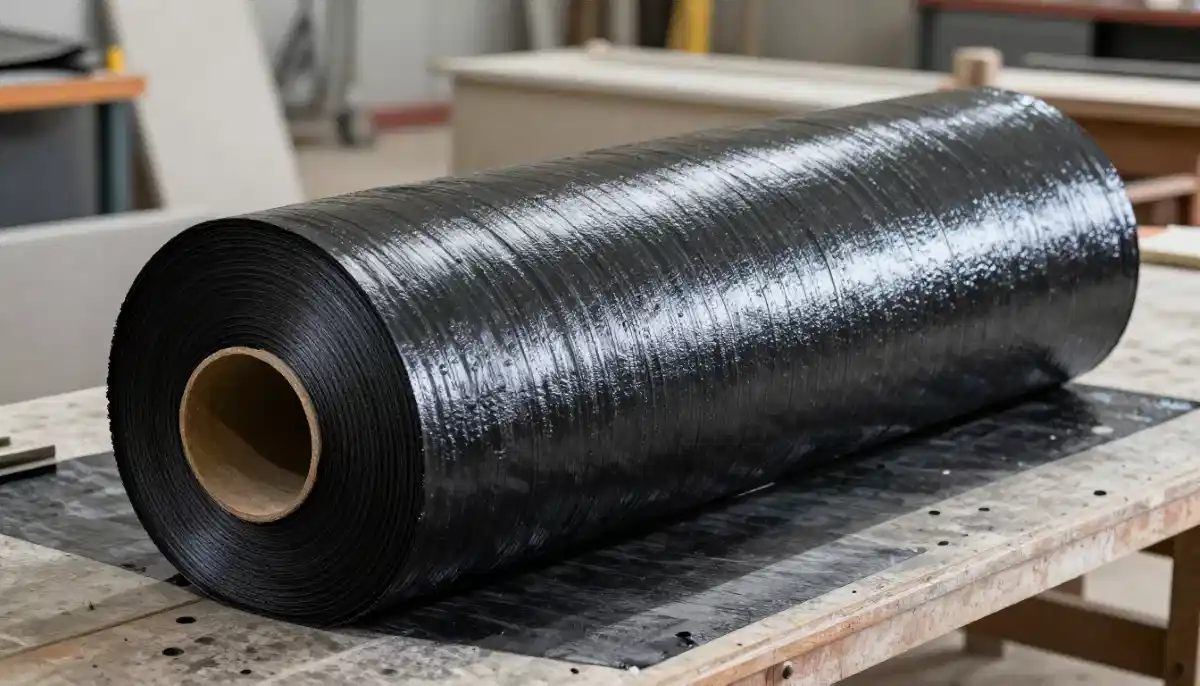
Liquid polyurethane is a cold-applied liquid that cures to form a seamless, rubber-like membrane. Ideal for complex shapes and details.
How It Works
- Liquid is mixed and applied by roller or spray
- Cures by chemical reaction to form seamless membrane
- Reinforcement fabric added in critical areas
- Can be built up to required thickness
Pros
- Seamless – no joints to fail
- Excellent for complex shapes, details, penetrations
- Cold-applied – no open flame
- High elasticity – bridges cracks
- Walkable when cured
Cons
- Higher cost than torch-on
- Requires precise mixing and application
- Sensitive to moisture during application
- Thickness must be carefully controlled
Cost
R220 – R320 per m² installed for standard 1.5mm thickness. Heavier duty 2.0mm costs R260-R380.
For a detailed comparison with torch-on, see our torch-on vs liquid guide.
📋 PVC Roofing Membrane – Modern & Durable
PVC roofing membrane is a single-ply synthetic sheet, usually mechanically fastened or fully adhered. Popular for large commercial roofs but increasingly used in high-end residential.
How It Works
- Large sheets are rolled out
- Seams are heat-welded with hot air
- Mechanically fastened at edges or fully adhered
- Light-coloured for energy efficiency
Pros
- Very durable – 20-30 year lifespan
- Heat-welded seams are stronger than sheet
- Light colour reduces heat absorption
- Flexible – accommodates movement
- UV stable
Cons
- Higher cost
- Requires specialist installers
- Not suitable for all substrates
- Mechanical fasteners can be penetration points
PVC Roofing Membrane Cost
R300 – R450 per m² installed, depending on thickness (1.2mm, 1.5mm, 2.0mm) and fixing method.
🫧 EPDM Rubber Roofing South Africa – Flexible & Durable
EPDM rubber roofing South Africa is a synthetic rubber membrane, highly flexible and UV resistant. Popular for flat roofs, ponds, and green roofs.
How It Works
- Large sheets (up to 15m wide) minimise seams
- Fully adhered or ballasted with gravel
- Seams are taped or liquid-adhered
- Extremely flexible – accommodates movement
Pros
- Very long lifespan – 40-50 years
- Excellent UV resistance
- Flexible – ideal for complex shapes
- Large sheets mean fewer seams
- Environmentally friendly options
Cons
- Higher cost
- Black colour absorbs heat (can be coated)
- Seam adhesives require skill
- Not as puncture-resistant as some options
Cost
R350 – R500 per m² installed for 1.0mm-1.5mm membrane. Thicker membranes cost more.
🧪 Fibreglass (GRP) Roofing – Strong & Seamless
Fibreglass (GRP) is a composite material of glass fibre reinforcement and resin. Applied as a liquid that cures to a hard, durable finish.
How It Works
- Resin and hardener mixed on site
- Glass fibre mat embedded in resin
- Multiple layers built up
- Topcoat for UV protection
Pros
- Very strong and durable
- Seamless – no joints
- Can be walked on
- Ideal for balconies and terraces
- Good chemical resistance
Cons
- Higher cost
- Requires skilled application
- Can become brittle with age if not formulated correctly
- Strong smell during application
Cost
R400 – R600 per m² installed, depending on thickness and number of layers.
🎨 Acrylic Roof Coating – Budget-Friendly Maintenance
Acrylic roof coating is a water-based elastomeric coating, often used for maintenance and recoating existing roofs. Not a standalone new roof solution.
How It Works
- Applied by roller or spray like thick paint
- Forms a flexible, reflective coating
- Typically used over existing waterproofing
- Multiple coats required
Pros
- Low cost
- Easy to apply
- Reflective – reduces heat gain
- Good for extending life of existing roofs
- Water-based, low odour
Cons
- Shorter lifespan – 5-10 years
- Not for new roofs or severe leaks
- Can pond if not applied correctly
- Less durable than other options
Acrylic Roof Coating Price
R150 – R220 per m² installed for a complete system (primer + 2 coats).
🧱 Cementitious Waterproofing – For Concrete Roofs
Cementitious waterproofing is a cement-based coating, often used on concrete roof decks before tiling or as a base.
How It Works
- Powder mixed with water or polymer
- Applied like plaster
- Can be reinforced with mesh
- Forms a rigid, waterproof layer
Pros
- Good bond to concrete
- Can be tiled over
- Breathable options available
- Reasonable cost
Cons
- Rigid – may crack with movement
- Not for roofs with movement
- Requires protection if trafficked
- Not UV stable without coating
Cost
R120 – R200 per m² installed, depending on thickness and whether reinforcement is used.
❄️ Cold-Applied Bitumen – Torch-Free Alternative
Cold-applied bitumen systems use solvent-borne or water-borne bitumen emulsions, often reinforced with fabric. A torch-free alternative.
How It Works
- Liquid bitumen applied by roller or squeegee
- Reinforcement fabric embedded between coats
- Multiple layers built up
- Topcoat for UV protection
Pros
- No open flame – safer on some buildings
- Good for DIY (small areas)
- Flexible
- Can be reinforced
Cons
- Solvent-based options have strong odour
- May not be as durable as torch-on
- Requires multiple coats
- Longer curing time
Cost
R150 – R250 per m² installed for a complete system.
📊 Complete Roof Waterproofing Comparison Table
Here’s how all the systems compare side-by-side:
| System | Cost per m² | Lifespan | Best For | Pros | Cons |
|---|---|---|---|---|---|
| Torch-on Bitumen | R180-R350 | 15-20 years | Flat roofs, concrete decks | Proven, good value | Open flame, seams |
| Liquid Polyurethane | R220-R380 | 15-25 years | Complex shapes, balconies | Seamless, flexible | Higher cost |
| PVC Membrane | R300-R450 | 20-30 years | Large flat roofs | Durable, heat-welded seams | Higher cost, specialist |
| EPDM Rubber | R350-R500 | 40-50 years | Green roofs, ponds | Very long life, flexible | Highest cost |
| Fibreglass (GRP) | R400-R600 | 20-25 years | Balconies, terraces | Very strong, seamless | Highest cost |
| Acrylic Coating | R150-R220 | 5-10 years | Maintenance, recoating | Low cost, reflective | Short lifespan |
| Cementitious | R120-R200 | 10-15 years | Concrete roofs, under tile | Good bond to concrete | Rigid, may crack |
| Cold-applied Bitumen | R150-R250 | 10-15 years | Torch-free applications | No flame, DIY-friendly | Less durable |
🏢 Best Systems for Flat Roofs
Flat roofs need robust, seamless or well-sealed systems. Top choices:
- Torch-on bitumen: Best value, proven performance – ideal for most homes
- Liquid polyurethane: Excellent for complex shapes, penetrations, and where seams are a concern
- PVC membrane: Premium choice for long life and energy efficiency
- EPDM: Ultimate lifespan, ideal for green roofs
For flat roofs in Pretoria and Centurion with hail risk, thicker membranes are recommended. See our flat roof problems guide for common issues.
🏠 Best Systems for Pitched Roofs
Pitched roofs rely on underlayment and flashings rather than full membranes.
- Sarking/underlayment: Breathable membranes under tiles or metal
- Metal roof coatings: Elastomeric coatings for corrugated iron
- Flashing details: Critical at valleys, ridges, and penetrations
- Tile sealants: For specific leak points
For pitched roofs in Paarl and Stellenbosch with heavy winter rain, quality underlayment is essential.
🪙 Corrugated Metal Roof Coating
Metal roofs need protection from rust and leaks at fasteners. Corrugated metal roof coating systems include:
- Acrylic elastomeric coatings: R150-R220 per m² – good for 5-10 years
- Polyurethane coatings: R200-R300 per m² – more durable, 10-15 years
- Silicone coatings: R250-R350 per m² – excellent UV resistance
- Bituminous paint: R80-R150 per m² – basic protection
Proper preparation (rust removal, priming) is critical for metal roof coatings. See our roof painting page for more.
🧱 Concrete Roof Waterproofing
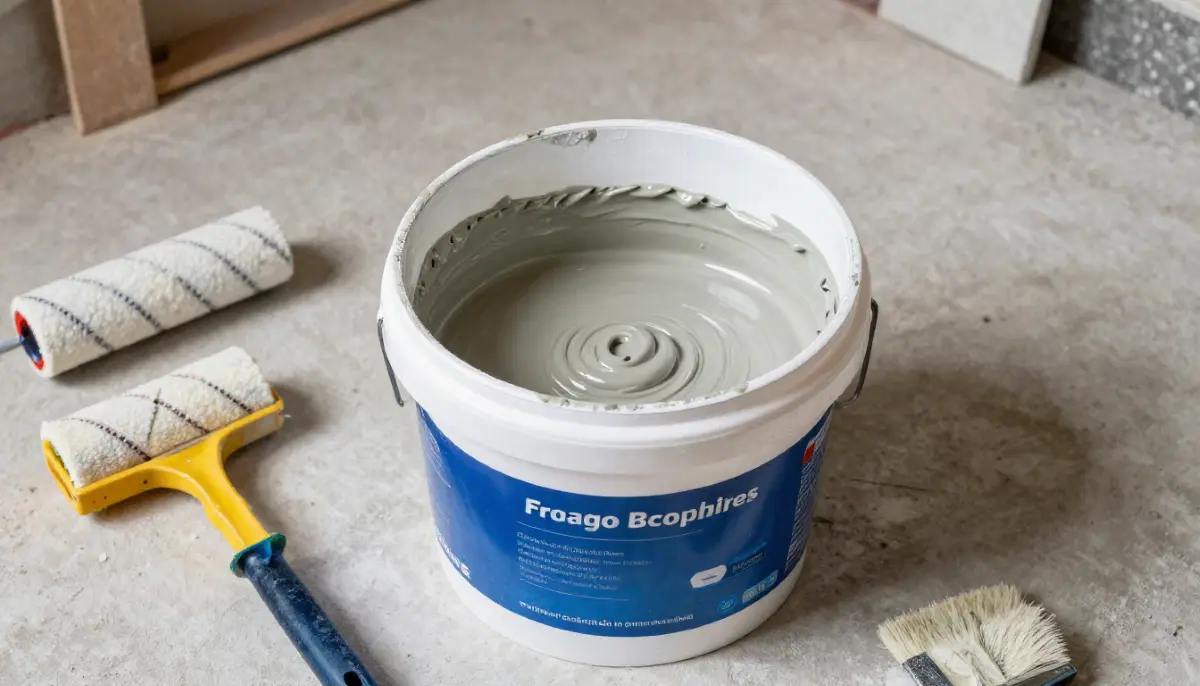
Concrete roofs are common in modern construction. Concrete roof waterproofing options:
- Cementitious coating: R120-R200 per m² – good base for tiling
- Liquid polyurethane: R220-R320 per m² – seamless, flexible
- Torch-on bitumen: R180-R350 per m² – proven performance
- Acrylic coatings: R150-R220 per m² – maintenance option
Concrete must be properly cured and primed before waterproofing. For new builds in Midrand and Sandton, plan waterproofing early.
☀️ UV Stability – Why It Matters
South Africa’s high UV levels can degrade waterproofing materials. UV stability is critical for exposed systems.
- Bitumen: Needs protective coating or mineral finish
- Polyurethane: UV stable grades available, or needs topcoat
- PVC: Excellent UV resistance
- EPDM: Excellent UV resistance
- Acrylic: Good UV resistance (white reflects UV)
- Cementitious: Poor UV resistance – needs coating or tiling
Always check manufacturer specifications for UV stability. In high-altitude areas like Gauteng, this is especially important.
🕸️ Reinforcement Scrim & Detailing
Reinforcement scrim (fabric) is embedded in liquid systems at critical points: corners, joints, penetrations. This prevents cracking and strengthens the membrane.
- Always reinforce internal and external corners
- Detail strips at pipe penetrations
- Reinforcement in valley gutters
- Proper detailing is as important as the membrane itself
A good contractor will show you where reinforcement is used. See our contractor guide for what to look for.
💰 Roof Waterproofing Costs by System
Here’s a quick reference for installed costs:
- Torch-on bitumen: R180 – R350 per m²
- Liquid polyurethane: R220 – R380 per m²
- PVC membrane: R300 – R450 per m²
- EPDM rubber: R350 – R500 per m²
- Fibreglass (GRP): R400 – R600 per m²
- Acrylic coating: R150 – R220 per m²
- Cementitious: R120 – R200 per m²
- Cold-applied bitumen: R150 – R250 per m²
For detailed pricing, see our waterproofing cost guide.
📍 Regional Recommendations by City
📌 Johannesburg & Pretoria
Hail risk means thicker membranes recommended. Torch-on bitumen (4mm) or liquid polyurethane (2mm) with impact resistance. UV protection important at altitude.
📌 Durban & Umhlanga
High humidity and tropical rain – focus on systems with excellent waterproofing and mould resistance. Liquid polyurethane or PVC membrane with sealed edges.
📌 Cape Town & Stellenbosch
Winter rainfall – systems must handle prolonged wet. Torch-on bitumen or EPDM with proper fall to drains. Flashing details critical.
📌 Emalahleni & Mpumalanga
Industrial areas may have specific requirements. Consult local specialists familiar with the area.
❌ 8 Common Roof Waterproofing Mistakes
Avoid these errors that lead to leaks and premature failure:
- Mistake #1: Wrong system for roof type. Using acrylic coating on a flat roof with ponding water will fail quickly. Choose based on your specific roof.
- Mistake #2: Poor surface preparation. The best membrane will fail on a dirty, damp, or uneven surface. Preparation is critical.
- Mistake #3: Inadequate falls. Flat roofs need proper drainage – ponding water finds any weakness.
- Mistake #4: Ignoring details. Flashings at edges, pipes, and penetrations are the most common leak points.
- Mistake #5: Wrong thickness. Too thin a membrane won’t last. Follow manufacturer specifications.
- Mistake #6: No reinforcement at corners. Stress points need reinforcement fabric in liquid systems.
- Mistake #7: Applying in poor weather. Many systems can’t be applied in rain or high humidity.
- Mistake #8: Choosing by price alone. The cheapest quote often means cheapest materials or inexperienced applicators.
For more guidance, see our contractor selection guide.
❓ Frequently Asked Questions
What is the best roof waterproofing system in South Africa?
The best roof waterproofing system depends on your roof type. For flat roofs, torch-on bitumen offers the best value. For complex shapes, liquid polyurethane is excellent. For maximum lifespan, PVC or EPDM membranes are top choices. Consider your climate, budget, and roof access when deciding.
How much does roof waterproofing cost in South Africa?
Roof waterproofing cost ranges from R150-R600 per m² depending on system. Torch-on bitumen: R180-R350, liquid polyurethane: R220-R380, PVC membrane: R300-R450, EPDM rubber: R350-R500. A typical 100m² flat roof costs R18,000-R45,000 installed. Get multiple quotes for accurate pricing.
What is better – torch-on or liquid waterproofing?
In the torch-on vs liquid membrane debate, torch-on is excellent for straightforward flat roofs, offering good value. Liquid polyurethane is better for complex shapes, details, and where open flames are prohibited. Both are proven systems – choose based on your specific roof.
How long does roof waterproofing last?
Lifespan varies by system: torch-on bitumen 15-20 years, liquid polyurethane 15-25 years, PVC membrane 20-30 years, EPDM rubber 40-50 years, acrylic coating 5-10 years. Proper installation and maintenance extend life. Thicker membranes generally last longer.
What is PVC roofing membrane?
PVC roofing membrane is a single-ply synthetic sheet, heat-welded at seams for durability. It’s lightweight, UV stable, and long-lasting (20-30 years). Cost is R300-R450 per m² installed. Popular for commercial and high-end residential flat roofs.
Is EPDM rubber roofing available in South Africa?
Yes, EPDM rubber roofing South Africa is available through several suppliers. It’s a premium option with 40-50 year lifespan, excellent flexibility, and UV resistance. Cost is R350-R500 per m² installed. Ideal for green roofs, ponds, and complex shapes.
What is the best coating for corrugated metal roofs?
For corrugated metal roof coating, acrylic elastomeric coatings (R150-R220 per m²) are popular for budget projects. Polyurethane coatings (R200-R300) offer longer life. Silicone coatings (R250-R350) provide excellent UV resistance. Proper rust treatment and priming are essential.
Do I need reinforcement scrim in liquid waterproofing?
Reinforcement scrim is essential at corners, joints, and penetrations in liquid systems. It prevents cracking and strengthens the membrane. Quality contractors always reinforce these critical areas – it’s a sign of proper workmanship.
✅ Final Thoughts – Your Roof Waterproofing Action Plan
Your roof is too important to gamble with. Choosing the right system and contractor ensures decades of protection.
Key takeaways:
- Match system to roof: Flat vs pitched, concrete vs metal – each needs different solutions
- Consider climate: UV in Gauteng, rain in Cape Town, humidity in Durban
- Don’t skimp on thickness: Thicker membranes last longer
- Details matter: Flashings, corners, penetrations – where most leaks start
- Get multiple quotes: Compare like-for-like systems and warranties
- Verify credentials: Use experienced, insured contractors
🏠 The Bottom Line:
R150 – R600 per m²
is the range for professional roof waterproofing – a small price for protecting your entire home from water damage.
Your 5-Step Action Plan
- Identify your roof type – flat, pitched, concrete, or metal
- Research suitable systems – use our comparison table
- Get 3 detailed quotes from vetted contractors – use our free quote system
- Compare warranties and thickness – not just price
- Choose and schedule – ensure proper weather for application
Ready to Protect Your Roof?
Get free, no-obligation quotes from vetted roofing and waterproofing specialists who will recommend the perfect system for your home.
📞 Call us: 073 138 4726 for personalised assistance
Free site inspections •
Beat-your-quote guarantee •
Our guarantees
📚 Official resources & standards:
- Safeguard – Waterproofing product compliance and technical data
- Polyflor – Membrane manufacturer standards and specifications
- SANS 10400 – Building regulations for roof coverings
Information accurate as of publication. Prices are indicative and may vary by location and contractor. This guide is for informational purposes.
Written by: Innocent T Hanyani
21+ years construction and digital industry experience, ServiceLink SA
Innocent has specified and overseen roof waterproofing on hundreds of South African homes, working with all major systems and manufacturers. His expertise ensures this guide reflects current best practices and product options.
For more detailed information, explore our waterproofing cost guide for comprehensive pricing, our torch-on vs liquid comparison for help choosing between these popular systems, and our flat roof problems guide for troubleshooting existing leaks. These resources work together to give you complete knowledge about roof waterproofing.