
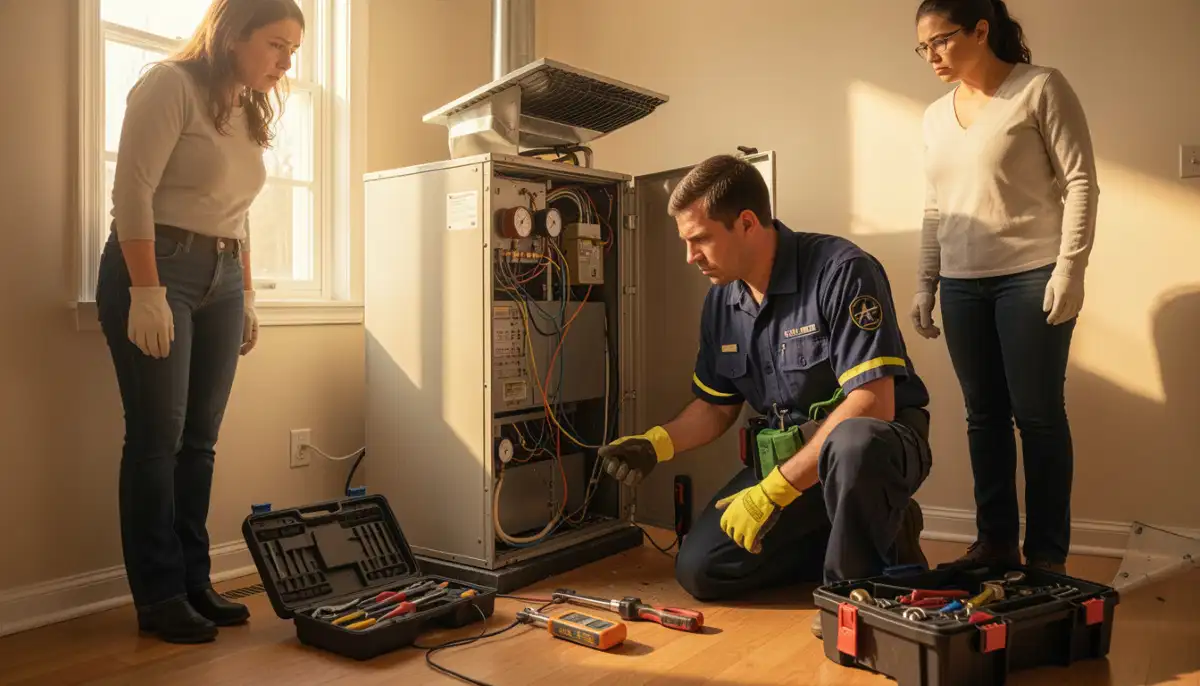
Aircon Smells Bad and Won’t Go Away?
Get free quotes from verified local aircon repair technicians. Professional cleaning eliminates mould and bacteria.
Find Aircon Cleaning Specialists Near Me
Servicing Johannesburg, Pretoria, Cape Town, Durban, Sandton, and across South Africa
Aircon Smells Bad? That Stench Could Be Dangerous — Fix It Now
👃🦠 From musty mould to burning wires—identify the smell and eliminate the danger before it affects your health
You walk into your living room and notice it. A strange smell. Musty. Damp. Like old socks or a wet dog. Or worse—a burning, chemical odour that makes you worry.
You check the kitchen. Nothing. The bathroom. Nothing. Then you realise—it’s coming from the air conditioner.
Your heart races. “What is that smell? Is it dangerous? Is my aircon about to catch fire? Is this mould making my family sick?”
I’ve been there. And after helping hundreds of homeowners with aircon smell problems, I’ve learned that different smells mean different problems. A musty smell usually means mould and bacteria growing inside your unit—this can cause respiratory issues, allergies, and asthma attacks. A burning smell could mean an electrical problem—a fire risk. A chemical smell could mean a refrigerant leak—harmful to breathe.
In this guide, I’ll walk you through 6 common smelly air conditioner problems. For each smell, I’ll explain what’s causing it, how urgent it is, and how to fix it—from simple DIY cleaning to professional repairs.
For more maintenance help, check our maintenance checklist and filter cleaning guide. Ready to eliminate that bad smell? Let’s go.
📋 Table of Contents – Aircon Smell Troubleshooting Guide
🦠 Smell #1: Musty or Mildew (Mould Buildup)
A musty, damp, or mouldy smell is the most common aircon smell complaint. It usually means mould and mildew are growing inside your unit.
What it smells like: Damp basement, wet cardboard, old socks, or a musty wardrobe.
What causes it: Mould buildup inside your air conditioner. Air conditioners create condensation (water) as they cool. This water sits in the drain pan, on the coils, and in the drain line. In warm, dark, damp environments (perfect conditions for mould), mould and bacteria grow. When the fan blows, it pushes mould spores and their musty smell into your room.
Health risks: Mould spores can cause respiratory issues, allergies, asthma attacks, headaches, and eye irritation. People with weakened immune systems, children, and the elderly are most vulnerable.
Is this urgent? Moderately urgent due to health risks. Don’t ignore it—mould won’t go away on its own and will worsen over time.
DIY fix (30-60 minutes):
- Turn off the aircon at the isolator switch
- Remove and clean the filter (see filter cleaning guide)
- Clean the drain line with vinegar/water solution (see drain line cleaning guide)
- Use a coil cleaner spray on the evaporator coils (follow product instructions)
- Run the fan only (no cooling) for 2-3 hours to dry out the unit
- If the smell persists, you need professional deep cleaning
⚠️ Health Warning:
Mould in air conditioners is a serious health risk. If anyone in your home has asthma, allergies, or a weakened immune system, don’t delay fixing this smell. Professional deep cleaning may be necessary to fully eliminate mould from inside the unit where DIY can’t reach.
Professional fix: Professional deep cleaning (R500-R1,500) includes coil cleaning, drain pan sanitising, drain line flushing, and mould treatment.
🧦 Smell #2: Dirty Sock Syndrome (Bacteria on Coils)
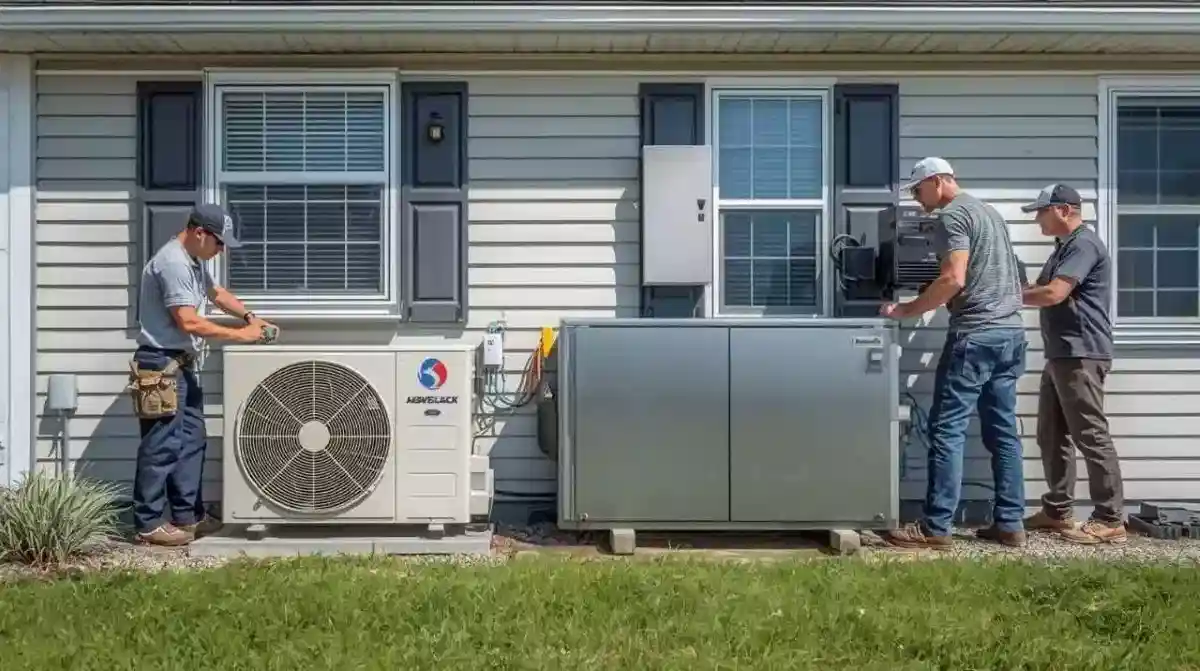
“Dirty sock syndrome” is a specific type of smell caused by bacteria growing on your air conditioner’s evaporator coils.
What it smells like: Exactly like dirty, sweaty socks or gym laundry that was left wet too long.
What causes it: Bacteria (not mould) growing on the evaporator coils. This is most common in units that cycle between cooling and heating (heat pumps) or in humid climates. The bacteria produce a distinct odour when the coils get wet (during cooling) and then dry (when the unit cycles off).
Why it’s different from mould: Mould smells musty and earthy. Dirty sock syndrome smells like sweaty feet or gym clothes. The cause is different (bacteria vs mould), and the fix is different.
Is this urgent? Low urgency for health (bacteria are less dangerous than mould), but the smell is unpleasant. Schedule cleaning soon.
DIY fix (may not work fully): Standard coil cleaning may not eliminate bacteria. You need a specialised coil cleaner designed for bacteria (look for “anti-bacterial” or “disinfecting” coil cleaner).
Professional fix: A technician will use professional-grade disinfectant on the coils. Cost: R500-R1,000. In severe cases, the coils may need to be removed for deep cleaning (R1,500-R2,500).
Musty or Mouldy Smell Won’t Go Away?
DIY cleaning might not reach deep mould inside your unit. Get free quotes from professional aircon cleaners.
Get Free Quotes From Local Technicians
Professional deep cleaning eliminates mould and bacteria.
🔥 Smell #3: Burning or Electrical (Fire Risk!)
A burning smell from your air conditioner is the most dangerous. Act immediately.
What it smells like: Burning plastic, burning rubber, electrical insulation burning, or a “hot wire” smell.
What causes it:
- Electrical short or overheating: Loose wires, damaged insulation, or faulty components can overheat and burn.
- Failed capacitor: Capacitors can overheat and release a burning smell before failing.
- Fan motor overheating: A seized or struggling fan motor can overheat and burn.
- Compressor overheating: A failing compressor can overheat and burn.
- Debris on heating element (heat pump models): Dust burning off the heating element (this is usually a one-time smell after winter).
Is this urgent? EXTREMELY URGENT. Turn off the aircon IMMEDIATELY at the isolator switch AND at the breaker. This is a fire risk.
DIY fix? NO. Do not run the unit. Do not attempt to diagnose yourself. Call a professional immediately.
Professional fix: A technician will find the source of the burning smell. Possible repairs: tightening electrical connections, replacing a capacitor (R500-R1,000), replacing a fan motor (R1,500-R3,500), or replacing the compressor (R5,000-R12,000).
🚨 FIRE RISK:
A burning smell from your aircon is a potential electrical fire. Turn off the unit at the breaker immediately. Do not turn it back on until a qualified technician has inspected and repaired the problem. This is not something to “wait and see” about.

🧪 Smell #4: Chemical or Sweet (Refrigerant Leak)
A chemical or sweet smell from your aircon could indicate a refrigerant leak—this is harmful to breathe and damages the environment.
What it smells like: Sweet, chloroform-like, or chemical smell. Some people describe it as smelling like a hospital or cleaning fluid.
What causes it: A refrigerant leak. Refrigerant gases (R32, R410A, R22) have a slightly sweet, chemical odour. Modern refrigerants are also harmful to the environment (high global warming potential).
Other signs of refrigerant leak:
- Aircon is not cooling properly (or blowing warm air)
- Ice forming on the copper pipes or indoor unit
- Hissing sound from the outdoor unit or pipes
- Higher electricity bills (compressor running longer)
Health risks: Refrigerant displaces oxygen in enclosed spaces. Symptoms of refrigerant exposure: headache, dizziness, nausea, eye/throat irritation, difficulty breathing. In severe cases (large leak in small room), refrigerant can cause unconsciousness.
Is this urgent? HIGH urgency. Turn off the aircon and ventilate the room (open windows). Call a professional immediately.
DIY fix? NO. Refrigerant handling requires SAQCA certification. It’s illegal to handle refrigerants without a license. Also, you cannot “seal” a leak yourself.
Professional fix: A certified technician will locate the leak using electronic leak detector or UV dye, repair the leak, vacuum the system, and recharge with the correct refrigerant. Cost: R1,500-R4,000.
Read our refrigerant leak guide and gas refill cost guide.
🥚 Smell #5: Rotten Eggs or Sewage (Dead Animal or Gas)
A rotten egg or sewage smell is unusual and requires investigation.
What it smells like: Rotten eggs, sewage, or decomposing organic matter.
What causes it:
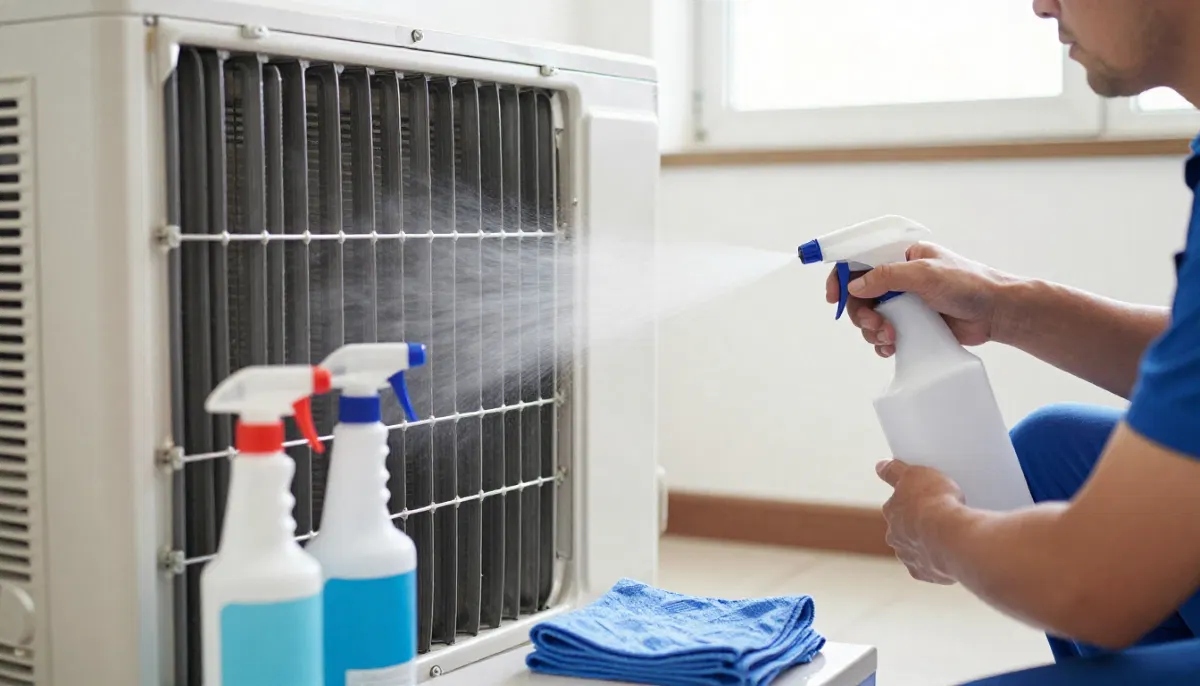
- Dead animal inside the unit: A mouse, rat, bird, or lizard may have died inside the outdoor unit, ductwork, or indoor unit. As it decomposes, the smell blows into your home.
- Standing water in drain pan: Stagnant water with bacteria can smell like sewage.
- Gas leak (very rare): Natural gas leaks (if you have gas appliances) can smell like rotten eggs. This is a separate emergency.
Is this urgent? Moderate to high urgency. A dead animal is unhygienic and can spread disease. A gas leak is an immediate emergency.
DIY fix (for dead animal): If you can access the outdoor unit safely, inspect for signs of animal entry (droppings, nesting material). Removal of a dead animal is unpleasant—most homeowners call a professional.
Professional fix: A technician will locate and remove any dead animal, sanitise the area, and seal entry points. Cost: R500-R1,500 depending on access difficulty.
⚠️ Gas Leak Warning:
If you smell rotten eggs and you have gas appliances (geyser, stove, heater), this could be a natural gas leak. Natural gas is highly explosive. Leave your home immediately, don’t use any electrical switches or phones inside, and call your gas supplier or emergency services from outside. Do not confuse this with aircon smells.
🚬 Smell #6: Cigarette Smoke (Burnt Dust or Outside Source)
A cigarette smoke smell from your aircon usually has a simple cause.
What it smells like: Cigarette smoke, tobacco, or ash.
What causes it:
- Burnt dust on heating element (heat pump models): If you haven’t used the heating function in months, dust accumulates on the heating element. The first time you use heat, the dust burns off and smells like smoke. This usually goes away after 10-15 minutes and is normal.
- Outside smoke being pulled in: If neighbours are smoking near your outdoor unit or a fresh air intake, the smoke is being pulled into your home.
- Previous owner was a smoker: Tar and nicotine residue on coils and filters can release a smoke smell when the unit runs.
Is this urgent? Low urgency (except if it’s a real fire—see burning smell section).
DIY fix:
- If it’s burnt dust (first heat use of season), run the heat for 30 minutes—the smell should disappear.
- Check outside for smokers near your outdoor unit.
- Clean the filter thoroughly (tar residue may need multiple washes).
- Professional deep cleaning may be needed for tar residue on coils.
🚨 Urgency Guide: Fix Now vs Schedule Later
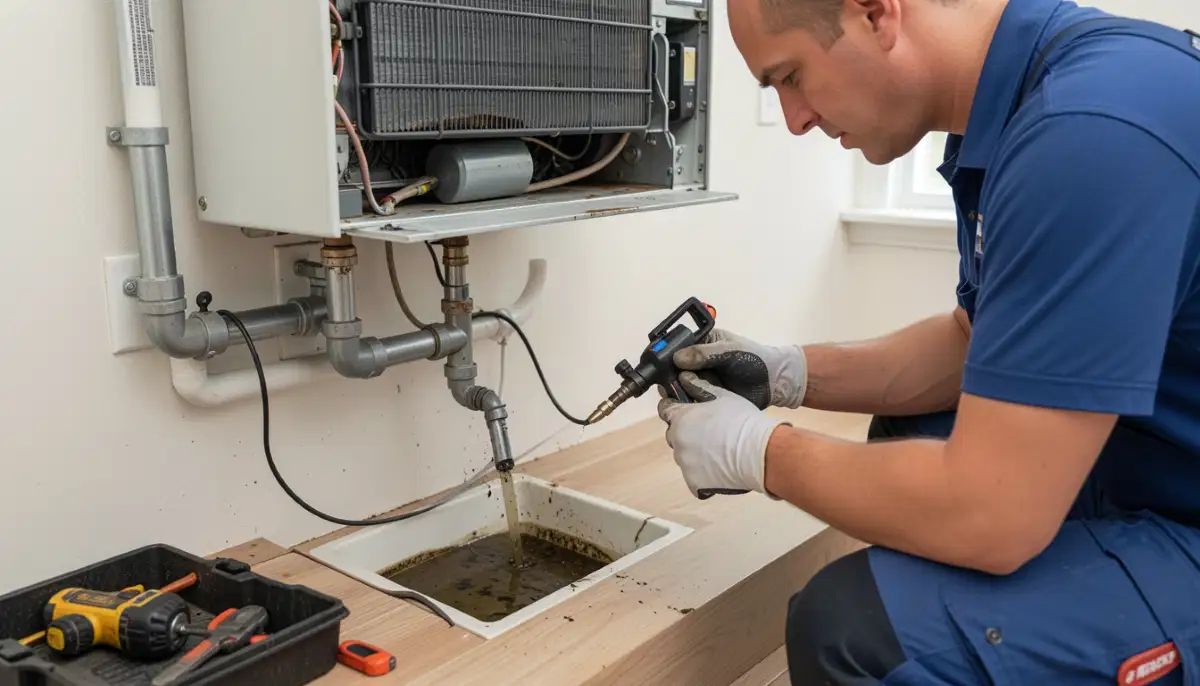
Not all aircon smell problems have the same urgency. Use this guide to decide how quickly you need to act:
| Smell Type | Urgency Level | Action Required |
|---|---|---|
| Musty / Mouldy | ⚠️ Moderate | Clean filter and drain line; if persists, schedule professional cleaning within 1-2 weeks |
| Dirty Sock (bacteria) | 🟡 Low | Schedule professional coil cleaning within 2-4 weeks |
| Burning / Electrical | 🔥 HIGH (fire risk) | Turn off at breaker immediately. Call technician same-day |
| Chemical / Sweet (refrigerant) | 🔥 HIGH (health risk) | Turn off, ventilate room, call technician within 24 hours |
| Rotten Eggs (dead animal) | ⚠️ Moderate | Call technician within 1-3 days (unhygienic) |
| Rotten Eggs (gas leak) | 🔥 HIGH (explosion risk) | Leave home immediately, call gas supplier from outside |
| Cigarette smoke (burnt dust) | ✅ Normal | Run for 30 minutes; should disappear |
🧼 DIY Deep Cleaning Steps (For Musty Smells)
For musty or mouldy smells, try this DIY deep cleaning before calling a professional:
What you’ll need: Screwdriver (to open panels), soft brush, coil cleaner spray (R150-R300 from hardware store), white vinegar, wet/dry vacuum, microfiber cloths, gloves, safety glasses.
Step 1: Safety first – Turn off the aircon at the isolator switch AND at the breaker. Wait 10 minutes for capacitors to discharge.
Step 2: Remove and clean filters – Open the front panel, remove filters, wash with warm soapy water, let dry completely. Read our filter cleaning guide.
Step 3: Clean the drain line – Pour a mixture of 1 part bleach to 10 parts water down the drain pipe from the outside end. Flush with clean water. Read our drain line cleaning guide.
Step 4: Clean the evaporator coils – Spray coil cleaner onto the coils (follow product instructions). Wait 5-10 minutes. Use a soft brush to gently remove loosened debris. Rinse with a spray bottle of water (not pressure).
Step 5: Clean the drain pan – If accessible, wipe out the drain pan with a cloth soaked in vinegar/water solution. Remove any standing water with a wet/dry vacuum.
Step 6: Dry everything – Run the fan only (no cooling) for 2-3 hours to dry all components.
Step 7: Reassemble and test – Reinstall filters, close panels, restore power, run in cool mode. The smell should be gone or significantly reduced.
📌 Important:
If the smell returns within a week, you have deep mould inside the unit that DIY can’t reach. Call a professional for a deep clean that includes removing and cleaning the blower wheel and internal ductwork.
Read our complete coil cleaning guide and maintenance checklist.
📞 When to Call a Professional (Don’t DIY These)
Call a professional immediately for:
- Burning or electrical smells (fire risk)
- Chemical or sweet smells (refrigerant leak)
- Rotten egg smell with gas appliances (gas leak emergency)
- Musty smell that returns after DIY cleaning (deep mould inside unit)
- Smell accompanied by poor cooling or ice on pipes (refrigerant leak)
Also call a professional for:
- Professional deep cleaning: R500-R1,500 for complete interior cleaning (reaches areas DIY cannot).
- Duct cleaning: If you have ducted central air conditioning and smell mustiness, the ducts may need cleaning. Read our duct cleaning guide.
- Dead animal removal: If you can’t access or don’t want to handle a dead animal.
How to find a reliable technician: Use our contractor selection guide. Request quotes from local repair technicians and compare prices. Emergency services available for burning smells or refrigerant leaks.
Read our deep cleaning services guide for professional cleaning options.
🛡️ Prevention: Keep Your Aircon Smelling Fresh
Preventing why does my air conditioner smell problems is easier than fixing them. Here’s a simple prevention schedule:
| Frequency | Task | Time | Prevents |
|---|---|---|---|
| Every 2-4 weeks (summer) | Clean air filters | 5 minutes | Mould and bacteria growth on coils |
| Every 3 months | Pour vinegar down drain line | 2 minutes | Algae and mould in drain line |
| Every 6 months | Check drain pan for standing water | 2 minutes | Stagnant water (bacteria breeding ground) |
| Annually (before summer) | Professional service including coil cleaning | 1 hour (technician) | Deep mould, bacteria, and debris |
| After running heat in winter | Run fan only for 30 minutes before switching to cool | 30 minutes | Dust burning off heating element (temporary smell) |
Read our complete aircon maintenance checklist and service frequency guide. Schedule professional servicing through free inspections and maintenance services.
❓ Frequently Asked Questions About Aircon Smells
Why does my air conditioner smell like dirty socks?
That’s called “dirty sock syndrome”—bacteria growing on your evaporator coils. It’s different from mould (musty smell). The bacteria produce a distinct odour that smells exactly like sweaty feet or gym laundry. Standard coil cleaning may not work; you need a professional disinfectant treatment. Read our coil cleaning guide for solutions.
Why does my air conditioner smell musty?
A musty or mouldy smell means mould buildup inside your air conditioner. Mould grows in the damp, dark environment of the drain pan, coils, and drain line. This is a health risk—mould spores can cause respiratory issues, allergies, and asthma attacks. Clean your filter, flush the drain line with vinegar, and consider professional deep cleaning. Read our maintenance guide.
Why does my air conditioner smell like burning?
A burning smell from your aircon is DANGEROUS. It could indicate an electrical short, overheating wires, a failed capacitor, or a seized fan motor. Turn off the unit at the breaker IMMEDIATELY. Do not run it again until a professional has inspected it. This is a fire risk. Call a technician same-day.
Why does my air conditioner smell like chemicals or sweet?
A chemical or sweet smell usually indicates a refrigerant leak. Refrigerant gases (R32, R410A, R22) have a slightly sweet, chloroform-like odour. This is harmful to breathe and damages the environment. Turn off the aircon, ventilate the room (open windows), and call a certified technician. Do not attempt DIY refrigerant repair—it’s illegal without a license. Read our refrigerant leak guide.
Can a dirty air filter cause bad smells?
Yes, a dirty filter is often the starting point for bad smells. A clogged filter traps dust, pet dander, moisture, and organic matter—all food for mould and bacteria. The filter itself can develop a musty smell. Clean your filter monthly. If the smell persists after cleaning, the problem is deeper (coils, drain pan, or drain line). Read our filter cleaning guide.
How do I get rid of the musty smell from my air conditioner?
Start by cleaning the filter and flushing the drain line with vinegar/water. If the smell persists, use a coil cleaner spray on the evaporator coils. Run the fan only (no cooling) for 2-3 hours to dry everything. If the smell returns within a week, you need professional deep cleaning—DIY can’t reach deep mould inside the unit. Read our drain line cleaning guide.
Is mould in my air conditioner dangerous?
Yes, mould in air conditioners is a health risk. When the fan blows, it pushes mould spores into your room. Inhaled mould spores can cause: respiratory issues, asthma attacks, allergies, headaches, eye irritation, and sinus problems. People with weakened immune systems, children, and the elderly are most vulnerable. Don’t ignore a musty smell—fix it promptly. Read ASHRAE indoor air quality standards.
How often should I have my air conditioner professionally cleaned?
Annually, before summer. Professional cleaning includes coil cleaning, drain pan sanitising, drain line flushing, blower wheel cleaning, and mould treatment. This prevents musty smells, improves efficiency, and extends unit life. If you live in a humid area (Durban, coastal KZN) or have allergy sufferers in your home, consider twice-yearly cleaning.
Why does my air conditioner smell when I first turn it on after winter?
This is usually normal. Over winter, dust accumulates on the heating element (if you have a heat pump) and inside the unit. The first time you use cooling (or heat), the dust burns off, creating a temporary burnt dust smell. Run the unit for 30 minutes—the smell should disappear. If it persists or smells like electrical burning (not dust), turn off the unit and call a professional.
How much does professional aircon cleaning cost in South Africa?
Professional aircon cleaning costs R500-R1,500 depending on unit size and contamination level. This includes filter cleaning, coil cleaning, drain line flushing, drain pan sanitising, and blower wheel cleaning. Duct cleaning (for central systems) costs R1,500-R4,000. Get free quotes from local technicians for accurate pricing. Read our deep cleaning guide.
✅ Final Thoughts: Don’t Ignore Bad Smells
A bad smell from your aircon isn’t just unpleasant—it could be a health hazard or a fire risk. Different smells mean different problems. Learn to recognise them and act appropriately.
Key takeaways for aircon smell troubleshooting:
- Musty/mouldy = mould growth: Clean filter and drain line. If persists, professional deep cleaning needed. Health risk—don’t ignore.
- Dirty sock = bacteria on coils: Needs professional disinfectant treatment.
- Burning/electrical = FIRE RISK: Turn off at breaker immediately. Call technician same-day.
- Chemical/sweet = refrigerant leak: Harmful to breathe. Turn off, ventilate, call technician.
- Rotten eggs = dead animal or gas leak: Gas leak is an explosion risk—leave home immediately.
- Regular maintenance prevents most smells: Clean filters monthly, flush drain line quarterly, professional service annually.
- Don’t mask smells with air fresheners: They don’t fix the underlying problem—they just hide it.
Your action plan: First, identify the smell (musty, burning, chemical, etc.). Second, check urgency using the guide above—turn off immediately if burning or chemical. Third, try DIY cleaning for musty smells (filter, drain line, coils). Fourth, if the smell persists or is dangerous, request quotes from local repair technicians. For emergencies (burning smell, refrigerant leak), use our emergency services.
Musty Smell Won’t Go Away? Or Smelling Something Dangerous?
Get free quotes from verified local technicians for professional cleaning, mould treatment, or emergency repairs.
📞 Call us: 073 138 4726 for immediate help finding aircon cleaning specialists near you.
📚 Official resources & standards referenced:
- ASHRAE – Indoor air quality standards and mould prevention guidelines
- SABS – Mould prevention guidelines and indoor environmental quality standards
- Department of Environment – Refrigerant handling and environmental regulations
Information provided for general guidance based on South African market conditions and common air conditioning systems. Always consult a certified professional for diagnosis and repair of electrical and refrigerant systems. If you suspect a gas leak (rotten egg smell from gas appliances), leave your home immediately and call your gas supplier from outside.
Written by: Innocent T Hanyani
Construction & Home Services Industry Specialist | 21+ Years Experience
Innocent T Hanyani has over two decades of experience working across South Africa’s construction, maintenance, and home services sectors. Throughout his career, he has worked closely with contractors, service providers, and property owners, gaining practical insight into how projects are quoted, managed, and completed. His work focuses on helping homeowners understand how to find reliable contractors, compare quotes, and avoid common industry pitfalls when hiring service professionals. His insights are based on practical industry experience as well as ongoing research into contractor platforms, service marketplaces, and hiring trends across South Africa.