
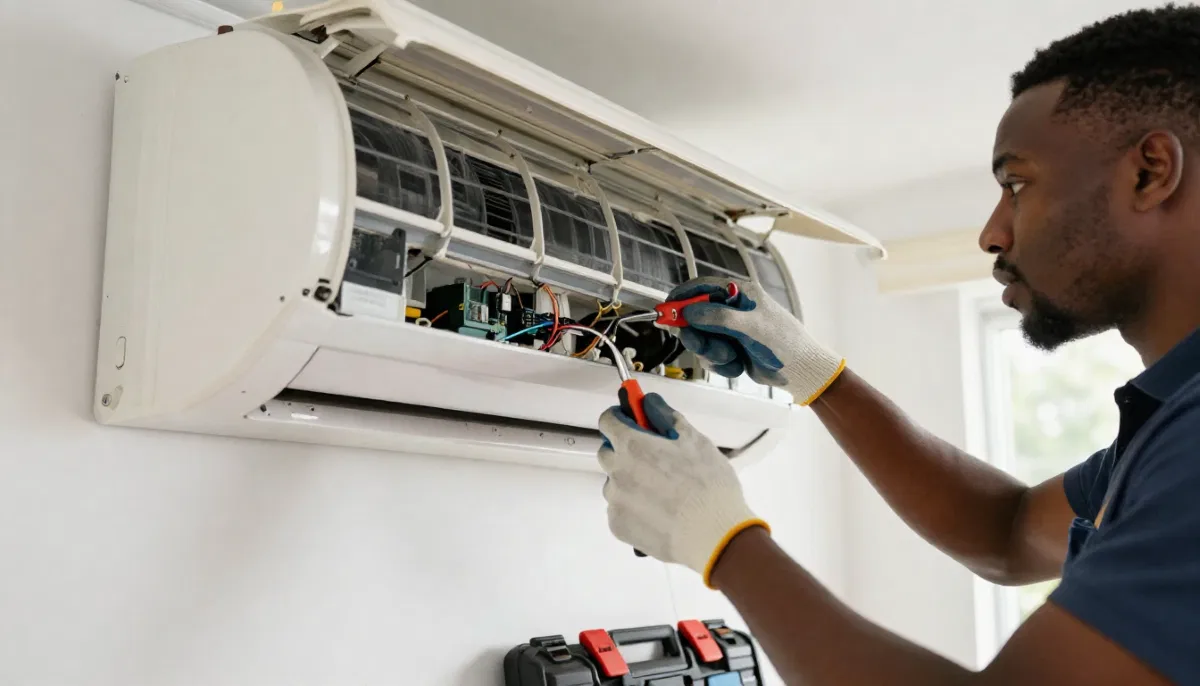
Suspect a Refrigerant Leak?
Get free quotes from certified technicians for leak detection and repair.
Find Certified Gas Technicians Near Me
Servicing Johannesburg, Pretoria, Cape Town, Durban, and across South Africa
Aircon Refrigerant Leak: 6 Warning Signs You’re Losing Gas (And Money)
🧊💨 From ice on pipes to warm air—recognise the signs before your compressor self-destructs
Your aircon was working fine last summer. This year, it’s struggling. The air is barely cool. Ice is forming on the copper pipes. Your electricity bill is creeping up. And you hear a faint hissing sound from the outdoor unit.
These are classic signs of an aircon refrigerant leak. And ignoring them will cost you thousands.
Here’s what most homeowners don’t know: refrigerant doesn’t get “used up.” It circulates in a sealed system. If you’re low on gas, you have a LEAK. Just adding more gas without fixing the leak is like filling a bucket with a hole in it—you’re throwing money away.
Worse, low refrigerant destroys your compressor. The compressor is designed to pump gas, not a mixture of gas and air. When refrigerant leaks out, air and moisture enter the system. The compressor runs hotter, the oil breaks down, and eventually—R5,000-R12,000 later—the compressor fails.
In this guide, I’ll show you 6 warning signs of air conditioner gas leak problems, explain why leaks happen, what professional repair involves, and how to prevent future leaks.
For more technical guidance, check refrigerant types guide and gas refill cost guide. Ready to detect and fix that leak? Let’s go.
📋 Table of Contents
🧪 What Is Refrigerant and Why Does It Leak?
Understanding what refrigerant is helps you understand why leaks are serious.
What is refrigerant? Refrigerant is the “blood” of your air conditioner. It’s a special chemical that changes from liquid to gas and back again, absorbing heat from your room and releasing it outside. Common types: R32 (newer, more efficient), R410A (common in modern units), R22 (older, being phased out).
Does refrigerant get “used up”? NO. This is a critical myth. Refrigerant circulates in a sealed system. It doesn’t get consumed. If you’re low on gas, you have a LEAK.
Why leaks are dangerous: Low refrigerant destroys your compressor (R5,000-R12,000 repair). Refrigerant leaks are harmful to the environment (R32 and R410A have high global warming potential). Inhaling refrigerant in enclosed spaces can cause health issues.
Is DIY repair possible? NO. Refrigerant handling requires SAQCA certification (legal requirement). It’s illegal to handle refrigerants without a license. Always hire a certified technician.
⚠️ The Critical Warning:
If your aircon needs gas every year, you have a leak that needs REPAIR, not just a top-up. Adding gas without fixing the leak is wasting money—the gas will leak out again. More importantly, running a low-refrigerant system destroys your compressor. Fix the leak.
Read our refrigerant types guide.
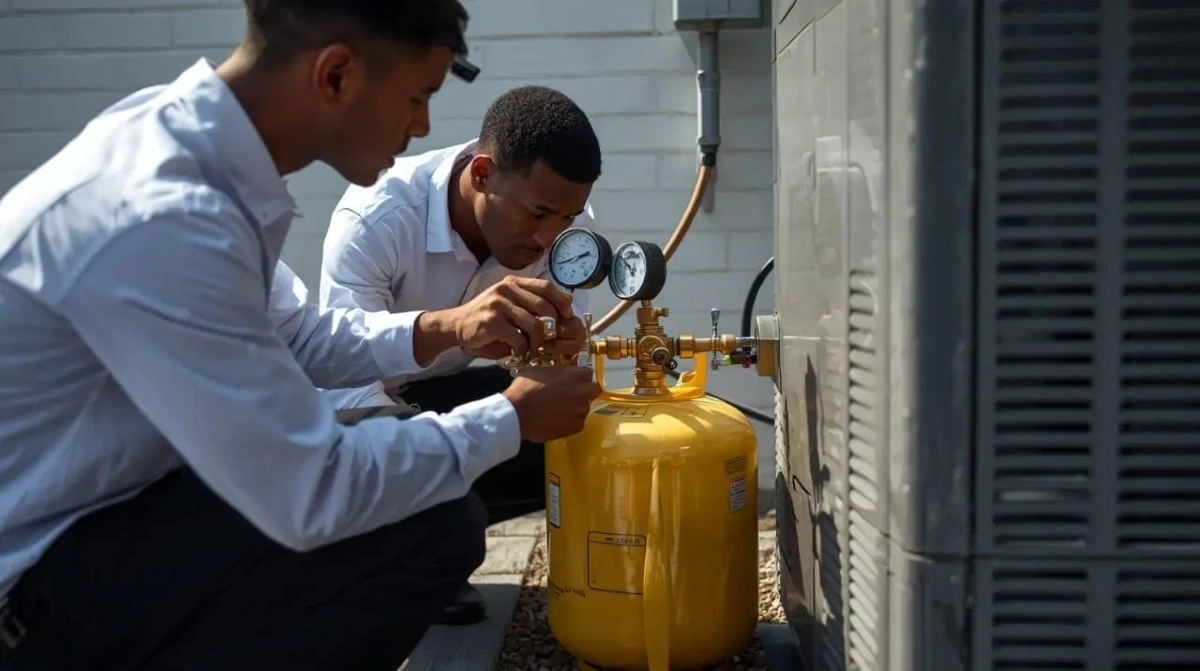
🌡️ Sign #1: Aircon Blows Warm Air (Poor Cooling)
This is the most obvious sign of air conditioner gas leak. The aircon runs, but the air coming out isn’t cold.
What you’ll notice: You set the aircon to 22°C. The room never reaches that temperature. The air coming out of the vents is barely cool or completely warm. The unit runs constantly but doesn’t cool effectively.
What’s happening: Low refrigerant means there’s not enough gas to absorb heat from your room. The compressor runs, but the cooling effect is minimal.
Other possible causes: Dirty filter (restricted airflow). Dirty coils (reduced heat transfer). Wrong remote settings (mode or temperature). Oversized unit. But if cooling has declined gradually over weeks/months, suspect a refrigerant leak.
What to do: Check your filter and remote settings first. If those are fine, call a technician to check refrigerant pressure. Low pressure = leak.
Read our not cooling guide.
🧊 Sign #2: Ice on Coils or Copper Pipes
Ice on your aircon is NEVER normal. It’s a classic sign of low refrigerant.
What you’ll see: Ice forming on the copper pipes (especially the thick insulated pipe). Ice on the evaporator coils inside the indoor unit (visible when you open the front panel). Ice on the outdoor unit connections.
What’s happening: Low refrigerant causes the pressure in the evaporator coils to drop. The coils get too cold—below freezing. Moisture in the air freezes on the coils instead of condensing and draining away. Ice builds up, blocking airflow, making the problem worse.
Other possible causes: Dirty filter (restricted airflow). Dirty coils. Fan motor not working. But if you have ice AND poor cooling, low refrigerant is the most likely cause.
What to do: Turn off the aircon immediately. Run the fan only to melt the ice (2-4 hours). Then call a technician. Don’t run the unit while iced up—this can damage the compressor.
Read our ice build-up guide.
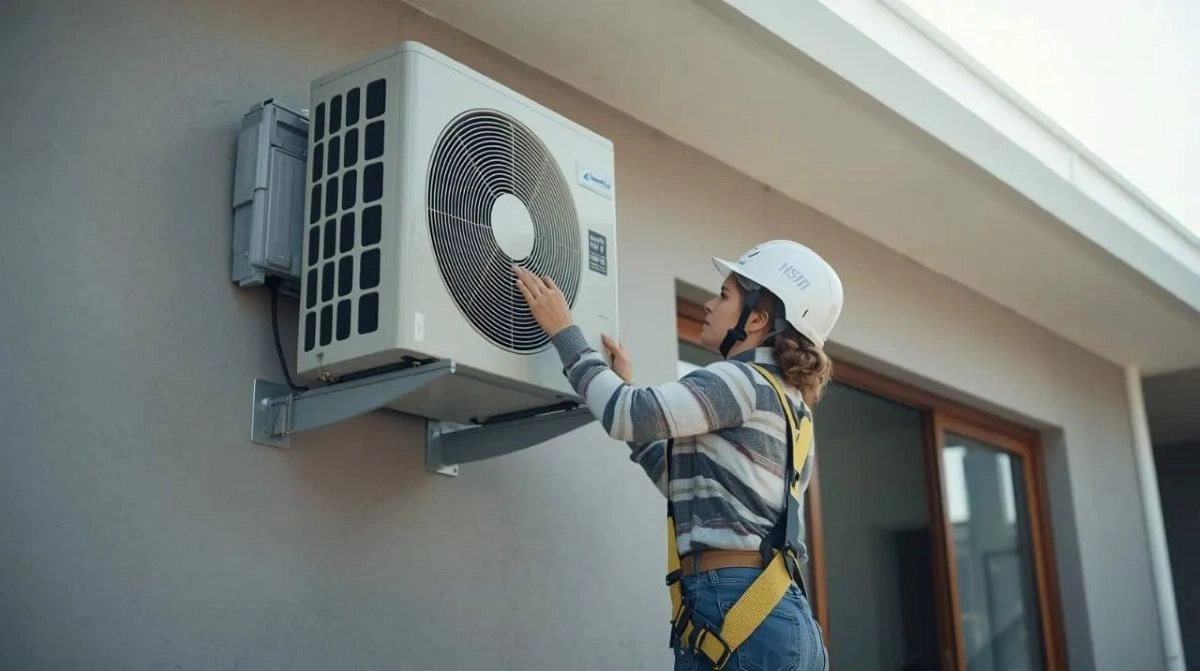
Need Professional Leak Detection?
Get free quotes from certified technicians for refrigerant leak detection and repair.
Get Free Quotes From Local Technicians
SAQCA-certified gas handling technicians only.
🔊 Sign #3: Hissing or Bubbling Sound
A hissing sound from your aircon often means refrigerant is escaping.
What you’ll hear: A continuous hissing sound (like air escaping from a tyre). Sometimes a bubbling or gurgling sound. Usually coming from the outdoor unit or the refrigerant pipes.
What’s happening: Refrigerant gas is escaping through a hole in the copper pipes, flare connections, or compressor seals. The hiss is the sound of high-pressure gas rushing out.
Other possible causes: Normal refrigerant flow (very quiet hiss during operation). But a loud hiss that you can hear from several meters away is almost certainly a leak.
What to do: Turn off the aircon immediately. Call a technician. Do not run the unit—the leak will get worse, and you’re losing expensive refrigerant.
📈 Sign #4: Higher Electricity Bills
A refrigerant leak makes your aircon work harder, showing up as a higher electricity bill.
What you’ll notice: Your electricity bill is 20-40% higher than the same month last year. You haven’t changed your usage habits. The aircon runs longer but doesn’t cool as well.
What’s happening: Low refrigerant reduces cooling capacity. Your aircon runs longer to try to reach the set temperature. The compressor works harder, drawing more current. Both increase electricity consumption.
Other possible causes: Dirty filter, dirty coils, failing compressor. But if cooling has declined and bills have increased, suspect a leak.
What to do: Have a technician check refrigerant pressure. Low pressure = leak.
Read our energy-saving guide.
🔄 Sign #5: Compressor Runs Constantly
A leaking system often runs continuously, never reaching the set temperature.
What you’ll notice: The outdoor unit runs non-stop for hours. The indoor fan also runs continuously. The room never reaches the temperature you set. The unit never cycles off.
What’s happening: Low refrigerant means the system can’t remove enough heat. The thermostat never reaches its target, so the compressor never shuts off. This wears out the compressor prematurely.
Other possible causes: Undersized unit, dirty filter, poor insulation. But if this is a new problem (the unit used to cycle off), suspect a leak.
What to do: Call a technician for pressure check.
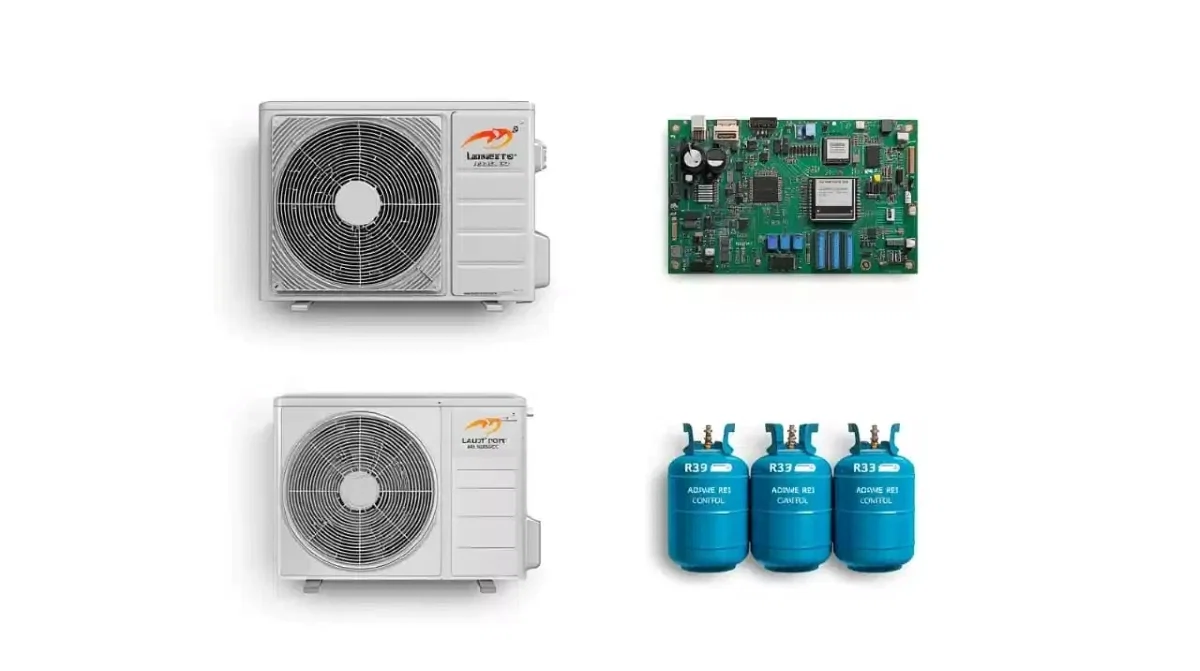
🛢️ Sign #6: Oil Stains on Pipes or Connections
Refrigerant systems contain oil to lubricate the compressor. When refrigerant leaks, oil often leaks with it.
What you’ll see: Oily residue on copper pipes, flare connections, or around the compressor. Dark or wet-looking spots on insulation. Greasy feel on pipe surfaces.
What’s happening: Refrigerant and oil circulate together. When there’s a leak, oil escapes along with the gas. The oil leaves visible stains.
Is this serious? Yes. Oil stains confirm a leak. They also indicate the system is losing lubrication, which will damage the compressor.
What to do: Call a technician immediately. Don’t run the unit.
🔍 Why Refrigerant Leaks Happen
Understanding the causes helps you prevent future leaks:
Loose flare connections (most common): The flare nuts connecting copper pipes can loosen over time due to vibration. A simple tightening often fixes this. Cost: R500-R1,000.
Pinhole leaks in copper pipes: Corrosion or manufacturing defects cause tiny holes. Pipe replacement needed. Cost: R1,500-R4,000 depending on access.
Schrader valve leaks (service ports): The valves where technicians connect gauges can leak. Valve core replacement. Cost: R300-R600.
Compressor seal leaks: The compressor’s seals can fail over time. Compressor replacement needed. Cost: R5,000-R12,000.
Factory defects: Poor brazing/welding at joints. Repair depends on location.
Physical damage: Lawn equipment, hail, or accidental impact damaging pipes.
Read our compressor problems guide.
🔧 Professional Leak Repair Process
Here’s what a certified technician does to fix an aircon refrigerant leak:
Step 1: Confirm the leak – Connect manifold gauges to measure pressure. Low pressure indicates a leak.
Step 2: Locate the leak – Use electronic leak detector (sniffs refrigerant). Apply soapy water to suspected areas (bubbles indicate leak). Use UV dye (injected into system, then inspect with UV light).
Step 3: Recover remaining refrigerant – Safely remove existing gas (environmental regulations).
Step 4: Repair the leak – Tighten flare connection (if loose). Replace damaged pipe section (braze/solder new copper). Replace Schrader valve core. Replace compressor (if seals failed).
Step 5: Pressure test – Fill system with nitrogen to check for remaining leaks.
Step 6: Vacuum the system – Remove air and moisture (prevents acid formation).
Step 7: Recharge with correct refrigerant – Weigh in the exact amount specified by manufacturer.
Step 8: Test operation – Run system, verify cooling, check pressures.
Step 9: Leak check again – Ensure repair was successful.
Read our gas refill cost guide.

💰 Cost Breakdown: What You’ll Pay
Here’s what how to detect refrigerant leak in aircon and repair costs in South Africa:
Leak detection only: R500-R1,000. Technician finds the leak but doesn’t repair.
Tighten flare connection: R500-R1,000. Simple fix if just loose.
Replace Schrader valve core: R300-R600. Common on older units.
Repair pinhole leak in pipe: R1,500-R3,500. Requires brazing/soldering.
Replace pipe section: R2,000-R5,000. If pipe is badly corroded.
Compressor replacement (seal leak): R5,000-R12,000. Major repair.
Refrigerant recharge (after leak repair): R800-R2,500 depending on refrigerant type and amount. R22 (older) is more expensive.
Total typical repair (flare or pinhole): R2,000-R4,000 including leak repair + gas refill.
Important: Never pay for just a “top-up” without leak repair. The gas will leak out again, and you’ll be back in the same situation in months. Fix the leak first.
Read our detailed cost guide.
🛡️ How to Prevent Refrigerant Leaks
Preventing air conditioner gas leak problems saves thousands:
Annual professional service (R500-R800): Includes refrigerant pressure check. Detects small leaks before they become big problems. The best investment you can make.
Don’t ignore warning signs: If cooling has declined, ice appears, or you hear hissing, call a technician immediately. Don’t wait.
Install a surge protector: Power surges can damage compressor seals. Cost: R500-R1,500.
Protect outdoor pipes: Insulate exposed copper pipes. Keep them away from lawn equipment.
Avoid DIY repairs: Amateur repairs often cause leaks at connection points. Always use certified technicians.
Consider a pressure monitoring system: Some smart AC controllers can alert you to abnormal pressure drops.
Read our maintenance checklist and service frequency guide.
Read DEFF F-Gas regulations and SAQCA gas handling certification.
❓ Frequently Asked Questions
How do I know if my aircon has a refrigerant leak?
How to detect refrigerant leak in aircon: look for poor cooling (blows warm air), ice on copper pipes or indoor coils, hissing or bubbling sounds, higher electricity bills, compressor running constantly, or oil stains on pipes. If you notice any of these, call a certified technician for pressure testing.
Is it safe to run an aircon with a refrigerant leak?
NO. Running an aircon with a refrigerant leak will destroy your compressor (R5,000-R12,000 repair). Low refrigerant causes the compressor to run hotter, oil to break down, and internal components to fail. Turn off the unit and call a technician immediately.
How much does it cost to fix a refrigerant leak?
Aircon refrigerant leak repair costs R2,000-R4,000 typically (leak repair + gas refill). Simple fixes (tightening flare connections) cost R500-R1,000. Major repairs (pipe replacement) cost R2,000-R5,000. Compressor replacement (if leak damaged it) costs R5,000-R12,000.
Can I just add more refrigerant instead of fixing the leak?
No. This is like filling a bucket with a hole in it. The gas will leak out again within weeks or months. Worse, running a low-refrigerant system destroys your compressor. Always fix the leak first, then recharge. Read our gas refill guide.
How long does refrigerant last in an aircon?
Refrigerant never “wears out” or gets “used up.” It circulates in a sealed system indefinitely. If your aircon is low on gas, you have a LEAK. The system should never need refilling unless there’s a leak.
Can a refrigerant leak make you sick?
Inhaling refrigerant in enclosed spaces can cause headaches, dizziness, nausea, eye/throat irritation, and difficulty breathing. In severe cases (large leak in small room), refrigerant can displace oxygen and cause unconsciousness. If you smell a chemical/sweet odour, ventilate the room immediately and call a technician.
What causes pinhole leaks in aircon pipes?
Corrosion is the most common cause. Moisture in the system creates acid that eats copper from the inside. Poor installation (flux left in pipes) also causes corrosion. Physical damage (vibration rubbing against metal) can also cause pinholes.
Can a refrigerant leak cause ice on the aircon?
Yes. Low refrigerant causes the evaporator coils to become too cold (below freezing). Moisture in the air freezes on the coils instead of condensing and draining. Ice builds up, blocking airflow. This is a classic sign of ac refrigerant loss.
Is refrigerant leak repair covered by warranty?
Check your warranty documents. Most manufacturers warranty the compressor for 5-10 years but NOT refrigerant or leak repair. Installation warranties (1-2 years) may cover leaks caused by poor installation. Labour is rarely covered. Always ask before authorising repairs.
How often should I check my aircon for refrigerant leaks?
Have a technician check refrigerant pressure annually during professional service. This detects small leaks before they cause major damage. Don’t wait for warning signs—by then, you’ve already lost significant refrigerant and may have compressor damage.
✅ Final Thoughts: Don’t Ignore the Signs
An aircon refrigerant leak won’t fix itself. It will only get worse—damaging your compressor, wasting electricity, and harming the environment.
Key takeaways for refrigerant leaks:
- Ice on pipes or warm air means call a technician immediately – don’t wait.
- Refrigerant never “gets used up” – low gas always means a leak.
- Fix the leak first, then recharge – topping up without repair wastes money.
- Low refrigerant destroys compressors – R5,000-R12,000 repair.
- Annual pressure checks prevent major failures – R500-R800/year vs R5,000-R12,000.
- Only certified technicians can handle refrigerant – DIY is illegal and dangerous.
- Don’t ignore ice, hissing, or oil stains – these are urgent warning signs.
Your action plan: First, if you see ice or feel warm air, turn off the aircon. Second, call a certified technician for pressure testing. Third, get a quote for leak repair (don’t accept just a top-up). Fourth, if the unit is old and the compressor is damaged, consider replacement. Fifth, request quotes from certified technicians for leak detection and repair.
Suspect a Refrigerant Leak?
Get free quotes from certified technicians for leak detection and repair. SAQCA-certified gas handlers only.
📞 Call us: 073 138 4726 for immediate help finding certified gas technicians near you.
📚 Official resources & standards referenced:
- Department of Environment – F-Gas regulations and refrigerant handling requirements
- SABS – Refrigerant handling safety standards and installation requirements
- SAQA – Gas handling certification and technician qualifications
Information provided for general guidance based on South African regulations and market conditions. Refrigerant handling without SAQCA certification is illegal. Always hire certified technicians.
Written by: Innocent T Hanyani
Construction & Home Services Industry Specialist | 21+ Years Experience
Innocent T Hanyani has over two decades of experience working across South Africa’s construction, maintenance, and home services sectors. Throughout his career, he has worked closely with contractors, service providers, and property owners, gaining practical insight into how projects are quoted, managed, and completed. His work focuses on helping homeowners understand how to find reliable contractors, compare quotes, and avoid common industry pitfalls when hiring service professionals. His insights are based on practical industry experience as well as ongoing research into contractor platforms, service marketplaces, and hiring trends across South Africa.