
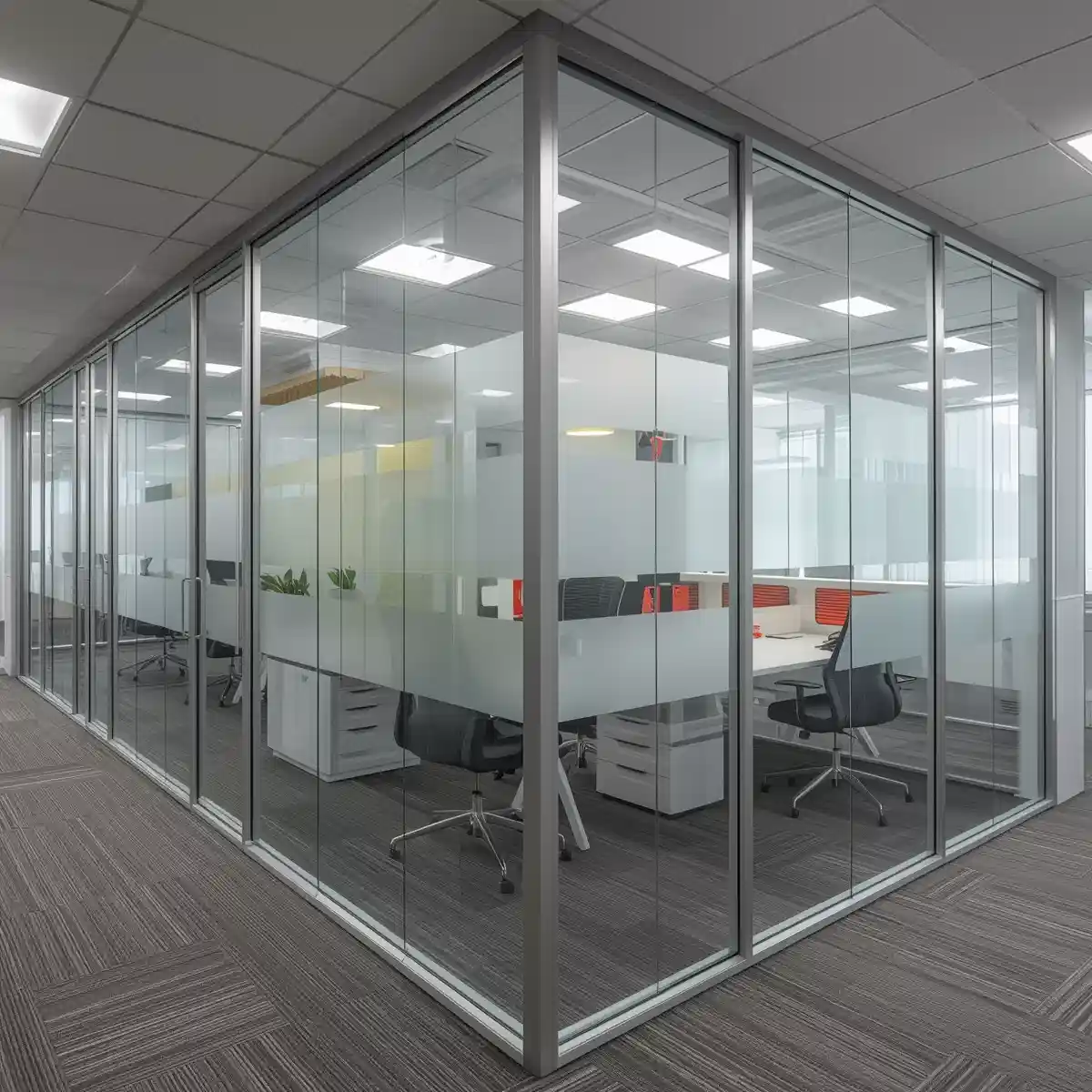
Planning a Commercial Building?
Get free quotes from verified commercial glazing specialists. Compare curtain wall installation options for your project.
Servicing Gauteng, Western Cape, Johannesburg, Pretoria, and Cape Town
Aluminium Curtain Wall Systems for Commercial Buildings: Complete Guide SA
🏢 The complete guide to glass facade systems – design, costs, installation, and specifications
Let me take you inside a modern commercial building in Johannesburg or Cape Town. Look at the exterior. Chances are, you’re seeing an aluminium curtain wall system – a floor-to-ceiling glass facade with minimal visible framing. It’s the hallmark of contemporary architecture, and for good reason. These systems flood interiors with natural light, create stunning visual impact, and define the building envelope.
But here’s what most people don’t understand. Curtain walls are not just oversized windows. They’re sophisticated structural systems that bear their own weight, transfer wind loads to the building structure, and must accommodate thermal movement, water penetration, and seismic forces. Getting them right requires specialist knowledge.
In this complete guide to aluminium curtain wall systems, I’ll explain what are aluminium curtain wall systems, compare different types (stick vs unitised), cover design considerations, glass options, thermal performance, installation processes, and cost factors. You’ll learn about commercial glazing standards, structural requirements, and how to specify a curtain wall that performs for decades.
For more commercial guidance, read our shopfront guide, commercial doors guide, or office windows guide. Ready to understand curtain walls? Let’s dive in.
📋 Table of Contents – Curtain Wall Guide
🏗️ What Is a Curtain Wall System?
To answer what are aluminium curtain wall systems, start with the basics.
Definition: A curtain wall is a non-structural outer covering of a building. Unlike traditional windows that sit within structural openings, curtain walls hang (or “curtain”) from the building structure. They bear their own weight and transfer wind loads to the building, but do not support floor or roof loads.
Key characteristics:
- Floor-to-ceiling glass facades with minimal visible framing
- Aluminium framing system that accommodates glass, spandrel panels, and other infills
- Designed to resist air and water infiltration
- Accommodates thermal expansion and contraction
- Handles wind loads, seismic movements, and other building movements
Where are curtain walls used?
- Commercial office buildings
- Corporate headquarters
- Retail flagship stores
- Airports and transport terminals
- Hotels and hospitality buildings
- Educational and healthcare facilities
According to SANS 10400 curtain wall standards and SABS structural glazing standards, curtain walls must meet strict performance requirements for safety and weather resistance.
🎁 Pro Tip: Curtain Walls vs Storefronts – Know the Difference
Many people confuse curtain walls with standard shopfronts. Shopfronts are ground-floor only, with visible mullions every 1.2-1.5m. Curtain walls are multi-storey, have more complex engineering, and offer superior thermal and structural performance. For commercial glazing on high-rise buildings, curtain walls are the only option.
📦 Stick vs Unitised Curtain Walls
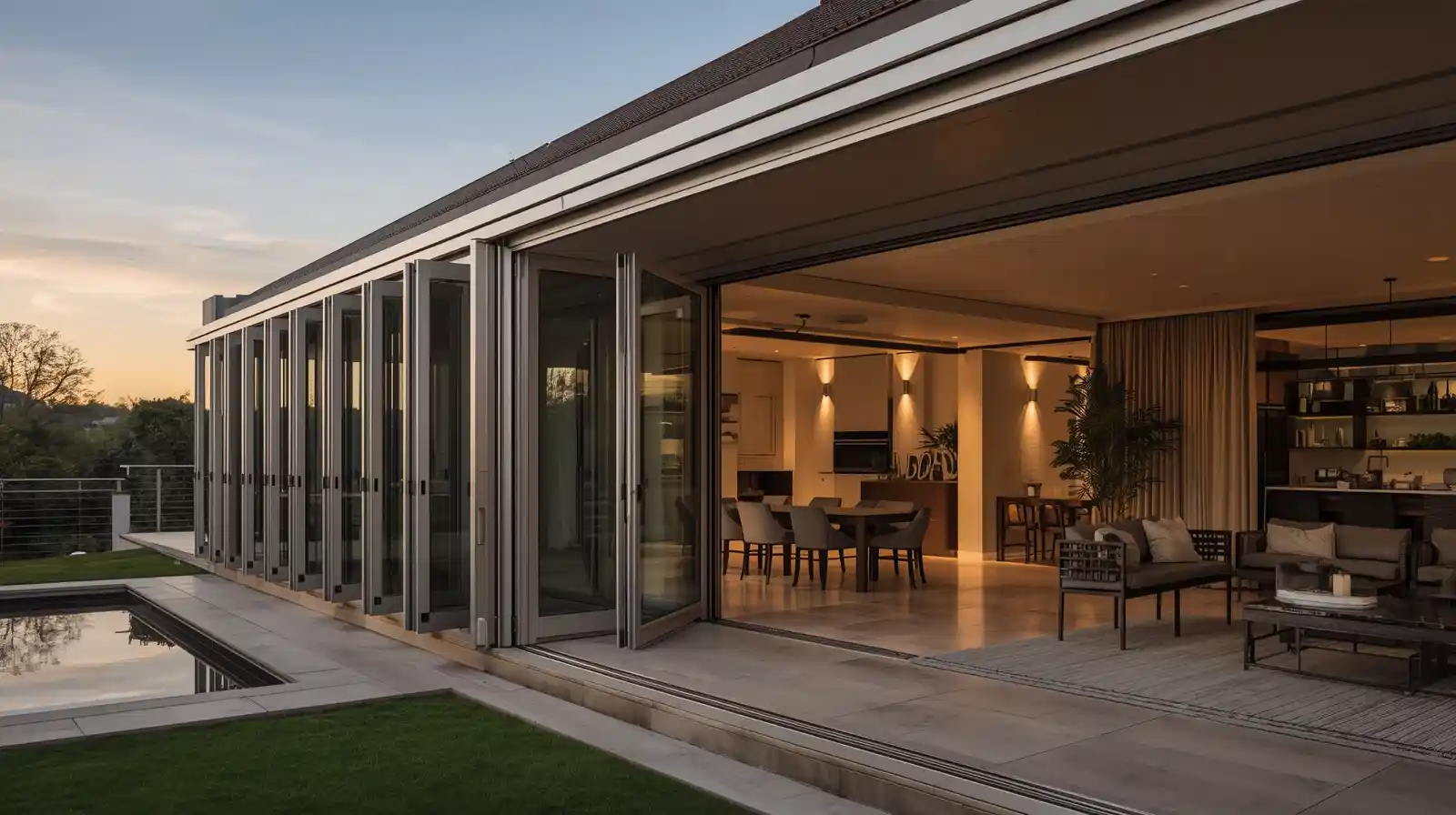
There are two main types of aluminium curtain wall systems. Here’s how they compare.
| Feature | Stick System | Unitised System |
|---|---|---|
| Assembly location | On-site, piece by piece | Factory-assembled panels |
| Installation speed | Slower (sequential) | Fast (crane-installed) |
| Quality control | Weather-dependent, variable | Factory-controlled, consistent |
| Weather limitations | Cannot install in rain/high winds | Less weather-dependent |
| Typical project size | Small to medium (under 10 storeys) | Medium to high-rise (5+ storeys) |
| Cost premium | Base | +20-40% |
| Best for | Budget projects, smaller buildings | High-rise, tight schedules, harsh climates |
Stick systems (most common in SA):
Frames are delivered as components (sticks) and assembled on-site. Glass is installed after the frame is complete. Requires scaffolding and is weather-dependent. More affordable and suitable for most South African commercial projects up to 10 storeys.
Unitised systems (premium):
Complete wall panels (frame + glass) are assembled in a factory and delivered to site. Installed by crane, with panels interlocking. Faster installation, better quality control, and less weather-dependent. Higher cost but preferred for high-rise buildings and tight schedules.
Read our custom fabrication guide for more on manufacturing processes.
📐 Design Considerations for Curtain Walls
Successful curtain wall installation starts with proper design.
Structural engineering:
- Wind load calculations for your specific location and building height
- Dead load (self-weight) transfer to building structure
- Movement accommodation (thermal expansion, building sway, seismic)
- Connection details between curtain wall and building frame
Thermal performance:
- U-value (heat loss) – critical for energy efficiency
- Thermal break profiles (essential for aluminium curtain walls)
- Condensation risk analysis – prevent moisture damage
Water and air penetration:
- Pressure-equalised design (rain screen principle)
- Weep holes and drainage paths
- Multiple gaskets and seals
- Testing to ASTM or SANS standards
Fire safety:
- Fire-stopping between floors (prevents fire spreading up the facade)
- Fire-rated glass where required (stairwells, egress paths)
- Compliance with SANS 10400 fire regulations
Read our building construction guide for more on structural integration.
🪟 Glass Options for Curtain Walls
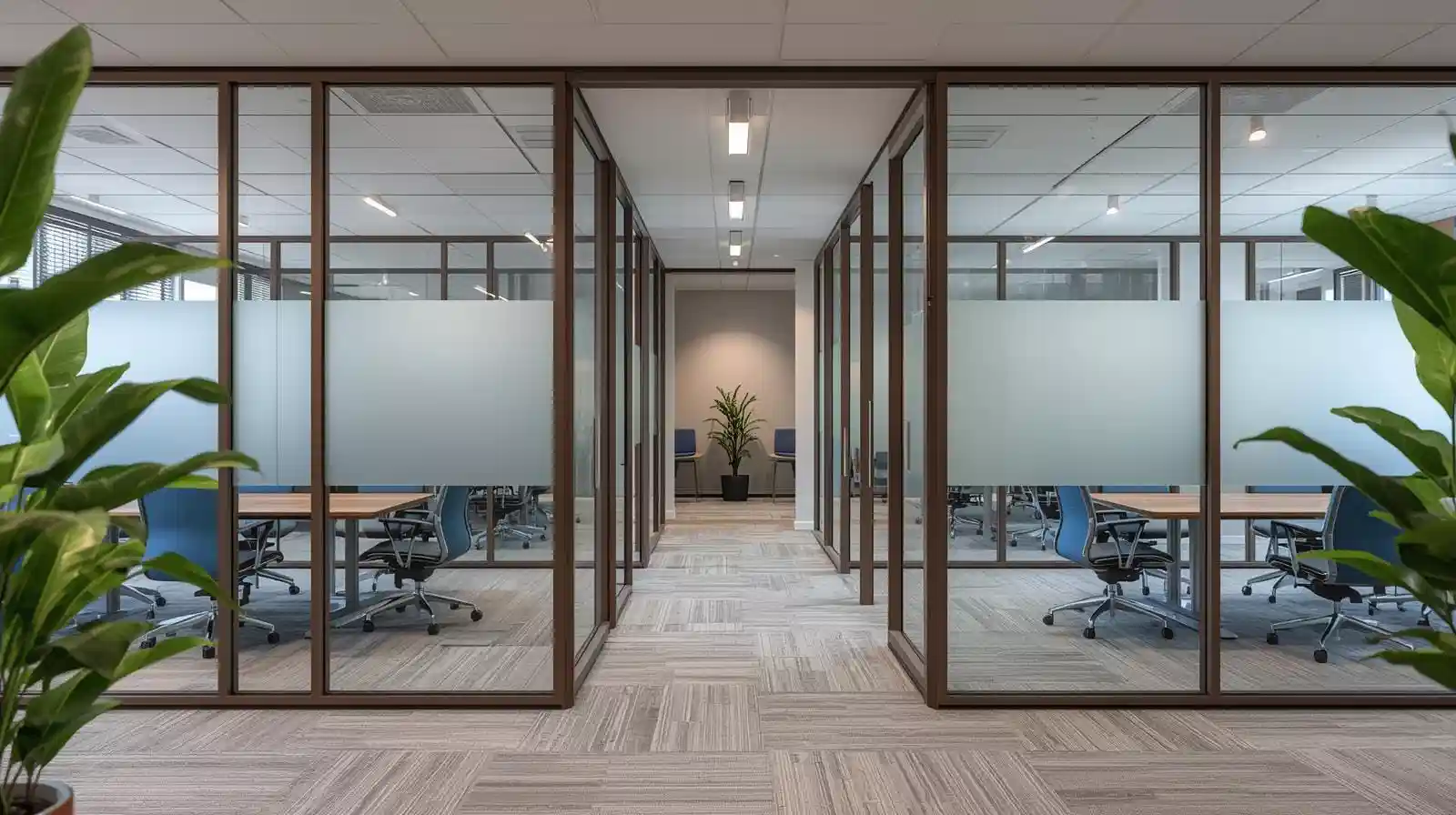
Glass is the dominant material in any curtain wall. Here are the options for commercial glazing.
| Glass Type | Typical Thickness | U-value (W/m²K) | Cost Premium | Best For |
|---|---|---|---|---|
| Standard double glazing | 4+12+4mm | 2.8 | Base | Budget projects, mild climates |
| Argon-filled double glazing | 4+12+4mm | 2.6 | +5-10% | Standard commercial, good energy efficiency |
| Low-E coated double glazing | 4+12+4mm | 1.8-2.2 | +15-25% | Energy-efficient buildings, LEED/Green Star |
| Triple glazing | 4+12+4+12+4mm | 0.8-1.2 | +50-80% | Passive house, extreme climates, premium projects |
| Laminated (security) | 6.38-12.38mm | Varies | +30-50% | High-security areas, ground floor, blast resistance |
Spandrel glass (opaque areas): Used to conceal structural elements (slab edges, columns). Heat-strengthened glass with ceramic frit or opaque coating on the back. Cost: similar to vision glass.
Read our double glazing guide for more on insulated glass units.
⚡ Thermal Performance & Energy Efficiency
Curtain walls have a huge impact on a building’s energy performance.
Why thermal performance matters: A poor-performing curtain wall can account for 30-50% of a building’s heating and cooling load. In commercial buildings, this translates to significant operating costs over decades.
Key factors affecting thermal performance:
- Thermal break in framing: Essential for aluminium curtain walls. Polyamide strip separates interior and exterior aluminium, reducing heat flow.
- Glass specification: Double glazing with Low-E coating and argon gas provides best performance for most applications.
- Gaskets and seals: Continuous, high-compression seals prevent air leakage.
- Installation quality: Gaps between curtain wall and building structure must be properly sealed.
Target U-values for curtain walls in South Africa:
- Basic commercial standard: U ≤ 2.5 W/m²K
- Energy-efficient (SANS 10400-XA compliant): U ≤ 2.0 W/m²K
- Premium (Green Star rated): U ≤ 1.5 W/m²K
Read our thermal break guide for more on frame insulation.
🏗️ Structural Requirements & Wind Load
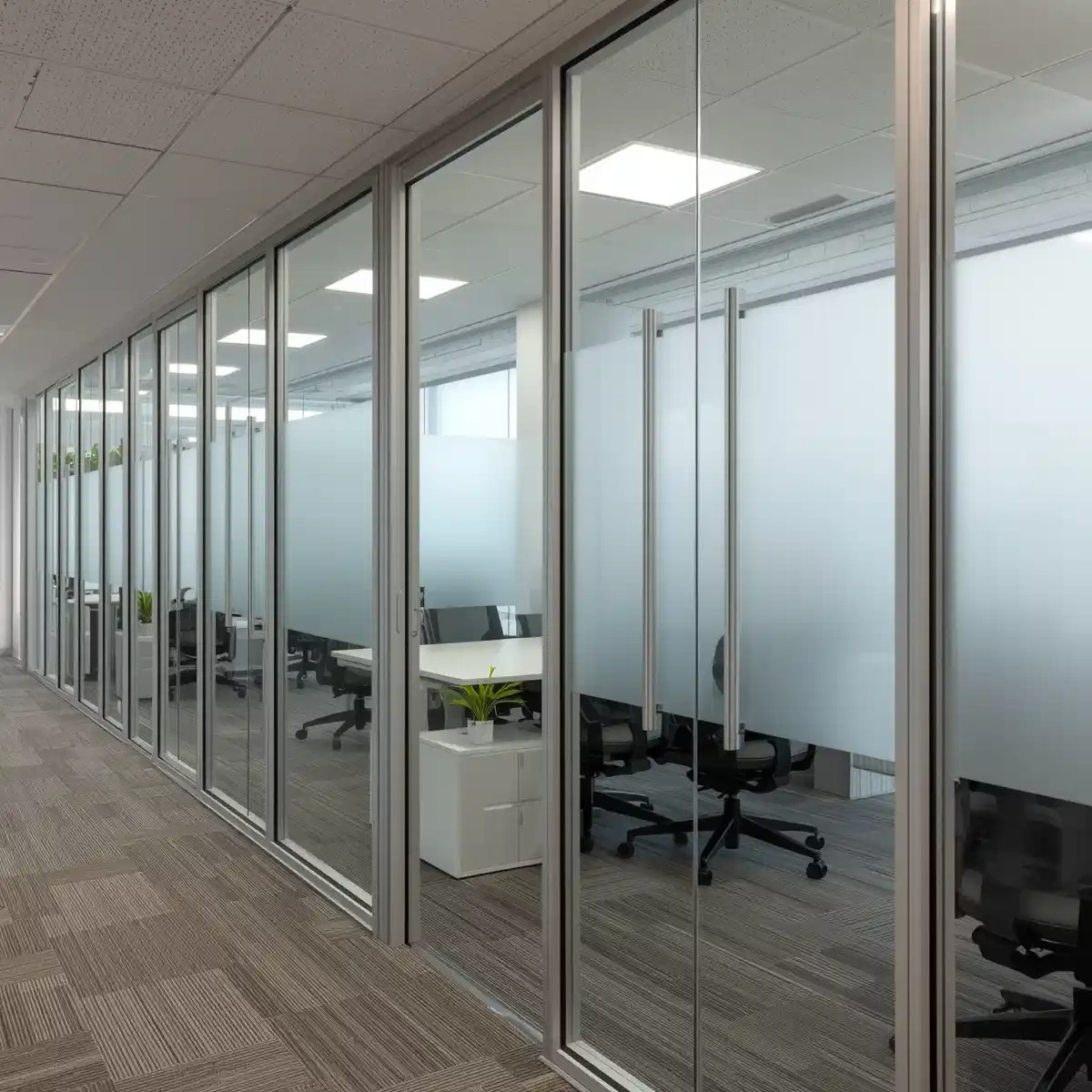
Curtain walls must withstand significant forces. Here’s what engineers consider.
Wind load requirements by building height and location:
- Ground to 10m: Standard wind load (1.0-1.5 kPa)
- 10m to 30m: Increased wind load (1.5-2.5 kPa)
- 30m to 60m: High wind load (2.5-3.5 kPa)
- 60m+ (high-rise): Extreme wind load (3.5-5.0+ kPa)
- Coastal areas: Additional 0.5-1.0 kPa for exposure
Structural testing requirements:
- Air infiltration test (ASTM E283)
- Water penetration test (ASTM E331)
- Structural performance test (ASTM E330)
- Seismic movement test (where applicable)
Connection to building structure: Curtain walls attach to the building’s structural frame at each floor level. Connections must allow for movement (thermal expansion, building sway) while securely transferring wind loads. This is specialist engineering – not a standard window installation.
Read our high wind guide for more on wind load requirements.
🛠️ Stick System Installation Process
Here’s how a typical stick system curtain wall installation proceeds.
Step 1: Site preparation and scaffolding
Full scaffolding is erected around the building perimeter. Safety netting and weather protection may be required.
Step 2: Anchor installation
Anchors (brackets) are fixed to the building structure at each floor level. Precision alignment is critical – errors compound as the wall rises.
Step 3: Mullion installation (vertical members)
Vertical mullions are installed first, attached to the anchors. They must be perfectly plumb and aligned.
Step 4: Transom installation (horizontal members)
Horizontal transoms are installed between mullions, creating the grid that holds glass.
Step 5: Gasket and seal installation
Gaskets are fitted into the frame grooves – these will seal against the glass.
Step 6: Glass panel installation
Glass panels are lifted into place and secured with pressure plates. Glass is heavy – requires mechanical lifting aids and multiple installers.
Step 7: Sealing and finishing
Silicone sealant is applied to all joints. Cover caps snap over pressure plates for a finished look.
Step 8: Testing and quality assurance
Water spray testing, air leakage testing, and visual inspection.
Timeline: Stick system installation typically takes 1-2 weeks per floor, depending on complexity.
🏗️ Unitised System Installation Process
Unitised systems offer faster installation but require crane access.
Step 1: Factory assembly
Wall panels (frame + glass) are assembled in a controlled factory environment. Quality control is consistently high.
Step 2: Delivery and staging
Panels are delivered to site on trucks, often in sequence of installation. Staged on the ground or on designated floors.
Step 3: Crane installation
A crane lifts each panel into position. Panels interlock with previously installed panels and the building structure. Installation is much faster than stick systems – up to 50-100 panels per day.
Step 4: Inter-panel sealing
Gaskets between panels create a continuous weather seal. No on-site silicone required for primary seals.
Step 5: Edge detailing
Corners, parapets, and building interfaces are completed – the most challenging areas.
Step 6: Testing
Water spray testing and air leakage testing as for stick systems.
Timeline: Unitised installation can progress at 1-2 floors per week – significantly faster than stick systems.
Read our office windows guide for related commercial glazing.

Planning a Curtain Wall for Your Building?
Get free quotes from verified commercial glazing specialists. Compare aluminium curtain wall systems options for your project.
💰 Aluminium Curtain Wall System Cost Factors
Here’s what influences commercial glazing costs.
| Factor | Impact on Cost | Typical Range |
|---|---|---|
| Building height | Major | Higher buildings = higher wind loads = stronger framing (+10-30%) |
| System type | Major | Stick (base) vs Unitised (+20-40%) |
| Glass specification | Major | Standard double → Low-E double (+15-25%) → triple (+50-80%) |
| Thermal break requirements | Moderate | Essential for energy compliance (+10-20% vs non-thermal) |
| Complexity of geometry | Moderate-High | Curved or angled facades add 30-100% to fabrication costs |
| Finish colour | Minor | Standard silver/white included; custom colour +20-35% |
Typical cost ranges per square metre (installed):
- Basic stick system (standard double glazing): R5,500 – R8,000 per m²
- Stick system with thermal break + Low-E double glazing: R7,000 – R10,000 per m²
- Premium stick system (argon + Low-E + thermal break): R8,500 – R12,000 per m²
- Unitised system (premium): R10,000 – R15,000+ per m²
For a 10-storey building with 2,000m² of curtain wall, budget R11-20 million depending on specifications.
Read our cost guide for comparative pricing.
🧹 Maintenance & Longevity
Proper maintenance extends the life of your building envelope.
Quarterly maintenance:
- Clean frames and glass with appropriate solutions
- Check gaskets and seals for damage
- Clear weep holes and drainage paths
Annually:
- Inspect all sealant joints – reapply where cracked or separated
- Check for signs of water penetration – address immediately
- Inspect anchor connections for corrosion
- For coastal areas, check for salt damage – read our corrosion protection guide
Every 5-10 years:
- Professional inspection of structural connections
- Major sealant replacement (silicone has 10-15 year lifespan)
- Gasket replacement
Expected lifespan: Quality curtain wall systems last 30-50+ years with proper maintenance. The primary maintenance items are sealants (10-15 years) and gaskets (15-20 years).
Read our full maintenance guide.
❓ Frequently Asked Questions About Aluminium Curtain Wall Systems
What are aluminium curtain wall systems and how do they work?
What are aluminium curtain wall systems? They’re non-structural glass facades that hang from a building’s frame. The aluminium framing holds glass panels and transfers wind loads to the building structure. Curtain walls do not support floor or roof loads – they “curtain” the building, hence the name. They’re used on multi-storey commercial buildings to create floor-to-ceiling glass exteriors.
How much do aluminium curtain wall systems cost in South Africa?
Aluminium curtain wall systems cost R5,500-8,000 per m² for basic stick systems, R7,000-10,000 for thermal break plus Low-E, and R10,000-15,000+ for premium unitised systems. For a typical 10-storey building with 2,000m² of curtain wall, budget R11-20 million. Installation typically accounts for 20-30% of total cost.
What is the difference between stick and unitised curtain walls?
Stick systems are assembled on-site piece by piece – frames first, then glass. They’re more affordable and suitable for smaller buildings (under 10 storeys). Unitised systems are factory-assembled panels delivered to site and crane-installed. They’re faster, have better quality control, and are preferred for high-rise buildings, but cost 20-40% more. For commercial glazing, the choice depends on building height and schedule.
Do curtain walls need thermal breaks?
Yes – for energy compliance and condensation prevention. Aluminium is highly conductive; without a thermal break, heat escapes in winter and enters in summer. Thermal break profiles (polyamide strip between inner and outer aluminium) reduce heat transfer by 50-70%. For curtain wall installation in South Africa’s climate zones, thermal breaks are essential for any building requiring energy compliance (SANS 10400-XA).
What glass is best for curtain walls?
For most commercial buildings, double glazing with Low-E coating and argon gas fill offers the best balance of performance and cost. U-value of 1.8-2.2 W/m²K. For premium energy efficiency (Green Star rated), specify triple glazing (U=0.8-1.2). For security, add laminated glass (holds together when broken). Read our double glazing guide.
How long do curtain walls last?
Quality aluminium curtain wall systems last 30-50+ years with proper maintenance. The aluminium frames themselves last 50+ years. Maintenance items: sealants need replacement every 10-15 years, gaskets every 15-20 years. Regular cleaning and inspection extends life significantly. For coastal areas, specify marine-grade coatings and hardware.
What is the difference between a curtain wall and a window wall?
A curtain wall spans from floor to floor and hangs from the building structure. A window wall (or punched window) sits within a structural frame opening. Curtain walls create seamless glass facades; window walls have visible structural elements between windows. For building envelope design, curtain walls offer more glass area and a modern aesthetic but cost more. Window walls are more affordable but have more framing.
How do I find a curtain wall specialist?
Use ServiceLink SA’s free quote service to find verified commercial glazing specialists. Look for: experience with similar building heights, structural engineering capability, SABS certification, references from completed projects, and knowledge of thermal break systems. For Gauteng, Western Cape, or Cape Town, ask for curtain wall project references. Read our contractor guide.
✅ Final Thoughts: Curtain Walls Define Modern Architecture
After reading this guide on aluminium curtain wall systems, you understand why they’re the defining feature of contemporary commercial architecture.
Curtain walls transform buildings – flooding interiors with light, creating stunning visual impact, and providing energy-efficient building envelopes. But they’re complex systems requiring specialist design, engineering, and installation. Don’t treat them as oversized windows.
Work with experienced commercial glazing specialists who understand structural requirements, thermal performance, and weather sealing. Invest in quality materials – thermal breaks, Low-E double glazing, and proper gaskets. The upfront cost is significant, but the long-term benefits in energy savings, occupant comfort, and building value are substantial.
Key takeaways for curtain wall systems:
- Curtain walls are non-structural facades that hang from building frames
- Stick systems: affordable, on-site assembly, suited to smaller buildings (under 10 storeys)
- Unitised systems: factory-assembled, crane-installed, faster, higher cost (+20-40%)
- Thermal breaks are essential for energy compliance and condensation prevention
- Low-E double glazing recommended (U=1.8-2.2 for most commercial buildings)
- Costs: R5,500-15,000+ per m² depending on specification
- Proper installation is critical – water penetration is the #1 failure mode
- Expected lifespan: 30-50+ years with regular maintenance
- Use ServiceLink SA to find verified commercial glazing specialists
Your next step: Planning a commercial building with a curtain wall? Get free quotes from verified glazing specialists in your area.
Ready to Specify a Curtain Wall System?
Get free, no-obligation quotes from verified commercial glazing specialists. Compare aluminium curtain wall systems options for your project.
📞 Call us: 073 138 4726 for curtain wall advice.
Free project assessments •
Hiring tips •
Beat Your Quote •
Our guarantees
📚 Official resources & standards referenced:
- SANS 10400 – South African National Standard for curtain wall standards and building envelope requirements.
- SABS – South African Bureau of Standards for structural glazing standards and product certification.
Information provided for general guidance. Curtain wall systems require structural engineering and specialist installation. Always consult qualified professionals for your specific project.
Written by: ServiceLink SA Research Team
Specialist Commercial Glazing & Building Envelope Experts
The ServiceLink SA Research Team has extensive experience with aluminium curtain wall systems across commercial projects of all scales – from boutique office buildings to high-rise corporate towers. Our team has worked closely with structural engineers, certified glazing specialists, and building owners to develop this comprehensive curtain wall installation guide. This guide is based on real project data, engineering standards, and feedback from across Gauteng, Western Cape, and nationwide. We update our information regularly to reflect current building codes and industry best practices.
For more information about commercial glazing, explore our related resources: shopfront guide, office windows guide, commercial doors guide, custom fabrication guide, and cost guide. Learn about our process on what is ServiceLink SA and why contractors join us. Find commercial specialists in your area: Gauteng, Western Cape, Johannesburg, Pretoria, Cape Town, and Sandton. For related services, see our building construction and CCTV guides.