
Want to Save on Energy Bills?
Get free quotes from verified aluminium fabricators. Compare energy efficient windows and find the best value for your home.
Servicing Gauteng, Western Cape, Johannesburg, Pretoria, and Cape Town
Thermal Break Aluminium Windows Explained: Energy Efficiency Guide for SA Homes
🔥 The complete guide to understanding thermal break technology and whether it’s worth the investment
Let me tell you about a misconception I hear constantly. Homeowners say: “I’m buying aluminium windows because they’re modern and low-maintenance. But aren’t they cold in winter?” They’re right to ask. Standard aluminium windows are terrible insulators – they conduct heat like a metal spoon in hot coffee.
Here’s the truth that most salespeople won’t explain clearly. Standard aluminium frames are thermally inefficient. They transfer heat and cold easily. In winter, indoor heat escapes through the frame. In summer, outdoor heat enters. Your air conditioner and heater work harder, and your electricity bill climbs.
But there’s a solution. Thermal break aluminium windows add a polyamide strip between the inner and outer aluminium profiles. This “break” stops the heat transfer. The result? Energy efficient windows that keep your home comfortable year-round.
In this complete guide to thermal break technology, I’ll answer what is a thermal break in aluminium windows, explain how thermally broken frames work, compare costs vs benefits, and help you decide if the upgrade is worth it for your home.
For more energy guidance, read our energy efficiency guide, single vs double glaze guide, or double glazing cost guide. Ready to understand thermal breaks? Let’s dive in.
📋 Table of Contents – Thermal Break Guide
🔬 What Is a Thermal Break in Aluminium Windows?
To understand what is a thermal break in aluminium windows, first understand the problem with standard aluminium.
The problem – thermal bridging: Aluminium is an excellent conductor of heat. In standard windows, the aluminium frame creates a “thermal bridge” – a path that allows heat to flow freely between inside and outside. In winter, indoor warmth escapes through the frame. In summer, outdoor heat enters. This is called thermal bridging.
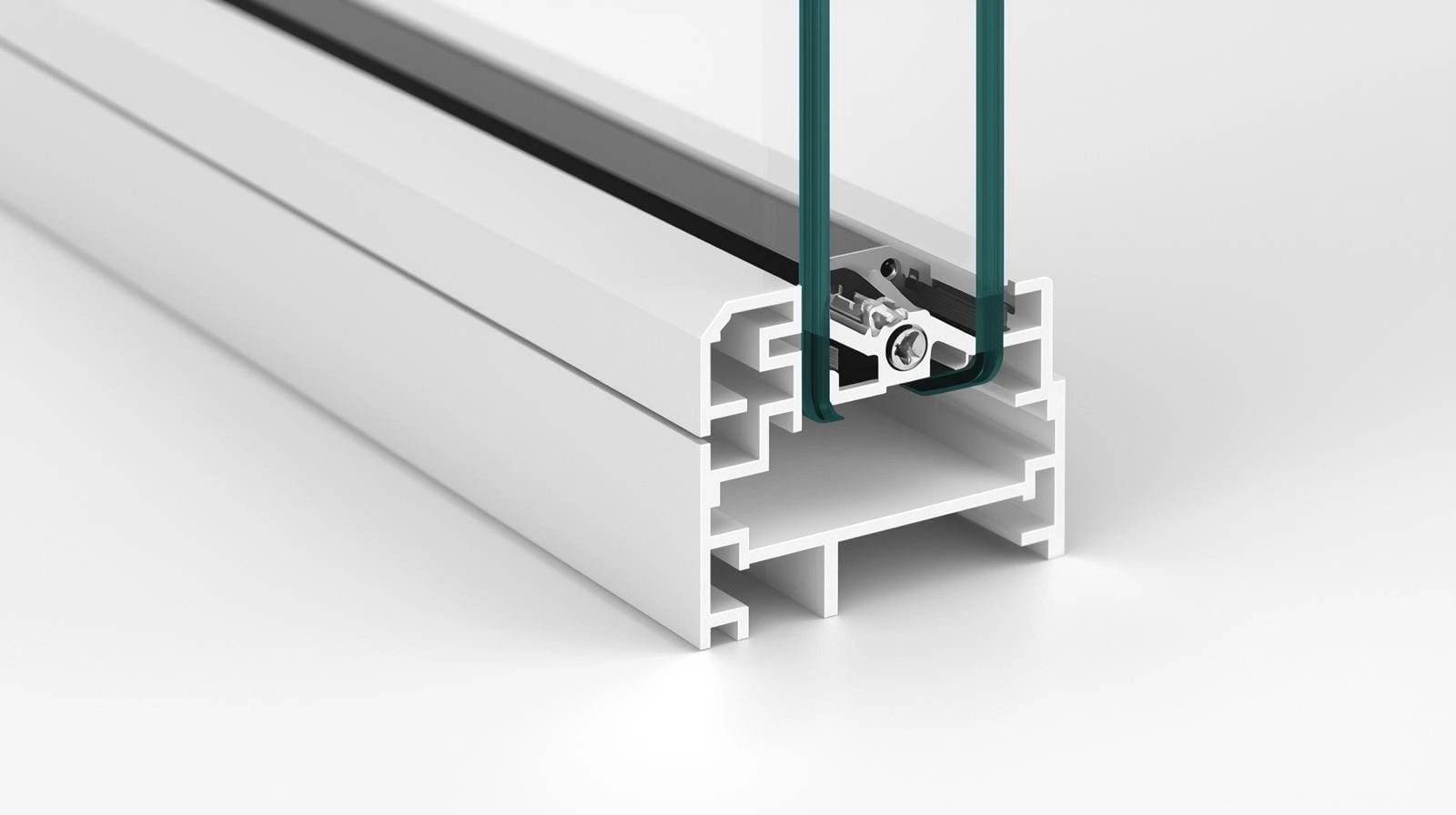
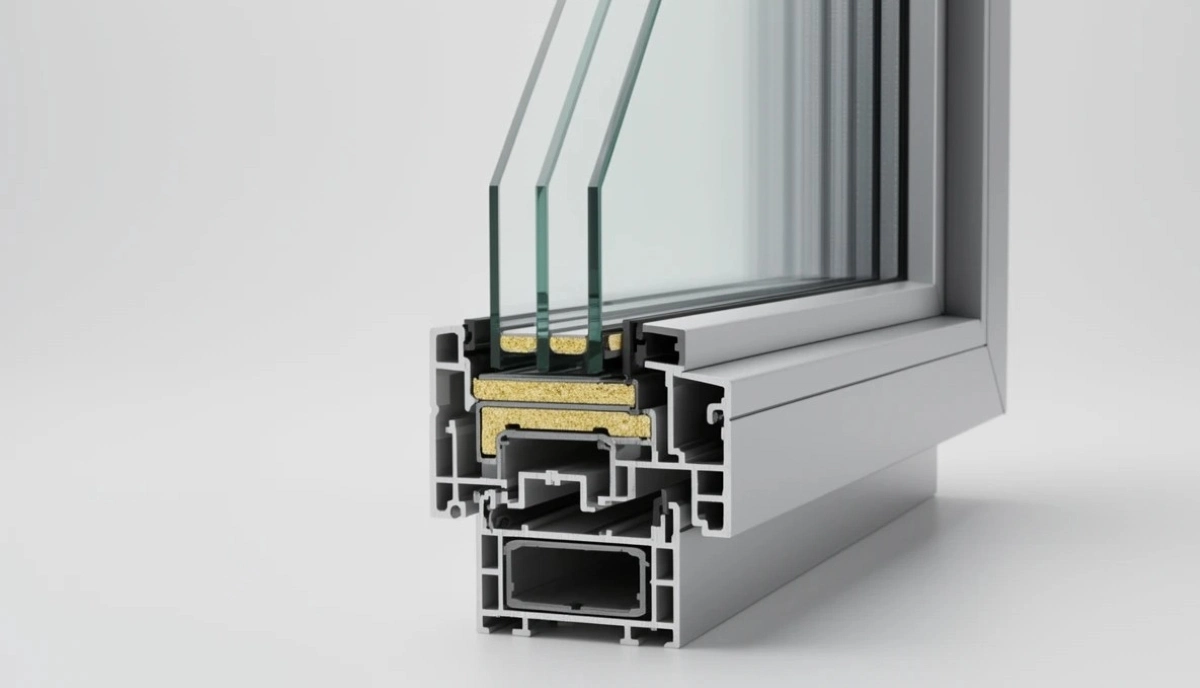
The solution – the thermal break: A thermal break is an insulating barrier placed between the inner and outer aluminium profiles. This barrier is typically made of polyamide (a strong, heat-resistant plastic). It “breaks” the thermal bridge, stopping heat from travelling through the frame.
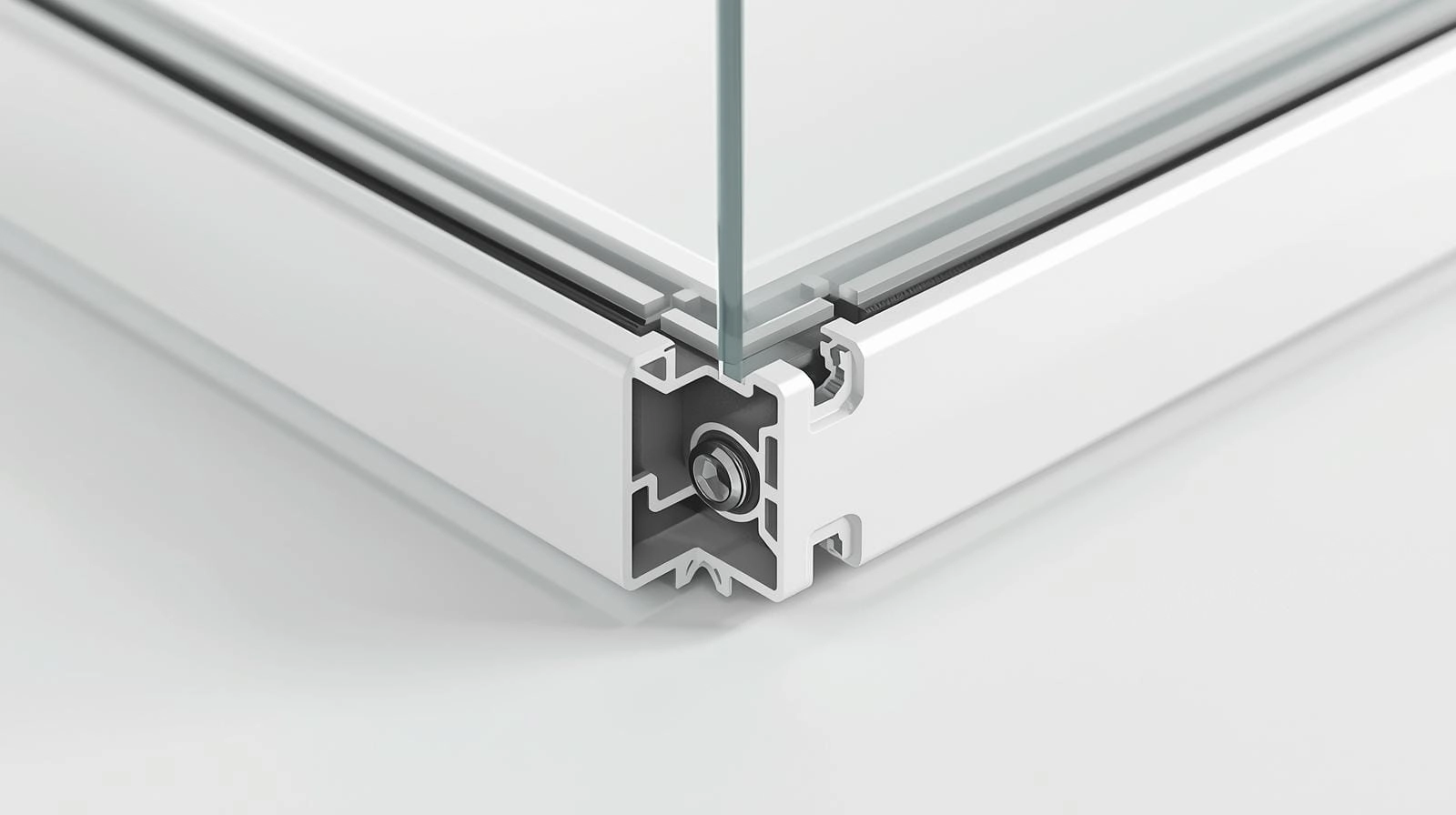
How it’s made: The aluminium profiles are extruded with a gap between inner and outer sections. Polyamide strips are inserted into this gap, then the assembly is rolled or crimped to lock everything together. The result is a single frame with an insulating layer in the middle.
Visual difference: Look at the frame from the side. A standard window has a solid aluminium profile (one colour). A thermal break window has a visible line (the polyamide strip) running through the middle – often black or grey.
According to Department of Energy efficiency standards and SANS 10400 thermal performance standards, thermal break windows are recommended for energy-efficient homes.
⚙️ How Thermal Break Technology Works
Understanding the science behind thermal break technology helps you appreciate the benefits.
The science of heat transfer:
Heat moves in three ways: conduction (through solid materials), convection (through air), and radiation (invisible waves). Aluminium is an excellent conductor – heat passes through it easily. The thermal break introduces a material that is a poor conductor – polyamide.
Thermal conductivity comparison (lower is better):
- Aluminium: ~200 W/(m·K) (excellent conductor – bad for insulation)
- Polyamide (thermal break): ~0.25 W/(m·K) (poor conductor – good for insulation)
- Wood: ~0.15 W/(m·K) (even better, but requires maintenance)
- uPVC: ~0.17 W/(m·K) (good insulator)
How the polyamide strip performs: The polyamide strip is 800x less conductive than aluminium. It effectively stops heat from travelling through the frame. The inner aluminium stays at indoor temperature; the outer aluminium stays at outdoor temperature.
Structural integrity: Polyamide is strong – it doesn’t weaken the frame. Thermal break windows are as strong as standard windows.
Thermal break width matters: Wider thermal breaks provide better insulation. Standard thermal breaks are 15-25mm. Premium thermal breaks can be 35-50mm for passive house standards.
Read our thermal break guide for technical specifications.
📊 Standard vs Thermal Break – Key Differences
Here’s how standard and energy efficient windows compare.
| Feature | Standard Aluminium | Thermal Break Aluminium |
|---|---|---|
| Thermal conductivity (U-value) per m² | 5.0 – 7.0 W/m²K (very poor) | 2.0 – 3.5 W/m²K (good) |
| Cost premium vs standard | Base price | +20% to +40% |
| Energy savings vs standard | Baseline | 30-50% reduction in heat loss |
| Condensation risk | High (cold frames attract moisture) | Low (inner frame stays warm) |
| Noise reduction | Poor | Good (polyamide dampens sound) |
| Comfort near windows | Cold zone in winter, hot zone in summer | Comfortable year-round |
| Visible frame line | Solid colour | Black/grey polyamide line visible |
The bottom line: Standard windows are cheap but inefficient. Thermal break windows cost more upfront but save money over time.
💰 Energy Savings – Real-World Data
How much can you actually save with energy efficient windows?
Heat loss comparison (standard vs thermal break):
- Standard aluminium window (single glazing): Loses ~500-700 kWh per m² per year
- Thermal break + single glazing: Loses ~300-450 kWh per m² per year
- Thermal break + double glazing: Loses ~150-250 kWh per m² per year
Real-world example – typical 3-bedroom house (12m² of windows):
- Standard windows: Annual heating/cooling cost ~R5,000-8,000
- Thermal break windows: Annual heating/cooling cost ~R3,500-5,600
- Annual saving: R1,500-2,400 per year
Return on investment example (thermal break vs standard):
- Upfront cost premium for thermal break: R15,000-25,000 for a typical house
- Annual energy saving: R1,500-2,400
- Simple payback period: 6-15 years
- Window lifespan: 20-30+ years → long-term savings
Climate matters: Energy savings are higher in extreme climates:
- Gauteng (cold winters, hot summers): High savings – payback 6-10 years
- Western Cape (mild, but rainy): Moderate savings – payback 8-12 years
- Cape Town (coastal, moderate): Moderate savings – payback 8-12 years
With double glazing (even better): Thermal break + double glazing saves 50-70% compared to standard single-glazed windows. Payback period: 8-15 years (higher upfront cost, higher savings).
Read our double glazing cost guide for more.
💰 Cost Analysis – Is It Worth the Investment?
Here’s what thermal break aluminium windows cost vs standard windows.
| Window Type | Cost per m² (Supply) | Cost per m² (Installed) | Premium vs Standard |
|---|---|---|---|
| Standard aluminium (single glazing) | R3,500 – R5,500 | R4,500 – R7,000 | Base |
| Thermal break (single glazing) | R4,500 – R7,500 | R5,500 – R9,000 | +20% to +40% |
| Standard + double glazing | R4,500 – R7,500 | R5,500 – R9,000 | +20% to +40% |
| Thermal break + double glazing | R6,000 – R10,000 | R7,500 – R12,000 | +50% to +80% |
Is it worth it? Decision guide:
- Yes, choose thermal break if: You plan to stay in your home 10+ years, you want lower energy bills, you live in an extreme climate (Gauteng’s cold winters), comfort is a priority, you’re building new (easy to include in budget).
- Probably not if: You’re selling within 5 years (won’t recoup investment), you live in a very mild climate, budget is extremely tight, you’re installing on a rental property (tenants pay utilities).
Use our Beat Your Quote guarantee for competitive pricing.
✨ Other Benefits – Noise, Condensation, Comfort
Beyond energy savings, thermal break technology offers additional advantages.
Condensation reduction:
In winter, standard aluminium frames get cold. When warm, moist indoor air touches the cold frame, condensation forms. This can lead to mould, mildew, and window sill damage. Thermal break windows keep the inner frame warmer, dramatically reducing condensation.
Noise reduction:
The polyamide strip also dampens sound vibrations. Thermal break windows reduce outside noise by 3-5 decibels compared to standard windows – noticeable if you live on a busy street.
Comfort near windows:
Sitting near a standard window in winter is unpleasant – you feel the cold radiating from the glass and frame. Thermal break windows eliminate this “cold zone.” You can place furniture near windows without discomfort.
UV protection:
Some thermal break windows include UV-blocking coatings (when combined with Low-E glass). Reduces fading of furniture and flooring.
Improved resale value:
Energy-efficient homes command higher prices. Thermal break windows are a selling point for future buyers.
Read our energy ratings guide for certification details.

Ready to Upgrade to Thermal Break Windows?
Get free quotes from verified aluminium fabricators. Compare thermal break aluminium windows options and start saving on energy bills.
✅ When Should You Choose Thermal Break Windows?
Based on this analysis, here’s my practical advice on thermal break aluminium windows.
Definitely choose thermal break if:
- You live in Gauteng or the Western Cape (both have cold winters)
- You plan to stay in your home for 10+ years
- You want lower energy bills and improved comfort
- You’re building a new home (small percentage of total build cost)
- You have large north-facing windows (passive solar gain)
- You’re installing air conditioning (thermal break reduces load)
- You’re sensitive to draughts or cold near windows
Skip thermal break (stick with standard) if:
- Budget is extremely tight – standard windows are much cheaper
- You’re selling within 5 years – won’t recoup investment
- You live in a very mild climate (e.g., coastal KZN with mild winters)
- You’re installing on a rental property (tenant pays utilities)
- You have very few windows (small cost difference)
The best value combination: Thermal break frames + single glazing (if budget is tight) OR thermal break + double glazing (for maximum efficiency). For most homeowners, thermal break + single glazing offers the best value – you get 70% of the benefit at 50% of the cost of full thermal+double.
Read our single vs double glaze guide for more.
🔧 Installation & Retrofitting Considerations
Important information for energy efficient windows installation.
New builds (easy):
- Specify thermal break windows from the start
- Cost premium is manageable (5-10% of total window budget)
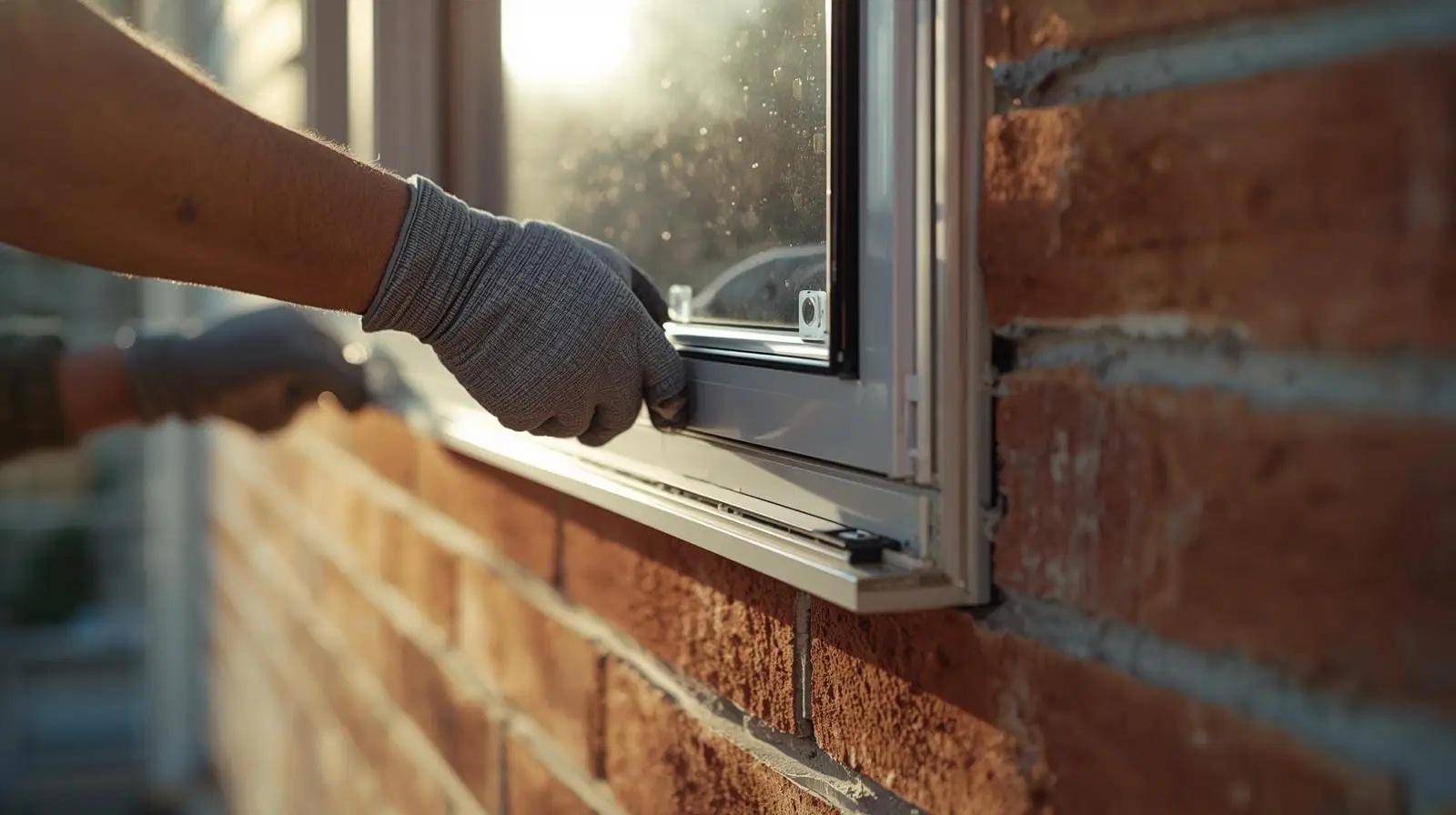
- Ensure installers have experience with thermal break profiles (they’re thicker than standard)
Retrofitting existing homes (replacing old windows):
- Thermal break frames are thicker than standard frames
- You may need to modify the window opening (enlarge)
- Additional labour cost: R500-1,500 per window for opening modification
- Still worth it for long-term savings
Can you add a thermal break to existing windows? No – thermal breaks are manufactured into the frame. You cannot retrofit a thermal break into an existing standard frame. You must replace the entire window.
What about thermal break + double glazing? The best combination. Thermal break stops frame heat loss; double glazing stops glass heat loss. Together, they create a truly energy-efficient window. Read our replacement guide for more.
📊 Complete Thermal Break vs Standard Comparison Table
Use this as your final reference for what is a thermal break in aluminium windows decisions.
| Factor | Standard Aluminium | Thermal Break Aluminium |
|---|---|---|
| U-value (thermal conductivity) | 5.0 – 7.0 W/m²K | 2.0 – 3.5 W/m²K |
| Energy savings vs standard | Baseline | 30-50% reduction |
| Cost premium | Base | +20% to +40% |
| Condensation risk | High | Low |
| Noise reduction | Poor | Good |
| Comfort near window | Poor (cold/hot zone) | Good (comfortable) |
| Structural strength | Excellent | Excellent (same) |
| Lifespan | 20-30+ years | 20-30+ years |
| Best for climate | Mild, budget projects | Cold winters, hot summers |
❓ Frequently Asked Questions About Thermal Break Windows
What is a thermal break in aluminium windows?
What is a thermal break in aluminium windows? It’s a polyamide strip inserted between the inner and outer aluminium profiles. This strip acts as an insulator, preventing heat from transferring through the frame. Standard aluminium is highly conductive (heat passes easily); the thermal break stops this heat flow. The result is a window that keeps warm air inside during winter and outside during summer.
Are thermal break windows worth the extra cost?
For most homeowners in cold climates (Gauteng, Western Cape), yes. Thermal break aluminium windows cost 20-40% more upfront but save 30-50% on heating/cooling costs. Payback period is typically 6-15 years. Since windows last 20-30+ years, you save money long-term. For mild climates or rental properties, standard windows may be sufficient.
How much do thermal break windows cost in South Africa?
Thermal break technology windows cost R4,500-7,500 per m² supply only, or R5,500-9,000 per m² installed for single glazing. With double glazing added, cost increases to R6,000-10,000 per m² supply or R7,500-12,000 per m² installed. For a typical 12m² house, thermal break windows cost R66,000-108,000 installed vs R54,000-84,000 for standard.
Do thermal break windows reduce condensation?
Yes – significantly. Standard aluminium frames get cold in winter. Warm, moist indoor air touches the cold frame and condenses (water droplets). Thermally broken frames keep the inner aluminium warmer, reducing condensation. This prevents mould, mildew, and window sill damage. For bathrooms and kitchens (high humidity), thermal break is especially beneficial.
Can I see the thermal break in the window?
Yes – look at the frame from the side. A standard window has a solid aluminium profile (one colour). A thermal break window has a visible line running through the middle – the polyamide strip is usually black or grey. If you don’t see this line, you have standard windows. Some fabricators call all their windows “thermal” – always ask to see the cross-section.
Do I need thermal break windows with double glazing?
For maximum efficiency, yes. Double glazing stops heat loss through the glass, but standard frames still leak heat around the edges. Thermal break + double glazing work together – the frame and glass both contribute to energy efficiency. Without thermal break, double glazing is less effective because heat escapes around the frame. Read our double glazing guide.
Are thermal break windows good for coastal areas?
Yes – with marine-grade powder coating and stainless steel hardware. Thermal break windows are excellent for coastal areas because they reduce condensation (common in humid coastal homes). However, the aluminium still needs protection from salt spray. Specify marine-grade powder coating (80-120 microns) and Grade 316 stainless steel hardware. Read our coastal guide.
How do I find a supplier of thermal break windows?
Use ServiceLink SA’s free quote service to find verified aluminium fabricators who supply energy efficient windows. Ask potential suppliers: Do you offer thermal break profiles? What is the width of the thermal break? Can you show me a cross-section? What is the U-value? Do you have SABS certification? For Gauteng, Johannesburg, Pretoria, or Cape Town, ask for references from homes with thermal break windows.
✅ Final Thoughts: Thermal Break Is an Investment in Comfort
After reading this thermal break aluminium windows guide, you understand the technology and its benefits.
Standard aluminium windows leak heat – your money escapes through the frame. Thermal break windows stop this leak. They cost more upfront but pay back over time through lower energy bills, improved comfort, and reduced condensation.
For homeowners who plan to stay in their home long-term, thermal break windows are a smart investment. For new builds, the additional cost is small relative to total build cost. For retrofits, the payback period is reasonable.
If budget is tight, start with thermal break frames + single glazing (best value). Upgrade to double glazing later if needed.
Key takeaways for thermal break windows:
- Thermal break adds a polyamide insulating strip between inner and outer aluminium
- Reduces heat loss by 30-50% compared to standard windows
- Cost premium: +20% to +40% over standard windows
- Best for: Cold climates (Gauteng, Western Cape), long-term homeowners
- Payback period: 6-15 years depending on climate and energy prices
- Additional benefits: Less condensation, better noise reduction, improved comfort
- Thermal break + double glazing = maximum energy efficiency
- Can’t retrofit thermal break – must replace entire window
- Use ServiceLink SA to find verified fabricators
Your next step: Ready to upgrade to energy-efficient windows? Get free quotes from verified aluminium fabricators specialising in thermal break windows.
Ready to Upgrade to Energy-Efficient Windows?
Get free, no-obligation quotes from verified aluminium fabricators. Compare thermal break aluminium windows options and start saving on energy bills.
📞 Call us: 073 138 4726 for energy efficiency advice.
Free energy assessments •
Hiring tips •
Beat Your Quote •
Our guarantees
📚 Official resources & standards referenced:
- Department of Energy – Energy efficiency standards and building regulations for windows.
- SANS 10400 – South African National Standard for thermal performance standards and building regulations.
Information provided for general guidance. Energy savings vary based on climate, window orientation, and home insulation. Always get multiple quotes for your specific project.
Written by: ServiceLink SA Research Team
Specialist Energy Efficiency & Aluminium Window Experts
The ServiceLink SA Research Team has extensive experience with thermal break aluminium window installations across thousands of South African homes. Our team has worked closely with certified fabricators, energy efficiency specialists, and homeowners to develop this comprehensive thermal break technology guide. This guide is based on real project data, energy performance tracking, and feedback from across Gauteng, Western Cape, Johannesburg, Pretoria, Cape Town, and nationwide. We update our information regularly to reflect current energy standards and market conditions.
For more information about energy-efficient windows, explore our related resources: energy efficiency guide, single vs double glaze, double glazing cost guide, energy ratings guide, and heat loss reduction guide. Learn about our process on what is ServiceLink SA and how ServiceLink SA works. Find fabricators in your area: Gauteng, Western Cape, Johannesburg, Pretoria, Cape Town, and Sandton. For related services, see our air conditioning and building construction guides.