
Thinking About Double Glazing?
Get free quotes from verified aluminium fabricators. Compare double glazing benefits and find the best value for your home.
Get Free Double Glazing Quotes
Servicing Gauteng, Western Cape, Johannesburg, Pretoria, and Cape Town
Single Glaze vs Double Glaze Aluminium Windows: Which Is Better for SA?
🪟 The complete guide to choosing between single and double glazing for your aluminium windows
Let me answer the question I hear more than almost any other. “Is double glazing worth it?” Homeowners see the price tag – often double or triple the cost of single glazing – and they hesitate. I get it. It’s a significant investment.
But here’s what I’ve learned after helping hundreds of homeowners across Gauteng, Western Cape, and beyond. The answer depends entirely on your situation. For a rental property in a mild climate, single glazing is fine. For your forever home on a noisy street in Johannesburg, double glazing is one of the best investments you’ll ever make.
In this complete single vs double glaze aluminium windows guide, I’ll break down exactly what double glazing benefits you can expect, compare costs, calculate payback periods, and help you decide whether is double glazing worth it for aluminium windows in YOUR home. You’ll also learn about insulated glass options, installation considerations, and common mistakes to avoid.
For more energy guidance, read our thermal break guide, energy ratings guide, or double glazing cost guide. Ready to decide? Let’s dive in.
📋 Table of Contents – Double Glazing Guide
🔍 What Is Double Glazing?
Single glazed vs double glazed – understand the fundamental difference.
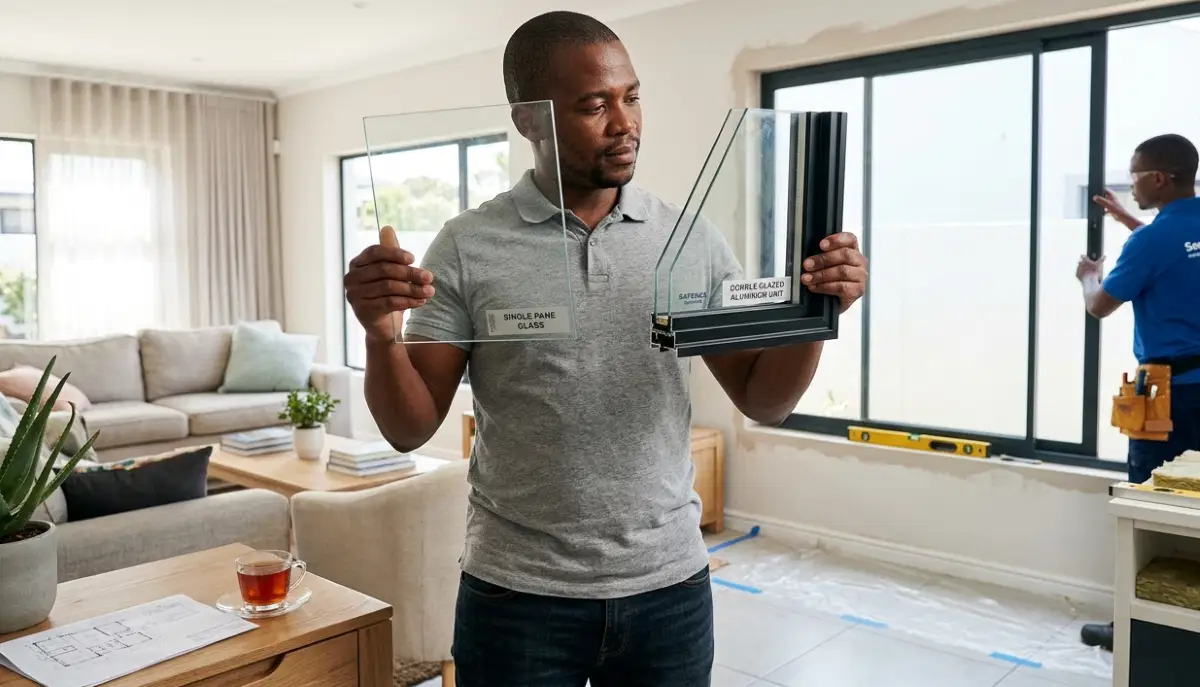
Single glazing: One pane of glass (typically 4-5mm thick). Simple, affordable, but a poor insulator. Single glazing has been standard for decades. It allows heat to pass through easily – in winter, indoor heat escapes; in summer, outdoor heat enters.
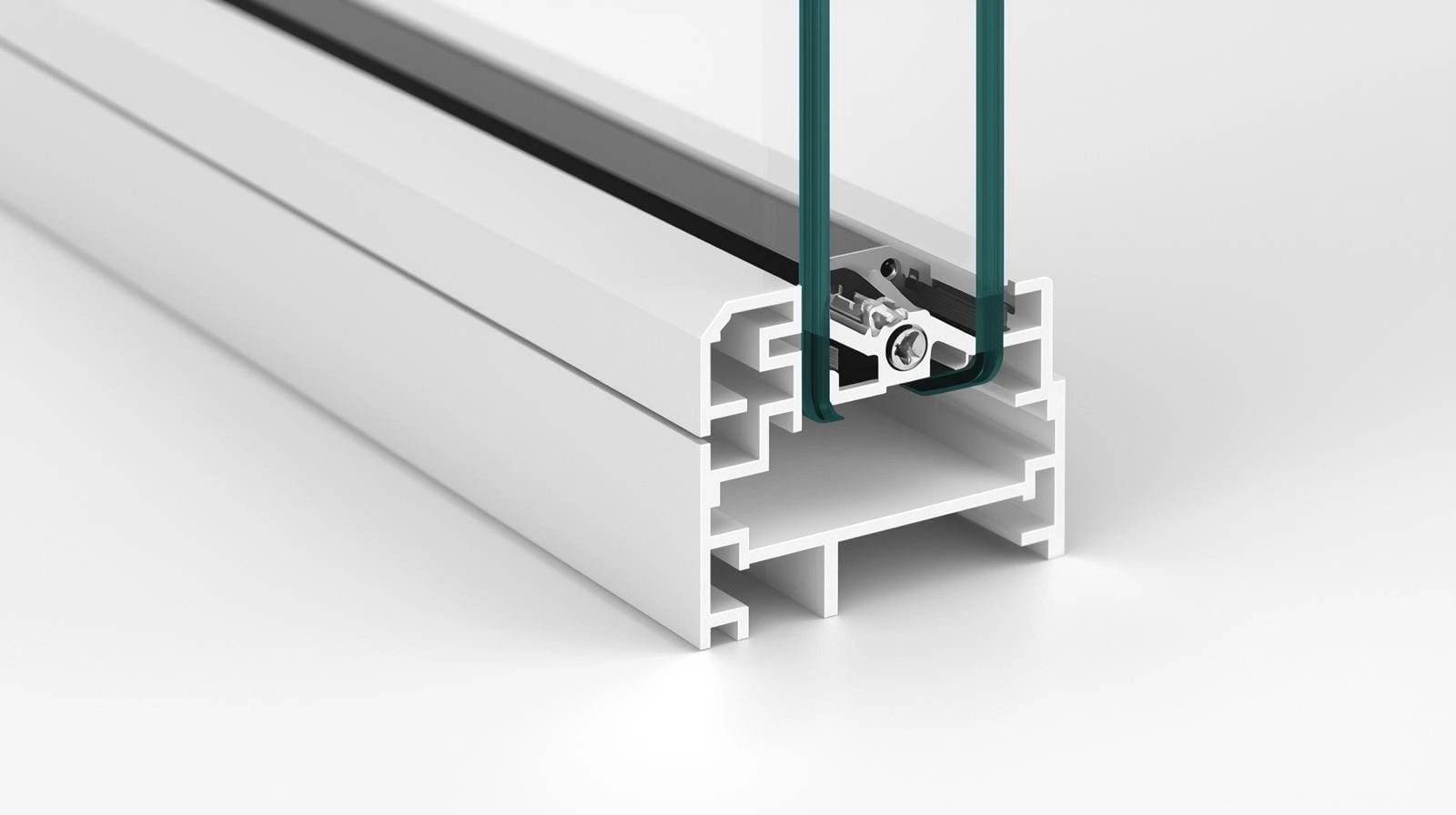
Double glazing: Two panes of glass separated by a spacer bar and sealed airtight. The gap between panes (typically 6-20mm) is filled with air or an insulating gas (usually argon). This trapped gas layer provides the insulation.
The spacer bar: The spacer bar sits between the two panes around the perimeter. It contains desiccant (moisture-absorbing material) to prevent condensation between the panes. Warm edge spacers (instead of aluminium) improve thermal performance.
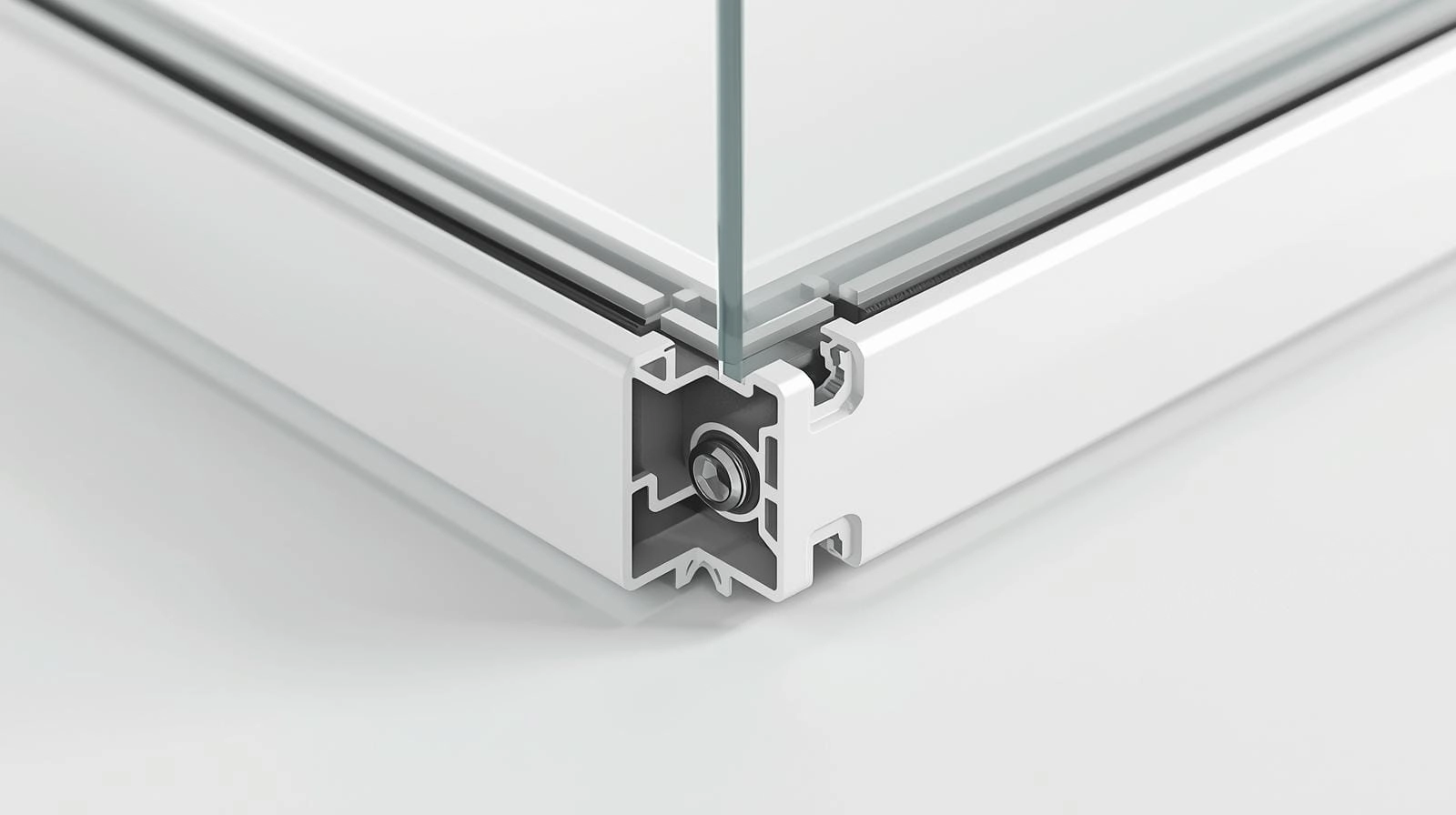
Typical construction: 4mm glass + 12mm air/argon gap + 4mm glass = 20mm total thickness. The sealed unit is then installed into the aluminium frame.
According to Department of Energy double glazing benefits and SANS 10400 glazing standards, double glazing is recommended for energy-efficient homes.
⚙️ How Double Glazing Works – The Science
Understanding the science helps you appreciate double glazing benefits.
Heat transfer mechanisms:
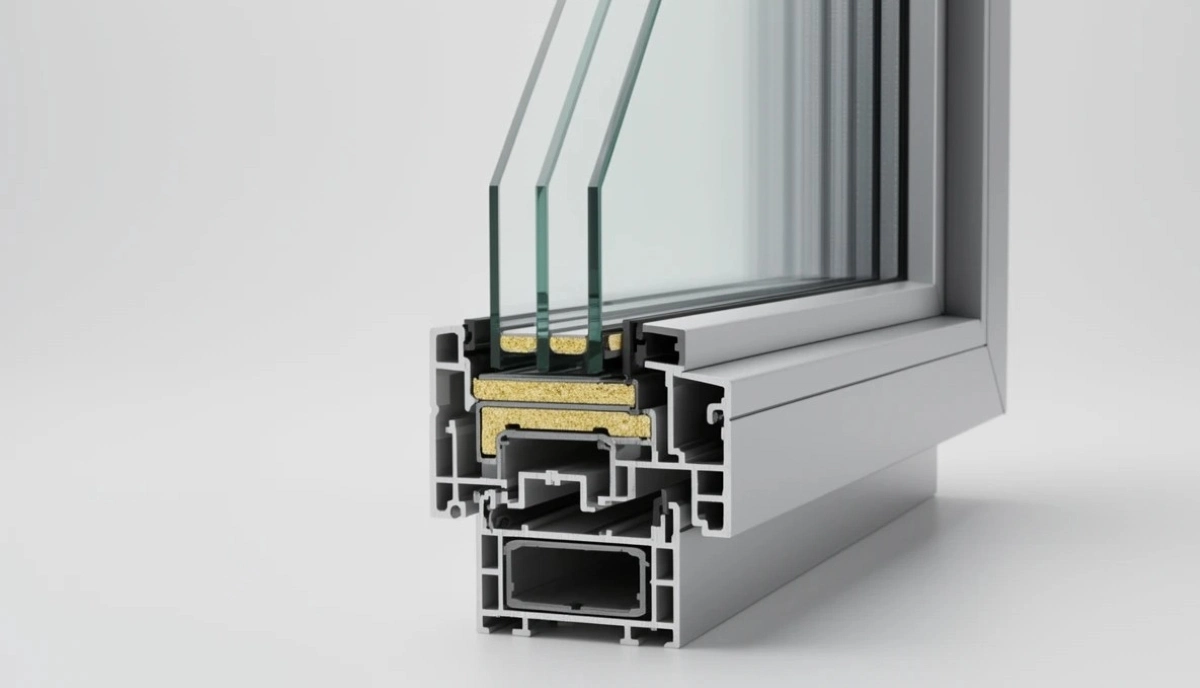
Heat moves in three ways: conduction (through solids), convection (through air), and radiation. Single glazing is poor at stopping all three. Double glazing addresses each:
- Conduction: The trapped gas layer is a poor conductor – heat struggles to cross the gap.
- Convection: The thin gas gap prevents air circulation (convection currents can’t form).
- Radiation: Low-E coatings (optional) reflect heat back into the room.
U-value comparison (lower is better – measures heat loss):
- Single glazing (standard): U-value ~5.7 W/m²K (very poor)
- Double glazing (air-filled): U-value ~2.8 W/m²K (moderate)
- Double glazing (argon-filled): U-value ~2.6 W/m²K (good)
- Double glazing + Low-E coating: U-value ~1.8 W/m²K (excellent)
- Triple glazing (premium): U-value ~0.8 W/m²K (outstanding – overkill for SA)
Argon gas vs air: Argon is denser than air and a poorer conductor. It improves insulation by 5-10% over air-filled units. Most quality double glazing uses argon. Cost premium: R200-400 per m².
Low-E (low emissivity) coating: A microscopic metal layer on the glass reflects heat back into the room. Improves insulation by 15-25% over standard double glazing. Cost premium: R400-800 per m². Highly recommended for north-facing windows.
Read our thermal break guide for frame insulation.
✅ Key Benefits of Double Glazing
Why choose single glazed vs double glazed? The benefits are significant.
1. Energy savings (30-50% reduction in heat loss)
Double glazing dramatically reduces heat transfer. In winter, warm air stays inside. In summer, hot air stays outside. Your heating and cooling systems work less, saving you money.
2. Noise reduction (50-70% reduction in outside noise)
The trapped gas layer dampens sound vibrations. Double glazing is excellent for homes on busy streets, near highways, under flight paths, or in noisy neighbourhoods. Noise reduction is often the #1 reason homeowners choose double glazing.
3. Condensation reduction (up to 80% less)
Single glazing gets cold in winter. Warm indoor air hits the cold glass and condenses (water droplets). Double glazing keeps the inner pane warmer, dramatically reducing condensation. Less mould, less window sill damage.
4. Improved security
Two panes are harder to break than one. Double glazing is significantly more resistant to smash-and-grab attacks. Laminated double glazing (with plastic interlayer) is even stronger.
5. Increased home value
Double glazing is a recognised energy efficiency upgrade. It increases property value and makes your home more attractive to buyers.
6. UV protection (with Low-E coating)
Low-E coatings block up to 70% of UV radiation, reducing fading of furniture, flooring, and curtains.
Read our energy ratings guide for certification details.
❌ Drawbacks to Consider
Honest assessment – double glazing isn’t for everyone.
1. Higher upfront cost (2-3x single glazing)
Double glazing is expensive. For a typical house, you’ll pay R30,000-60,000 more than single glazing. This is the biggest barrier.
2. Longer payback period (5-15 years)
Depending on energy prices and climate, it can take years to recoup your investment through energy savings. For many homeowners, comfort and noise reduction are the real benefits – not just payback.
3. Heavier (requires stronger frames)
Double glazing is heavier than single glazing. Standard aluminium frames can handle it, but cheap frames may not. Ensure your fabricator uses appropriate frame profiles.
4. Thicker (may require frame modification)
Double glazed units are 20-24mm thick vs 4-5mm for single glazing. If retrofitting into existing frames, you may need new frames.
5. Seal failure over time (10-20 years)
The airtight seal between panes can fail, allowing moisture to enter. This causes fogging between the panes – the unit must be replaced. Quality units last 15-20+ years; cheap units may fail earlier.
6. Not suitable for all climates
In very mild climates (coastal KZN), the energy savings may be minimal. The payback period becomes very long.
⚠️ Warning: Don’t Buy Cheap Double Glazing
Cheap double glazing uses poor quality seals that fail within 5-7 years. When the seal fails, moisture enters between the panes, causing permanent fogging. You cannot fix this – only replace. Invest in quality units with argon gas, Low-E coating, and a good warranty (10+ years). For is double glazing worth it for aluminium windows, quality is essential.
Quick reference: Problem → Likely cause
| Symptom | Likely Cause | DIY or Pro? |
|---|---|---|
| Sliding window hard to move (gritty feel) | Dirty track – debris accumulation | Simple DIY |
| Sliding window won’t close – hits something | Obstruction in track – stone, screw, or broken part | Simple DIY |
| Sliding window sags – gap at top when closed | Worn rollers – need replacement | Moderate DIY (or professional) |
| Casement window won’t latch – gap at bottom | Settled frame or worn hinges | Moderate DIY (hinge adjustment) |
| Casement window handle turns but doesn’t close | Worn handle or multi-point lock mechanism | Professional repair recommended |
| Window has gap around frame – visible daylight | Frame settlement or failed seal | Professional (structural assessment) |
Typical house example (12m² of windows):
- Single glazing: R62,000 – R90,000 installed
- Double glazing (argon): R72,000 – R120,000 installed
- Difference: R10,000 – R30,000 extra
Use our Beat Your Quote guarantee for competitive pricing.
💰 Energy Savings & Payback Period
Real numbers for is double glazing worth it for aluminium windows calculations.
Annual heating/cooling costs (typical 12m² windows, 3-bedroom house):
- Single glazing: R5,000 – R8,000 per year
- Double glazing (argon): R3,500 – R5,600 per year
- Annual saving: R1,500 – R2,400
Payback period by region:
- Gauteng (cold winters, hot summers): 5-8 years – excellent payback
- Western Cape (cold, wet winters): 6-10 years – good payback
- Cape Town (coastal, moderate): 7-12 years – moderate payback
- KwaZulu-Natal (mild, humid): 10-15+ years – long payback
The big picture: Payback is only part of the story. If you value comfort, noise reduction, and condensation prevention, double glazing is worth it even if the pure financial payback is long.
With thermal break frames (recommended): Thermal break + double glazing saves 50-70% compared to standard single glazing. Payback: 6-12 years. Read our thermal break guide.
🔇 Noise Reduction – How Effective Is Double Glazing?
For many homeowners, noise reduction is the #1 reason for choosing double glazing.
How much noise reduction?
- Single glazing: 25-28 dB reduction (standard)
- Double glazing (standard): 30-35 dB reduction (noticeable improvement)
- Double glazing + unequal panes (e.g., 6mm/4mm): 35-40 dB reduction (good)
- Double glazing + laminated glass: 40-45 dB reduction (excellent)
- Acoustic double glazing (specialised): 45-50 dB reduction (premium)
What does this mean in practice?
- Traffic noise on a busy street: 70-75 dB outside → 40-45 dB inside with double glazing (sounds like quiet conversation)
- Aircraft noise: single glazing lets significant noise through; double glazing reduces it to a distant hum
- Barking dogs or neighbours: significantly reduced
Unequal pane thickness: Using different glass thicknesses (e.g., 6mm outside, 4mm inside) improves noise reduction because different thicknesses disrupt different sound frequencies.
Laminated glass: A plastic interlayer between glass layers. Excellent for noise reduction (plus security). Adds R400-800 per m².
Read our acoustic performance guide for more.
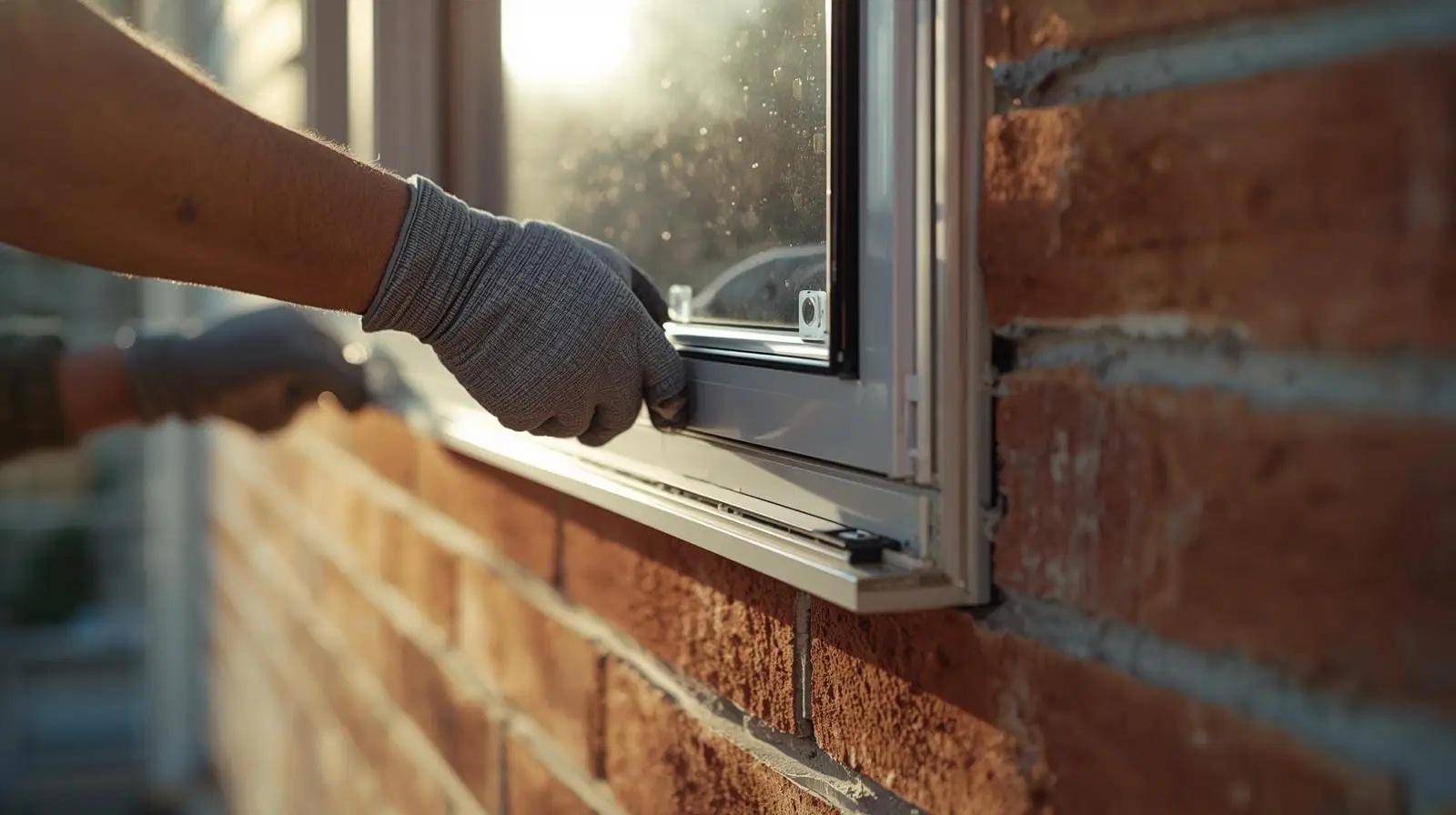
Ready to Upgrade to Double Glazing?
Get free quotes from verified aluminium fabricators. Compare single glazed vs double glazed options and find the best value for your home.
🌍 By Climate – Where Double Glazing Makes Sense
Your location dramatically affects is double glazing worth it for aluminium windows.
Highly recommended (payback 5-8 years):
- Gauteng – cold winters (frost, sub-zero nights) + hot summers
- Free State – very cold winters
- Mpumalanga highveld – cold winters
- Any area with regular sub-zero winter temperatures
Recommended (payback 6-10 years):
- Western Cape – cold, wet winters
- Cape Town – moderate but rainy winters
- Eastern Cape interior – moderate winters
Consider if noise is an issue (any climate):
- Homes on busy streets, near highways, under flight paths, or in noisy neighbourhoods. Noise reduction alone justifies double glazing regardless of climate.
Probably not worth it (payback 12-20+ years):
- Coastal KZN (Durban, Umhlanga) – mild winters, minimal temperature difference
- Lowveld (Nelspruit, Hoedspruit) – warm year-round
- Rental properties (tenants pay utilities – you won’t see savings)
- Homes you’ll sell within 5 years (won’t recoup investment)
Read our energy ratings guide for technical specifications.
🔧 Double Glazing + Thermal Break – The Perfect Pair
For maximum energy efficiency, combine insulated glass with thermal break frames.
Why they work together:
- Double glazing stops heat loss through the glass
- Thermal break stops heat loss through the frame
- Together, they address both paths of heat transfer
Performance comparison (standard window = baseline):
- Standard single glazing: 100% heat loss (baseline)
- Double glazing only: 50-60% heat loss (40-50% better)
- Thermal break only: 60-70% heat loss (30-40% better)
- Thermal break + double glazing: 30-40% heat loss (60-70% better)
Cost: Thermal break + double glazing costs 80-100% more than standard single glazing. However, it’s the only combination that truly creates an energy-efficient window envelope.
Our recommendation: If you’re building new or doing a major renovation, specify thermal break frames + double glazing with Low-E coating. The upfront cost is higher, but you’ll enjoy the benefits for 20-30+ years.
Read our thermal break guide for more.
📊 Complete Aluminium Security Door Cost Comparison Table
Use this as your final reference when comparing burglar door price quotes.
| Component / Feature | Budget Option | Standard Option | Premium Option |
|---|---|---|---|
| Door type | Fixed mesh | Expandable mesh | Expandable mesh (branded e.g. Trellidor) |
| Frame material | Standard aluminium | Standard aluminium | Marine-grade aluminium |
| Lock type | Keyed cylinder | Deadbolt | Multi-point locking |
| Hinges | Standard | Security hinges | Security hinges (stainless steel) |
| Finish | Standard powder coat | Standard powder coat | Marine-grade powder coat |
| Installation | Basic | Professional | Premium (certified specialist) |
| Cost (single door installed) | R4,000 – R8,000 | R6,500 – R10,500 | R10,000 – R15,000+ |
❓ Frequently Asked Questions About Double Glazing
Is double glazing worth it for aluminium windows in South Africa?
Is double glazing worth it for aluminium windows depends on your location and priorities. In cold climates (Gauteng, Free State, Western Cape), yes – payback is 5-10 years, plus comfort and noise benefits. In mild climates (coastal KZN), the financial payback is longer (10-15+ years), but noise reduction may still justify it. For long-term homeowners who value comfort, double glazing is almost always worth it.
How much does double glazing cost per square metre in South Africa?
Single vs double glaze aluminium windows pricing: double glazing costs R6,000 – R10,500 per m² installed vs R4,500 – R7,000 for single. The premium is 30-60% depending on specifications (argon gas, Low-E coating). For a typical 12m² house, double glazing costs R72,000-120,000 vs R62,000-90,000 for single. Read our cost guide for detailed pricing.
How much noise reduction does double glazing provide?
Standard double glazing reduces noise by 30-35 dB (noticeable improvement). With unequal pane thickness or laminated glass, reduction reaches 40-45 dB (excellent). For context, a busy street at 70 dB becomes 35-40 dB inside – the level of quiet conversation. For homes under flight paths or on major roads, this is transformative. Double glazing benefits include significant noise reduction.
Does double glazing stop condensation?
Yes – significantly. Single glazing gets cold in winter; warm indoor air hits the cold glass and condenses. Double glazing keeps the inner pane warmer (closer to room temperature). Condensation is reduced by 70-90%. However, in very humid areas (bathrooms, kitchens, coastal KZN), some condensation may still occur on the glass or frames. Proper ventilation is still important.
How long does double glazing last?
Quality double glazing lasts 15-25 years. The glass itself is permanent; the weak point is the perimeter seal. When the seal fails, moisture enters between the panes, causing fogging. Cheap units may fail in 5-7 years; quality units with good warranties last 15-20+ years. For is double glazing worth it for aluminium windows, invest in quality – cheap units are a false economy.
What is the best combination for energy efficiency?
The best combination is thermal break frames + double glazing with argon gas and Low-E coating. For extreme climates, add triple glazing (overkill for South Africa). For most homes, thermal break + double glazing (argon) is the sweet spot – you get 80% of the benefit at 50% of the cost of the absolute best. Read our thermal break guide.
Can I retrofit double glazing into existing aluminium frames?
Sometimes. The new double glazed unit must fit within your existing frame’s glazing pocket. Many older frames are too narrow (they were designed for single 4-5mm glass). If your frames can’t accommodate 20-24mm double glazing, you’ll need new frames. This adds significantly to cost. Ask a fabricator to assess your existing frames.
How do I find a good double glazing supplier?
Use ServiceLink SA’s free quote service to find verified aluminium fabricators specialising in double glazing. Ask: How long is your warranty? (minimum 10 years). Do you use argon gas and Low-E? What is the U-value? Can you show me examples of previous installations? For Gauteng, Johannesburg, Pretoria, or Cape Town, ask for references.
✅ Final Thoughts: Know Your Priorities, Choose Accordingly
After reading this single vs double glaze aluminium windows guide, you understand the trade-offs.
Single glazing is affordable and does the job in mild climates or for rental properties. But it’s inefficient, noisy, and prone to condensation.
Double glazing is a significant investment – but it pays back in energy savings, noise reduction, comfort, and home value. For homeowners in cold climates, on noisy streets, or planning to stay long-term, double glazing is worth every rand.
If budget allows, combine double glazing with thermal break frames and Low-E coating for the ultimate energy-efficient window. If budget is tight, start with double glazing (you can add thermal break later when replacing frames).
Key takeaways for single vs double glazing:
- Double glazing costs 30-60% more than single glazing upfront
- Saves 30-50% on heating/cooling costs annually
- Reduces noise by 30-40+ dB – significant improvement
- Virtually eliminates condensation on glass
- Payback period: 5-8 years (Gauteng) to 10-15+ years (mild climates)
- Best for: Cold climates, noisy areas, long-term homeowners
- Cheap double glazing fails prematurely – invest in quality
- Thermal break + double glazing = maximum efficiency
- Use ServiceLink SA to find verified fabricators
Your next step: Ready to upgrade to double glazing? Get free quotes from verified aluminium fabricators specialising in insulated glass units.
Ready to Upgrade to Double Glazing?
Get free, no-obligation quotes from verified aluminium fabricators. Compare single vs double glaze aluminium windows options and find the best value for your home.
📞 Call us: 073 138 4726 for double glazing advice.
Free energy assessments •
Hiring tips •
Beat Your Quote •
Why choose us
📚 Official resources & standards referenced:
- Department of Energy – Double glazing benefits and energy efficiency standards.
- SANS 10400 – South African National Standard for glazing standards and building regulations.
Information provided for general guidance. Energy savings vary based on climate, window orientation, and home insulation. Always get multiple quotes for your specific project.
Written by: ServiceLink SA Research Team
Specialist Energy Efficiency & Aluminium Window Experts
The ServiceLink SA Research Team has extensive experience with single and double glazed aluminium window installations across thousands of South African homes. Our team has worked closely with certified fabricators, energy efficiency specialists, and homeowners to develop this comprehensive single glazed vs double glazed guide. This guide is based on real project data, energy performance tracking, and feedback from across Gauteng, Western Cape, Johannesburg, Pretoria, Cape Town, and nationwide. We update our information regularly to reflect current energy standards and market conditions.
For more information about energy-efficient windows, explore our related resources: thermal break guide, double glazing cost guide, energy ratings guide, heat loss reduction guide, and Low-E glass guide. Learn about our process on what is ServiceLink SA and read our ServiceLink SA review. Find fabricators in your area: Gauteng, Western Cape, Johannesburg, Pretoria, Cape Town, and Sandton. For related services, see our air conditioning and roofing services guides.