
High Energy Bills? Cold Near Windows?
Get free quotes from verified aluminium specialists. Learn how to reduce heat loss aluminium frames and save on energy bills.
Servicing Gauteng, Western Cape, Johannesburg, and Cape Town
How to Reduce Heat Loss Through Aluminium Frames: Energy Saving Tips SA
🔥 The complete guide to keeping heat inside your home – stop wasting money through your windows
Let me show you something that will change how you think about your windows. On a cold winter morning in Johannesburg, touch your aluminium window frame. Feel how cold it is? That cold is coming from outside – and it’s costing you money. Worse, the heat inside your home is escaping through that same frame.
Aluminium is an excellent conductor of heat. In winter, indoor warmth travels through the frame and dissipates outside. Your heater works harder. Your energy bills climb. And you sit near a freezing-cold window, feeling a draught you can’t quite locate.
The good news? You can reduce heat loss aluminium frames significantly – often without replacing your windows. In this guide, I’ll show you practical ways to prevent heat loss, from simple DIY fixes (seals, films, curtains) to major upgrades (thermal break frames, double glazing). You’ll learn how to stop heat loss through aluminium window frames at every budget level.
For more energy guidance, read our thermal break guide, energy ratings guide, or single vs double glaze guide. Ready to stop throwing money out the window? Let’s dive in.
📋 Table of Contents – Heat Loss Reduction Guide
🔬 Why Aluminium Frames Lose Heat
Understanding the science helps you choose the right solution to prevent heat loss.
Thermal bridging explained:
Aluminium is an excellent conductor of heat – about 200 W/(m·K). When you have a standard aluminium frame, it creates a “thermal bridge” between inside and outside. Heat flows freely through the frame. In winter, indoor warmth escapes. In summer, outdoor heat enters.
Where heat loss occurs:
- Through the frame (40-60% of loss): The aluminium itself conducts heat directly.
- Through air leakage (20-30% of loss): Gaps around seals and between frame sections let cold air in.
- Through the glass (20-40% of loss): Single glazing is a poor insulator.
The cost of heat loss:
- A typical house with standard aluminium windows loses 15-25% of its heat through windows
- Of that window heat loss, 40-60% is through the frame itself
- Annual cost of heat loss through windows: R1,500 – R4,000+ per year
According to Department of Energy energy saving guidelines and SANS 10400 insulation standards, addressing window heat loss is a top priority for energy efficiency.
⚠️ Warning: Your Frame Matters as Much as Your Glass
Many homeowners focus only on double glazing to reduce heat loss aluminium frames. But if your frame is standard aluminium, 40-60% of heat loss still occurs through the frame. To truly stop heat loss, you must address both the frame AND the glass. Thermal break frames + double glazing work together.
💰 Budget Solutions (Under R500 per window)
You can reduce heat loss aluminium frames without breaking the bank.
1. Weather seals and draught excluders (R100-300 per window)
Air leakage accounts for 20-30% of heat loss. Adding or replacing weather seals is the most cost-effective fix. Self-adhesive foam or rubber seals stick to the frame. Install around the entire perimeter of opening windows. DIY in 30 minutes. Read our seal replacement guide.
2. Silicone sealant around frame (R50-150 per window)
Check for gaps between the window frame and the wall. Apply exterior-grade silicone sealant to fill gaps. This stops cold air entering around the frame.
3. Heavy-duty curtains or thermal blinds (R300-800 per window)
Thick curtains act as an extra insulation layer. Close them at night to trap heat. Open them during the day to let sun in. Honeycomb blinds (cellular blinds) are particularly effective – the air pockets provide insulation. Cost: R300-1,500.
4. Window insulation film (R100-300 per window)
Clear plastic film applied to the inside of the glass. Creates a trapped air layer. Effective but reduces visibility slightly. DIY installation with a hairdryer to shrink the film tight.
5. Door snakes / draught stoppers (R50-150)
For sliding doors, place a fabric “snake” at the bottom of the door to block cold air from the track. Simple but effective.
🎁 Pro Tip: Start with Seals and Curtains
The most cost-effective way to reduce heat loss aluminium frames is to add weather seals (R100-300) and heavy curtains (R300-800). For under R1,000 per window, you can stop draughts and add insulation. This won’t fix thermal bridging through the frame, but it’s the best value for money.
💰 Mid-Range Solutions (R500 – R2,000 per window)
For better thermal insulation, invest in these upgrades.
1. Retrofit double glazing / secondary glazing (R800-1,500 per window)
Add a second glass pane to existing windows. Secondary glazing is a separate frame installed on the inside. Not as effective as true double glazing, but much cheaper. Reduces heat loss by 30-40%.
2. Low-E window film (R400-800 per window)
Unlike basic insulation film, Low-E film reflects heat back into the room. Improves insulation without reducing visibility as much. Professional installation recommended. Read our Low-E glass guide.
3. Insulated blinds (R800-2,000 per window)
Cellular (honeycomb) blinds trap air in cells, providing excellent insulation. Can reduce heat loss by 30-50% when closed. Cost: R800-2,000.
4. Window quilts / thermal liners (R500-1,500)
Attach to existing curtains as a thermal lining. Adds insulation without replacing curtains. DIY using thermal lining fabric from a fabric store.
5. External window shutters (R1,500-3,000 per window)
Wooden or aluminium shutters on the outside. Close them at night to trap heat. Also provides security and UV protection. More expensive but adds home value.
Read our energy ratings guide for performance measurements.
💰 Premium Solutions (R2,000+ per window)
For maximum heat retention, invest in these permanent upgrades.
1. Replace with double glazing (R6,000-10,500 per m² installed)
Replace single glazed glass with double glazed units. Reduces heat loss through glass by 50-60%. Also significantly reduces noise. Must be installed by a professional. Read our double glazing cost guide.
2. Replace frames with thermal break profiles (R5,500-9,000 per m² installed)
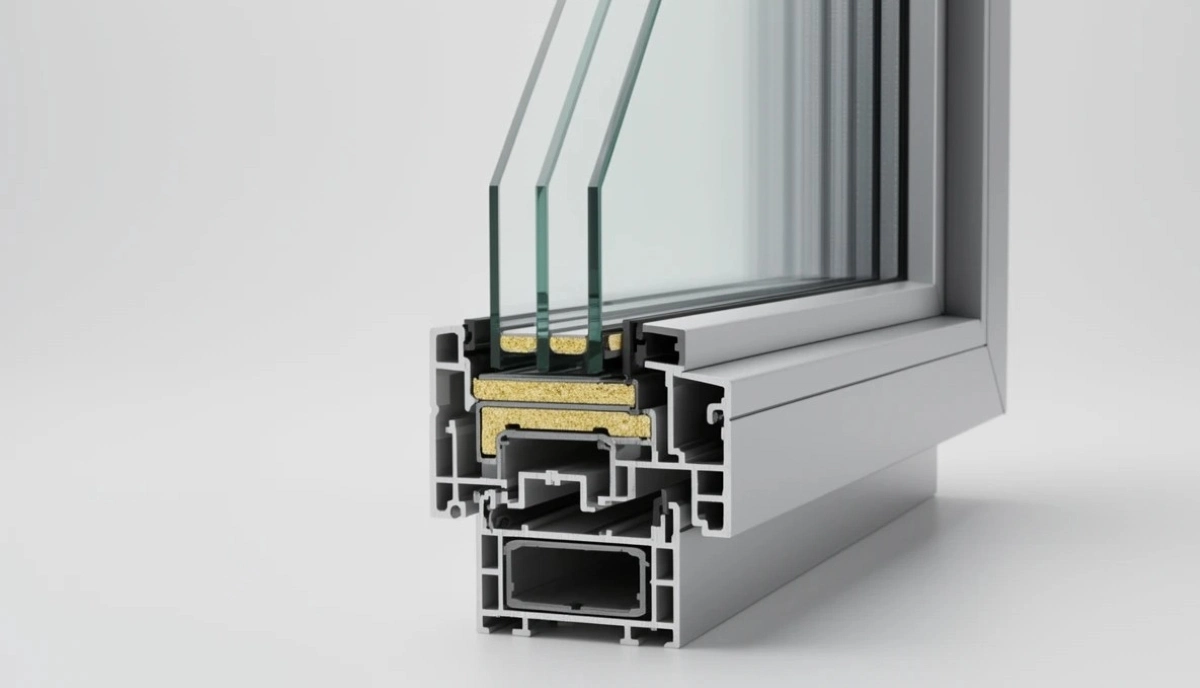
Thermal break frames add a polyamide insulator between inner and outer aluminium. Reduces frame heat loss by 60-80%. Often combined with double glazing. Read our thermal break guide.
3. Full window replacement (thermal break + double glazing) (R8,500-13,000 per m²)
The ultimate solution – replace entire window with thermal break frames and double glazing. Reduces total heat loss by 60-70%. Payback period: 8-15 years depending on climate and energy prices. Best for long-term homeowners.
4. External insulation panels (R500-1,000 per window – DIY)
For very cold climates, removable insulation panels that fit over windows at night. Not attractive but effective. Made from rigid foam board cut to size. Cover with fabric to blend with decor.
🔥 Thermal Break Frames – The Ultimate Solution
If you want to truly reduce heat loss aluminium frames, thermal break technology is the answer.
What is a thermal break?
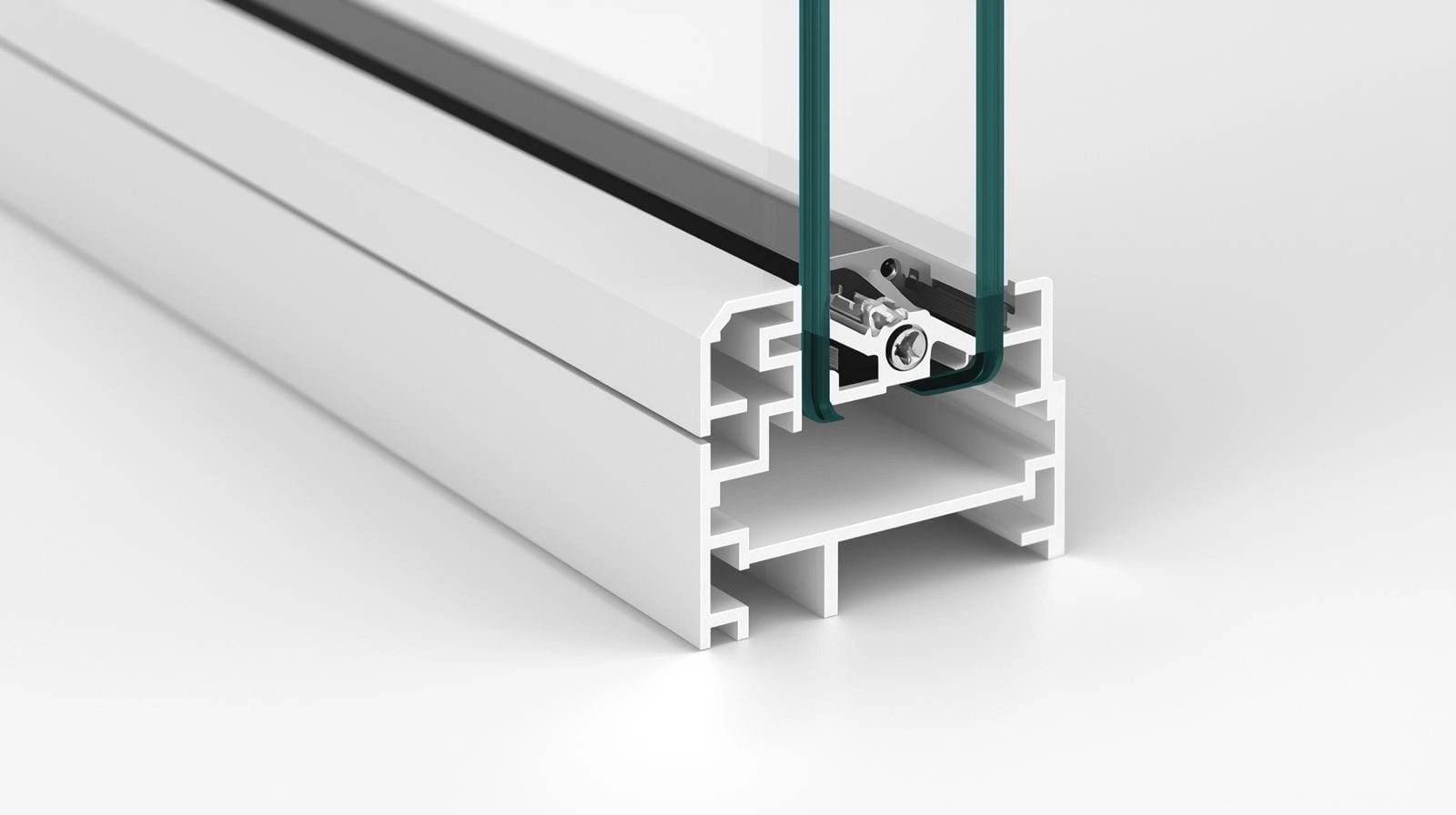
A polyamide strip inserted between the inner and outer aluminium profiles. This strip is a poor conductor of heat – it “breaks” the thermal bridge. The inner frame stays warm; the outer frame stays cold. Heat cannot travel through.
How much difference does it make?
- Standard aluminium frame: U-value ~5.7 W/m²K (very poor)
- Thermal break frame only: U-value ~3.5 W/m²K (40% better)
- Thermal break + double glazing: U-value ~1.8 W/m²K (70% better)
Can you retrofit thermal break? No – thermal break is manufactured into the frame. You cannot add it to existing windows. You must replace the entire frame.
Is it worth the cost? For long-term homeowners in cold climates, yes. Thermal break frames cost 20-40% more than standard frames but pay back through energy savings. For new builds, the cost difference is small relative to total build cost.
Read our complete thermal break guide.
🪟 Curtains, Blinds & Window Coverings
Window coverings are an underrated tool for prevent heat loss.
Best options for heat retention:
- Honeycomb/cellular blinds: The air pockets trap heat. Best insulating blind. R800-2,000.
- Thermal curtains (lined): Heavy fabric with insulating lining. Close at night. R300-1,500.
- Roman blinds with thermal lining: Elegant and insulating. R500-1,800.
- Combination: blinds + curtains: Maximum insulation – blinds during the day, curtains at night.
How to maximise effectiveness:
- Ensure curtains extend beyond the window frame (not just covering the glass)
- Curtains should reach the floor or window sill (no gaps at bottom)
- Close curtains as soon as the sun goes down
- Open curtains on north-facing windows during sunny winter days (free solar heat)
The science: A closed thermal curtain can reduce heat loss through a window by 30-50%. For under R1,000, it’s excellent value.
Read our maintenance guide for keeping windows in top condition.

Ready to Stop Heat Loss?
Get free quotes from verified aluminium specialists. Learn the best ways to reduce heat loss aluminium frames for your home and budget.
🌊 Coastal Considerations – Condensation & Corrosion
In coastal areas, how to stop heat loss through aluminium window frames has extra challenges.
The condensation problem: In Cape Town and Western Cape, cold frames + humid air = condensation. This can lead to mould, rot, and damage. Improving insulation reduces condensation (warmer inner frame = less condensation).
Corrosion risk: Salt spray corrodes standard aluminium and hardware. When upgrading to thermal break frames or double glazing, specify marine-grade powder coating (80-120 microns thick) and stainless steel hardware (Grade 316).
Coastal recommendations:
- Use thermal break frames (reduces condensation)
- Specify marine-grade powder coating
- Use stainless steel hardware
- Check seals regularly – replace at first sign of wear
Read our coastal windows guide for more.
📊 Energy Savings – What to Expect
Real numbers for thermal insulation upgrades.
| Upgrade | Cost per Window | Annual Energy Saving | Payback (Years) | Best For |
|---|---|---|---|---|
| Weather seals + curtains | R400 – R1,100 | R200 – R400 | 1–3 years | Budget, immediate savings |
| Low-E film | R400 – R800 | R150 – R300 | 2–4 years | Renters, mid-term |
| Retrofit secondary glazing | R800 – R1,500 | R250 – R500 | 3–5 years | Mid-term owners |
| Thermal break replacement frames | R5,500 – R9,000 per m² | R400 – R800 | 8–15 years | Long-term homeowners |
| Thermal break + double glazing | R8,500 – R13,000 per m² | R600 – R1,200 | 10–20 years | New builds, forever homes |
Important note: Energy savings alone rarely justify premium upgrades (payback 10-20 years). But when you add comfort, noise reduction, condensation prevention, and increased home value, premium upgrades make sense for long-term homeowners.
📊 Complete Heat Loss Reduction Solutions Comparison
Use this as your final reference for how to reduce heat loss aluminium frames.
| Solution | Cost | DIY/Pro | Heat Loss Reduction | Renew Every | Best For |
|---|---|---|---|---|---|
| Weather seals | R100–R300 | DIY | 10–20% (stops draughts) | 2–5 years | All homes |
| Heavy curtains | R300–R1,500 | DIY | 20–30% (when closed) | 5–10 years | All homes |
| Insulation film | R100–R300 | DIY | 15–25% | 1 season | Renters, temporary |
| Low-E film | R400–R800 | DIY/Pro | 25–35% | 5–10 years | Owners, medium-term |
| Cellular blinds | R800–R2,000 | DIY/Pro | 30–40% (when closed) | 10+ years | Owners |
| Secondary glazing | R800–R1,500 | Pro | 30–40% | 10+ years | Owners, retrofit |
| Double glazing (retrofit) | R6,000–R10,500/m² | Pro | 40–50% | 15–25 years | Long-term owners |
| Thermal break frames | R5,500–R9,000/m² | Pro | 50–60% (frame only) | 20–30+ years | New builds, replacement |
| Thermal break + double glazing | R8,500–R13,000/m² | Pro | 60–70% | 20–30+ years | New builds, forever homes |
❓ Frequently Asked Questions About Reducing Heat Loss
How do I stop heat loss through aluminium window frames?
To stop heat loss through aluminium window frames on a budget: add weather seals (R100-300) and thermal curtains (R300-800). For permanent solutions: replace frames with thermal break profiles (R5,500-9,000 per m²) or add secondary glazing (R800-1,500). The best solution is thermal break frames + double glazing, but this costs R8,500-13,000 per m² installed.
Why do aluminium windows feel cold in winter?
Aluminium is an excellent conductor of heat. In winter, the cold outside temperature travels through the frame to the inside. This is called thermal bridging. The frame becomes cold to the touch. Additionally, cold air near the window creates a “cold zone” that you feel. To reduce heat loss aluminium frames, you need to break the thermal bridge with thermal break profiles or add insulation layers like curtains.
Does double glazing stop heat loss through aluminium frames?
No – double glazing only addresses heat loss through the glass. The frame (aluminium) still conducts heat. 40-60% of window heat loss occurs through the frame. To truly prevent heat loss, you need both: thermal break frames (stops frame heat loss) + double glazing (stops glass heat loss). However, double glazing alone still helps – just not as much as the combination.
What is the cheapest way to insulate aluminium windows?
The cheapest solution for thermal insulation is self-adhesive weather seals (R100-300 per window) + heavy curtains (R300-800). Total under R1,000 per window. For very cold nights, add insulation film (R100-300). These won’t fix thermal bridging, but they stop draughts and add a layer of trapped air – significant improvement for minimal cost.
Can I add a thermal break to existing aluminium windows?
No – thermal break is manufactured into the frame during extrusion. You cannot retrofit a thermal break to an existing window. The only way to get thermal break frames is to replace the entire window. For existing windows, focus on other solutions: weather seals, curtains, secondary glazing, or Low-E film. These will improve heat retention without replacing windows.
How much can I save by reducing heat loss through windows?
A typical house with standard aluminium windows loses R1,500-4,000+ per year through windows. Reducing heat loss by 50% saves R750-2,000+ annually. For budget solutions (R500-1,000 per window), payback is 1-3 years. For premium solutions (R8,500-13,000 per m²), payback is 10-20 years – but comfort and home value add to the benefit.
Do thermal curtains really help with heat loss?
Yes – thermal curtains (heavy fabric with insulating lining) reduce heat loss by 20-30% when closed. The trapped air between the curtain and window acts as insulation. For maximum effectiveness, curtains should extend beyond the frame and reach the floor. Combined with weather seals (stops draughts), thermal curtains are excellent value for reduce heat loss aluminium frames.
How do I find a professional to help with heat loss reduction?
Use ServiceLink SA’s free quote service to find verified aluminium specialists. For simple fixes (seals, curtains), DIY is fine. For window replacement, thermal break frames, or double glazing, always hire professionals. For Gauteng, Johannesburg, Pretoria, or Cape Town, ask for energy efficiency specialists. Read our contractor guide.
✅ Final Thoughts: Start Small, Save Big
After reading this guide on how to reduce heat loss aluminium frames, you have solutions at every budget level.
Start today. Walk to your coldest window. Feel the draught. Then take action: add weather seals this weekend (R100-300). Buy thermal curtains next month (R300-800). For under R1,000, you’ll feel the difference immediately.
Long-term, consider thermal break frames and double glazing. The upfront cost is significant, but for long-term homeowners, the comfort, energy savings, and home value make it worthwhile.
Don’t keep throwing money out your windows. Every rand spent on insulation saves you multiple rands in energy bills. Start today.
Key takeaways for reducing heat loss:
- Aluminium frames are the #1 source of window heat loss (40-60% of total)
- Budget solutions: weather seals (R100-300) + thermal curtains (R300-800) – payback 1-3 years
- Mid-range: Low-E film (R400-800), secondary glazing (R800-1,500), cellular blinds (R800-2,000)
- Premium: thermal break frames (R5,500-9,000/m²), double glazing (R6,000-10,500/m²)
- The ultimate: thermal break + double glazing (R8,500-13,000/m²) – 60-70% heat loss reduction
- Curtains must extend beyond the frame and reach the floor for maximum effect
- Coastal areas: specify marine-grade powder coating and stainless steel hardware
- Start with weather seals and curtains – best value for money
- Use ServiceLink SA to find verified specialists for major upgrades
Your next step: Identify your coldest window today. Add weather seals this weekend. Then get free quotes for larger upgrades from verified specialists.
Ready to Stop Heat Loss?
Get free, no-obligation quotes from verified aluminium specialists. Learn the best ways to reduce heat loss aluminium frames for your home and budget.
📞 Call us: 073 138 4726 for energy efficiency advice.
Free energy assessments •
Hiring tips •
Beat Your Quote •
Why choose us
📚 Official resources & standards referenced:
- Department of Energy – Energy saving guidelines and home efficiency recommendations.
- SANS 10400 – South African National Standard for insulation standards and building regulations.
Information provided for general guidance. Energy savings vary based on climate, window orientation, and existing insulation. Always get multiple quotes for your specific project.
Written by: ServiceLink SA Research Team
Specialist Energy Efficiency & Aluminium Window Experts
The ServiceLink SA Research Team has extensive experience with heat loss reduction in aluminium windows across thousands of South African homes. Our team has worked closely with energy efficiency specialists, thermal engineers, and homeowners to develop this comprehensive thermal insulation guide. This guide is based on real energy data, thermal performance tracking, and feedback from across Gauteng, Western Cape, Johannesburg, Pretoria, Cape Town, and nationwide. We update our information regularly to reflect current energy standards and best practices.
For more information about energy efficiency, explore our related resources: thermal break guide, single vs double glaze, energy ratings guide, Low-E glass guide, and seal replacement guide. Learn about our process on what is ServiceLink SA and how we verify contractors. Find specialists in your area: Gauteng, Western Cape, Johannesburg, Cape Town, and Sandton. For related services, see our air conditioning and roofing services guides.