
Thinking of Installing Aluminium Sliding Windows?
Get free quotes from verified aluminium fabricators. Compare sliding window installation options and find the best value for your home.
Get Free Sliding Window Quotes
Servicing Gauteng, Johannesburg, Pretoria, Sandton, and Centurion
Aluminium Sliding Windows Guide: Pros, Cons & Installation Tips for SA Homes
🪟 The complete homeowner’s guide to South Africa’s most popular window type
Walk through any South African suburb – from Johannesburg to Pretoria, Sandton to Centurion – and you’ll see them everywhere. Aluminium sliding windows dominate the residential landscape. And for good reason. They’re affordable, durable, low-maintenance, and perfect for our climate.
But are they right for your home? After helping thousands of homeowners across Gauteng choose and install windows, I can tell you that sliding windows aren’t always the answer. They have genuine drawbacks that many people don’t consider until after installation.
In this complete guide to aluminium sliding windows, I’ll walk you through the pros and cons, installation requirements, cost considerations, maintenance tips, and answer the critical question: are aluminium sliding windows good for homes in your specific situation. By the end, you’ll know exactly whether these ubiquitous horizontal sliding windows are the right choice for your next project.
For more aluminium guidance, check out our aluminium services, read our installation cost guide, or compare aluminium vs uPVC vs wood. Ready to master sliding windows? Let’s dive in.
📋 Table of Contents – Sliding Windows Guide
📐 What Are Aluminium Sliding Windows?
Before diving into pros and cons, let’s understand what makes a sliding window different.
How sliding windows work: Aluminium sliding windows operate on a track system. The window sash (the moving part with glass) slides horizontally along a track – left or right – to open. They typically have two panels: one fixed (doesn’t move) and one sliding (moves). Some configurations have two sliding panels or three panels (centre fixed, two sliding).
Common configurations:
- 2-track, 2-panel: One fixed, one sliding – most common for bedrooms and living areas
- 3-track, 3-panel: Two sliding panels with one fixed in centre – wider openings
- Single sliding: One panel slides, the other is fixed – standard for most residential applications
- Double sliding: Both panels slide – less common, for very wide openings
Key components of aluminium sliding windows:
- Aluminium frame (fixed to the wall)
- Sliding sash (the moving panel with glass)
- Track system (bottom and top tracks guide the sash)
- Rollers (wheels inside the sash that roll along the track)
- Locks and handles (secures the window when closed)
- Weather seals (prevents air and water infiltration)
According to SANS 10400 window installation standards and energy efficiency ratings, aluminium sliding windows must meet specific performance criteria for safety and thermal efficiency.
✅ Pros of Aluminium Sliding Windows
Here’s why aluminium sliding windows are the top choice for most South African homeowners.
1. Affordability – Best Value for Money
Sliding windows are the most affordable aluminium window type. They cost 20-40% less than casement windows. For a standard 1.2m x 1.2m window, expect R3,500 – R5,500 for sliding vs R5,000 – R7,500 for casement. This makes them ideal for budget-conscious projects or when replacing many windows.
2. Space-Saving Design
Unlike casement windows that swing outward or inward, sliding windows don’t protrude. This is perfect for:
- Walkways and pathways where outward-opening windows would block traffic
- Kitchens where inward-opening windows would hit taps or shelves
- Bathrooms with limited space
- Second-storey rooms where outward-opening windows could be dangerous
3. Low Maintenance
Aluminium frames are virtually maintenance-free. No painting, no sealing, no rust (with proper coating). Just occasional cleaning with mild soap and water. The powder-coated finish lasts 15-20+ years without fading. Compare this to timber windows that need sanding and painting every 2-5 years.
4. Durability and Longevity
Quality aluminium sliding windows last 20-30+ years. The aluminium frames themselves last 40-50+ years – only the rollers and seals may need replacement. Aluminium doesn’t warp, rot, swell, or get termites. For coastal areas, marine-grade coating adds protection against salt spray.
5. Smooth Operation
Modern sliding windows use sealed ball-bearing rollers that glide smoothly. Operation is effortless – even for large, heavy glass panels. This is especially important for elderly homeowners or those with mobility challenges.
6. Excellent Natural Light and Views
Sliding windows typically have less frame obstruction than casement windows. The glass-to-frame ratio is higher, meaning more natural light and better views. Large sliding windows can create a picture-window effect when closed.
7. Easy to Install
Sliding window installation is straightforward for qualified professionals. The track system is forgiving of minor imperfections, and fewer moving parts mean fewer points of failure. This also means lower installation costs compared to casement or bifold windows.
🎁 Pro Tip: Ideal for Rental Properties
If you’re a landlord installing windows in a rental property, aluminium sliding windows are the smart choice. They’re affordable, durable, and tenants can’t leave them open in the rain (unlike casement windows). Plus, no ongoing maintenance requests for painting or sealing. Read our buying checklist for more landlord tips.
❌ Cons of Aluminium Sliding Windows
Honest pros and cons analysis requires acknowledging the drawbacks. Here’s where sliding windows fall short.
1. Limited Ventilation (Only 50% Opening)
This is the biggest drawback. Because one panel is fixed and the other slides behind it, only 50% of the window area can open. For example, a 1.2m wide window only provides 600mm of open space. In rooms requiring maximum cross-ventilation, this can be restrictive.
2. Poor Energy Efficiency (Standard Models)
Standard aluminium frames conduct heat and cold easily. In winter, heat escapes. In summer, heat enters. This can increase heating and cooling costs. However, thermal break profiles (polyamide strip between inner and outer frames) dramatically improve performance – but add 20-30% to cost.
3. Track Collects Dirt and Debris
The bottom track is a dirt trap. Dust, leaves, sand, and debris accumulate and can cause the window to stick or jam. Regular cleaning (monthly in dusty areas) is necessary. In very dusty locations like the Highveld, this can be frustrating.
4. Limited Security (Basic Models)
Standard sliding windows have simple locks that can be forced. However, multi-point locking systems and security pins can significantly improve security. For ground-floor windows, additional security measures are recommended. Read our security features guide for more.
5. Not Ideal for Small Openings
For very small windows (e.g., 600mm x 600mm bathroom windows), the sliding mechanism takes up too much space. The fixed panel means you lose 50% of the tiny opening. Casement or louvre windows are better for small spaces.
6. Can Be Noisy
Standard sliding windows don’t seal as tightly as casement windows. Wind noise, traffic noise, and outside sounds can penetrate more easily. Double glazing and upgraded seals help, but casement windows are inherently quieter.
7. Glass Cleaning Challenges
In multi-storey buildings, cleaning the exterior side of fixed panels can be difficult. The sliding panel can be moved, but the fixed panel requires reaching around. This is less of an issue for ground-floor homes but matters for apartments.
⚠️ Warning: Don’t Choose Sliding Windows for These Situations
Avoid aluminium sliding windows if: you need maximum ventilation (kitchens, bathrooms), you live on a noisy street, you have extremely dusty conditions, or you prioritise energy efficiency above all else. For these scenarios, consider casement or awning windows instead.
📊 Sliding vs Casement Windows – Which Is Better?
This is the most common comparison. Here’s how aluminium sliding windows stack up against casement alternatives.
| Feature | Sliding Windows | Casement Windows | Winner |
|---|---|---|---|
| Cost (per m²) | R3,500 – R5,500+RSU | R5,000 – R7,500+RSU | Sliding (30-40% cheaper) |
| Maximum opening %+? | 50% (half the window)+? | 100% (can open fully)+? | Casement (better ventilation) |
| Space required to open+? | None (slides within frame) | Outward or inward swing space+ | Sliding (better for tight spaces) |
| Air sealing (standard)+? | Fair to Good+? | Excellent (compression seal) | Casement (less draughty) |
| Energy efficiency (standard)+? | Poor+? | Good+? | Casement (better thermal performance) |
| Maintenance frequency+? | Low (quarterly track cleaning) | Low (hardware lubrication)+? | Similar (slight edge to casement) |
| Security (standard locks)+? | Fair (can be forced)+? | Good + (hooks into frame)+? | Casement (more secure by design) |
| Noise reduction (standard)+? | Fair (track allows sound leakage)+? | Good (compression seal blocks more sound)+? | Casement (better for noisy areas) |
| Installation complexity+? | Moderate – easier and cheaper+? | Moderate – more precise alignment needed+RSU | Sliding (lower labour cost) |
Verdict: Choose sliding windows for budget projects, rental properties, tight spaces, and standard ventilation needs. Choose casement for maximum ventilation, energy efficiency, noise reduction, and security. For a deeper dive, read our casement window pricing guide.
Not Sure If Sliding Windows Are Right for You?
Get free quotes from verified aluminium fabricators. Compare sliding window installation costs and get expert advice for your specific needs.
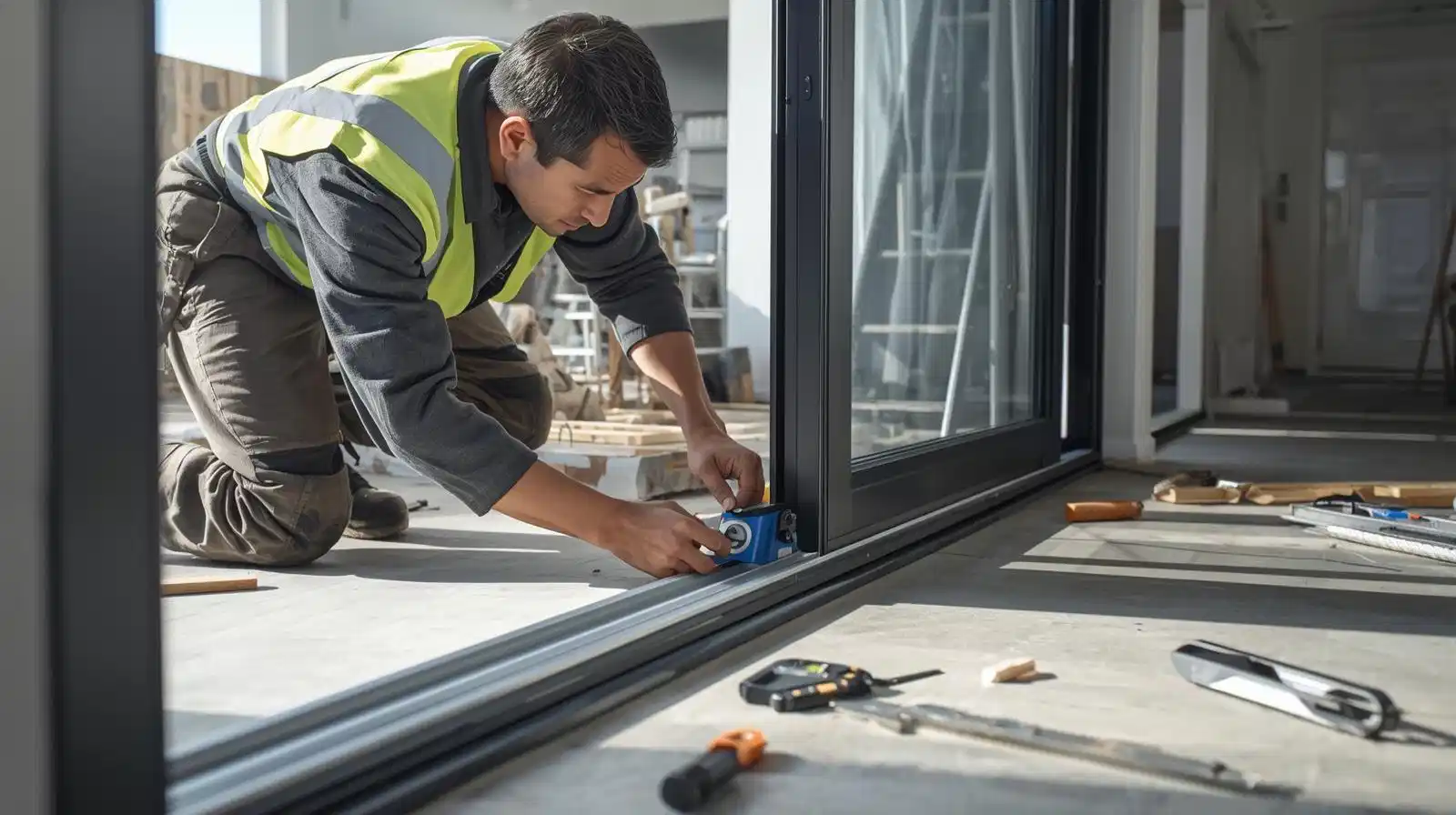
🛠️ Sliding Window Installation Guide – What to Expect
Understanding the sliding window installation process helps you manage expectations and budget.
Step 1: Site Survey and Measurement
A professional installer will measure your openings, check for square and level, and assess any structural issues. This typically takes 1-2 hours for an average home. Accurate measurement is critical – errors of even 5mm can cause problems.
Step 2: Removal of Old Windows (Retrofit)
If replacing existing windows, the old frames are carefully removed. This process can reveal hidden damage like rotten timber, rusted lintels, or water-damaged masonry. Budget for repairs if needed – R500 – R1,500 per window.
Step 3: Opening Preparation
The opening is cleaned, squared, and prepared for the new frame. Any necessary repairs to masonry or plaster are completed. The bottom track area must be perfectly level – uneven floors cause sliding problems.
Step 4: Frame Installation
The new aluminium frame is positioned, levelled, and fixed into place using screws or anchors. Foam sealant is applied around the frame to fill gaps and prevent air/water infiltration.
Step 5: Sliding Sash Installation
The sliding sash (with glass already fitted or glazed on-site) is placed onto the track. Rollers are adjusted for smooth operation. Top guides are fitted to prevent the sash from lifting out.
Step 6: Hardware and Seals
Handles, locks, and weather seals are installed. The window is tested for smooth operation, and final adjustments are made to the rollers.
Step 7: Finishing and Cleanup
Internal plaster is finished around the frame, external silicone sealant is applied, and all debris is removed from the site.
Installation timeline: Standard window replacement takes 2-4 hours per window. A full house (10-15 windows) takes 2-3 days.
For more on hiring professionals, read our contractor hiring guide and window profiles guide.
💰 Cost Breakdown – What to Budget for Aluminium Sliding Windows
Here’s a realistic breakdown of aluminium sliding windows costs in South Africa.
| Window Size | Supply Only (Standard) | Supply + Install | With Thermal Break | With Double Glazing |
|---|---|---|---|---|
| Small (0.9m x 0.9m)RSU | R2,500 – R3,500+RSU | R3,500 – R5,000+RSU | R4,500 – R6,500+RSU | R5,000 – R7,500+RSU |
| Standard (1.2m x 1.2m) | R3,500 – R5,000+RSU | R5,000 – R7,500+RSU | R6,500 – R9,500+RSU | R7,500 – R11,000+RSU |
| Large (1.8m x 1.2m) | R5,000 – R7,500+RSU | R7,000 – R10,500+RSU | R9,000 – R13,000+RSU | R10,000 – R15,000+RSU |
| Sliding (2.4m x 1.2m)RSU | R7,000 – R10,000+RSU | R9,000 – R13,000+RSU | R12,000 – R17,000+RSU | R13,000 – R19,000+RSU |
Additional costs to consider:
- Removal and disposal of old windows: R500 – R1,500 per window
- Plaster repairs: R300 – R800 per window
- Custom colours (powder coating): add 20-35%
- Security bars or trellis: R1,000 – R3,000 per window
- Fly screens: R500 – R1,200 per window
For a complete pricing breakdown per square metre, read our sliding window cost guide.
🧹 Aluminium Sliding Windows Maintenance & Care Tips
Proper maintenance keeps your aluminium sliding windows operating smoothly for decades.
Quarterly Maintenance:
- Vacuum or brush debris from the bottom track – accumulated dirt causes sticking
- Wipe tracks with a damp cloth and mild detergent
- Clean glass with standard glass cleaner
- Wipe frames with mild soap and water – avoid abrasive cleaners that scratch powder coating
Annual Maintenance:
- Lubricate rollers with silicone spray (never use oil – it attracts dust)
- Check and tighten any loose screws on handles and locks
- Inspect weather seals for cracks or gaps – replace if damaged
- Check that the window slides smoothly – if sticking, clean tracks and lubricate rollers
- Touch up any scratches in powder coating to prevent corrosion
Coastal Maintenance (within 5km of ocean):
- Clean frames and hardware every 3 months (not quarterly) to remove salt residue
- Use stainless steel hardware – standard steel will corrode
- Apply protective wax to frames annually
- Inspect for pitting or corrosion more frequently
Read our full maintenance guide for detailed instructions.
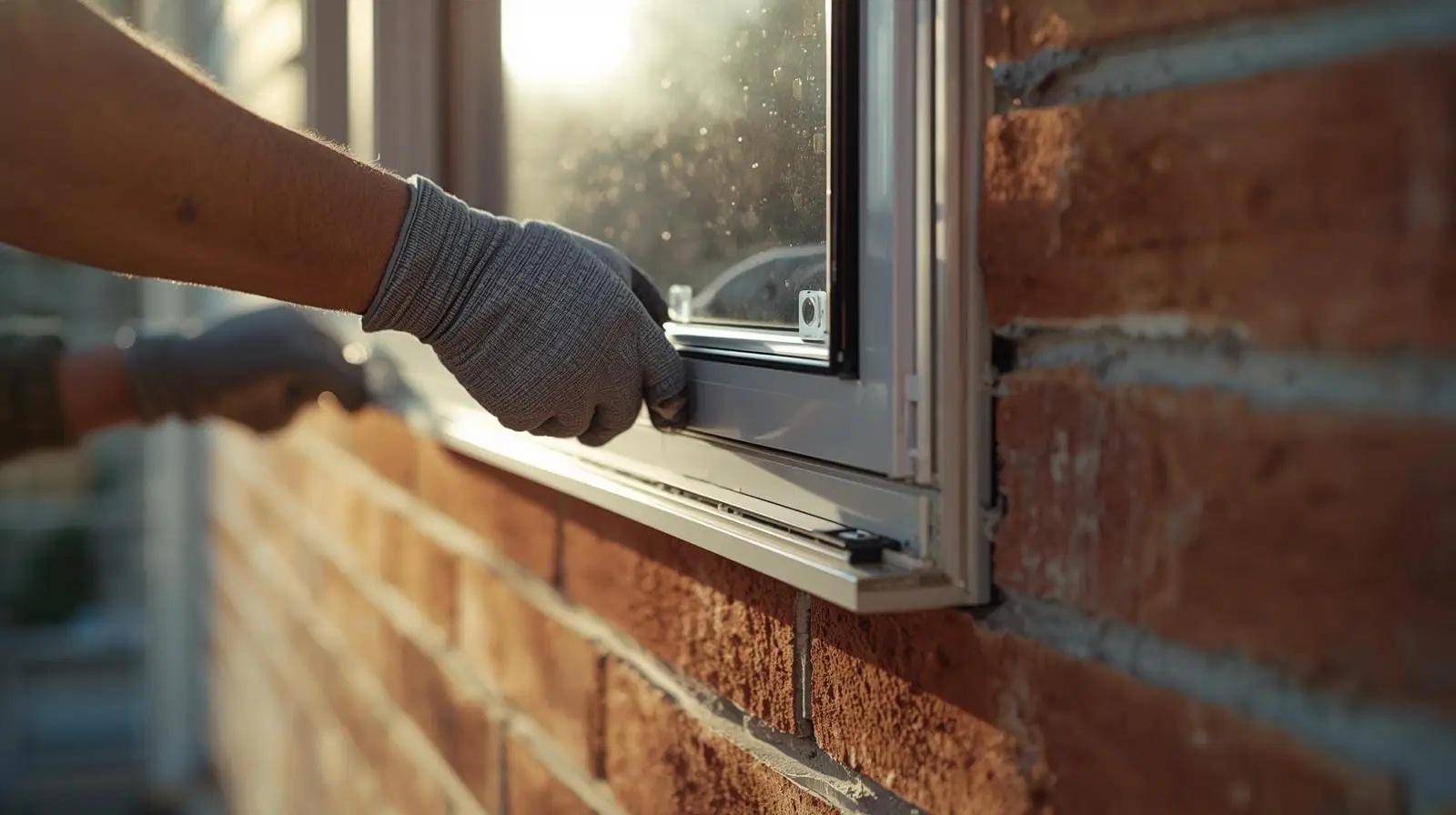
🔧 Common Problems with Aluminium Sliding Windows & Solutions
Even the best aluminium sliding windows can develop issues. Here’s how to fix them.
| Problem | Likely Cause | DIY Fix | When to Call a Pro |
|---|---|---|---|
| Window stuck or hard to slide | Dirty track, worn rollers, or frame settling | Clean the track thoroughly and lubricate rollers with silicone spray | If cleaning doesn’t help, rollers may need replacement. Read our fix guide. |
| Water leaking inside during rain | Failed weather seals, clogged drainage holes, or poor installation | Check and clear drainage holes in the track. Inspect seals for damage. | If water continues, seals may need replacement or the frame may require realignment. Call a professional. |
| Draughts or cold air coming through | Worn weather seals or frame gaps | Inspect seals and replace if cracked or brittle. Add foam seal strips if needed. | If draughts persist, consider upgrading to thermal break profiles. See our seal replacement guide. |
| Lock doesn’t engage properly | Misaligned frame, worn lock mechanism, or building movement | Check if the frame has shifted and adjust the strike plate position. | If the lock mechanism is worn, replace it. For alignment issues, call a professional. See our lock repair guide. |
For persistent problems, use our repair services or emergency services for urgent issues like broken windows.
⚡ Energy Efficiency – What You Need to Know
Standard aluminium sliding windows are not energy efficient. But there are solutions.
Why standard aluminium windows lose energy: Aluminium is a conductor of heat and cold. In winter, indoor heat escapes through the frame. In summer, outdoor heat enters. This is called thermal bridging. Standard sliding windows also have air leakage around the track.
How to improve energy efficiency:
- Thermal break profiles: A polyamide strip separates inner and outer aluminium frames, reducing heat transfer by 50-70%. Adds R1,500 – R3,000 per m² but pays back in 3-7 years.
- Double glazing: Two glass panes with argon gas between them. Reduces heat transfer by 40-60% and significantly reduces noise. Adds R900 – R1,500 per m².
- Low-E glass coating: Reflects heat back into the room in winter and reflects solar heat in summer. Adds R400 – R800 per m².
- Improved weather seals: Upgraded seals reduce air leakage. Minimal cost increase.
Realistic example: A standard 4m² sliding window loses approximately R500-1,000 worth of heating/cooling energy per year. Upgrading to thermal break + double glazing costs R8,000-12,000 extra but saves R400-800 annually. Payback period: 10-15 years. For new builds, the payback is faster because you avoid replacing windows later.
For energy-conscious homeowners, read our thermal break guide and double glazing cost guide.
✅ When Should You Choose Aluminium Sliding Windows?
Based on this pros and cons analysis, here’s my practical advice.
Choose aluminium sliding windows when:
- Budget is a primary consideration – they’re the most affordable option
- Space is tight – they don’t protrude inward or outward
- You’re installing in a rental property – durable and low-maintenance
- You’re replacing many windows – the cost savings add up
- You have walkways or pathways outside – outward-opening windows would block them
- You have standard ventilation needs (not requiring maximum airflow)
- You’re in a moderate climate where extreme temperatures aren’t a concern
- You value easy operation – sliding windows are effortless to open
Consider alternatives (casement or awning) when:
- You need maximum ventilation (kitchens, bathrooms, hot rooms)
- Energy efficiency is critical – thermal break casement outperforms sliding
- You live on a noisy street – casement seals tighter
- Security is your top concern – casement windows are harder to force
- You have very small openings – sliding windows waste 50% of the opening
For more on alternative window types, read our casement windows guide, louvre windows guide, or awning windows guide.
📊 Complete Aluminium Sliding Windows – Pros & Cons Comparison Table
Use this as your final reference when evaluating aluminium sliding windows for your project.
| Factor | Rating (1-5) | Notes |
|---|---|---|
| Affordability+RSU | ⭐⭐⭐⭐⭐ (5/5) | Most affordable aluminium window type – 30-40% cheaper than casement |
| Durability & lifespan+RSU | ⭐⭐⭐⭐⭐ (5/5) | 20-30+ years with minimal maintenance – aluminium frames last 40-50+ years |
| Maintenance+RSU | ⭐⭐⭐⭐⭐ (5/5) | Very low – quarterly cleaning, annual lubrication. No painting or sealing. |
| Space efficiency+RSU | ⭐⭐⭐⭐⭐ (5/5) | Slides within frame – perfect for walkways, pathways, and tight spaces |
| Ease of operation+RSU | ⭐⭐⭐⭐⭐ (5/5) | Smooth sliding action – ideal for elderly or mobility-impaired users |
| Ventilation capability+RSU | ⭐⭐⭐ (3/5) | Only 50% opening – half the window area is fixed. Casement offers 100%. |
| Energy efficiency (standard) | ⭐⭐ (2/5) | Poor – aluminium conducts heat/cold. Thermal break improves to 4/5. |
| Security (standard locks) | ⭐⭐⭐ (3/5) | Fair – can be forced. Multi-point locks upgrade to 4/5. |
| Noise reduction (standard) | ⭐⭐ (2/5) | Fair – track allows sound leakage. Double glazing improves to 4/5. |
| Aesthetics – modern look+? | ⭐⭐⭐⭐ (4/5) | Clean lines, slim profiles – available in many colours |
| Installation cost+? | ⭐⭐⭐⭐ (4/5) | Lower than casement – simpler installation process |
| Coastal suitability+RSU | ⭐⭐⭐⭐ (4/5) | Marine-grade coating available – essential within 5km of ocean |
Overall rating for most homes: 4/5 – Excellent value, durability, and convenience. The ventilation and energy efficiency limitations are manageable for most homeowners.
❓ Frequently Asked Questions About Aluminium Sliding Windows
Are aluminium sliding windows good for homes in South Africa?
Yes – are aluminium sliding windows good for homes is answered by their popularity. They’re excellent for most South African homes due to affordability, durability, low maintenance, and space-saving design. However, they’re less suitable for homes requiring maximum ventilation (e.g., hot kitchens) or superior energy efficiency. For most standard bedrooms, living areas, and rental properties, they’re the best choice.
What is the average cost of aluminium sliding windows per square metre?
Aluminium sliding windows cost R3,500 – R5,500 per m² supply only, or R5,000 – R7,500 per m² installed. For a standard 1.44m² bedroom window, expect R5,000 – R7,500 installed. Thermal break profiles add R1,500 – R3,000 per m², and double glazing adds R900 – R1,500 per m². Read our detailed cost guide for province-specific pricing.
What are the main pros and cons of aluminium sliding windows?
Pros and cons summary: Pros – affordable (30-40% less than casement), space-saving (no swing space), low maintenance, durable (20-30+ years), easy operation. Cons – only 50% opening (limited ventilation), poor energy efficiency (standard models), track collects dirt, fair security (basic locks). Upgrades like thermal break and double glazing address some cons but add cost.
How long do aluminium sliding windows last?
Quality horizontal sliding windows last 20-30+ years. The aluminium frames themselves last 40-50+ years – only the rollers and weather seals may need replacement. In coastal areas with marine-grade coating, lifespan is similar. Cheaper imported windows with poor quality rollers may fail in 5-10 years. Choose reputable local fabricators for longevity.
Can I install aluminium sliding windows myself?
DIY sliding window installation is not recommended unless you have significant construction experience. Incorrect installation causes air leaks, water damage, sticking windows, and voided warranties. Professional installation costs R1,500 – R3,500 per window – worth it for peace of mind. Use ServiceLink SA to find verified professionals.
How do I fix a sticking aluminium sliding window?
First, thoroughly clean the bottom track – debris is the most common cause. Vacuum then wipe with a damp cloth. Spray silicone lubricant on the rollers (not oil). If still sticking, the rollers may be worn. Roller replacement costs R300 – R800 per window. For persistent problems, read our window not closing fix guide.
Are aluminium sliding windows energy efficient?
Standard aluminium sliding windows are not energy efficient – aluminium conducts heat/cold easily, and the track allows air leakage. However, thermal break profiles (polyamide insulation) improve efficiency by 50-70%, and double glazing adds another 40-60% improvement. Combined, thermal break + double glazing makes sliding windows competitive with casement. Read our thermal break guide.
How do I get the best price for aluminium sliding windows?
To get the best aluminium sliding windows pricing: 1) Get quotes from at least 3 fabricators via ServiceLink SA’s free service. 2) Choose standard sizes (not custom). 3) Stick to standard colours (white or silver). 4) Order all windows together for volume discount. 5) Install during off-peak season. 6) Use our Beat Your Quote guarantee. For more, read our standard sizes guide.
✅ Final Thoughts: Aluminium Sliding Windows – The Smart Choice for Most Homes
After evaluating all the pros and cons, here’s my conclusion.
Aluminium sliding windows are the right choice for the majority of South African homes. They’re affordable (30-40% cheaper than casement), durable (20-30+ years), low-maintenance, and space-efficient. Yes, they have limitations – only 50% opening and poor energy efficiency in standard form. But for most standard bedrooms, living areas, and rental properties, these limitations are acceptable trade-offs for the significant cost savings.
If you need maximum ventilation, superior energy efficiency, or noise reduction, consider casement windows despite the higher cost. But for everyday residential use, sliding windows deliver excellent value.
Key takeaways for aluminium sliding windows:
- Budget R5,000 – R7,500 per standard window (1.2m x 1.2m) installed
- Gauteng offers the most competitive pricing
- 30-40% cheaper than casement windows – best value option
- Only 50% opening – not ideal for rooms needing maximum ventilation
- Low maintenance – quarterly cleaning, annual lubrication
- 20-30+ year lifespan with quality materials
- Upgrade to thermal break and double glazing for energy efficiency
- Marine-grade coating essential for coastal areas
- Use ServiceLink SA to find verified fabricators and compare quotes
Your next step: Ready to install aluminium sliding windows in your home? Get free quotes from verified fabricators in your area.
Ready to Install Aluminium Sliding Windows?
Get free, no-obligation quotes from verified aluminium fabricators. Compare sliding window installation costs and find the best value for your home.
📞 Call us: 073 138 4726 to discuss your window project.
Free inspections •
Hiring tips •
Beat Your Quote •
Our guarantees
📚 Official resources & standards referenced:
- SANS 10400 – South African National Standard for window installation standards and building regulations.
- Department of Energy – Energy efficiency ratings and thermal performance guidelines.
Information provided for general guidance based on industry research. Prices vary by location, quality, and market conditions. Always get multiple quotes for your specific project.
Written by: ServiceLink SA Research Team
Specialist Aluminium Windows & Home Improvement Experts
The ServiceLink SA Research Team has extensive experience with aluminium sliding window installations across thousands of South African homes. Our team has worked closely with certified fabricators, installation specialists, and homeowners to develop accurate pros and cons assessments and installation guidance. This guide is based on real project data, fabricator quotes, and long-term performance tracking from across Gauteng, Johannesburg, Pretoria, Sandton, Centurion, and nationwide. We update our information regularly to reflect current market conditions and material costs.
For more information about aluminium sliding windows, explore our related resources: installation costs, sliding window cost guide, maintenance guide, material comparison, and standard window sizes. Learn about our process on what is ServiceLink SA and how ServiceLink SA works. Find fabricators in your area: Gauteng, Johannesburg, Pretoria, Sandton, Centurion, and Midrand. For related services, see our tiling services and building construction guides.