
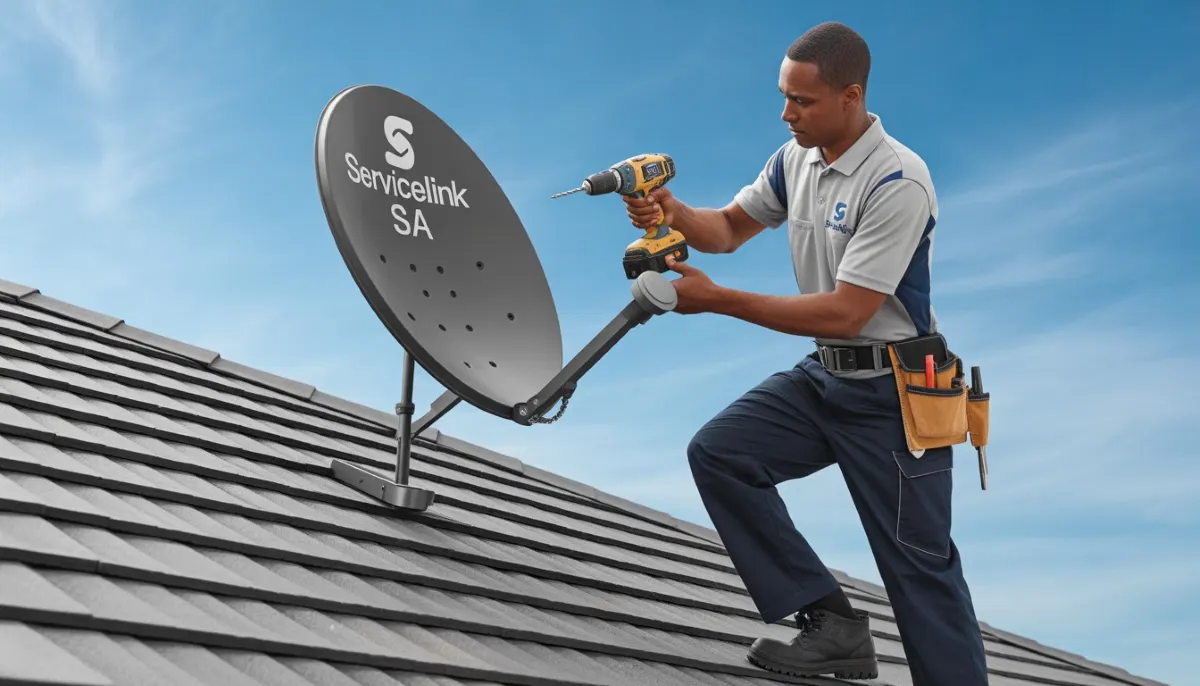
Not Sure What Size Dish You Need?
Get a free consultation from a verified, accredited DSTV installer near you.
We’ll recommend the right dish size for your location.
Servicing Northern Cape, Kimberley, Free State, Bloemfontein, Welkom, Sasolburg, and across South Africa
Best Satellite Dish Size for DSTV in South Africa: 60cm vs 80cm vs 1m
📡 One of the most common questions we get: “What size dish do I need?” Here’s the definitive answer for every region.
You’re setting up DSTV. The installer asks: “What size dish do you want?” You have no idea.
The neighbour has a 60cm dish. The guy across the street has an 80cm dish. Online forums say different things.
Who’s right?
Choosing the correct satellite dish size for dstv is one of the most important decisions for your viewing experience.
Too small, and you’ll lose signal every time it rains. Too large, and you’ve wasted money on unnecessary equipment.
In this guide, I’ll tell you exactly what dish diameter you need for your specific location in South Africa.
You’ll learn the pros and cons of 60cm, 80cm, and 1m dishes, and understand why 80cm is the recommended best dish size for dstv
for most South African homes.
For installation guidance, read our
satellite dish installation guide.
For mounting options, see roof vs wall guide.
And for replacement costs, read dish replacement cost guide.
📋 Table of Contents – Satellite Dish Size Guide
📡 Why Satellite Dish Size Matters for Your DSTV Experience
The satellite dish size for dstv directly affects your signal quality, especially during bad weather.
How dish size affects signal:
- Larger dish = more signal captured – A bigger dish collects more of the satellite’s signal
- Better rain margin – More signal means more buffer during heavy rain (rain fade)
- Better fringe area performance – In areas with weaker signal, a larger dish is essential
- More reliable for 4K/Explora Ultra – Higher bandwidth requirements need stronger signal
The trade-off:
- Larger dishes are more expensive (R150-R300 more than 60cm)
- Larger dishes are heavier and need stronger mounting
- Larger dishes catch more wind – need robust installation in windy areas
- Some complexes restrict dish size for aesthetic reasons
💡 Key Insight:
Think of dish size like a bucket catching rainwater. A 60cm bucket catches some water.
An 80cm bucket catches about 30% more. When it’s raining (signal fade), the bigger bucket
still has water when the smaller one is empty. This is “rain margin” – and it’s why 80cm is better.
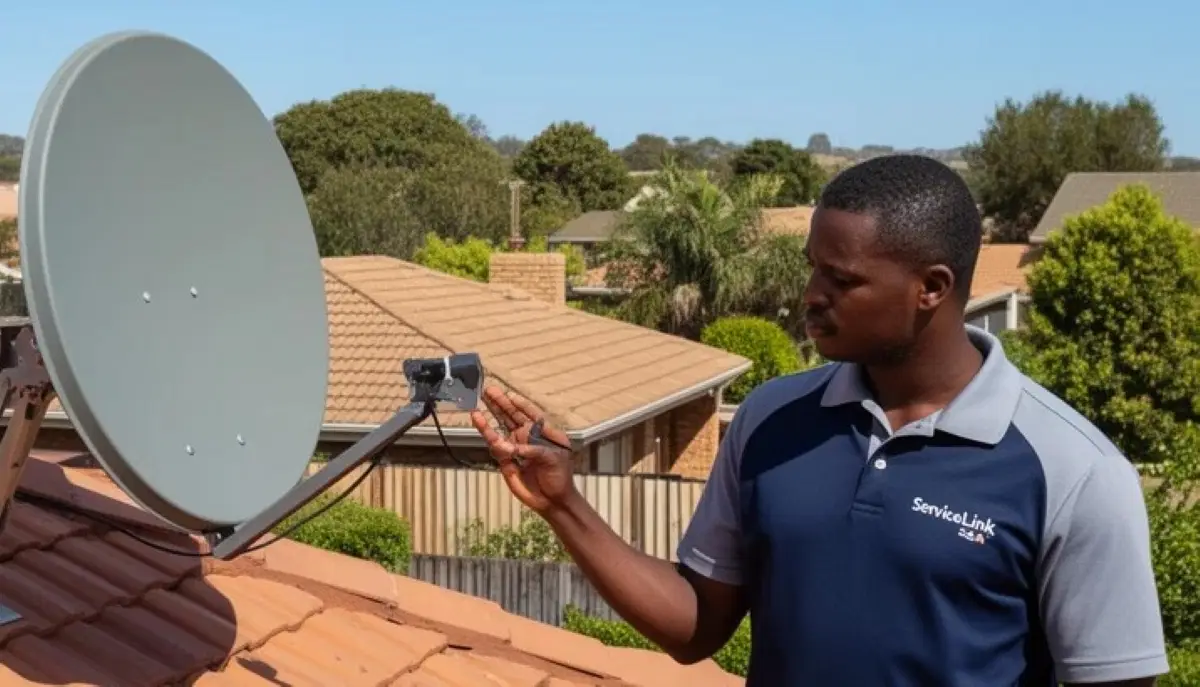
📡 60cm Dish: The Standard Choice (Minimum Recommended)
The 60cm dish is the entry-level standard for dstv dish size requirements.
It’s sufficient for many areas but has limitations.
Specifications:
- Diameter: 60cm (23.6 inches)
- Signal gain: Moderate (baseline)
- Rain margin: Limited (2-3dB)
- Weight: 4-6kg
- Cost: R400-R550
Where 60cm is sufficient:
- Gauteng (Johannesburg, Pretoria): Strong signal area – 60cm works well
- Free State (Bloemfontein, Welkom): Good signal – 60cm is fine
- North West, Mpumalanga (inland areas): 60cm sufficient
- Northern Cape (Kimberley): 60cm works in most areas
Limitations of 60cm:
- Loses signal during moderate to heavy rain (rain fade)
- Marginal for 4K content (Explora Ultra)
- Not recommended for coastal areas (Durban, Cape Town, Port Elizabeth)
- Not recommended for fringe signal areas
⭐ 80cm Dish: The Recommended Sweet Spot (Best for Most Homes)
The 80cm dish is our top recommendation for best dish size for dstv in South Africa.
It offers the perfect balance of performance and cost.
Specifications:
- Diameter: 80cm (31.5 inches)
- Signal gain: 30% more than 60cm (approx 3-4dB better)
- Rain margin: Good (4-6dB – survives most storms)
- Weight: 7-10kg
- Cost: R550-R750
Why 80cm is the best choice:
- Excellent rain margin: Survives 90% of South African storms without signal loss
- Future-proof: Handles 4K content and future bandwidth increases
- Works everywhere: Suitable for all regions – inland, coastal, and most fringe areas
- Best value: Only R150-R200 more than 60cm but significantly better performance
- Recommended by professionals: Most experienced installers recommend 80cm as standard
Where 80cm is strongly recommended:
- Coastal areas: Durban, Cape Town, Port Elizabeth, East London
- High rainfall areas: KwaZulu-Natal, Eastern Cape, Western Cape
- Areas with marginal signal: Some parts of Limpopo, Mpumalanga
- For Explora Ultra/4K: Recommended for best 4K experience
- For anyone who wants reliable signal in rain: Worth the small extra cost
✅ Our Verdict:
For 90% of South African homes, the 80cm dish is the best choice.
It costs only R150-R200 more than a 60cm dish but provides dramatically better rain margin.
Don’t save R200 now – you’ll regret it the first time you lose signal during a storm.
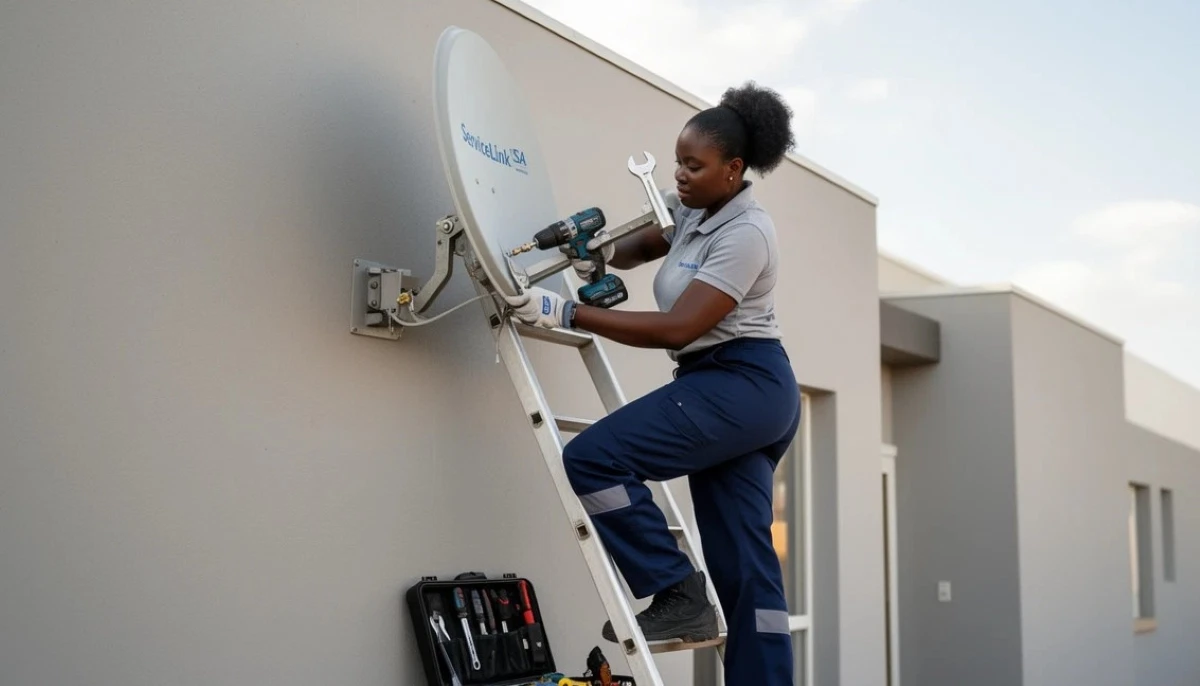
Ready to Upgrade to an 80cm Dish?
Get a free quote for professional installation from a verified, accredited DSTV installer near you.
We’ll help you choose the right size for your area.
Free quotes. Verified installers. No obligation.
📡 1m Dish: For Fringe Areas and Extreme Conditions
A 1m (100cm) dish is the largest commonly used for residential DSTV.
It’s only needed in specific situations.
Specifications:
- Diameter: 100cm (39.4 inches)
- Signal gain: 50%+ more than 60cm (approx 5-6dB better)
- Rain margin: Excellent (6-8dB – survives almost all storms)
- Weight: 12-18kg
- Cost: R800-R1,200
When you need a 1m dish:
- Deep valleys or mountainous areas: Where line of sight is partially blocked
- Far northern regions: Edge of DSTV’s coverage footprint
- Areas with extremely heavy rainfall: Some parts of KZN, Eastern Cape
- Commercial installations: Hotels, complexes, communal systems
- After failed 80cm installation: If 80cm still loses signal in rain
Drawbacks of 1m dish:
- Much heavier – requires stronger mounting
- Catches more wind – needs robust installation, especially in coastal areas
- More expensive – R250-R450 more than 80cm
- May be restricted by body corporate (aesthetic concerns)
- Overkill for most homes – unnecessary for 90% of properties
📊 Satellite Dish Size Comparison Table
| Dish Size | Signal Gain vs 60cm | Rain Margin | Best For | Cost |
|---|---|---|---|---|
| 60cm | Baseline (0dB) | 2-3dB (light rain only) | Inland areas, budget setups, secondary TVs | R400-R550 |
| 80cm ⭐推荐 | +30% (+3-4dB) | 4-6dB (survives most storms) | Most homes – best value | R550-R750 |
| 1m (100cm) | +50%+ (+5-6dB) | 6-8dB (survives almost all) | Fringe areas, deep valleys, commercial | R800-R1,200 |
🗺️ Regional Dish Size Guide by South African Province
Your location is the most important factor in determining what size satellite dish for dstv in south africa.
Northern Cape (Kimberley, Upington, Springbok):
- Recommended: 60cm (80cm optional for better rain margin)
- Why: Generally good signal, low to moderate rainfall
- Note: Some rural areas may need 80cm
- Northern Cape services
Free State (Bloemfontein, Welkom, Sasolburg):
- Recommended: 60cm (80cm recommended for 4K/Explora Ultra)
- Why: Good signal area, moderate rainfall
- Note: Summer thunderstorms can cause rain fade on 60cm
- Free State services
Gauteng (Johannesburg, Pretoria, Midrand):
- Recommended: 60cm (80cm recommended for 4K/Explora Ultra)
- Why: Strong signal, but summer thunderstorms are intense
- Note: Many professionals install 80cm as standard in Gauteng
Coastal areas (Durban, Cape Town, Port Elizabeth, East London):
- Recommended: 80cm (minimum – 60cm not recommended)
- Why: High rainfall, coastal conditions, rain fade is common
- Note: 80cm is essential for reliable viewing in rainy season
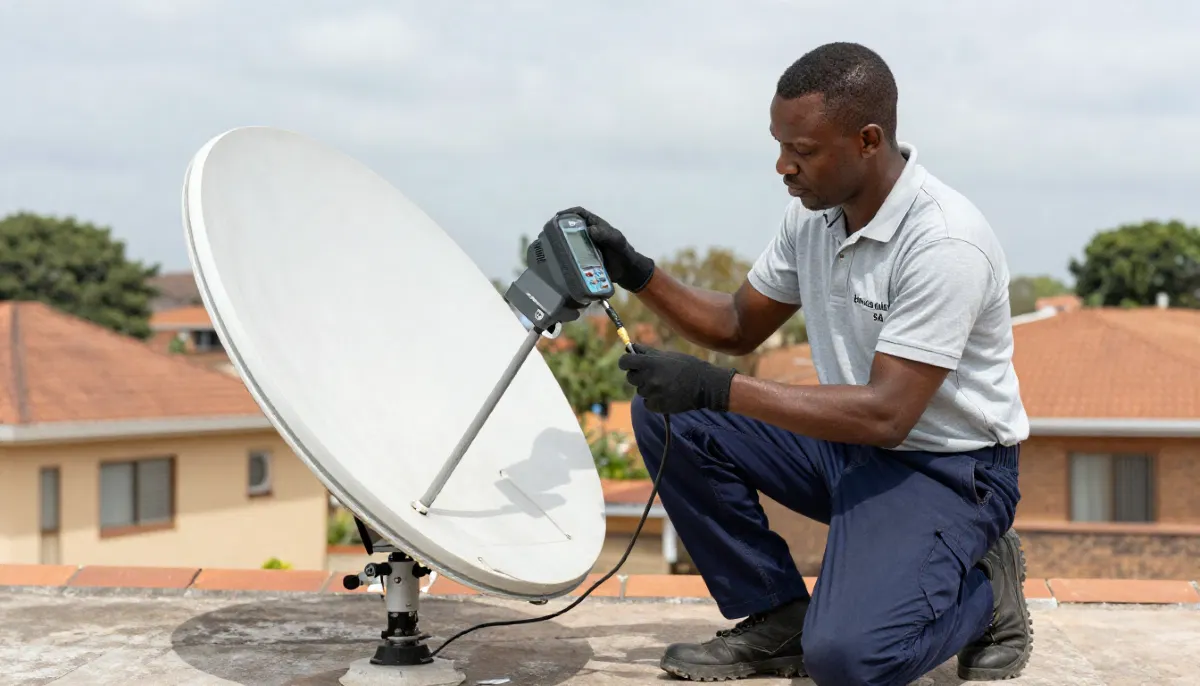
🏙️ Dish Size Recommendations by Major City
| City | Recommended Size | 60cm Works? | Notes |
|---|---|---|---|
| Johannesburg | 60-80cm | ✅ Yes | 80cm recommended for 4K |
| Pretoria | 60-80cm | ✅ Yes | 80cm recommended for 4K |
| Cape Town | 80cm | ⚠️ Marginal | 60cm loses signal in winter rain |
| Durban | 80cm | ❌ Not recommended | High rainfall requires 80cm |
| Port Elizabeth | 80cm | ⚠️ Marginal | Coastal conditions favour 80cm |
| Bloemfontein | 60cm | ✅ Yes | 60cm sufficient |
| Kimberley | 60cm | ✅ Yes | 60cm sufficient |
| Welkom | 60cm | ✅ Yes | 60cm sufficient |
| Sasolburg | 60cm | ✅ Yes | 60cm sufficient |
🌧️ How Dish Size Affects Rain Fade (Signal Loss During Rain)
The most noticeable difference between dish sizes is how they perform during rain – a phenomenon called rain fade.
What is rain fade?
Raindrops absorb and scatter satellite signals. Heavier rain = more signal loss.
A larger dish captures more signal, so it has more “buffer” to lose before your picture freezes.
Expected performance during rain:
- 60cm dish: Loses signal during moderate to heavy rain (common in summer storms)
- 80cm dish: Survives most storms – only loses signal during extreme downpours
- 1m dish: Survives almost all storms – only loses signal during the most extreme weather
💡 The 80cm Advantage:
In Durban and Cape Town, 60cm dishes lose signal 15-20 times per year during rain.
80cm dishes lose signal 2-3 times per year (only during the most extreme storms).
That’s the difference between frustration and reliable viewing.
For more on rain fade, read our
rain fade guide.
📊 Understanding Signal Margin: Why 80cm Is Better
“Signal margin” is the amount of extra signal you have beyond what’s needed for a stable picture.
Think of it as a buffer against signal loss.
Typical signal levels in clear weather:
- 60cm dish: 75-85% signal strength (10-15% margin)
- 80cm dish: 85-95% signal strength (20-25% margin)
- 1m dish: 90-98% signal strength (25-30% margin)
Rain fade reduces signal by:
- Light rain: 5-10% reduction
- Moderate rain: 15-25% reduction
- Heavy rain: 25-40% reduction
- Extreme downpour: 40-60% reduction
Why 80cm wins:
A 60cm dish at 80% signal loses 20% in moderate rain = 60% (below the 70% threshold – picture freezes).
An 80cm dish at 90% signal loses 20% in moderate rain = 70% (still working).
That extra 10% margin makes all the difference.
🔄 Upgrading from 60cm to 80cm: Is It Worth It?
If you currently have a 60cm dish and experience frequent signal loss during rain,
upgrading to 80cm is a smart investment.
Signs you need to upgrade:
- You lose signal every time it rains moderately
- You live in a coastal area (Durban, Cape Town, Port Elizabeth)
- You have an Explora Ultra and want reliable 4K
- Your signal strength is consistently below 75% in clear weather
- You’re tired of missing important moments during storms
Upgrade cost:
- New 80cm dish: R550-R750
- Professional installation (removal of old dish, installation of new): R500-R900
- Total: R1,050-R1,650
- You can keep your existing LNB if it’s in good condition
Return on investment:
If you lose signal 10-15 times per year and each outage lasts 30 minutes,
upgrading to 80cm eliminates 90% of those outages.
For R1,500, that’s a small price for uninterrupted viewing.
💰 Cost Comparison: 60cm vs 80cm vs 1m
| Item | 60cm | 80cm | 1m |
|---|---|---|---|
| Dish only | R400-R550 | R550-R750 | R800-R1,200 |
| Installation labour | R500-R800 | R500-R900 | R600-R1,000 |
| Total installed | R900-R1,350 | R1,050-R1,650 | R1,400-R2,200 |
| Extra cost vs 60cm | – | +R150-R300 | +R500-R850 |
🔧 Installation Considerations by Dish Size
Different dish sizes have different installation requirements.
60cm dish installation:
- Standard mounting – can use wall or roof mounts
- Lighter – easier to handle
- Standard brackets sufficient
- DIY possible for experienced users (ground-level only)
80cm dish installation:
- Heavier – requires stronger mounting
- Heavy-duty brackets recommended
- In windy areas (coastal), extra securing points needed
- Professional installation strongly recommended
- Check body corporate rules – some restrict dish size
1m dish installation:
- Heavy – requires professional installation only
- Heavy-duty brackets essential
- May need structural assessment of mounting surface
- Wind loading is significant – not suitable for all locations
- Often requires body corporate approval
For professional installation, request a quote from verified installers.
Read our installation guide.
❓ Frequently Asked Questions About Satellite Dish Size
What is the best satellite dish size for DSTV in South Africa?
The best dish size for dstv for most South African homes is 80cm.
It provides excellent rain margin (survives most storms), works in all regions,
and costs only R150-R200 more than a 60cm dish. For coastal areas (Durban, Cape Town),
80cm is the minimum recommended. For inland areas (Gauteng, Free State),
60cm works but 80cm is better for 4K and rain margin.
Is an 80cm dish better than a 60cm dish?
Yes. An 80cm dish captures about 30% more signal than a 60cm dish.
This translates to significantly better rain margin – you’ll lose signal much less often during storms.
For the small extra cost (R150-R200), the 80cm dish is well worth it for most homeowners.
What size dish do I need for DSTV in Cape Town?
In Cape Town, an 80cm dish is strongly recommended. The Western Cape’s winter rainfall and coastal conditions
cause frequent rain fade on 60cm dishes. An 80cm dish provides the rain margin needed for reliable viewing
through the rainy season. Some installers recommend 1m for fringe areas in the Cape.
Will a bigger dish improve my signal quality?
Yes. A larger satellite dish size for dstv captures more signal,
which improves both signal strength and quality. This results in better picture quality,
less pixelation, and more reliable viewing during bad weather.
However, if your signal is already 90%+, a bigger dish won’t make a visible difference.
Can I use a 60cm dish for DSTV in Durban?
Not recommended. Durban’s high rainfall and tropical storms cause frequent signal loss on 60cm dishes.
An 80cm dish is the minimum recommended for reliable viewing in KwaZulu-Natal.
Many homes in Durban use 1m dishes for the best rain margin during summer storms.
How much does an 80cm DSTV dish cost?
Dstv dish size requirements pricing: an 80cm dish costs R550-R750.
Professional installation adds R500-R900. Total installed cost: R1,050-R1,650.
This includes removal of old dish (if replacing), mounting, alignment, and testing.
Get a free quote for your location.
Do I need a bigger dish for 4K/Explora Ultra?
Yes, recommended. 4K content requires a stronger, more stable signal than HD.
An 80cm dish is recommended for Explora Ultra users, even in inland areas where 60cm works for HD.
The extra signal margin ensures reliable 4K streaming without buffering or quality drops.
What size dish for DSTV in Bloemfontein?
In Bloemfontein and the Free State, a 60cm dish is sufficient for most homes.
The area has good signal strength and moderate rainfall. However, for Explora Ultra users
or those who want the best rain margin, an 80cm dish is a worthwhile upgrade.
Can body corporate restrict dish size?
Yes. Many complexes and estates restrict dish size for aesthetic reasons.
Common restrictions: 60cm maximum, dishes must be mounted on the back of units,
or only communal systems allowed. Check your body corporate rules before purchasing a larger dish.
Read our communal installation guide.
What is the difference between 60cm and 80cm dish performance in rain?
What size satellite dish for dstv in south africa affects rain performance significantly.
A 60cm dish typically loses signal during moderate to heavy rain (10-20 times per year in coastal areas).
An 80cm dish survives most storms – only losing signal during extreme downpours (2-3 times per year).
The 80cm dish’s extra signal margin is the difference between frustration and reliable viewing.
✅ Final Thoughts: Choose 80cm for Most Homes
After helping thousands of South Africans choose their satellite dish size for dstv,
our recommendation is clear: choose 80cm for most homes.
For coastal areas (Durban, Cape Town, Port Elizabeth): 80cm is the minimum – don’t even consider 60cm.
For inland areas (Gauteng, Free State, Northern Cape): 60cm works, but 80cm is better for 4K and rain margin.
For fringe areas or deep valleys: 1m may be necessary.
The extra R150-R200 for an 80cm dish is one of the best investments you can make for your DSTV experience.
Don’t save a small amount now – you’ll regret it the first time you lose signal during a storm.
Ready to upgrade or install a new dish? Request a free quote from ServiceLink SA.
We’ll connect you with verified, accredited installers who will recommend the right size for your location
and install it professionally.
Ready to Choose the Right Dish Size for Your Home?
Get a free quote from a verified, accredited DSTV installer near you.
We’ll recommend the best dish size for your location and install it professionally.
📞 Call us: 073 138 4726 for immediate dish size advice.
Free site inspection •
How to choose an installer •
Beat Your Quote guarantee
📚 Official resources & standards referenced:
- Official DSTV dish specifications – Official dish size information.
- SABS – South African Bureau of Standards installation standards.
Information provided for general guidance. DSTV is a registered trademark of MultiChoice.
Dish size recommendations are based on 21+ years of industry experience across South Africa.
Always consult a professional for your specific location.
Written by: Innocent T Hanyani
Satellite & Home Entertainment Installation Specialist | 21+ Years Experience
Innocent T Hanyani has over two decades of experience in satellite dish installations across South Africa.
He has installed thousands of 60cm, 80cm, and 1m dishes, understanding the real-world performance differences
in every region. His expertise helps homeowners choose the right dish size for reliable viewing in any weather.
For more help choosing the right dish size, explore our related resources:
installation guide,
roof vs wall guide,
improve signal strength,
rain fade guide,
dish replacement cost.
See our service areas page for coverage in your region.