
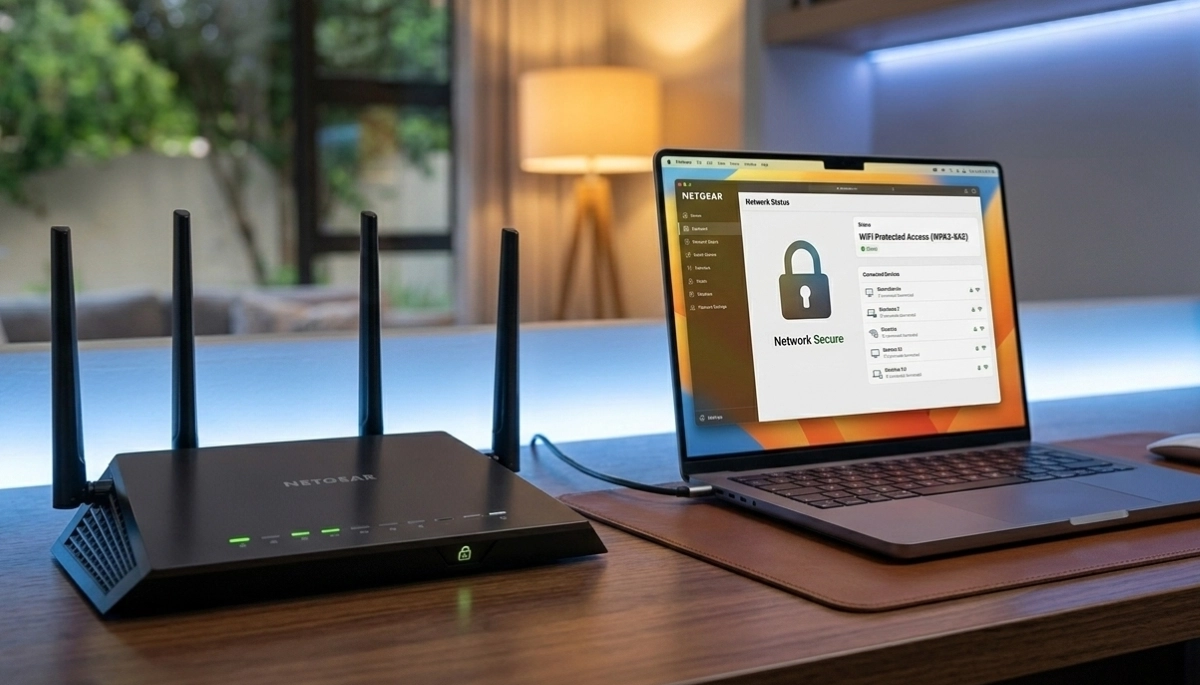
Suspicious Devices on Your WiFi?
Get professional help from local specialists who understand block unknown devices wifi and wifi device management.
Servicing Waterkloof, Knysna, Durban, and across South Africa
How to Block Unknown Devices from Your WiFi: The Complete Guide
🔒 See who’s on your network and kick them off—here’s exactly how to protect your WiFi.
You notice your internet is slow. You check your router and see devices connected that you don’t recognise. Someone is using your WiFi without permission. Now what?
Knowing how to block unknown devices from your WiFi is an essential skill for every homeowner. Whether it’s a neighbour mooching off your internet or a hacker trying to access your network, you need to be able to identify and remove unauthorised users.
In this comprehensive guide, I’ll show you exactly how to see who is connected to my wifi, how to block a device from wifi, and how to use wifi mac address blocking to secure your network. I’ll also cover wifi parental controls router features for managing devices. Whether you’re in Waterkloof, Knysna, or Durban, this guide will help you take control of your network.
For more on network security, check out our how hackers access WiFi and best security settings guides. Let’s secure your network.
📋 Table of Contents – Block Unknown Devices Guide
🔒 Why Block Unknown Devices?
Understanding why how to block unknown devices from your WiFi matters is the first step.
Risks of Unknown Devices:
- Bandwidth theft: Unknown devices slow down your internet.
- Security risk: Hackers can access your data.
- Privacy breach: Unauthorised users can see your network traffic.
- Legal liability: Illegal activities on your network could be traced to you.
- Device infection: Infected devices can spread malware.
Who Might Be on Your Network:
- Neighbours: They may have guessed your password.
- Former guests: People who previously had your password.
- Hackers: People who cracked your password.
- Family members: Legitimate users you forgot about.
What Happens If You Don’t Block Them:
- Your internet speed will suffer.
- Your data usage will increase.
- Your security will be compromised.
- You could be held liable for their activities.
For more on wifi security, see our how hackers access WiFi guide.
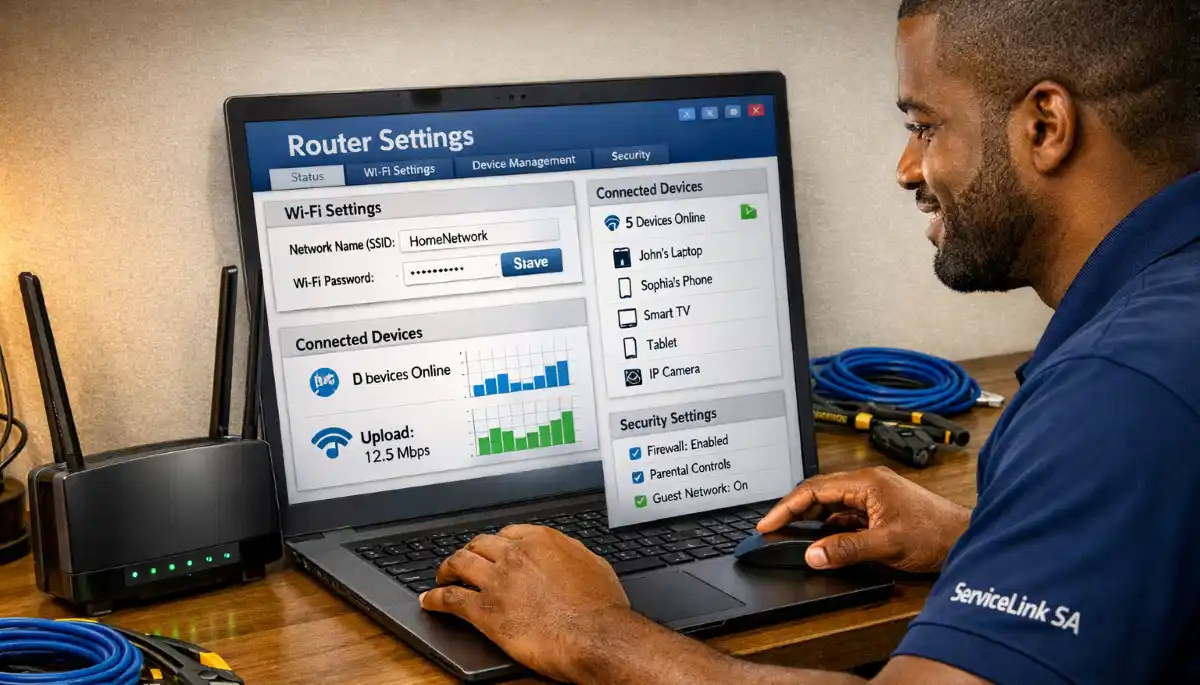
📱 How to See Who Is Connected to My WiFi
How to see who is connected to my wifi is the first step in block unknown devices wifi.
Method 1: Check Your Router’s Admin Page
- Access your router’s settings (usually 192.168.1.1).
- Log in with your admin credentials.
- Look for “Connected Devices,” “DHCP Client List,” or “Attached Devices.”
- You’ll see a list of all devices connected to your network.
Method 2: Use a Network Scanner App
Download a network scanner app on your phone (e.g., Fing, NetScan). These apps scan your network and show all connected devices.
Method 3: Check Your ISP’s App
Many ISPs have apps that show connected devices. Check if your ISP offers this feature.
What to Look For:
- Device names (some may be generic like “Unknown Device”).
- MAC addresses (unique identifiers for each device).
- IP addresses (assigned by your router).
For more on this, see our router setup guide.
🔍 How to Identify Unknown Devices
Once you know how to see who is connected to my wifi, you need to identify unknown devices.
Step 1: Compare with Known Devices
List all devices in your home (phones, laptops, TVs, gaming consoles, smart home devices). Compare this list with the connected devices list.
Step 2: Check Device Names
Some devices have recognisable names (e.g., “iPhone_13”, “Samsung_TV”). Unknown devices may have generic names.
Step 3: Check MAC Addresses
Each device has a unique MAC address. You can look up the manufacturer using the MAC address (e.g., Apple, Samsung, TP-Link).
Step 4: Disconnect Suspect Devices
If you’re unsure, disconnect the device and see if anyone in your home complains.
Step 5: Use a Network Scanner App
Apps like Fing can identify device types and manufacturers, making it easier to identify unknown devices.
For more on wifi device management, see our best security settings guide.
🚫 How to Block a Device from WiFi
Here’s exactly how to block a device from wifi using different methods.
Method 1: Using Router Settings
- Access your router’s admin page.
- Find “Connected Devices” or “DHCP Client List.”
- Find the device you want to block.
- Look for an option to “Block” or “Deny” the device.
- Save and apply the settings.
Method 2: Using MAC Address Filtering
- Access your router’s settings.
- Find “MAC Address Filtering” or “Access Control.”
- Enable MAC filtering.
- Add the MAC address of the device you want to block.
- Save and apply the settings.
Method 3: Using Your ISP’s App
Some ISP apps allow you to block devices directly from the app. Check if your ISP offers this feature.
Important: If you block a device, it won’t be able to connect to your network. However, the device owner will know they’ve been blocked.
For more on wifi mac address blocking, see our block unknown devices guide.
Found Unknown Devices on Your Network?
Get professional help from local specialists who understand wifi device management and router security.
Free inspections available for wifi security.
📡 WiFi MAC Address Blocking Explained
WiFi mac address blocking is a powerful tool for block unknown devices wifi.
What Is a MAC Address?
A MAC (Media Access Control) address is a unique identifier assigned to every network device. It’s like a serial number for your device’s network hardware.
How MAC Address Blocking Works:
Your router can be configured to allow or deny devices based on their MAC addresses. By adding a device’s MAC address to a block list, you prevent it from connecting.
How to Find a MAC Address:
- Windows: Open Command Prompt and type “ipconfig /all”.
- Mac: Go to System Preferences > Network > Advanced > Hardware.
- Android: Go to Settings > About Phone > Status.
- iOS: Go to Settings > General > About > WiFi Address.
How to Block by MAC Address:
- Access your router’s settings.
- Find “MAC Address Filtering” or “Access Control.”
- Enable MAC filtering.
- Add the MAC address to the block list.
- Save and apply the settings.
Important Limitation: Tech-savvy users can spoof (fake) MAC addresses. MAC filtering is not foolproof but adds a layer of router security.
For more on wifi security, see our best security settings guide.
🔑 Change Your WiFi Password
Changing your password is the most effective way to block unknown devices wifi.
Why Changing Password Works:
When you change your WiFi password, all devices are disconnected. Only devices that know the new password can reconnect. This immediately removes all unknown devices.
How to Change Your WiFi Password:
- Access your router’s settings.
- Find wireless or WiFi settings.
- Change the WiFi password.
- Use a strong, unique password.
- Save and apply the settings.
- Reconnect all your legitimate devices with the new password.
Best Practices:
- Use a password with at least 12 characters.
- Use a mix of uppercase, lowercase, numbers, and symbols.
- Write down the new password and store it safely.
- Consider changing your password every 3-6 months.
Note: Changing your password will disconnect all devices, including legitimate ones. You’ll need to reconnect them all.
For more on passwords, see our best security settings guide.
👨👩👧👦 WiFi Parental Controls Router
Wifi parental controls router features can help with wifi device management.
What Are Parental Controls?
Parental controls allow you to manage device access, set schedules, and limit content. Many routers have built-in parental control features.
How Parental Controls Help:
- Device scheduling: Limit when specific devices can connect.
- Content filtering: Block inappropriate content.
- Time limits: Set time limits for device usage.
- Device management: See and manage connected devices.
How to Set Up Parental Controls:
- Access your router’s settings.
- Find “Parental Controls” or “Access Control.”
- Enable parental controls.
- Add devices you want to manage.
- Set schedules and limits.
- Save and apply the settings.
Popular Router Brands with Parental Controls:
- TP-Link (Tether app).
- Netgear (Nighthawk app).
- ASUS (AiProtection).
- Google (Google Home app).
For more on parental controls, see our guest WiFi setup guide.
🛡️ Preventative Measures
Preventing unauthorised access is better than blocking it. Here are preventative wifi security measures.
1. Use Strong Encryption:
Use WPA3 or WPA2 encryption. This makes it harder for hackers to access your network.
2. Use a Strong Password:
A strong password makes it difficult for anyone to guess or crack.
3. Disable WPS:
WPS is a known security vulnerability. Disable it in your router settings.
4. Enable MAC Address Filtering:
Allow only specific devices to connect. This is an advanced wifi device management technique.
5. Regularly Check Connected Devices:
Make it a habit to check who’s on your network. This helps you spot unauthorised access quickly.
6. Use a Guest Network:
Separate guest devices from your main network. This limits access if a guest device is compromised.
7. Update Router Firmware:
Regular updates fix security vulnerabilities.
For more preventative measures, see our best security settings guide.
🚫 Common Mistakes When Blocking Devices
⚠️ Warning: These Mistakes Make Blocking Less Effective
Avoid these errors when implementing how to block unknown devices from your WiFi.
- Blocking without identifying: Make sure you’re blocking the right device.
- Not changing the password: Blocking a device doesn’t prevent it from reconnecting with the same password.
- Using weak passwords: A weak password makes it easy for others to reconnect.
- Not updating firmware: Outdated firmware has vulnerabilities that can be exploited.
- Relying only on MAC filtering: MAC addresses can be spoofed. Use multiple security layers.
- Forgetting to reconnect devices: After changing your password, remember to reconnect all legitimate devices.
For more on avoiding mistakes, see our hide WiFi network guide.
❓ Frequently Asked Questions About Blocking Devices
How do I block unknown devices from my WiFi?
How to block unknown devices from your WiFi involves identifying them in your router’s connected devices list, then blocking via MAC address filtering or changing your password. The most effective method is changing your password. This is the foundation of wifi device management.
How can I see who is connected to my WiFi?
How to see who is connected to my wifi is done by checking your router’s admin page, using a network scanner app like Fing, or using your ISP’s app. Look for the “Connected Devices” or “DHCP Client List” section. This is the first step in block unknown devices wifi.
How do I block a device from WiFi?
How to block a device from wifi can be done by using your router’s block feature, MAC address filtering, or changing your password. MAC address blocking is effective but can be bypassed by tech-savvy users. Changing your password is the most reliable method.
What is WiFi MAC address blocking?
WiFi mac address blocking is a method where you add a device’s MAC address to a block list on your router. The device is then prevented from connecting. It’s a useful wifi security tool but can be bypassed by spoofing MAC addresses.
How do I use parental controls on my router?
Wifi parental controls router features let you manage device access, set schedules, and filter content. Access your router’s settings, find “Parental Controls,” and configure your preferences. This is an effective wifi device management tool for families.
What happens if I block a device from my WiFi?
When you block unknown devices wifi, the blocked device can no longer connect to your network. The device owner will see a connection error. If you block a legitimate device by mistake, you can unblock it through your router settings.
Can someone still connect to my WiFi after I change the password?
No. When you change your WiFi password, all devices are disconnected. Only devices that know the new password can reconnect. This is the most effective way to block unknown devices from your WiFi. Remember to update all your legitimate devices with the new password.
How often should I check my connected devices?
Check your connected devices at least monthly. This helps you spot unauthorised access early. If you’ve had guests or suspect security issues, check more frequently. Regular checks are part of good wifi device management.
✅ Final Thoughts: Take Control of Your WiFi Network
Knowing how to block unknown devices from your WiFi is essential for maintaining wifi security and router security. Whether you use MAC address blocking, change your password, or use parental controls, the key is to be proactive.
Key Takeaways:
- Identify unknown devices: Regularly check who’s on your network.
- Use multiple methods: Combine password changes, MAC filtering, and encryption.
- Change your password: The most effective way to block unknown devices wifi.
- Use parental controls: Manage device access and schedules.
- Stay vigilant: Regularly monitor your network for suspicious activity.
Your Next Step: Check your router’s connected devices list today. If you see unknown devices, use the methods in this guide to block them. For professional help, ServiceLink SA can connect you with local specialists who understand wifi device management and wifi security.
Ready to Secure Your WiFi Network?
Get free quotes from verified local specialists for block unknown devices wifi and router security.
📞 Call us: 073 138 4726 for immediate help finding a specialist near you.
How Hackers Access WiFi •
Best Security Settings •
Hide Your Network
📢 Are You a Network Security Professional?
Join ServiceLink SA’s network of verified contractors and get access to qualified leads for wifi security and wifi device management projects.
📚 Official resources & standards referenced:
- SANS 10400 – Guidelines for electrical and networking installations in South African homes.
- SABS – Standards for electronic equipment and safety.
Information provided for general guidance. For professional how to block unknown devices from your WiFi advice, always consult a qualified cybersecurity professional.
Written by: Innocent T Hanyani
Construction & Home Services Industry Specialist | 21+ Years Experience
Innocent T Hanyani has over two decades of experience working across South Africa’s construction, telecommunications, and home services sectors. Throughout his career, he has worked closely with network installers, IT security professionals, and homeowners, gaining practical insight into how to block unknown devices from your WiFi. His expertise helps homeowners understand the complexities of wifi device management and router security, from how to see who is connected to my wifi to implementing effective wifi mac address blocking and wifi parental controls router solutions.