
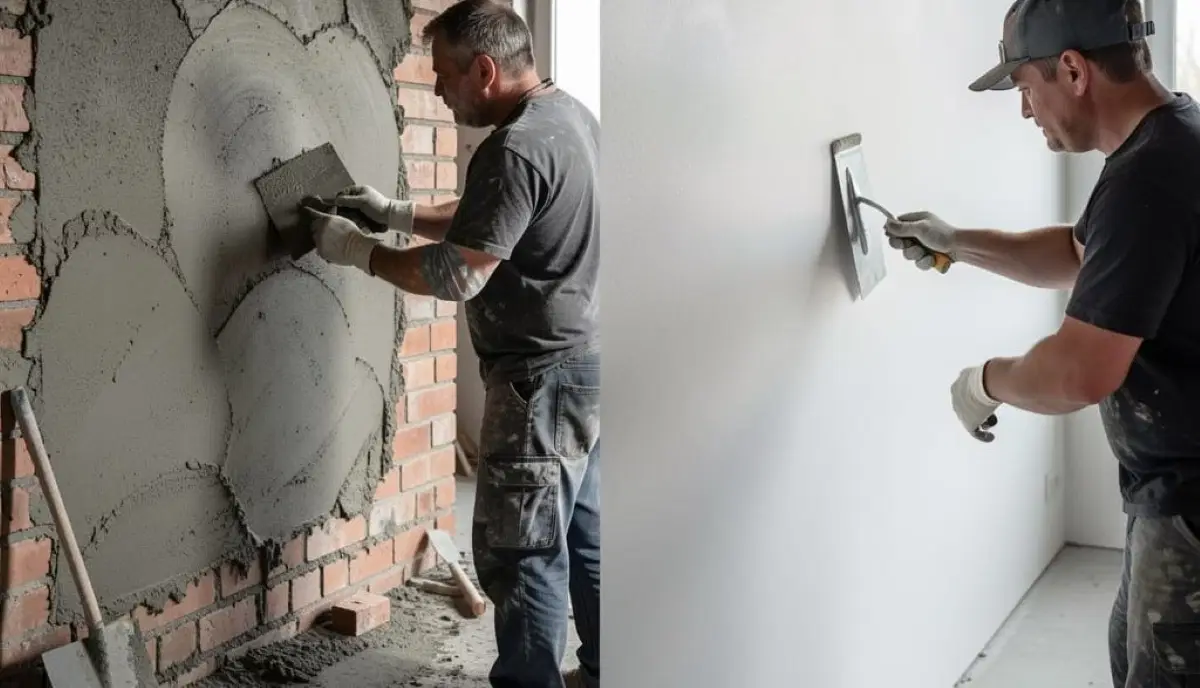
Cement Plaster vs Rhinolite South Africa – Complete Comparison Guide
🧱 Weight, cost, drying time, and paint preparation: which plaster is right for your walls and ceilings?
You’re planning to plaster the interior walls of your new home in Fourways. Your builder suggests traditional sand and cement, but a friend recommends Rhinolite for its lightweight and acoustic properties. In Cape Town, a contractor mentions using Rhinolite on ceilings. Which one should you choose? Understanding the cement plaster vs Rhinolite South Africa debate is crucial for making an informed decision that affects your budget, timeline, and the final finish of your walls.
This guide provides a head-to-head comparison of these two popular plastering materials. You’ll learn the fundamental differences in composition: sand and cement plaster versus Rhinolite, which uses vermiculite or other lightweight aggregates. We compare them on key factors like weight (Rhinolite is up to 40% lighter), drying time, acoustic properties, fire rating, and cost. We also delve into the critical topic of surface preparation, especially the infamous Rhinolite plaster problems related to powdery surfaces and paint adhesion. You’ll find the essential Rhinolite quality test before painting (the damp cloth test) and learn exactly when you need to use RhinoSeal or bonding liquid. We also answer common questions like can you plaster over Rhinolite and compare Rhinolite ceiling vs plasterboard. Whether you’re in Durban, Stellenbosch, or Pretoria, this guide helps you make the right choice.
If you’re ready to get started, explore our Services Overview or visit our Plastering Services page to find vetted contractors near you who understand both materials. For more on how we work, see How It Works.
Not Sure Which Plaster to Choose?
Get free, no-obligation quotes from local plastering experts who can advise on the best material for your specific project.
Find Plastering Experts Near Me
Servicing Johannesburg, Pretoria, Cape Town, Durban, and nationwide
📋 Table of Contents – Cement vs Rhinolite Guide
⚡ Quick Verdict: Which Plaster for Which Job?
Before we dive deep, here’s a simple guide to help you decide at a glance.
- Choose SAND & CEMENT plaster if: You are plastering exterior walls, wet areas (bathrooms, kitchens), or need maximum durability and hardness. It’s the standard for most new builds and is more forgiving for painting preparation. It is heavier and requires longer curing (21-28 days).
- Choose RHINOLITE plaster if: You are plastering interior ceilings or walls where you want a lightweight material with excellent acoustic properties and fire resistance. It’s faster drying and easier to work with overhead. However, you MUST test its quality and prepare it correctly for painting, or you risk paint failure.
Still unsure? Read on for the full technical breakdown. See our cost guide for pricing on both options.
Read more about our approach on our About Us page or see why clients choose us on our Benefits page.
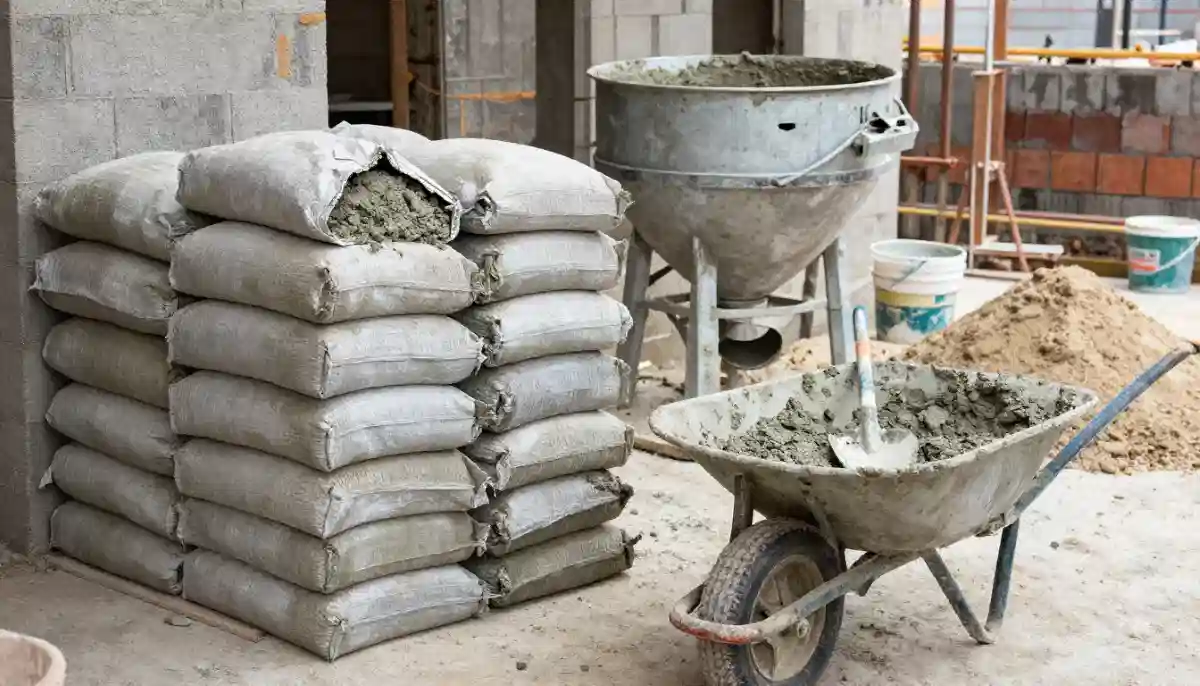
🏗️ Sand & Cement Plaster: The Traditional Choice
This is the most common plaster used in South African construction. It’s a simple mix of cement, sand, and water.
- Composition: Portland cement, plaster sand (well-graded), and water. Sometimes plasticisers or bonding agents are added.
- Weight: Heavy. A 12mm coat weighs approximately 20-25 kg per square metre. This puts significant load on the structure.
- Drying Time: Slow. Requires a minimum of 21-28 days to cure properly before painting. Moisture levels must drop below 10%.
- Surface: Hard, dense, and durable. Excellent for areas that will take impact.
- Paint Preparation: Generally straightforward. After full curing, a standard alkali-resistant primer is usually sufficient.
- Typical Uses: Exterior walls, boundary walls, garages, bathrooms, kitchens, and anywhere durability is paramount.
- Manufacturers: While often site-mixed, pre-mixed options like Weber offer high-quality sand-cement based plasters and finishing products.
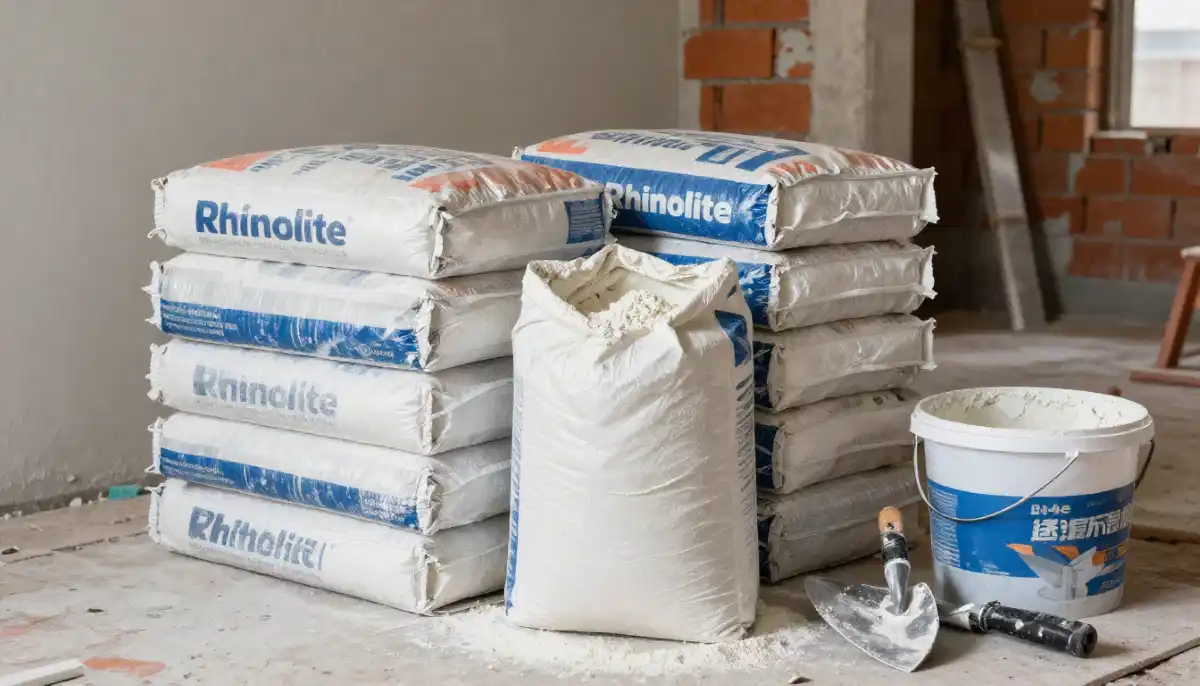
🦏 Rhinolite Plaster: Lightweight & Modern
Rhinolite is a brand name that has become generic for lightweight plasters made with vermiculite or perlite aggregates. It’s often gypsum-based but can also be cement-based with lightweight fillers.
- Composition: Vermiculite or perlite (expanded mica-like minerals), gypsum or cement binder, and additives. The aggregate makes it light and porous.
- Weight: Lightweight. Up to 40% lighter than sand-cement plaster, reducing load on structures – ideal for ceilings.
- Drying Time: Faster than cement. Gypsum-based Rhinolite sets and dries relatively quickly, allowing for shorter project timelines.
- Surface: Softer and more porous than cement plaster. This affects paint adhesion (see critical test below).
- Acoustic Properties: Excellent sound absorption due to its porous nature. Great for home theatres, bedrooms, and offices.
- Fire Rating: Superior fire resistance. Vermiculite is non-combustible, making Rhinolite a good choice for fire-rated applications.
- Typical Uses: Interior ceilings (very popular), interior walls where weight or acoustics are a concern, and as a backing coat for other finishes.
📊 Head-to-Head Comparison: Cement vs Rhinolite
| Feature | Cement Plaster | Rhinolite Plaster |
|---|---|---|
| Composition | Sand + Cement + Water | Vermiculite/Lightweight Aggregate + Gypsum/Cement |
| Weight | Heavy (20-25 kg/m² @12mm) | Lightweight (up to 40% lighter) |
| Application | Traditional trowel | Spray or trowel |
| Drying Time (before paint) | 21-28 days minimum | Faster (but must be fully dry) |
| Surface | Hard, dense | Softer, porous |
| Acoustic Properties | Standard | ✅ Excellent sound absorption |
| Fire Rating | Good | ✅ Superior (fire-resistant) |
| Paint Preparation | Standard alkali-resistant primer | ⚠️ RhinoSeal required if powdery |
| Typical Cost (Installed) | R180 – R220 per m² | R200 – R250 per m² |
| Best For | External walls, wet areas, garages | Ceilings, interior walls, acoustic requirements |
🧪 The Critical Rhinolite Quality Test
This simple test can save you from a painting disaster. It is absolutely essential before any painting or finishing work on Rhinolite.
- Why test? Poor quality or poorly mixed Rhinolite can have a weak, powdery surface. If you paint over this, the paint will not adhere properly and will peel or flake.
- The Test: According to Paintcor’s technical guide: “If Rhinolite plaster has been used, check the quality by wiping it down with a damp cloth. If an initial layer of white powder comes off but does not continue, then the quality is good. If the plaster continues to release a white powder after wiping down, then substitute Paintcor’s PlasterPrime for 2 coats of Paintcor’s RhinoSeal.”
- What the result means:
- Good Quality: A little dust initially, then stops. You can proceed with standard preparation and priming.
- Poor Quality (Powdery): The plaster keeps dusting. You MUST treat it with a specialised sealer like RhinoSeal before any further work.
🎨 Paint Preparation: Primer, RhinoSeal & Bonding Liquid
Correct surface preparation is the key to a lasting paint finish. Here’s what you need to know for each plaster type.
For Cement Plaster:
- Allow to cure for at least 21-28 days.
- Test moisture levels (should be below 10%).
- Apply an alkali-resistant primer (plaster primer) to seal the surface and provide a good base for paint.
For Rhinolite:
- Perform the damp cloth test first.
- If quality is good: A coat of PlasterPrime may be sufficient. Allow 6 hours drying.
- If the surface is powdery: You must apply 2 coats of Paintcor’s RhinoSeal. Allow 48 hours drying between coats before applying any topcoat.
- ⚠️ Important Warning on Fillercoat: According to Paintwise: “FILLERCOAT can be used on Rhinolite if a coat of Top Paints’ Bonding Liquid is applied. Top Paints’ Bonding Liquid must be left to dry at least 24 hours before FILLERCOAT is applied.” Never apply Fillercoat directly to untreated Rhinolite.
💰 Cost Comparison: Cement vs Rhinolite
The cement plaster vs Rhinolite cost comparison shows them to be in a similar range, with Rhinolite typically slightly more expensive due to the specialised lightweight aggregate.
- Cement Plaster (labour + materials): R180 – R220 per m² installed.
- Rhinolite Plaster (labour + materials): R200 – R250 per m² installed.
The final cost depends on factors like wall condition, location, and the need for special primers (like RhinoSeal). For specific plastering services in your area, see our Johannesburg plasterers or Cape Town plasterers pages. Our main cost guide has more details.
🏠 Application & Best Uses
Choosing the right plaster for the right location is crucial for long-term performance.
When to Choose Cement Plaster:
- Exterior walls: Its durability and weather resistance are unmatched. Perfect for boundary walls and house facades.
- Wet areas: Bathrooms, kitchens, and laundry rooms need a plaster that can handle moisture (always use a waterproofing additive for best results).
- Garages and outbuildings: Where walls will take knocks and bumps.
- Areas where you’ll tile directly: Cement plaster provides a strong, stable base for tile adhesive.
When to Choose Rhinolite:
- Ceilings: Its lightweight nature makes it ideal for overhead application, reducing strain on the structure and the plasterer.
- Interior walls where soundproofing is desired: Home theatres, music rooms, bedrooms.
- Fire-rated partitions: Its superior fire resistance adds a safety layer.
- When you need a faster-drying plaster: Can speed up project timelines.
📐 Rhinolite Ceilings vs Plasterboard
For ceilings, you might also consider plasterboard (dry-lining). Here’s how Rhinolite compares.
- Rhinolite Ceiling: Applied directly to the ceiling substrate (concrete slab). It creates a monolithic, seamless finish. It is heavier than plasterboard but still lightweight for plaster. Excellent acoustic and fire properties.
- Plasterboard Ceiling: Sheets of gypsum board fixed to a frame or directly to the ceiling, then the joints are taped and skimmed. Faster to install, easier to run services in the cavity, and can be insulated. The finish is also seamless when done well.
- Which is better? Rhinolite is excellent for a solid, durable ceiling finish. Plasterboard is more flexible for creating new ceilings, adding insulation, or accessing services. Both are valid options; discuss with your contractor. See our skimming guide for more on finishes.
❓ Can You Plaster Over Rhinolite?
Yes, you can plaster over existing Rhinolite, but it’s not always straightforward. Here’s what you need to know.
- Why you might do it: To create a smoother finish, to repair damaged areas, or to apply a different finish (like a Venetian plaster).
- The challenge: The porous and potentially powdery nature of Rhinolite can cause poor adhesion for new plaster.
- The solution: The key is preparation. The existing Rhinolite surface must be sound, clean, and primed appropriately. You would typically apply a high-quality bonding agent (like SBR or a specialised plaster primer) before applying a new skim coat or plaster.
- Professional advice: This is a job for an experienced plasterer who can assess the condition of the existing Rhinolite and choose the correct preparation method. Attempting it yourself could lead to delamination.
❌ 7 Common Mistakes with Rhinolite Plaster
- Mistake #1: Not performing the damp cloth test. This is the most common error, leading to paint failure. Always test first.
- Mistake #2: Painting directly onto untreated, powdery Rhinolite. The paint will peel. Use RhinoSeal as required.
- Mistake #3: Using Fillercoat without Bonding Liquid. As warned by Paintwise, Fillercoat requires a Bonding Liquid undercoat on Rhinolite. Never skip this.
- Mistake #4: Using Rhinolite on exterior walls. It is not designed for exterior use and will deteriorate. Use cement plaster for exteriors.
- Mistake #5: Assuming all Rhinolite is the same quality. Quality varies by manufacturer and mixing. Test every time.
- Mistake #6: Not allowing enough drying time before painting. Even though Rhinolite dries faster than cement, it must be fully dry. Check moisture levels.
- Mistake #7: Hiring a plasterer unfamiliar with Rhinolite preparation. Proper preparation is different from cement plaster. Ensure your contractor knows the specific requirements for Rhinolite finishes. See our contractor selection guide.
❓ Frequently Asked Questions
What is the difference between cement plaster and Rhinolite?
Cement plaster vs Rhinolite South Africa – cement plaster is a heavy, durable mix of sand and cement for exteriors and wet areas. Rhinolite is a lightweight, vermiculite-based plaster ideal for ceilings and interior walls, with better acoustic and fire properties.
How do I test Rhinolite quality before painting?
The Rhinolite quality test before painting is simple: wipe it with a damp cloth. If a little dust comes off and stops, it’s good. If it keeps dusting, it’s powdery and requires 2 coats of RhinoSeal before priming.
Can you plaster over Rhinolite?
Yes, can you plaster over Rhinolite is possible with proper preparation. The surface must be sound, cleaned, and primed with a strong bonding agent before applying new plaster or a skim coat.
What are common Rhinolite plaster problems?
The main Rhinolite plaster problems are related to its soft, porous surface. A poor-quality or poorly mixed Rhinolite can be powdery, leading to paint adhesion failure if not correctly sealed with a product like RhinoSeal.
What is the cost of Rhinolite vs cement plaster?
The cement plaster vs Rhinolite cost comparison shows Rhinolite is slightly more expensive. Cement plaster installed is R180-R220/m², while Rhinolite is R200-R250/m², due to the cost of lightweight aggregates.
Is Rhinolite good for ceilings?
Yes, Rhinolite ceilings vs plasterboard – Rhinolite is a very popular choice for ceilings because it is lightweight, reduces load, and provides excellent acoustic and fire resistance. It creates a seamless, monolithic finish.
Can I use Fillercoat on Rhinolite?
Fillercoat compatibility – NOT for Rhinolite unless you first apply a coat of Top Paints’ Bonding Liquid and let it dry for 24 hours. Never apply Fillercoat directly to untreated Rhinolite.
What is RhinoSeal and when do I use it?
RhinoSeal is a specialised sealer from Paintcor for powdery Rhinolite surfaces. Use it if your damp cloth test shows the plaster is dusty. Apply 2 coats, allowing 48 hours drying between coats, before priming.
Is Rhinolite waterproof?
Rhinolite is not inherently waterproof and should not be used on exterior walls. For wet areas like bathrooms, cement plaster with a waterproofing additive is the better choice.
Where can I find plastering experts for Rhinolite in Stellenbosch?
For plastering services in Stellenbosch or Paarl, look for contractors experienced with Rhinolite preparation. Use our quote request form to connect with vetted specialists in your area.
✅ Final Thoughts – Your Plaster Selection Action Plan
The choice between cement plaster vs Rhinolite South Africa isn’t about which is “better” overall, but which is better for your specific project. Cement plaster is the durable, weatherproof workhorse. Rhinolite is the lightweight, acoustic performer for interiors and ceilings.
Key takeaways:
- Use cement plaster for exteriors, wet areas, and where durability is key.
- Use Rhinolite for ceilings and interior walls where weight, acoustics, or fire rating are priorities.
- Always test Rhinolite with the damp cloth method before painting or applying any filler.
- Follow the correct preparation steps: use RhinoSeal for powdery surfaces, and Bonding Liquid before Fillercoat.
- Hire a contractor who understands the specific requirements of your chosen material.
Your 5-Step Action Plan
- Determine the location: Is it an exterior wall, a ceiling, or an interior room?
- Consider your priorities: Durability, weight, acoustics, fire safety, or cost?
- Make your choice: Cement or Rhinolite based on the comparison above.
- Plan for preparation: If you choose Rhinolite, budget for the quality test and potentially RhinoSeal.
- Get quotes from experienced contractors: Use our quote request to find specialists who know your chosen material inside out.
Ready to Start Your Plastering Project?
Get free, no-obligation quotes from vetted plastering specialists who can advise on the best material for your specific needs and location.
📞 Call us: 073 138 4726 for personalised assistance
Free site inspections •
Beat-your-quote guarantee •
Our guarantees
📚 Official resources & standards:
- Paintcor – Rhinolite quality test and RhinoSeal specifications.
- Paintwise – Fillercoat compatibility and Bonding Liquid requirements.
- Weber South Africa – Mason Wall Putty and sand-cement plaster specifications.
- SABS – SANS 10400 Building Regulations for plastering.
- Cemcrete – Specialist plaster finishes.
- Samson – Waterproofing plasters and repair mortars.
Information accurate as of publication. Prices are indicative and may vary by supplier and location. This guide is for informational purposes.
Written by: Innocent T Hanyani
21+ years construction and digital industry experience, ServiceLink SA
Innocent has specified materials for thousands of plastering projects across South Africa, from large-scale residential developments to bespoke heritage renovations. His hands-on experience with both cement and Rhinolite plasters ensures this guide reflects real-world performance and best practices.
For more detailed information, explore our related guides: plastering costs to budget your project, our wall preparation guide for ensuring a perfect finish, and our interior finishes guide for design inspiration. For help finding the right professional, see our contractor guide and ensure they have proper liability insurance. Our free inspection and beat-your-quote services are also available. Pay-later options can help with budgeting.