
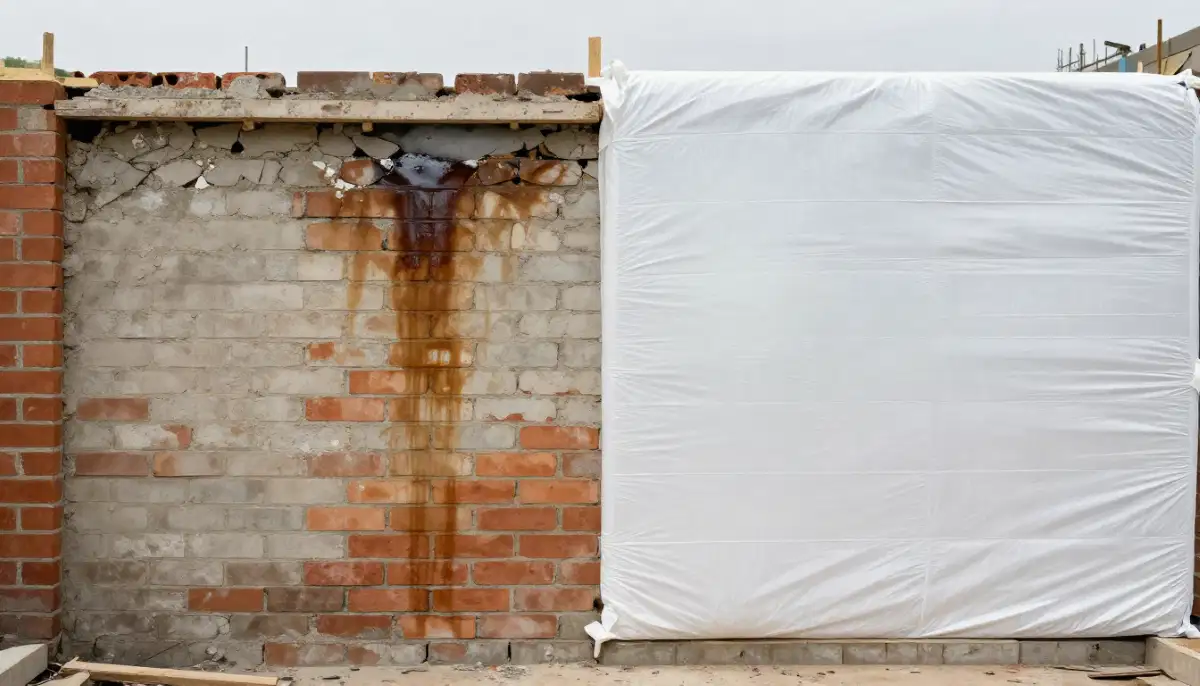
Damp Proofing vs Waterproofing Difference – What South African Homeowners Must Know
🏚️ Rising damp in your Pretoria home? Wet basement in Cape Town? Here’s why damp proofing and waterproofing are not the same – and why it matters.
You’ve noticed a musty smell in your Constantia home. The paint is bubbling near the floor. Your Umhlanga basement has that persistent damp feeling. You search online and see terms like “damp proofing” and “waterproofing” used interchangeably. But they’re not the same thing.
The damp proofing vs waterproofing difference is critical to understand. Choose the wrong solution and you’ll waste money while your moisture problem persists – or gets worse. Damp proofing handles minor moisture (like rising damp). Waterproofing stops liquid water under pressure (like in basements).
This guide explains the technical differences, when each is appropriate, and how to identify which problem you have. We’ll cover DPC (damp proof course), tanking, capillary action, hygroscopic salts, and the right solutions for each situation.
If you’re ready for professional help, explore our Services Overview or visit our Waterproofing Services page to find vetted contractors near you. For more on how we work, see How It Works.
📋 REGULATORY STANDARDS: Damp proofing requirements are covered in SANS 10400 Part L (moisture penetration). The NHBRC specifies DPC requirements for new builds. For heritage properties, Heritage SA provides guidance on rising damp treatment.
Unsure If You Need Damp Proofing or Waterproofing?
Get free, no-obligation quotes from vetted specialists who can diagnose your moisture problem and recommend the right solution.
Find Moisture Specialists Near Me
Servicing Johannesburg, Pretoria, Cape Town, Durban, and nationwide
📋 Table of Contents – Damp Proofing vs Waterproofing
🔑 The Key Difference – Damp Proofing vs Waterproofing
Let’s start with the fundamental distinction:
💧 Damp Proofing
- Designed to resist moisture vapour and minor dampness
- Prevents rising damp through capillary action
- Typically a thin barrier (plastic sheet, bitumen coating)
- Stops moisture, not liquid water under pressure
- Used in walls, under floors, above ground
- Building code requirement for all new homes
🌊 Waterproofing
- Designed to stop liquid water under pressure
- Withstands hydrostatic pressure from groundwater
- Thicker, more robust membrane or coating
- Completely impermeable to liquid water
- Used in basements, below grade, wet areas
- Required where water table is high
Think of it this way: damp proofing is like a raincoat – it handles light moisture. Waterproofing is like a diving suit – it keeps you dry even when submerged. Confusing the two leads to failure.
Learn more about our approach on our About Us page or read why clients choose us on our Benefits page.
🏠 What is Damp Proofing?
Damp proofing is the application of a material or system to resist moisture penetration. It’s designed to handle moisture vapour and minor dampness, not standing water or hydrostatic pressure.
Common Damp Proofing Methods
- DPC (Damp Proof Course): A horizontal barrier in walls, usually 150mm above ground level. Traditional materials: slate, engineering bricks. Modern: plastic sheet, bitumen felt.
- DPM (Damp Proof Membrane): A sheet membrane under concrete floors (usually polyethylene).
- Bitumen coating: Thin liquid coating applied to walls.
- Waterproof render: Cement render with water-repellent additives.
- Chemical injection: Liquid silicone injected into walls to form a DPC (for retrofits).
Where Damp Proofing is Used
- Cavity walls (to prevent moisture crossing cavity)
- Under concrete floor slabs (DPM)
- Retrofit rising damp treatment
- Parapet walls and chimneys
>Above-ground external walls
Damp proofing is a building regulation requirement for all new homes under SANS 10400.

🌊 What is Waterproofing?
Waterproofing is the application of materials that create an impermeable barrier capable of stopping liquid water, even under pressure. It’s a higher level of protection than damp proofing.
Common Waterproofing Methods
- Tanking slurry: Cementitious coating applied to walls and floors (positive or negative side).
- Torch-on membrane: Bitumen sheets melted onto substrate.
- Liquid polyurethane: Seamless, flexible membrane.
- Cavity drain membrane: Dimpled plastic sheet that directs water to drainage.
- PVC/EPDM membranes: Synthetic sheet membranes.
- Bentonite clay panels: Swelling clay for external waterproofing.
Where Waterproofing is Used
- Basements (below grade)
- Retaining walls (below ground)
- Flat roofs (where water ponds)
- Balconies and terraces
- Swimming pools and water features
- Wet areas (bathrooms, showers)
- Tunnels and below-ground structures
For detailed information on basement systems, see our basement waterproofing guide.
📏 Rising Damp Explained – Capillary Action
Rising damp is the upward movement of moisture through porous building materials (brick, stone, concrete) by capillary action. It’s one of the most common damp proofing targets.
How Capillary Action Works
- Pores in materials act like tiny tubes
- Water is drawn upward against gravity
- Height depends on pore size and evaporation rate
- Typically rises 300mm to 1.5m in walls
- Stops at impermeable barrier (DPC)
Signs of Rising Damp
- Tide marks on walls
- Peeling wallpaper or paint
- Flaking plaster
- Musty smell
- Rotting skirting boards
- Hygroscopic salts (white deposits) on walls – these attract moisture from air
Solution
Install or repair DPC (damp proof course). For existing homes, chemical damp proof course injection is the standard solution.
💧 Hydrostatic Pressure – When Waterproofing is Essential
Hydrostatic pressure is the force exerted by standing groundwater against below-grade structures. This is where damp proofing fails and waterproofing is essential.
How Hydrostatic Pressure Works
- Water in soil around foundation creates pressure
- Pressure increases with depth and water table height
- Water is forced through any crack or pore
- Damp proofing cannot withstand this pressure
- Requires robust waterproofing designed for the pressure
Signs of Hydrostatic Pressure Problems
- Active water leaks through walls or floor
- Damp patches that appear after rain
- Efflorescence on walls (mineral deposits)
- Peeling paint that reappears after repainting
- Musty basement smell
- Water pooling on basement floor
Solution
Proper waterproofing system designed for below-grade conditions – external tanking, cavity drain membrane, or crystalline systems. See our basement waterproofing guide for details.
📋 DPC vs Waterproof Membrane – Physical Differences
The physical materials are different because they serve different purposes.
| Property | Damp Proof Course (DPC) | Waterproof Membrane |
|---|---|---|
| Typical thickness | 0.2mm – 1mm (sheet or coating) | 1.5mm – 4mm (membrane) or thicker |
| Material | Polyethylene, bitumen felt, slate | Torch-on bitumen, polyurethane, PVC, EPDM |
| Application | Horizontal layer in walls, under slabs | Vertical/horizontal, full surface coverage |
| Pressure resistance | None – resists vapour only | High – withstands hydrostatic pressure |
| Typical locations | Cavity walls, under floors | Basements, roofs, balconies |
| Cost per m² | R50 – R150 (DPC) | R150 – R800+ (waterproofing) |
💉 Injected DPC – Chemical Damp Proof Course
For existing homes without a DPC or with a failed DPC, injected DPC (chemical damp proof course) is the standard solution.
How It Works
- Holes drilled into mortar course at regular intervals (usually 100-150mm apart)
- Chemical (typically silicone-based) injected under pressure
- Chemical fills pores in brick/mortar
- Creates a water-repellent barrier
- Prevents capillary rise of moisture
Types of Chemicals
- Silicone/ silane/siloxane: Most common, breathable, effective
- Acrylic resins: Good for high moisture levels
- Polyurethane resins: For severe cases, can bridge cracks
- Stearates: Older technology, less common
Effectiveness
Injected DPC is effective for rising damp when properly installed. However, it doesn’t address hygroscopic salts already in the wall – these may need separate treatment (replastering with salt-resistant render).
🧱 Tanking Slurry – Waterproofing for Basements
Tanking slurry is a cementitious coating used to waterproof basements and below-grade structures. It’s a form of waterproofing, not damp proofing.
How It Works
- Two-component cement-based powder mixed with liquid polymer
- Applied by brush or trowel to walls and floors
- Forms a rigid, waterproof barrier
- Can be applied to positive side (outside) or negative side (inside)
- Bonds strongly to concrete or masonry
When to Use
- Basement walls (with proper drainage)
- Retaining walls
- Water tanks and reservoirs
- Areas with low to moderate hydrostatic pressure
- Often combined with drainage systems
Limitations
Tanking slurry is rigid – it can crack if the structure moves. Not suitable for areas with significant movement. Requires protection if backfilling.
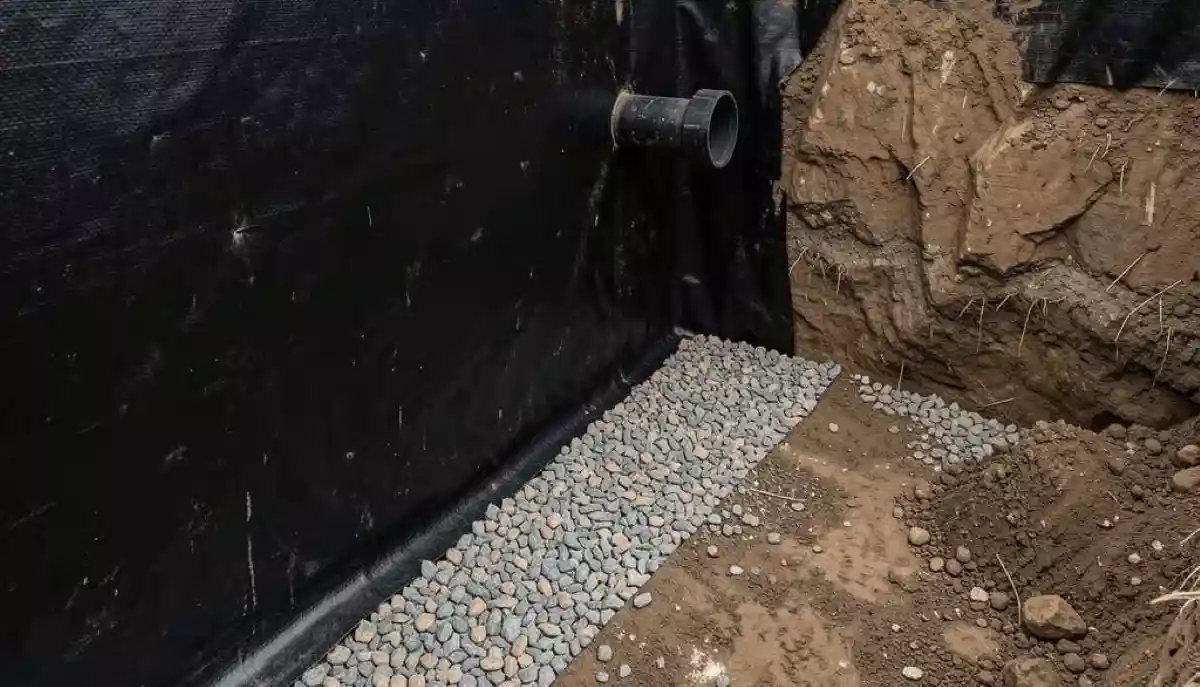
🧂 Hygroscopic Salts – Why Damp Persists
Hygroscopic salts are a common complication in rising damp cases. These salts (chlorides, nitrates) absorb moisture from the air, making walls feel damp even after the DPC is installed.
Where Salts Come From
- Groundwater containing dissolved salts
- Previous rising damp episodes depositing salts
- Contaminated soil or construction materials
- Old wallpapers and adhesives
The Problem
- Even after DPC installation, salts remain in plaster
- Salts attract moisture from humid air
- Walls feel damp, paint peels
- Homeowner thinks DPC failed
- Requires salt-resistant replastering
Solution
After DPC injection, affected plaster must be removed and replaced with salt-resistant render. This allows salts to be contained and prevents moisture absorption.
🌬️ Breathable Membranes – Letting Walls Breathe
An important concept in damp proofing is breathability. Some materials allow water vapour to pass while stopping liquid water.
Why Breathability Matters
- Walls contain residual moisture
- If trapped by non-breathable materials, moisture causes damage
- Breathable materials let vapour escape
- Important for historic buildings with solid walls
- Prevents trapped moisture from damaging structure
Breathable Damp Proofing Options
- Lime-based plasters: Allow moisture movement
- Silicone injections: Breathable DPC
- Breathable waterproof renders: Special formulations
- Cork or woodfibre boards: For internal insulation
For heritage properties in Paarl and Stellenbosch, breathability is essential. See Heritage SA guidelines.
✅ Is Damp Proofing Enough? When It Works and When It Fails
The question “is damp proofing enough” depends entirely on the situation.
When Damp Proofing IS Enough
- Above-ground walls (not below grade)
- No hydrostatic pressure
- Minor moisture vapour concerns
- Under-floor moisture barriers
- New build compliance with building regs
- Rising damp treatment (with injected DPC)
When Damp Proofing FAILS – You Need Waterproofing
- Basements and below-grade structures
- Any area with groundwater pressure
- Retaining walls with soil on one side
- Flat roofs with ponding water
- Areas with high water table
- Active water leaks, not just damp
- Bathrooms and wet areas (needs waterproofing before tiling)
Real-world examples: A damp patch on a ground floor wall in Pretoria might need injected DPC. A wet basement in Umhlanga needs full waterproofing.
💰 Cost Comparison – DPC vs Waterproofing
Costs reflect the different levels of protection.
| Application | Damp Proofing Cost | Waterproofing Cost |
|---|---|---|
| New build DPC in walls | R50 – R100 per linear metre | N/A – not applicable |
| Retrofit injected DPC | R800 – R1,500 per linear metre | N/A |
| Basement walls (per m²) | R150 – R300 (would fail) | R400 – R1,200 (proper system) |
| Underfloor DPM | R50 – R120 per m² | R150 – R300 (if upgraded) |
| External wall coating | R80 – R150 per m² | R150 – R300 (waterproof paint) |
For detailed pricing, see our waterproofing cost guide.
💊 Chemical Damp Proof Course Cost – What to Expect
Chemical damp proof course cost varies by location and wall type.
- Per linear metre (typical): R800 – R1,500
- Minimum charge: Usually R3,000 – R5,000
- Includes: Drilling, chemical injection, making good holes
- Extra: Replastering with salt-resistant render – R300 – R600 per m²
- Wall thickness surcharge: Thicker walls need more chemical – add 20-50%
Example Costs
- Small house (30 linear metres): R24,000 – R45,000
- Medium house (50 linear metres): R40,000 – R75,000
- Large house (80 linear metres): R64,000 – R120,000
These prices typically include injection only. Replastering is extra but often essential due to hygroscopic salts.
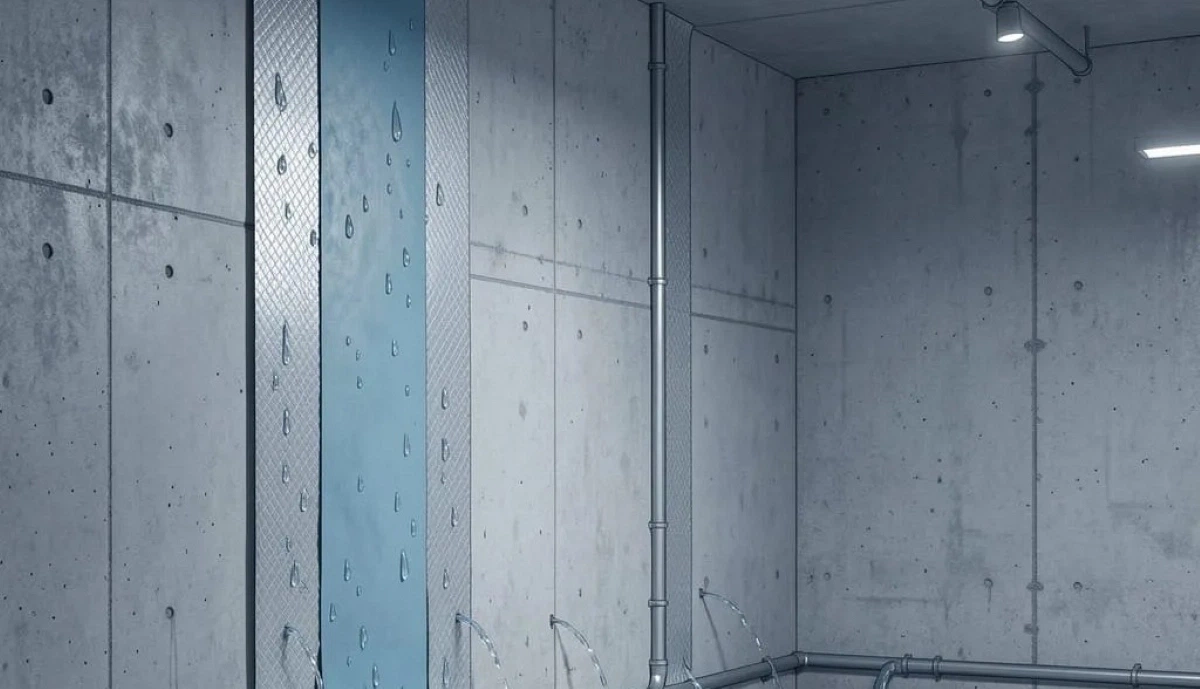
📍 Regional Damp & Waterproofing Considerations
📌 Johannesburg & Pretoria
In Johannesburg and Pretoria, clay soils can cause movement. Rising damp is common in older homes. Injected DPC is frequently needed. Basements need proper waterproofing due to seasonal water tables.
📌 Durban & Umhlanga
In Durban and Umhlanga, high humidity and water tables mean basements almost always require full waterproofing. Rising damp is less common but salt attack from sea air affects coastal properties.
📌 Cape Town & Stellenbosch
In Cape Town and Stellenbosch, winter rain tests every system. Heritage properties need breathable solutions. Rising damp is common in old homes. Basements in wet areas need robust waterproofing.
📌 Centurion & Midrand
In Centurion and surrounding areas, new developments often have proper DPC, but older homes may need retrofit solutions.
❌ 8 Common Damp Proofing Mistakes
Avoid these errors that lead to ongoing moisture problems:
- Mistake #1: Confusing damp proofing with waterproofing. Using DPC in a basement with hydrostatic pressure guarantees failure. Know the difference.
- Mistake #2: Not addressing external causes first. Check gutters, downpipes, ground levels before treating walls. Sometimes water is coming from outside.
- Mistake #3: Ignoring hygroscopic salts. Injecting DPC without replacing salt-contaminated plaster leads to persistent damp from salts.
- Mistake #4: Bridging the DPC. Earth or paving against wall above DPC level creates a bridge for moisture. Keep DPC visible.
- Mistake #5: Using non-breathable materials on old walls. Historic homes need breathable solutions – cement traps moisture.
- Mistake #6: DIY chemical injection. DPC injection requires correct pressure, spacing, and chemical selection. DIY often fails.
- Mistake #7: Not checking for other moisture sources. Leaking pipes, condensation, or rain penetration can mimic rising damp.
- Mistake #8: Cheapest quote without investigation. Proper diagnosis is essential – different problems need different solutions.
For more guidance, see our contractor selection guide and failure signs guide.
❓ Frequently Asked Questions
What is the difference between damp proofing and waterproofing?
The damp proofing vs waterproofing difference is fundamental: damp proofing resists moisture vapour and minor dampness (like rising damp), while waterproofing stops liquid water under pressure (hydrostatic pressure). Damp proofing is for above-ground, waterproofing for below-grade and wet areas. Choose based on your specific problem.
What is a DPC in construction?
A DPC (Damp Proof Course) is a horizontal barrier in walls, usually 150mm above ground, that prevents rising damp. Traditional materials include slate or engineering bricks. Modern DPCs are polyethylene sheet or bitumen felt. For existing homes, chemical damp proof course injection is the retrofit solution.
How much does chemical damp proof course cost?
Chemical damp proof course cost is R800 – R1,500 per linear metre, with minimum charges R3,000-R5,000. A typical 50m house costs R40,000-R75,000. This includes drilling and injection. Replastering with salt-resistant render (often needed) adds R300-R600 per m².
Is damp proofing enough for a basement?
No, damp proofing is NOT enough for basements. Basements experience hydrostatic pressure from groundwater, which requires proper waterproofing (tanking, cavity drain membranes, etc.). Using damp proofing in a basement will fail – water will find its way through.
What is rising damp and how is it treated?
Rising damp is moisture moving up walls by capillary action. It’s treated by installing a DPC – for new builds, a physical barrier; for existing homes, injected DPC (chemical injection). Affected plaster must be replaced with salt-resistant render to remove hygroscopic salts.
What are hygroscopic salts?
Hygroscopic salts are salts in walls that absorb moisture from the air. They’re left behind by previous rising damp episodes. Even after DPC installation, these salts make walls feel damp. They must be removed by replastering with salt-resistant render.
Can I use waterproof paint instead of damp proofing?
Waterproof paint (like masonry paint) can help with rain penetration on external walls, but it’s not a substitute for proper damp proofing against rising damp. For rising damp, you need a DPC. For basements, you need proper waterproofing. Waterproof paint is a surface treatment, not a structural solution.
What is tanking slurry?
Tanking slurry is a cementitious waterproofing coating used on basements and below-grade walls. It’s applied to the positive side (outside) or negative side (inside) to stop water penetration. It’s a form of waterproofing, not damp proofing, and withstands moderate hydrostatic pressure.
✅ Final Thoughts – Your Moisture Action Plan
Understanding the damp proofing vs waterproofing difference saves you from costly mistakes. The wrong solution not only fails but can make problems worse by trapping moisture.
Key takeaways:
- Damp proofing for vapour, waterproofing for liquid under pressure – know which you need
- Rising damp needs DPC – physical or chemical barrier
- Basements need waterproofing – tanking, cavity drain, or external membranes
- Hygroscopic salts complicate treatment – replastering often needed
- Proper diagnosis first – identify the actual moisture source
- Get professional help – moisture problems are rarely simple DIY
💧 The Bottom Line:
Use the right tool for the job
Damp proofing and waterproofing serve different purposes – choose based on your specific moisture problem.
Your 5-Step Action Plan
- Identify the problem – rising damp, penetrating damp, or basement water?
- Check external causes – gutters, ground levels, drainage first
- Diagnose correctly – use a moisture meter, check for salts
- Choose the right solution – DPC, injected DPC, or waterproofing
- Get professional quotes – use our free quote system
Not Sure Which Solution You Need?
Get free, no-obligation quotes from vetted moisture specialists who can diagnose your problem and recommend the right treatment.
📞 Call us: 073 138 4726 for personalised assistance
Free site inspections •
Beat-your-quote guarantee •
Our guarantees
📚 Official resources & standards:
- NHBRC – DPC requirements for new home builds
- SANS 10400 Part L – Moisture penetration building regulations
- Heritage South Africa – Rising damp treatment in heritage properties
Information accurate as of publication. Prices are indicative and may vary by location and contractor. This guide is for informational purposes.
Written by: Innocent T Hanyani
21+ years construction and digital industry experience, ServiceLink SA
Innocent has diagnosed and treated moisture problems in hundreds of South African homes, from rising damp in Victorian houses to basement waterproofing in modern builds. His expertise ensures this guide reflects current best practices and building regulations.
For more detailed information, explore our basement waterproofing guide for below-grade solutions, our failure signs guide to identify problems, our contractor selection guide for finding qualified specialists, and our cost guide for pricing on both damp proofing and waterproofing systems.