

How to Choose a Waterproofing Contractor in South Africa – Complete Vetting Guide
🔧 Need your flat roof waterproofed in Johannesburg? Basement leaking in Cape Town? Bathroom renovation in Durban? Here’s exactly how to find a reliable, qualified waterproofing contractor.
You’ve done your research. You know you need torch-on for your Sandton flat roof. You’ve chosen Derbigum membrane. But who will install it? The difference between a good and bad contractor can mean 20 years of protection versus leaks within months.
The choose waterproofing contractor South Africa decision is critical. Waterproofing is unforgiving – mistakes are hidden under tiles or behind walls, only discovered when damage appears. A qualified, experienced contractor ensures the job is done right, with proper warranties and peace of mind.
This guide gives you a complete system to vet, compare, and choose the right waterproofing specialist. We cover what credentials matter (CWP, CIDB), what questions to ask, what red flags to watch for, how to verify insurance, and how to protect yourself with proper contracts and guarantees.
If you’re ready to find trusted local specialists, explore our Services Overview or visit our Waterproofing Services page to find vetted professionals near you. For more on how we work, see How It Works.
📋 ACCREDITATION STANDARDS: Qualified waterproofing contractors should be registered with the Corporation of Waterproofing Professionals (CWP). For larger projects, CIDB grading matters. New home builds require compliance with NHBRC warranty requirements.
Need a Trusted Waterproofing Contractor?
Stop guessing – get free, no-obligation quotes from vetted, pre-screened waterproofing specialists in your area. Compare credentials and choose with confidence.
Find Vetted Contractors Near Me
Servicing Johannesburg, Pretoria, Cape Town, Durban, and nationwide
📋 Table of Contents – Waterproofing Contractor Guide
🔍 Why Your Choice of Waterproofing Contractor Matters
A waterproofing contractor isn’t just someone who applies materials. A professional does much more:
- Proper diagnosis: Identifies the real cause of leaks, not just symptoms
- Material selection: Recommends appropriate products for your specific situation
- Surface preparation: Critical for adhesion – cleaning, priming, repairs
- Correct application: Follows manufacturer specifications for thickness, coverage, detailing
- Quality control: Ensures reinforcement at corners, proper flashings, falls to drain
- Testing: Flood tests bathrooms, inspects completed work
- Documentation: Provides warranties, material data sheets, maintenance advice
A bad contractor might:
- Use wrong materials or insufficient thickness
- Skip surface preparation
- Miss critical details (corners, penetrations)
- Leave no warranty or disappear when problems arise
- Cause more damage than they fix
Taking time to choose waterproofing contractor South Africa carefully saves money, time, and protects your property.
Learn more about our approach on our About Us page or read why clients choose us on our Benefits page.
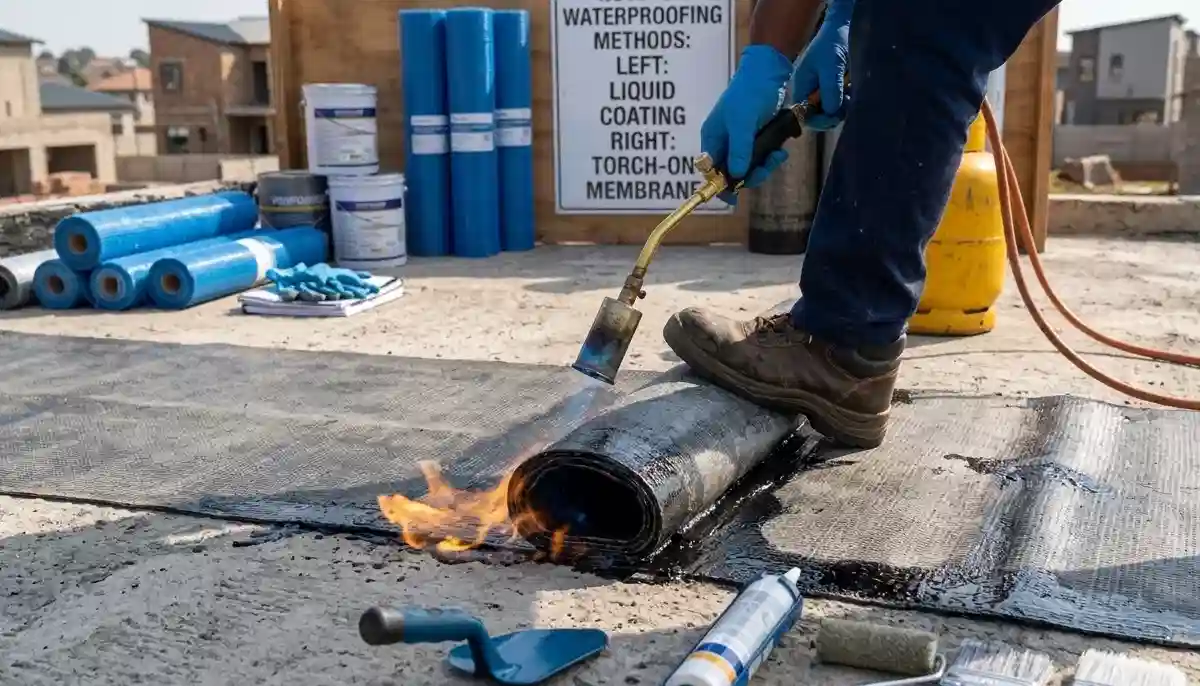
📜 CWP Registered Applicator – The Gold Standard
The Corporation of Waterproofing Professionals (CWP) is the industry body for waterproofing in South Africa. CWP registered applicator status is the strongest trust signal.
What CWP Registration Means
- Contractor has demonstrated competence and experience
- Adheres to CWP code of conduct
- Stays updated on industry standards and best practices
- Provides recourse through CWP if problems arise
- Committed to ongoing professional development
How to Verify
- Ask for their CWP registration number
- Check the CWP website directory
- Verify membership is current
- Look for CWP logo on quotes and communications
Not all good contractors are CWP registered, but it’s a strong indicator of professionalism. For complex projects, insist on CWP registration.
📊 CIDB Grading for Waterproofing
The Construction Industry Development Board (CIDB) grades contractors, including waterproofing specialists, for capability and financial stability. This matters for larger projects.
CIDB Grading Levels
- Grade 1: Suitable for contracts up to R200,000
- Grade 2: Up to R650,000
- Grade 3: Up to R2 million
- Grade 4: Up to R4 million
- Grade 5-9: Increasing capability for larger contracts
When It Matters
- Commercial waterproofing projects
- Large residential developments
- Government or tendered work
- When you want verified contractor capability
- NHBRC registered projects
Verify CIDB grading on the CIDB website. For most residential work, CIDB grading isn’t essential but indicates a serious, established contractor.
🏗️ NHBRC Warranty Requirements
For new home builds, the National Home Builders Registration Council (NHBRC) has specific requirements for waterproofing.
NHBRC Requirements
- Waterproofing must be designed and installed by qualified professionals
- Systems must comply with SANS 10400
- Documentation required for warranty claims
- Inspections may be required
- Contractors must be NHBRC registered
If you’re building a new home, ensure your waterproofing contractor is NHBRC registered and familiar with warranty requirements. Failure to comply can void your home warranty.
🛡️ Insurance Verification – Protect Yourself
Insurance is your safety net. If a contractor damages your property or is injured on site, insurance determines whether you pay or they do.
Essential Insurance Policies
- Public Liability Insurance: Covers damage to your property. Minimum R1 million recommended, R5 million for larger projects.
- Workmen’s Compensation (COIDA): Covers worker injuries – protects you from liability.
- Professional Indemnity: Covers professional errors (less common but valuable for complex projects).
How to Verify
Ask for their insurance certificate. It should show the policy number, insured amount, and expiry date. Call the insurer if uncertain. For more detail, see our contractor insurance guide.
Without insurance, you risk financial loss. A single mistake could cost you thousands.
📸 Experience & Portfolio of Work
Would you hire a surgeon without seeing their track record? The same applies to waterproofing contractors. A portfolio of work demonstrates capability.
What to Look For
- Photos of completed projects: Neat work, proper detailing at corners, flashings, drains
- Project examples: Similar to yours (flat roofs, bathrooms, basements)
- Years in business: 5+ years indicates stability and experience
- Specialization: Do they focus on residential, commercial, or specific systems?
- Manufacturer approvals: Some contractors are approved by Derbigum, Sika, etc.
Questions to Ask
- “How long have you been waterproofing in Gauteng or your area?”
- “Can you share examples of flat roof projects similar to mine?”
- “Have you done basement waterproofing in this area?”
- “Do you have experience with bathroom tanking?”
Experienced contractors are proud of their work and happy to show it.
⭐ Reviews & Client References – What Past Clients Say
Waterproofing company reviews reveal how a company treats its clients. But not all reviews are equal.
Where to Check Reviews
- Google Reviews: Most authentic, harder to fake. Look for consistency.
- Facebook Recommendations: Often from real clients in community groups.
- Hellopeter: South Africa’s consumer review platform. Check how companies respond to complaints.
- Our reviews page: Verified client feedback.
Red Flags in Reviews
- Multiple 5-star reviews with no text (possibly fake)
- Complaints about the same issue ignored by the company
- Reviews that sound generic or AI-generated
- No recent reviews (company may be inactive)
Requesting References
Ask for 2-3 recent client references – ideally from similar projects in your area. Call them and ask:
- “Did they show up on time?”
- “Was the work completed to your satisfaction?”
- “Were there any issues, and how were they handled?”
- “Would you hire them again?”
- “Did they provide proper documentation and warranty?”
Legitimate companies will provide references. If they hesitate, proceed with caution.
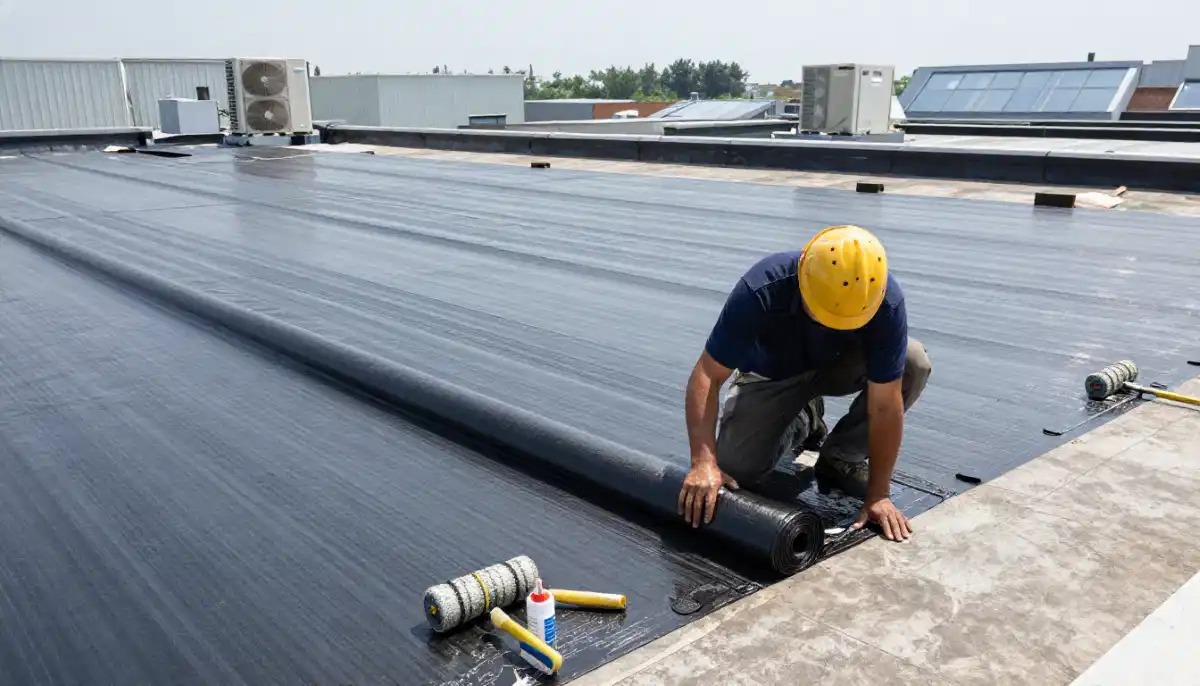
📝 Written Quotation – What Must Be Included
Never accept a verbal quote. A proper written quotation protects both parties. It should include:
- Detailed scope of work: Exactly what will be done – areas, preparation, application, detailing
- Material specification: Brand, product name, thickness, reinforcement details
- Labour costs: Breakdown of labour charges
- Total price: Including VAT (must be specified)
- Payment terms: Deposit (if any), staged payments, final payment schedule
- Timeline: Start date, estimated completion, drying/curing times
- Warranty information: Period, what’s covered, exclusions
- Validity period: How long the quote is valid
- Company details: Registration number, contact information, CWP/CIDB numbers
- Terms and conditions: Including dispute resolution process
Compare quotes from multiple contractors – but ensure you’re comparing the same scope. Our beat-your-quote guarantee helps you get competitive pricing.
🧪 Material Specification – Don’t Leave It Vague
A quote that says “torch-on membrane” or “liquid waterproofing” is insufficient. Material specification must be detailed.
What to Specify
- Brand: Sika, Derbigum, PUDLO, etc.
- Product name: Exact product (e.g., Derbigum SP4, Sikafloor-4050)
- Thickness: 3mm or 4mm for torch-on, 1.5mm or 2.0mm for liquid
- Reinforcement: Polyester, glass fibre, or none
- Finish: Mineral, smooth, with topcoat
- Primer: Type and brand
- Accessories: Reinforcement fabric, flashings, sealants
Vague specifications allow substitution with cheaper, inferior products. Insist on detailed material specs in your quote.
❓ Questions to Ask a Waterproofing Contractor
Arm yourself with these questions:
- “Are you CWP registered?” – Tests their professional standing.
- “What is your CIDB grading?” – For larger projects.
- “Can you provide proof of insurance?” – Non-negotiable for protection.
- “What brands and products do you typically use?” – Tests their material knowledge.
- “Will you provide a detailed written quote with material specifications?” – Essential for comparison.
- “What warranty do you offer on workmanship?” – Should be at least 5 years.
- “Can you provide client references from similar projects?” – Verify past performance.
- “Do you do flood testing for bathrooms?” – Critical for wet areas.
- “How do you handle defects during the warranty period?” – Tests their support.
- “What are your payment terms?” – Avoid large upfront payments.
- “Do you have experience with my specific application?” – Roof, basement, bathroom?
- “How do you handle disputes?” – Know their process.
Take notes during your conversations. Professional contractors answer confidently and clearly.
🚩 Red Flags When Hiring a Waterproofing Contractor
Watch for these warning signs:
🔴 Major Red Flags
- ❌ No physical address (cellphone only)
- ❌ Cash-only payments
- ❌ Refuses to provide written quote
- ❌ Can’t show proof of insurance
- ❌ No online presence or reviews
- ❌ Pressure for large upfront payment (over 50%)
- ❌ Quotes without site visit
- ❌ Vague about credentials (CWP, CIDB)
- ❌ No written warranty offered
🟡 Yellow Flags
- ⚠️ Extremely low prices (30-40% below market)
- ⚠️ Reluctant to provide references
- ⚠️ Poor communication – slow responses
- ⚠️ Generic website with no specifics
- ⚠️ High-pressure sales tactics
- ⚠️ Unclear about materials or methods
- ⚠️ No manufacturer approvals or training
Trust your instincts. If something feels wrong, there are other contractors in your area. Local specialists in Centurion, Umhlanga, and other areas want your business – take your time.
✅ Warranty & Defects Liability Period
Reputable contractors offer a warranty on workmanship. This covers you if problems arise after installation.
Typical Warranty Periods
- Residential: 5-10 years on workmanship is standard
- Commercial: 5-10 years typical
- Manufacturer warranties: 10-20 years on materials (separate)
- NHBRC: Specific requirements for new homes
What Warranty Should Cover
- Workmanship defects
- Leaks due to installation errors
- Membrane failures (if contractor supplied materials)
- Reasonable access for inspection and repair
- Clear procedure for claims
Defects Liability Period
Some contracts include a defects liability period (typically 3-12 months) where the contractor must return to fix any issues at no cost. This is separate from the long-term warranty.
See our guarantees page for what to expect from quality providers.
💰 Staged Payment – Don’t Pay Upfront
Large upfront payments are risky. Staged payment protects you.
Reasonable Payment Structure
- Deposit: 10-20% maximum, to secure materials
- Progress payments: Based on completed stages (e.g., after surface preparation, after membrane application)
- Final payment: Only after work is complete, inspected, and you’re satisfied
- Retention: Some contracts hold 5-10% for defects liability period
What to Avoid
- 50% or more upfront
- Cash-only requests
- Payments to personal accounts (not company accounts)
- Pressure for full payment before work is finished
If a contractor demands large upfront payment, it’s a major red flag.
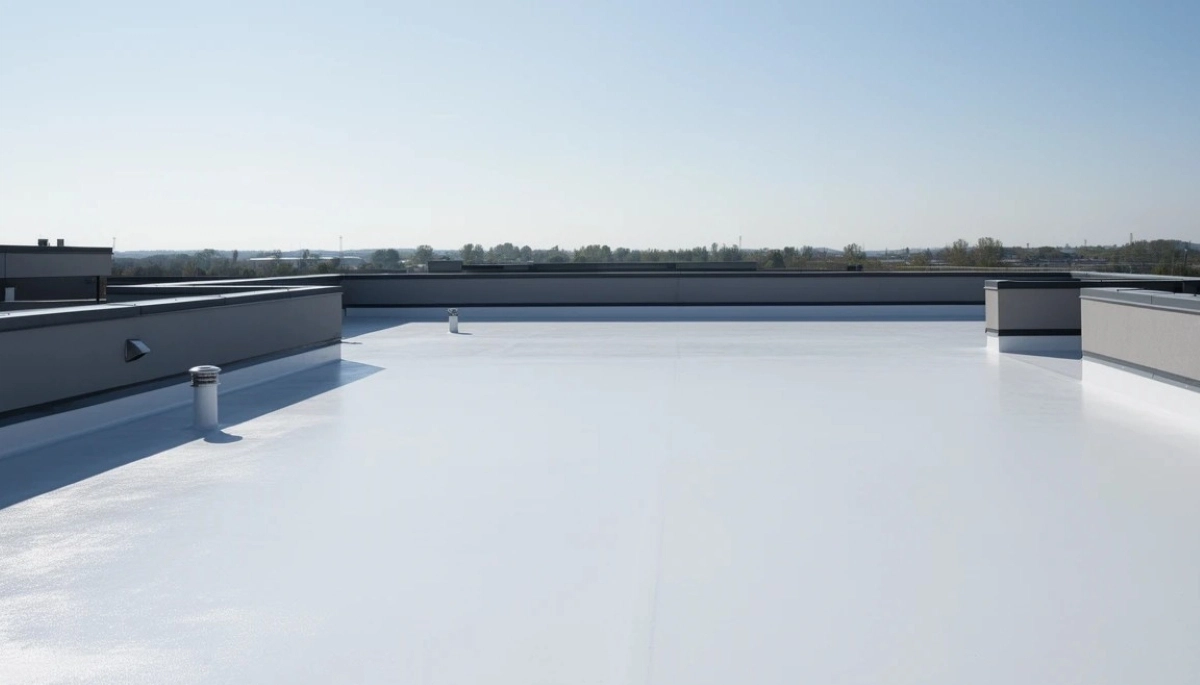
🏢 Specialist vs General Contractor
Some contractors specialise in waterproofing; others offer it as one of many services. Which is better?
Waterproofing Specialists
- Focus exclusively on waterproofing
- Deeper knowledge of systems and details
- Often have manufacturer approvals
- Better understanding of problem areas
- Usually preferred for complex projects
- May cost slightly more but worth it
General Contractors (with waterproofing)
- May subcontract waterproofing (you don’t know who)
- Less specialised knowledge
- May use cheaper materials or methods
- Can be suitable for simple projects
- Ensure they use qualified subcontractors
Recommendation: For roofs, basements, and bathrooms, use a waterproofing specialist. For new builds where waterproofing is part of a larger project, ensure the specialist is directly contracted or clearly specified.
📍 Regional Considerations by City
📌 Johannesburg & Pretoria
In Johannesburg and Pretoria, many contractors offer waterproofing. Look for those with experience in high-altitude UV protection and hail damage. CWP registration is common among quality contractors.
📌 Durban & Umhlanga
In Durban and Umhlanga, high humidity and rainfall demand contractors experienced with tropical conditions. Ask about mould resistance and drainage expertise.
📌 Cape Town & Stellenbosch
In Cape Town and Stellenbosch, winter rain tests every detail. Look for contractors with heritage home experience if applicable. Flashing expertise is critical.
📌 Centurion & Hartbeespoort
In Centurion and Hartbeespoort, new developments mean many contractors. Verify credentials carefully – some may be inexperienced.
✅ Waterproofing Contractor Checklist – Printable
Use this checklist when evaluating contractors:
| Criteria | What to Check | Contractor 1 | Contractor 2 | Contractor 3 |
|---|---|---|---|---|
| CWP Registration | CWP registered applicator | ⬜ | ⬜ | ⬜ |
| Insurance | Public liability, COIDA | ⬜ | ⬜ | ⬜ |
| Years in business | 5+ years preferred | ⬜ | ⬜ | ⬜ |
| Portfolio | Photos of similar work | ⬜ | ⬜ | ⬜ |
| Reviews | Consistent positive feedback | ⬜ | ⬜ | ⬜ |
| References | Provided and contacted | ⬜ | ⬜ | ⬜ |
| Site survey | Included, not just quote | ⬜ | ⬜ | ⬜ |
| Written quote | Detailed, itemised with specs | ⬜ | ⬜ | ⬜ |
| Workmanship warranty | 5+ years minimum | ⬜ | ⬜ | ⬜ |
| Payment terms | Reasonable deposit (under 30%) | ⬜ | ⬜ | ⬜ |
Print this and take it to your consultations. Don’t rely on memory – verify each point.
⚖️ Dispute Resolution – Your Rights
Even with careful selection, problems can arise. Know your rights and the dispute resolution procedure.
Your Recourse Options
- First step: Contact the contractor directly – most issues resolve with communication
- Formal complaint: If unresolved, follow their written complaints procedure
- Industry bodies: If they’re CWP registered, complain to CWP
- NHBRC: For new home warranty issues
- Consumer Protection Act: South Africa’s CPA covers many services – you have rights to fair treatment and remedies
- Small Claims Court: For amounts under R20,000, you can pursue claims without lawyers
- Civil court: For larger claims, legal advice needed
Our dispute resolution procedure page explains the process in more detail. Always document everything – contracts, emails, photos of issues, and records of communication.
❌ 8 Common Waterproofing Contractor Hiring Mistakes
Avoid these errors when choosing a contractor:
- Mistake #1: Choosing the cheapest quote without verification. Low prices often mean uninsured, unqualified, or corner-cutting operators. You’ll pay more in repairs later.
- Mistake #2: Not checking credentials. “Trust me” isn’t enough. Verify CWP registration, insurance, and references.
- Mistake #3: Skipping the site survey. Quotes without site visits are guesses – not reliable.
- Mistake #4: No written contract. Verbal agreements lead to misunderstandings. Get everything in writing.
- Mistake #5: Ignoring warranty. If they don’t guarantee their work, why should you trust it?
- Mistake #6: Paying large deposits upfront. More than 20-30% before work starts is risky.
- Mistake #7: Not checking insurance. If a worker is injured or your property damaged, you could be liable.
- Mistake #8: Rushing the decision. Good contractors are worth waiting for. Don’t hire the first person available.
For more guidance, see our contractor selection guide.
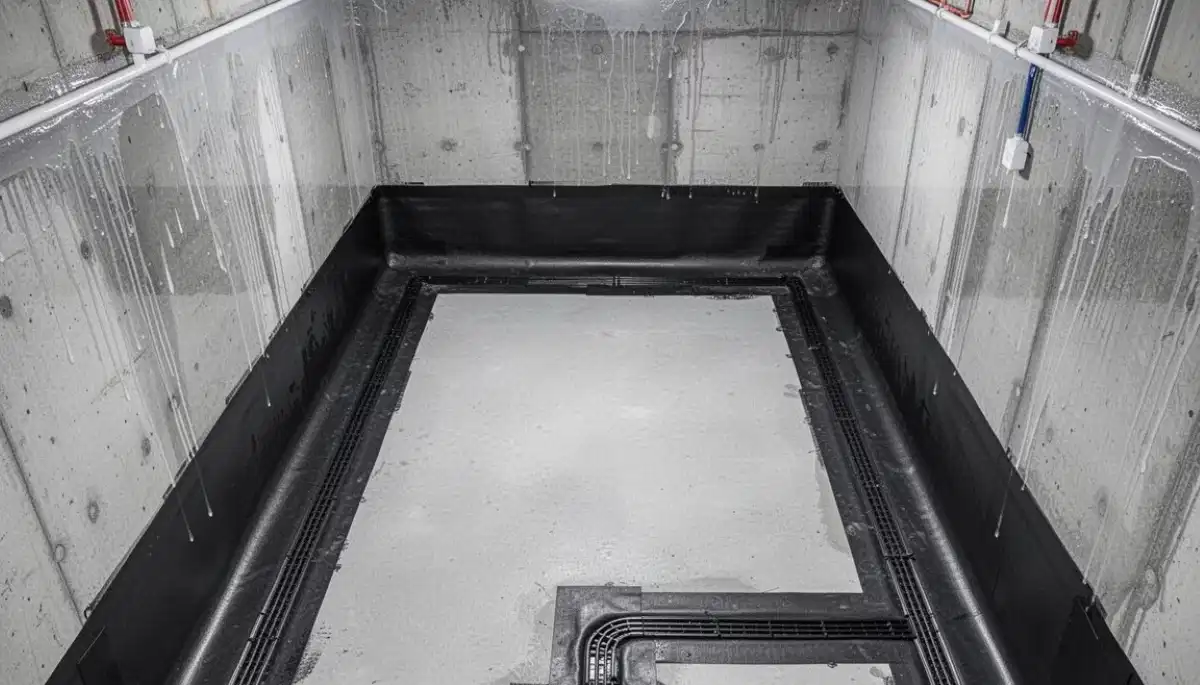
❓ Frequently Asked Questions
How do I choose a waterproofing contractor in South Africa?
To choose waterproofing contractor South Africa, verify CWP registration, check insurance, read reviews, ask for references, ensure they do a site survey, get a detailed written quote with material specifications, and confirm workmanship warranty (5+ years). Avoid anyone who quotes without visiting or pressures for large deposits.
What is CWP registration and why does it matter?
CWP registered applicator means the contractor is certified by the Corporation of Waterproofing Professionals. They’ve demonstrated competence, adhere to a code of conduct, and stay updated on industry standards. It’s the strongest indicator of a qualified waterproofing specialist.
What questions should I ask a waterproofing contractor?
Questions to ask waterproofing contractor include: Are you CWP registered? Can you provide proof of insurance? What brands do you use? Will you provide a detailed written quote with material specifications? What warranty do you offer? Can you provide references? What are your payment terms?
What warranty should I expect on waterproofing?
Waterproofing warranty requirements typically include 5-10 years on workmanship from reputable contractors. Manufacturer warranties on materials range from 10-20 years. For new homes, NHBRC has specific requirements. Always get warranty terms in writing.
How much should I pay upfront for waterproofing?
Staged payment is best practice. Deposit should be 10-20% maximum to secure materials. Progress payments based on completed stages. Final payment only after work is complete and inspected. Avoid contractors demanding 50% or more upfront.
Do I need a site survey before waterproofing?
Yes, absolutely. A proper site survey ensures the contractor understands your specific situation – roof type, substrate condition, drainage, and problem areas. Quotes without site visits are unreliable. Reputable contractors offer free or low-cost surveys, often credited back if you proceed.
What insurance should a waterproofing contractor have?
A contractor should have public liability insurance (at least R1 million) to cover damage to your property, and workmen’s compensation (COIDA) to cover worker injuries. Ask for their insurance certificate and verify it. Without insurance, you could be liable for accidents or damage.
What are red flags when hiring a waterproofing contractor?
Red flags include: no physical address, cash-only payments, refusal to provide written quote, no proof of insurance, quotes without site visit, pressure for large upfront payment, no online presence, vague answers about credentials, and no written warranty offered.
✅ Final Thoughts – Your Contractor Selection Action Plan
A good waterproofing contractor delivers decades of protection. A bad one causes leaks, damage, and stress. Taking time to vet properly is worth every minute.
Key takeaways:
- Verify credentials: CWP registration is gold standard
- Check insurance: Public liability and COIDA are non-negotiable
- Insist on site survey: Quotes without visits are guesses
- Get detailed written quotes: Material specifications, not just prices
- Check references: Past clients tell the real story
- Compare fairly: Not just price – scope, warranty, and credentials matter
- Watch for red flags: Too cheap, cash only, pressure – walk away
- Staged payments: Never pay large deposits upfront
🔧 The Bottom Line:
A few hours of vetting
saves years of frustration and costly repairs. Choose your waterproofing contractor carefully – your home will thank you.
Your 5-Step Action Plan
- Create your shortlist – use our quote request system to get vetted contractors in your area
- Verify credentials – check CWP registration, insurance, and ask our screening questions
- Check references – call past clients and read online reviews
- Compare quotes carefully – use our checklist to ensure like-for-like comparison
- Choose with confidence – select the contractor who best meets all criteria, not just the cheapest
Ready to Find a Trusted Waterproofing Contractor?
Skip the risk and stress. Get free, no-obligation quotes from pre-screened, insured, and vetted waterproofing specialists in your area today.
📞 Call us: 073 138 4726 for personalised assistance
Free site inspections •
Beat-your-quote guarantee •
Our guarantees
📚 Official resources & standards:
- Corporation of Waterproofing Professionals – Find a registered waterproofing applicator
- CIDB – Contractor grading verification for larger projects
- NHBRC – Warranty requirements for new home waterproofing
Information accurate as of publication. Always verify current credentials with local service providers. This guide is for informational purposes.
Written by: Innocent T Hanyani
21+ years construction and digital industry experience, ServiceLink SA
Innocent has vetted hundreds of waterproofing contractors across South Africa, working with industry bodies including CWP, CIDB, and NHBRC. His expertise ensures this guide reflects current best practices for hiring reliable, qualified waterproofing specialists.
For more detailed information, explore our waterproofing cost guide to understand pricing, our failure signs guide to identify problems before hiring, our damp proofing guide to understand terminology, and our best products guide to know what materials to expect. These resources work together to give you complete knowledge for your waterproofing project.