
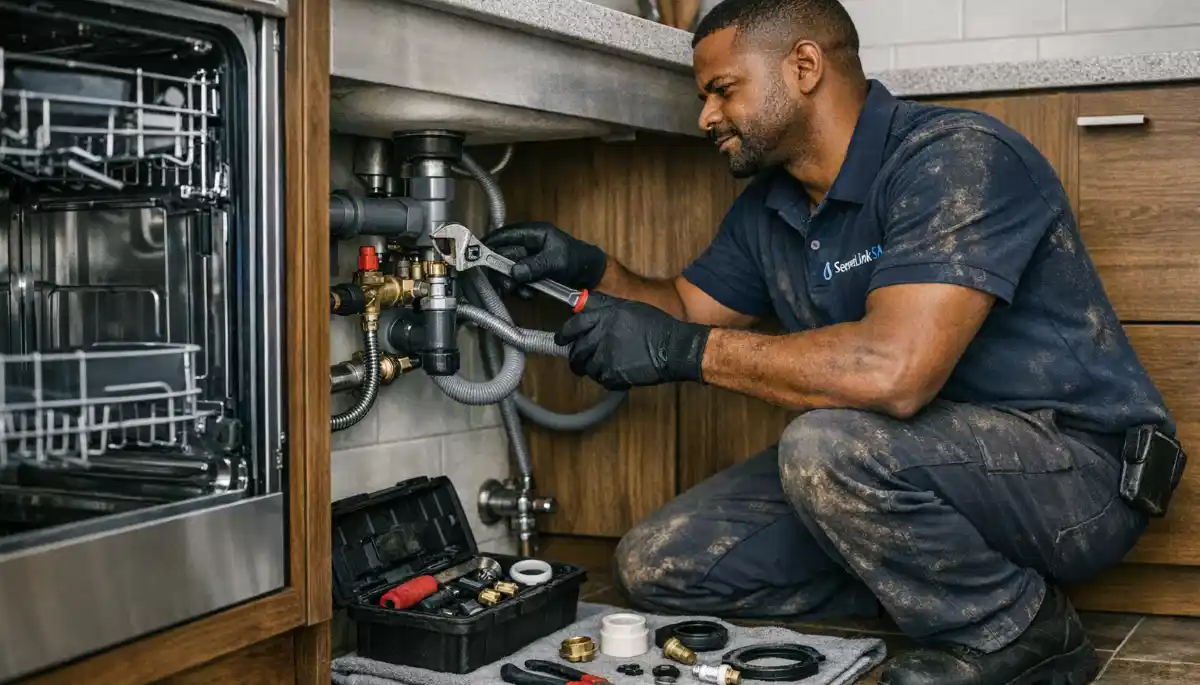
🍽️ Installing a New Dishwasher?
Get quotes from verified plumbers for dishwasher installation. Free inspections available. Same-day service.
Get Dishwasher Installation Quotes Near You
Servicing Gauteng, Western Cape, Cape Town, Bellville, Stellenbosch, Paarl, and across South Africa
Dishwasher Installation Plumbing Requirements: What You Need to Know
🍽️ From water supply to drain connection—complete guide to dishwasher hookup plumbing, requirements, and common mistakes
You’ve bought a new dishwasher. You’re excited to stop washing dishes by hand. But then you look under the sink and realise—you have no idea how to connect it. What plumbing is needed? Can you do it yourself? What if something goes wrong?
Dishwasher installation plumbing requires three connections: a hot water supply line, a drain hose connection, and an electrical supply. It’s not complicated, but mistakes can lead to leaks, floods, and electrical hazards.
I’ve helped hundreds of homeowners across South Africa with dishwasher installations. The good news? If you have existing connections under your sink, installing a new dishwasher is often a straightforward DIY project. If you’re adding a dishwasher where none existed before, you’ll need a plumber to run new water and drain lines.
This comprehensive guide will teach you everything about install dishwasher plumbing—water supply requirements, drain connection options, electrical needs, and step-by-step installation. Whether you’re in Gauteng, Western Cape, or Cape Town, this appliance plumbing guide has you covered.
For related information, read our kitchen sink installation guide, garbage disposal installation guide, and kitchen sink leak repair guide. Let’s get your dishwasher running.
📋 Table of Contents – Dishwasher Installation Plumbing Guide
📋 Dishwasher Plumbing Requirements Overview
What plumbing is needed for dishwasher installation? A dishwasher requires three connections:
💧
Water Supply
Hot water line (½” or ¾”) with shut-off valve
🚰
Drain Connection
Connected to sink drain or garbage disposal
⚡
Electrical Supply
Dedicated 15-amp circuit with GFCI protection
Key requirements summary:
- Water supply: Hot water line (typically ½” copper or flexible supply line) with a dedicated shut-off valve
- Drain: ⅞” or 1″ drain hose connected to sink drain tailpiece or garbage disposal inlet
- Electrical: 220-240V, 10-15 amp dedicated circuit, with earth leakage protection
- Space: Standard dishwasher requires 600mm width, 850mm height, 600mm depth (approx)
Read our kitchen plumbing guide for more on kitchen appliance connections.
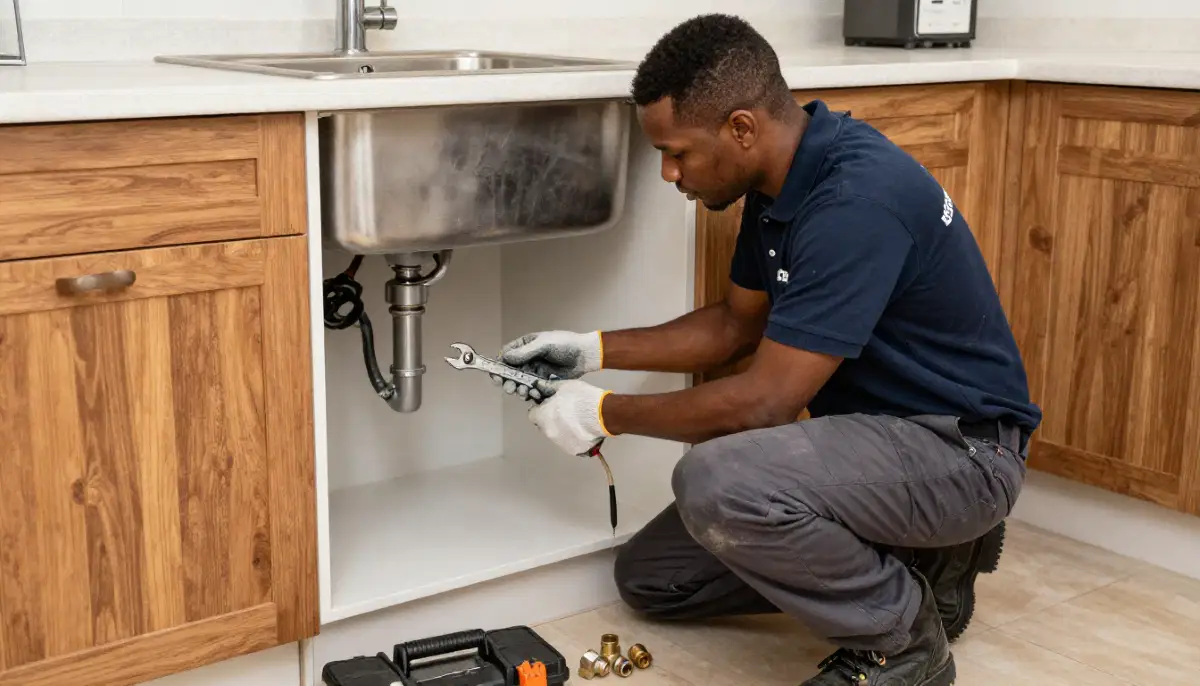
💧 Water Supply Requirements
Your dishwasher needs a hot water supply line. Here’s what’s required for proper dishwasher hookup:
Water supply specifications:
- Temperature: Hot water only (dishwashers don’t use cold water)
- Pipe size: ½” or ¾” supply line
- Shut-off valve: Dedicated valve required (not shared with sink)
- Connection: ¾” threaded female fitting on dishwasher side
- Supply line: Braided stainless steel flexible hose recommended (R150-R300)
If you have existing connections: Look under your sink. You should see a hot water shut-off valve with a capped outlet—this is for the dishwasher.
If no existing connection: A plumber will need to tee off the hot water line under the sink and install a shut-off valve (R800-R1,500).
Water pressure requirement: 200-600 kPa (standard municipal pressure is fine).
🚰 Drain Connection Options
The dishwasher drain hose must connect to your kitchen sink drain system. There are two common options for install dishwasher plumbing:
Option 1: Connect to sink drain tailpiece (most common):
- A dishwasher wye (branch tailpiece) replaces your existing sink tailpiece
- Has a ⅞” or 1″ barbed inlet for the dishwasher drain hose
- Cost: R100-R250 for the wye fitting
- Installation: Requires disassembling the sink drain
Option 2: Connect to garbage disposal (if you have one):
- Most garbage disposals have a dishwasher inlet (rubber plug that needs to be knocked out)
- Connect drain hose directly to disposal
- Read our garbage disposal installation guide
Drain hose requirements:
- Must have a high loop or air gap to prevent backflow (see Section 7)
- Drain hose length: typically 2-3 metres (longer if needed)
- Hose diameter: ⅞” or 1″
⚠️ Critical Safety Warning:
The dishwasher drain hose MUST have a high loop or air gap. Without it, dirty water from your sink can flow back into the dishwasher, contaminating your dishes and potentially causing illness. This is a plumbing code requirement.
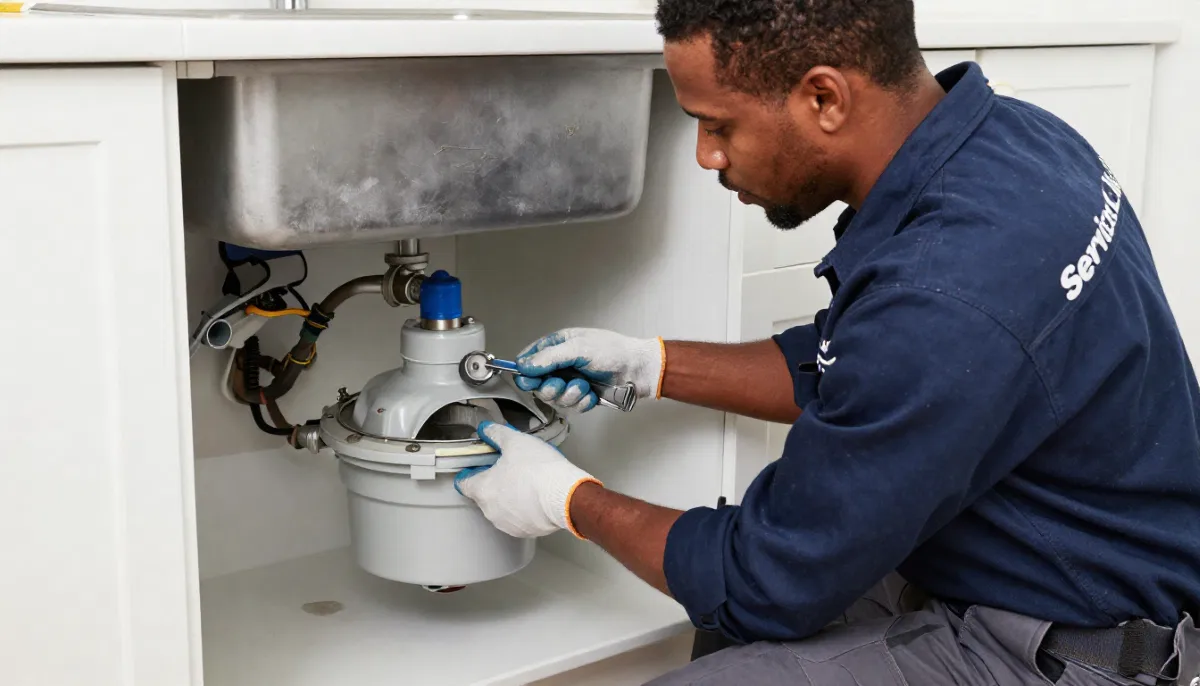
🍽️ Installing a New Dishwasher?
Get quotes from verified plumbers for dishwasher installation. Free inspections available. Same-day service.
Get Dishwasher Installation Quotes
Free quotes • Same-day service • Verified specialists
⚡ Electrical Requirements
Important: Dishwashers require electrical connection by a qualified electrician. This is not a DIY job unless you’re experienced.
Electrical specifications:
- Voltage: 220-240V AC
- Current: 10-15 amp dedicated circuit
- Protection: Earth leakage / GFCI protection required
- Connection options: Hardwired or plug-in (3-pin plug with dedicated outlet)
If no existing electrical connection: An electrician will need to run a new circuit (R1,500-R3,000).
If replacing an old dishwasher: The existing electrical connection can usually be reused.
For electrical work, use our electrical services network.
🛠️ Tools & Materials You’ll Need
For install dishwasher plumbing, you’ll need:
🔧 Tools
- Adjustable wrench
- Channel lock pliers
- Screwdrivers (flathead & Phillips)
- Drill (for cabinet holes if needed)
- Bucket and towels
- Flashlight
- Level (for levelling dishwasher)
🧩 Materials
- Dishwasher (obviously!)
- Water supply line (braided stainless steel, R150-R300)
- Dishwasher wye (if connecting to sink drain, R100-R250)
- Plumber’s tape (Teflon)
- Hose clamps (often included)
- Electrical cord/plug (if not pre-installed)
🔧 Step-by-Step Installation Guide
Here’s how to complete dishwasher installation plumbing for a replacement (existing connections):
- Turn off water and electricity – Close the dishwasher shut-off valve. Unplug or turn off circuit breaker.
- Remove the old dishwasher – Disconnect water supply, drain hose, and electrical. Slide out the old unit.
- Install water supply line – Connect new braided stainless steel hose to the shut-off valve (use plumber’s tape).
- Prepare drain connection – If using a dishwasher wye, install it on the sink drain tailpiece.
- Position the new dishwasher – Slide into place, leaving room to connect plumbing.
- Connect water supply – Attach supply line to dishwasher inlet (usually ¾” female thread).
- Connect drain hose – Attach to dishwasher wye or disposal inlet. Secure with hose clamp.
- Create a high loop – Route the drain hose up as high as possible under the counter before going down to the connection (prevents backflow).
- Connect electrical – Plug in or hardwire (electrician if needed).
- Level the dishwasher – Adjust levelling feet so the unit is level front-to-back and side-to-side.
- Secure to cabinet – Screw mounting brackets into adjacent cabinets.
- Turn on water and test – Check for leaks. Run a short cycle to test operation.
📋 Important:
Before running the dishwasher for the first time, check that the drain hose is properly secured and that there are no kinks. A kinked drain hose will prevent proper draining and may cause flooding.
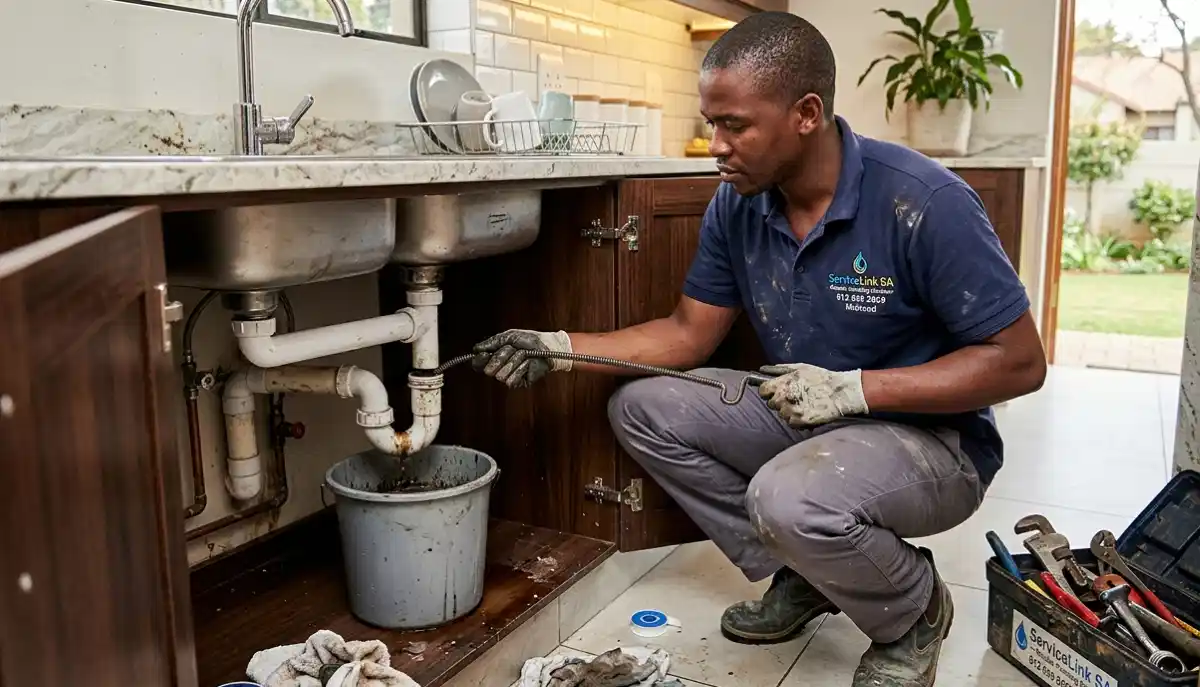
🔄 Air Gap vs High Loop (Drainage)
Both methods prevent dirty sink water from flowing back into your dishwasher. Here’s the difference:
📈 High Loop (Most Common)
How it works: The drain hose is routed up as high as possible under the counter (attached to the underside of the countertop) before going down to the drain connection.
Pros: Simple, no extra parts, code compliant in most areas.
Cons: Less effective than air gap for preventing backflow.
💨 Air Gap (Required in some areas)
How it works: A chrome device installed on the countertop. Drain hose connects to it, and a second hose goes to the drain.
Pros: Most effective backflow prevention, visible indication of blockage (water comes out of air gap).
Cons: Requires drilling hole in countertop (R150-R300 for device).
Recommendation: For most South African homes, a high loop is sufficient. Check local plumbing codes—some municipalities require an air gap.
🔄 Existing vs New Dishwasher Installation
The complexity of dishwasher installation plumbing depends on whether you’re replacing or adding:
Replacing an existing dishwasher (DIY-friendly):
- Connections already exist under your sink
- Just need to disconnect old, connect new
- Time: 2-4 hours
- DIY cost: R150-R300 (new supply line, maybe new wye)
Adding a dishwasher where none existed (needs professional):
- Need to run new hot water line and install shut-off valve
- Need to add dishwasher wye to sink drain
- May need electrical circuit installed
- May need cabinet modification
- Time: 1-2 days
- Professional cost: R2,500-R5,000+
Read our kitchen sink installation guide for help with drain connections.
❌ 5 Costly Mistakes to Avoid
Mistake #1: No High Loop or Air Gap
Without a high loop, dirty sink water can flow back into your dishwasher. This contaminates dishes and is a health hazard. Always create a high loop by routing the drain hose as high as possible under the counter.
Mistake #2: Not Removing the Disposal Plug
If connecting to a garbage disposal, you MUST knock out the plastic plug inside the disposal’s dishwasher inlet. Forgetting this step prevents water from draining—the dishwasher will flood.
Mistake #3: Kinking the Drain Hose
A kinked drain hose prevents proper draining. Ensure the hose has smooth curves, no sharp bends, and isn’t crushed behind the dishwasher.
Mistake #4: Not Levelling the Dishwasher
An unlevel dishwasher won’t drain properly and may leak. Use a level and adjust the feet—the dishwasher should be level front-to-back and side-to-side.
Mistake #5: DIY Electrical Without Experience
Dishwashers draw significant current (10-15 amps). Incorrect wiring can cause fires or electrocution. If you’re not experienced, hire an electrician.
📞 When to Call a Professional
While replacing a dishwasher is DIY-friendly, call a pro for:
- New installation (no existing dishwasher) – Requires running new water and drain lines
- Electrical work – Unless you’re an experienced electrician
- Persistent leaks after DIY – You may have damaged a connection
- Cabinet modification – Cutting cabinets for width or height
- If you’re uncomfortable with any step
Professional cost: R1,500-R3,500 for standard replacement (labour). In Cape Town or Stellenbosch, rates may be higher.
For professional help, use our plumbing services network.
💰 Dishwasher Installation Cost Guide
Here’s what to budget for dishwasher installation plumbing:
| Service | Cost Range (ZAR) | Notes |
|---|---|---|
| DIY Replacement (existing connections) | R150-R300 | Supply line, wye (if needed), misc parts |
| Professional Replacement (labour only) | R1,500-R2,500 | Existing connections, 2-4 hours |
| Professional New Installation | R2,500-R5,000+ | New water line, drain connection, may need electrical |
| Electrician (new circuit) | R1,500-R3,000 | If no existing electrical connection |
| Dishwasher Unit | R4,000-R15,000+ | Price varies by brand and features |
📋 Real-World Dishwasher Installation Case Studies
🍽️ Case 1: DIY Replacement in Cape Town
Location: Cape Town | Homeowner: The Jacobs Family
Project: Replace old leaking dishwasher with new unit. Existing connections present.
Approach: DIY using this guide. Cost: R250 for new supply line and wye.
Outcome: Successful installation in 3 hours. No leaks. Saved R1,800 in labour.
Lesson: Replacement is DIY-friendly when connections already exist.
🍽️ Case 2: New Installation in Bellville
Location: Bellville | Homeowner: The Ndlovu Family
Project: First-time dishwasher installation—no existing connections.
Approach: Professional plumber (R2,800) + electrician (R1,500) = R4,300 labour.
Outcome: New water line run, drain wye installed, electrical circuit added. Dishwasher works perfectly.
Lesson: New installations need professional help—worth the cost.
❓ Frequently Asked Questions About Dishwasher Plumbing
What plumbing is needed for dishwasher installation?
What plumbing is needed for dishwasher installation? Three connections: 1) Hot water supply line with dedicated shut-off valve, 2) Drain hose connection to sink drain or garbage disposal, 3) Electrical supply (220-240V, 15-amp circuit). A high loop or air gap is required on the drain hose to prevent backflow.
Can I install a dishwasher myself?
Yes—install dishwasher plumbing is DIY-friendly if you’re replacing an existing dishwasher (connections already exist). For new installations (no existing dishwasher), you’ll need a plumber to run new water and drain lines. Electrical work should always be done by a qualified electrician unless you’re experienced.
Does a dishwasher need a dedicated water shut-off valve?
Yes—dishwasher hookup requires a dedicated shut-off valve under the sink. This allows you to turn off water to the dishwasher without affecting the sink. If you don’t have one, a plumber can install a tee on the hot water line with a shut-off valve (R800-R1,500).
Can a dishwasher drain into a sink without an air gap?
Yes—a high loop (routing the drain hose as high as possible under the counter) is acceptable in most areas and prevents backflow. However, some local codes require an air gap device. Check your local plumbing regulations. Both methods prevent dirty sink water from flowing back into your dishwasher.
How much does professional dishwasher installation cost?
Professional dishwasher installation plumbing costs R1,500-R2,500 for a standard replacement (existing connections). New installations (no existing dishwasher) cost R2,500-R5,000+. In Paarl or Stellenbosch, rates may vary.
Why is water not draining from my dishwasher?
Common causes: kinked drain hose (check behind dishwasher), clogged filter or drain pump, no high loop (backflow prevention), or blocked dishwasher wye in the sink drain. First, check for kinks. If the hose is clear, you may need a plumber to inspect the drain line.
Do I need a plumber or electrician for dishwasher installation?
For appliance plumbing, a plumber handles water and drain connections. An electrician handles electrical connections. Some handymen can do both, but ensure they’re qualified. If replacing an existing dishwasher, you may only need basic skills. For new installations, hire professionals.
How do I find a reliable plumber for dishwasher installation?
To find a reliable plumber for dishwasher installation plumbing: 1) Verify PIRB registration, 2) Ask for dishwasher installation experience, 3) Get detailed quotes, 4) Check reviews. ServiceLink SA connects you with verified plumbers in Gauteng and Western Cape.
✅ Final Thoughts: Know Your Limits, Enjoy Clean Dishes
Dishwasher installation plumbing is straightforward for replacements but more complex for new installations. If you have existing connections under your sink, DIY is achievable with basic tools and this guide. If you’re adding a dishwasher where none existed, hire a professional.
Key takeaways for South African homeowners:
- Replacement is DIY-friendly – New installation needs professional help
- Three connections needed – Water supply, drain, and electrical
- High loop or air gap required – Prevents backflow contamination
- DIY replacement cost: R150-R300 – Professional replacement: R1,500-R2,500
- New installation: R2,500-R5,000+ – Plus electrical if needed
- Always test for leaks – Run a cycle and check under the sink
- Call a pro for electrical work or new installations
Your action plan: Check under your sink for existing connections. If you have a hot water shut-off valve and can access the drain, replacing an old dishwasher is a DIY weekend project. If not, get quotes from 3 verified plumbers through ServiceLink SA.
🍽️ Installing a New Dishwasher?
Get quotes from verified plumbers for dishwasher installation. Free inspections available. Same-day service.
📞 Call us: 073 138 4726 for immediate help finding a plumber near you.
Kitchen sink installation •
Garbage disposal •
Sink leak repair •
Leaking tap fix •
Beat Your Quote guarantee
📚 Official resources & standards referenced:
- SANS 10400 – Appliance plumbing standards and installation requirements.
- South African Bureau of Standards (SABS) – Electrical safety standards for appliances.
- Plumbing Industry Registration Board (PIRB) – Find registered plumbers.
Information provided for general guidance based on industry research and SANS/SABS standards. For dishwasher installation plumbing, professional assistance is recommended for new installations or electrical work.
Written by: ServiceLink SA Research Team
Kitchen Appliance & Plumbing Specialists
The ServiceLink SA Research Team comprises kitchen appliance specialists, plumbing experts, and DIY professionals with decades of experience helping homeowners with dishwasher installation plumbing and appliance plumbing projects across South Africa. Our team works directly with PIRB-registered plumbers, appliance manufacturers, and electrical safety authorities to bring you accurate, actionable information about what plumbing is needed for dishwasher installation. We continuously update this guide to reflect current standards and best practices for dishwasher hookup.
For more information about dishwasher installation and kitchen plumbing, explore our related resources:
kitchen sink installation guide,
garbage disposal installation guide,
dishwasher installation guide,
kitchen sink leak repair guide,
and leaking kitchen tap fix guide.
Our what is ServiceLink SA and
how ServiceLink SA works pages explain our verification process.
See our service areas page for dishwasher installation coverage in your region.