
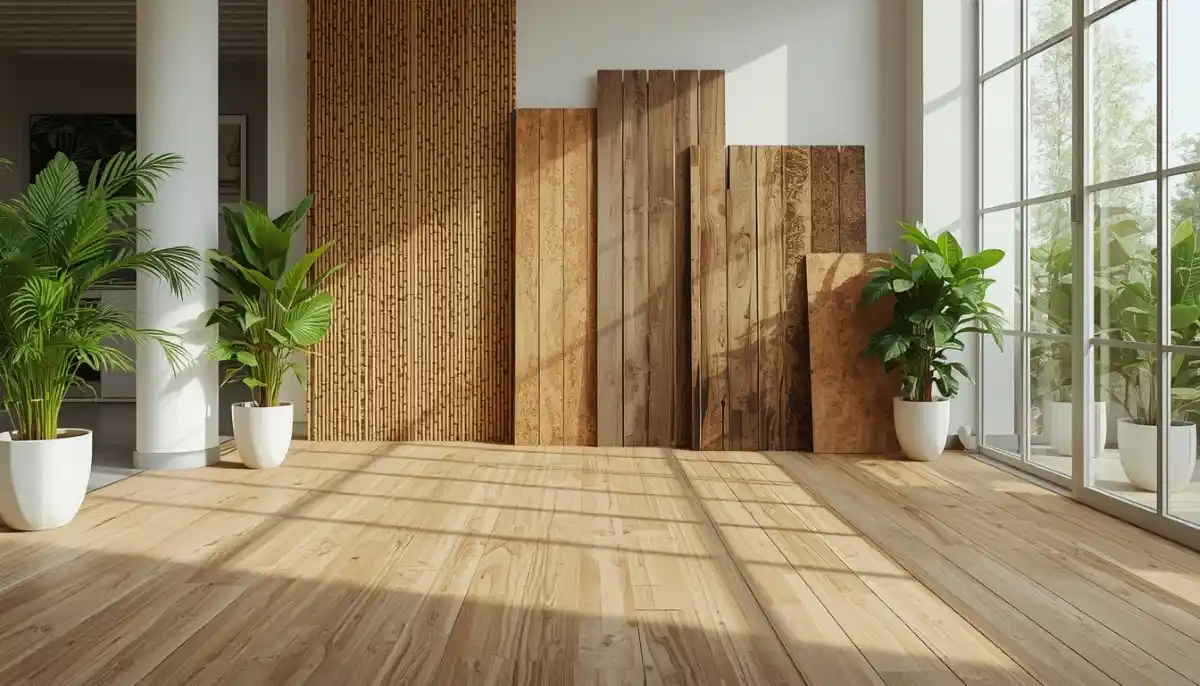
Eco-Friendly Flooring Options 2025 South Africa – The Complete Green Guide
🌿 Sustainable, low-VOC, and recyclable floors for the environmentally conscious South African home.
You’re building a new home in Stellenbosch and want it to be as green as possible. You’re renovating a cottage in Cape Town and need materials that are healthy for your family. Or perhaps you’re a developer in Fourways aiming for a Green Star SA rating. The flooring you choose has a massive impact on your project’s environmental footprint. But navigating the world of eco-friendly flooring options 2025 South Africa can be confusing. What does “sustainable” actually mean? Is bamboo really green? And what about vinyl – can it ever be eco-friendly?
This guide answers all those questions. We explore the best sustainable flooring materials available in South Africa, from rapidly renewable resources like bamboo and cork to innovative products made from recycled content. We explain key certifications like FSC certified hardwood, low VOC flooring labels, and what it means for a product to be carbon neutral or Cradle to Cradle certified. You’ll learn about the latest innovations, such as Renasci™ by Milliken (made from shredded carpet waste) and Moduleo LayRed (with 22% pre-consumer recycled content). Whether you’re in Durban or Pretoria, we’ll help you make a choice that’s good for your home and the planet.
If you’re ready to get started, explore our Services Overview or visit our Flooring Services page to find vetted installers who understand sustainable materials. For more on how we work, see How It Works.
Find Specialists in Eco-Friendly Flooring
Get free, no-obligation quotes from vetted installers who understand sustainable materials and green building practices.
Servicing Johannesburg, Pretoria, Cape Town, Durban, and nationwide
📋 Table of Contents – Eco-Friendly Flooring Guide
🌱 What Makes Flooring Eco-Friendly?
It’s not just one thing. A truly sustainable floor considers its entire life cycle. Here are the key factors.
- Sustainable sourcing: Is the raw material rapidly renewable (like bamboo) or certified by a body like the Forest Stewardship Council (FSC)?
- Recycled content: Does it use pre-consumer recycled content (manufacturing waste) or post-consumer recycled content (materials from recycled products)?
- Low emissions: Does it have low VOC emissions (Volatile Organic Compounds) that affect indoor air quality? Look for Red List free or Declare label.
- Durability & longevity: A floor that lasts 50 years is greener than one that needs replacing every 10, even if the materials are “green.”
- End of life: Can it be recycled or biodegraded at the end of its life? This is the circular economy principle.
- Manufacturing process: Does the manufacturer use renewable energy, reduce water use, and minimize waste? Look for Environmental Product Declarations (EPD).
Read more about our approach on our About Us page or see why clients choose us on our Benefits page.

🏷️ Key Certifications: What to Look For
Certifications cut through the greenwash. Here are the most important ones for South African buyers.
- FSC (Forest Stewardship Council): The gold standard for wood products. It ensures timber comes from responsibly managed forests that provide environmental, social, and economic benefits. Look for this on any solid or engineered wood flooring.
- Green Star SA: South Africa’s green building rating system. Products with Green Star recognition contribute to points in certified buildings. It’s a key credential for commercial and high-end residential projects.
- Ecolabel: A South African certification that verifies products meet strict environmental and performance criteria, including low VOC emissions. It’s a reliable mark for healthy homes.
- Cradle to Cradle Certified™: A global standard that assesses products across five categories: material health, material reutilization, renewable energy, water stewardship, and social fairness. It’s the pinnacle of circular economy design.
- Declare Label: A “nutrition label” for building products. It lists ingredients and confirms they are Red List free (free from the worst toxic chemicals).
🎋 Bamboo Flooring Sustainability
Bamboo isn’t wood – it’s a grass. This gives it unique sustainability credentials.
- Rapidly renewable: Bamboo reaches maturity in 3-5 years, compared to 40-60 years for many hardwoods. It’s one of the fastest-growing plants on Earth.
- Carbon sequestration: Bamboo forests absorb significant amounts of carbon dioxide.
- Durability: Strand-woven bamboo (made from shredded fibres compressed with resin) is extremely hard – harder than many hardwoods. It’s excellent for high-traffic areas in Johannesburg homes.
- Considerations: Not all bamboo is equal. Check for low-VOC adhesives used in manufacturing. Some bamboo is grown with fertilizers and shipped long distances, which impacts its footprint. Look for suppliers who can speak to their sourcing.
- Bamboo flooring sustainability is high, especially if you choose strand-woven and verify the manufacturer’s environmental policies.
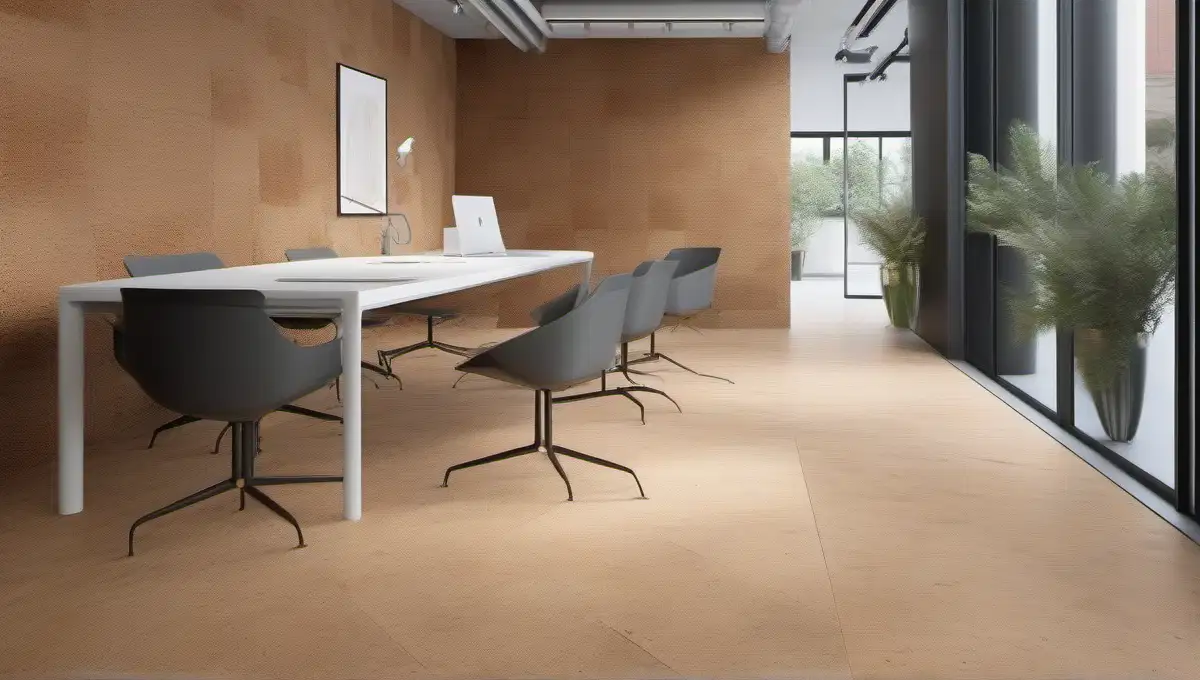
🍾 Cork Flooring Benefits
Cork is harvested from the bark of the cork oak tree. The bark regenerates every 9-12 years, making it a renewable resource.
- Renewable & biodegradable: Harvesting doesn’t harm the tree. At end of life, cork is biodegradable.
- Natural insulation: Cork’s cellular structure makes it warm underfoot and provides excellent acoustic insulation – perfect for soundproof flooring for townhouses.
- Hypoallergenic: It’s naturally resistant to mould, mildew, and insects, and doesn’t trap dust, making it great for allergy sufferers.
- Comfort: It’s soft and springy, reducing fatigue from standing.
- Cork flooring benefits include sustainability, comfort, and health. It’s available in tiles or planks, often with a protective wear layer.
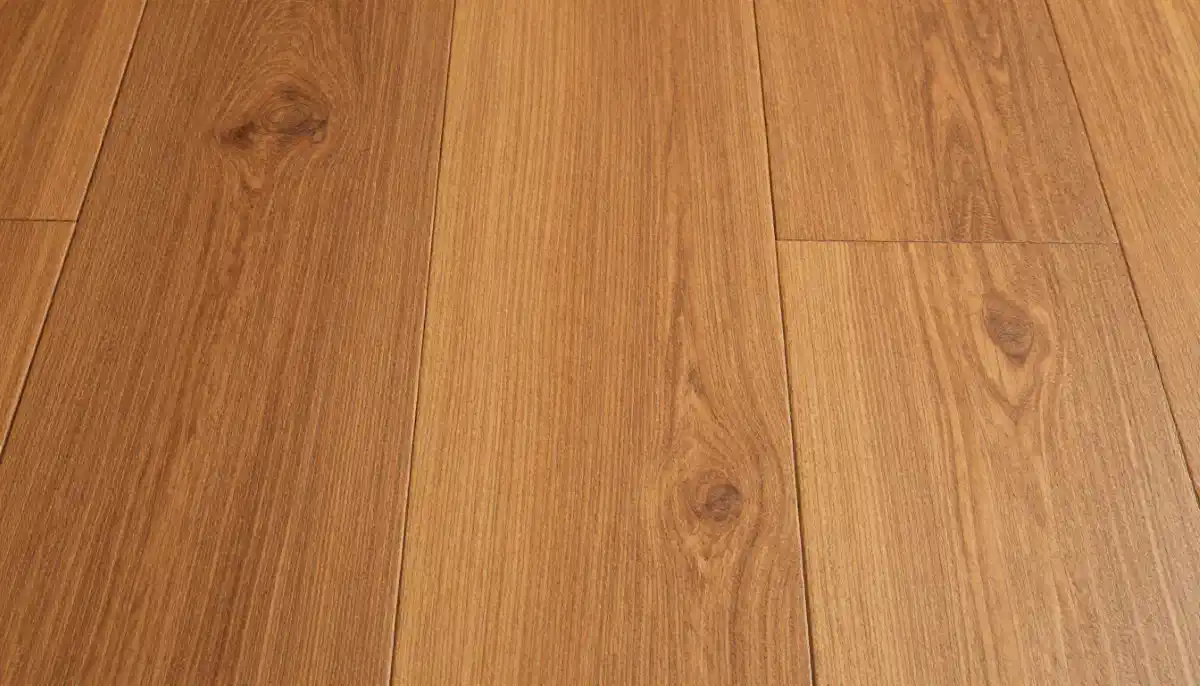
🌳 FSC Certified Hardwood & Engineered Wood
If you love the look of real wood, choose certified sources.
- FSC certified hardwood guarantees the timber comes from forests managed to protect biodiversity, water quality, and the rights of workers and indigenous peoples.
- Engineered wood: Can be a greener choice than solid wood because it uses a thin layer of hardwood over a plywood core (which can be made from faster-growing, certified species). This means more flooring from fewer trees.
- Local sourcing: Consider South African hardwoods certified by FSC. They have a lower transport footprint than imported timbers.
- Durability: Real wood floors can last for generations with proper care, making them inherently sustainable. See our wood floor maintenance guide.
🪵 Reclaimed Wood Floors Cape Town & Beyond
Reclaimed wood floors are the ultimate in recycling. They use timber salvaged from old buildings, barns, wine barrels, or industrial sites.
- Zero new trees: It’s 100% recycled material, with a unique patina and history.
- Character: Reclaimed wood has unmatched character – nail holes, weathering, and unique grain patterns that can’t be replicated.
- Stability: Old wood is often more dimensionally stable than new, as it has already undergone centuries of expansion and contraction.
- Availability: In South Africa, reclaimed wood floors Cape Town and other major cities are available from specialist dealers. Sources include old yellowwood, Oregon pine, and hardwood from decommissioned buildings.
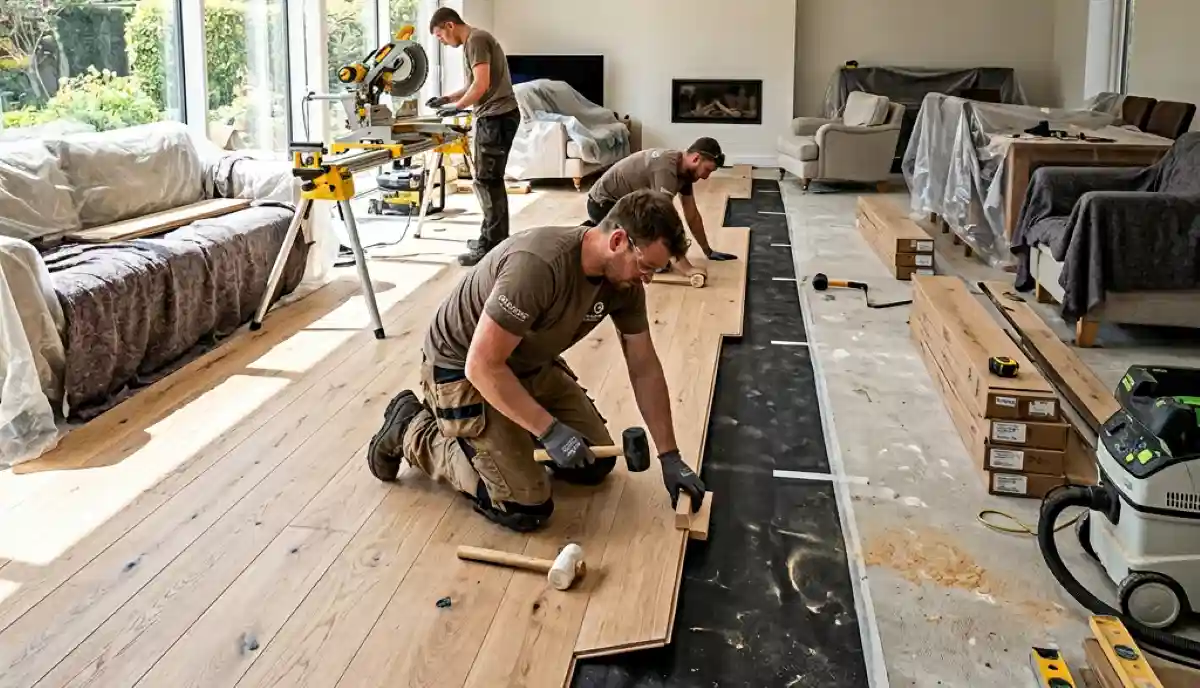
- Considerations: Ensure the wood is properly kiln-dried to kill any insects and stabilize it. Installation is a specialist job.
♻️ Recycled Content Vinyl (Moduleo, etc.)
Vinyl often gets a bad environmental rap, but modern technology is changing that. Eco-friendly vinyl flooring South Africa is a reality.
- Moduleo LayRed: This product contains 22% pre-consumer recycled content (manufacturing waste). It is also 100% recyclable at its end of life through the manufacturer’s take-back scheme.
- Recycled content: Some vinyl floors now use recycled materials in the core or backing layer without compromising performance.
- Durability: Quality vinyl lasts 15-25 years, which is a long life cycle.
- Low emissions: Many modern vinyl products are certified low-VOC and meet strict indoor air quality standards.
- Considerations: Look for products with Environmental Product Declarations (EPDs) and take-back programs. The circular economy is key – can the product be recycled at end of life?
🌻 Natural Linoleum
Not to be confused with vinyl sheet, natural linoleum is a different, highly eco-friendly product.
- Ingredients: Made from natural materials: linseed oil (from flax), pine rosin, wood flour, cork dust, and limestone, pressed onto a jute backing. It’s fully biodegradable.
- Antimicrobial: Linseed oil gives it natural antimicrobial properties, resisting bacteria and dust mites.
- Durable: A well-maintained linoleum floor can last 40+ years.
- Availability: Brands like Forbo (Marmoleum) are available in South Africa through specialist suppliers. It comes in sheets or tiles with a huge range of colours.
- Best for: Kitchens, hallways, commercial spaces, and anywhere a durable, natural floor is desired.
🧶 Recyclable Carpet Tiles (Renasci™ by Milliken)
Carpet has historically been a landfill problem, but innovation is changing that.
- Renasci™ by Milliken: This is a revolutionary product. It’s a resilient flooring (not carpet) made from closed-loop recycling of shredded post-consumer carpet tiles and soft plastic waste. It’s made without glues or adhesives and is itself 100% recyclable at end of life.
- Recyclable carpet tiles: Many manufacturers now offer take-back programs for their old tiles, recycling them into new products.
- Modular advantage: Tiles allow for easy replacement of worn areas, extending the life of the overall floor.
- Low emissions: Quality carpet tiles are available with low VOC emissions and Cradle to Cradle certification.
- Best for: Offices, commercial spaces, and increasingly, modern homes.
🏗️ Polished Concrete & Low-Impact Options
Polished concrete uses the existing slab as the finished floor, eliminating the need for additional materials.
- Ultra-low impact: No new materials are transported and manufactured. It’s the ultimate in “use what you have.”
- Durable: Concrete floors last the life of the building.
- Thermal mass: In passive solar homes, concrete slabs absorb heat during the day and release it at night, reducing energy use.
- Considerations: The polishing process uses water and diamond abrasives. Sealers can be low-VOC. It’s not suitable for all homes, but when it is, it’s a top green choice.
- See our concrete flooring page for more.
🍃 Low VOC Flooring & Healthy Homes
Indoor air quality is a critical part of sustainability. Many flooring products emit VOCs (Volatile Organic Compounds) – chemicals that can cause respiratory issues and other health problems.
- What to look for: Products certified by Ecolabel or similar bodies for low emissions.
- Red List free: The Living Building Challenge’s Red List includes the worst toxic chemicals. Products that are Red List free are the healthiest choice.
- Adhesives matter: Even if the flooring is low-VOC, the adhesive used can off-gas. Ensure your installer uses low-VOC adhesives.
- Natural materials: Cork, linoleum, and solid wood (with natural finishes) are naturally low-VOC.
- Low VOC flooring is especially important for bedrooms, nurseries, and for people with allergies or chemical sensitivities.
📊 Eco-Friendly Flooring Comparison Table
| Flooring Type | Sustainability Factors | Durability | VOC Emissions | Cost (Installed/m²) | Best Application |
|---|---|---|---|---|---|
| Bamboo (Strand-woven) | Rapidly renewable, durable | High | Low (check adhesives) | R400 – R900 | Living, high-traffic |
| Cork | Renewable, biodegradable | Medium | Very Low | R450 – R950 | Bedrooms, home offices |
| FSC Hardwood (Solid) | Certified sustainable | High | Low (with natural finish) | R800 – R2,500+ | Living, heritage homes |
| FSC Engineered Wood | Certified, uses less wood | High | Low | R600 – R1,800 | Living, underfloor heating |
| Reclaimed Wood | 100% recycled, unique | High | Low (after refinishing) | R700 – R2,000+ | Feature areas, rustic homes |
| Recycled Content Vinyl | Recycled content, recyclable | High | Low (certified) | R450 – R1,200 | Kitchens, bathrooms |
| Natural Linoleum | Natural, biodegradable | Very High | Very Low | R500 – R1,100 | Kitchens, commercial |
| Polished Concrete | Uses existing slab | Extremely High | Low (with low-VOC sealer) | R300 – R700 | Modern, industrial |
| Recyclable Carpet Tiles | Recyclable, take-back programs | High | Low (certified) | R400 – R1,000 | Offices, bedrooms |
💰 Cost of Eco-Friendly Flooring in South Africa
Green options span a wide price range. Here’s a general guide.
- Budget-friendly green: Polished concrete (if slab exists), some bamboo, and recycled content vinyl can be competitive with conventional options.
- Mid-range: Cork, FSC engineered wood, and natural linoleum.
- Premium: FSC solid hardwood, reclaimed wood, and high-end designer products with Cradle to Cradle certification.
Remember, durability is part of the value equation. A more expensive floor that lasts 50 years is often greener than a cheap one that needs replacing in 10. See our cost guide for more on installation costs.
📍 Regional Considerations in South Africa
- Coastal (Durban, Cape Town): Humidity is a factor. Cork and bamboo are naturally moisture-resistant, but ensure they are properly sealed. Recycled content vinyl (SPC) is excellent for its stability. Avoid solid wood unless in climate-controlled spaces.
- Inland (Johannesburg, Pretoria): Dry winters mean wood can shrink. Engineered wood is more stable. Cork’s insulation is a bonus in cooler months.
- Winelands (Stellenbosch, Paarl): Reclaimed wood from old wine cellars or local oak can be a beautiful, locally-sourced option. Look for FSC-certified local hardwoods.
- Green building hotspots: In areas like Bryanston and Westville where green building is growing, expect better availability of certified products and installers familiar with them.
❌ 8 Common Green Flooring Mistakes
- Mistake #1: Falling for greenwash. “Natural” doesn’t mean sustainable. Look for third-party certifications like FSC, Ecolabel, or Cradle to Cradle.
- Mistake #2: Ignoring the subfloor. A green floor installed over a damp or uneven subfloor will fail quickly, negating its eco-benefits.
- Mistake #3: Forgetting about adhesives. Even a low-VOC floor can be ruined by high-VOC adhesive. Specify low-VOC adhesives for the whole installation.
- Mistake #4: Not considering durability. A “green” material that wears out in 5 years is not sustainable. Prioritize durability for your traffic levels.
- Mistake #5: Overlooking end of life. Can the floor be recycled or biodegraded? Check if the manufacturer has a take-back program.
- Mistake #6: Assuming all bamboo is the same. Some bamboo is grown with high chemical inputs and bonded with high-VOC adhesives. Research the brand.
- Mistake #7: Ignoring transport miles. A product shipped from Europe has a higher carbon footprint than a locally-sourced alternative. Consider local options first.
- Mistake #8: Not hiring a knowledgeable installer. Some eco-materials (like linoleum or cork) require specific installation techniques. Use a contractor familiar with them. See our contractor guide.
❓ Frequently Asked Questions
What is the most eco-friendly flooring material?
There’s no single answer, but top contenders include bamboo (rapidly renewable), cork (renewable bark), reclaimed wood (100% recycled), and polished concrete (uses existing slab). The “most” eco-friendly depends on your specific context and priorities.
Is vinyl flooring ever eco-friendly?
Yes, eco-friendly vinyl flooring South Africa exists. Products like Moduleo LayRed contain 22% pre-consumer recycled content and are 100% recyclable. Look for low-VOC certifications and take-back programs.
What does FSC certified mean for wood floors?
FSC certified hardwood means the wood comes from forests managed to high environmental and social standards. It ensures biodiversity, protects water quality, and respects the rights of workers and local communities.
What are the benefits of cork flooring?
Cork flooring benefits include: it’s renewable (bark harvest doesn’t harm the tree), comfortable and warm underfoot, naturally hypoallergenic, and provides excellent acoustic insulation. It’s a great choice for bedrooms and living areas.
What is low VOC flooring and why does it matter?
Low VOC flooring emits minimal volatile organic compounds, which are chemicals that can cause respiratory issues, headaches, and other health problems. It matters for indoor air quality, especially in bedrooms, nurseries, and for people with allergies.
Where can I find reclaimed wood floors in Cape Town?
Reclaimed wood floors Cape Town are available from specialist timber dealers and flooring companies that source from old buildings, wine cellars, and industrial sites. They offer unique character and a low environmental footprint.
Is bamboo flooring sustainable?
Bamboo flooring sustainability is generally high because bamboo grows rapidly (3-5 years). However, check for low-VOC adhesives and responsible farming practices. Strand-woven bamboo is very durable, adding to its green credentials.
What is the Green Star SA rating for flooring?
Green Star SA is a rating system for green buildings in South Africa. Flooring products can contribute points if they meet criteria for low emissions, sustainable sourcing, or recycled content. It’s a mark of high environmental performance.
What is the circular economy in flooring?
The circular economy aims to eliminate waste by keeping materials in use. For flooring, this means products designed to be easily recycled at end of life, often through manufacturer take-back schemes (like Renasci™ or Moduleo’s recycling program).
Are there carbon neutral flooring options?
Some manufacturers offer carbon neutral flooring by offsetting emissions from production and transport. Look for products with Environmental Product Declarations (EPDs) that detail their carbon footprint. Natural materials like cork and wood also store carbon.
✅ Final Thoughts – Your Green Flooring Action Plan
Choosing eco-friendly flooring options 2025 South Africa is about making informed choices that align with your values and your home’s needs. The market has evolved tremendously – you no longer have to sacrifice style or durability to be green.
Key takeaways:
- Look for third-party certifications like FSC, Ecolabel, and Cradle to Cradle.
- Consider the full life cycle: sourcing, manufacturing, durability, and end-of-life.
- Prioritize materials that are rapidly renewable, contain recycled content, or are locally sourced.
- Don’t forget indoor air quality – choose low VOC flooring and adhesives.
- Work with a contractor who understands sustainable materials and their installation requirements.
Your 5-Step Action Plan
- Define your priorities: Is it low emissions, renewable materials, recycled content, or all of the above?
- Research certified products: Use the certifications in this guide as your filter.
- Get samples: See and feel the materials in your home.
- Find a knowledgeable installer: Use our quote service to connect with vetted contractors.
- Specify low-VOC adhesives: Ensure the entire installation is healthy.
Ready to Choose a Greener Floor?
Get free, no-obligation quotes from vetted flooring specialists who understand sustainable materials and green building practices.
📞 Call us: 073 138 4726 for personalised assistance
Free site inspections •
Beat-your-quote guarantee •
Our guarantees
📚 Official resources & standards:
- Green Building Council South Africa – Green Star SA rating tools and certified products.
- Forest Stewardship Council – Find FSC-certified timber and flooring.
- Ecolabel – South African certification for low VOC and environmentally friendly products.
Information accurate as of publication. Prices are indicative and may vary by supplier and location. This guide is for informational purposes.
Written by: ServiceLink SA Research Team
Industry research and analysis team, ServiceLink SA
The ServiceLink SA Research Team stays at the forefront of sustainable building materials, tracking innovations in recycled content, low-emission manufacturing, and circular economy principles. This guide reflects the latest eco-friendly flooring options available to South African homeowners and builders.
For more detailed information, explore our related guides: best flooring types for a broader overview, our vinyl vs laminate comparison for conventional choices, and our contractor selection guide for finding the right professional. For maintaining your green floor, see our wood maintenance guide. Our contractor guide helps you find installers familiar with eco-materials, and we recommend ensuring they have proper liability insurance. Pay-later options are available for your project.