
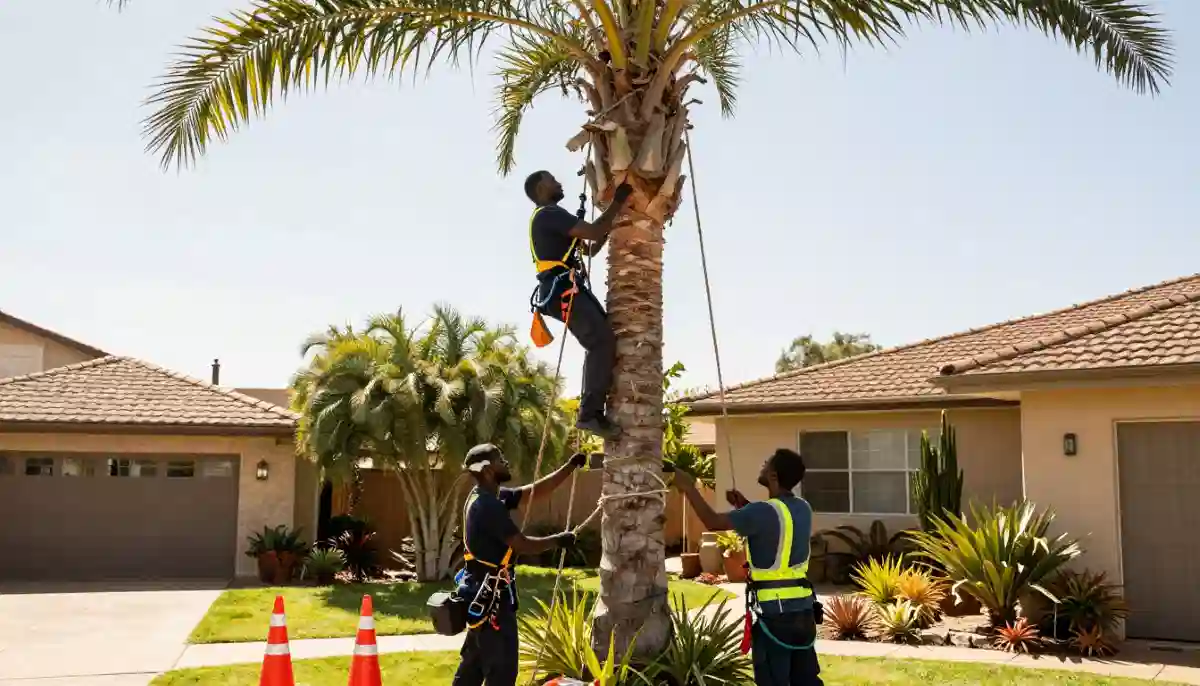
Palm Tree Removal Cost South Africa – Complete Guide to Prices & Regulations
🌴 How much to remove a palm tree in Durban, Cape Town, or Umhlanga? Plus rules for protected and invasive species.
You have a towering palm tree in your Durban garden that’s become too tall to manage, or perhaps a wild date palm that’s self-seeded and is now classified as an invasive weed. Removing a palm isn’t the same as felling a regular tree. They have unique biology, are often very tall and slender, and may be subject to specific laws. Understanding palm tree removal cost South Africa and the associated regulations is the first step.
This guide covers everything you need to know about removing a palm tree. We break down the costs, which are primarily driven by height and accessibility – how much to remove a palm tree Johannesburg will differ from a coastal removal due to species and logistics. We explain the crucial palm tree removal regulations you must be aware of, including which species are protected (like the indigenous Phoenix reclinata) and which are listed as invasive species under NEMBA (National Environmental Management: Biodiversity Act), requiring control or removal. We also cover the practicalities: the need for specialist climbers or even crane removal, the specific challenges of palm stump grinding, and the risk of palm bark beetle infestation in decaying material. Whether you’re in Umhlanga, Cape Town, or Ballito, this guide ensures you’re informed.
If you’re ready for a safe, compliant palm removal, explore our Services Overview or visit our Tree Services page to find vetted arborists and palm specialists near you. For more on how we work, see How It Works.
Get Free Quotes for Palm Tree Removal
Compare prices from local, insured specialists who understand palm biology and regulations in your area.
Servicing Durban, Cape Town, Johannesburg, and nationwide
📋 Table of Contents – Palm Tree Removal Guide
🌴 Why Palms are Different from Other Trees
Palms are not true trees (they are monocots, like grasses). This biological difference matters for removal.
- No secondary growth: Unlike trees, palms don’t grow thicker with age. Their trunk is fibrous, not woody. This makes them less predictable when cutting.
- Single growing point: A palm has only one growing point (the crown). If that is damaged, the palm dies. This is relevant for pruning, not removal.
- Structure: The trunk is composed of vascular bundles embedded in softer tissue. It can be deceptively heavy and can “explode” if not cut correctly.
- Height: Many palms, like the Canary Island Date Palm, can grow very tall (over 20m), making removal a high-risk job requiring specialist climbers or cranes.
- Regulations: In South Africa, some palm species are protected, while others are declared invasive and must be controlled or removed. You cannot treat them all the same.
Because of these differences, always hire a specialist with experience in palm tree removal. Read more on our About Us page or see our Benefits page.
📏 Palm Tree Removal Cost by Height
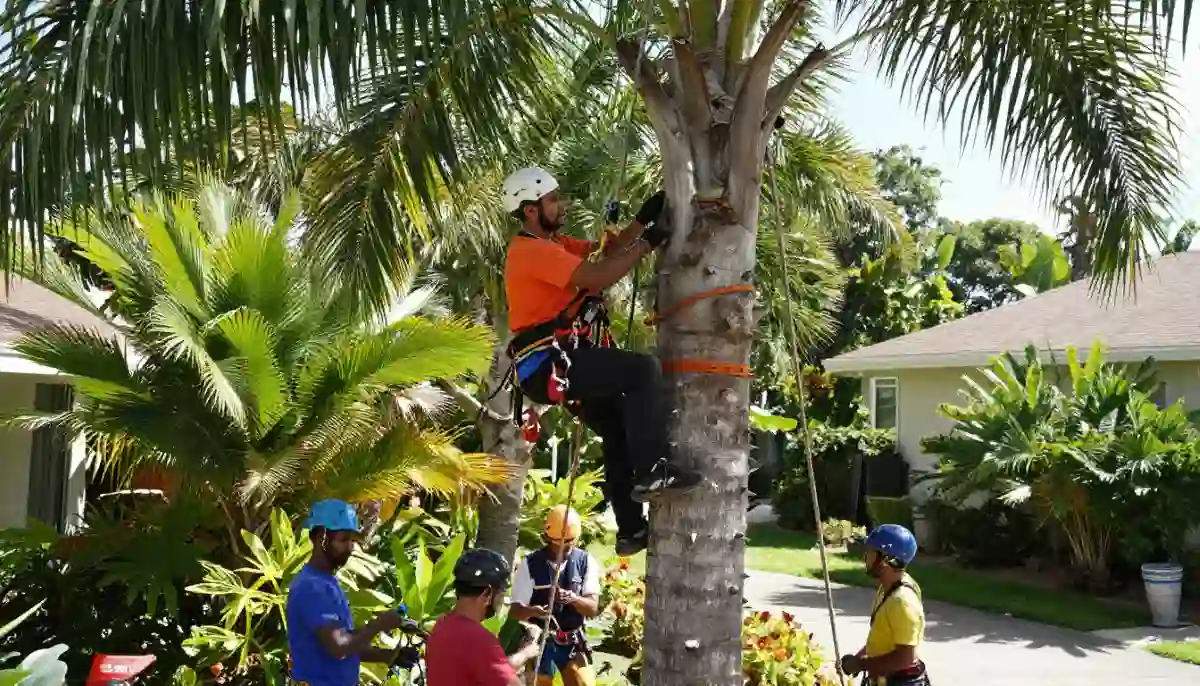
Height is the primary cost driver. These are estimated ranges for professional removal in South Africa, including cutting down and basic debris removal (but usually excluding stump grinding).
- Small palms (under 3m): R1,500 – R2,500. These are often young or dwarf varieties. Can sometimes be done by a ground crew without climbing.
- Medium palms (3m – 6m): R2,500 – R4,500. Requires a climber to ascend and section the crown and trunk.
- Tall palms (6m – 12m): R4,500 – R8,000. Specialist climber needed. Height and risk increase cost significantly.
- Very tall palms (12m+): R8,000 – R15,000+. May require a crane or very experienced climbers. Often seen with mature Canary Island Date Palms.
For an exact how much to remove a palm tree Johannesburg or palm tree removal cost South Africa in your area, always get a site-specific quote. Request quotes from local specialists.
➕ Factors Affecting Palm Removal Price
Besides height, these factors will influence your final quote.
- Accessibility: Can a truck and chipper get close to the palm? If it’s in a backyard with narrow side gates, all debris must be carried out, increasing labour time.
- Location relative to structures: A palm leaning over your house or near power lines requires careful sectional felling and rigging, which costs more.
- Species and condition: A dead palm is brittle and more dangerous to climb, potentially costing more. A healthy green palm is heavier but more predictable.
- Crane required: For very tall or dangerous palms, a crane may be the safest option. Crane hire adds R3,000 – R8,000+ to the job.
- Debris removal: Palm fronds are bulky and take up space. Ensure the quote includes chipping or removal. Stump grinding is always extra.
- Permits: If a permit is required for a protected species, the application fee (if any) is your responsibility.
🛡️ Protected Palm Species in South Africa
Not all palms can be removed without permission. Several indigenous palm species are protected by law.
- Phoenix reclinata (Wild Date Palm): This is the most common indigenous palm, found naturally from the Eastern Cape through KwaZulu-Natal and into Mpumalanga. It is a protected species in many provinces. Removing one without a permit is illegal.
- Jubaeopsis caffra (Pondo Palm / Pondoland Palm): A rare and endangered species, endemic to a small area of the Eastern Cape. It is strictly protected. Removal is almost certainly not permitted without a very compelling reason and a permit from the relevant authorities.
- Other indigenous palms: There are a few other rare species. If you have a palm that looks indigenous and you’re unsure, treat it as protected until you confirm otherwise.
If you have a Phoenix reclinata on your property in Margate or Port Shepstone, you must check local regulations before removal.
⚠️ Invasive Palms & NEMBA Regulations
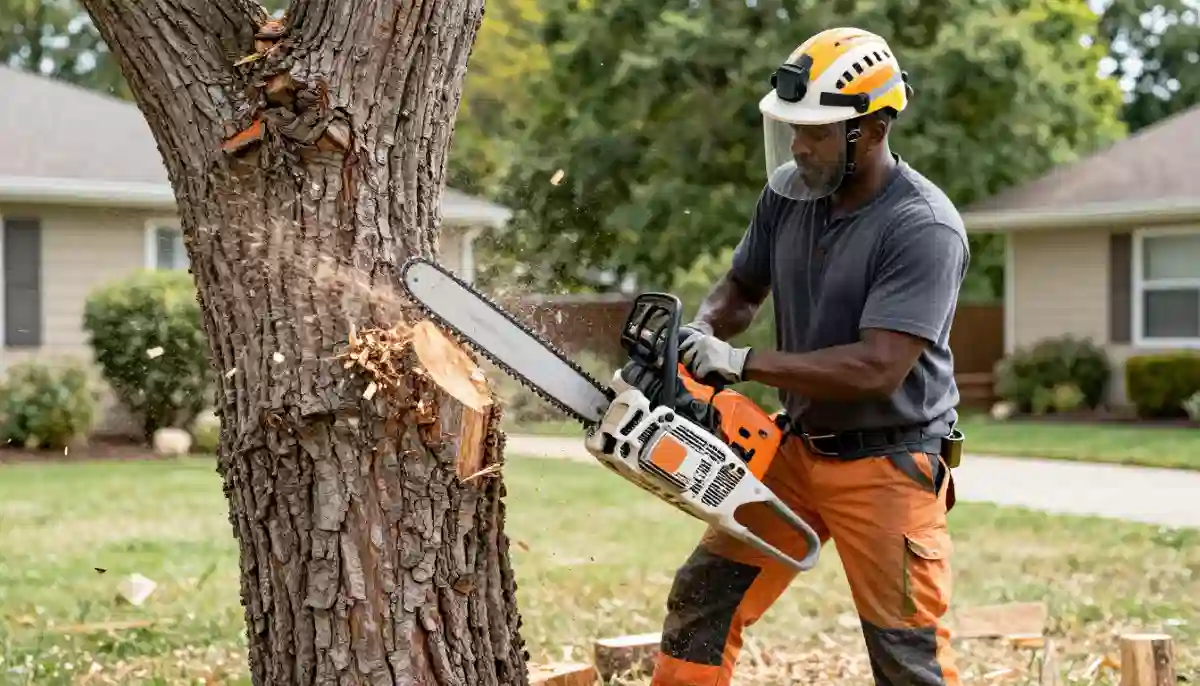
On the flip side, some palm species are listed as invasive under the National Environmental Management: Biodiversity Act (NEMBA). This means you have a legal obligation to control or remove them.
- What is NEMBA? The Act categorises invasive species and requires landowners to manage them. Failing to control invasives can lead to fines.
- Common invasive palms:
- Syagrus romanzoffiana (Queen Palm): Widely naturalised, especially in KwaZulu-Natal and Mpumalanga. It is listed as a Category 1b invader in some areas, requiring compulsory control.
- Archontophoenix cunninghamiana (Bangalow Palm / King Palm): Also invasive in certain regions.
- Washingtonia robusta (Mexican Fan Palm): Can be invasive in some habitats.
- What you must do: Check the current NEMBA listings on the Department of Forestry, Fisheries and the Environment (DFFE) website or the Invasive Species SA site. If you have an invasive palm, you are legally required to control it, which usually means removal.
📜 Do You Need a Permit for Palm Removal?
The answer depends entirely on the species and your location.
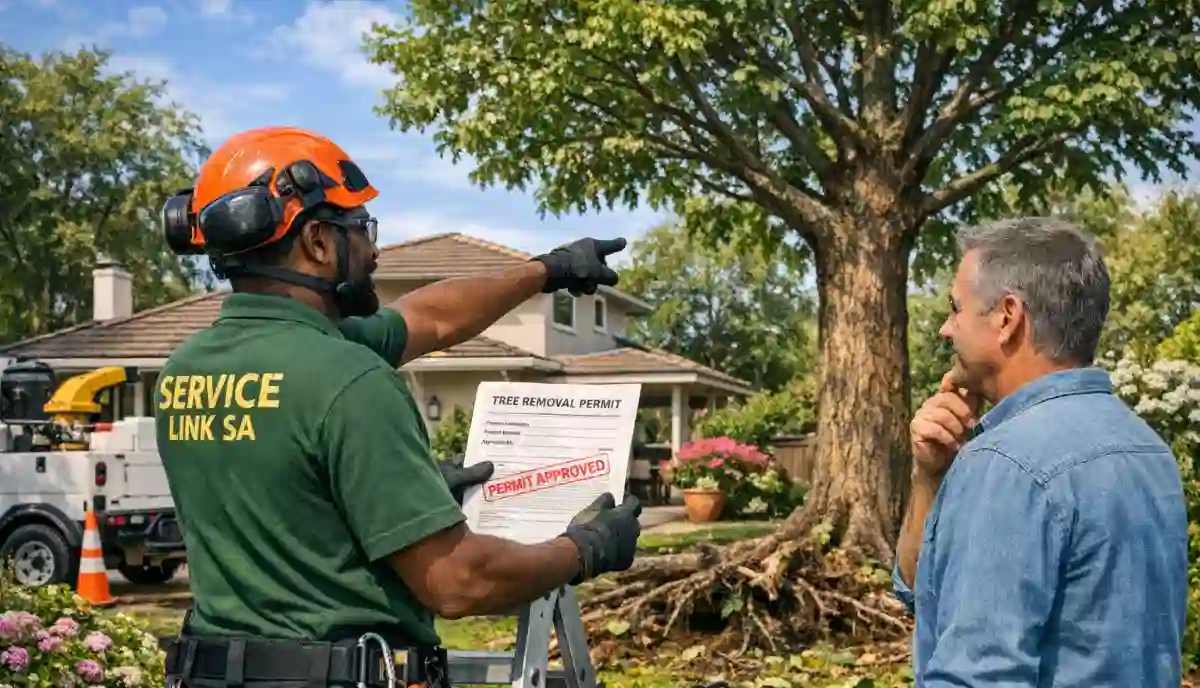
- For protected indigenous palms (e.g., Phoenix reclinata): YES, you almost certainly need a permit from your provincial conservation authority or the DFFE. Removing one without a permit is illegal and can result in significant fines. The process usually involves an application explaining why the tree needs to be removed. See our detailed tree removal permits guide.
- For invasive alien palms (e.g., Queen Palm): NO permit is needed for removal. In fact, you may be legally obliged to remove them. However, it’s always good practice to be certain of the species.
- For common exotic palms (e.g., Canary Island Date Palm, which is not indigenous but also not always listed as invasive): Generally, no permit is needed, but always check with your local municipality. Some municipalities have their own bylaws protecting certain trees.
Always identify your palm species first before making any plans. A reputable tree service can help with identification.
🔨 The Palm Removal Process
Here’s what a professional palm removal typically involves.
- Assessment & Quoting: An arborist visits to assess the palm’s height, health, location, and species. They will also advise on permit requirements if applicable.
- Site Preparation: The area below is cleared of furniture, cars, etc. Safety zones are established.
- Climbing or Craning: For tall palms, a climber ascends using spikes and a harness. They will cut away the fronds (leaves) first to reduce weight and wind resistance. The crown (top) is then cut in sections.
- Sectional Felling: The trunk is cut into manageable sections and lowered carefully with ropes, or dropped into a clear area.
- Debris Removal: Fronds and trunk sections are fed through a wood chipper (where possible) or cut into firewood-sized pieces for removal. Palm wood is not great firewood but can be chipped for mulch.
- Stump Grinding (optional): The stump is ground down below ground level.
🏗️ Crane Removal for Tall Palms
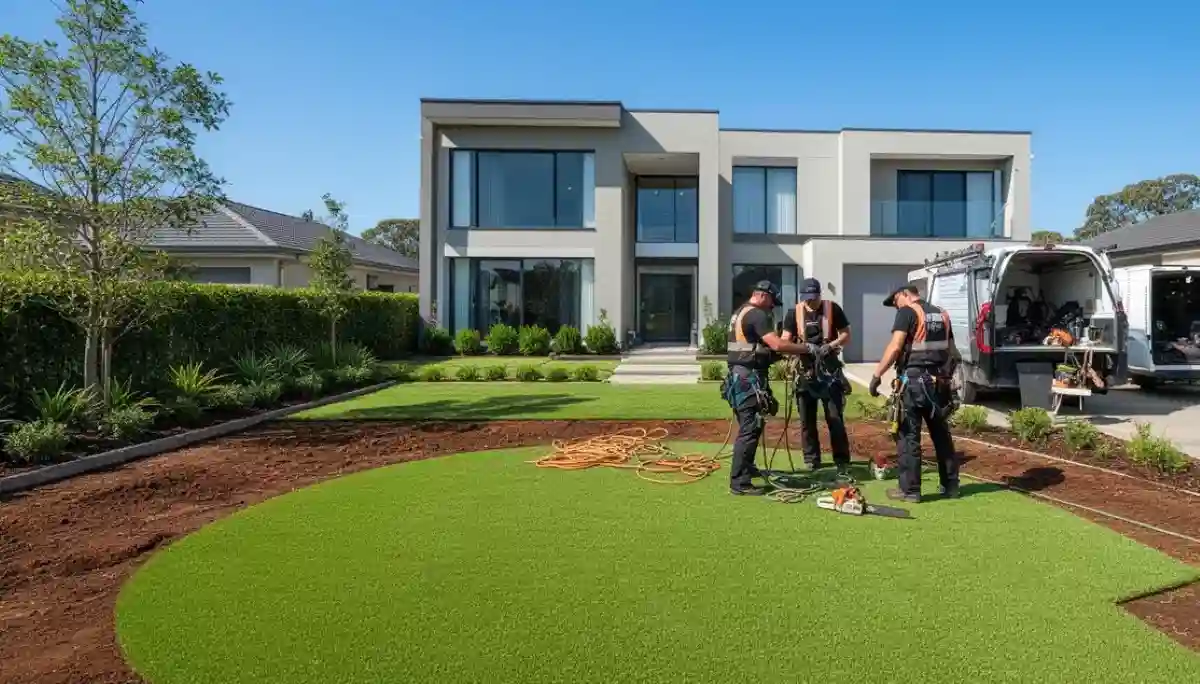
For very tall palms (over 12-15m) or those in extremely tight spots where dropping sections is impossible, a crane is the safest option.
- How it works: A crane with a bucket or lifting strap is brought in. An arborist in the bucket (or on the ground directing) attaches the crane to a section of the palm. The section is cut free and then gently lowered by the crane.
- Advantages: Extremely safe, minimal risk of damage to surrounding property, faster than manual sectional felling for very tall trees.
- Disadvantages: Expensive due to crane hire costs (R2,500 – R6,000+ per day, plus transport). Requires good access for the crane truck.
- When it’s used: Often for mature Canary Island Date Palms in built-up suburban areas like Stellenbosch or Cape Town.
🪵 Palm Stump Grinding & Aftercare
Palm stumps are different from tree stumps. They are fibrous and do not rot in the same way. Leaving them can be a problem.
- Why grind it? A palm stump left in the ground will not decay quickly. It can remain as a hard, woody mass for years, obstructing planting. It can also be a trip hazard.
- Grinding process: A stump grinder can be used on palm stumps, but it may be tougher on the machine due to the fibrous material. The grinder will chew the stump down to below ground level, typically 15-30cm deep.
- Cost: Palm stump grinding is usually an additional cost, similar to grinding a tree stump of equivalent size (R500 – R1,500).
- Aftercare: The resulting hole filled with wood fibres and soil will settle over time. Top up with soil as needed if you plan to plant grass or a garden.
🪲 Palm Bark Beetle Risk
Dead or dying palm material can attract pests, most notably the palm bark beetle (also known as the palm weevil’s smaller cousin).
- The risk: These beetles bore into the trunk, accelerating decay and potentially spreading to other nearby palms. They are attracted to stressed or cut palms.
- What to do: If you have a palm removed, ensure all debris, especially trunk sections, is removed from the site promptly. Do not leave cut palm wood lying around your garden, as it can become a breeding ground for beetles that could attack healthy palms nearby.
- Professional disposal: A reputable palm tree removal service will ensure all material is chipped and removed, mitigating this risk.
📊 Palm Tree Removal Cost Comparison Table
| Palm Height | Estimated Cost (Felling & Removal) | Crane Required? | Stump Grinding (Extra) | Permit Likely Needed? |
|---|---|---|---|---|
| Under 3m (Small) | R1,500 – R2,500 | No | R500 – R800 | Only if protected species |
| 3m – 6m (Medium) | R2,500 – R4,500 | No | R800 – R1,200 | Only if protected species |
| 6m – 12m (Tall) | R4,500 – R8,000 | Possible | R1,200 – R1,800 | Check for protected species |
| 12m+ (Very Tall) | R8,000 – R15,000+ | Often required | R1,500 – R2,500 | Check for protected species |
| Invasive Species (e.g., Queen Palm) | Cost as per height | As required | As required | NO permit, removal encouraged |
*Prices are indicative and can vary significantly based on location, accessibility, and local rates.
❌ 7 Common Palm Removal Mistakes
- Mistake #1: Assuming all palms can be removed without permission. Protected indigenous species like Phoenix reclinata require a permit. Check first to avoid hefty fines.
- Mistake #2: Ignoring invasive species laws. If you have an invasive palm like a Queen Palm on your property in Ballito, you may be legally required to remove it. Not doing so can result in penalties.
- Mistake #3: Trying to DIY a tall palm. This is extremely dangerous. Palms are heavy, brittle, and unpredictable. Always hire a professional with climbing gear and insurance.
- Mistake #4: Not getting a site inspection. Quotes over the phone for a palm are just guesses. An arborist needs to see the height and location to give an accurate price.
- Mistake #5: Forgetting about stump grinding. A palm stump left in the ground will be an eyesore and obstacle for years. Budget for grinding from the start.
- Mistake #6: Leaving palm debris on site. Decaying palm wood can attract palm bark beetle and other pests. Ensure the contractor removes all debris.
- Mistake #7: Hiring an uninsured “handyman”. Palm removal is high-risk work. If they are injured or damage your property, you could be liable. Always verify insurance. See our contractor guide.
❓ Frequently Asked Questions
How much does it cost to remove a palm tree in South Africa?
Palm tree removal cost South Africa ranges from R1,500 for a small palm to over R15,000 for a very tall one (12m+). Height is the main factor. For an exact how much to remove a palm tree Johannesburg or Durban, get local quotes.
Do I need a permit to remove a palm tree?
You need a permit if the palm is a protected indigenous species, like the Phoenix reclinata (Wild Date Palm). Invasive alien palms (e.g., Queen Palm) do not require a permit and you may be obliged to remove them.
What are the protected palm species in SA?
Protected palm species SA include the indigenous Phoenix reclinata (Wild Date Palm) and the rare Jubaeopsis caffra (Pondo Palm). Always check with your local conservation authority before removal.
Is the Queen Palm protected or invasive?
The Queen Palm (Syagrus romanzoffiana) is generally considered an invasive species in parts of South Africa under NEMBA, not protected. This means you are encouraged or required to remove it, not keep it.
What is NEMBA and how does it affect palm removal?
NEMBA (National Environmental Management: Biodiversity Act) is the law that regulates invasive species. It lists certain palms as invasive, requiring landowners to control or remove them. Check the DFFE website for the latest lists.
Can a palm stump be ground down?
Yes, palm stump grinding is possible and recommended. A stump grinder can chew the fibrous stump down to below ground level. It’s an additional cost, typically R500 – R1,500 depending on size.
What is the palm bark beetle risk?
Dead or cut palm wood can attract the palm bark beetle, which bores into the trunk and can spread to other palms. Ensure all debris is removed promptly after felling to prevent infestation.
Do I need a crane for palm removal?
Crane removal is often used for very tall palms (over 12m) or those in tight spaces. It adds significant cost (R3,000 – R8,000+) but is the safest method in many situations.
Can I remove a small palm tree myself?
A very small palm (under 2m) might be DIY-able with a spade to dig out the roots, but it’s hard work. For anything taller, or if you’re unsure about the species, hire a professional. Safety first.
What is Phoenix reclinata?
Phoenix reclinata is the scientific name for the Wild Date Palm, a protected indigenous species common in KwaZulu-Natal and the Eastern Cape. It requires a permit for removal.
✅ Final Thoughts – Your Palm Removal Action Plan
Removing a palm tree is a specialist job that combines technical skill with legal awareness. By understanding the costs, the regulations, and the risks, you can ensure a safe, compliant, and successful removal.
Key takeaways:
- Cost is driven by height, accessibility, and need for a crane.
- Protected species (like Phoenix reclinata) require a permit – check before you act.
- Invasive species (like Queen Palm) may need to be removed by law – confirm the status.
- Always hire a professional with climbing experience and insurance.
- Include stump grinding and debris removal in your plan.
Your 5-Step Action Plan
- Identify the species: Is it protected or invasive? Use online resources or ask an arborist.
- Check permit requirements: Contact your local municipality or provincial conservation office if it’s a protected species.
- Measure the height: Estimate the palm’s height to get a rough cost idea.
- Get multiple quotes: Use our service to find insured, experienced palm specialists in your area.
- Schedule the work: Book the removal and enjoy your palm-free (or compliant) garden.
Ready to Remove That Palm Tree?
Get free, no-obligation quotes from vetted, insured palm tree removal specialists who understand the regulations and risks.
📞 Call us: 073 138 4726 for personalised assistance
Free site inspections •
Beat-your-quote guarantee •
Our guarantees
📚 Official resources & standards:
- Department of Forestry, Fisheries and the Environment (DFFE) – NEMBA regulations and protected species lists.
- Invasive Species South Africa – Identification and management of invasive alien plants, including palms.
Information accurate as of publication. Prices are indicative and may vary by region and site conditions. This guide is for informational purposes.
Written by: ServiceLink SA Research Team
Industry research and analysis team, ServiceLink SA
The ServiceLink SA Research Team has consulted with arborists specialising in palm removal across South Africa’s coastal regions. This guide integrates practical cost data with legal requirements from NEMBA and provincial conservation authorities.
For more detailed information, explore our related guides: tree felling costs for general pricing, our permits guide for a broader look at tree removal laws, and our company selection guide for finding the right contractor. Our contractor guide and free inspection services are also available.