
Planning a Tiling Project?
Get free quotes from verified tiling specialists who understand the difference between wall and floor tiles. Compare prices and hire with confidence.
Get Free Quotes from Local Tilers
Servicing KwaZulu-Natal, Durban, Umhlanga, and across South Africa
Wall Tiling vs Floor Tiling: Key Differences You Must Know SA
🏠 Using floor tiles on walls (or vice versa) could ruin your renovation – here’s what every homeowner needs to know
I walked into a client’s home in Durban last year. She was devastated. Six months after a “professional” renovation, tiles were literally falling off her shower wall. The installer had used beautiful porcelain floor tiles on the walls – and they were too heavy for the plasterboard behind them.
This happens more often than you’d think. Homeowners see a gorgeous tile at a tile shop, fall in love, and assume it can go anywhere. But here’s the truth: wall tiling vs floor tiling isn’t just about aesthetics. These tiles are engineered differently for specific purposes, and using them incorrectly can lead to cracked tiles, failed installations, and even safety hazards.
In this guide, I’ll explain every critical difference between wall tile vs floor tile, help you understand the tiling differences that matter, and ensure your next project stands the test of time. Whether you’re renovating a bathroom in Umhlanga or tiling a kitchen in KwaZulu-Natal, this information will save you from costly mistakes.
For more tile comparisons, check out our guides on porcelain vs ceramic tiles and natural stone vs porcelain.
📋 Table of Contents – Wall vs Floor Tiling Guide
🔍 7 Key Differences Between Wall and Floor Tiles
Before we dive deep, here’s a quick overview of the tiling differences that matter most:
| Characteristic | Wall Tiles | Floor Tiles |
|---|---|---|
| Thickness | 5mm – 8mm | 8mm – 12mm+ |
| Weight | Lighter (10-15 kg/m²) | Heavier (18-25 kg/m²) |
| Strength Rating (PEI) | PEI 0-2 (light use) | PEI 3-5 (heavy traffic) |
| Slip Resistance (R Rating) | Not required (R9) | R10-R13 (wet areas need R10+) |
| Water Absorption | 3% – 10% (semi-porous) | 0.5% – 3% (less porous) |
| Surface Finish | Glossy, matte, textured | Usually matte or textured for grip |
| Typical Size | 250x400mm, 300x600mm | 300x300mm, 600x600mm, large format |
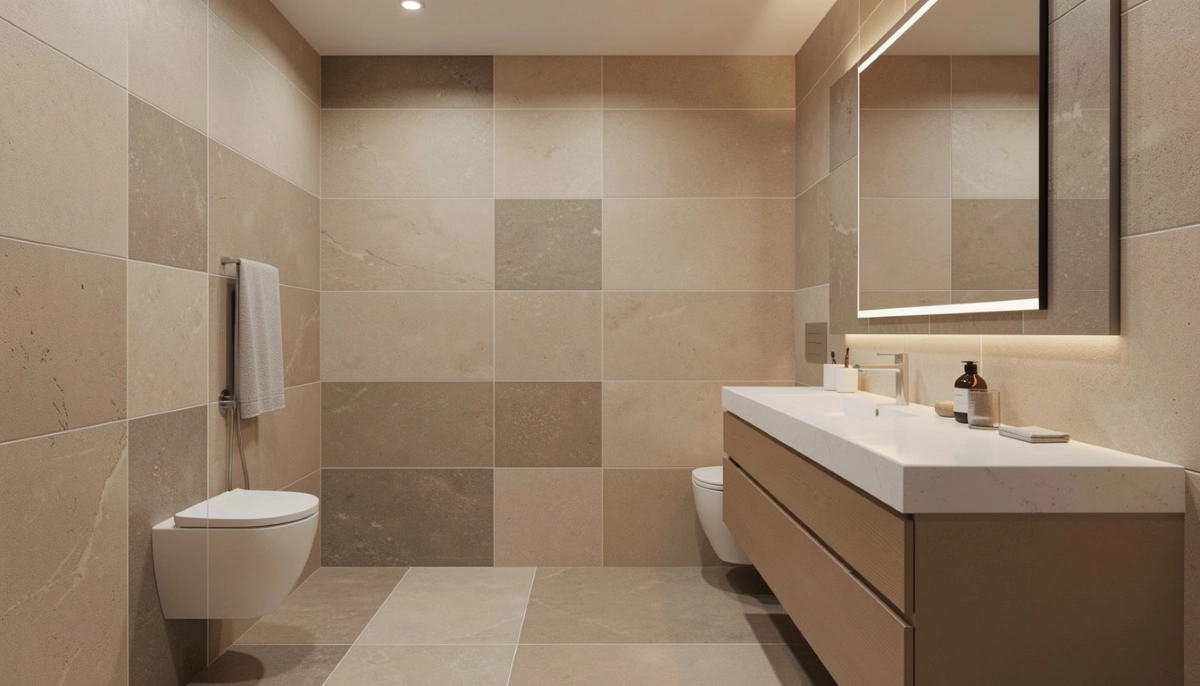
💪 Strength & Thickness – Why Floor Tiles Are Built Tougher
The most fundamental difference in wall tiling vs floor tiling is how much weight each tile type must support.
Floor tiles must withstand:
- People walking (including heavy adults)
- Furniture being dragged or dropped
- Impact from falling objects
- Point loads from chair and table legs
- Ongoing foot traffic (thousands of steps per year)
That’s why floor tiles are thicker (8mm-12mm+), denser, and rated for higher breaking strength. They’re manufactured under higher pressure and fired at higher temperatures to create a more durable product.
Wall tiles have a much easier job:
- Supporting only their own weight
- Occasional cleaning and wiping
- No foot traffic or impact loads
Wall tiles are thinner (5mm-8mm), lighter, and don’t need the same structural strength. This makes them easier to cut (especially around outlets and corners) and cheaper to manufacture.
The PEI (Porcelain Enamel Institute) rating tells you a tile’s durability. Floor tiles need PEI 3-5 for residential use. Wall tiles can be PEI 0-2. For more on tile ratings, read porcelain vs ceramic tiles.
⚖️ Weight Limits – The Hidden Danger of Heavy Tiles on Walls
Here’s where many homeowners (and even some contractors) get into trouble. Using floor tiles on walls can exceed the weight capacity of your wall substrate.
Weight comparison per square meter:
- Standard ceramic wall tile: 10-15 kg/m²
- Porcelain floor tile (8mm): 18-22 kg/m²
- Porcelain floor tile (10mm+): 22-25+ kg/m²
- Natural stone floor tile: 25-35+ kg/m²
Wall substrate weight limits:
- Standard plasterboard/drywall: Max 20 kg/m² (with proper adhesive)
- Cement backer board: Max 30-35 kg/m²
- Brick or concrete wall: 40+ kg/m² (almost any tile works)
⚠️ Critical Warning:
Installing heavy floor tiles on standard plasterboard walls is a recipe for disaster. The adhesive may hold initially, but gravity wins every time. Within months or years, tiles will start cracking or falling off entirely. This is especially dangerous in showers where falling tiles can cause serious injury.
For lightweight walls (like in many Durban and Umhlanga apartments), always use wall-rated tiles. If you want the look of floor tiles on your walls, check your wall substrate first – you may need cement backer boards or a complete wall reinforcement.
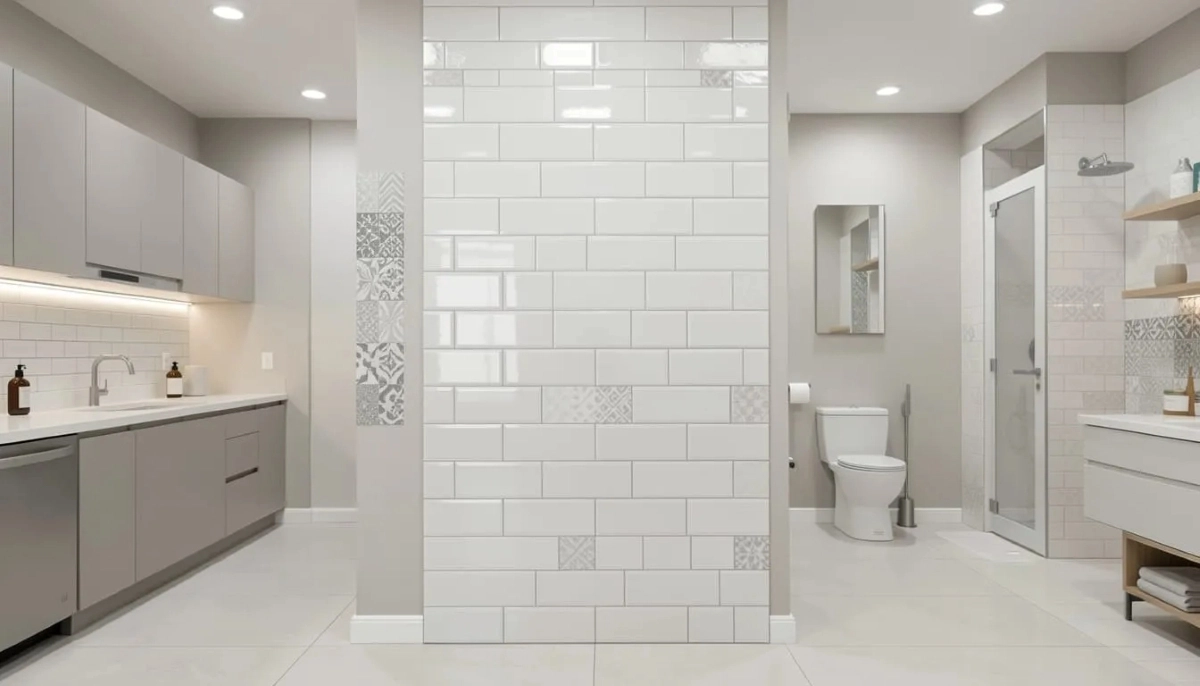
👣 Slip Resistance – Why Floor Tiles Need Grip (And Walls Don’t)
This is a non-negotiable safety difference between wall tile vs floor tile.
Floor tiles must have adequate slip resistance, especially in:
- Bathrooms (wet floors)
- Kitchens (spills and grease)
- Entrances (rain and mud)
- Outdoor areas (pool decks, patios, driveways)
- Any area used by elderly people or young children
Slip resistance is measured by the R Rating (R9 to R13). Here’s what each rating means:
- R9: Low slip resistance (walls only, not for floors)
- R10: Minimum for dry indoor floors (living rooms, bedrooms)
- R11: Good for kitchens and bathrooms
- R12: High slip resistance (wet areas, pool decks)
- R13: Maximum slip resistance (commercial kitchens, ramps)
Wall tiles have no slip resistance requirement. You’re not walking on them. Glossy, smooth, polished tiles work beautifully on walls but would be dangerously slippery on floors.
For more on safety standards, read our guide on bathroom wall tile height standards and SABS building regulations.
💧 Water Absorption – A Critical Difference for Wet Areas
How much water a tile absorbs determines where it can safely be installed.
Water absorption classifications:
- Impervious (0-0.5%): Virtually waterproof. Ideal for showers, pool surrounds, outdoor areas. Most porcelain floor tiles fall here.
- Vitreous (0.5-3%): Very low absorption. Good for bathroom floors. Many ceramic floor tiles.
- Semi-vitreous (3-7%): Moderate absorption. Suitable for dry indoor walls and floors.
- Non-vitreous (7%+): High absorption. Walls only, dry areas only. Never use in bathrooms.
Why this matters for wall tiling vs floor tiling:
Floor tiles (especially porcelain) have very low water absorption because they’re constantly exposed to spills, mopping, and moisture. Wall tiles can have higher absorption because they see less direct water contact – but in showers, even wall tiles need low absorption.
Pro tip for bathrooms: Use impervious or vitreous tiles on both floors AND walls in wet areas (showers, around tubs). The difference between wall tiling vs floor tiling blurs here – both need water resistance. The key difference becomes thickness and weight, not absorption.
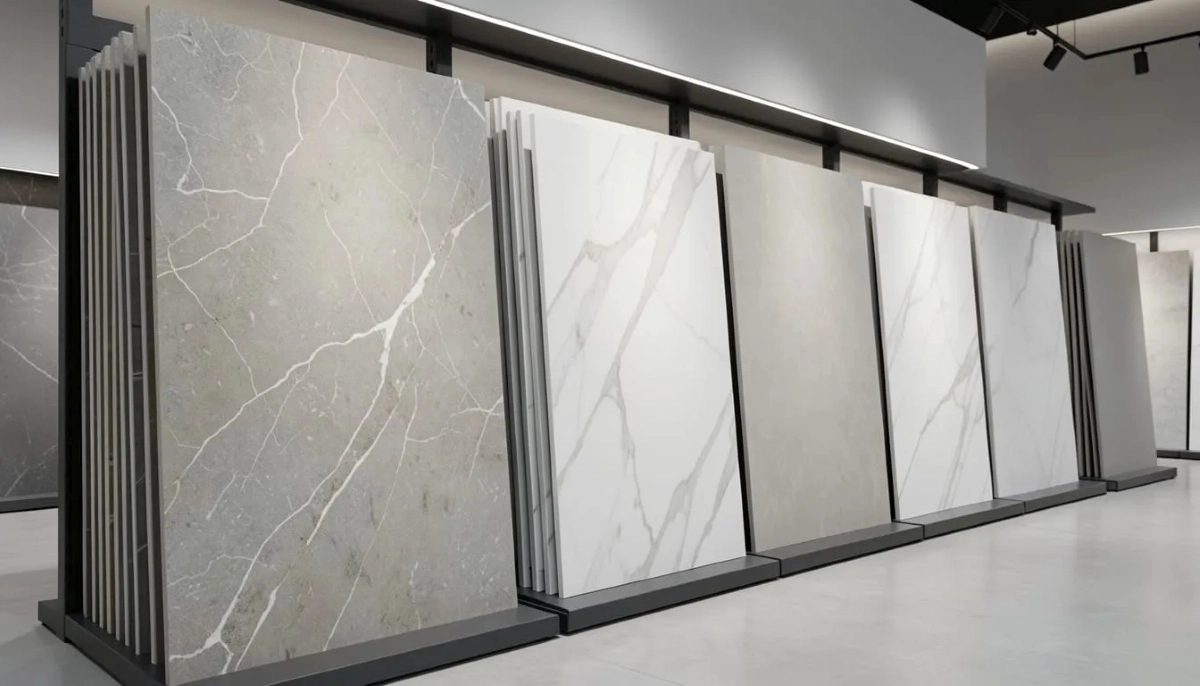
Not Sure Which Tiles Are Right for Your Project?
Get free advice and quotes from verified tiling specialists who understand the difference between wall and floor tiles. They’ll help you choose the right products for every surface.
Connect with tilers across KwaZulu-Natal and nationwide.
🔄 Can You Use Floor Tiles on Walls? (And Vice Versa?)
This is the question everyone asks. Here’s the honest answer.
Using floor tiles on walls – YES, with conditions:
- ✅ Possible on concrete or brick walls (strong substrates)
- ✅ Works if tile weight is under 25 kg/m² and wall can support it
- ✅ Good for creating seamless floor-to-wall looks (same tile throughout)
- ❌ NOT recommended on plasterboard/drywall (too heavy)
- ❌ Requires stronger, more expensive adhesive
- ❌ Harder to cut (floor tiles are denser)
- ❌ Costs more (floor tiles are more expensive than wall tiles)
Using wall tiles on floors – NO, almost never:
- ❌ Wall tiles are too thin and weak for foot traffic
- ❌ They crack easily under impact or point loads
- ❌ Lack sufficient slip resistance (dangerous when wet)
- ❌ Higher water absorption means they stain and degrade faster
- ❌ Will fail within months in any traffic area
✅ Professional Verdict:
Floor tiles on walls: Sometimes acceptable with proper substrate and adhesive. Wall tiles on floors: Never acceptable. Always use floor-rated tiles for any surface you walk on.
For large-format tiles (which are almost always floor-rated), read our large format tiles installation guide for special requirements.
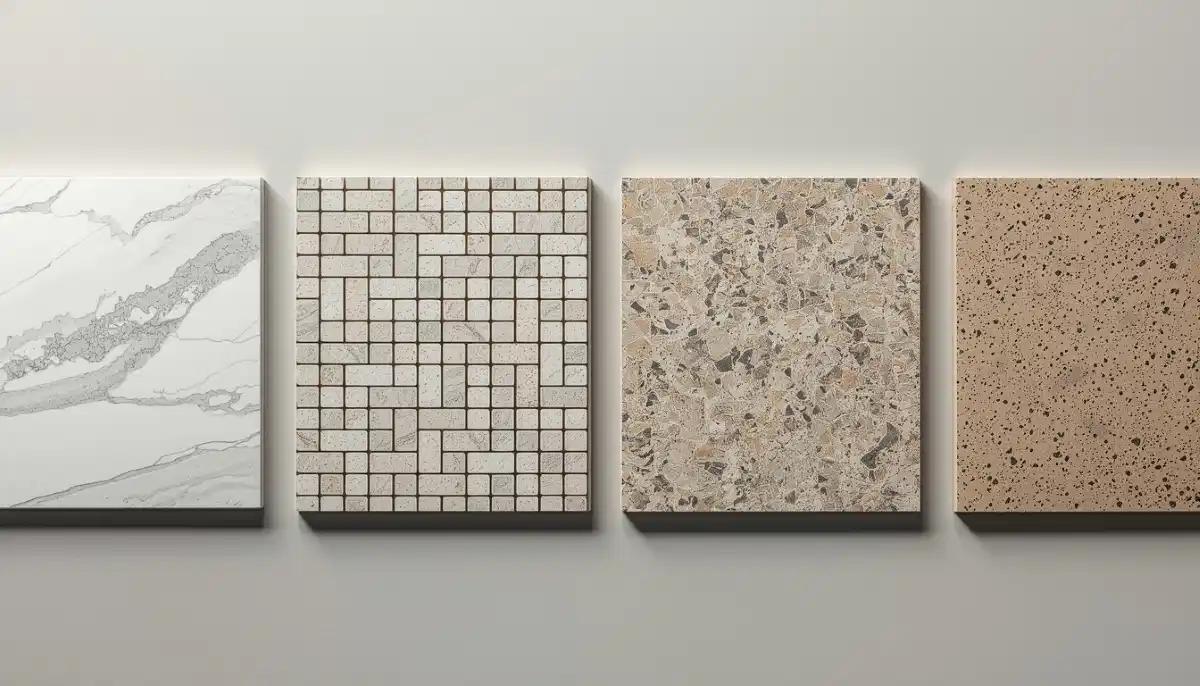
📊 Quick Reference: Wall vs Floor Tile Selection Guide
Use this guide when shopping for tile types to ensure you buy the right product for each application:
| Application | Recommended Tile Type | Key Requirements |
|---|---|---|
| Bathroom Floor | Porcelain or ceramic floor tile | PEI 3+, R10+, low absorption (<3%) |
| Bathroom Wall (dry area) | Ceramic wall tile | Lightweight, any finish, semi-vitreous ok |
| Shower Wall | Porcelain or glazed ceramic | Low absorption (<0.5%), proper substrate support |
| Kitchen Floor | Porcelain floor tile | PEI 3+, R10+, easy to clean |
| Kitchen Backsplash | Ceramic wall tile, glass, subway | Lightweight, easy to cut, stain-resistant |
| Living Room Floor | Porcelain or ceramic floor tile | PEI 3+, R9-R10 acceptable (dry area) |
| Outdoor Patio | Porcelain floor tile (outdoor-rated) | R11+, low absorption, frost-resistant |
| Feature Wall | Any wall tile or lightweight floor tile | Check weight limits on substrate |
For more material comparisons, explore our guides on cement vs ceramic tiles and natural stone vs porcelain.
🚫 Common Mistakes When Choosing Between Wall and Floor Tiles
⚠️ Warning: These Mistakes Cost Homeowners Thousands
Don’t fall into these common traps when selecting tile types for your project.
- Using floor tiles on lightweight walls: The most dangerous mistake. Heavy tiles on plasterboard will eventually fail – sometimes catastrophically.
- Using glossy floor tiles in bathrooms: That beautiful polished porcelain might look amazing, but when wet, it becomes an ice rink. Always check R ratings for wet floors.
- Assuming “wall and floor” tiles are equal: Some tiles are labelled for both, but they’re always floor-rated tiles that also work on strong walls. Never assume all tiles can go everywhere.
- Buying wall tiles for a shower floor: Wall tiles are too slippery and too weak for shower floors. You need small-format, R11+ rated floor tiles with proper drainage slope.
- Not checking weight limits before buying: Fall in love with heavy natural stone floor tiles? Great – but verify your walls can support them first, or budget for wall reinforcement.
- Ignoring water absorption in bathrooms: Using semi-vitreous wall tiles in a shower sounds fine, but over years, absorbed moisture causes darkening, mould, and adhesive failure.
❓ Questions to Ask Your Tiler or Tile Supplier
Before buying tiles, ask these questions to avoid wall tiling vs floor tiling confusion:
- “Is this tile rated for floors, walls, or both?” (Get a clear answer, not “it should be fine.”)
- “What is the PEI rating?” (PEI 3+ for floors, PEI 0-2 for walls only.)
- “What is the R rating for slip resistance?” (Ask specifically for wet areas.)
- “What is the water absorption percentage?” (Under 0.5% for shower areas.)
- “How much does this tile weigh per square meter?” (Critical for wall installations.)
- “Does my wall substrate need reinforcement for this tile?” (A good tiler will assess this.)
- “Can you provide a written warranty for the installation?” (See our guarantees.)
For more hiring guidance, read our how to choose the right contractor guide and learn about how ServiceLink SA verifies contractors.
❓ Frequently Asked Questions About Wall vs Floor Tiles
What is the main difference between wall and floor tiles?
The main difference in wall tiling vs floor tiling is strength and thickness. Floor tiles are thicker (8-12mm), denser, and rated for foot traffic and impact. Wall tiles are thinner (5-8mm), lighter, and only need to support their own weight. Floor tiles also have slip resistance requirements that wall tiles don’t need.
Can I use floor tiles on my bathroom wall?
Yes, but only if your wall substrate can support the weight. Concrete or brick walls are fine. Plasterboard walls may need reinforcement or cement backer boards. Also, floor tiles are harder to cut (especially around outlets and shower fixtures) and cost more than wall tiles. For a seamless look, it’s possible – just more expensive and complex.
What happens if you use wall tiles on the floor?
Wall tiles on floors will crack and fail quickly. They’re too thin and weak to handle foot traffic, furniture weight, or impact. They also lack slip resistance, creating a dangerous slipping hazard when wet. Never use wall tiles on any floor surface – this is a critical safety issue, not just an aesthetic one.
How can I tell if a tile is for walls or floors?
Check the packaging or product specifications. Look for PEI rating (PEI 0-2 = walls only, PEI 3-5 = floors). Check thickness – under 8mm is likely wall tile only. Check slip resistance (R rating) – if none listed, it’s probably wall tile. Ask your supplier directly – a reputable tile shop will know the difference.
Can I use the same tile on my bathroom floor and shower wall?
Yes, many homeowners do this for a seamless look. However, ensure the tile is floor-rated (PEI 3+, R10+, low absorption). You’ll be using a floor tile on walls, which is acceptable with proper substrate support. Just verify wall weight limits first – floor tiles are heavier than dedicated wall tiles.
Are porcelain tiles only for floors?
No, porcelain tiles work beautifully on walls too. In fact, large-format porcelain wall tiles are very popular for modern bathrooms. However, porcelain is denser and heavier than ceramic, so wall substrate strength is critical. Always check weight limits before installing porcelain wall tiles, especially on plasterboard.
What is the PEI rating and why does it matter?
PEI (Porcelain Enamel Institute) rating measures a tile’s durability and resistance to abrasion. PEI 0-2: walls only, very light traffic. PEI 3: residential floors (living rooms, bedrooms). PEI 4: all residential floors plus light commercial. PEI 5: heavy commercial use. For any floor tile in your home, choose PEI 3 or higher.
Do I need different adhesive for wall and floor tiles?
Yes, typically. Heavy floor tiles (especially large-format or natural stone) require stronger, more flexible adhesives (often labelled “floor tile adhesive” or “large format tile adhesive”). Wall tiles can use standard wall tile adhesive. Using the wrong adhesive is a common cause of tile failure. Read our tile adhesives explained guide for more.
✅ Final Thoughts: Choose Wisely for a Lasting Installation
Understanding wall tiling vs floor tiling isn’t complicated once you know the key factors: thickness, weight, strength, slip resistance, and water absorption. Floor tiles are built tough for walking. Wall tiles are lightweight for easy installation. Mixing them up leads to cracked floors or falling walls – neither is fun to fix.
Key takeaways for your next tiling project:
- Always use floor-rated tiles (PEI 3+, R10+ for wet areas) on any walking surface
- Wall tiles are for walls only – never use them on floors
- Floor tiles CAN go on walls – but check weight limits and substrate strength first
- In wet areas (showers, bathrooms), prioritize low water absorption for both walls and floors
- When in doubt, ask a professional – the cost of advice is tiny compared to a failed installation
Your next step: Ready to start your tiling project? Get free quotes from verified tiling specialists who understand these critical differences. They’ll help you select the right tile types for every surface and install them correctly.
Ready to Start Your Tiling Project?
Get free quotes from verified local tilers who understand the difference between wall and floor tiles. Compare prices and hire with confidence.
📞 Call us: 073 138 4726 to discuss your project with a coordinator.
Free site inspections •
Workmanship guarantees •
Hiring tips
📚 Official resources & standards referenced:
- SANS 10400 – South African National Standard for tiling standards, wall substrate requirements, and building regulations.
- SABS – South African Bureau of Standards for tile specifications, including PEI ratings, R ratings, and water absorption testing.
Information provided for general guidance. Always consult a professional tiler for your specific project requirements.
Written by: Innocent T Hanyani
Construction & Home Services Industry Specialist | 21+ Years Experience
Innocent T Hanyani has over two decades of experience working across South Africa’s construction, maintenance, and home services sectors. Throughout his career, he has worked closely with tilers, contractors, and homeowners, gaining practical insight into how tiling materials are specified, installed, and maintained. His expertise helps homeowners understand critical differences between tile types, choose the right products for each application, and avoid costly installation failures. He has personally witnessed the consequences of using wall tiles on floors – and the expensive repairs that follow.
For more information about tile selection and installation, explore our related resources: porcelain vs ceramic tiles, natural stone vs porcelain, cement vs ceramic tiles, large format tiles installation, and bathroom wall tile height standards. Learn about our process on what is ServiceLink SA and how we verify contractors. Find tilers in your area: KwaZulu-Natal, Durban, and Umhlanga.