
💧 Confused About Pressure Solutions?
Get quotes from verified plumbers to determine whether you need a booster pump or pressure tank. Free inspections available.
Servicing Gauteng, KwaZulu-Natal, Durban, Umhlanga, Ballito, Westville, and across South Africa
Booster Pump vs Pressure Tank: Which One Solves Your Water Pressure Problems?
💧 From constant pressure to stored reserves—complete guide to choosing the right water pressure solution for your home
Your shower pressure is weak. The dishwasher takes forever. You’ve heard about booster pumps and pressure tanks, but you’re confused. Which one do you actually need? Can they work together? What’s the difference?
This is one of the most common questions I get from homeowners across South Africa. The confusion is understandable—both devices relate to water pressure, but they solve completely different problems.
In the booster pump vs pressure tank debate, there’s no single “better” option. The right choice depends entirely on your specific problem. A booster pump INCREASES pressure. A pressure tank MAINTAINS pressure and reduces pump cycling. Sometimes you need one, sometimes the other, and often both work best together.
This comprehensive guide will settle the pressure pump or tank question once and for all. You’ll learn how each system works, when you need each one, cost comparisons, and how to decide which is better booster pump or pressure tank for your specific situation.
For related information, read our how to increase water pressure guide, low water pressure diagnosis guide, water pressure pump installation guide, and municipal water pressure guide. Let’s find your pressure system solution.
📋 Table of Contents – Booster Pump vs Pressure Tank
🔧 How Each System Works
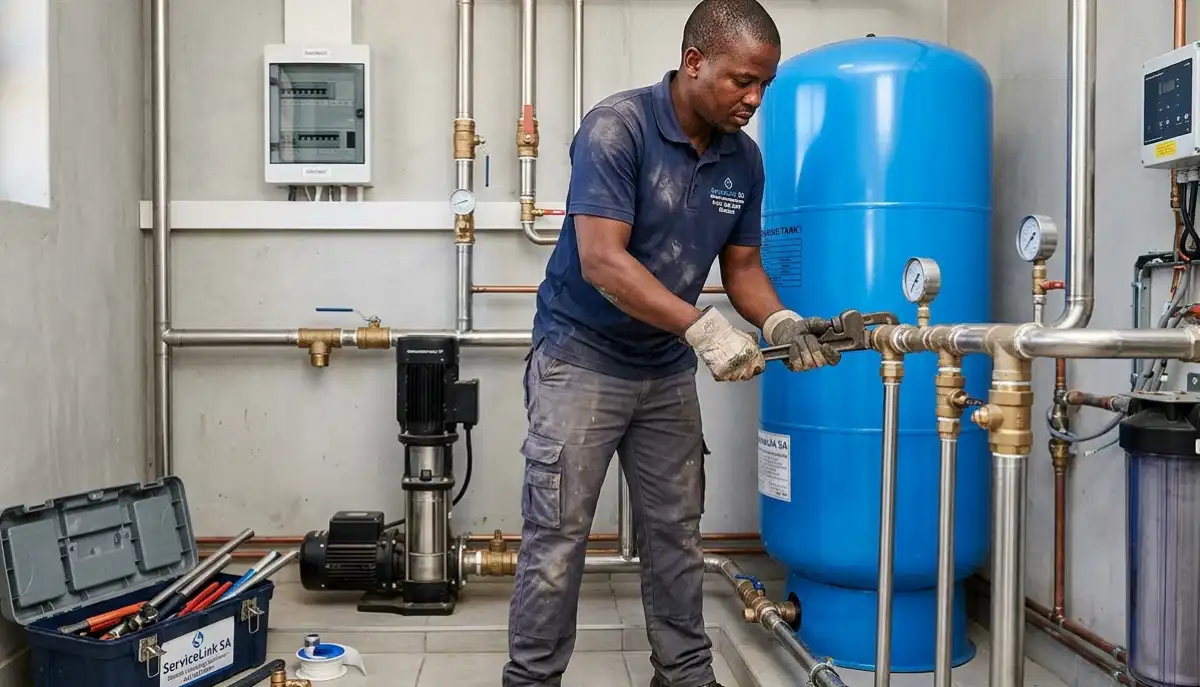
Understanding the fundamental difference between a booster pump vs pressure tank starts with knowing how each works:
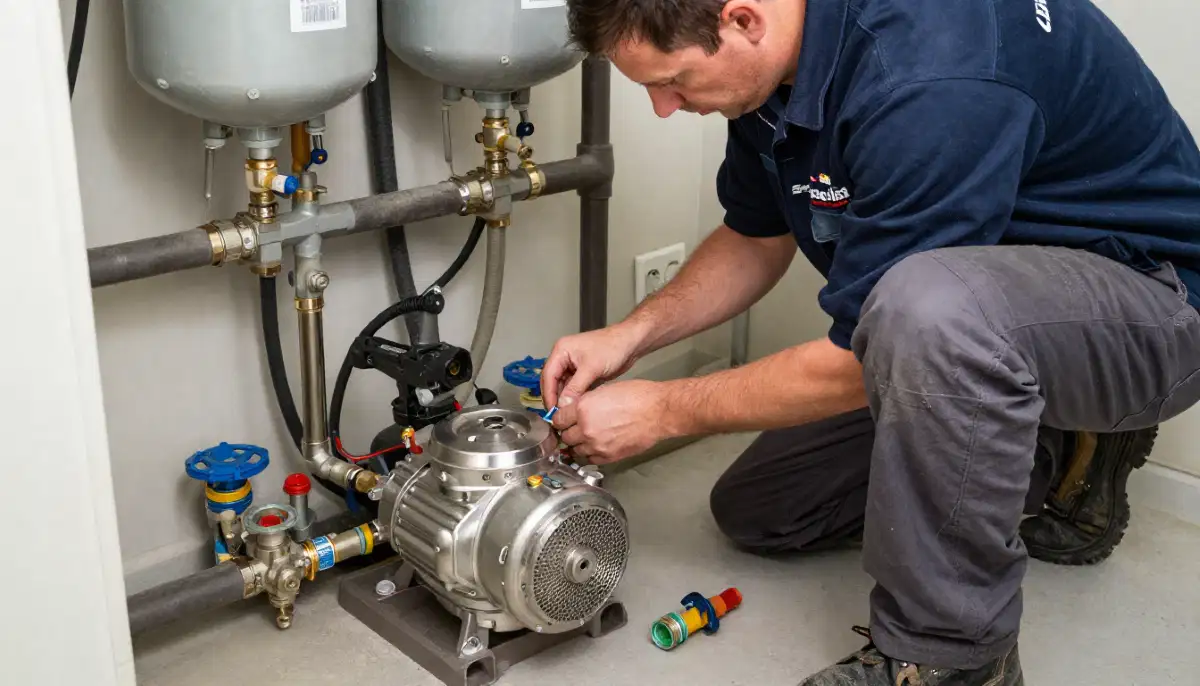
⚡ BOOSTER PUMP
What it does: Actively increases water pressure. It draws water from your main line, pressurises it, and sends it to your home at higher pressure.
When it runs: Activates when water flows (pressure drop) and runs continuously while water is being used.
Key components: Motor, impeller, pressure switch, sometimes a small tank.
🛢️ PRESSURE TANK
What it does: Stores pressurised water. It doesn’t create pressure—it maintains pressure provided by a pump or municipal supply.
When it works: Always pressurised. Delivers stored water when taps open, reducing pump starts.
Key components: Steel tank, internal bladder/diaphragm, air valve, pressure gauge.
The key distinction: A booster pump CREATES pressure. A pressure tank STORES pressure. They solve different problems—and often work best together.
Read our water pressure pump installation guide for more on pumps.
📊 Booster Pump vs Pressure Tank: Side-by-Side Comparison
Here’s how these two water pressure solution options compare across key factors:
| Factor | Booster Pump | Pressure Tank |
|---|---|---|
| Primary Function | Increases pressure | Stores pressurised water, reduces pump cycling |
| Does It Create Pressure? | ✅ Yes | ❌ No (maintains existing pressure) |
| Best For | Low incoming pressure (below 300 kPa) | Pump short-cycling, pressure fluctuations |
| Cost (Unit Only) | R2,000-R12,000 | R800-R3,000 |
| Installation Cost | R2,500-R5,000 | R1,000-R2,500 |
| Requires Electricity? | ✅ Yes (220-240V) | ❌ No (passive device) |
| Noise Level | Moderate to High (50-70 dB) | Silent |
| Energy Consumption | Uses electricity when running | None |
| Lifespan | 8-12 years | 10-15 years |
| Maintenance Required | Annual (strainer, seals) | Annual (air pressure check) |
For location-specific services, explore our plumbing services Gauteng and KwaZulu-Natal pages.
⚡ When You Need a Booster Pump
A booster pump is the right pressure pump or tank choice when:
- Incoming pressure is consistently below 300 kPa – Tested at your main line with a pressure gauge.
- Neighbours have the same low pressure – Indicates municipal supply issue.
- Pressure drops dramatically during peak usage – Showers weak when sprinklers are running.
- Your home is at a higher elevation than the main supply – Gravity reduces pressure.
- You’ve ruled out leaks and corroded pipes – A pump won’t fix internal plumbing problems.
Signs you DON’T need a booster pump:
- Pressure is fine but fluctuates (need pressure tank)
- Only one fixture has low pressure (localized issue)
- You have a hidden leak (fix the leak first)
- Your pipes are corroded (replace pipes first)
Read our how to increase water pressure guide for diagnostic steps before buying a pump.
💧 Confused About Pressure Solutions?
Get quotes from verified plumbers to determine whether you need a booster pump or pressure tank. Free inspections available.
Free quotes • Expert diagnosis • Verified specialists
🛢️ When You Need a Pressure Tank
A pressure tank is the right water pressure solution when:
- Your pump cycles on and off frequently – Short-cycling (on/off every few seconds) wears out pumps quickly.
- Pressure fluctuates when using water – Shower pressure pulses or surges.
- You already have a pump and want to extend its life – A tank reduces starts by 50-80%.
- You have a borehole or well point system – Tanks are essential for these systems.
- You want steady pressure without pump noise – Tank provides pressure for small water draws without starting the pump.
Signs you DON’T need a pressure tank:
- Your incoming pressure is low (need a booster pump, not a tank)
- You don’t have a pump (tank alone won’t increase pressure)
- Your pressure is consistently low everywhere (pump needed)
Read our low water pressure diagnosis guide for more.

🔄 Using Both Together: The Ideal System
In many cases, the booster pump vs pressure tank question isn’t “either/or”—it’s “both.”
Why they work better together:
- The pump provides the pressure boost you need
- The tank stores pressurised water, reducing pump cycling
- Reduced cycling extends pump life (50-80% fewer starts)
- Steadier pressure during use (no pressure drops when pump starts)
- Quiet operation for small water draws (tank supplies water without pump running)
How they work together: Pump fills the pressure tank. Tank delivers water when you open taps. When tank pressure drops, pump restarts to refill it. This cycle repeats, but the pump runs less frequently than without a tank.
Recommendation: If you’re installing a booster pump for low pressure, adding a pressure tank is highly recommended. The R800-R2,000 tank investment extends pump life and improves performance.
Read our water pressure pump installation guide for complete system setup.
💰 Cost Comparison
Here’s the full cost picture for which is better booster pump or pressure tank decisions:
| System | Unit Cost | Installation | Total | Annual Operating Cost |
|---|---|---|---|---|
| Pressure Tank Only | R800-R3,000 | R1,000-R2,500 | R1,800-R5,500 | R0 (no power) |
| Booster Pump Only | R2,000-R12,000 | R2,500-R5,000 | R4,500-R17,000 | R300-R800/year |
| Pump + Tank (Recommended) | R2,800-R15,000 | R3,000-R6,000 | R5,800-R21,000 | R300-R800/year |
Return on investment: A booster pump can increase property value and quality of life. A pressure tank extends pump life, saving replacement costs.
For complete pricing context, see our plumbing prices guide.
⚡ Energy Efficiency Comparison
Energy consumption differs significantly between options in the booster pump vs pressure tank debate:
- Pressure tank alone: Uses zero electricity. Only stores pressure from existing supply.
- Booster pump alone: Uses electricity when running. A 0.75 HP pump uses 550-750 watts. If it runs 4 hours/day = 2.2-3 kWh/day = R150-R200/month.
- Pump + tank together: Same electricity as pump alone, but pump runs less frequently due to tank storage. Can reduce energy use by 20-30% compared to pump alone.
Energy-saving tip: A pressure tank reduces pump starts by 50-80%, which not only saves energy but significantly extends pump life.
Read our benefits of choosing us guide for more on energy-efficient solutions.
🔧 Lifespan & Maintenance
Long-term considerations for your water pressure solution:
Pressure Tank:
- Lifespan: 10-15 years
- Maintenance: Check air pressure annually (should be 2-3 psi below pump cut-in pressure)
- Signs of failure: Waterlogged (feels heavy), pressure fluctuations, pump short-cycling
Booster Pump:
- Lifespan: 8-12 years with proper maintenance
- Maintenance: Clean inlet strainer annually, check for leaks, listen for unusual noises
- Signs of failure: No pressure, constant running, leaking seals, unusual noise
Read our home plumbing maintenance checklist for a complete schedule.
📋 Installation Requirements
Before choosing your pressure pump or tank, ensure your home can accommodate it:
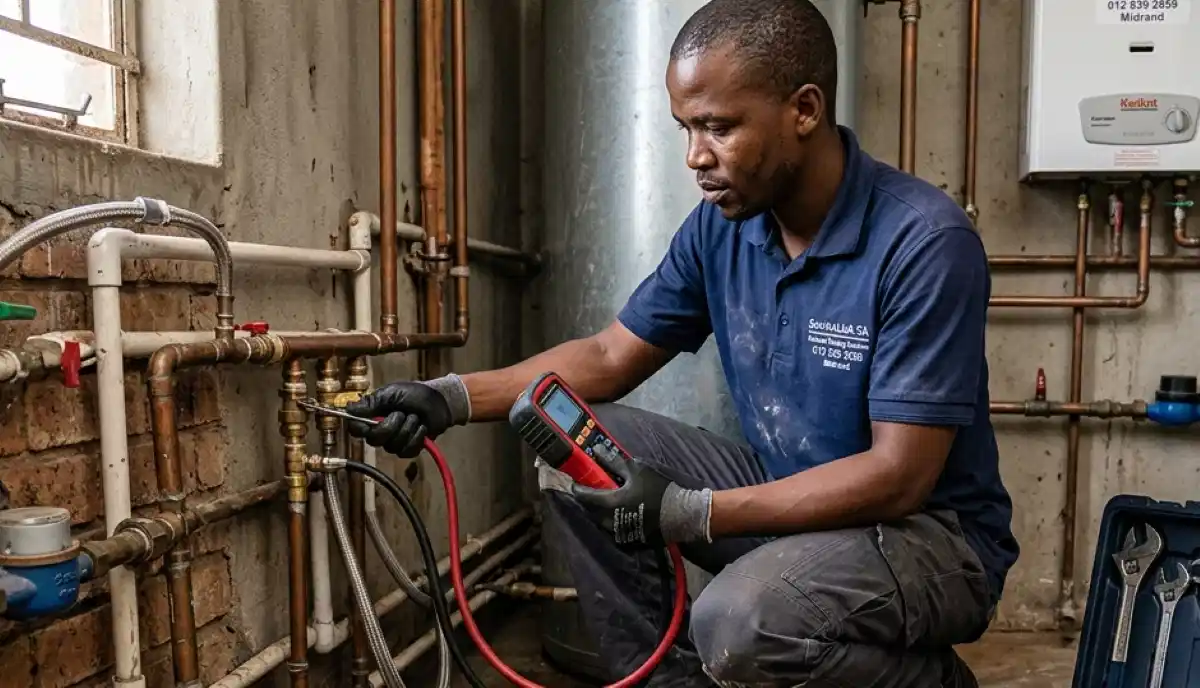
For a booster pump:
- Electrical outlet (220-240V, GFCI protected) nearby
- Space for pump (minimum 300mm clearance)
- Access to main water line (where it enters home)
- Isolation valves (for maintenance)
- Professional installation strongly recommended
For a pressure tank:
- Space near pump or main line (tanks are smaller than pumps)
- No electrical required (passive device)
- Can be DIY-installed (but professional is easier)
For professional installation, use our plumbing services network.
🤔 Decision Guide: Which One Do You Need?
Use this flow chart to decide which is better booster pump or pressure tank for your situation:
❓ Is your incoming water pressure below 300 kPa?
YES → You need a BOOSTER PUMP. A pressure tank alone won’t increase pressure. Consider adding a tank to protect the pump.
NO → Continue to next question.
❓ Does your pump cycle on and off frequently (every few seconds)?
YES → You need a PRESSURE TANK. A tank stores pressurised water, reducing pump starts and extending pump life.
NO → Your pressure may be fine, or you may need a different solution.
❓ Do you have a borehole or well point system?
YES → You need a PRESSURE TANK (essential for these systems). May also need a pump depending on pressure.
NO → Consider your specific symptoms.
❓ Do you want the best possible system with longest lifespan?
YES → Install BOTH a booster pump AND a pressure tank. This combination provides excellent pressure, steady flow, extended pump life, and quiet operation for small water draws.
For homes in Durban, Umhlanga, or Ballito with borehole systems, a pressure tank is often essential.
❌ 5 Costly Mistakes to Avoid
Mistake #1: Buying a Pressure Tank When You Need a Booster Pump
A pressure tank does NOT increase pressure. If your incoming pressure is low (below 300 kPa), a tank won’t help. You need a booster pump. Many homeowners waste money on tanks expecting pressure improvement.
Mistake #2: Buying a Booster Pump Without a Pressure Tank
A pump without a tank will short-cycle (turn on/off frequently), wearing out the pump prematurely. The R800-R2,000 tank investment pays for itself in extended pump life.
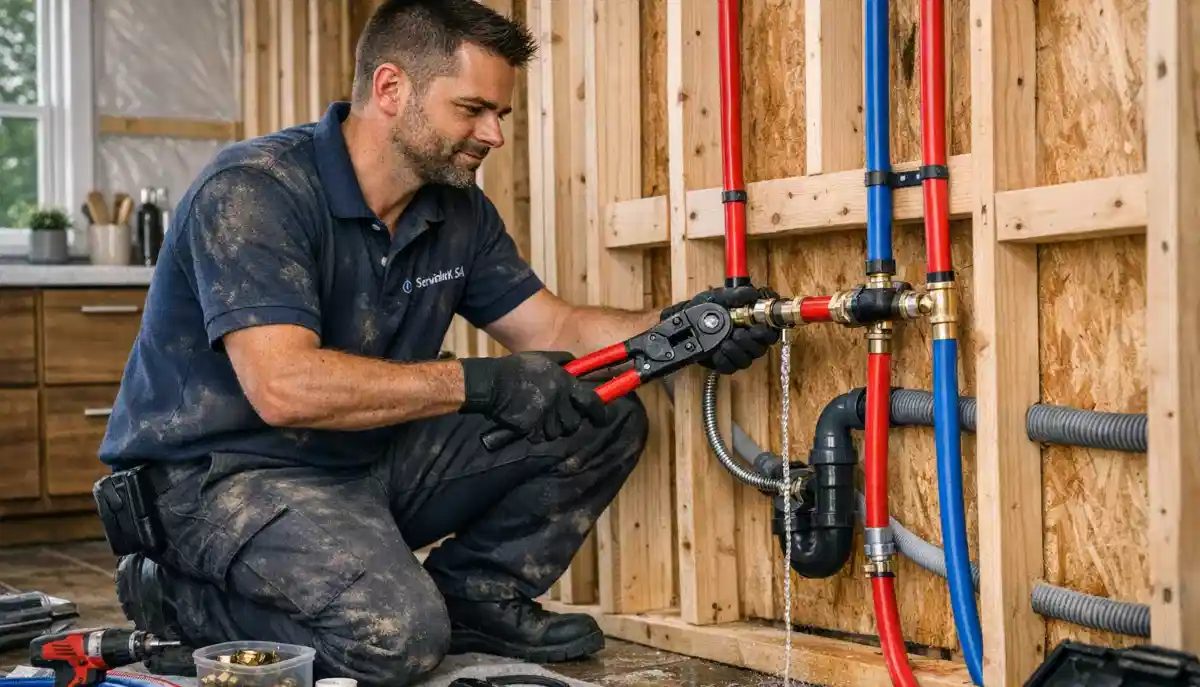
Mistake #3: Not Diagnosing the Real Problem First
A pump won’t fix hidden leaks or corroded pipes. Diagnose first—test pressure, check for leaks, inspect pipes. The wrong solution wastes money.
Mistake #4: DIY Installation Without Electrical Knowledge
Pumps require proper electrical connection (220-240V, GFCI). Incorrect wiring causes fires or electrocution. Use a qualified electrician.
Mistake #5: Never Checking Tank Air Pressure
Pressure tanks need annual air pressure checks. Low air pressure causes waterlogging, reducing tank effectiveness and causing pump short-cycling. Check annually—free and takes 2 minutes.
📋 Real-World Case Studies
⚡ Case 1: Booster Pump Only in Durban
Location: Durban | Homeowner: The Naidoo Family
Problem: Incoming pressure measured at 180 kPa. Neighbours had same issue. No leaks, pipes in good condition.
Solution: 0.75 HP booster pump installed (R8,500). Pressure increased to 550 kPa.
Outcome: Excellent pressure throughout home. No pressure tank added initially.
Lesson: For municipal low pressure, a booster pump alone works—but a tank would extend pump life.
Follow-up: Homeowner added pressure tank (R1,500) after 2 years when pump started short-cycling. Now runs perfectly.
🛢️ Case 2: Pressure Tank for Borehole System in Ballito
Location: Ballito | Homeowner: The Van Wyk Family
Problem: Borehole pump cycling on/off every 10 seconds. Pressure surging at taps.
Solution: Added 50L pressure tank (R2,200 installed).
Outcome: Pump now cycles every 2-3 minutes. Steady pressure at all taps. Pump lifespan extended significantly.
Lesson: A pressure tank is essential for borehole systems—reduces cycling and extends pump life.
❓ Frequently Asked Questions About Booster Pumps & Pressure Tanks
Which is better: booster pump or pressure tank for low water pressure?
Which is better booster pump or pressure tank for low pressure? A BOOSTER PUMP is the answer. A pressure tank does NOT increase pressure—it only stores pressurised water. If your incoming pressure is below 300 kPa, you need a booster pump. A pressure tank can be added to protect the pump and provide steadier pressure.
Do I need both a booster pump and a pressure tank?
For the best pressure system, YES. A booster pump increases pressure. A pressure tank stores pressurised water, reducing pump cycling (on/off frequency). Together, they provide excellent pressure, steady flow, extended pump life (50-80% fewer starts), and quiet operation. The R800-R2,000 tank investment pays for itself in extended pump life.
Can a pressure tank increase water pressure?
No—a pressure tank does NOT increase water pressure. It stores water at the same pressure as your incoming supply or pump output. If your pressure is low, a tank alone won’t help. You need a booster pump to increase pressure, then a tank to store that pressurised water.
How much does a booster pump cost in South Africa?
A booster pump costs R2,000-R12,000 for the unit depending on size (0.5 HP to 1.5 HP). Installation adds R2,500-R5,000. Total installed: R4,500-R17,000. A pressure tank adds R800-R3,000 for the unit plus R1,000-R2,500 installation. In Westville or Umhlanga, rates may vary.
Why does my pump keep cycling on and off?
Frequent pump cycling (on/off every few seconds) is usually caused by a failed or undersized pressure tank. The tank should store enough water to handle small draws without starting the pump. If the tank is waterlogged (no air pressure) or too small, the pump will short-cycle. Check tank air pressure—should be 2-3 psi below pump cut-in pressure.
What size pressure tank do I need?
For most homes, a 24L-50L pressure tank is sufficient. 24L for 1-2 bathrooms, 50L for 3+ bathrooms or large homes. For borehole systems, larger tanks (50L-100L) are often recommended. A professional can size based on your pump flow rate and household demand.
How long do pressure tanks last?
A quality pressure tank lasts 10-15 years. Lifespan depends on water quality, frequency of use, and maintenance. Annual air pressure checks (free, 2 minutes) extend life significantly. Signs of failure: waterlogged (feels heavy), pressure fluctuations, or pump short-cycling.
How do I find a reliable plumber for pressure system installation?
To find a reliable plumber for booster pump vs pressure tank installation: 1) Verify PIRB registration, 2) Ask for pump and tank installation experience, 3) Get detailed quotes, 4) Check reviews. ServiceLink SA connects you with verified plumbers in Gauteng and KwaZulu-Natal.
✅ Final Thoughts: Choose the Right Solution for Your Problem
The booster pump vs pressure tank decision comes down to understanding your specific problem. A booster pump INCREASES pressure. A pressure tank MAINTAINS pressure and reduces pump cycling. They solve different problems—and often work best together.
Key takeaways for South African homeowners:
- Low pressure (below 300 kPa): You need a BOOSTER PUMP
- Pump short-cycling or pressure fluctuations: You need a PRESSURE TANK
- Best system overall: Booster pump + pressure tank together
- A tank alone does NOT increase pressure – common misconception
- Pressure tank extends pump life by 50-80% fewer starts
- Professional installation recommended for pumps (electrical work)
- Annual maintenance – check tank air pressure, clean pump strainer
Your action plan: Test your water pressure with a gauge. If below 300 kPa, you need a booster pump. If you already have a pump that short-cycles, add a pressure tank. For the best results, install both together. Get quotes from 3 verified plumbers through ServiceLink SA.
💧 Confused About Pressure Solutions?
Get quotes from verified plumbers to determine whether you need a booster pump or pressure tank. Free inspections available.
📞 Call us: 073 138 4726 for immediate help finding a pressure specialist near you.
Increase water pressure •
Low pressure diagnosis •
Pump installation •
Municipal issues •
Beat Your Quote guarantee
📚 Official resources & standards referenced:
- Department of Water and Sanitation – Pressure system regulations and guidelines.
- SANS 10400 – Equipment standards for pumps and pressure vessels.
- Plumbing Industry Registration Board (PIRB) – Find registered pressure system installers.
Information provided for general guidance based on industry research and DWS/SANS standards. For specific booster pump vs pressure tank advice for your home, consult multiple verified plumbers.
Written by: ServiceLink SA Research Team
Water Pressure & Pump System Specialists
The ServiceLink SA Research Team comprises water pressure experts, pump installation specialists, and plumbing industry professionals with decades of experience helping homeowners navigate the booster pump vs pressure tank decision across South Africa. Our team works directly with PIRB-registered plumbers, pump manufacturers, and water authorities to bring you accurate, actionable information about which is better booster pump or pressure tank for different scenarios. We continuously update this guide to reflect current best practices, SANS standards, and real-world solutions for pressure pump or tank decisions.
For more information about water pressure and pump systems, explore our related resources:
increase water pressure guide,
low water pressure diagnosis guide,
water pressure pump installation guide,
municipal water pressure guide,
and booster pump vs pressure tank guide.
Our what is ServiceLink SA and
ServiceLink SA review pages explain our verification process.
See our service areas page for pressure system coverage in your region.