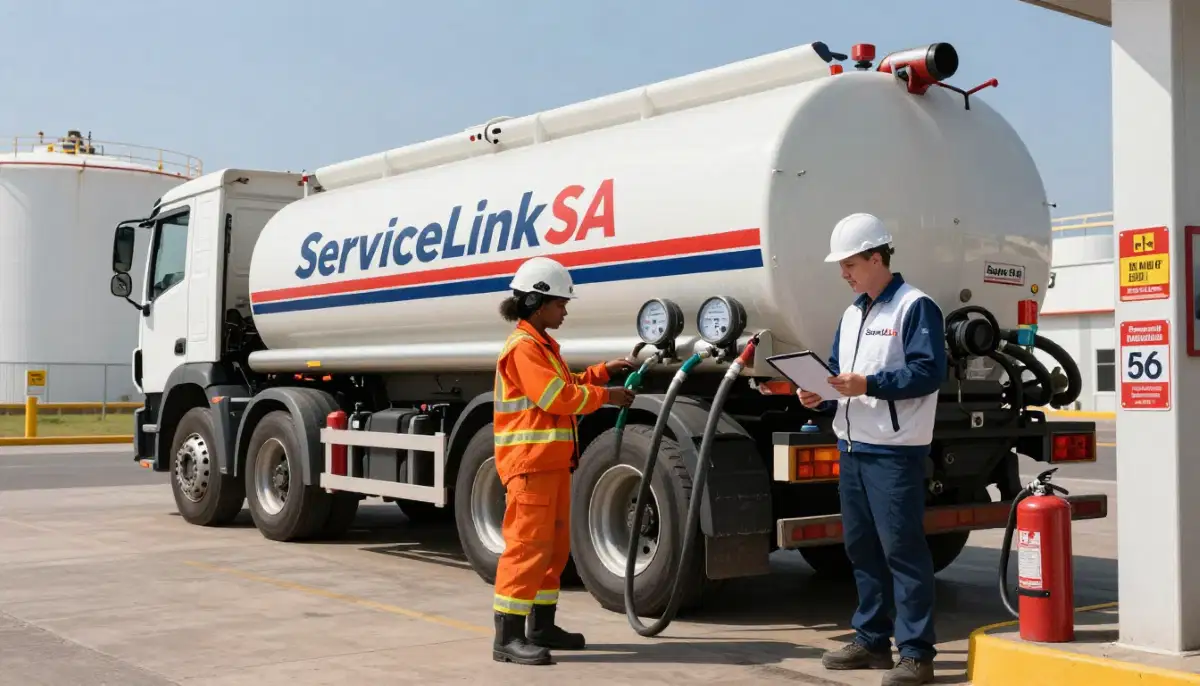
Keep Your Fleet Moving
Compare bulk petrol quotes from verified, accredited suppliers in your area. Get wholesale rates for your commercial fleet today.
Servicing Johannesburg, Pretoria, Cape Town, Durban, Polokwane, and across South Africa
Bulk Petrol Suppliers South Africa: Wholesale Fuel for Commercial Fleets
⛽ From delivery vans to taxi fleets—your complete guide to securing reliable, cost-effective commercial petrol supply
I’ll never forget the call I received from a fleet manager in Cape Town. It was a Monday morning, and 15 of his delivery vans were sitting idle. Not because of mechanical issues—because his petrol supplier had disappeared over the weekend. No warning. No phone call. Just an empty tanker that never showed up.
That single incident cost him over R80,000 in lost revenue and emergency fuel purchases. He learned the hard way what many South African businesses discover: not all bulk petrol suppliers South Africa are created equal.
Whether you run a delivery fleet in Durban, a taxi operation in Pretoria, or a car rental business in Johannesburg, finding reliable wholesale petrol supply is essential to your operations. But with price volatility, varying quality standards, and the risk of unreliable distributors, how do you choose the right partner?
This comprehensive guide will walk you through everything you need to know about securing commercial petrol delivery in South Africa. We’ll cover how to identify accredited suppliers, negotiate better rates, understand pricing structures, and avoid common pitfalls. For more detailed cost information, read our guide on bulk fuel supply costs in South Africa.
Ready to find where to buy bulk petrol for business in South Africa from trusted suppliers? Let’s dive in.
📋 Table of Contents – Bulk Petrol Supplier Guide
⚠️ Why Your Choice of Bulk Petrol Supplier Matters More Than You Think
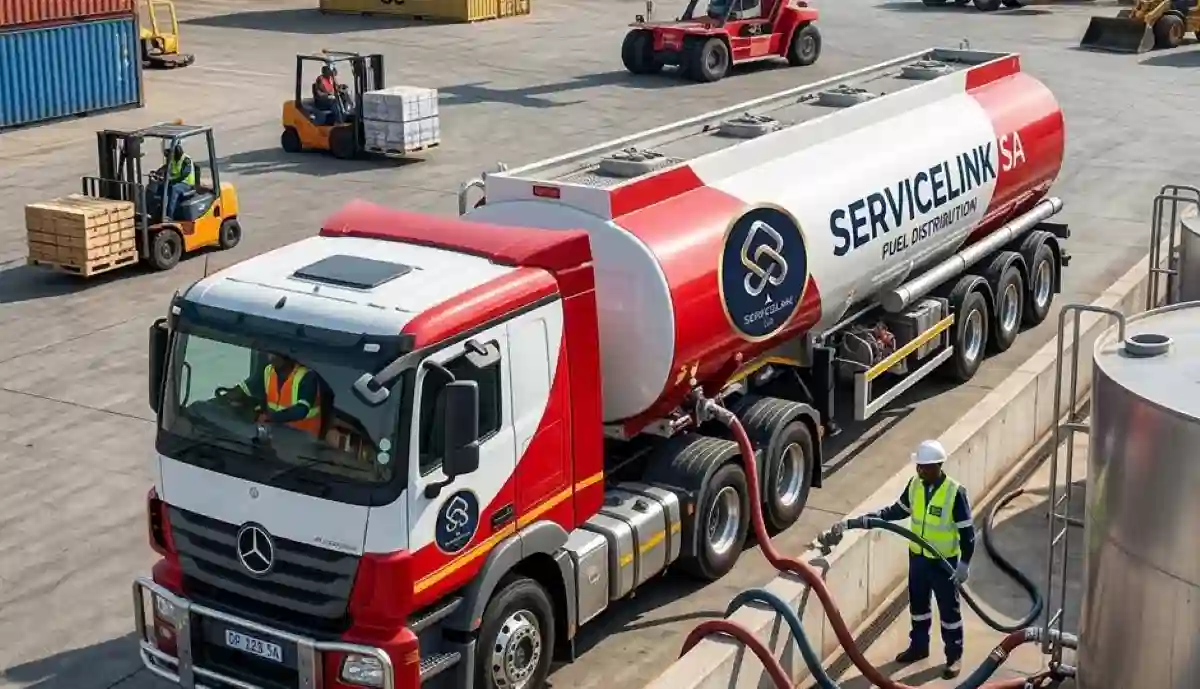
Petrol powers South Africa’s commercial fleets—delivery vans, taxis, courier services, car rentals, and more. When your petrol supply fails, your business stops moving.
⚠️ Warning: The High Cost of Choosing the Wrong Petrol Supplier
Fleet operators who switch from retail to wholesale petrol supply typically save 10-15% on fuel costs. Those who choose unaccredited suppliers risk contaminated fuel, engine damage, and legal penalties that can reach hundreds of thousands of rands.
Risks of choosing an unreliable or unaccredited petrol distributor:
- Contaminated fuel: Adulterated petrol can destroy fuel injectors and engines. Repair costs often exceed R50,000 per vehicle.
- Supply interruptions: Running out of petrol means idle vehicles, missed deliveries, and unhappy customers.
- Price manipulation: Without transparent pricing, dishonest suppliers can inflate margins without warning.
- Compliance violations: Unaccredited suppliers may not follow SANS 1598 (petrol quality standards) or DMRE regulations.
- Metering fraud: Some unscrupulous suppliers tamper with meters to short-deliver.
- No recourse: When problems arise, fly-by-night suppliers simply disappear.
A proper petrol distributor with DMRE licensing protects your fleet, your uptime, and your legal standing. For more on fuel quality standards, read about fuel storage regulations (many principles apply to petrol too).
✅ What Makes an Accredited Petrol Distributor?
Not every company selling petrol is a legitimate wholesale petrol supply partner. Here’s what separates the professionals from the amateurs:
Essential credentials of an accredited petrol distributor:
- DMRE licensing: The Department of Mineral Resources and Energy licenses all legitimate fuel suppliers. Ask for their license number and verify it at DMRE – Fuel licensing.
- Sasol or major oil company relationship: Reputable suppliers source from major refineries like Sasol, which maintains strict Sasol – Fuel quality standards.
- SAQA-qualified staff: The South African Qualifications Authority oversees fuel handling qualifications. See SAQA – Fuel handling qualifications.
- SANS 1598 compliance: Petrol must meet South African National Standard 1598 for quality and specifications.
- Valid transport permits: For delivery services, tanker operators need dangerous goods permits.
- Public liability insurance: Protects you if delivery damages your property or causes environmental harm.
- Established track record: Years of operation and verifiable fleet client references.
Why accreditation matters: An accredited petrol distributor guarantees fuel quality, accurate metering, legal compliance, and professional conduct. Unaccredited suppliers often cut corners—and those corners can cost you dearly.
ServiceLink SA verifies supplier credentials during our contractor screening process. Learn how we verify fuel suppliers.
🚩 7 Red Flags of Unreliable Petrol Suppliers (Avoid at All Costs!)
When searching for bulk petrol suppliers South Africa has to offer, watch out for these warning signs:
- Can’t provide a valid DMRE license: Operating without a license is illegal. Report them and run away.
- Cash-only or untraceable payments: Legitimate suppliers accept EFT, business cheques, or credit. Cash-only often means tax evasion or fraud.
- Prices significantly below wholesale market: If it sounds too good to be true, it probably is. Adulterated fuel with ethanol or other contaminants is common.
- No physical depot or business address: A cellphone number isn’t enough. Visit their depot before signing anything.
- Refuses written contracts or quality guarantees: Verbal agreements only? That’s a huge red flag. Always get written terms.
- No verifiable fleet client references: Legitimate suppliers happily provide references from other fleet operators. Scammers cannot.
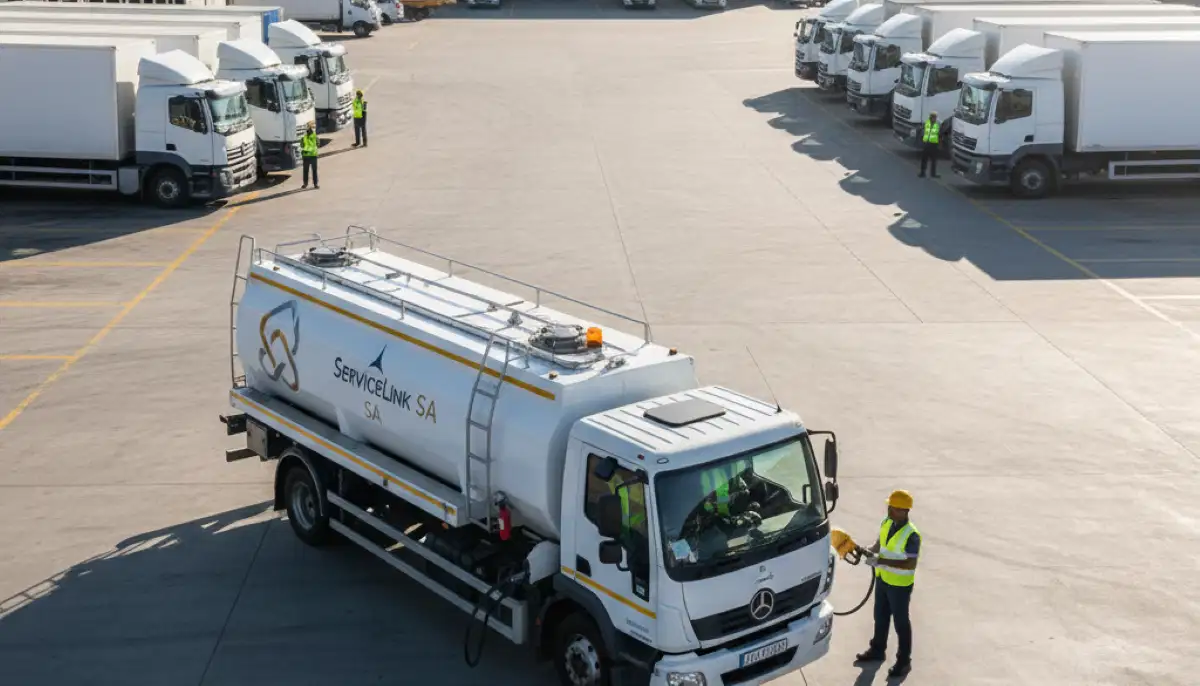
- Unmarked delivery vehicles: Professional suppliers maintain clean, branded fleets with proper hazardous materials signage.
For more scam prevention, read how to avoid contractor scams—many principles apply to fuel suppliers too.
🔍 Where to Find the Best Bulk Petrol Suppliers Near You
Finding reliable wholesale petrol supply partners requires knowing where to look—and where to avoid.
Best methods (recommended):
- ServiceLink SA: Our platform connects you with verified, accredited bulk petrol suppliers. Free quotes, verified credentials, and transparent pricing. Get quotes from bulk petrol suppliers near you.
- DMRE official register: The Department of Mineral Resources and Energy maintains a register of licensed fuel suppliers. Check DMRE – Fuel licensing.
- Major oil company direct programs: Sasol, BP, Shell, and others have direct commercial supply programs for fleets.
- Industry associations: SAPIA (South African Petroleum Industry Association) members are typically reputable.
- Personal referrals from other fleet operators: Ask fellow fleet managers in your area. But still verify credentials yourself.
Methods to avoid or use with extreme caution:
- Social media classifieds (Facebook Marketplace, WhatsApp groups): Very high scam risk. Avoid for bulk petrol purchasing.
- Unverified online directories: Basic listings with no credential checks. Use only to find names, then verify independently.
- Cold callers offering “special deals”: Legitimate suppliers don’t typically cold-call offering below-market prices.
For a complete list of service categories we cover, see our bulk fuel supply services page.
Ready to Find Accredited Bulk Petrol Suppliers?
ServiceLink SA connects you with verified, DMRE-licensed suppliers. Get free quotes from local specialists today.
Compare wholesale petrol supply contracts from accredited suppliers in your area.
📋 How to Verify a Petrol Distributor (6 Critical Checks Before Buying)
Before committing to any commercial petrol delivery agreement, run through this verification checklist:
- Verify DMRE license: Ask for their DMRE license number. Contact the DMRE to confirm it’s valid and current. DMRE – Fuel licensing.
- Check Sasol or major oil company relationship: Ask who their refinery supplier is. Reputable distributors work with major refiners like Sasol. See Sasol – Fuel quality standards.
- Verify staff qualifications: Ask about SAQA-accredited fuel handling training. See SAQA – Fuel handling qualifications.
- Request fuel quality certificates: Ask for SANS 1598 compliance certificates for each batch if possible.
- Check fleet client references: Ask for at least 3 recent commercial fleet clients. Call them. Ask about reliability, fuel quality, and pricing transparency.
- Visit their fuel depot: Legitimate suppliers have physical depots with proper storage, safety measures, and environmental controls.
For more detailed verification guidance, read how to verify a contractor (principles apply to fuel suppliers too).
💰 Bulk Petrol Pricing Guide (What You’ll Pay in South Africa)
Understanding wholesale petrol supply pricing helps you negotiate better and spot unfair deals. Here’s what affects pricing:
| Pricing Factor | Impact on Price | What You Should Know |
|---|---|---|
| Volume purchased (litres/month) | High impact | 30,000L+ monthly typically qualifies for wholesale rates. 100,000L+ gets best rates. |
| Contract length | Medium impact | 12-24 month contracts often secure better pricing than spot purchases. |
| Delivery location | Medium impact | Remote sites cost more. Gauteng has most competitive pricing due to proximity to depots. |
| Petrol grade (93 vs 95 octane) | Low impact | 95 octane typically costs 10-15c/L more than 93 octane. |
| Payment terms | Low impact | COD typically cheapest. 30-60 day terms may add 1-3%. |
| Delivery frequency | Low impact | More frequent deliveries increase logistics costs. |
Realistic pricing example (for reference): A delivery fleet in Durban purchasing 60,000 litres monthly of 95 octane petrol might pay wholesale rates approximately 10-15% below retail forecourt prices. Actual prices vary based on global oil prices, exchange rates, and DMRE adjustments.
💡 Key Takeaway: The difference between retail and wholesale petrol can save a medium-sized fleet R30,000-R80,000+ monthly. That’s why finding the right bulk petrol suppliers South Africa offers is so critical.
For current pricing trends, read bulk fuel supply costs in South Africa.

🤝 How to Negotiate Better Wholesale Petrol Prices
Armed with the right information, you can negotiate better terms with wholesale petrol supply partners. Here’s how:
Negotiation strategies that work:
- Get multiple quotes: Always get quotes from at least 3-5 suppliers. Use them as leverage.
- Commit to volume: Higher volume commitments typically secure better per-litre pricing.
- Ask for index-based pricing: Contracts tied to the Basic Fuel Price (BFP) plus a fixed margin are common and fair.
- Negotiate delivery fees: For regular deliveries, ask for waived or reduced delivery charges.
- Consider longer contracts: 24-month contracts often secure better rates than 12-month.
- Ask about loyalty programs: Some suppliers offer additional discounts or rebates for long-term relationships.
- Bundle with other fuels: If you also need diesel for generators or other equipment, negotiate combined volume discounts.
What to never compromise on: Fuel quality, DMRE compliance, accurate metering, and written contracts. The cheapest price isn’t always the best value if quality or reliability suffers.
For help comparing quotes, read how to compare contractor quotes (principles apply to fuel supply contracts too).
🔄 Bulk Petrol vs Diesel: Key Differences for Fleet Managers
If you manage a mixed fleet, understanding the differences between petrol and diesel supply is essential.
| Factor | Bulk Petrol | Bulk Diesel |
|---|---|---|
| Typical fleet vehicles | Petrol cars, small vans, taxis, bakkies | Trucks, buses, heavy equipment, generators |
| Wholesale price | Typically higher per litre than diesel | Typically lower per litre than petrol |
| Storage requirements | More volatile, stricter safety requirements | Less volatile, slightly more forgiving |
| Typical contract volume | 30,000L+ monthly for best rates | 20,000L+ monthly for best rates |
| Main suppliers | Sasol, BP, Shell, Engen, Total | Same major players plus independent distributors |
For diesel-specific information, read our guide on bulk diesel suppliers in South Africa. For fleet fueling solutions, see fleet fueling solutions.
📝 Essential Elements of a Petrol Supply Contract
A proper fuel supply agreement protects both parties. Ensure your contract includes:
Must-have contract clauses for commercial petrol delivery:
- Pricing mechanism: How prices are calculated (BFP + margin, fixed price, or index-based).
- Volume commitments: Minimum and maximum monthly volumes.
- Delivery terms: Frequency, lead times, delivery window specifications.
- Quality specifications: Reference to SANS 1598 and specific petrol grade (93 or 95 octane).
- Payment terms: Due dates, acceptable payment methods, late payment penalties.
- Term and termination: Contract duration and exit clauses.
- Force majeure: What happens in case of supply disruptions.
- Dispute resolution: How disagreements will be handled.
- Environmental compliance: Supplier responsibility for spill containment and environmental damage.
⚠️ Important Warning
Never sign a petrol supply contract without legal review. A R100,000 monthly petrol bill means a 12-month contract is worth R1.2 million. That’s absolutely worth paying a lawyer to review.
For more on fuel contracts, read fuel supply contracts in South Africa.
❓ Frequently Asked Questions About Bulk Petrol Suppliers
Where can I buy bulk petrol for my business in South Africa?
To find where to buy bulk petrol for business in South Africa, use ServiceLink SA to connect with verified, DMRE-licensed suppliers. Major oil companies (Sasol, BP, Shell, Engen) also have direct commercial programs. Always verify credentials and get written contracts before committing.
What’s the difference between a petrol distributor and a fuel depot?
A petrol distributor is a company licensed to sell and deliver petrol to commercial customers. A fuel depot is a physical storage facility where fuel is kept before distribution. Many distributors operate from depots. Both should be DMRE-licensed.
How much can I save with wholesale petrol vs retail?
Commercial fleets switching from retail to wholesale petrol supply typically save 10-15% on fuel costs. For a fleet using 40,000 litres monthly, that’s R40,000-R60,000+ savings per month. The exact savings depend on volume, location, and contract terms.
What is SANS 1598 and why does it matter?
SANS 1598 is the South African National Standard for petrol quality. It specifies requirements for octane ratings, volatility, sulphur content, and other parameters. Commercial petrol delivery from accredited suppliers must comply with SANS 1598. Non-compliance can damage engines and violate regulations.
Do bulk petrol suppliers deliver to remote areas?
Most major bulk petrol suppliers South Africa deliver to major metropolitan areas (Gauteng, Cape Town, Durban, Port Elizabeth, Bloemfontein, Polokwane). Remote areas may have fewer options and higher delivery fees. Check our service areas for coverage in your region.
What documents should I request from a petrol distributor?
Request their DMRE license, SARS tax clearance certificate, public liability insurance certificate, SANS 1598 compliance certificates, proof of major oil supplier relationship, and at least three fleet client references. A legitimate petrol distributor will provide these without hesitation.
What’s the minimum volume for wholesale petrol supply?
Most wholesale petrol supply contracts require minimum monthly volumes of 20,000-30,000 litres. Smaller fleets may pay higher per-litre rates or work with smaller local distributors. Some suppliers offer shared depot arrangements for smaller customers.
What happens if my bulk petrol supplier delivers contaminated fuel?
Your contract should specify quality guarantees and remedies. Accredited suppliers carry liability insurance for this scenario. Document the issue, stop using the fuel immediately, get independent laboratory testing, and contact the supplier and DMRE. For ongoing protection, implement regular fuel quality testing and sampling.
✅ Final Thoughts: Choose Your Bulk Petrol Supplier Wisely
Your choice of bulk petrol suppliers South Africa directly impacts your fleet’s operating costs, vehicle reliability, and business continuity. The wrong supplier can mean contaminated fuel, unexpected downtime, and legal headaches. The right supplier becomes a strategic partner in your success.
Key takeaways from this guide:
- Always verify DMRE licensing, major oil supplier relationships, and SANS 1598 quality standards
- Watch for red flags: cash-only, no physical depot, prices too good to be true
- Get multiple quotes and compare transparently
- Never sign a fuel supply contract without legal review
- Use ServiceLink SA to connect with verified, accredited suppliers
- Wholesale petrol typically saves 10-15% compared to retail
- Volume commitments and longer contracts usually secure better rates
- Mixed fleets need both petrol and diesel supply strategies
Your action plan: Use ServiceLink SA to request quotes from verified bulk petrol suppliers in your area. Compare their credentials, pricing structures, and contract terms. Choose an accredited partner who prioritizes quality and reliability. Then watch your fuel costs drop while your fleet keeps moving.
Ready to Find the Best Bulk Petrol Supplier for Your Fleet?
ServiceLink SA connects you with verified, DMRE-licensed suppliers. Get free quotes from local specialists today.
📞 Call us: 073 138 4726 for immediate help finding bulk petrol suppliers near you.
Diesel Delivery •
Emergency Fuel Delivery •
Fleet Fueling Solutions •
Generator Fuel Services •
Fuel Tank Installation
📚 Official resources & standards referenced:
- DMRE – Department of Mineral Resources and Energy – Official fuel supplier licensing and Basic Fuel Price information.
- Sasol – Fuel quality standards – Major refinery quality specifications for petrol.
- SAQA – Fuel handling qualifications – Official qualifications for fuel handling professionals.
- SABS – South African Bureau of Standards – SANS 1598 petrol quality standards.
Information provided for general guidance based on independent research and official sources. Fuel prices and regulations change frequently. Always verify current requirements directly with DMRE and relevant authorities.
Written by: ServiceLink SA Research Team
Fuel Supply & Commercial Fleet Specialists
The ServiceLink SA Research Team combines expertise from petroleum economics, fleet management, and contractor verification. Our analysts track DMRE fuel price trends, monitor wholesale petrol market dynamics, and maintain relationships with accredited suppliers across South Africa. This guide draws on primary research, official DMRE data, Sasol quality standards, and direct interviews with commercial fleet operators in delivery, taxi, and logistics sectors. Our mission is to help South African businesses find reliable, cost-effective petrol supply solutions while avoiding common pitfalls in the wholesale fuel market.
For more information about bulk fuel supply, explore our related resources: how to choose a bulk fuel supplier, bulk fuel supply costs, diesel delivery services, bulk diesel storage regulations, and fleet fueling solutions. See our location-specific guides for Johannesburg, Pretoria, Durban, Cape Town, and Polokwane.