Fleet Fueling Solutions South Africa: Optimize Your Transport Operations
⛽ From overnight refuelling to multi-depot contracts—maximize uptime and minimize costs for your commercial fleet.
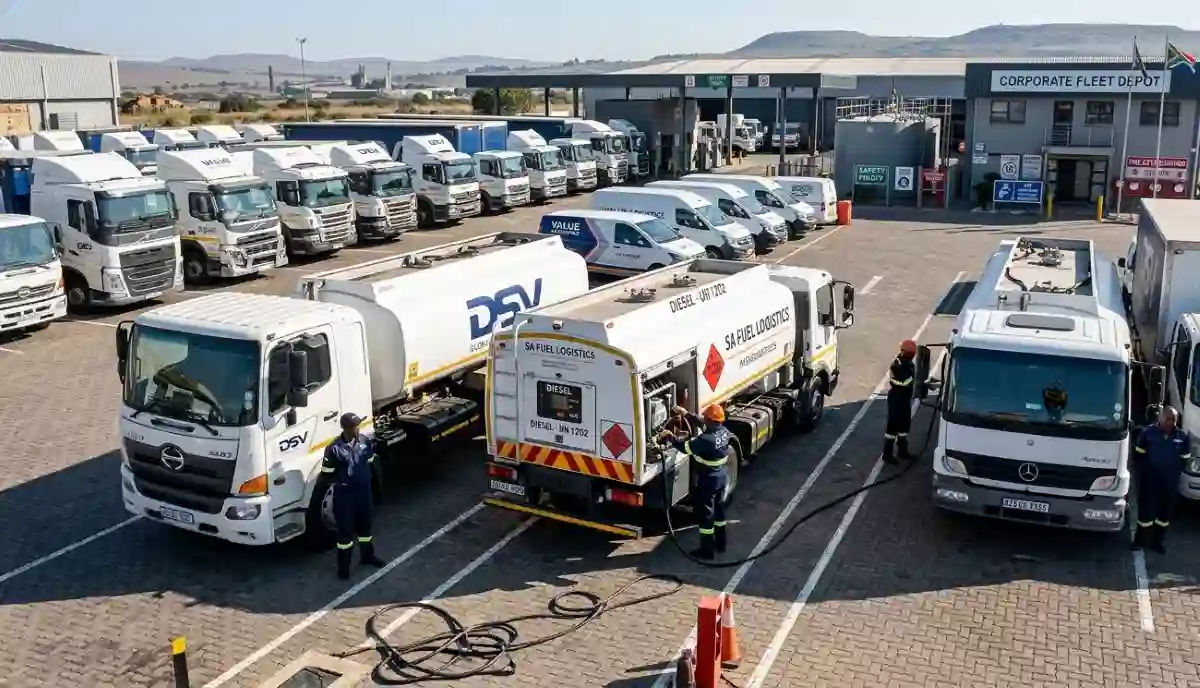
If you operate a transport company in Johannesburg, manage a courier fleet in Durban, or run long-haul trucks from Cape Town to Mbombela, you know that fuel is your single largest variable cost. But it’s not just about the price per litre—it’s about how you manage the entire fueling process. Efficient fleet fueling solutions South Africa can mean the difference between razor-thin margins and healthy profitability.
This comprehensive guide explores every aspect of commercial fleet fueling. We’ll compare fuel card vs wet fueling models, explain the benefits of night-time fleet refuelling services, and show how wet hosing and depot bypass strategies can transform your logistics. We’ll also dive into the technology that makes it all possible, from fuel management for logistics fleets to telemetry and reconciliation. For a deeper understanding of the delivery mechanics, see our diesel delivery services page.
Ready to optimize your fleet’s fuel strategy? Explore our Services Overview or visit our main Bulk Fuel Supply page. For more on our approach, see How It Works.
Optimize Your Fleet Fueling Today
Get free, no-obligation quotes from specialized fleet fueling providers. Compare solutions and start saving.
Servicing Johannesburg, Pretoria, Durban, Cape Town, and all major logistics hubs
📋 Table of Contents – Fleet Fueling Guide
📊 Why Your Fleet Fueling Strategy Directly Impacts Profitability
For transport and logistics companies, fuel isn’t just an expense—it’s the lifeblood of operations. A poorly managed fueling strategy leads to hidden costs, inefficiencies, and lost revenue. Here’s why getting it right matters.
- Fuel Theft (Wet Hosing): Without proper controls, fuel can be siphoned from trucks or discrepancies in deliveries can occur. A robust fuel management for logistics fleets system with RFID controls and metered dispensing prevents this.
- Driver Wasted Time: Sending drivers to find commercial fueling stations during peak hours costs money in lost driving time and wages. Night-time fleet refuelling services at your depot solve this.
- Price Volatility: Relying on retail pumps exposes you to daily price fluctuations. Contract pricing and bulk storage at your depot lock in predictable costs.
- Administrative Burden: Reconciling dozens of fuel receipts from multiple drivers and locations is a nightmare. Integrated solutions automate this, providing clear mileage reconciliation data.
Read more about our commitment to efficiency on our About Us page and see why clients choose us on Benefits of Choosing Us.
💳 Fuel Card vs Wet Fueling: A Detailed Comparison
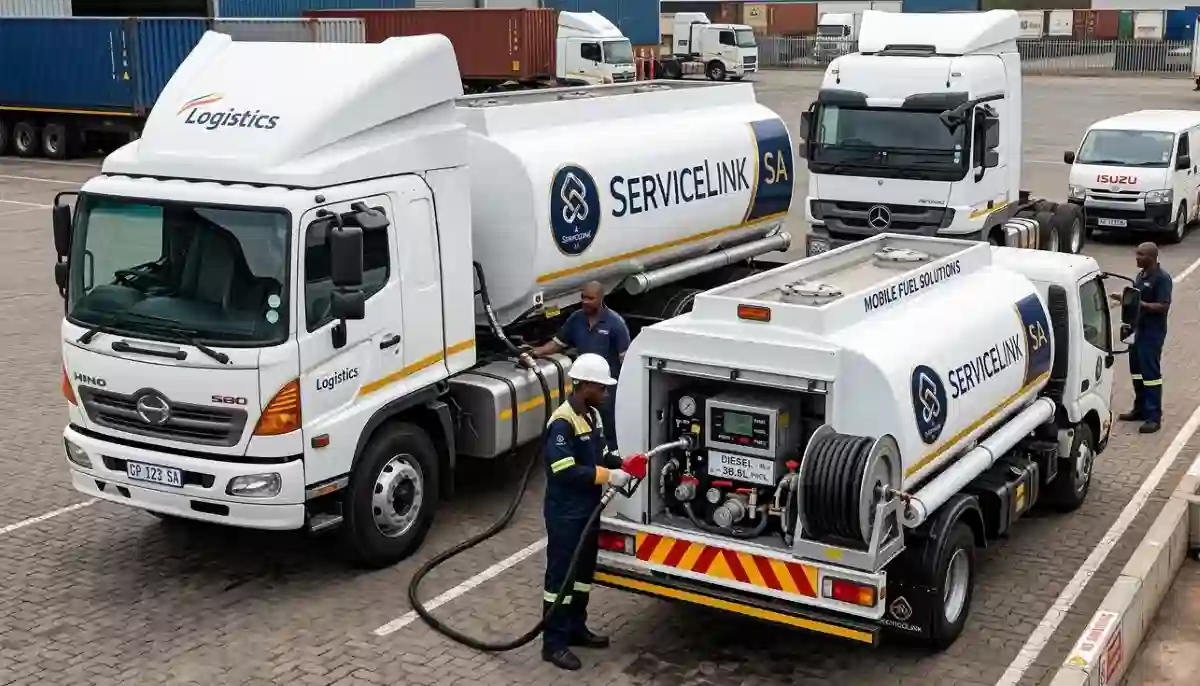
One of the first decisions fleet operators face is whether to use fuel cards or implement a wet fueling (on-site) solution. Both have their place, and many larger operations use a hybrid approach.
| Feature | Fuel Card Model | Wet Fueling (On-Site) Model |
|---|---|---|
| How It Works | Drivers use a dedicated card at partner retail stations. Transactions are tracked and billed centrally. | Fuel is delivered in bulk to your depot storage. Trucks are refueled on-site, often overnight by a dedicated diesel delivery service. |
| Pros | Nationwide coverage, detailed transaction data per driver/vehicle, no capital outlay for storage. | Lower per-litre cost (bulk pricing), total control over fuel quality, eliminates driver detours, reduces theft risk. |
| Cons | Retail price (higher than bulk), driver time wasted finding stations, potential for card misuse. | Requires tank installation and maintenance, needs secure depot access, upfront investment. |
| Best For | Long-haul fleets, smaller operators without depot facilities, occasional drivers. | Return-to-base fleets (couriers, delivery vehicles, buses), large depots, companies with multi-depot fuel supply contracts. |
Many of our clients in Kempton Park and Rustenburg find that a hybrid model works best: on-site fueling for their home base and fuel cards for long-haul trips.
🌙 The Power of Night-Time Fleet Refuelling Services
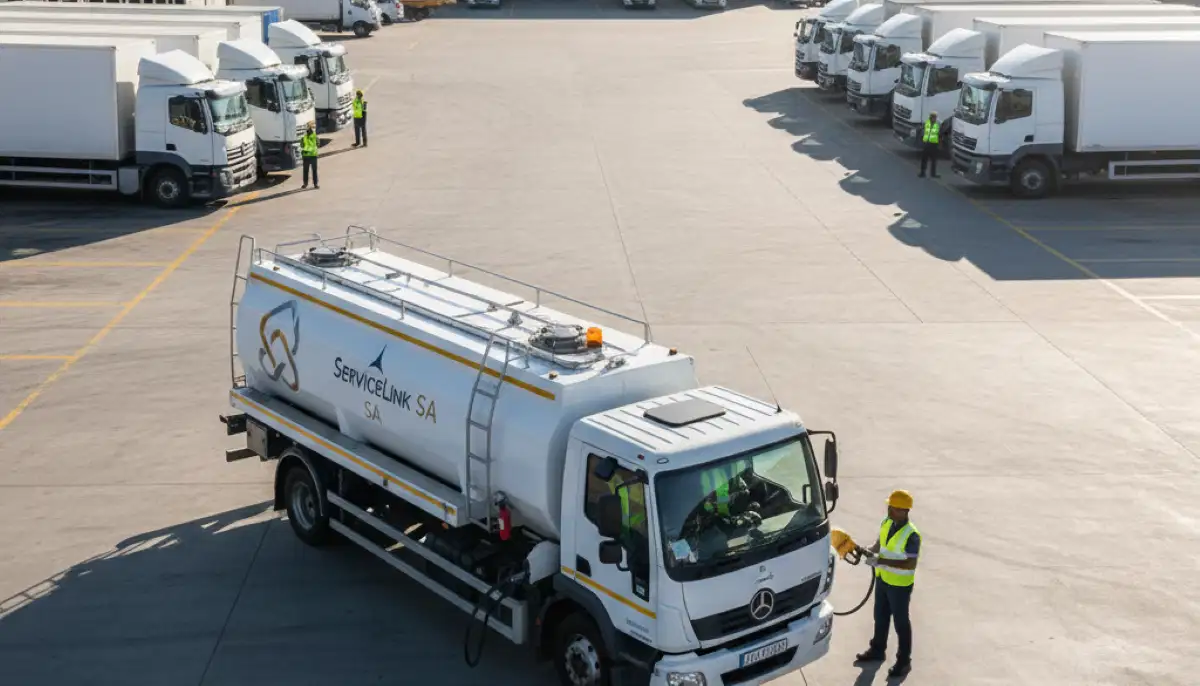
Imagine this: your drivers arrive at the depot, park their trucks, and go home. Overnight, a dedicated fueling team arrives, refuels every vehicle, and performs basic checks. By morning, every truck is full and ready to roll. This is the reality of night-time fleet refuelling services.
The benefits are transformative for logistics operations in busy hubs like Johannesburg and Durban:
- Maximum Uptime: Trucks are fueled during off-hours, so they’re ready for dispatch the moment drivers arrive. No more morning queues at the pump.
- Driver Efficiency: Drivers focus on driving, not fueling. Their clock starts when they hit the road.
- Security: Refueling is performed by trained personnel in a controlled environment, minimizing the risk of theft or accidents.
- Depot Bypass: For long-haul trucks passing through, we can arrange depot bypass fueling, where they are met at a designated point, fueled quickly, and sent on their way without entering the main depot.
This service is part of our comprehensive fleet fueling solutions offering.
🏢 Managing Multi-Depot Fuel Supply Contracts
For logistics companies with multiple depots across the country—say, a hub in Cape Town, another in George, and a main base in Pietermaritzburg—managing fuel supply can become a logistical nightmare. This is where a coordinated multi-depot fuel supply contract adds immense value.
A single contract covering all your locations offers several advantages:
- Unified Pricing: Leverage your total volume to negotiate better rates across all sites.
- Centralized Billing: Receive one invoice, one report, for all fuel consumed nationwide. This simplifies accounting and mileage reconciliation.
- Consistent Quality: Ensure the same fuel quality standards (SANS 342) at every depot, protecting your engines.
- Local Expertise: While the contract is central, delivery is local. We coordinate with local teams to ensure each depot’s unique needs—like access hours, volume, and security—are met.
For companies operating cross-border, we also assist with cross-border fuel transport permits and compliance.
📱 Technology: The Brain Behind Modern Fleet Fueling
Modern fleet fueling is driven by data. Without it, you’re flying blind. Integrating your fueling with a fuel management system provides real-time visibility and control.
- RFID/Vehicle Recognition: Fuel is only released to authorized vehicles, preventing unauthorized use.
- Real-Time Monitoring: See fuel levels in your storage tanks via telemetry. Get alerts for low stock or unusual dispensing patterns.
- Automated Reconciliation: The system matches fuel drawn to vehicle mileage, instantly flagging discrepancies that could indicate theft or inefficiency.
- Integration with Telematics: Combine fuel data with GPS tracking from providers like C-track to get a complete picture of vehicle performance and driver behavior.
- Cloud-Based Reporting: Access reports on fuel consumption, cost per kilometer, and driver performance from anywhere, anytime.
This level of control is essential for transport company fuel supply optimization. Our fuel management systems page dives deeper into the available technology.
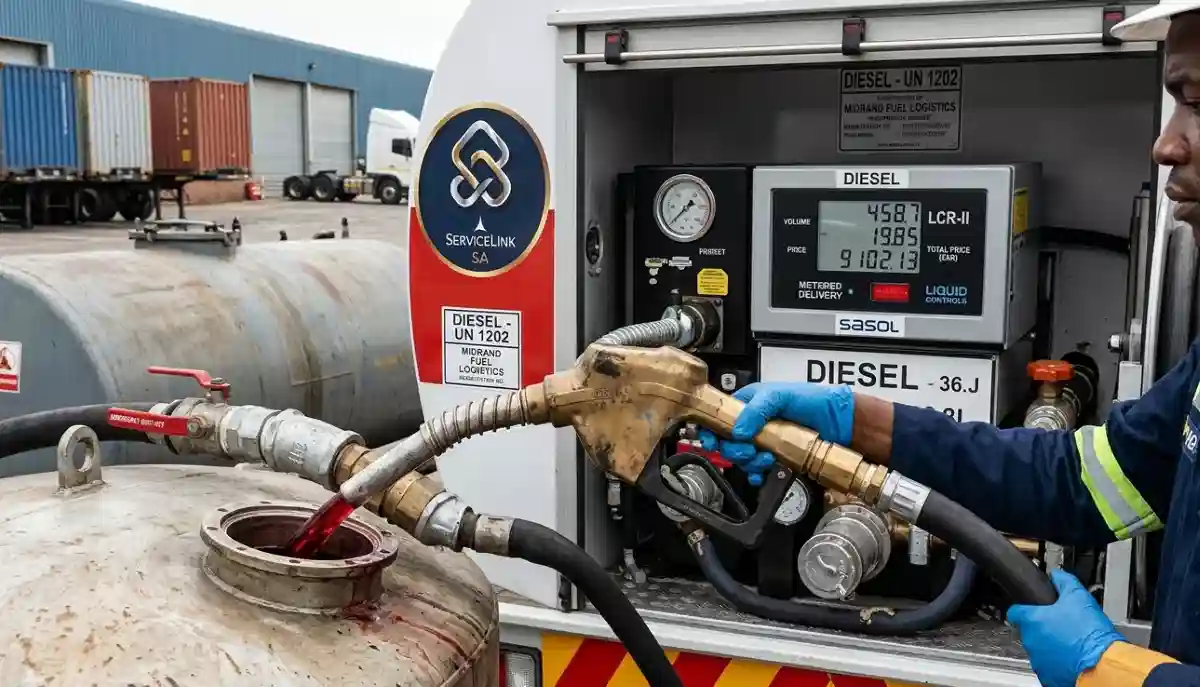
Ready to Streamline Your Fleet Fueling?
Get a customized quote for your fleet. Whether you need overnight refueling, multi-depot contracts, or technology integration, we have a solution.
Take advantage of our free site inspection to assess your depot setup.
🚫 7 Common Fleet Fueling Mistakes and How to Avoid Them
Even experienced fleet managers can fall into these traps. Avoid them to protect your bottom line.
- Mistake #1: Relying Solely on Fuel Cards Without Reconciliation. Fuel cards generate data, but if you don’t analyze it, you’re missing theft and inefficiency. Implement a system for regular mileage reconciliation.
- Mistake #2: Ignoring Fuel Hedging Opportunities. For large fleets, fuel hedging or fixed-price contracts can protect you from market spikes. This is part of strategic contract pricing negotiation.
- Mistake #3: Not Securing Your On-Site Storage. Unlocked tanks and unmonitored pumps are an invitation for theft. Invest in secure, locked dispensing and tank monitoring.
- Mistake #4: Treating All Depots the Same. A depot in Rustenburg has different needs than one in George. Tailor your fueling strategy to local conditions and vehicle types.
- Mistake #5: Overlooking Fuel Quality. Contaminated fuel can destroy engines. Ensure your supplier provides certified fuel and consider regular tank cleaning for your storage.
- Mistake #6: Failing to Plan for Emergencies. What happens if your primary supplier has a delivery failure? Have a backup plan, including emergency fuel delivery contacts.
- Mistake #7: Not Reviewing Your Contract Annually. Fuel market conditions change. Use our beat-your-quote service annually to ensure you’re still getting competitive rates.
💰 Calculating ROI: What Can You Save with Optimized Fleet Fueling?
Let’s look at a realistic example. Consider a courier company with 50 delivery vehicles operating from a depot in Boksburg.
- Situation A (Fuel Cards Only): Drivers fuel at retail stations. Average price: R2.00/L above wholesale. Each vehicle consumes 50L/day. Daily fuel cost premium: 50 vehicles × 50L × R2.00 = R5,000 extra per day.
- Situation B (On-Site Wet Fueling): Install a 20,000L tank and implement overnight refueling. You buy at wholesale + small margin. Capital cost of tank and installation: ~R150,000 (one-time).
- Daily Savings: R5,000.
- Payback Period: R150,000 / R5,000 = 30 days. In just one month, the investment pays for itself, and every day after is pure savings.
This doesn’t even account for the savings from reduced driver downtime, which can be substantial. For a deeper dive into pricing, see our bulk fuel supply cost guide. We also offer a pay-later option to help manage the initial investment.

📋 Compliance Essentials: SARS Refunds and Cross-Border Permits
Fleet fueling isn’t just about logistics—it’s also about legal compliance. Two key areas are often overlooked.
- SARS Fuel Levy Refund for Registered Transporters: Registered road transport operators may be eligible for a refund on the fuel levy for diesel used in their vehicles. This is a significant amount per litre. You must keep meticulous records of all fuel purchases, which our fuel management systems can automate. Visit SARS Customs & Excise for the specific requirements.
- Cross-Border Fuel Transport Permits: If your fleet operates into neighboring countries (Botswana, Mozambique, Zimbabwe), you need specific permits for carrying fuel across borders. The regulations are strict and enforced by the Department of Transport. We can advise on the requirements and connect you with compliance specialists.
Ignoring these can lead to hefty fines and delays. Always verify your supplier’s credentials, including their licensing under the Petroleum Products Act. Our contractor selection guide provides a useful checklist.
❓ Frequently Asked Questions About Fleet Fueling
What are fleet fueling solutions and how do they work?
Fleet fueling solutions South Africa encompass strategies for supplying fuel to commercial vehicle fleets. This can include on-site wet fueling (bulk delivery to your depot), fuel card programs, or a hybrid approach. The goal is to ensure vehicles are fueled efficiently, securely, and at the lowest possible cost.
What is the difference between fuel card and wet fueling?
Fuel card vs wet fueling is a common comparison. Fuel cards are used at retail stations, offering convenience and tracking but at higher prices. Wet fueling involves bulk fuel delivery to your depot and on-site refueling, offering lower per-litre costs and better control, but requires storage infrastructure.
How can I prevent fuel theft from my fleet?
Preventing wet hosing and theft requires a combination of technology and process. Implement RFID-controlled fuel dispensing, use a fuel management system to track every litre against vehicle mileage, conduct regular reconciliations, and secure your on-site storage tanks with locks and monitoring.
Do you offer overnight fleet refuelling in Johannesburg?
Yes, we provide night-time fleet refuelling services in Johannesburg and other major centers like Pretoria, Durban, and Cape Town. Our teams refuel your vehicles after hours, so they’re ready for dispatch first thing in the morning, maximizing uptime and driver productivity.
What is a multi-depot fuel supply contract?
A multi-depot fuel supply contract is a single agreement that covers fuel delivery to all your company’s depots nationwide. It simplifies administration by providing unified pricing, centralized billing, and consistent fuel quality across all locations, which is ideal for large logistics companies with operations in multiple cities.
How does fuel management software integrate with fleet fueling?
Modern fuel management for logistics fleets relies on software integration. Telemetry systems monitor tank levels, RFID controls dispensing, and the software reconciles fuel used against vehicle mileage. This data can be integrated with telematics providers like C-track for a complete operational picture.
Can I claim a fuel levy refund from SARS for my fleet?
Registered transport operators may be eligible for a SARS fuel levy refund on diesel used in their vehicles. Strict record-keeping is required. Our fuel management systems can generate the detailed consumption reports needed to support your refund claim, helping you recover significant costs.
What permits are needed for cross-border fuel transport?
For fleets operating across South Africa’s borders, specific cross-border fuel transport permits are required. These are regulated by the Department of Transport and customs authorities in neighboring countries. We can advise on the requirements and help connect you with compliance specialists to ensure your operations are legal.
✅ Your Fleet Fueling Optimization Action Plan
Optimizing your fleet fueling is one of the fastest ways to improve your logistics company’s profitability. By moving from a reactive, retail-based model to a proactive, managed solution, you gain control over your largest variable cost.
Key takeaways:
- Compare fuel card vs wet fueling models to find the best fit for your operational pattern.
- Explore night-time fleet refuelling services to maximize driver uptime.
- Leverage technology with a fuel management system for real-time control and reconciliation.
- Consolidate multiple locations under a single multi-depot fuel supply contract for better pricing and simpler administration.
- Stay compliant with SARS refund claims and cross-border permits.
- Always verify your supplier’s credentials and insurance. Our contractor’s liability insurance page explains why this is critical.
Your 5-Step Fleet Fueling Action Plan
- Audit Your Current Fuel Spend: Analyze your last 3-6 months of fuel invoices. What did you pay per litre? How much driver time was spent fueling? What were the administrative costs?
- Evaluate Your Infrastructure: Do you have space for a tank? Is your depot secure? Book a free inspection to assess your site’s potential for on-site fueling.
- Define Your Requirements: Do you need overnight refueling? Multi-depot coverage? Technology integration? Write down your must-haves.
- Get Multiple Quotes: Use our quote request system to get proposals from specialized fleet fueling providers. Compare them on price, service, and technology.
- Implement and Monitor: Once you’ve chosen a partner, implement the solution and use your fuel management system to monitor results continuously. Review performance quarterly.
Transform Your Fleet Fueling Today
Get free, no-obligation quotes from specialized fleet fueling providers. Start saving time and money from day one.
📞 Call us: 073 138 4726 for immediate fleet fueling consultation.
Free site inspections •
Beat-your-quote guarantee •
Our guarantees
📚 Official resources & standards referenced:
- SARS Customs & Excise – Fuel levy refund requirements for registered transporters.
- C-track – Fleet management and telematics technology standards.
- Department of Transport – Cross-border fuel transport permits and regulations.
Information is for general guidance. For specific advice, consult a qualified professional.
Written by: Innocent T Hanyani
21+ years construction, logistics, and digital industry experience, ServiceLink SA
Innocent has spent decades advising transport and logistics companies on operational efficiency. He has seen firsthand how optimized fueling strategies transform businesses, turning fuel from a cost center into a competitive advantage.
For more detailed information, explore our related guides: fuel management systems for deeper technology insights, diesel delivery services for scheduled supply, and how to choose a bulk fuel supplier for vetting tips. Our bulk fuel supply cost guide provides pricing context. See our service areas page for coverage in your region, including Gauteng, Durban, and Cape Town.