
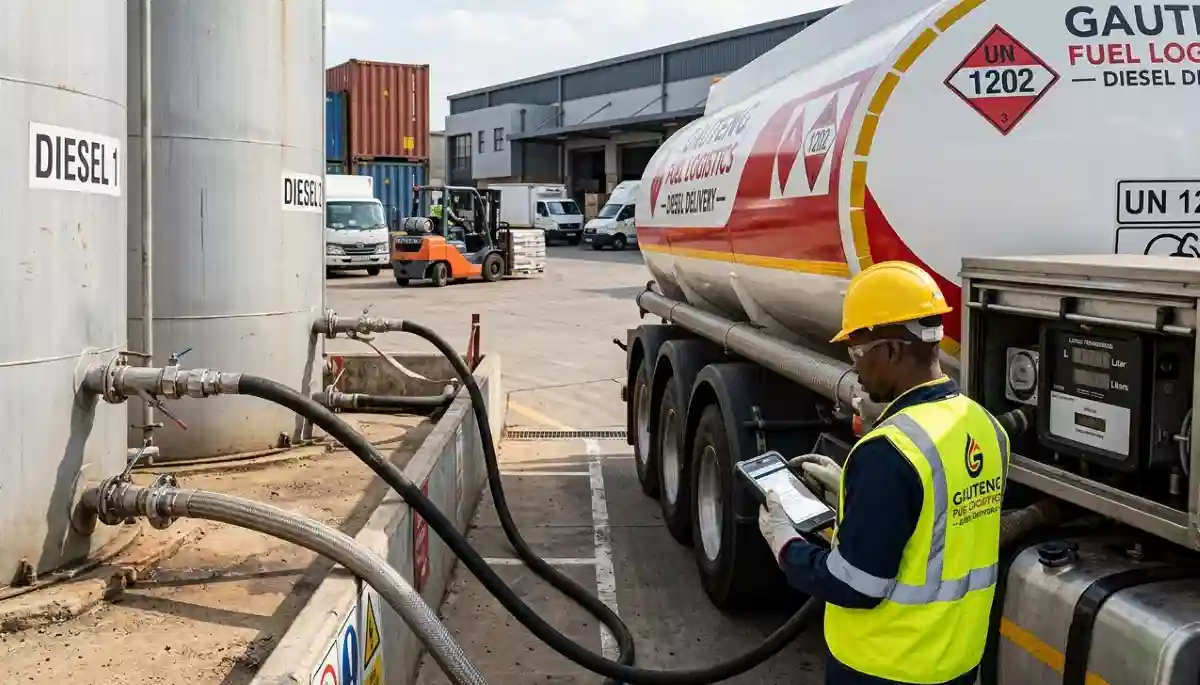
Diesel Delivery Services South Africa: Reliable Supply for Every Industry
⛽ From 50ppm for modern fleets to 500ppm for construction—get wholesale diesel delivered anywhere, anytime.
Whether you’re managing a construction site in Johannesburg, running agricultural operations in the Free State, or powering a factory in Durban, a reliable diesel delivery services South Africa partner is essential to your operations. Diesel is the lifeblood of your equipment, and when you need it, you need it delivered safely, accurately, and on time.
This comprehensive guide explores everything you need to know about professional diesel delivery. We’ll cover the differences between fuel grades—50ppm diesel delivery versus 500ppm diesel for construction—and explain important concepts like dyed diesel and rebated fuel for off-road use. You’ll learn about delivery minimums, scheduling, and what to expect from a commercial diesel delivery contract. We’ll also dive into fuel quality indicators like cetane rating and cloud point, and how to perform a dip test to verify deliveries. For urgent needs, see our emergency fuel delivery page.
Ready to secure reliable diesel supply for your business? Explore our Services Overview or visit our main Bulk Fuel Supply page. For more on our service commitment, see How It Works.
Get Reliable Diesel Delivery Quotes
Compare vetted suppliers offering scheduled and spot diesel delivery. 50ppm, 500ppm, and off-road options available.
Servicing Gauteng, Limpopo, Mpumalanga, North West, Free State, and all major provinces
📋 Table of Contents – Diesel Delivery Guide
⏱️ Why Professional Diesel Delivery is Essential for Your Operations
Sending staff to fill drums at a retail station is inefficient, risky, and often more expensive. Professional diesel delivery services South Africa offer a range of benefits that go far beyond simple convenience.
- Cost Savings: Buying wholesale diesel delivered directly to your site eliminates retail markups. For high-volume users, this saving is substantial.
- Safety: Transporting fuel in unauthorized containers is dangerous and often illegal. Professional deliveries use certified tankers with spill prevention, meeting all safety regulations.
- Quality Assurance: Fuel from reputable suppliers meets SANS 342: Diesel fuel standard. You know exactly what you’re getting—correct cetane rating, proper additives, and no contamination.
- Traceable Delivery: Every drop is metered and documented. You get a delivery note showing exact volume, confirming you’re billed correctly.
- Time Efficiency: Your team focuses on their core work, not running errands for fuel.
Read more about our commitment to quality on our About Us page and see why clients trust us on Benefits of Choosing Us.
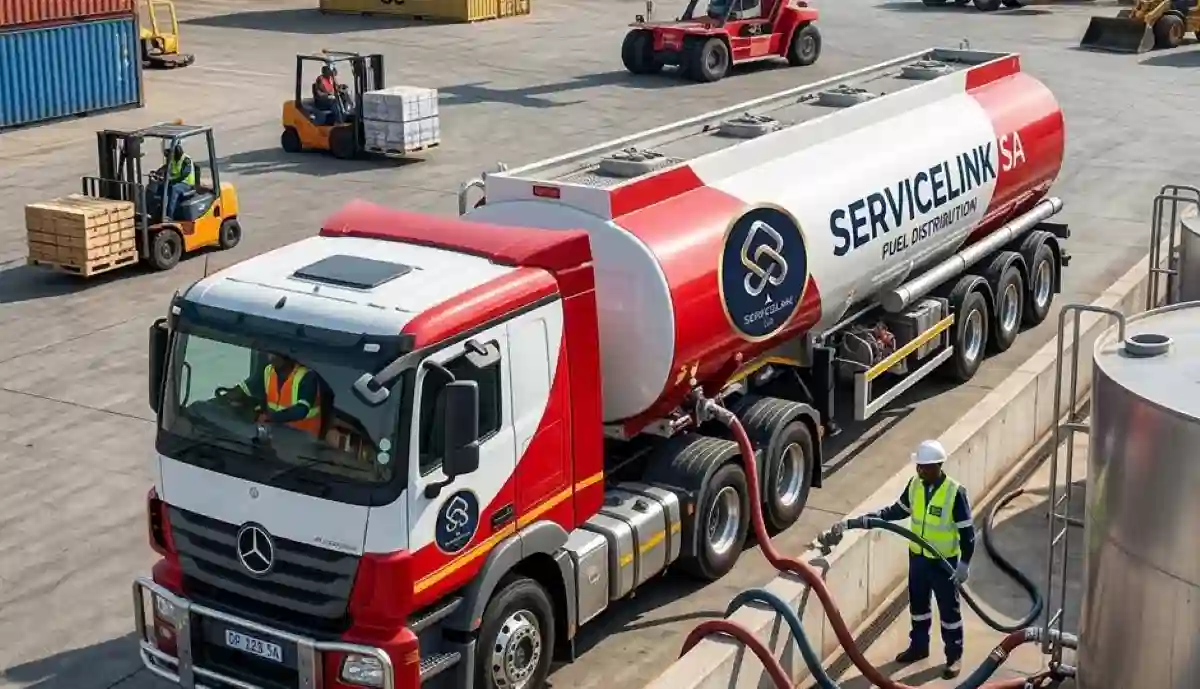
🔬 50ppm vs 500ppm Diesel: Which Grade Does Your Business Need?
One of the most common questions we receive is about the difference between diesel grades. The ‘ppm’ stands for parts per million of sulphur content, and choosing correctly is critical for engine health and compliance.
| Characteristic | 50ppm Diesel (Low Sulphur) | 500ppm Diesel |
|---|---|---|
| Sulphur Content | Maximum 50 parts per million | Maximum 500 parts per million |
| Primary Use | Modern vehicles with advanced emission controls (DPF, SCR). Most new cars, trucks, and generators. | Older engines, construction equipment, mining machinery, agricultural tractors without modern emission systems. |
| Cost | Higher (more refining required) | Lower |
| Availability | Widely available at most suppliers | Widely available, often preferred for industrial use |
| SANS Standard | SANS 342 for low-sulphur diesel | SANS 342 for regular diesel |
Using 500ppm in a modern engine designed for 50ppm can clog particulate filters and cause expensive damage. Conversely, using 50ppm in an old engine is fine but costs more. Choose based on your equipment manufacturer’s specifications. For 50ppm diesel delivery Cape Town or 500ppm diesel for construction Johannesburg, we supply both.
🎨 Understanding Dyed Diesel and Rebated Fuel
Dyed diesel (also known as rebated fuel or red diesel) is chemically identical to regular diesel but contains a red dye to indicate that it is intended for off-road use only. It carries a lower tax rate because it doesn’t contribute to the Road Accident Fund (RAF) levy.
- Legal Use: Farms, construction sites, mines, generators, and other stationary or off-road equipment.
- Illegal Use: Using dyed diesel in vehicles that drive on public roads is tax evasion and carries severe penalties, including fines and vehicle impoundment.
- Verification: SARS and traffic authorities can test fuel at roadside checkpoints. If your tank contains dyed diesel, you must prove legitimate off-road use or face consequences.
For agricultural operations in the Free State or Limpopo, using rebated fuel for tractors and irrigation pumps is perfectly legal and cost-effective. Always declare your usage correctly and keep records. Our fuel management systems can help track usage by machine.
📋 The Diesel Delivery Process: From Order to Dip Test
A professional diesel bowser hire or delivery follows a standardized process to ensure safety, accuracy, and quality.
- Scheduling: You place an order specifying volume, fuel grade (50ppm or 500ppm), and delivery location. For regular needs, we recommend setting up a commercial diesel delivery contract with fixed schedules.
- Pre-Delivery Check: The driver performs a site safety assessment, checks tank capacity, and verifies the fill point to avoid cross-contamination.
- Dip Test (Before): A professional driver will perform a dip test of your tank before pumping. This measures existing fuel level and checks for water in fuel—a common contaminant that can damage engines.
- Metered Delivery: Fuel is pumped through calibrated meters. You can watch the meter tick over, ensuring you receive exactly what you pay for. This is traceable delivery in action.
- Dip Test (After): Another dip test confirms the new volume and verifies the delivery quantity.
- Documentation: You receive a delivery note with date, time, volume, fuel grade, and meter readings. Keep these for your records and for any SARS rebate claims.
🏗️ Industry-Specific Diesel Delivery Solutions
Different industries have unique fuel needs. We tailor our diesel delivery services South Africa to match.
| Industry | Typical Fuel Grade | Special Requirements | Local Service Example |
|---|---|---|---|
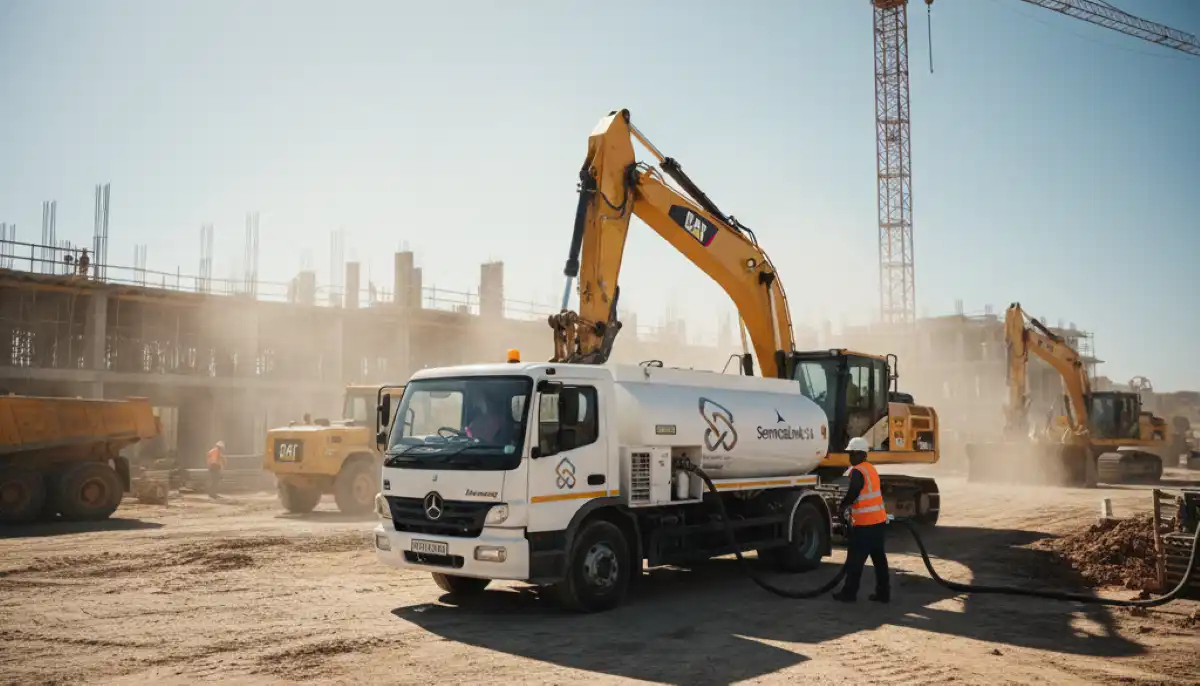
| Construction | 500ppm for earthmoving equipment | Flexible delivery schedules, on-site bowsers, ability to fuel multiple machines quickly. Often needs diesel delivery for construction sites Johannesburg with tight access. | Gauteng construction |
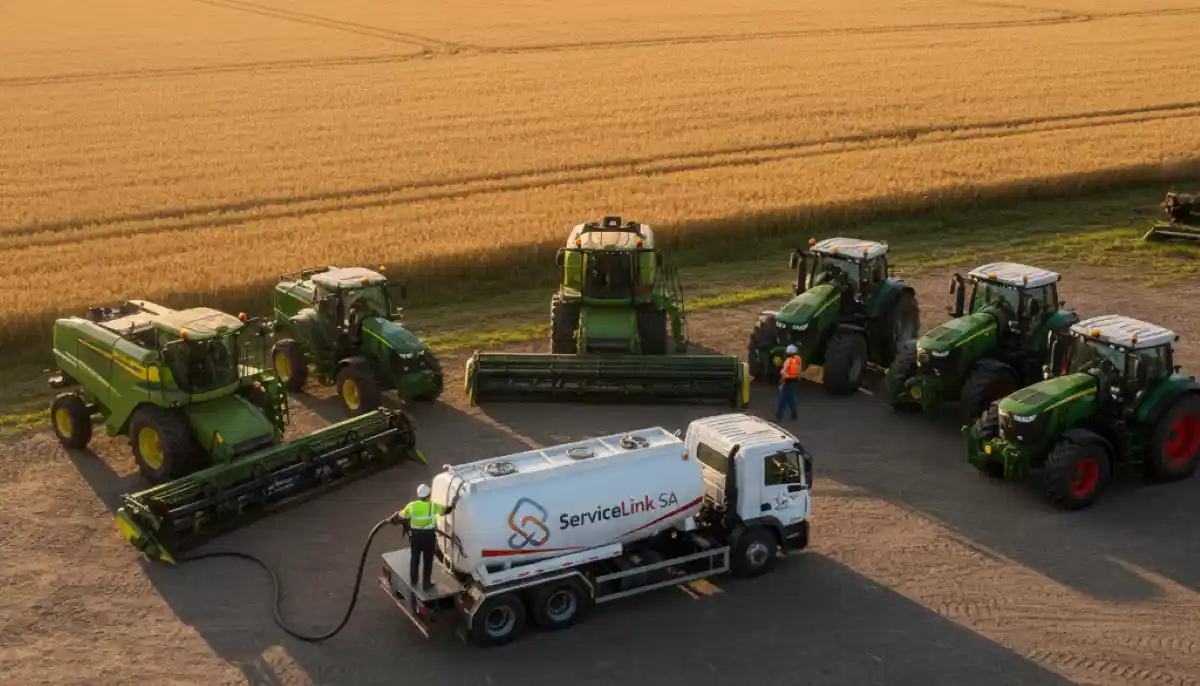
| Agriculture | 500ppm, often dyed/rebated | Deliveries to remote farms, large storage tanks, seasonal demand spikes during planting/harvest. Our diesel refuelling service for farms is designed for rural accessibility. | Free State farms |
| Mining | 500ppm for heavy machinery | Very high volumes, stringent safety protocols, often need 24/7 delivery capabilities. | Mpumalanga mines |
| Fleet/Logistics | 50ppm for modern trucks | Overnight refuelling, depot-based storage, integration with fleet fueling solutions. | Joburg logistics |
| Manufacturing | 50ppm or 500ppm for generators/plant | Consistent, reliable supply for backup power. Often combined with generator fuel services. | Durban factories |
Need Reliable Diesel Delivery?
Get quotes from vetted suppliers for scheduled or spot delivery. 50ppm, 500ppm, and rebated fuel options available nationwide.
Take advantage of our free site inspection to assess your storage and access.
🚫 7 Common Diesel Delivery Mistakes to Avoid
Even experienced site managers can make these errors. Avoid them to protect your equipment and budget.
- Mistake #1: Not Specifying the Correct Fuel Grade. Ordering 500ppm for a fleet of modern trucks with DPF filters will lead to costly repairs. Always confirm your equipment’s requirements.
- Mistake #2: Ignoring Minimum Delivery Quantities. Many suppliers have a diesel delivery minimum 1000 litres or more. Ordering below this may incur surcharges or be refused. Plan your orders accordingly.
- Mistake #3: Failing to Perform Dip Tests. Always do a pre-delivery dip test. You need to know your starting level and check for water contamination. A post-delivery test verifies you received the correct volume.
- Mistake #4: Using Unverified Suppliers. Not all “suppliers” are licensed. Use our supplier selection guide to vet credentials, including DMRE licensing and insurance.
- Mistake #5: Poor Site Access. Ensure your tank is accessible to a large tanker. Overhanging trees, narrow gates, or soft ground can prevent delivery. We can advise during a free inspection.
- Mistake #6: Neglecting Fuel Quality Over Time. Diesel stored for months can degrade. Water condensation and microbial growth (“diesel bug”) occur. Schedule regular tank cleaning and fuel polishing.
- Mistake #7: Not Keeping Delivery Records. You need records for cost tracking, SARS audits (especially if using rebated fuel), and warranty claims. File every delivery note.
🔬 Fuel Quality Indicators: Cetane Rating, Cloud Point & Testing
Understanding fuel quality helps you specify the right product and verify what you receive. Sasol and other refineries produce diesel to strict SANS specifications.
- Cetane Rating: Similar to octane for petrol, cetane measures ignition quality. Higher cetane means easier starting, smoother combustion, and less noise. South African diesel typically has a cetane number of 45-50. Always ask your supplier for the specification.
- Cloud Point: This is the temperature at which wax crystals begin to form in diesel, turning it cloudy. In cold conditions (like high-altitude areas or winter), a high cloud point can cause fuel to gel and block filters. Suppliers may offer winter-grade diesel with additives to lower the cloud point.
- Water in Fuel: Water is a major contaminant that enters tanks through condensation or poor handling. It promotes microbial growth and can destroy injector pumps. A simple dip test using water-finding paste can detect its presence.
- Microbial Growth (Diesel Bug): Bacteria and fungi thrive at the fuel-water interface, creating sludge that clogs filters and corrodes tanks. Regular fuel tank cleaning maintenance and the use of biocides are essential for stored fuel.
If you suspect fuel quality issues, we can arrange sampling and laboratory testing.
📝 Commercial Diesel Delivery Contracts: What to Look For
For businesses with regular, predictable consumption, a commercial diesel delivery contract offers significant advantages over spot purchases.
- Price Stability: Contracts can fix the margin over the Basic Fuel Price (BFP) for a period, protecting you from wholesale margin spikes.
- Guaranteed Supply: During shortages or high-demand periods (like Stage 6 loadshedding), contract customers get priority. The NRSA recognizes the importance of critical fuel allocation for essential services.
- Simplified Administration: One contract, one supplier, one invoice for all your diesel needs, even across multiple sites.
- Key Elements to Check:
- Pricing Formula: How is the price calculated? (e.g., BFP + fixed margin + transport)
- Volume Commitment: Is there a minimum monthly purchase?
- Term: How long does the contract run? Are there penalties for early termination?
- Delivery Schedule: Fixed days or on-demand?
- Payment Terms: Our pay-later option can help with cash flow.
We recommend reviewing contracts annually and using our beat-your-quote service to ensure you’re still competitive.
❓ Frequently Asked Questions About Diesel Delivery
What is the minimum quantity for diesel delivery in South Africa?
The diesel delivery minimum 1000 litres is common for scheduled deliveries, though some suppliers may offer smaller drops at a premium. For emergency or after-hours calls, minimums may be higher. Always confirm with your supplier before ordering to avoid disappointment.
What is the difference between 50ppm and 500ppm diesel?
50ppm diesel delivery is low-sulphur fuel required for modern vehicles with emission control systems. 500ppm diesel for construction and older equipment has higher sulphur content and is generally cheaper. Using the wrong grade can damage engines, so check your manufacturer’s specifications.
What is dyed diesel and can I use it in my trucks?
Dyed diesel (rebated fuel) is for off-road use only—farms, construction sites, generators. It contains a red dye and has a lower tax rate. Using it in trucks on public roads is illegal tax evasion, subject to fines and vehicle impoundment. Always use clear (undyed) diesel for on-road vehicles.
How do I know I’m getting the correct volume of diesel?
Professional services provide traceable delivery with calibrated meters and delivery notes. You can also perform your own dip test before and after delivery to verify the volume. This involves measuring the fuel level in your tank with a calibrated dip stick and comparing against tank capacity charts.
Do you offer diesel delivery for farms in rural areas?
Yes, our diesel refuelling service for farms covers agricultural operations across South Africa, including Free State, Limpopo, and North West. We understand the need for reliable supply during planting and harvest seasons and can deliver rebated fuel for tractors and irrigation pumps.
What is a dip test and why is it important?
A dip test involves measuring the fuel level in your tank using a calibrated gauge or dip stick before and after delivery. It verifies the starting volume, confirms the delivered quantity, and can detect water in fuel using water-finding paste. This simple step prevents billing disputes and identifies contamination early.
How can I ensure my stored diesel remains usable?
Stored diesel can degrade over time. Water condensation leads to microbial growth (“diesel bug”), and fuel can oxidize. To maintain quality, use fuel regularly, keep tanks full to minimize condensation, add biocides, and schedule professional fuel tank cleaning maintenance annually.
What safety measures are in place during diesel delivery?
Professional deliveries follow strict safety protocols: drivers are trained in hazardous material handling, trucks carry spill kits and fire extinguishers, and deliveries are conducted with fuel storage bunding spill containment systems in place. Drivers also perform site safety checks before starting any transfer.
What is cetane rating and why does it matter?
Cetane rating measures how easily diesel ignites under compression. Higher cetane (typically 45-50 in SA) means easier cold starts, smoother running, and less engine noise. Low cetane can cause rough operation and increased emissions. Reputable suppliers provide fuel meeting SANS standards with appropriate cetane levels.
✅ Your Diesel Delivery Action Plan
Reliable diesel delivery services South Africa are about more than just fuel—they’re about peace of mind, operational continuity, and cost control. By choosing the right partner and understanding the process, you set your business up for success.
Key takeaways:
- Choose the correct fuel grade (50ppm vs 500ppm) for your equipment.
- Understand the legal use of dyed/rebated fuel for off-road applications.
- Always verify deliveries with dip tests and keep records.
- Monitor fuel quality—cetane, cloud point, and contamination matter.
- Consider a commercial contract for price stability and guaranteed supply.
- Verify your supplier’s credentials and insurance. Our contractor’s liability insurance page explains why this is critical.
Your 5-Step Diesel Delivery Action Plan
- Assess Your Needs: Calculate your monthly consumption, preferred fuel grade, and storage capacity. Do you need 50ppm, 500ppm, or rebated fuel?
- Check Your Infrastructure: Is your tank in good condition? Is the area accessible for a tanker? Book a free inspection to identify any issues.
- Research Suppliers: Use our quote request system to get proposals from multiple vetted suppliers. Compare pricing, terms, and service levels.
- Establish Procedures: Train your team on dip testing, delivery acceptance, and record-keeping.
- Schedule and Monitor: Set up a delivery schedule that matches your consumption. Monitor fuel quality and review supplier performance regularly.
Secure Your Diesel Supply Today
Get free, no-obligation quotes from vetted diesel delivery suppliers. Scheduled, spot, or emergency—we connect you with the right partner.
📞 Call us: 073 138 4726 for immediate diesel delivery consultation.
Free site inspections •
Beat-your-quote guarantee •
Our guarantees
📚 Official resources & standards referenced:
- Sasol – 50ppm and 500ppm diesel specifications and quality standards.
- SABS (South African Bureau of Standards) – SANS 342: Diesel fuel standard.
- NRSA – Critical fuel allocation during supply disruptions.
Information is for general guidance. For specific advice, consult a qualified professional.
Written by: ServiceLink SA Research Team
Industry analysts with 15+ years in energy, logistics, and fuel supply chain management.
Our team has extensive experience in fuel logistics across South Africa, from agricultural deliveries in the Free State to industrial supply in Gauteng. We understand the practical challenges businesses face and provide actionable guidance.
For more detailed information, explore our related guides: bulk fuel supply cost to understand pricing, emergency fuel delivery for urgent needs, and generator fuel supply for backup power. Our tank installation and tank cleaning pages are also relevant for on-site storage. See our service areas page for coverage in your region, including Gauteng, Durban, and Cape Town.